Earth’s climate has never been a calm, gentle background. It has lurched, flipped, frozen, overheated, and in the process forced life to either adapt in radical ways or disappear forever. When you zoom out over hundreds of millions of years, our planet starts to look less like a stable home and more like a wild roller coaster that living things have had to ride or be thrown off.
What is shocking is how often the rules have changed. Whole groups of dominant creatures have been swept away, while tiny, overlooked survivors used the chaos as a launchpad. In a way, Earth’s worst days have been evolution’s most creative moments. Let’s walk through seven of the most dramatic climate shocks in our planet’s history – times when the environment shifted so brutally that evolution had to rewrite the script.
1. Snowball Earth: When the Planet Nearly Froze Solid
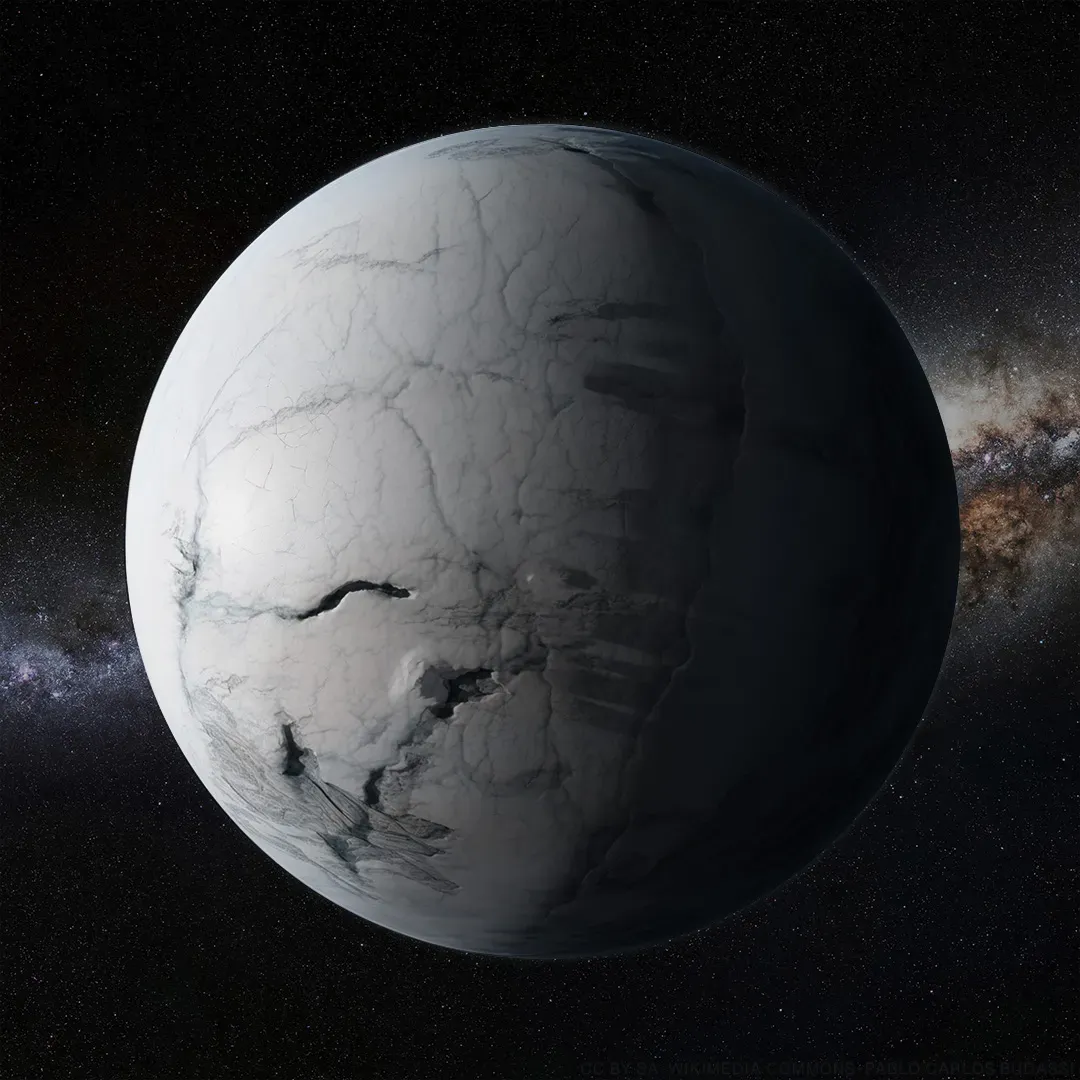
Imagine standing on a tropical coastline and seeing nothing but ice stretching to the horizon. During the Neoproterozoic era, roughly between about seven hundred and six hundred million years ago, Earth may have been almost entirely encased in ice, from poles to equator. Global temperatures plunged, oceans froze over at the surface, and sunlight bounced back into space from bright, reflective ice, locking the planet into a deep freeze.
For life, which was still mostly made up of simple microbes, this was a brutal filter. Many shallow-water habitats likely vanished under thick ice, and photosynthesis would have been squeezed into thin belts of open water or pockets under the ice where light could still reach. Yet those survivors – resilient bacteria, algae, and other microscopic life – seem to have made it through by exploiting any crack, hydrothermal vent, or thin spot in the frozen shell.
2. The Great Oxygenation and the First Climate Catastrophe
Long before animals, the climate crisis was chemical. Early photosynthetic microbes started releasing oxygen into the oceans more than two billion years ago. At first, that oxygen reacted with dissolved iron and other elements, but eventually it spilled into the atmosphere, transforming it from a low-oxygen, greenhouse-heavy blanket into something far more oxidizing and, for many existing organisms, downright toxic.
This shift, sometimes called the Great Oxygenation Event, likely triggered severe global cooling. Methane, a powerful greenhouse gas produced by early microbes, was destroyed by rising oxygen, reducing atmospheric warming. Some evidence points to large-scale glaciations following this transition, climate swings that wiped out many oxygen-intolerant species. Yet this same upheaval opened the door for new metabolic strategies, including those that rely on oxygen for high-energy respiration – a foundation for complex, active life later on.
3. The End-Permian “Great Dying”: Heat, Drought, and Almost Total Collapse
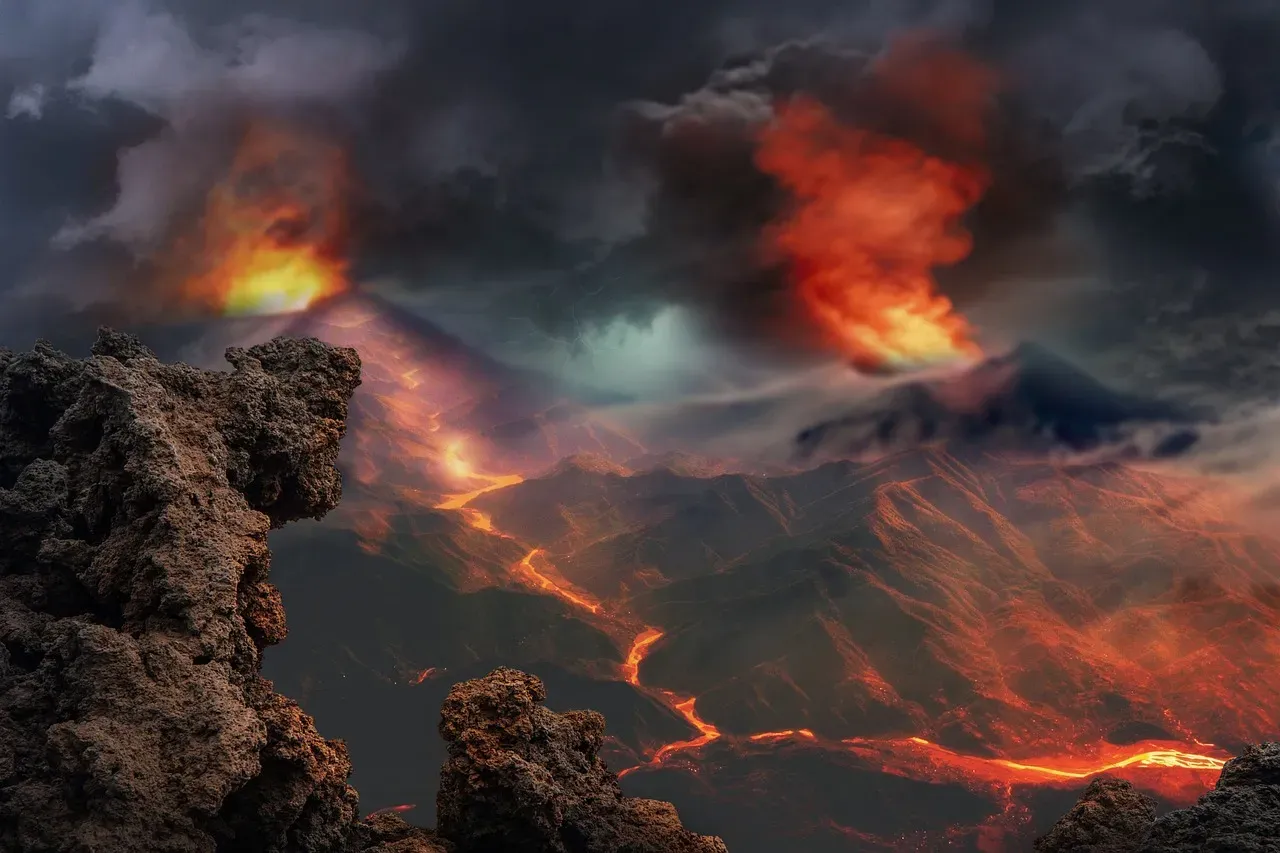
If there were a “worst day” in the history of life, it would be the end-Permian mass extinction around roughly two hundred fifty-two million years ago. Massive volcanic eruptions in what is now Siberia pumped enormous amounts of carbon dioxide and other gases into the atmosphere. The climate heated up sharply, oceans warmed and acidified, and oxygen levels in the seas crashed, creating huge dead zones.
The result was staggering: the vast majority of marine species and a huge portion of land species vanished. Coral reefs collapsed, forests burned or withered, and many groups that had dominated for tens of millions of years never returned. Yet out of this wasteland, new evolutionary lineages took over. Early relatives of modern mammals and the ancestors of many modern marine groups survived in ecological “refuges,” later radiating into a world that had been nearly emptied of competitors.
4. The End-Triassic Flip: From Volcanic Chaos to the Age of Dinosaurs
By the end of the Triassic period, roughly about two hundred million years ago, the supercontinent Pangaea was starting to tear apart. Huge volcanic eruptions associated with this breakup belched massive amounts of carbon dioxide into the atmosphere. The climate swung toward intense greenhouse conditions, with hotter temperatures and disrupted rainfall patterns that reshaped ecosystems across the globe.
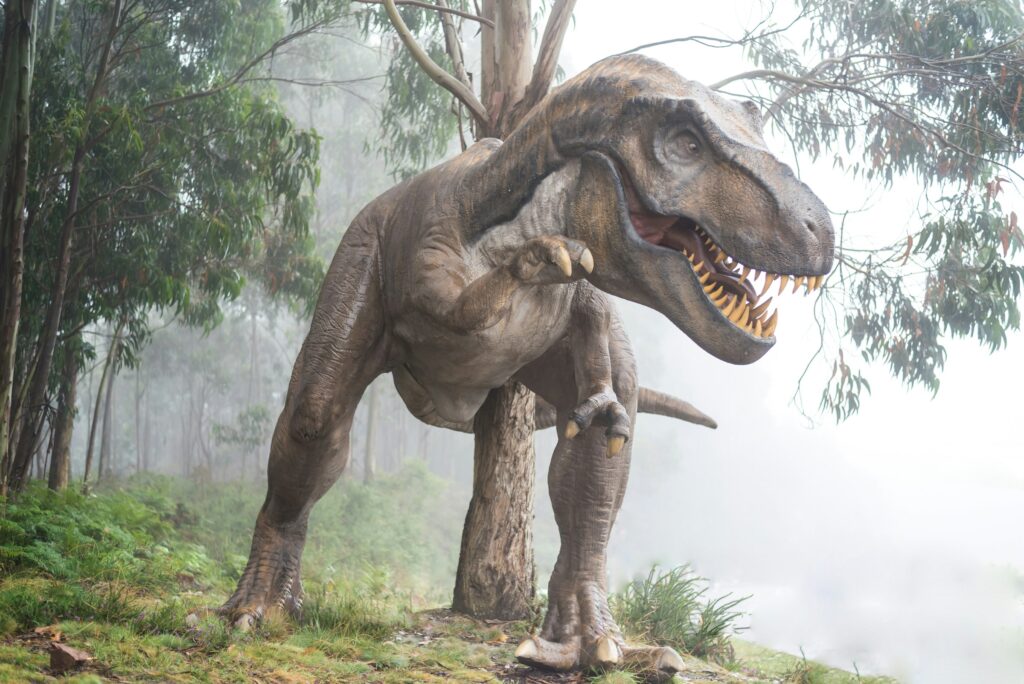
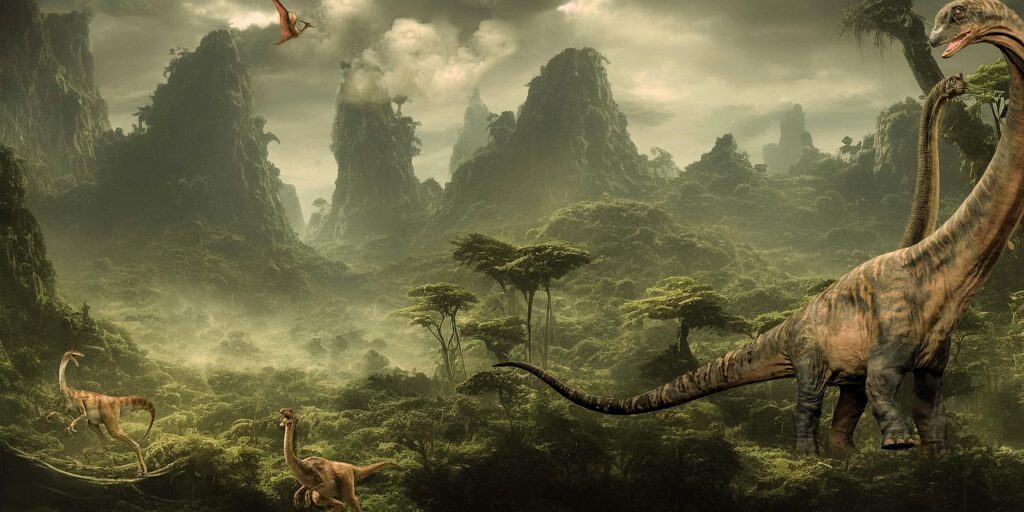
These changes triggered another mass extinction that knocked out many of the dominant reptile groups and early competitors of dinosaurs. Dinosaurs, which had been just one group among many, seem to have been unusually well-suited to the new hot, seasonal, high-carbon world. Over the next tens of millions of years they diversified into enormous plant-eaters, agile predators, and specialized species that filled niches opened by the climate-driven collapse of their rivals.
5. The End-Cretaceous Impact Winter: When Dinosaurs Lost and Mammals Got Their Chance
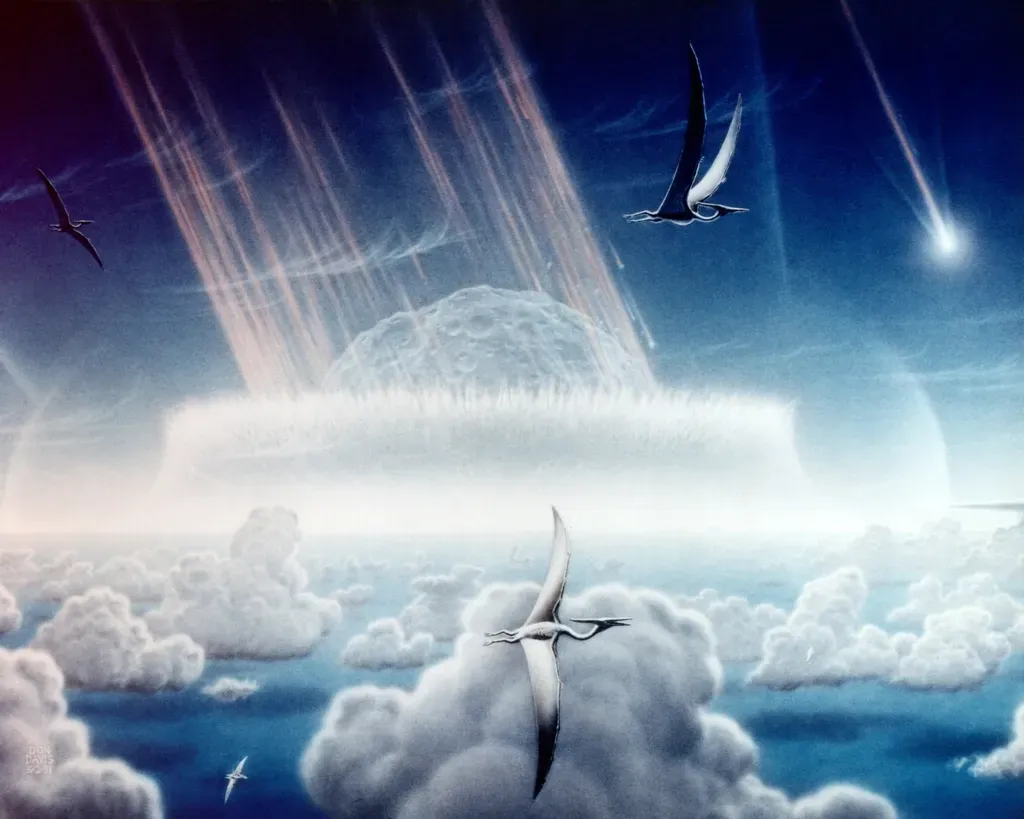
The story most people know begins with a rock from space. Around sixty-six million years ago, a giant asteroid slammed into what is now the Yucatán Peninsula. The immediate destruction was enormous, but the climate aftershock was just as deadly. Dust, soot, and aerosols flung into the atmosphere blocked sunlight, triggering an “impact winter” that drastically cooled the surface and crippled photosynthesis on land and in the oceans.
Combined with massive volcanic activity that was already stressing ecosystems, this sudden cold, dark period wiped out the non-bird dinosaurs and many large marine reptiles. Plants, plankton, and entire food webs collapsed. But small, adaptable survivors – especially birds, small mammals, and hardy plants – made it through by eating seeds, burrowing, or exploiting diverse diets. In the aftermath, as the climate gradually recovered, mammals in particular exploded in diversity, evolving into everything from whales and bats to primates and eventually humans.
6. The Ice Age Pulse: Glacial Whiplash and the Rise of Homo sapiens
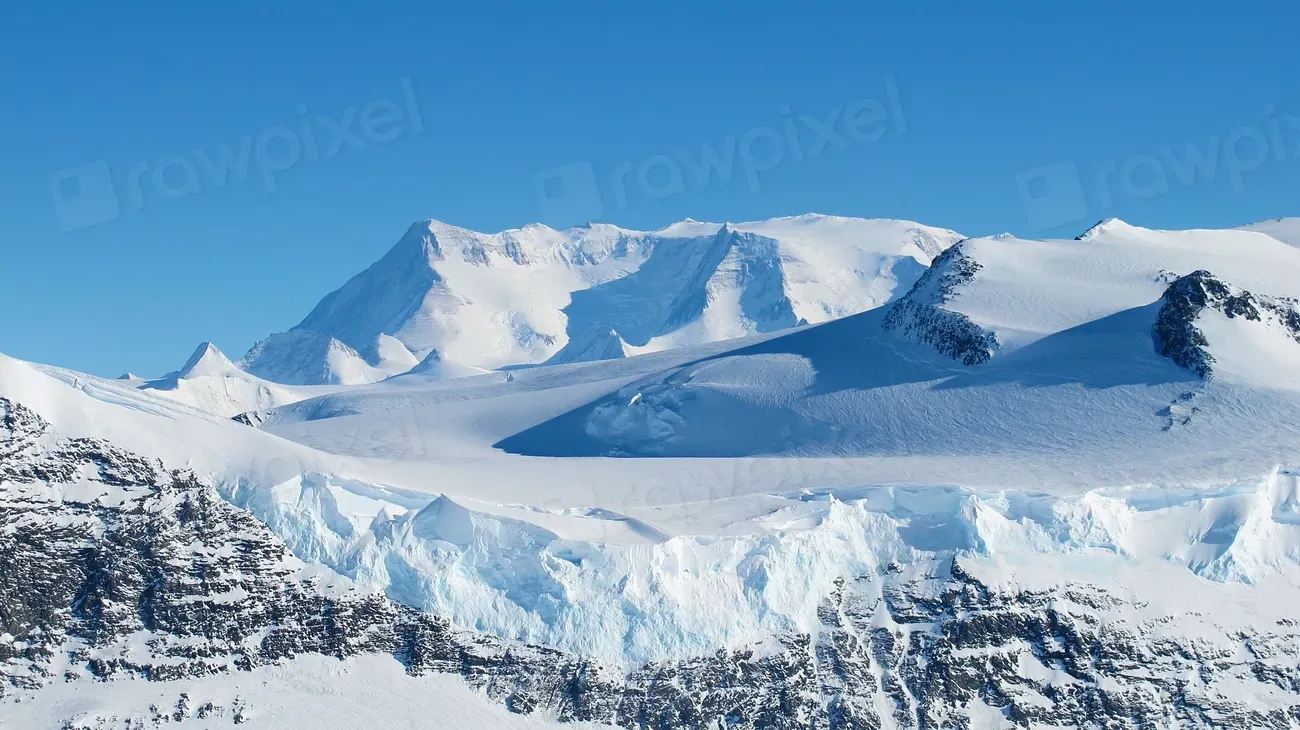
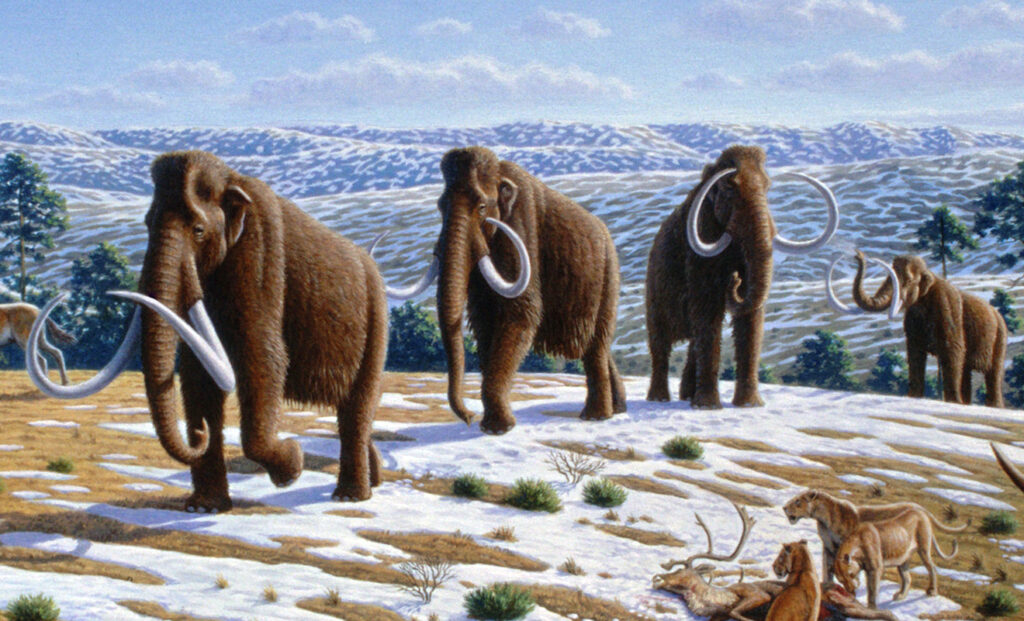
Over the past two and a half million years, Earth’s climate has swung repeatedly between cold ice ages and warmer interglacial periods. Vast ice sheets have advanced and retreated across North America, Europe, and Asia, sea levels have risen and fallen by more than a hundred meters, and habitats have shifted like slow-motion tides. These oscillations were driven by subtle changes in Earth’s orbit and tilt, amplified by feedbacks involving ice, greenhouse gases, and oceans.
For our own lineage, this climate whiplash was a brutal training ground. Human ancestors in Africa faced shifting mosaics of forest, savanna, and arid landscapes. Changing rainfall and temperature patterns forced early humans to move, innovate, and diversify their diets and tools. Many hominin species disappeared along the way, while our own species, Homo sapiens, emerged as a highly flexible generalist, able to live in deserts, forests, and icy tundra. In a very real sense, modern humans are children of unstable climate.
7. The Modern Human-Driven Warming: A New Experiment in Fast-Forward Climate
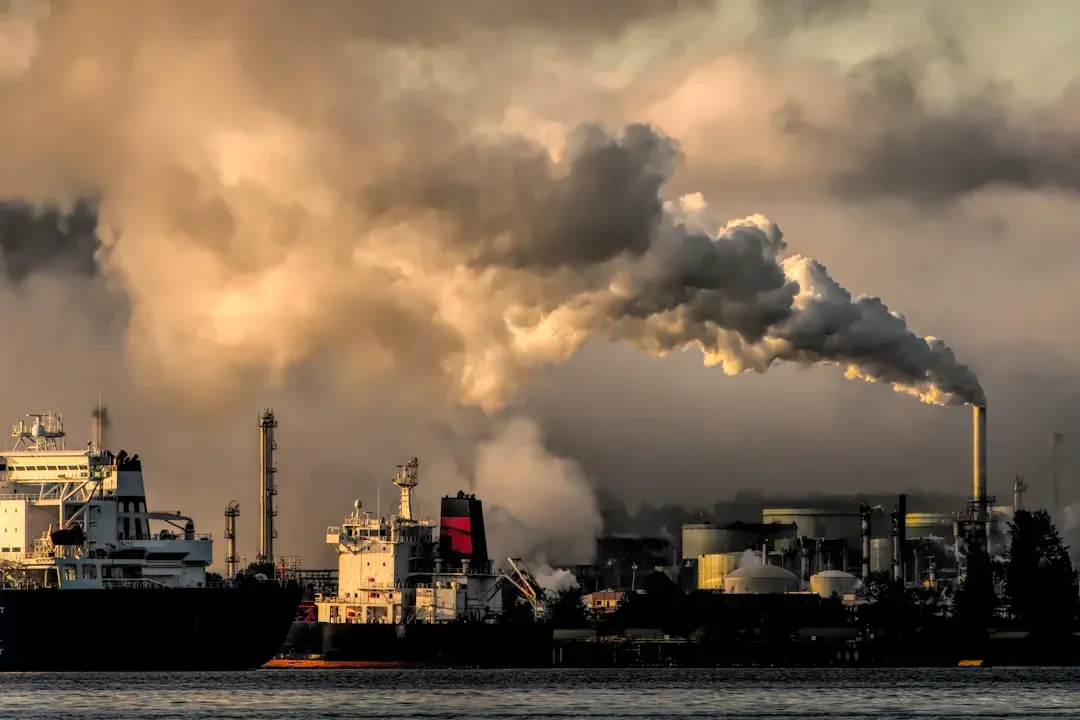
Unlike the past events, the current climate shock is not driven by volcanoes, orbital cycles, or asteroid impacts. In just a couple of centuries, human societies have dug up and burned enormous stores of fossil carbon, raising atmospheric carbon dioxide far beyond pre-industrial levels. Temperatures are climbing rapidly, ice sheets and glaciers are retreating, and oceans are warming and acidifying at a pace that rivals some of the faster natural changes in the geologic record.
Evolution is already responding, but it is being pushed to work at breakneck speed. Some species are shifting their ranges toward the poles or higher elevations, others are altering breeding times or behaviors, and a few show early genetic changes tied to new conditions. Yet many organisms, especially long-lived trees, corals, and large mammals, simply cannot adapt or move fast enough. If past climate crises are any guide, we are entering a period where many current lineages will shrink or vanish, while a subset of tough, adaptable, often opportunistic species will shape the biological future in surprising ways.
Conclusion: Climate Chaos as Evolution’s Relentless Editor
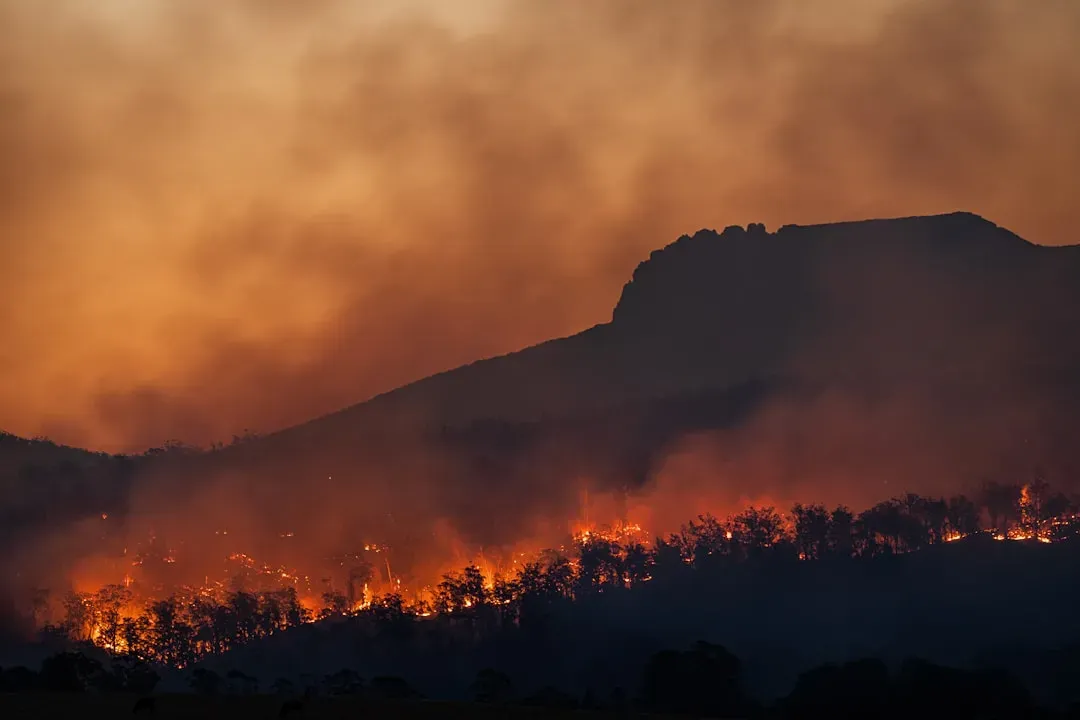
Looking across these seven upheavals, a pattern jumps out: climate is not just a backdrop to evolution, it is a ruthless editor. When temperature, oxygen, or ocean chemistry swing too far or too fast, entire branches of the tree of life are pruned away. Yet at the same time, these disasters clear space for unexpected survivors to experiment, diversify, and redefine what life on Earth looks like.
My own view is that we often underestimate how deeply our own story is entangled with these past shocks. Humans exist only because countless earlier climate catastrophes toppled old dynasties and rewarded flexibility, curiosity, and resilience. The uncomfortable twist is that we are now helping to create the next big test. The question is not whether evolution will find a new path – it always does – but whether the future it invents will still have room for the species and ecosystems we care about today. Which side of that story do you think we are choosing to stand on?