Time in the deep past is almost impossible to feel in your bones. We toss around phrases like “the age of dinosaurs” as if all the giant reptiles stomped around together, shoulder to shoulder in some crowded Jurassic theme park. But when you zoom out and actually look at the numbers, the timelines bend your brain. Suddenly, the dinosaurs are not a single era, the Earth is unimaginably old, and our entire human story is a tiny afterthought scribbled in the last millimeter of a cosmic timeline.
What makes this so wild is that the more precisely scientists date rocks, fossils, and craters, the stranger the story gets. T. rex is closer in time to you than it ever was to Stegosaurus. Some sharks are older than entire mountain ranges. The Tyrannosaurus we picture roaring under stormy skies? It lived closer to iPhones than to the first trilobites. Once you see these comparisons, you can’t unsee them – and the “age of dinosaurs” starts to feel less like a single age and more like a sprawling epic with chapters that most of us never knew existed.
T. rex was closer in time to us than to Stegosaurus
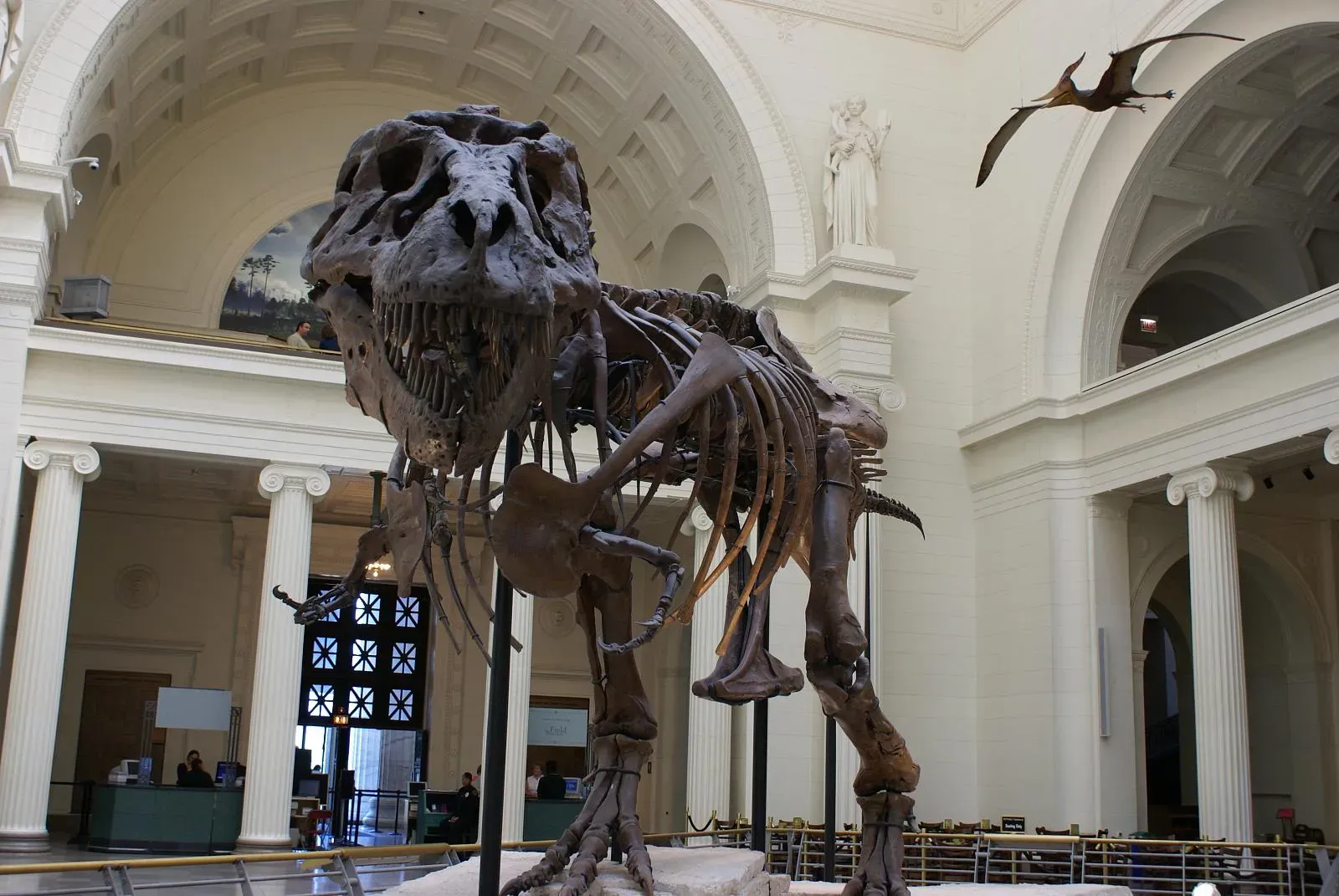
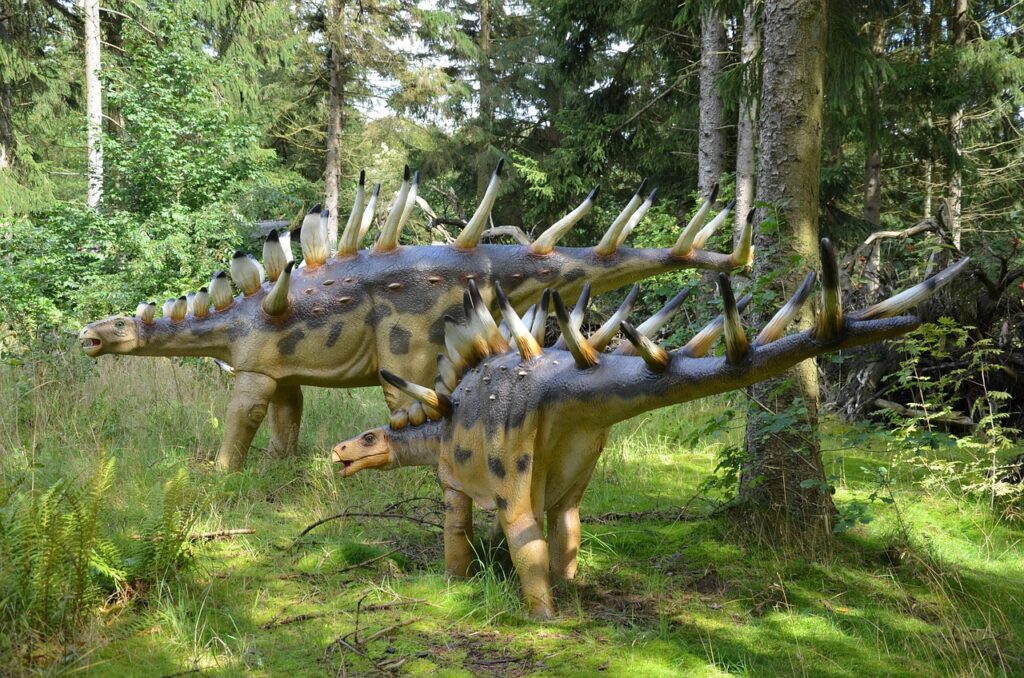
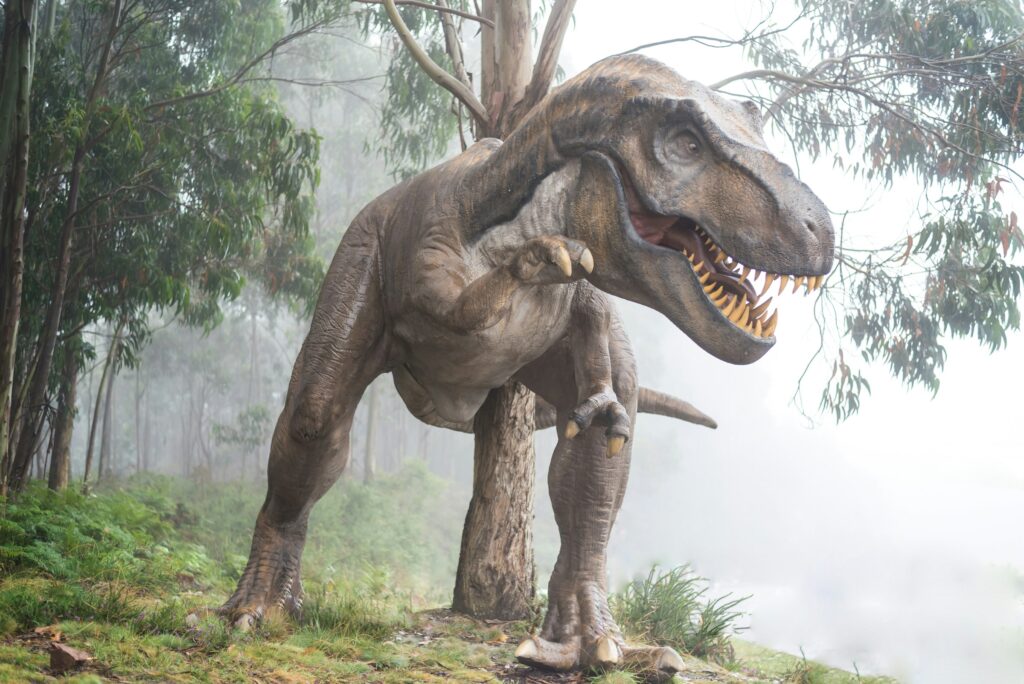
This one sounds like a trick, but it’s just math. Stegosaurus stomped around in the Late Jurassic, roughly about 150 million years ago, while Tyrannosaurus rex lived in the Late Cretaceous, around 66 to 68 million years ago. That means there were on the order of 80 million years between Stegosaurus and T. rex. By contrast, there are only about 66 million years between T. rex and humans today. In other words, T. rex is geologically closer to your last grocery run than to that iconic plate-backed herbivore everyone draws in kindergarten.
Think about it this way: if the entire span between Stegosaurus and T. rex were a day, the time from T. rex to us would be less than that. In the popular imagination, though, Stegosaurus and T. rex often appear in the same mental diorama, like they shared the same forests and squabbled over the same plants. They never met. They were separated by more time than T. rex is from smartphones, cities, and you rereading this sentence. The “dinosaur era” jams together hundreds of millions of years, and this simple comparison blows that illusion apart.
There is more time between T. rex and the first dinosaurs than between T. rex and you
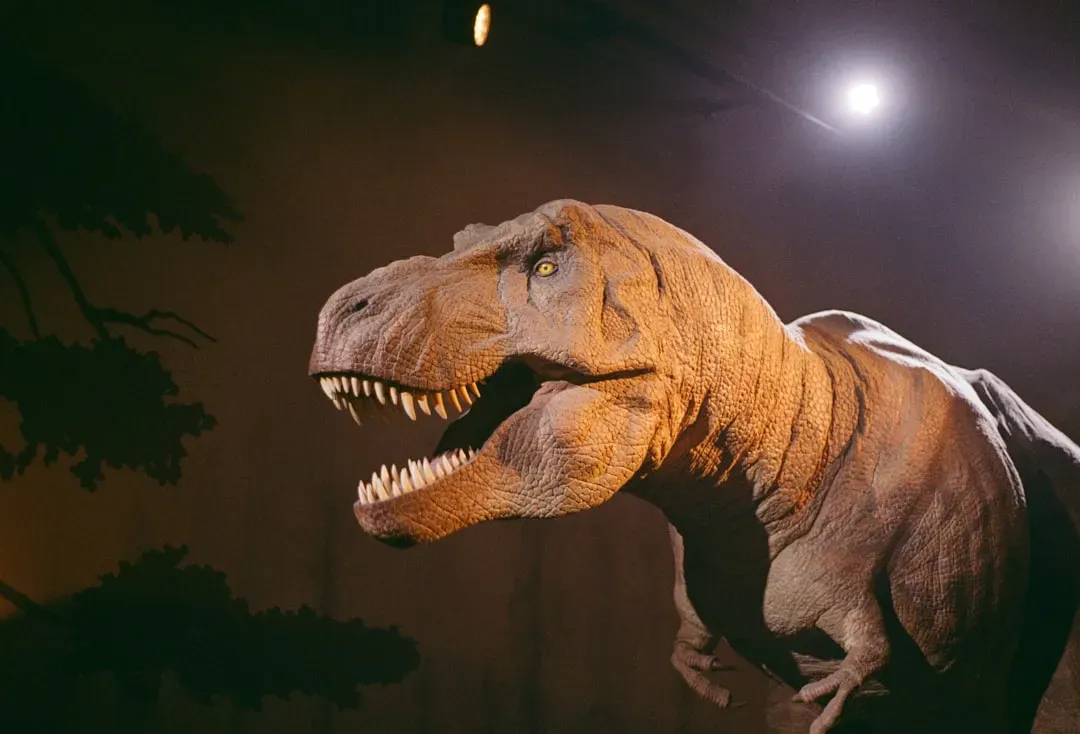
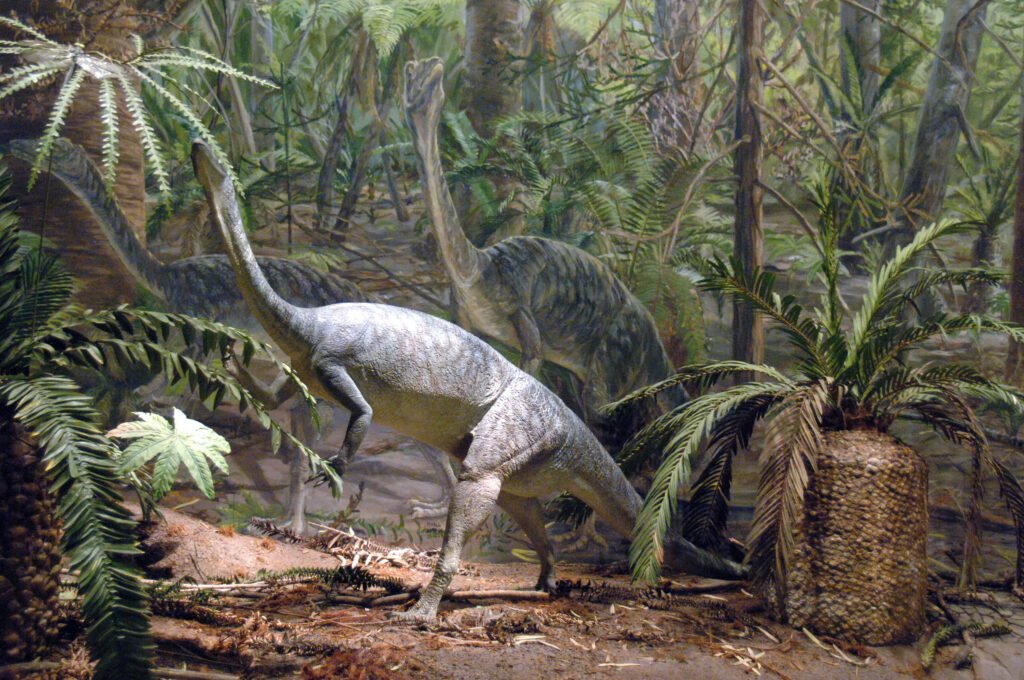
Tyrannosaurus often gets treated as the poster child for all dinosaurs, but it’s actually a very late arrival. The first recognizable dinosaurs show up in the fossil record around 230 million years ago, in the Late Triassic. That puts roughly about 160 million years between the first dinosaurs and T. rex. Compare that with the 66 million years from T. rex’s extinction to today, and suddenly our favorite carnivore looks like a modern cameo at the end of a very long-running series.
If the entire history of non-avian dinosaurs were a movie, T. rex would stroll on in the final scenes, right before the credits roll and the asteroid hits. Meanwhile, much of dinosaur evolution – strange early forms, experimental body plans, weird lineages that came and went – happened in that earlier, much longer stretch that rarely makes it into kids’ books or blockbuster films. We tend to treat dinosaurs as a stable cast of characters, but in reality, by the time T. rex showed up, dinosaurs had already gone through revolutions, extinctions, and mass reshufflings that most people have never even heard of.
We are closer in time to T. rex than T. rex was to the first trilobites

Here’s a comparison that really stretches the mind. Trilobites, those little armored sea creatures you see on fossils sold in museum gift shops, first appear more than 500 million years ago in the Cambrian Period. That means there were well over 400 million years between the first trilobites and T. rex. In contrast, as we already noted, T. rex is only about 66 million years removed from you. Deep time is so lopsided that T. rex is practically our neighbor compared with those early marine arthropods.
Imagine a timeline drawn on a highway. If the distance from the first trilobites to T. rex ran from Los Angeles to New York, the distance from T. rex to you might be just a short walk across a single city. Yet in our heads, trilobites and T. rex both live in that vague place called “prehistoric.” Once you notice this, you start seeing how much our brains compress anything that is older than recorded history. Trilobites lived and diversified for far longer than dinosaurs did, and then they vanished, leaving T. rex to appear ridiculously late in Earth’s story.
We are living closer to the next ice age than ancient Egyptians were to the last one
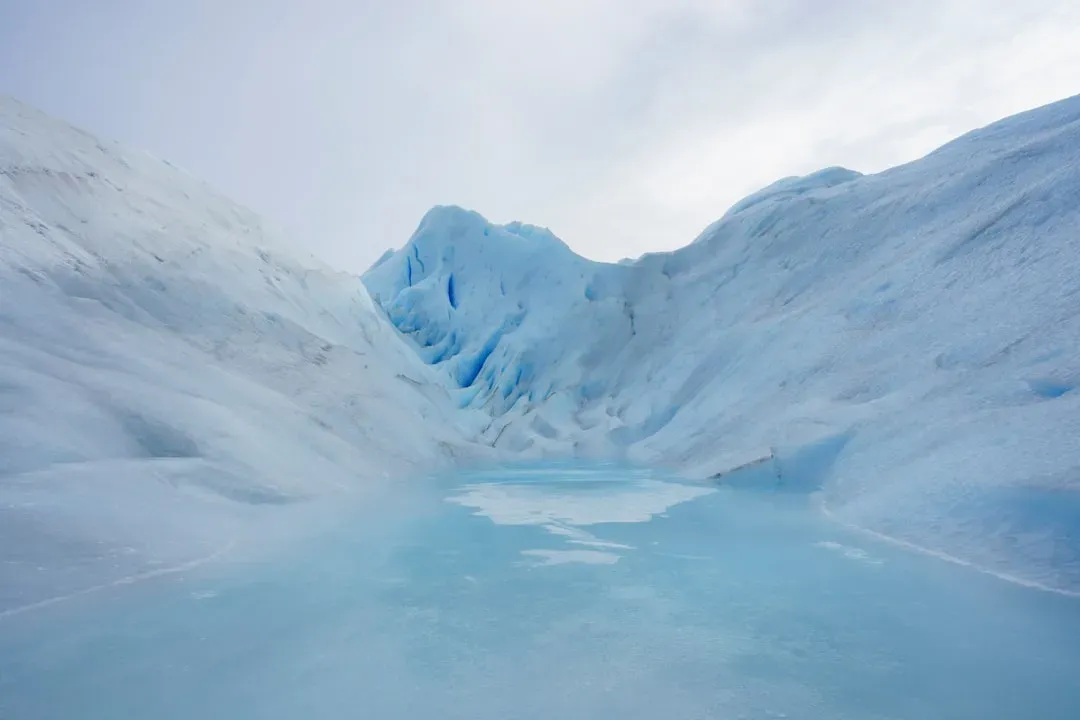
The last major ice age, in the sense of what people usually picture – huge ice sheets covering much of North America and northern Europe – reached its peak about twenty thousand years ago. Ancient Egyptian civilization, by contrast, began around five thousand years ago. So for the Egyptians, that ice age was something like fifteen thousand years in the rearview mirror. Today, if long-term orbital cycles play out as expected, we may be only tens of thousands of years away from the next big glacial phase, assuming humans do not completely rewrite that script with climate change.
Here’s the twist: to your brain, twenty thousand years, five thousand years, and even fifty thousand years all sound just like “a long time ago.” But on a geological scale, those are tiny moves on the dial. The last ice sheets retreated so recently that many landscapes still remember them – scratched bedrock, carved valleys, and strange boulder fields far from any obvious source. In that sense, we are not living in some settled, stable stage of Earth’s climate; we are in a brief warm blip between giant frozen moods, sitting much closer to the next ice age than we like to admit.
Some shark lineages are older than trees and dinosaurs
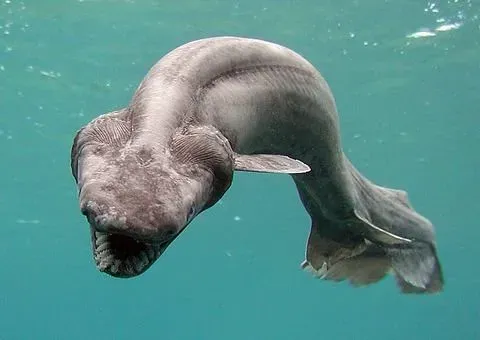
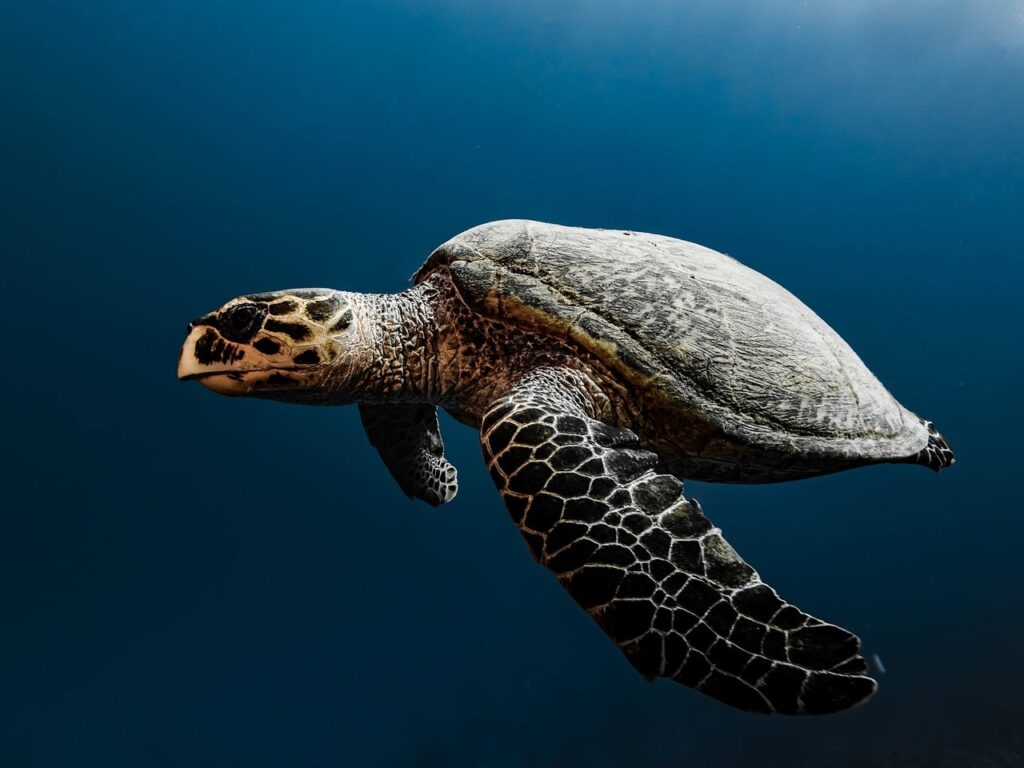
Sharks often get marketed as ancient monsters that “haven’t changed in millions of years,” which is a bit oversimplified but has a core of truth. The earliest shark-like fishes appear more than four hundred million years ago, long before the first dinosaurs and even before true trees took over the land. Complex forests only really exploded later in the Devonian and Carboniferous periods, which means sharks as a broader group predate many of the land ecosystems we think of as fundamental to life on Earth.
To be clear, modern great whites or hammerheads are not identical clones of those early shark ancestors. Evolution has reshaped them many times over. But the shark blueprint – cartilage skeletons, rows of teeth, sleek swimming bodies – has been around for hundreds of millions of years, adapting to multiple mass extinctions and planetary mood swings. When you see a shark slice through the water, you’re watching a style of predator that was already old when the first dinosaurs appeared and was well established before tall trees ever cast shade on the ground.
Earth spent far longer as a lifeless rock than as a world with animals
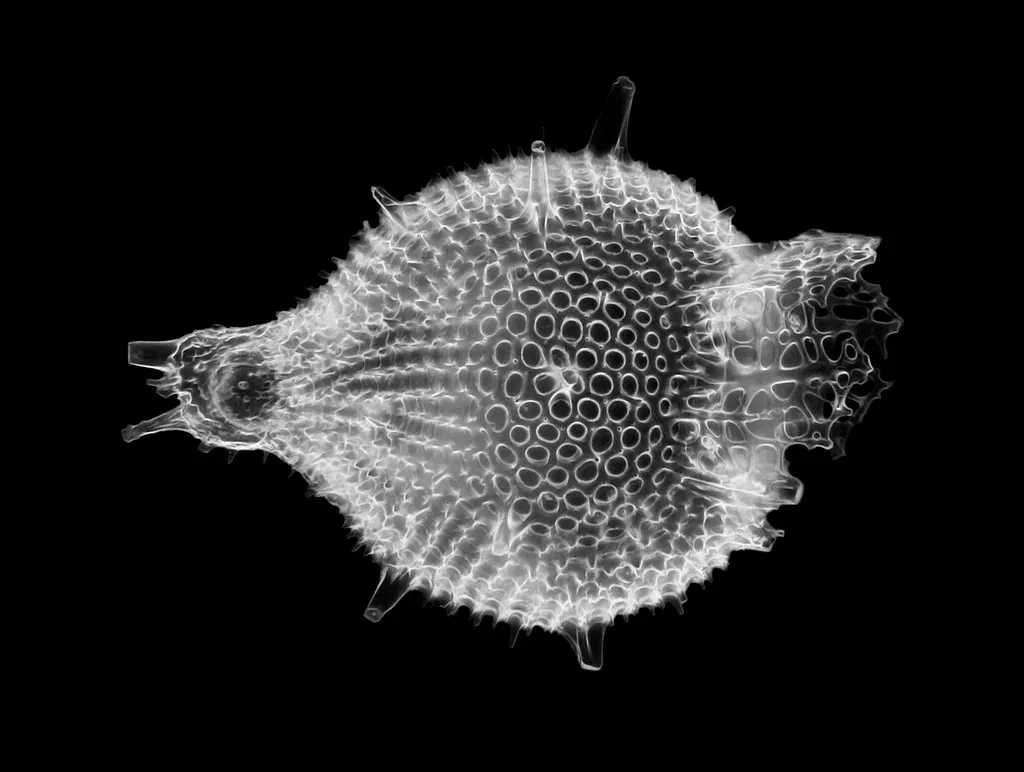
We get so fascinated with dinosaurs and mammoths that it’s easy to forget that for most of its history, Earth was just…quiet. Our planet formed roughly about four and a half billion years ago. For a long time, there was no life at all, then only very simple single-celled organisms. Complex multicellular animals with bodies, muscles, and nervous systems only show up in the last several hundred million years, which is just a small fraction of Earth’s total age.
If you compressed Earth’s entire history into a single calendar year, complex animals would not appear until sometime in late November or December. Dinosaurs would rule for a few days, and humans would arrive in the final minutes of New Year’s Eve. For nearly the whole “year,” our planet was ruled by microbes, chemical reactions, and slow geological churn. That means the normal state of Earth is not buzzing forests and bustling oceans packed with whales; it is a rock and an ocean dominated by invisible life, humming away for eons almost no one thinks about.
Most of human history predates cities, writing, and agriculture
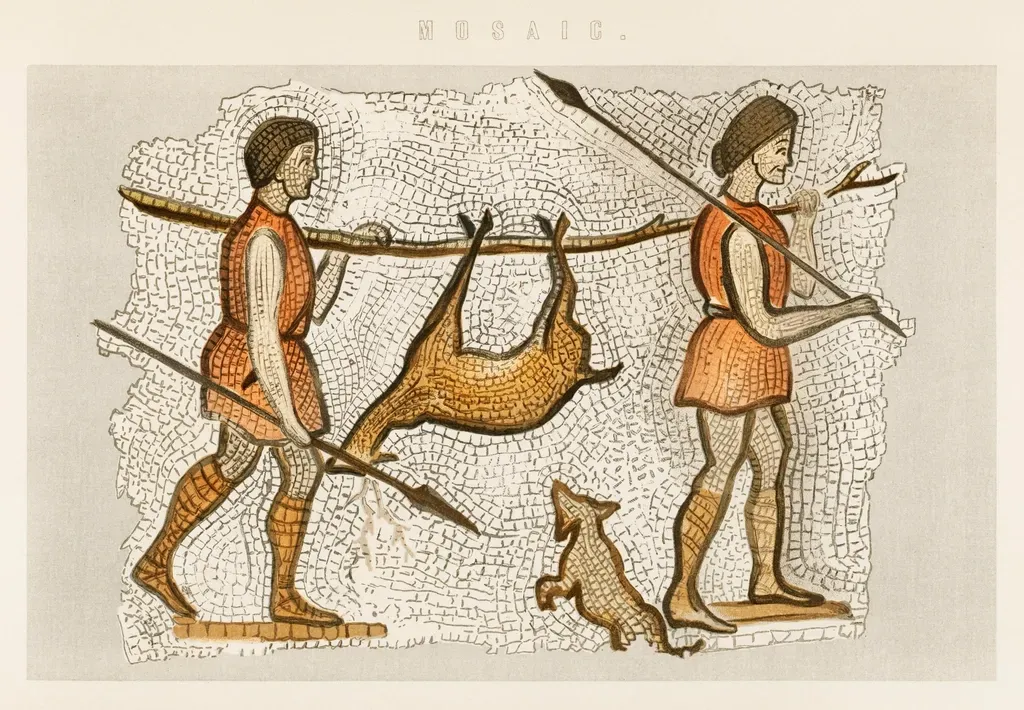
Our brains love cities, empires, and timelines with named leaders, so we tend to treat recorded history as if it covers most of human existence. It does not. Anatomically modern humans like us have been around for roughly about two hundred thousand to three hundred thousand years. Agriculture, permanent settlements, and writing only show up within the last ten thousand or so years. That means the vast majority of our species’ story unfolded in small groups of hunter-gatherers, leaving almost no buildings, books, or monuments behind.
Seen this way, everything we call “civilization” – from the first clay tablets to social media – is a bizarre, last-minute experiment in the human timeline. For far longer, humans lived in ways that would look utterly alien to our modern routines: following seasonal migrations, relying on intricate knowledge of wild plants and animals, and passing information through stories instead of screens. When you walk into a skyscraper or scroll through messages, you’re participating in a recent and very strange chapter of our history, not the default setting of our species.
The gap between dinosaurs and us is smaller than the gap between early animals and dinosaurs
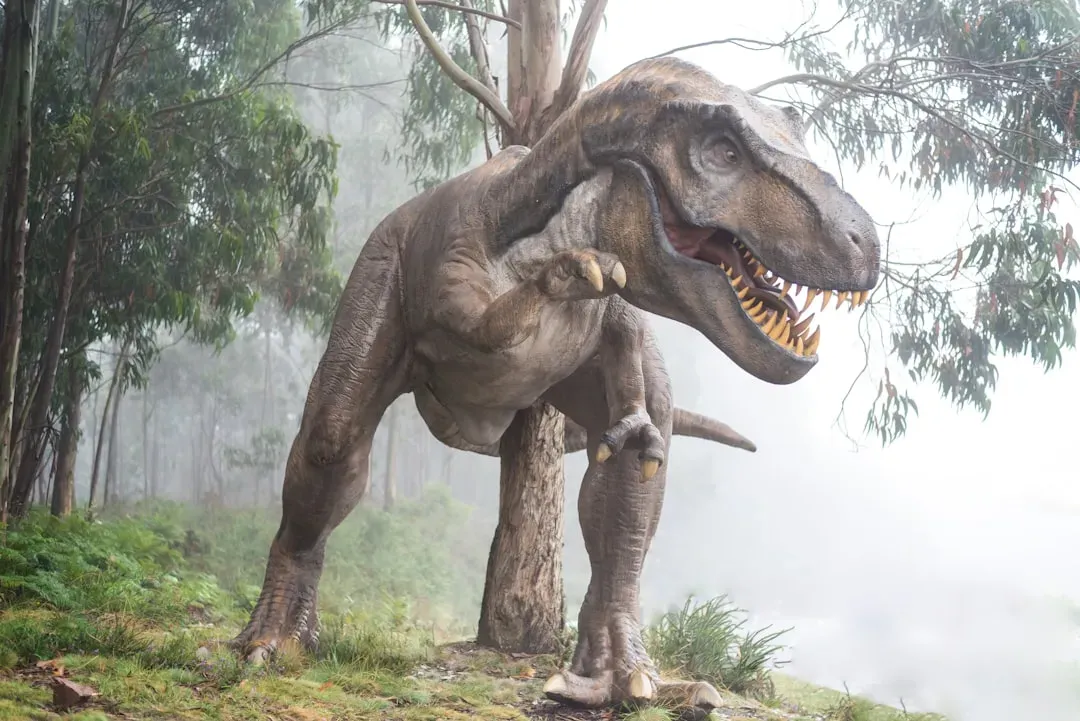
We often think of the moment life crawled out of the oceans as being right next door to dinosaurs, but the gap is massive. The earliest complex animal fossils, such as those from the Ediacaran period, date back more than five hundred million years. Non-avian dinosaurs, in contrast, took off as a major group around two hundred thirty million years ago. That means there is a larger time chunk between the first complex animals and the rise of dinosaurs than between the last dinosaurs and you.
Picture it like this: if you drew a timeline from the first complex animals to dinosaurs and then from dinosaurs to humans, the first line would be significantly longer. Dinosaurs, in that scheme, look less like the ancient beginning of complex life and more like a middle act, sandwiched between earlier evolutionary experiments and whatever is happening now. It undercuts the cozy story that evolution moved smoothly and quickly from simple blobs to dinosaurs to humans; instead, much of the action happened in long, weird, drawn-out phases that almost never star in documentaries or museum posters.
Most species that have ever lived are already extinct – and that’s totally normal
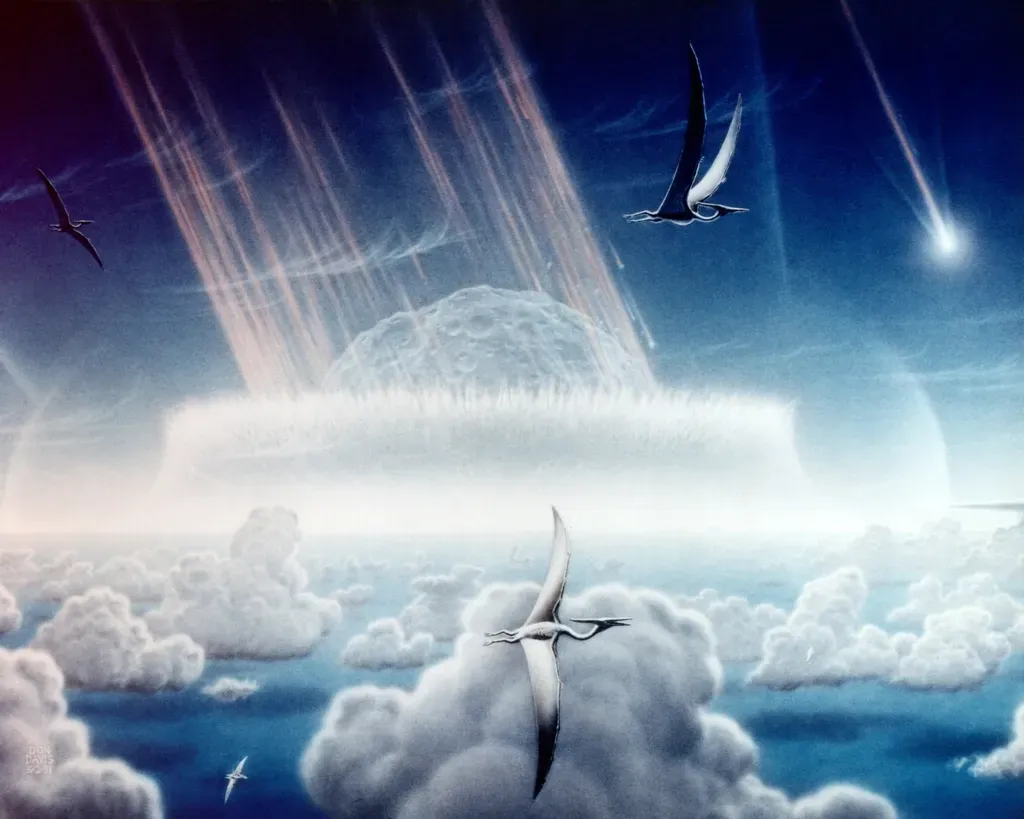
Extinction feels dramatic and catastrophic when we talk about it today, and in many ways it is. But over deep time, extinction is not the exception; it is the rule. Scientists estimate that the vast majority of all species that have ever existed – far more than nine out of ten – are gone. Whole lineages come and go, leaving behind no living descendants, just occasional fossils and strange clues in the rocks. That includes towering dinosaurs, tiny shelly creatures, bizarre plants, and horseshoe-crab-like things that seemed unstoppable until they were not.
This does not mean extinction is trivial or that modern biodiversity loss is no big deal. The difference is speed. In the fossil record, many extinctions unfold over long stretches, while a few episodes – mass extinctions – hit like a hammer. Right now, humans are compressing extinction into a geologic instant, pushing species toward oblivion in centuries or even decades. Deep time reminds us that change is constant, but it also lets us see how wildly abnormal it is when one species, ours, starts moving the extinction dial faster than most past catastrophes.
We are closer to the first moon landing than the first moon landing was to horses and carriages
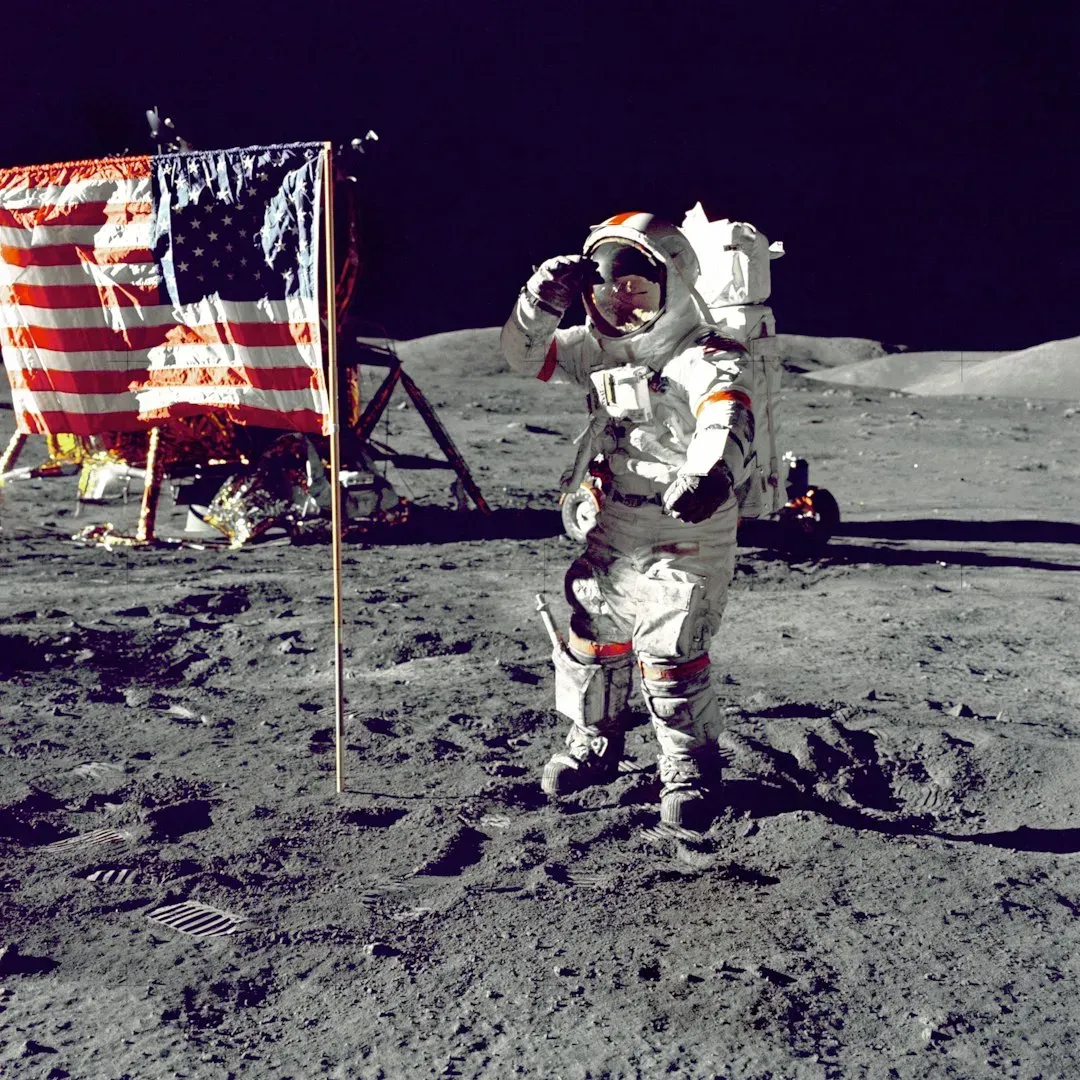
Deep time weirdness does not only live in the distant past; you can feel a mild version of it in recent history too. The first crewed moon landing was in 1969. That is a little more than half a century ago, well within the lifetime of many people alive today. Meanwhile, widespread use of horse-drawn carriages as everyday transport was still common in the late eighteen hundreds and early nineteen hundreds. The leap from dusty roads and animal power to rockets leaving Earth entirely happened in just a few human generations.
If you line it up, someone’s grandparents could have been born into a world where cars were rare, electricity was a novelty, and the idea of visiting the Moon was pure fantasy. Then, by the time their grandchildren were adults, humans had already walked on another world. In deep-time terms, this is a blink inside a blink, but for our social and technological evolution, it is a whiplash-inducing curve. It shows how evolution and geology move painfully slowly, while culture and technology can sprint forward almost explosively once the right conditions are in place.
Conclusion: Our timelines are all wrong – and that might be a good thing

When you string these facts together, a pattern jumps out: our mental timelines are completely out of proportion to reality. We lump all dinosaurs together, we compress vast swaths of early life into a dull gray fog, and we pretend that cities and empires are the main story of humanity instead of a weird late-stage twist. That is not just a harmless misunderstanding; it subtly encourages us to see ourselves as the main characters of Earth’s story instead of a tiny, recent experiment balancing on the edge of deep time.
Personally, I find that a bit humbling and oddly comforting. The idea that T. rex is closer to us than to Stegosaurus, or that sharks predate trees, shatters the cartoon version of prehistory but replaces it with something richer and more honest. We are not the purpose of this planet; we are a brief, noisy chapter. That should not make us feel small and hopeless – it should make us careful and awake. If we are such a short-lived part of this four-and-a-half-billion-year drama, what kind of role do you actually want our species to play before the curtain falls on us too?