The Jurassic period wasn’t just another chapter in Earth’s history – it was the ultimate greenhouse experiment that transformed scrawny reptiles into the most magnificent creatures our planet has ever seen. Imagine stepping into a world where carbon dioxide levels soared five times higher than today, where ice caps were a distant dream, and where the very air pulsed with life-giving warmth.
The Ultimate Greenhouse Effect Created Dinosaur Paradise
The climate of the Jurassic was generally warmer than that of present, by around 5–10 °C (9–18 °F), with atmospheric carbon dioxide likely about four times higher. This wasn’t just a slight temperature bump – it was a fundamental transformation of Earth’s climate system that created conditions unlike anything we see today.
It has been suggested that increased volcanic and seafloor-spreading activity during the Jurassic released large amounts of carbon dioxide – a greenhouse gas – and led to higher global temperatures. The planet essentially became a massive terrarium, trapping heat and moisture in ways that would fundamentally alter the trajectory of life itself.
Rising Sea Levels Transformed Continental Geography
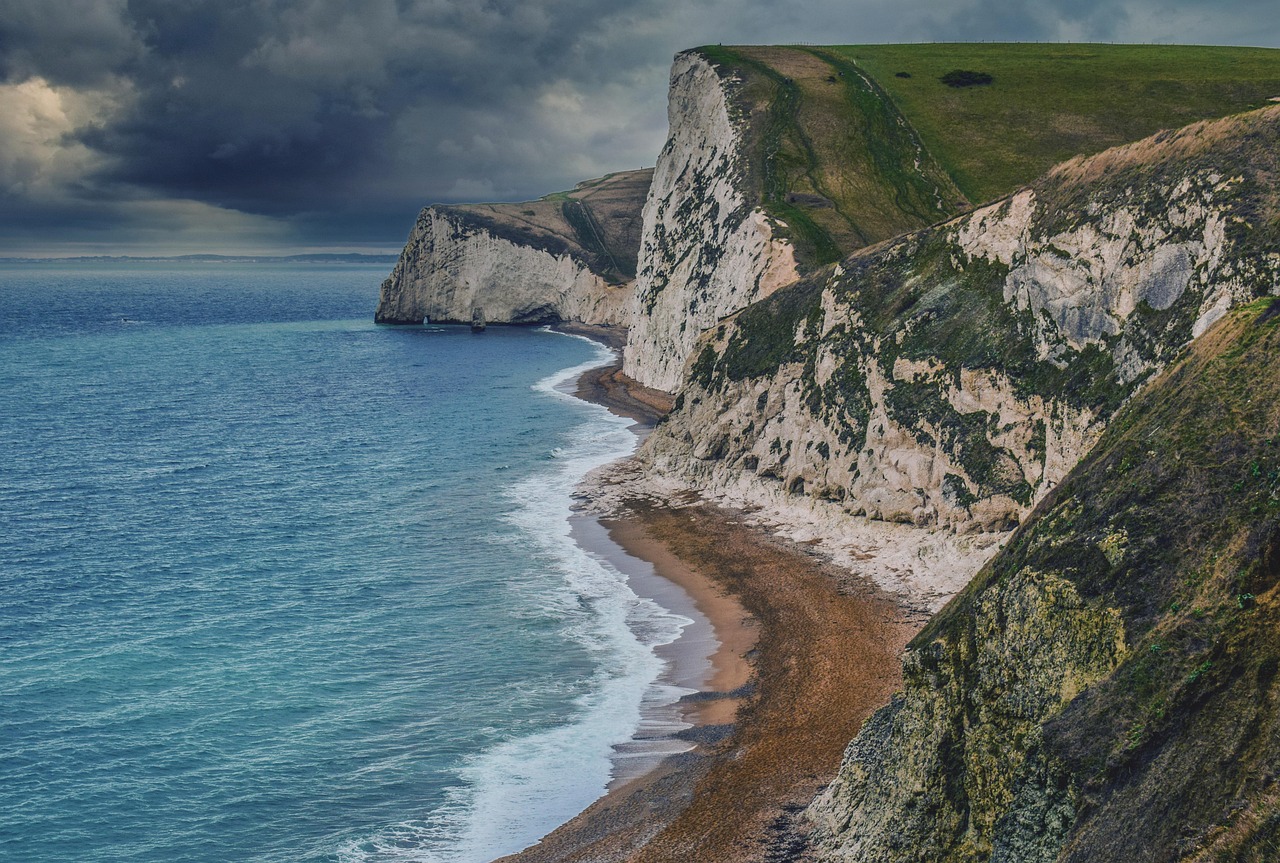
Higher sea levels, sometimes up to 200 meters above current levels, led to the formation of vast shallow seas. These weren’t just puddles – they were enormous inland oceans that carved new coastlines and created entirely new ecosystems.
During the start of the Jurassic, ocean levels were lower than they are today, but then they rose significantly over the period. This dramatic shift meant dinosaurs lived in a world of island chains, shallow tropical seas, and sprawling coastal wetlands that supported incredible biodiversity. The changing geography forced species to adapt rapidly or face extinction.
Continental Breakup Opened New Climate Corridors
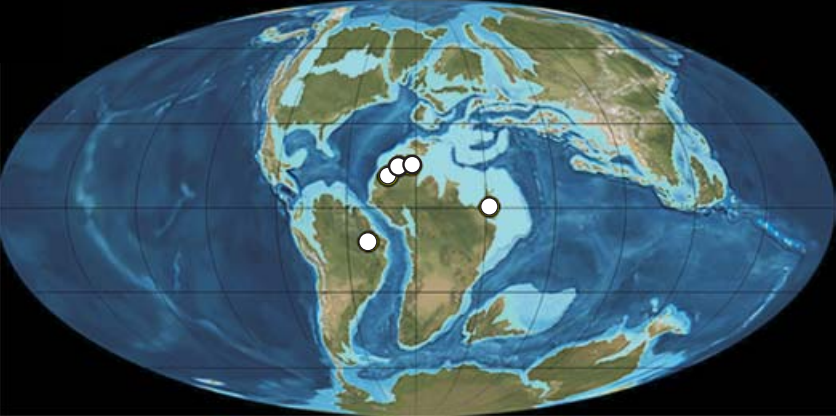
The breakup of the supercontinent Pangaea played a starring role in shaping Jurassic climate patterns. As landmasses drifted apart, new oceans formed, and existing ones expanded. This geological dance created something extraordinary – a world where warm tropical waters could flow freely around the globe.
Warm temperatures and decreased latitudinal gradients also may be related to the Tethys Sea, which distributed warm, tropical waters around the world. Instead of the harsh continental interiors that dominated Pangaea, dinosaurs now lived in a world of moderate coastal climates and lush inland regions.
Polar Regions Became Dinosaur-Friendly Forests
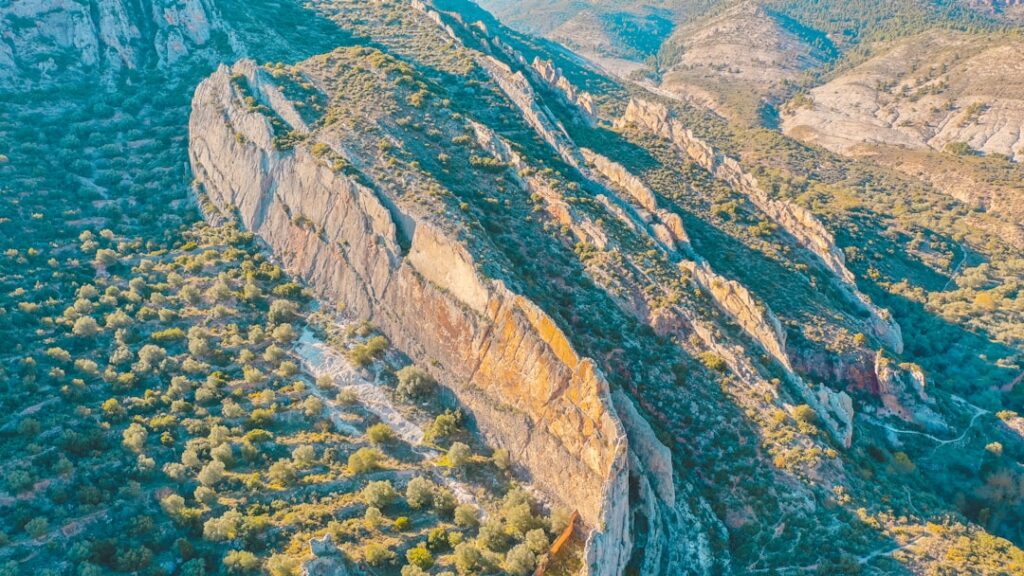
Here’s something that would blow your mind: Forests likely grew near the poles, where they experienced warm summers and cold, sometimes snowy winters; there were unlikely to have been ice sheets given the high summer temperatures that prevented the accumulation of snow. Picture massive conifers and ginkgoes swaying in Antarctic breezes.
Fossils of warm-adapted plants are found up to 60° N and 60° S paleolatitude, suggesting an expanded tropical zone. This expansion of habitable zones meant dinosaurs could spread across virtually every corner of the planet, developing unique adaptations for different environments while still enjoying relatively mild conditions everywhere.
Explosive Plant Growth Fueled Dinosaur Gigantism
The Jurassic climate, with its warmth and abundant rainfall, created a paradise for plant life. Forests were denser, more diverse, and more widespread than in previous eras. Think of it as nature’s all-you-can-eat buffet opening for the first time.
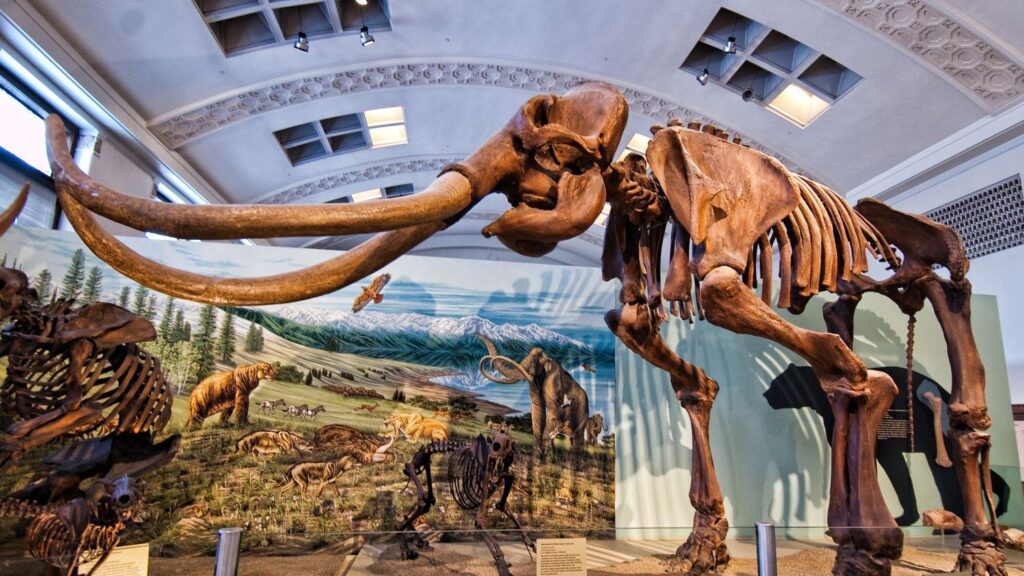
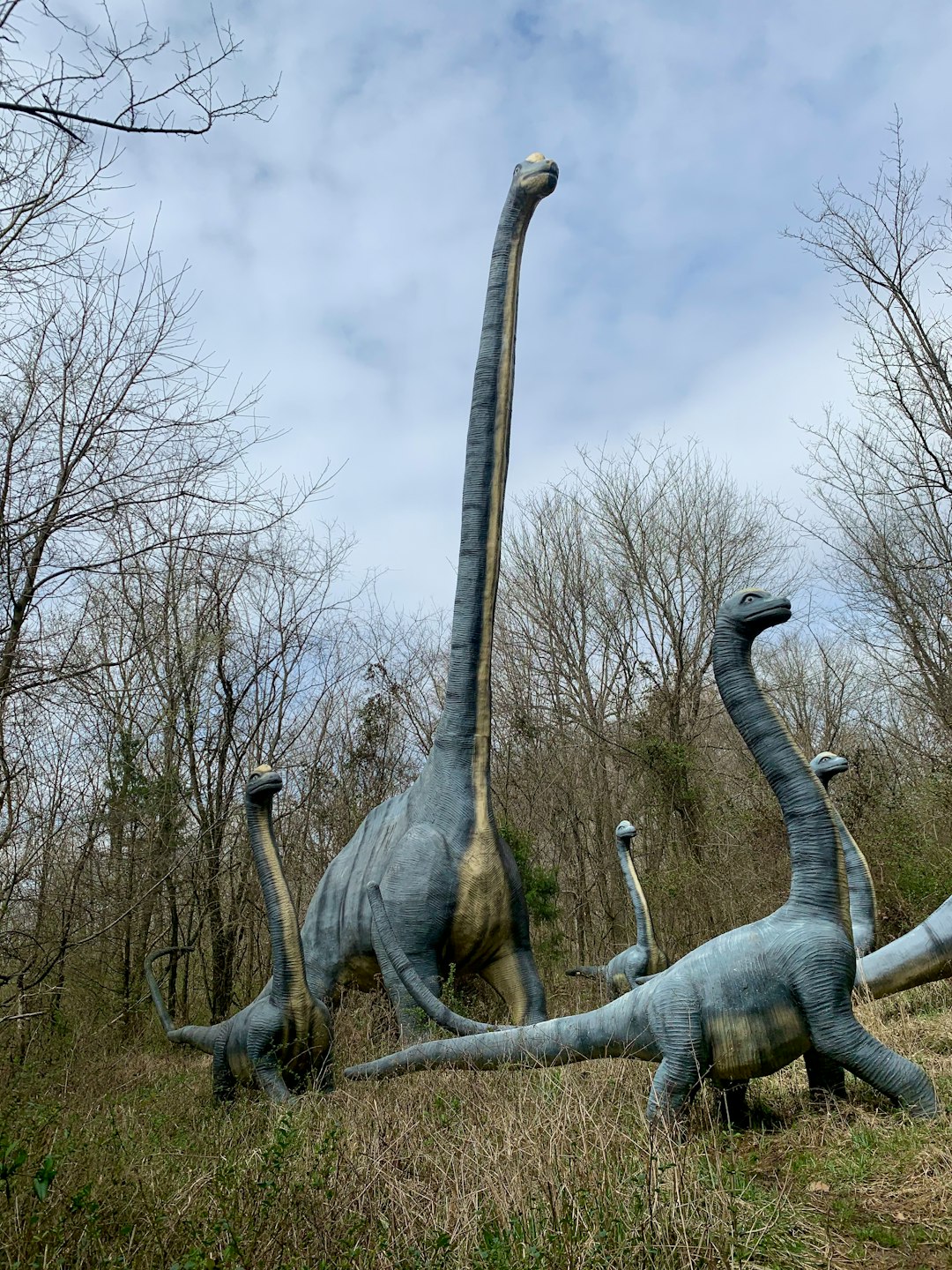
Some Jurassic sauropods reached gigantic sizes, becoming the largest organisms to have ever lived on land. The connection isn’t coincidental – when plants exploded across the landscape, herbivorous dinosaurs had access to unlimited food sources, allowing them to grow to previously impossible sizes. More plant matter meant more energy, and more energy meant bigger bodies.
Ocean Chemistry Revolution Supported Marine Ecosystems
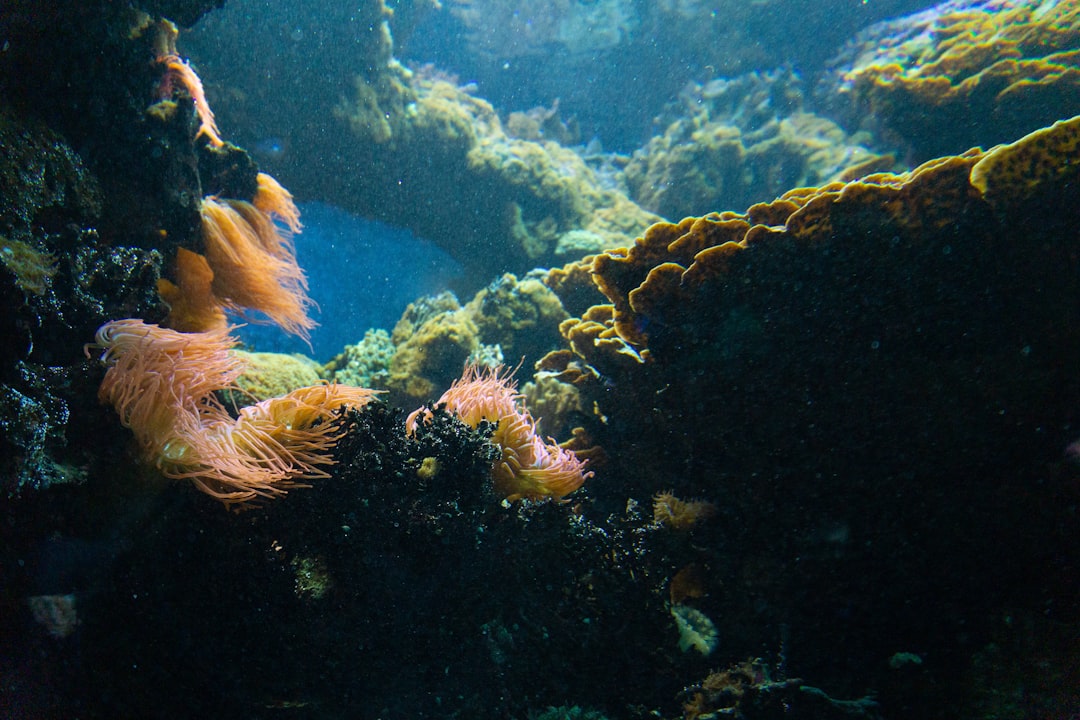
During the Early Jurassic the world’s oceans transitioned from an aragonite sea to a calcite sea chemistry, favouring the dissolution of aragonite and precipitation of calcite. The rise of calcareous plankton during the Middle Jurassic profoundly altered ocean chemistry. This wasn’t just a chemical shift – it was the foundation for entirely new food webs.
The oceans, especially the newly formed shallow interior seas, teemed with diverse and abundant life. Coral reefs grew in the warm waters, and sponges, snails, and mollusks flourished. These thriving marine ecosystems created pressure that drove the evolution of massive marine reptiles, which in turn influenced the evolution of their terrestrial cousins.
Volcanic Activity Drove Evolutionary Innovation
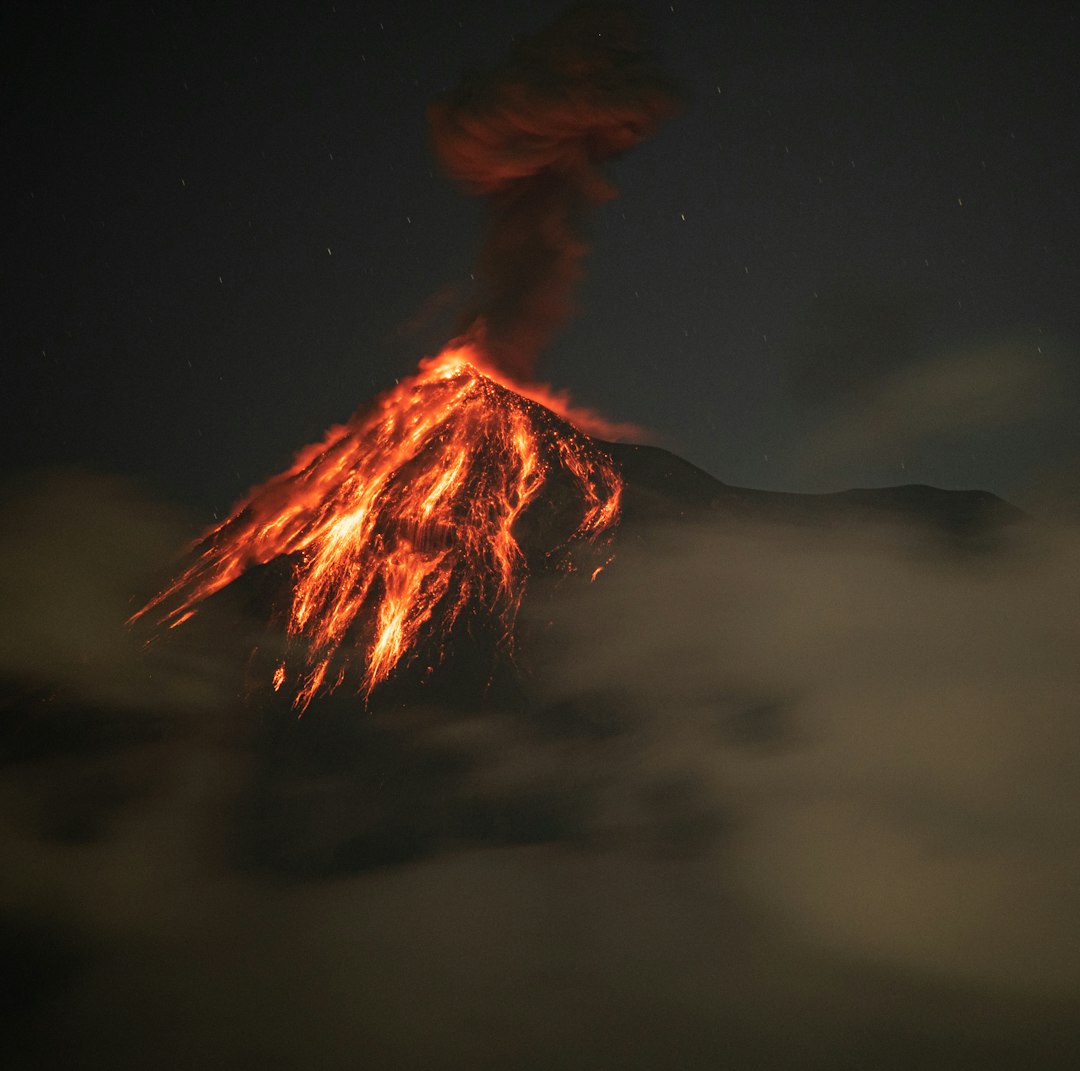
The Jurassic was a time of intense volcanic activity, particularly in the early stages of the period. This uptick in volcanism pumped enormous amounts of greenhouse gases into the atmosphere, primarily carbon dioxide. While this might sound destructive, it actually became an evolutionary catalyst.
The volcanic-altered atmosphere may have driven the development of dinosaurs’ efficient respiratory systems, which later enabled their dominance in an oxygen-fluctuating world. Dinosaurs that could handle rapid environmental changes gained huge advantages, leading to the incredible diversity we see in the fossil record. Volcanic stress became evolutionary opportunity.
The Perfect Storm for Dinosaur Dominance
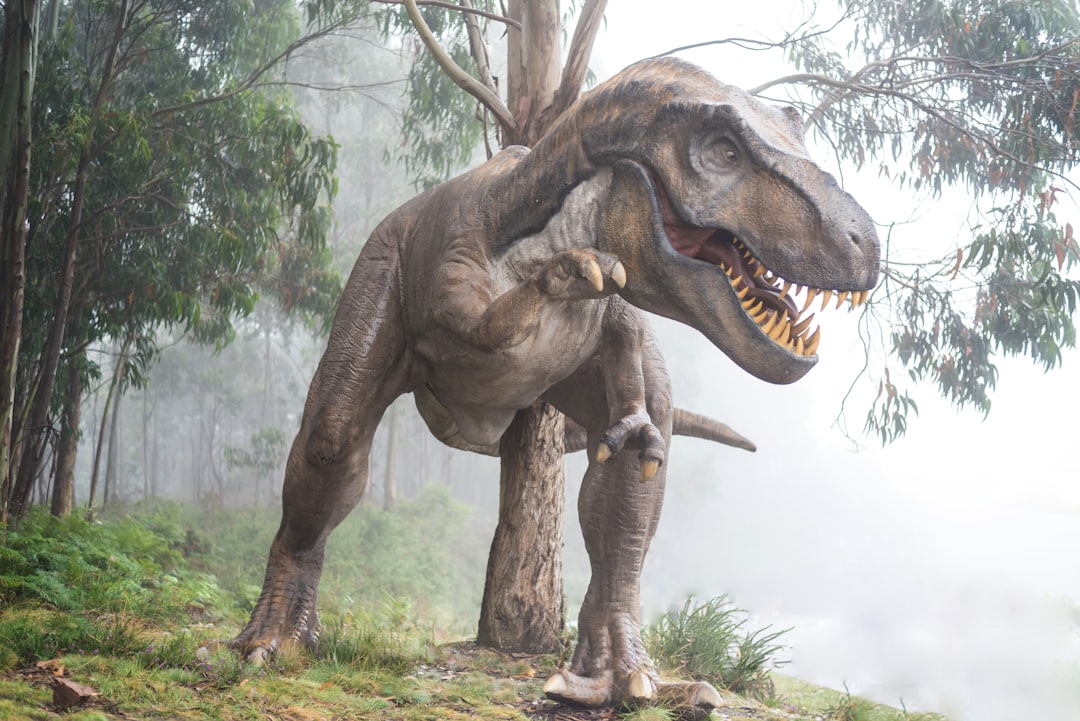
All these climate factors didn’t work in isolation – they created a perfect storm of opportunity. But dinosaurs survived and went on to thrive in the Jurassic Period. “Whether it’s chance or whether there’s some competitive advantage that they had is a matter of debate, but what happened in the aftermath is that the dinosaurs really radiated and then became the dominant terrestrial organisms”.
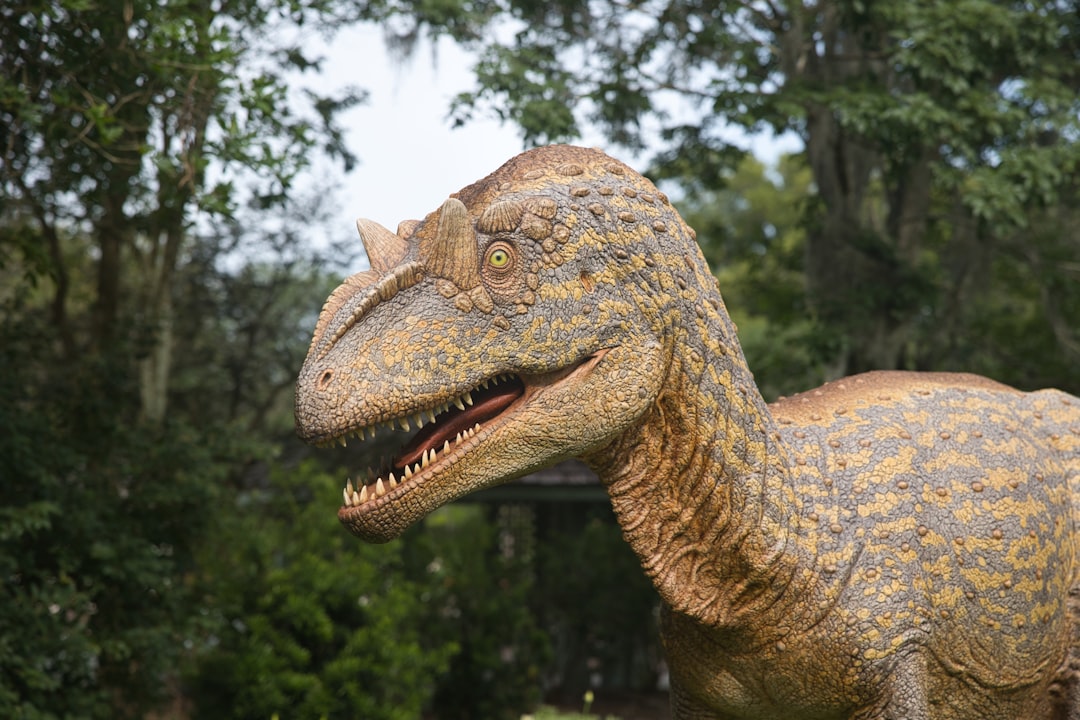
The Jurassic climate essentially hit the reset button on life, creating conditions so favorable that dinosaurs could experiment with body sizes, feeding strategies, and ecological niches that had never existed before. The heyday of dinosaurs, the Jurassic era saw Earth’s climate change from hot and dry to humid and subtropical. The Jurassic period was characterized by a warm, wet climate that gave rise to lush vegetation and abundant life.
The Jurassic period proves that climate isn’t just a backdrop for evolution – it’s the director, choreographer, and stage manager all rolled into one. Every massive sauropod neck, every razor-sharp theropod claw, and every delicate feathered wing can trace its origins back to those steamy, carbon-rich skies of 200 million years ago. The dinosaurs we marvel at today weren’t just products of random mutations – they were Earth’s response to the ultimate climate makeover. Makes you wonder what incredible creatures might emerge from our own changing world, doesn’t it?