
Long before the legendary Megalodon prowled the seas, Earth’s oceans were already a brutal arena. Strange, armor-plated predators with buzz-saw jaws, clawed tentacles, and crushing beaks dominated waters that would feel almost alien to us today. If you think a giant shark is terrifying, wait until you meet the monsters that came first.
What fascinates me most is this pattern you see over and over in the fossil record: something evolves into the apex nightmare of its age, rules the oceans for millions of years, then vanishes and hands the throne to something entirely different. It is like nature keeps rebooting the same horror franchise with new main villains. Let’s dive into eight marine rulers that had the oceans locked down long before Megalodon ever existed.
Dunkleosteus: The Armored Tank With a Guillotine for a Mouth
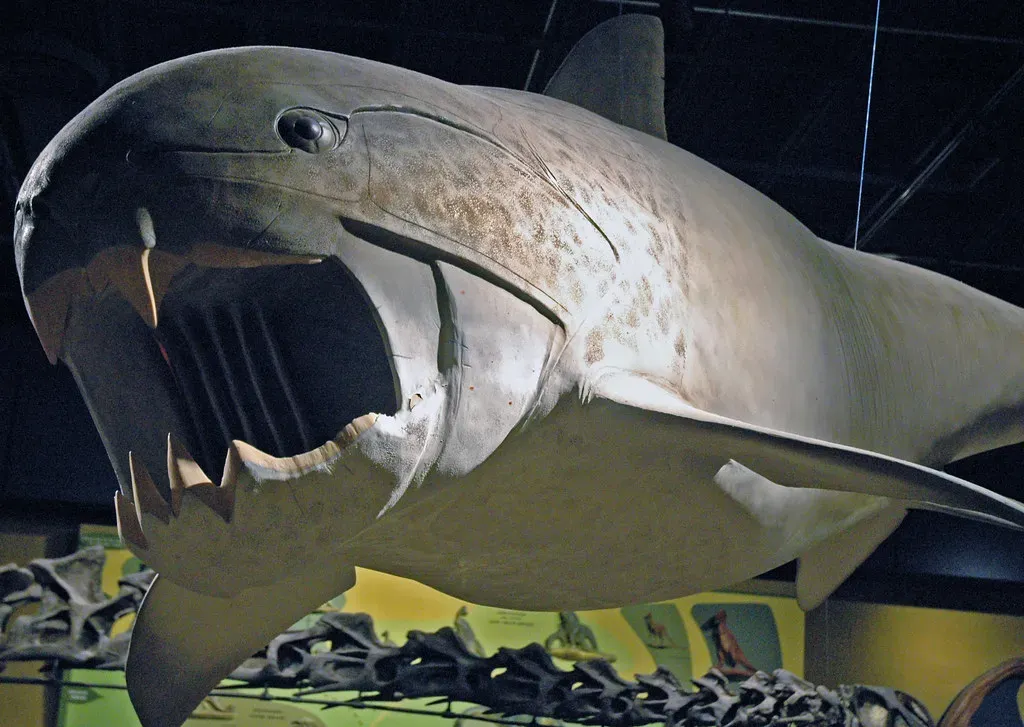
Dunkleosteus lived in the late Devonian period, roughly about 360 million years ago, which is so far back that sharks themselves were still relatively new experiments. This giant placoderm fish did not have true teeth; instead, it wielded bony jaw plates honed into razor edges, like a biological guillotine. Some estimates suggest it could reach lengths around the size of a small bus, with a head and thorax encased in thick armor plates that made it look more like a medieval siege weapon than a fish.
What really made Dunkleosteus terrifying was bite force. Studies of its jaw mechanics suggest it could generate a crushing power comparable, pound for pound, to the strongest modern predators, more than enough to slice through armored prey and even the shells of other heavily protected animals. Imagine a predator that not only shrugs off attacks thanks to its armor, but also can literally chop you in half in an instant. In its day, Dunkleosteus sat at or near the very top of the food chain, a bruiser ruling reefs and open waters long before any giant shark showed up.
Eurypterids: Sea Scorpions That Turned Shallow Seas Into War Zones
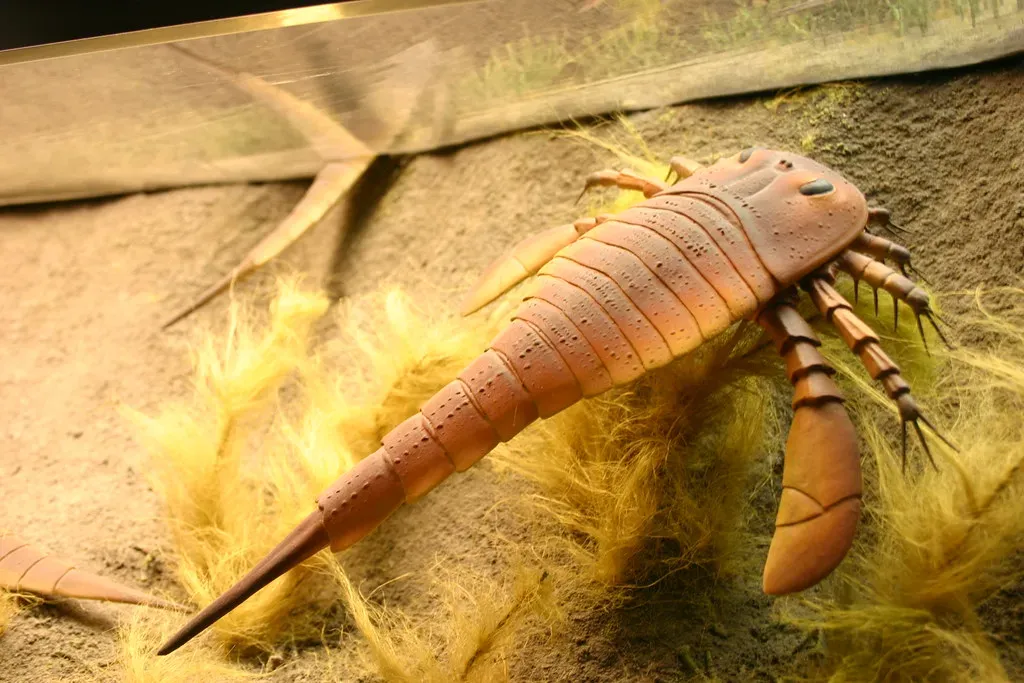
Before bony fishes and sharks really took over, there were eurypterids, often called sea scorpions, which dominated many coastal and shallow marine ecosystems during the Paleozoic era. Some species were tiny, but others, like Jaekelopterus, grew to lengths rivaling or exceeding a grown human, with clawed appendages that could grab and shred prey. Picture walking into waist-deep water and realizing the thing brushing your leg is a two-meter arthropod with pincers that can crack armor.
These animals were not true scorpions, but they were close relatives, and everything about their design screams predatory efficiency: strong swimming paddles, spiny limbs, and, in some species, formidable grasping claws. They likely preyed on early fish, other arthropods, and just about anything smaller and slow enough to be caught. In the eras before major vertebrate predators fully took over the seas, eurypterids were some of the main enforcers of the shallow marine world, turning warm coastal waters into genuine danger zones.
Ammonites: Coiled-Shell Hunters of the Mesozoic Seas
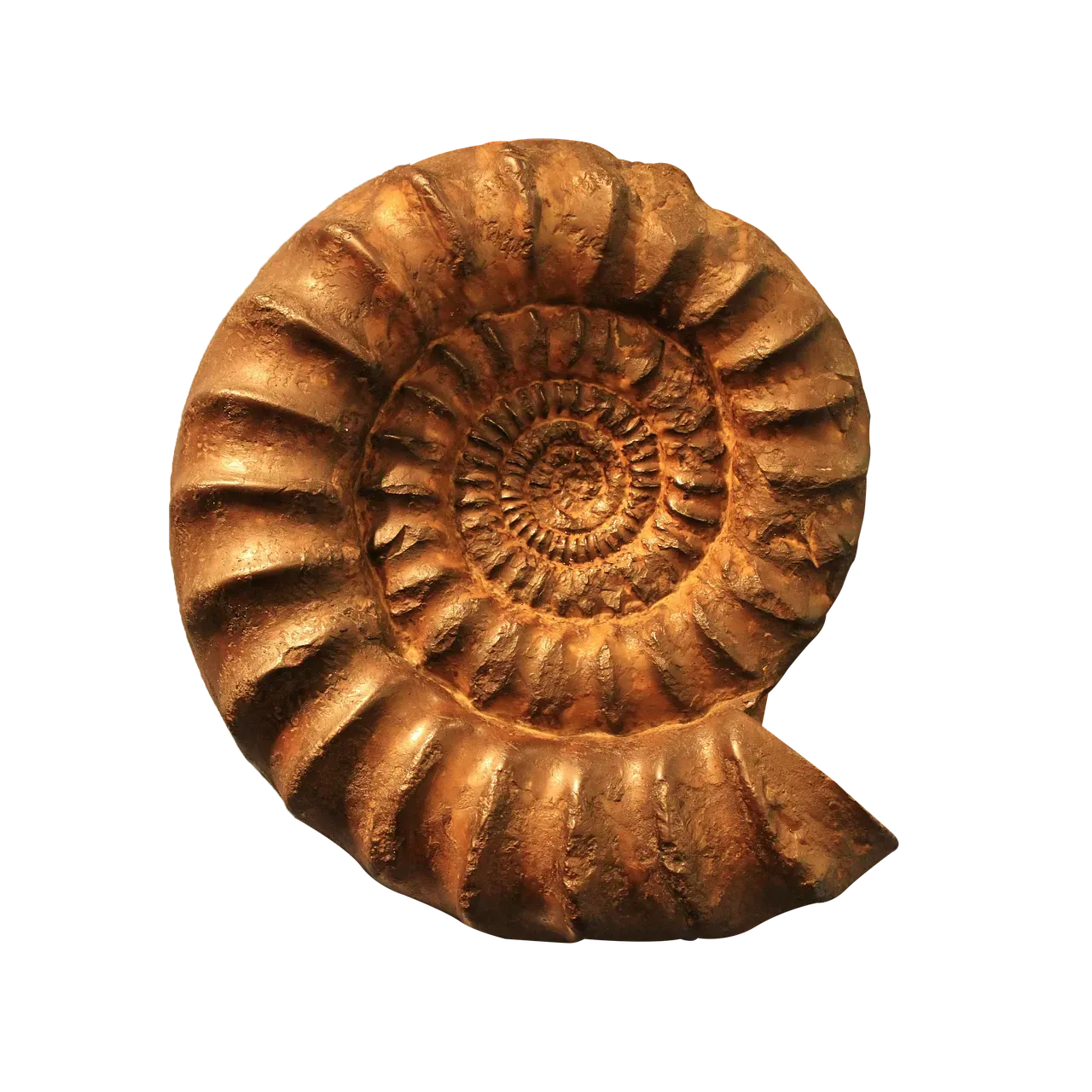
Ammonites are often thought of as pretty spiral fossils you see in rock shops, but in life they were active cephalopods – relatives of modern squids and octopuses – armed with tentacles, sharp beaks, and agile, jet-propelled bodies tucked into coiled shells. They flourished for hundreds of millions of years, especially during the Jurassic and Cretaceous periods, which means they were already well established in the oceans long before Megalodon’s distant shark ancestors grew large. Their shells were divided into chambers for buoyancy control, turning them into precision swimmers rather than clumsy drifters.
While they are not the brutal, bite-your-boat-in-half type of giant, ammonites ruled in a different way: sheer numbers, diversity, and ecological importance. Many species were mid-level predators, snapping up smaller fish, plankton, and other invertebrates, and in turn they were major food sources for larger marine reptiles and fishes. Think of them as the tireless, ever-present hunters and survivors that filled the oceans like a living conveyor belt of energy. Their success story shows that dominance in the sea is not only about size; sometimes it is about being everywhere, all the time.
Mosasaurus: The Marine Reptile That Turned Sharks Into Side Characters
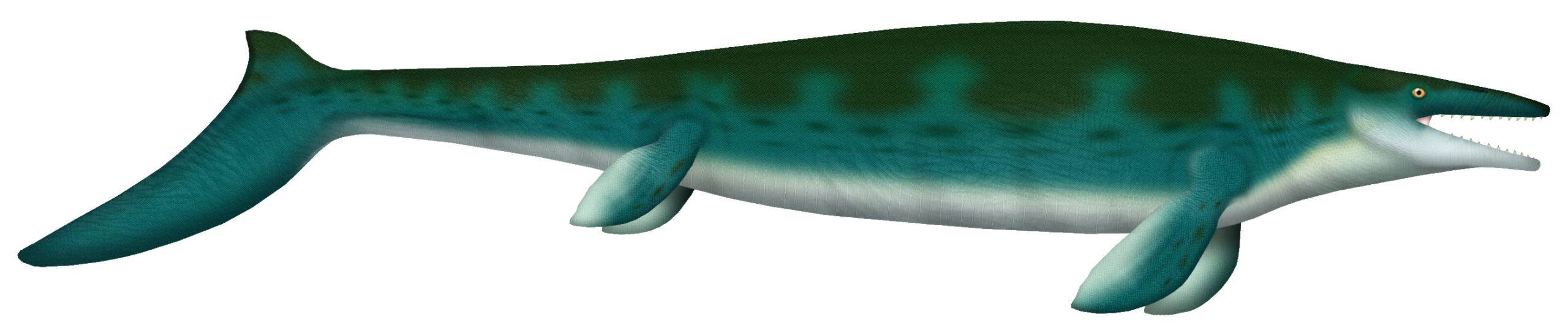
By the late Cretaceous, the seas were patrolled by mosasaurs, giant marine reptiles that looked a bit like a cross between a Komodo dragon and a crocodile built for speed. Mosasaurus and its relatives could grow as long as or longer than a city bus, with powerful tails, paddle-like limbs, and skulls loaded with sharp, conical teeth designed for grabbing and tearing large prey. In many marine ecosystems of that age, these reptiles were the true apex predators, while sharks played more of a supporting role.
Mosasaurs ate almost anything they could overpower: fish, turtles, other marine reptiles, and likely even smaller mosasaurs. Fossils of their stomach contents show a menu that reads like a who’s who of Cretaceous sea life. If you were a sizeable animal in those oceans, you were either a mosasaur or constantly on the lookout for one. Compared to them, Megalodon’s reign millions of years later feels like the sequel; mosasaurs owned the original blockbuster of giant ocean killers.
Liwia and Other Early Giant Sharks: Apex Predators Before the Super-Giant
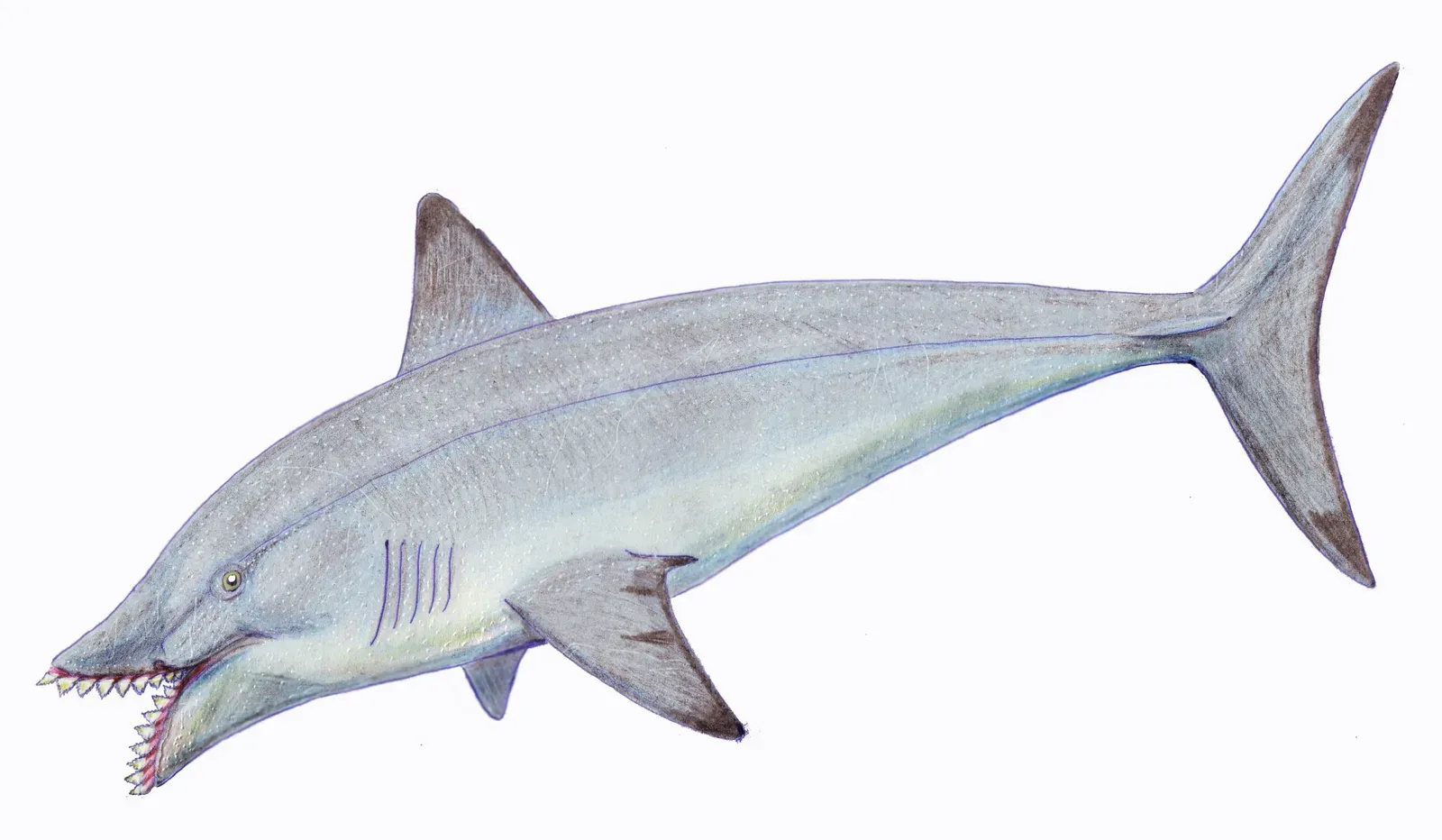
Giant sharks did not just suddenly appear with Megalodon; they have a long, evolving history. Earlier forms such as some large lamniform sharks (close relatives of today’s great white and mako sharks) were already terrorizing marine animals in the Cretaceous and early Cenozoic periods. These sharks developed streamlined bodies, high-speed swimming, and serrated teeth made to slice through flesh and bone, long before the true mega-sharks of later epochs evolved.
While these earlier sharks were not as enormous as Megalodon, they still filled the apex predator niche in many ancient seas, hunting marine mammals, large fish, and even smaller sharks. Bite marks preserved on bones show a story of constant arms races: prey got faster, predators got more powerful jaws; prey evolved thicker bones, sharks evolved sharper, deeper-cutting teeth. Megalodon, in many ways, was just the latest upgrade in a line of shark predators that had been refining the art of killing for tens of millions of years.
Kronosaurus: The Short-Necked Pliosaur With a Bite Built for Destruction
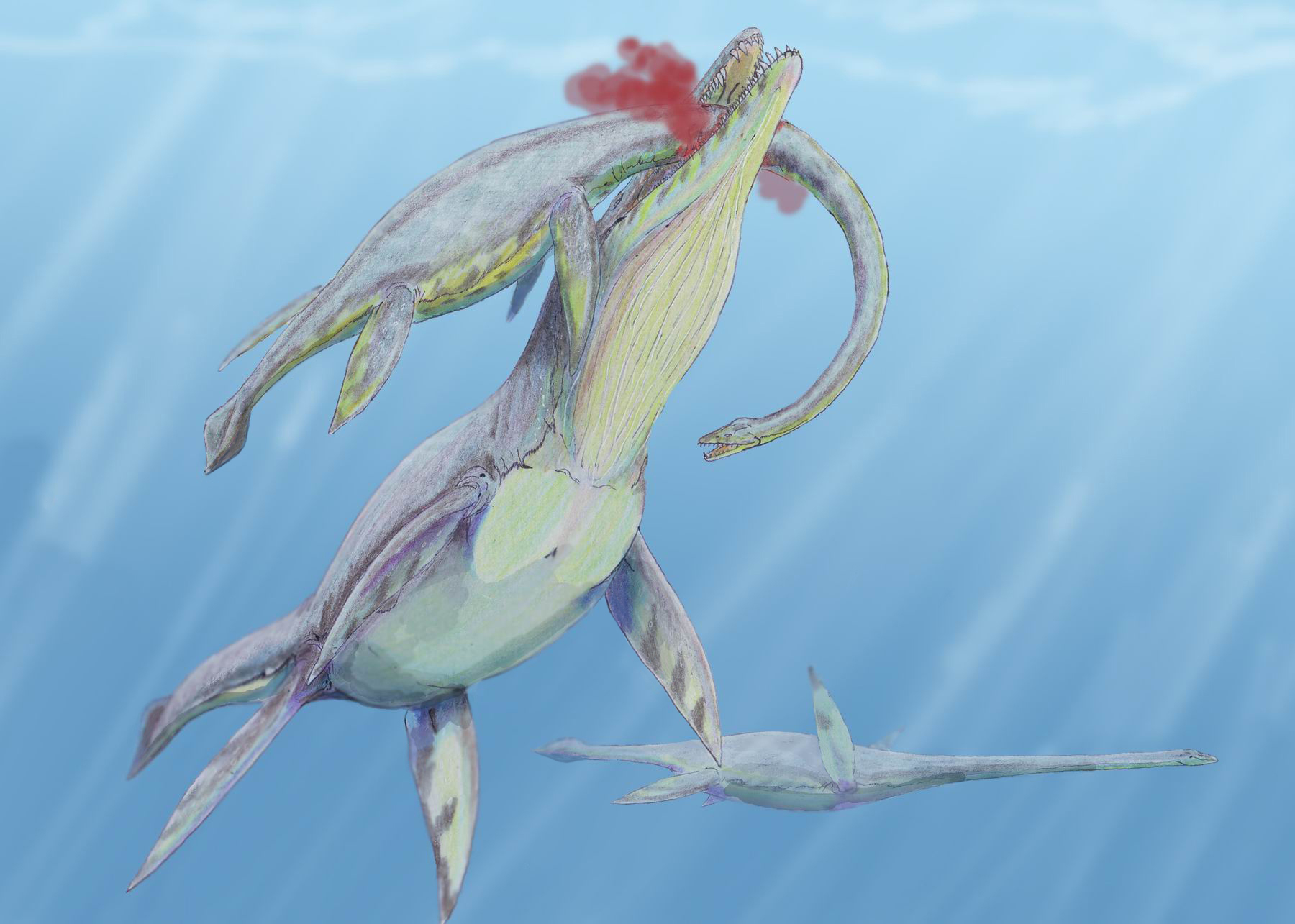
Kronosaurus was a pliosaur, a type of short-necked plesiosaur, that lived during the early Cretaceous period and roamed the ancient seas of what is now Australia and possibly other regions. Its body was powered by four strong flippers and a muscular torso, but its most intimidating feature was its massive head, lined with long, conical teeth reminiscent of a crocodile scaled up to monstrous proportions. Some estimates put it at roughly the length of a large bus, with a skull that alone could rival the size of an adult human.
This predator likely went after large fish, smaller marine reptiles, and maybe even other plesiosaurs, crushing them with a bite force that would have made most modern predators look mild by comparison. The structure of its jaws suggests it was built to grab and hold thrashing prey in the water, preventing escape before delivering fatal damage. If you dropped Megalodon back into Kronosaurus’s oceans, you would not just have one apex predator; you would have two titans circling each other in a world already filled with giants.
Helicoprion: The Buzz-Saw Jaw Shark From a Nightmarish Tool Shop
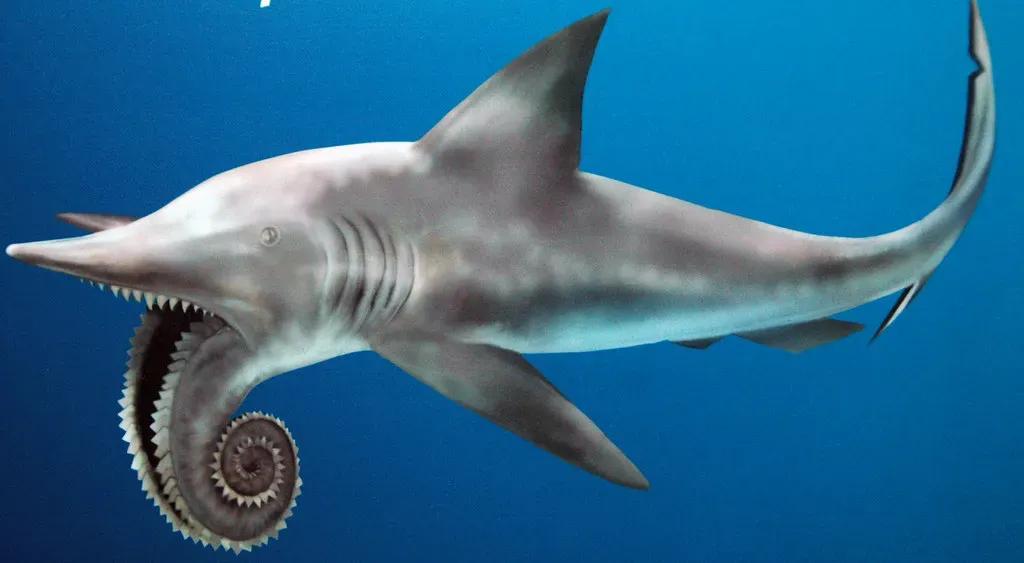
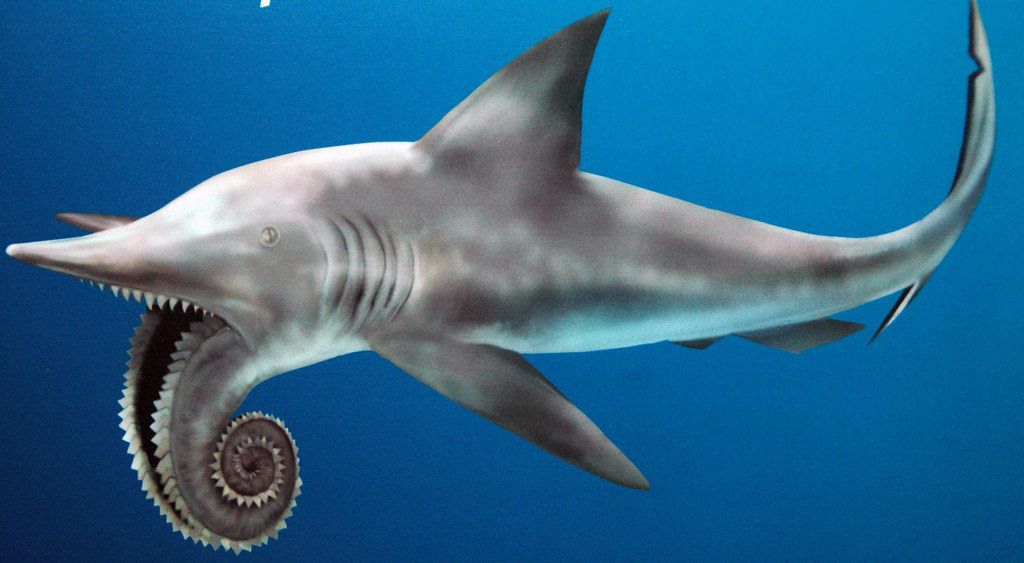
Helicoprion might be one of the strangest fish ever to exist. It lived during the Permian period, long before dinosaurs, and its claim to fame is a bizarre lower jaw structure where the teeth formed a spiral, often described as a buzz-saw or a rolled-up saw blade. For a long time, paleontologists were not even sure where on the animal this spiral went, but more recent interpretations place it inside the mouth, attached to the lower jaw, rotating new teeth into position as old ones wore out.
Functionally, that means Helicoprion probably sliced soft-bodied prey like squid, fish, and other marine animals with this moving, serrated spiral. It may not have been the biggest predator on this list, but the sheer weirdness of its weapon makes it one of the most iconic. While Megalodon used a fairly straightforward design – huge triangular teeth, massive bite force – Helicoprion represents the kind of evolutionary experimentation that feels almost unreal, like something a special effects artist would sketch and then decide was too over the top.
Ichthyosaurs: The Dolphin-Shaped Reptiles That Ruled the Open Ocean
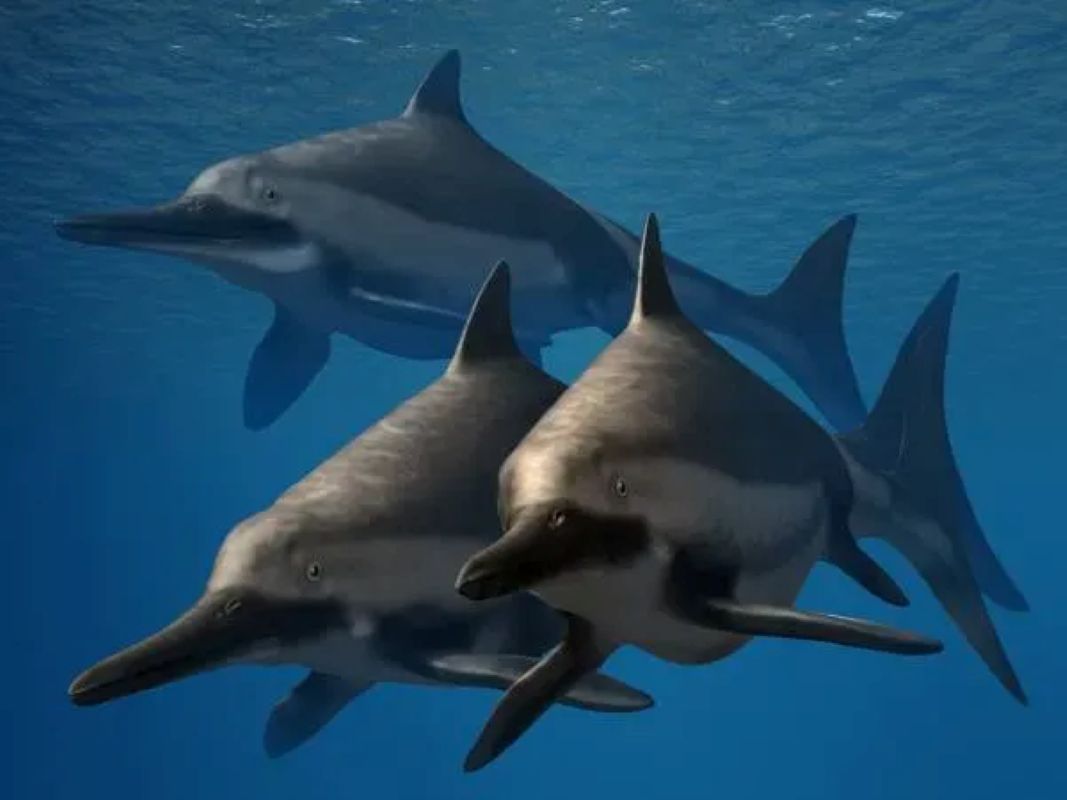
Ichthyosaurs were marine reptiles that looked strikingly like modern dolphins, despite being completely unrelated to them. They evolved streamlined, torpedo-shaped bodies, powerful tails, and large eyes adapted for hunting in dim light, possibly at depth or in murky waters. During the Triassic and Jurassic periods, some ichthyosaurs grew to enormous sizes, rivaling or exceeding modern whales in length, making them some of the largest animals in the oceans long before Megalodon’s era.
These predators hunted fish, cephalopods, and probably anything else they could outswim and overpower. Their fossil record includes pregnant individuals, suggesting they gave birth to live young at sea, just like modern whales and dolphins do. I find that detail oddly moving: giant reptilian hunters, not lumbering ashore to lay eggs, but raising families in the water, generation after generation. For tens of millions of years, ichthyosaurs were the quintessential rulers of the open ocean, long before sharks and whales carved up that role.
Conclusion: Megalodon Was Impressive, But It Was Not the First Ocean King
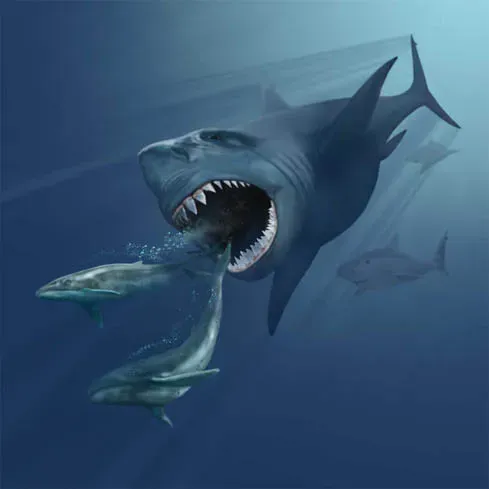
When you line up these ancient creatures side by side – armored fish with blade-like jaws, giant sea scorpions, coiled-shell hunters, marine reptiles the size of buses, and sharks with buzz-saw mouths – the legend of Megalodon starts to feel less like a one-time event and more like just the latest chapter. The oceans have always had an apex monster, and nature seems almost addicted to reinventing that role with new bodies, new weapons, and new strategies. To me, Megalodon was spectacular, but it was standing on the shoulders of a very long line of nightmarish predecessors.
What all of this really shows is that our planet’s history is far stranger and more dramatic than most people realize. Every time we uncover a new fossil, we are reminded that the world has ended and restarted for entire lineages more times than we can easily imagine. The real story is not about one giant shark, but about a planet that never stops experimenting with what a “top predator” can be. The next time you picture Megalodon, ask yourself: how many forgotten monsters came before it, and how many more might still be hidden in stone, waiting to change the story again?