Ever wonder what it really takes to dig up secrets from millions of years ago? You might imagine a dusty explorer with a tiny brush, gently sweeping away sand from a dinosaur bone. That’s part of it, sure. However, the reality of paleontology is far more complex, demanding, and fascinating than those cinematic moments suggest. The work of uncovering ancient worlds requires discipline, patience, and a set of daily habits that blend physical endurance with intellectual rigor. Let’s pull back the curtain and see what a day in the life of these scientific detectives truly looks like.
Starting Before Dawn: Early Morning Preparation and Planning

Your day as a paleontologist often begins long before the sun rises. Fieldwork might require traveling to remote locations where fossils are known to exist, carefully unearthing and collecting these specimens while noting their location and geological context. This means waking up early enough to pack gear, load vehicles, and reach dig sites when temperatures are still manageable.
Morning preparation isn’t just about coffee and breakfast. You’ll spend time reviewing field notes from previous days, checking weather conditions, and coordinating with team members about the day’s objectives. Field notes are an essential part of paleontology fieldwork, typically recorded on site at the time events are happening. This habit of planning ahead ensures you’re not wasting precious daylight hours figuring out what to do once you arrive at the site.
Prospecting: The Art of Walking and Observing
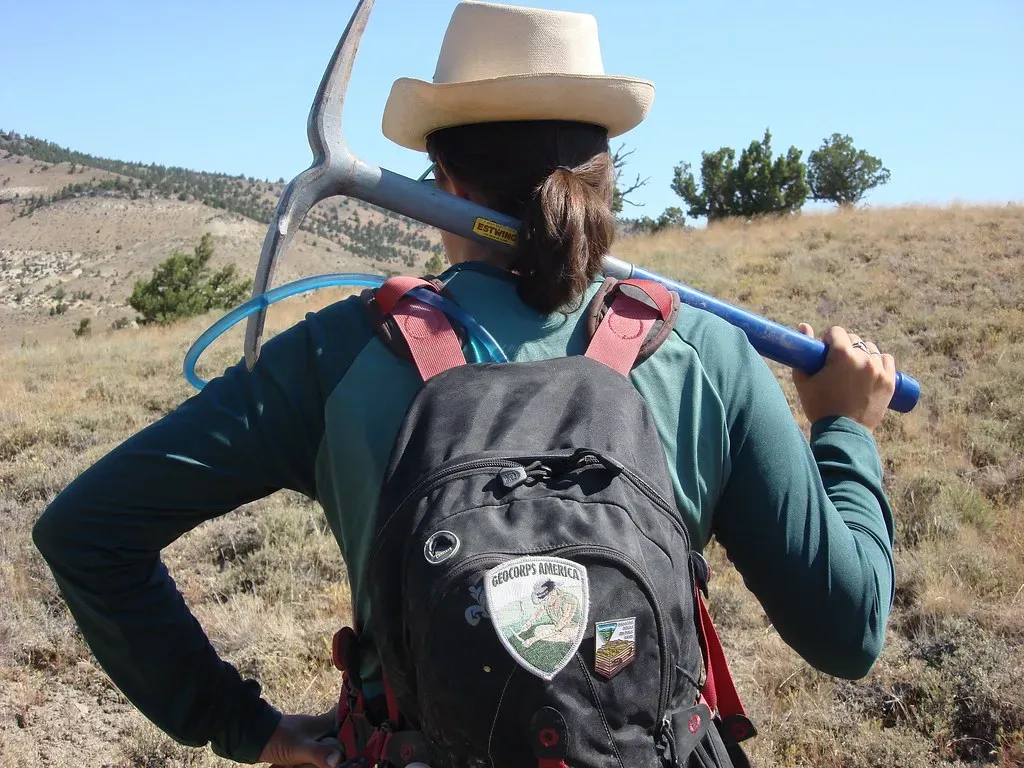
The majority of time in the field is spent walking around looking for fossils, a type of collecting generally known as prospecting. Think of it as a highly focused nature hike where every pebble, every exposed rock face, every weathered surface could reveal something extraordinary. It sounds romantic until you realize you might walk for days without finding anything significant.
Prospecting is like going on a nature hike, except that you’re looking for fossils in addition to enjoying the scenery. This daily habit builds observational skills that become almost instinctive over time. Your eyes learn to spot subtle color differences, unusual shapes, or textures that signal the presence of fossilized bone or teeth. Some days yield incredible discoveries. Other days, you return empty handed but with a better understanding of the geological landscape.
Excavation: Patience Measured in Hours and Days
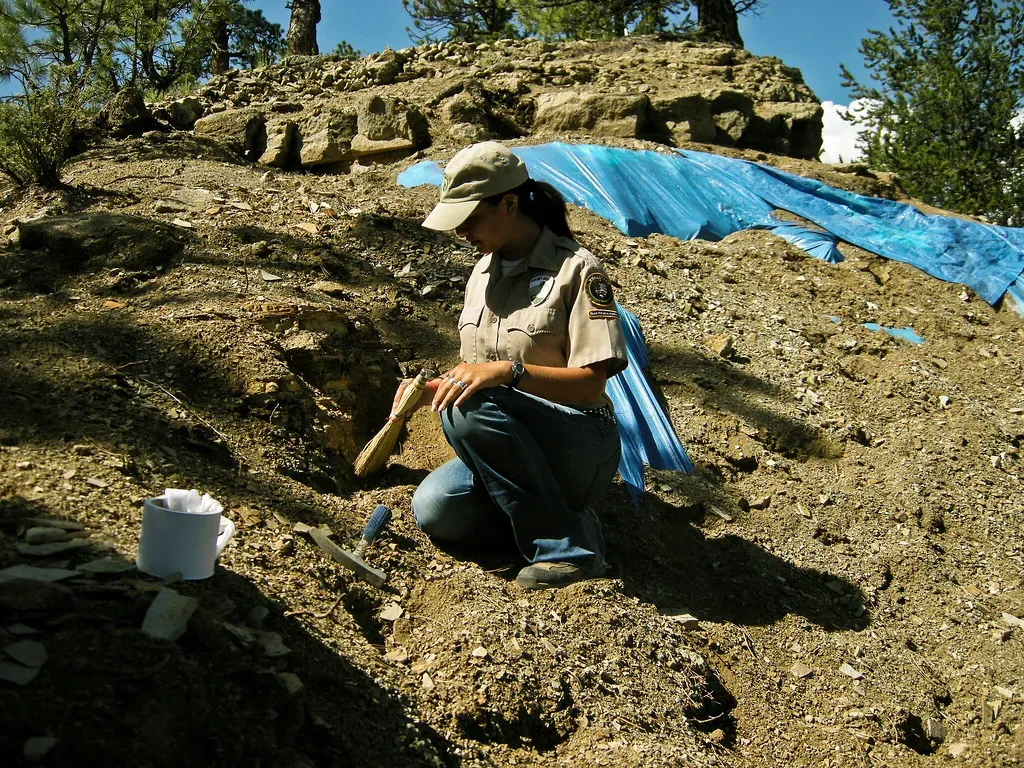
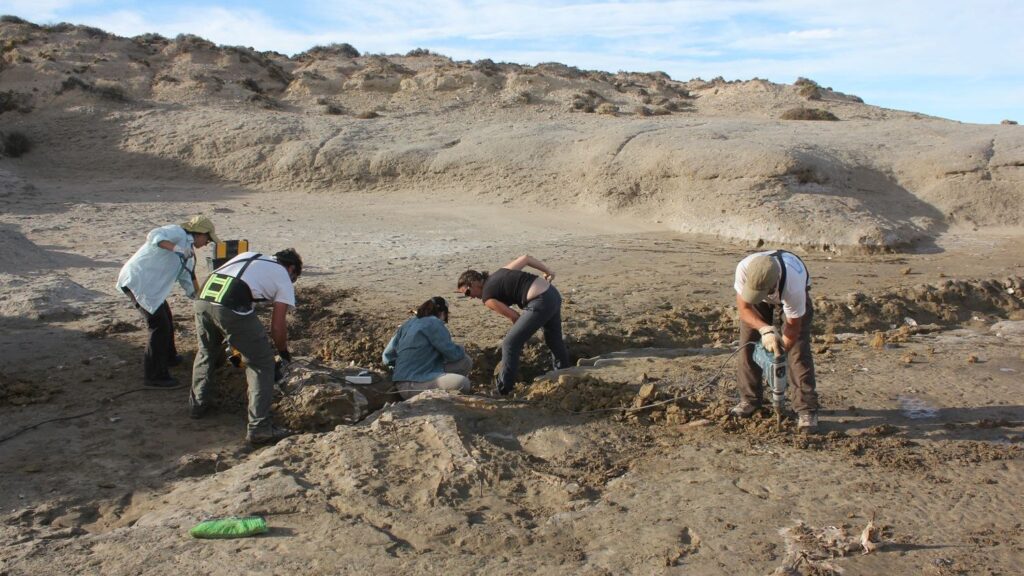
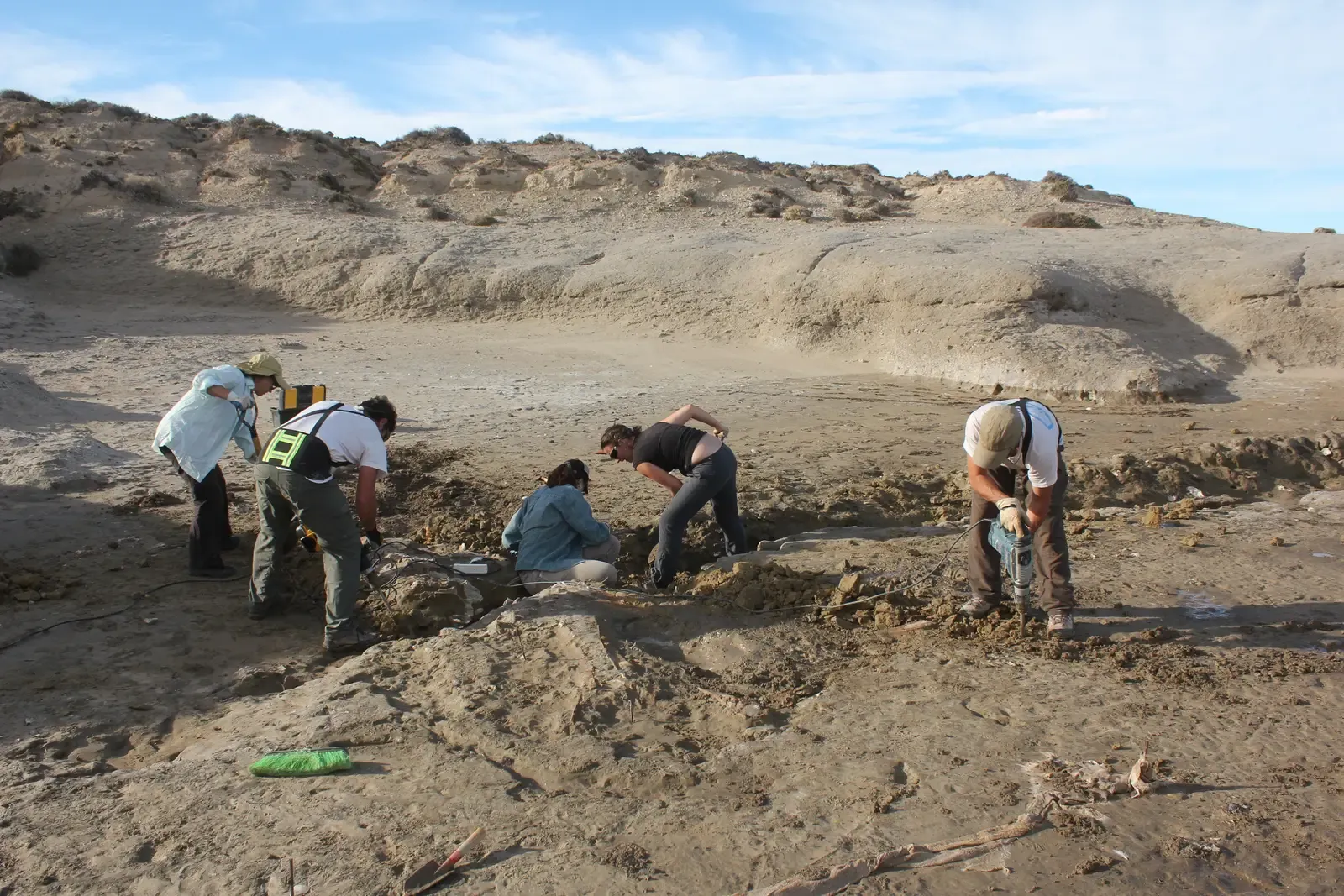
When you do find something promising, the real work begins. It can take a day or weeks to uncover a fossil, depending on how hard the rock is and how much overburden there is covering the fossil. You can’t just yank ancient bones out of the ground. Every strike of the hammer, every brush stroke, must be calculated and deliberate.
While in the field, paleontologists use excavation tools such as chisels, hammers, precise brushes, and sifting screens to remove fossilized remains from sedimentary rock deposits carefully. The physical demands are real. Hours spent crouched in uncomfortable positions under intense sun. Muscles screaming from lifting rocks and wielding tools. Yet this daily habit of meticulous excavation is what separates professional paleontologists from amateur enthusiasts.
Documentation: Recording Every Detail Obsessively
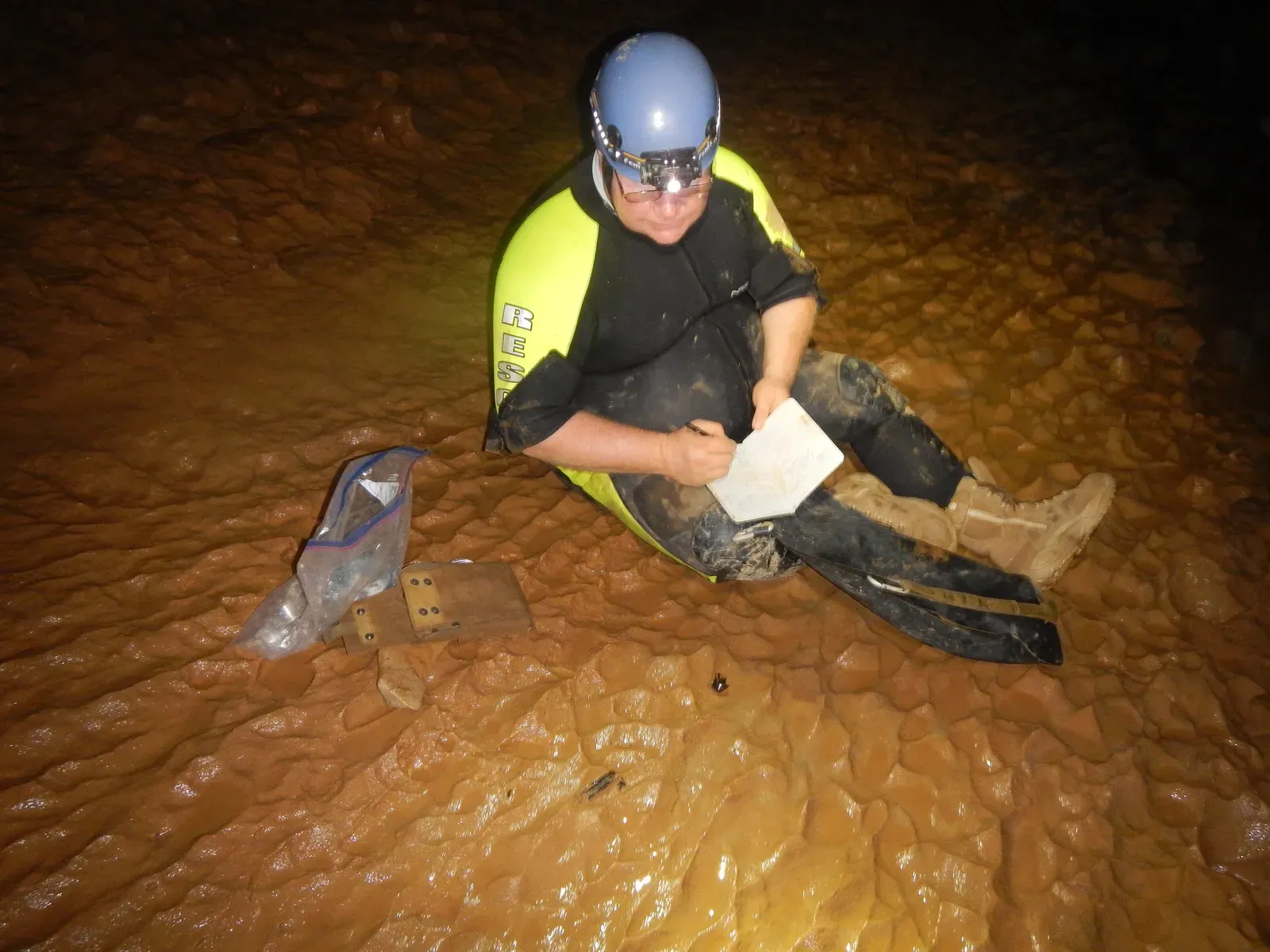
You might think the exciting part is finding fossils. Honestly, what matters more is documenting them properly. Paleontologists record their findings in detailed reports that often include descriptions of the fossils, interpretations of their biological and ecological significance, and photographs or drawings. Without context, a fossil is just a pretty rock.
GPS coordinates are used to position finds exactly, photographs are taken, and maps are drawn to document spatial data. Every specimen gets assigned a number. Every layer of sediment gets noted. This habit might seem tedious, especially when you’re eager to keep digging, but it’s what makes paleontological discoveries scientifically valuable rather than just curiosities. The field notebook becomes as important as any tool in your backpack.
Laboratory Analysis: The Long Game of Fossil Preparation
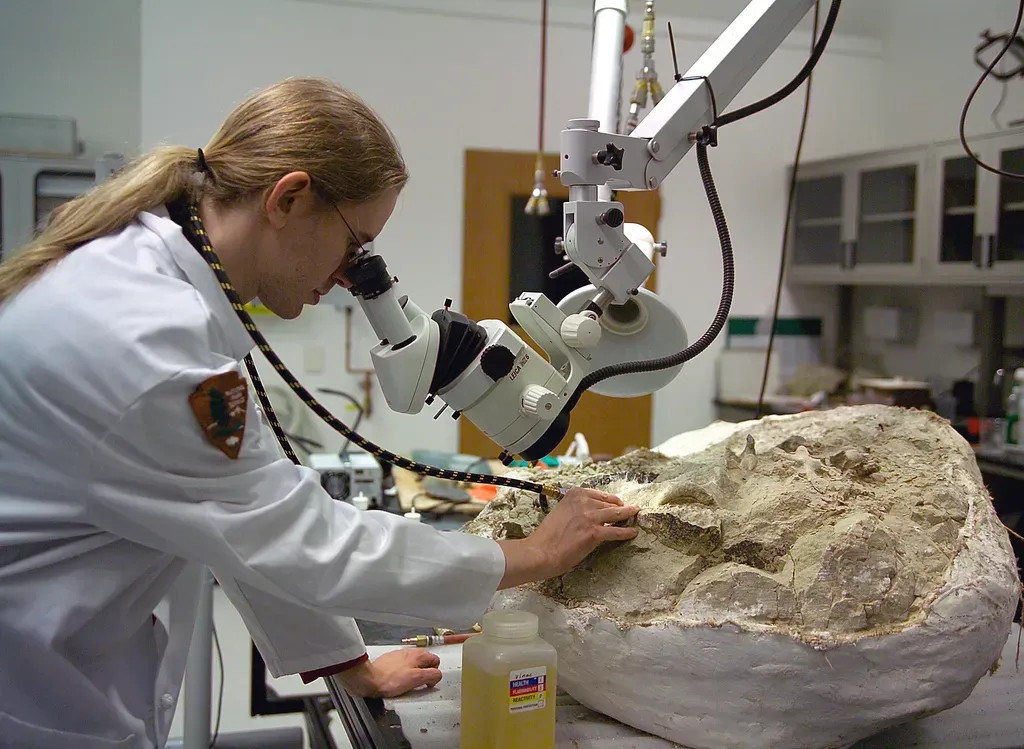
Back in the lab, the pace shifts but the demands don’t ease up. In the lab, you’ll clean and prepare fossils for study, with some paleontologists using chemical techniques to analyze fossilized samples and ancient pollen, while others examine microscopic fossils under high powered microscopes or use CT scanning technology. Lab work often consumes more time than fieldwork.
This process can take years depending on the size and condition of the specimen. Picture spending months carefully removing rock matrix from around a single bone using dental picks and tiny brushes. The daily habit of patient, precise lab work requires a different kind of endurance than fieldwork demands. It’s solitary, sometimes monotonous, but absolutely essential for revealing the anatomical details that tell us how ancient creatures lived and moved.
Collaboration and Research: Sharing Knowledge Daily
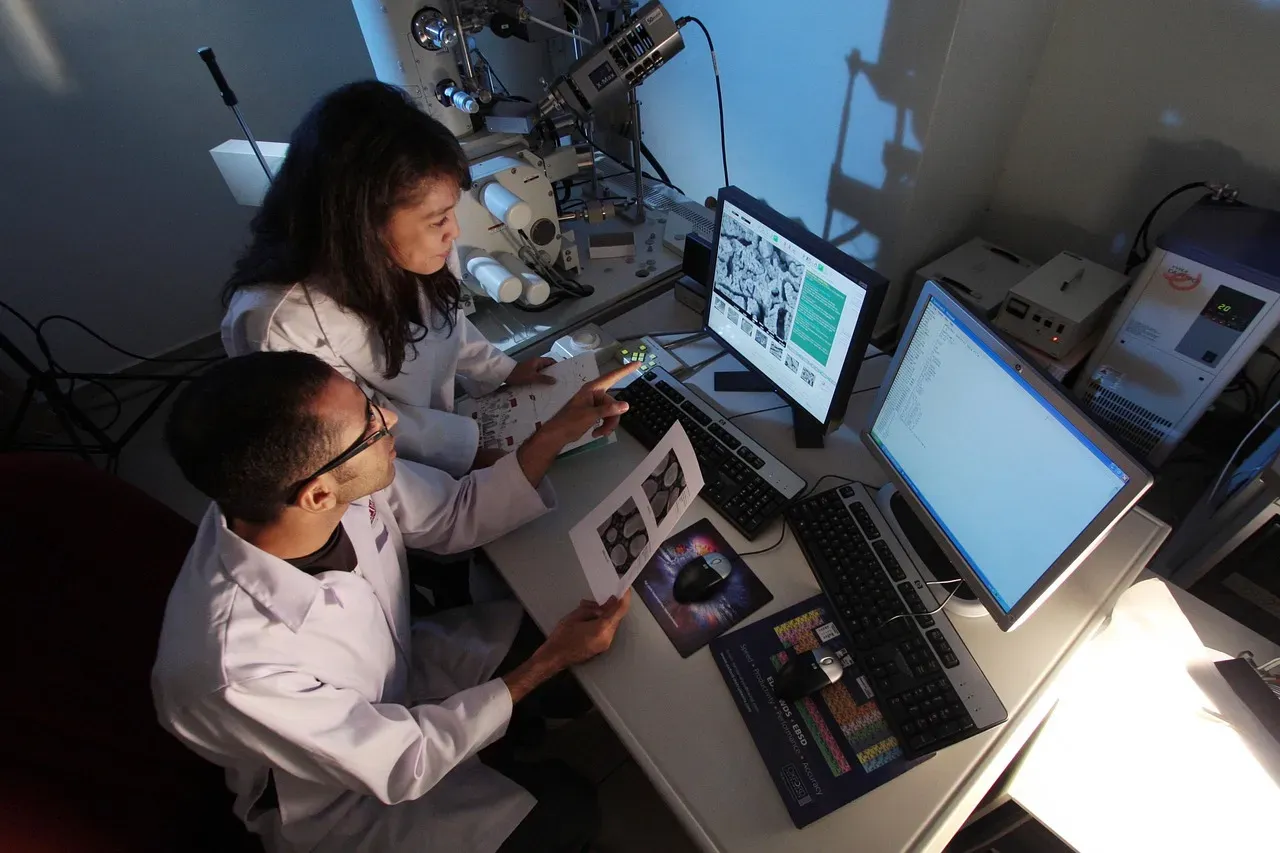
Paleontologists frequently collaborate with other scientists in related fields like geology, biology, and chemistry, and these collaborations can help provide a more complete picture of ancient environments and evolutionary relationships. You’re never working in isolation, even when you’re alone at your microscope.
Daily communication with colleagues happens through emails, video calls, and shared databases. You’ll write journal articles presenting your findings, apply for grants to fund future projects, and present at professional conferences. This habit of constant intellectual exchange keeps your research grounded and pushes the field forward. The best discoveries often come from conversations that connect your fossil find with someone else’s geological insight or another researcher’s anatomical expertise.
Teaching and Outreach: Inspiring the Next Generation

Many paleontologists spend part of their day teaching university courses or giving public presentations about their work, and they may also write articles for scientific journals or popular science publications to help educate others about the history of life on Earth. This isn’t just an obligation. It’s a vital habit that keeps the field alive.
Whether you’re leading undergraduate lectures, mentoring graduate students, or giving museum tours, teaching forces you to articulate complex ideas clearly. It reminds you why this work matters beyond academic publications. Some of your students might become the paleontologists who make the next groundbreaking discovery. What would you want them to know?
Continuous Learning: Staying Current with Research

Science never stands still, and neither can you. Before leaving for fieldwork, curators must do extensive research by reading books, bulletins, and specialized scientific journals such as the Journal of Vertebrate Paleontology to stay updated with recent discoveries from colleagues around the world. This daily habit of reading keeps you from repeating mistakes or missing important connections.
New technologies emerge. Dating techniques improve. Theories get revised based on fresh evidence. You might spend an hour each day reading recent publications, attending online seminars, or reviewing data from other research teams. It’s hard to say for sure, but this commitment to lifelong learning might be what truly separates exceptional paleontologists from those who simply go through the motions.
Conclusion
The daily habits of paleontologists paint a picture far removed from adventure movie stereotypes. It’s about waking before dawn and planning meticulously. Walking for hours scanning ancient rock formations. Excavating with painstaking care and documenting obsessively. Spending years in laboratories preparing specimens. Collaborating constantly, teaching passionately, and learning continuously. These routines demand physical stamina, intellectual curiosity, and a patience that measures time in geological scales.
Yet these habits unlock something profound. They let us reach back across millions of years and touch worlds that would otherwise remain forever lost. The discipline and dedication required might seem overwhelming, but they’re what make it possible to reconstruct the story of life on Earth. What does it take to uncover ancient worlds? More than you might have guessed, but perhaps exactly what something so extraordinary deserves.