Pop culture loves dinosaurs, but somewhere between the fossil bed and the movie screen, a lot of them got wildly distorted. Directors cranked up the teeth, shrank or stretched the bodies, and sometimes invented entire behaviors just to make the animals look scarier. The result is fun to watch, but it quietly buries some of the most fascinating things we actually know about these creatures.
What makes this a bit tragic is that the real animals were already strange, beautiful, and downright bizarre by any modern standard. They did not need exaggeration to be interesting. In many cases, Hollywood stripped away the quirks, the weird anatomy, and the ecological nuance that made these dinosaurs unique. Let’s walk through eight famous examples where the movie monsters stole the spotlight from the real, much cooler dinosaurs underneath.
1. Velociraptor: The Smart, Feathery Fox, Not a Naked Super-Wolf
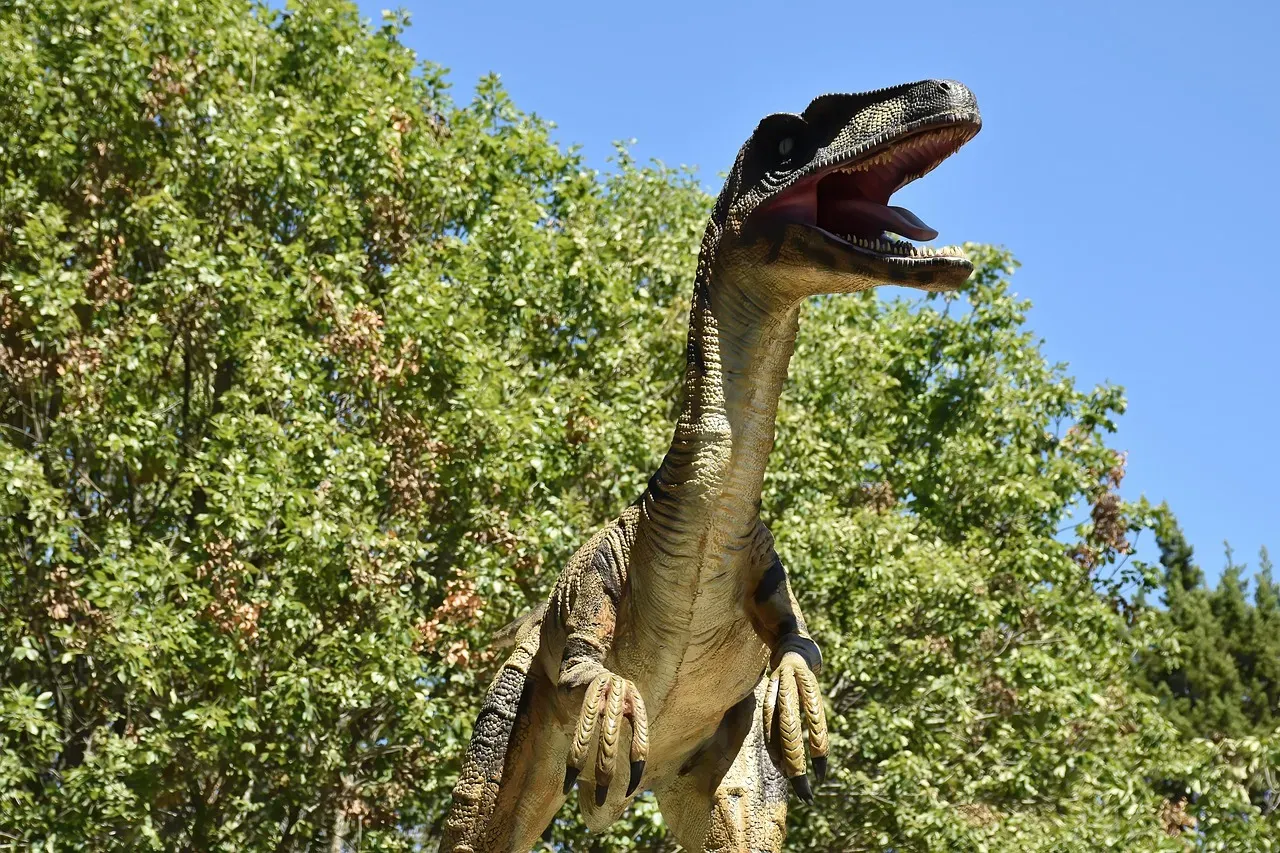
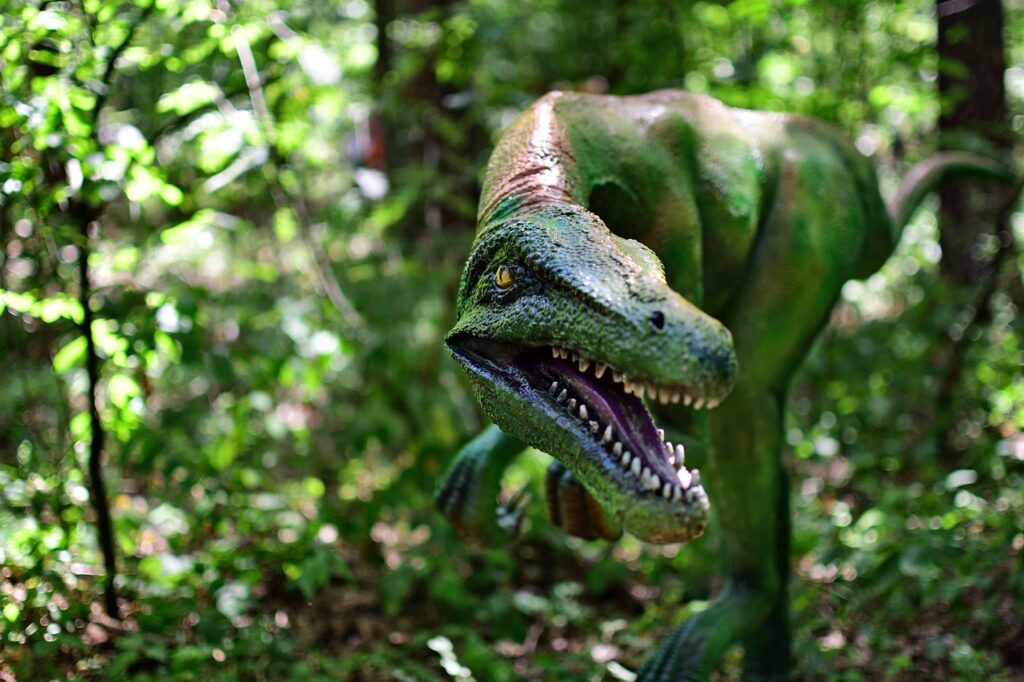
On screen, Velociraptor is a human-sized, scaly, door-opening horror machine that hunts like a pack of wolves with human-level tactics. The real Velociraptor was closer in size to a large turkey, with feathered arms and a long, stiff tail that worked like a tightrope walker’s balance pole. Far from being a scaly reptile, it likely looked more like a vicious ground-running bird than a miniature dragon.
It did have that iconic sickle-shaped claw on each foot and a mouth full of sharp teeth, so it was definitely dangerous to something its own size. But there’s no solid evidence it was the hyper-coordinated, military-style pack hunter that movies love. Its brain was reasonably large for a dinosaur, but not “outsmart a human in a kitchen” large. The true animal was an agile, feathered predator – already amazing without the Hollywood upgrades.
2. Tyrannosaurus rex: Not Just a Roaring Movie Monster, But a Complex Apex Predator
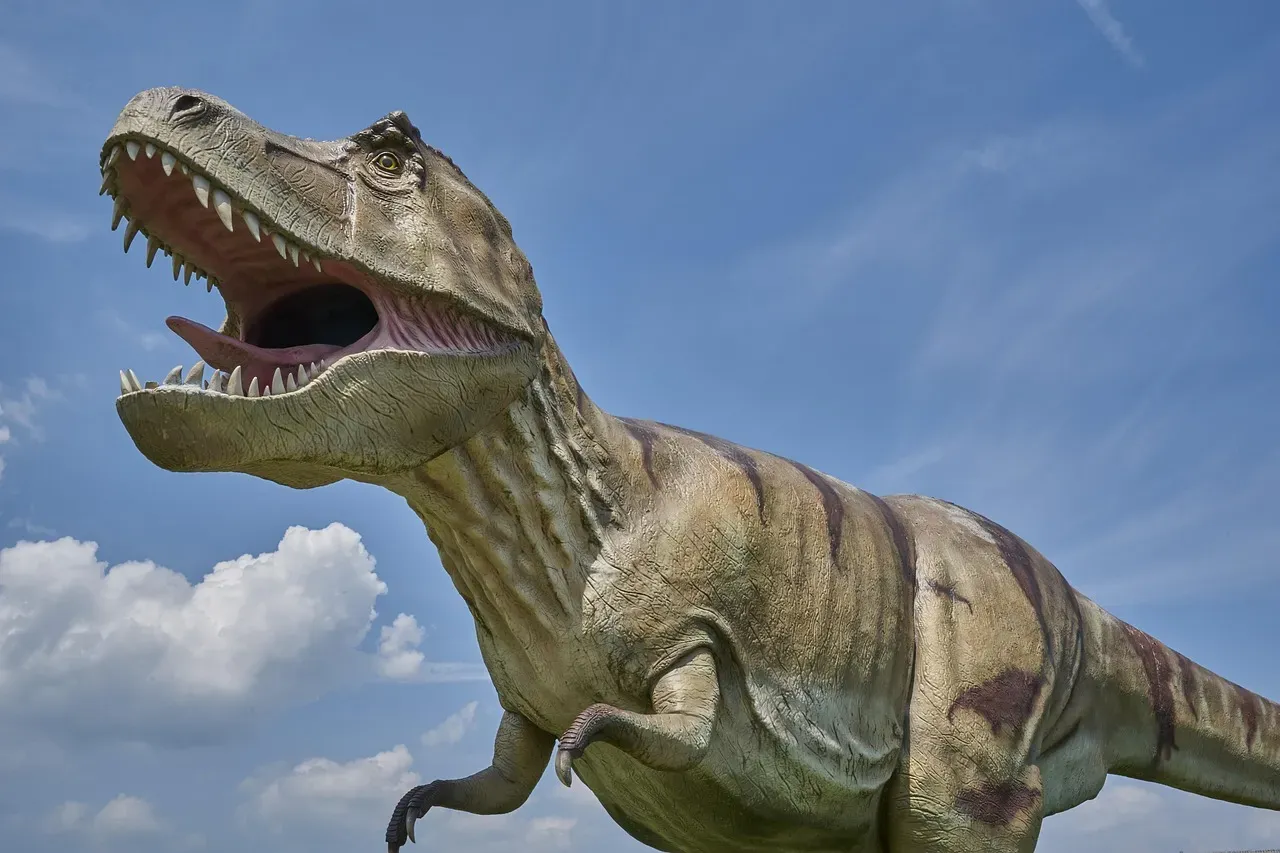
Hollywood’s Tyrannosaurus rex is a towering, eternally roaring brute that sprints like a truck with anger issues and shakes the ground with every step. The real T. rex was still terrifying, but in a more grounded way: a massive animal with one of the most powerful bite forces of any land predator known, able to crush bone and rip through carcasses with frightening efficiency. It probably could not run as fast as the movies show, and many paleontologists think it moved at a strong but sensible pace, more like a fast jogger than a 4-ton sprinter.
What makes it truly fascinating is its role as both hunter and scavenger, its strong sense of smell, and the growing suspicion that it lived in complex ecosystems where individuals interacted in ways we are only beginning to understand. Some fossils show healed bite marks that may come from other tyrannosaurs, hinting at social conflicts, competition, or rough intraspecies behavior. The real T. rex was not just a “big lizard that roars at cars,” but a sophisticated apex predator shaped by millions of years of ecological arms races.
3. Dilophosaurus: No Frills, No Venom, Still Remarkable
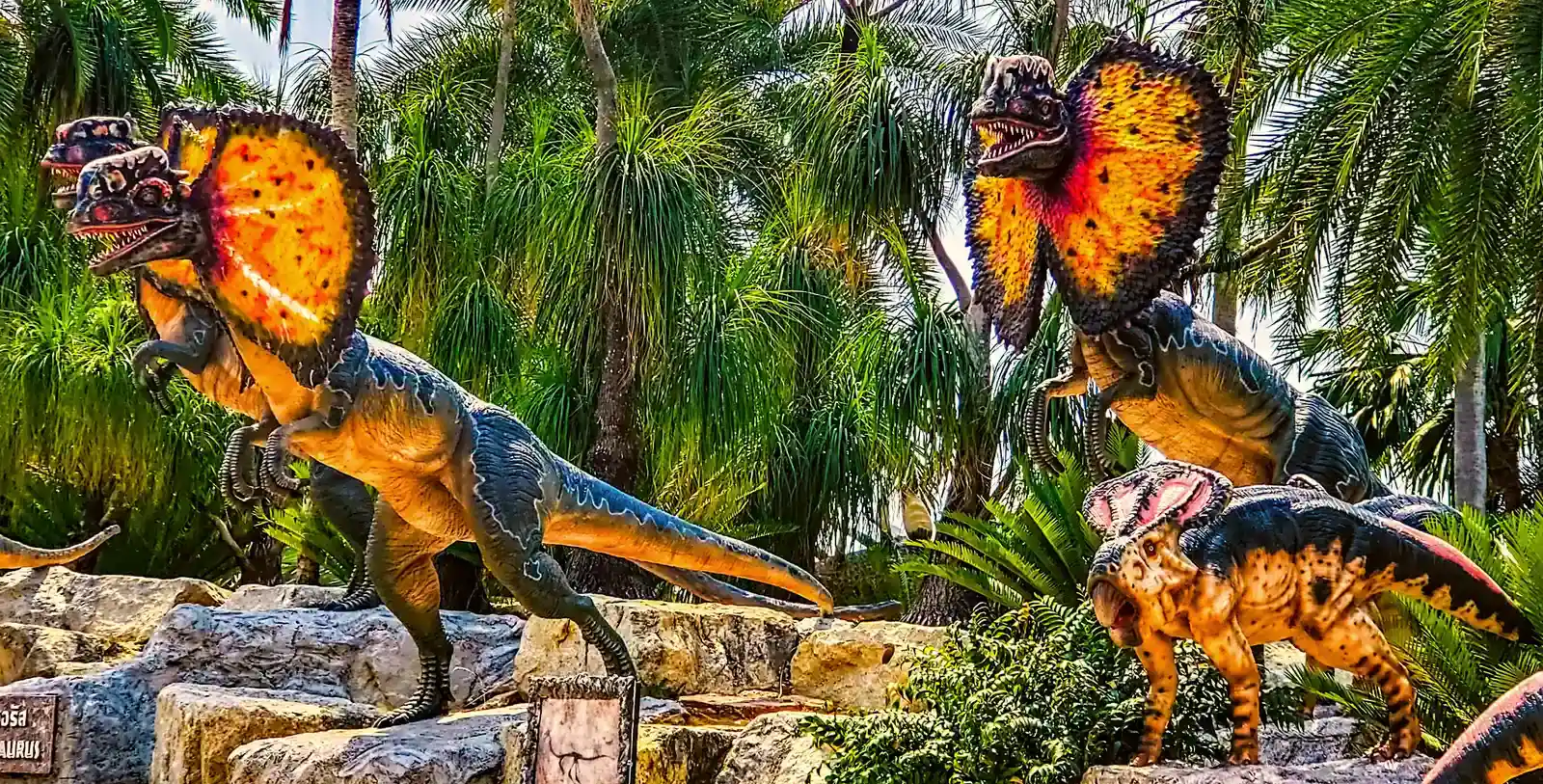
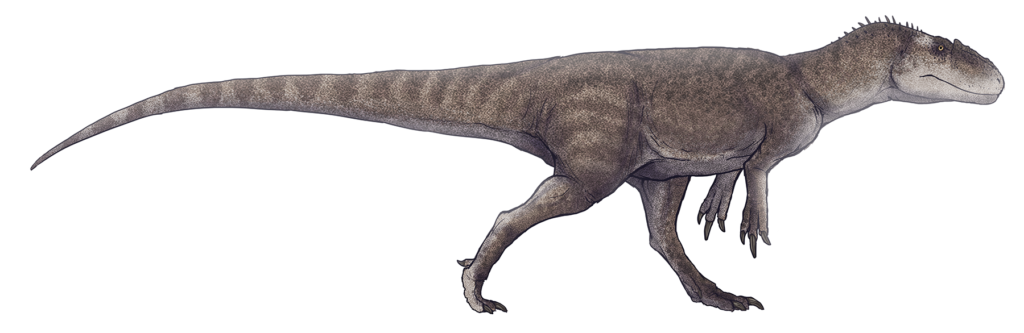
If you know Dilophosaurus from the movies, you probably picture a smallish dinosaur with a sudden neck frill and venom-spitting abilities. None of that has any support in the fossil record. The real Dilophosaurus was actually much larger than depicted on screen, closer to the size of a small bus, with a slim, lightweight body built for agility and speed rather than surprise venom attacks.
Its most iconic real feature was the pair of thin, arched crests on its head, which likely had something to do with display – maybe signaling to mates or rivals. The skull structure suggests it was a capable predator, but probably not a tank of raw strength; it may have preyed on smaller animals or used a combination of bites and pulling motions rather than just crushing power. It was already a strange, elegant carnivore without needing the imaginary frill and venom that Hollywood glued onto it.
4. Spinosaurus: The Aquatic Specialist Turned Land-Stomping Kaiju
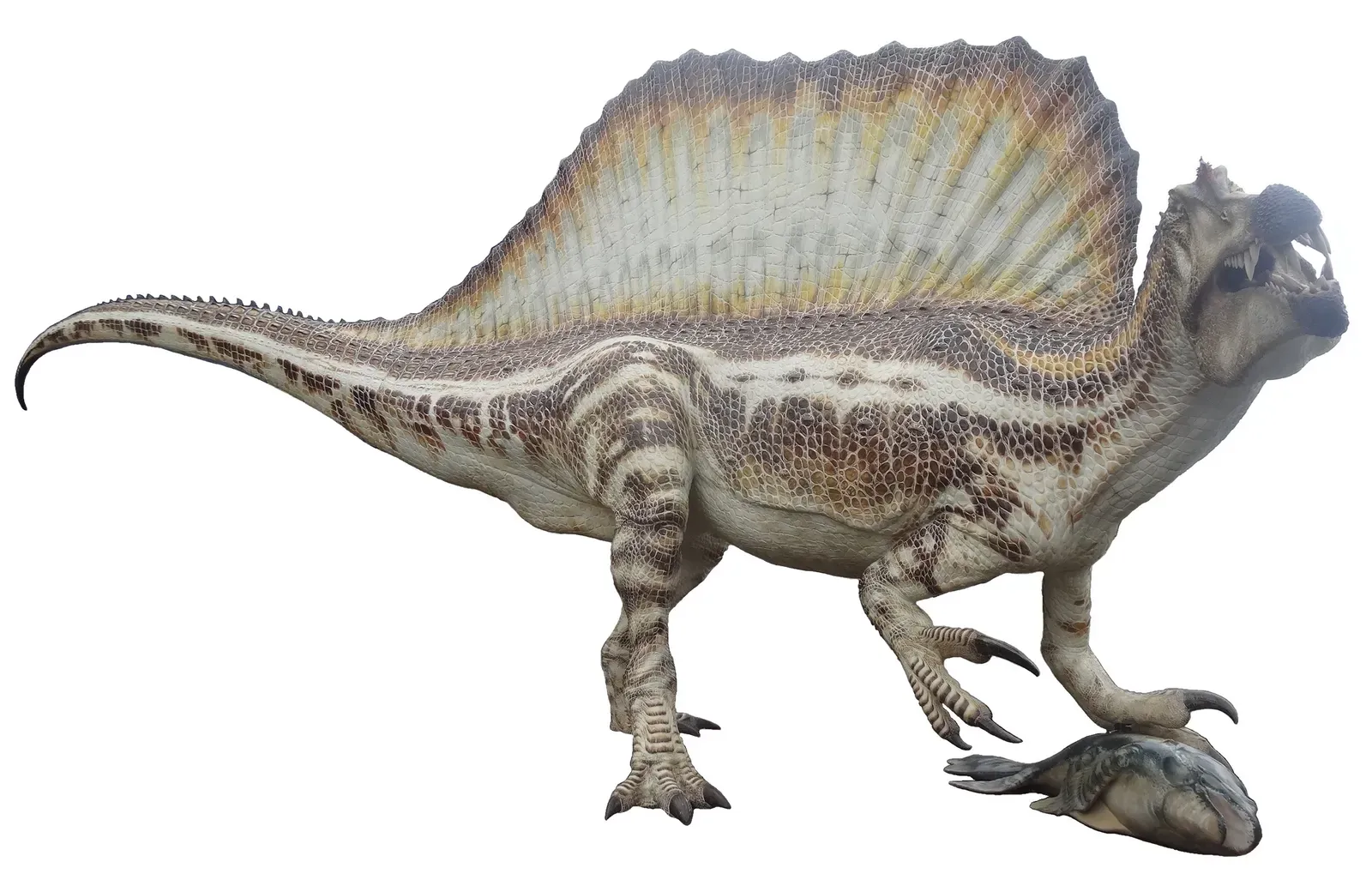
Movies often show Spinosaurus as an oversized land-based super-predator that can casually beat a Tyrannosaurus rex in a wrestling match. The science has shifted dramatically over the last couple of decades, and the real Spinosaurus turns out to be far weirder: a semi-aquatic specialist with a long, crocodile-like skull, dense bones, and a body built for life in and around water. It was less a land tyrant and more a giant river monster that probably hunted fish and other aquatic prey.
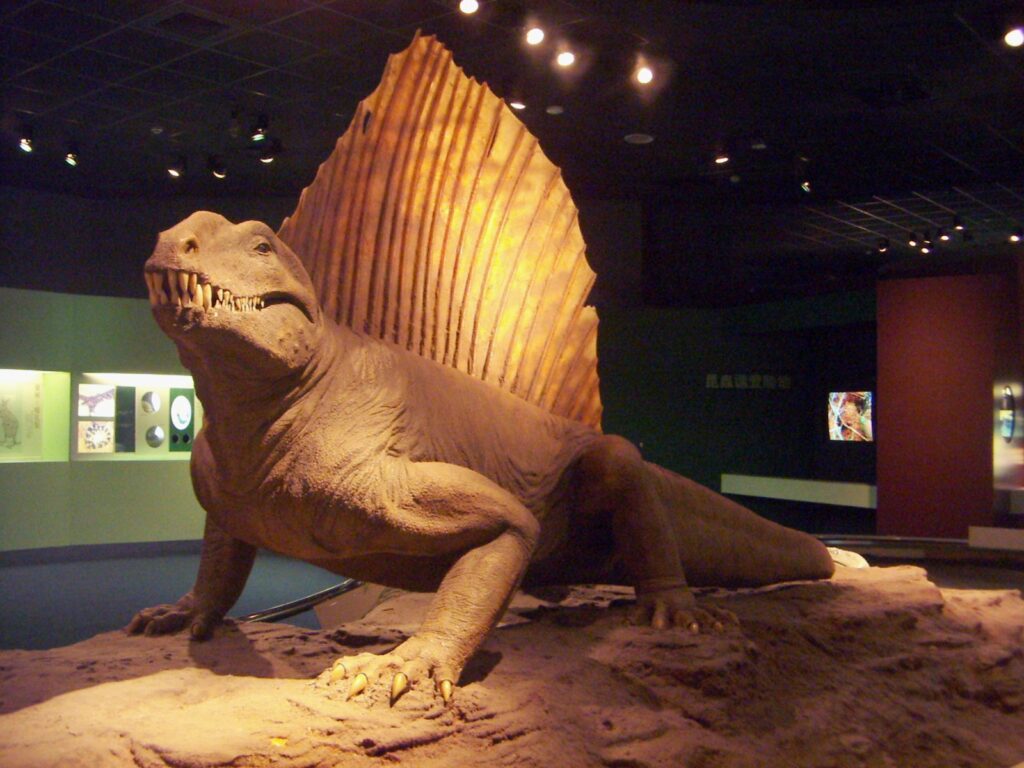
Its tall neural spines formed that iconic sail or possibly a hump, but exactly how it looked in life is still debated. Its limbs and center of mass suggest it was not particularly graceful on land, especially compared with big terrestrial predators. Instead of a pure land brawler, imagine a bizarre mash-up of a heron, crocodile, and bear, patrolling ancient waterways. That strange ecological niche is more interesting than any simple “bigger than T. rex” brag the movies usually lean on.
5. Triceratops: More Than a Horned Tank That Only Charges
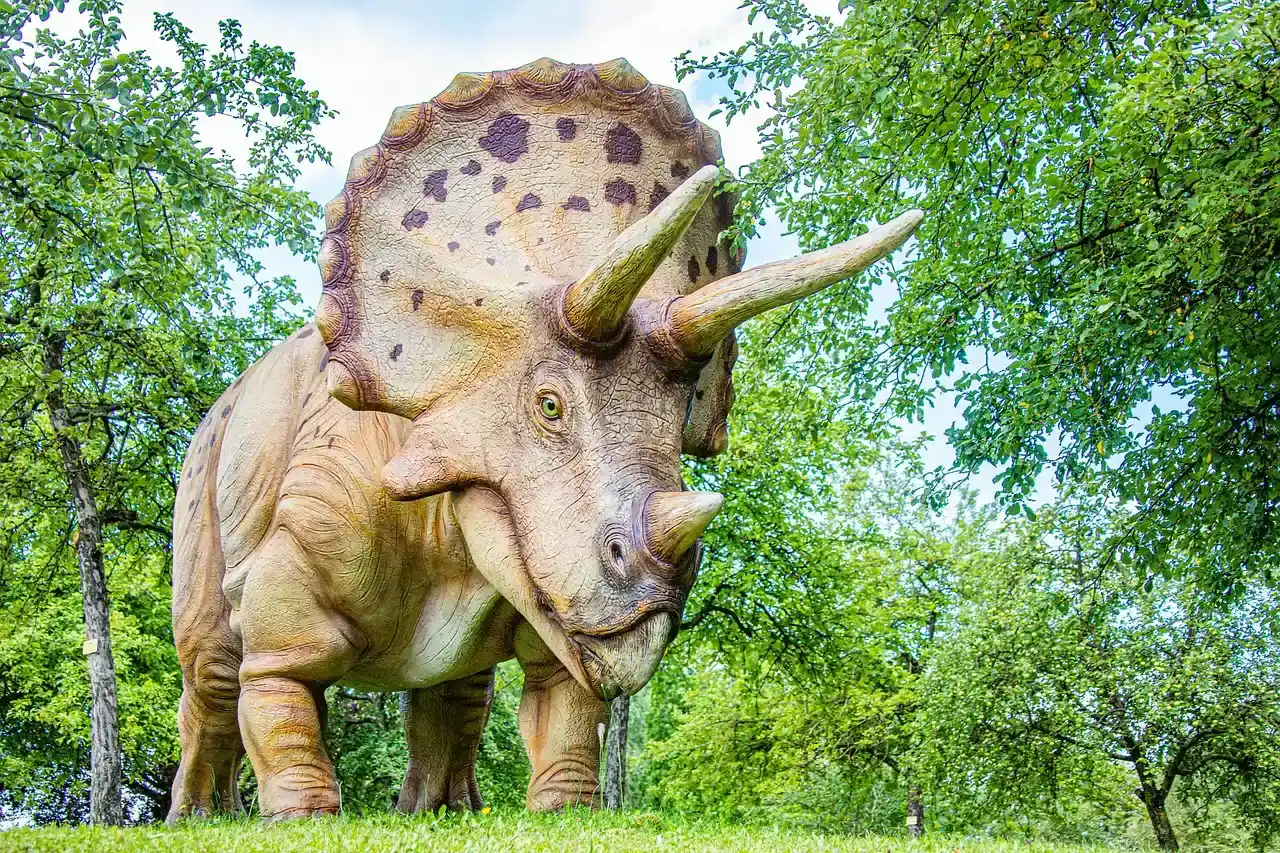
Triceratops is often framed as a prehistoric rhinoceros that basically just charges at anything that moves, usually a T. rex. In reality, it was a complex herbivore with a massive head frill, three prominent facial horns, and a beak designed for shearing tough vegetation. Its body was sturdy and low-slung, and the skeleton of its skull alone is one of the most impressive pieces of bone engineering in the dinosaur world.
Where movies tend to treat it like a mindless battering ram, paleontologists are more interested in how it used its horns and frill in social behavior. The frill might have helped with species recognition, display, or even temperature regulation. Scars and healed injuries on skulls suggest horn-to-horn combat between individuals, possibly over territory or mates. Instead of a one-note tank, the real Triceratops was likely part of a dynamic social landscape, with complex behaviors that went far beyond “see predator, charge predator.”
6. Stegosaurus: Not a Slow, Dim-Witted Lump With Giant Thagomizers
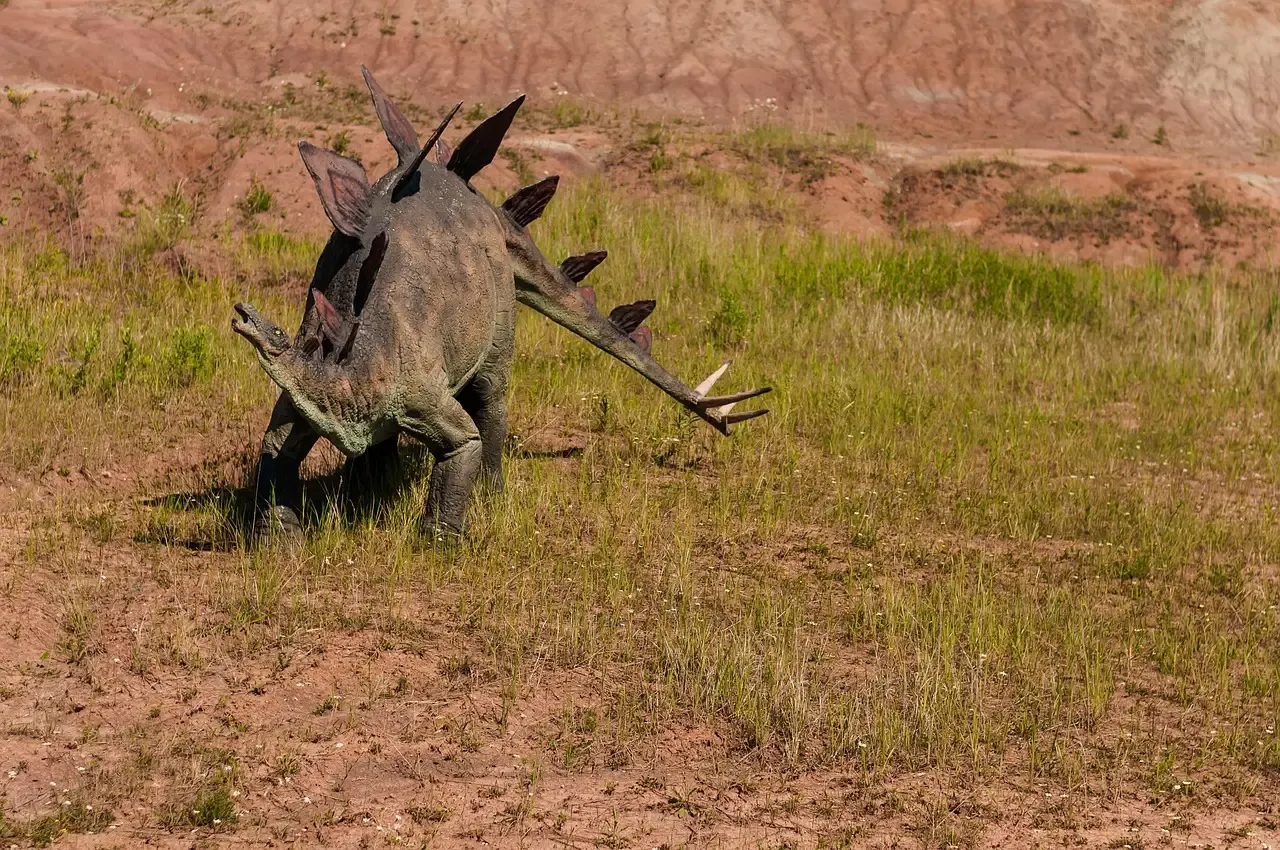
Stegosaurus frequently gets portrayed as a sort of lumbering, slow-witted side character – big plates, spiky tail, not much going on upstairs. While its brain was small relative to its massive body, that does not automatically mean it was clueless. It was well adapted for its lifestyle: a low-browsing herbivore with a battery of defensive hardware and a body plan tuned to its feeding height and environment.
The plates themselves are far more interesting than movies usually bother to show. They were filled with blood vessels and may have been used for display, species recognition, or even some degree of heat exchange. The tail spikes – the “thagomizers” – were not just decoration; fossil evidence of puncture wounds in predators suggests they could deliver serious damage. Instead of a dull background extra, Stegosaurus was a specialized, visually striking animal with a combination of armor, ornament, and defense that makes it one of the strangest plant-eaters to ever walk the Earth.
7. Pachycephalosaurus: The “Head-Butter” With a Mystery Dome
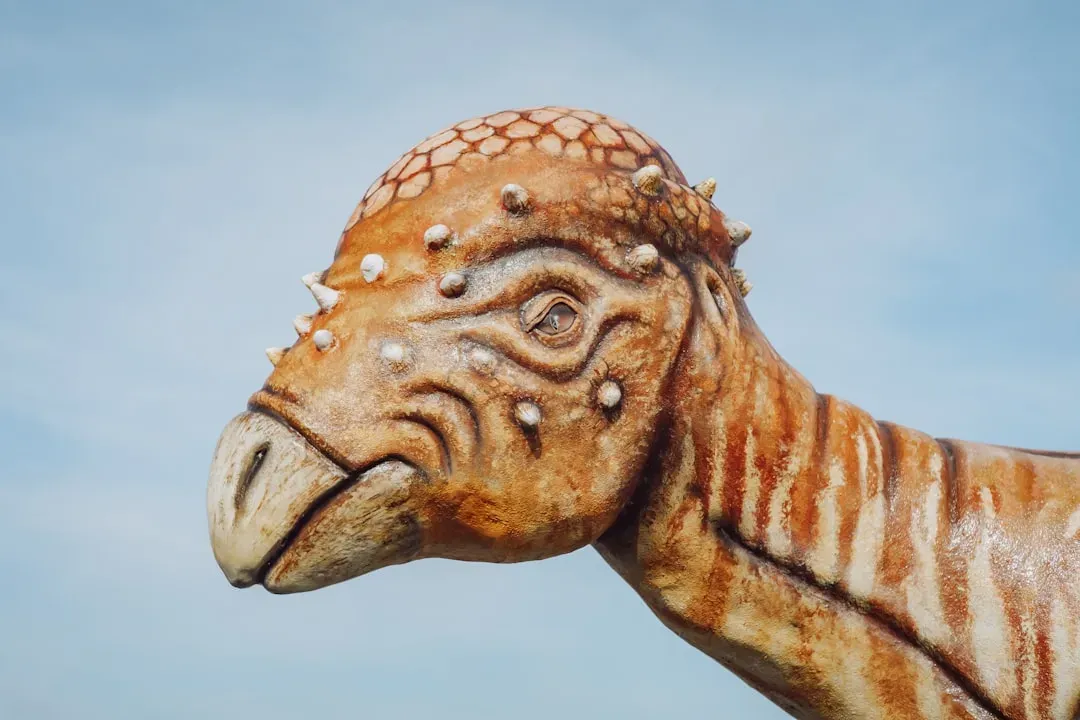
Hollywood loves to turn Pachycephalosaurus into a prehistoric battering ram that sprints full speed into anything in its way, including vehicles. It did have that thick, domed skull roof, surrounded by bony knobs and spikes, and for a long time people assumed it was purely for head-butting. More recent research has raised questions about whether full-on, high-speed dome-to-dome collisions would have been safe or even likely for these animals, given the structure of their necks and vertebrae.
That does not make them boring; it actually makes them more intriguing. The dome could have been used in flank-butting matches, pushing contests, or visual display to signal age or status. There is also ongoing debate over how many so-called “species” of dome-headed dinosaurs are actually just different growth stages of the same animal. Instead of a one-note head-first missile, Pachycephalosaurus is turning into a case study in how animal behavior is reconstructed from bone, and how messy and uncertain that can be.
8. Mosasaurus: The Ocean Lizard That Hollywood Turned Into a Super-Size Sea Dragon
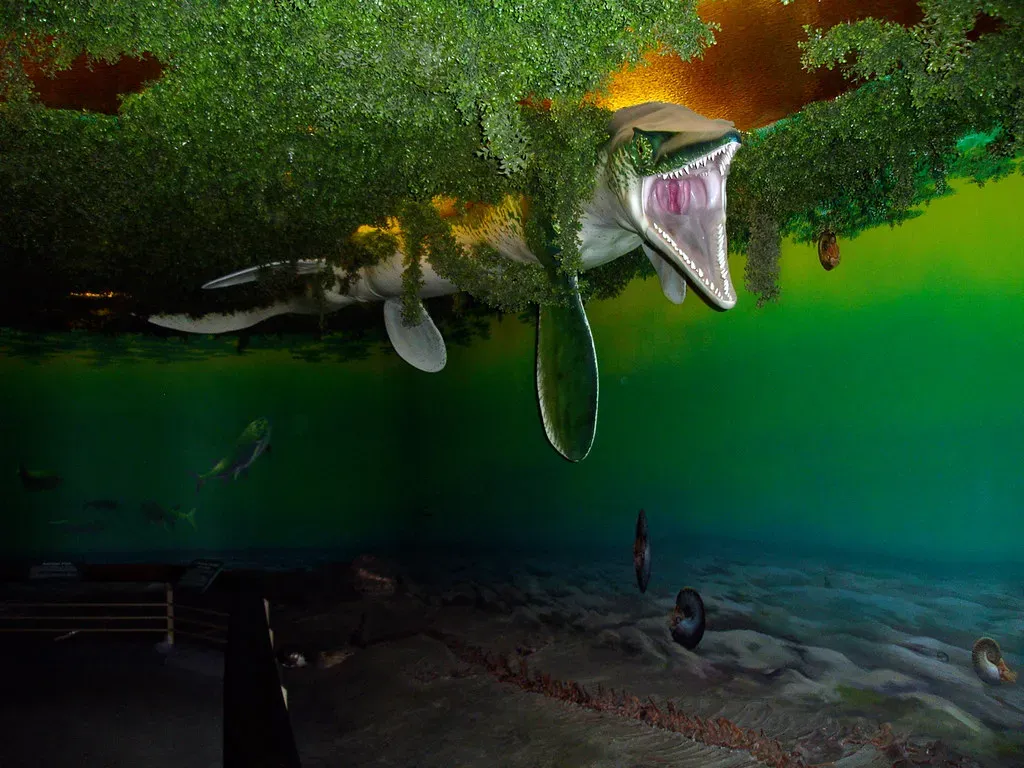
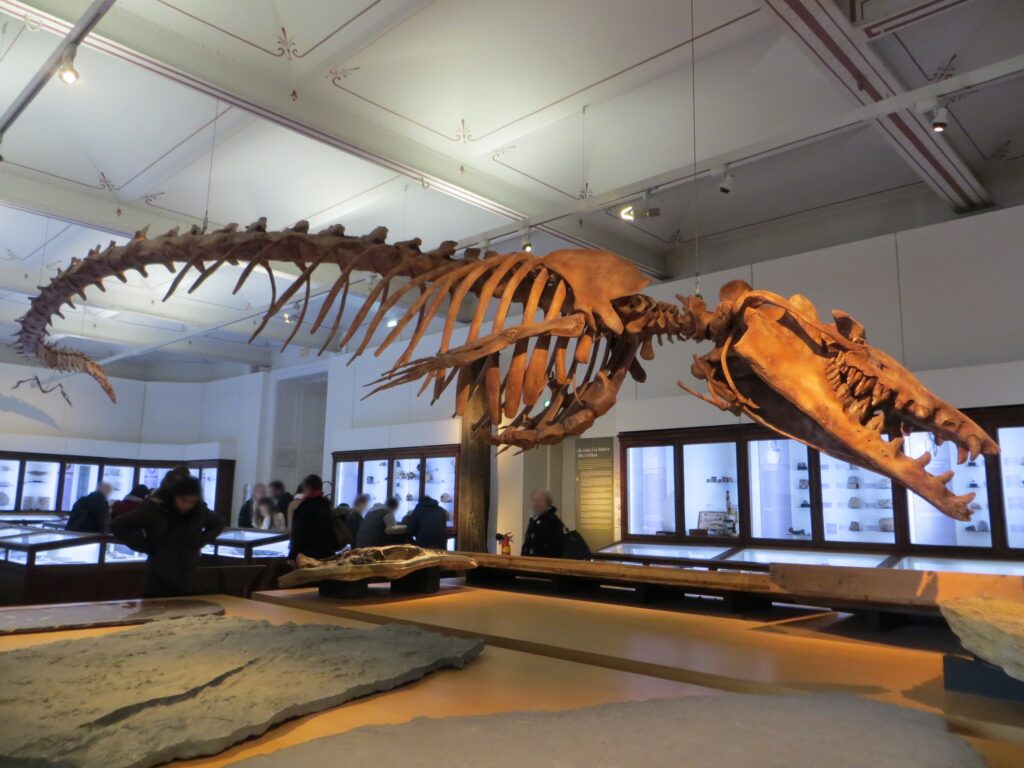
Technically not a dinosaur but often bundled with them on screen, Mosasaurus is usually shown as an impossibly gigantic, whale-eating leviathan that launches out of the water like a missile. Real mosasaurs were indeed large marine reptiles and top predators in their ecosystems, but their maximum size in movies is often heavily exaggerated. They were closer in form to giant, flippered monitor lizards, with powerful tails that propelled them through the water and jaws full of conical teeth suited for grabbing slippery prey.
The real animals probably hunted fish, smaller marine reptiles, and anything else they could catch, using speed and ambush tactics in the open ocean. Some had specialized teeth adapted for crushing shells, showing that even within mosasaurs there was ecological diversity. Their evolution from land-dwelling lizards into highly adapted sea hunters is, on its own, one of the coolest transitions in vertebrate history. They do not need to pull airplanes into lagoons to be impressive.
Conclusion: The Truth Is Stranger – and Better – Than the Movie Monsters
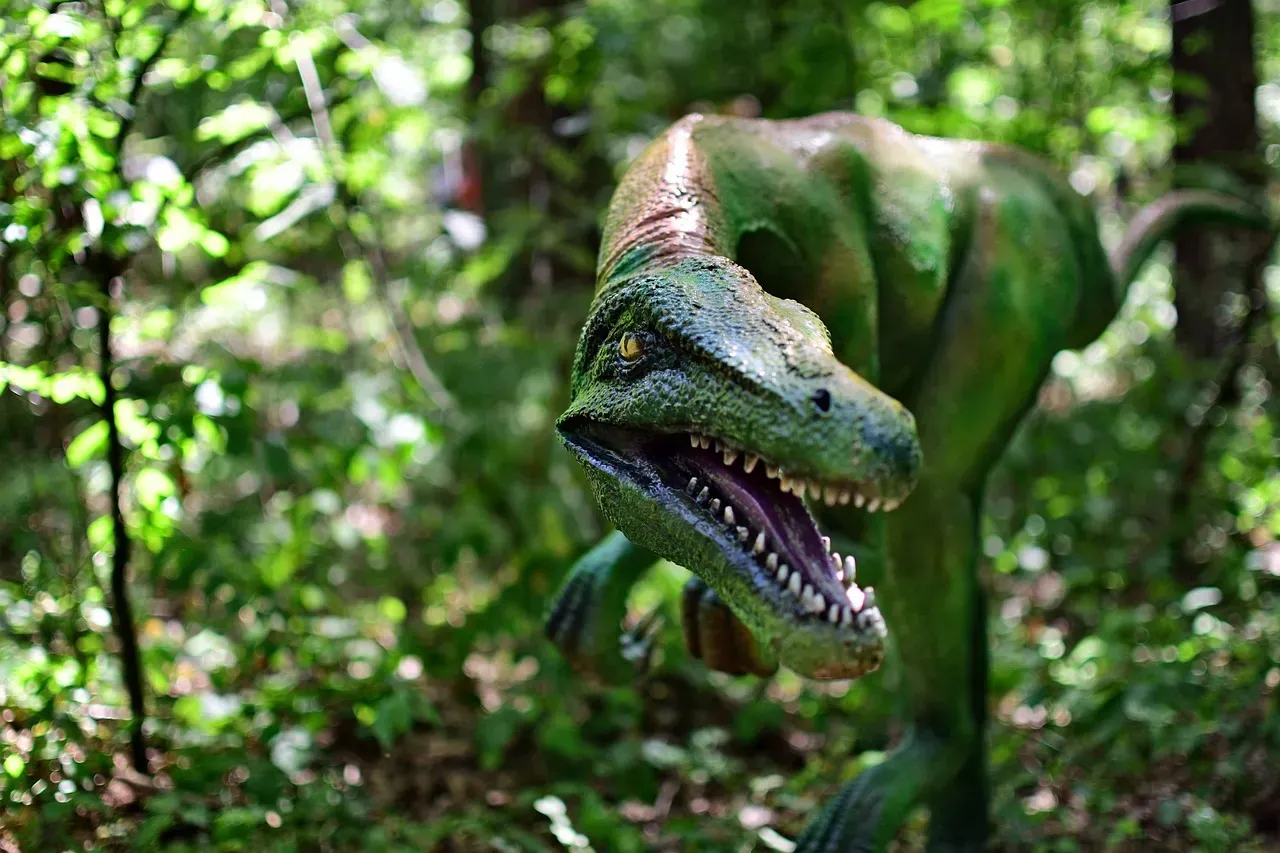
When you line these eight animals up, a pattern jumps out: Hollywood keeps sanding down the weird edges and turning everything into either a mindless brute or a sleek super-predator. In the process, it accidentally erases what makes dinosaurs and their relatives so compelling: the feathers, sails, domes, frills, social lives, and ecological specialties that have no real modern equivalents. The real prehistoric world was less like a monster movie and more like an alien planet, packed with creatures that do not fit neatly into our usual categories.
Personally, I think the biggest missed opportunity is that by exaggerating the danger, the movies often make the animals less memorable, not more. The actual science gives us river-stalking fish hunters, dome-headed social puzzles, horned herbivores with complex lives, and birdlike predators that blur the line between dinosaur and modern bird. That reality is stranger, wilder, and much more satisfying than any cheap jump scare. The next time a dinosaur roars on screen, it is worth asking: is this really scarier than the truth, or just louder?