
Some animals are gone so long ago that they feel almost mythical: dinosaurs, trilobites, giant sea reptiles. But what really messes with your sense of time are the species that clung on for millions of years, sailed through ice ages and shifting continents, only to vanish right under our noses in the last few centuries. They were survivors on an epic scale, and then, suddenly, they were not.
In this article, we’ll look at eight of those long‑lasting, recently lost species: creatures that evolved ages ago, saw entire lineages come and go, and still managed to share the planet with smartphones, sailing ships, and even social media. Their stories are part detective tale, part cautionary lesson, and part gut‑punch reminder of how fragile even the toughest life forms can be. Ready to have your sense of “recent” and “ancient” completely scrambled?
1. Thylacine (Tasmanian Tiger): A Relic Predator Lost in Living Memory
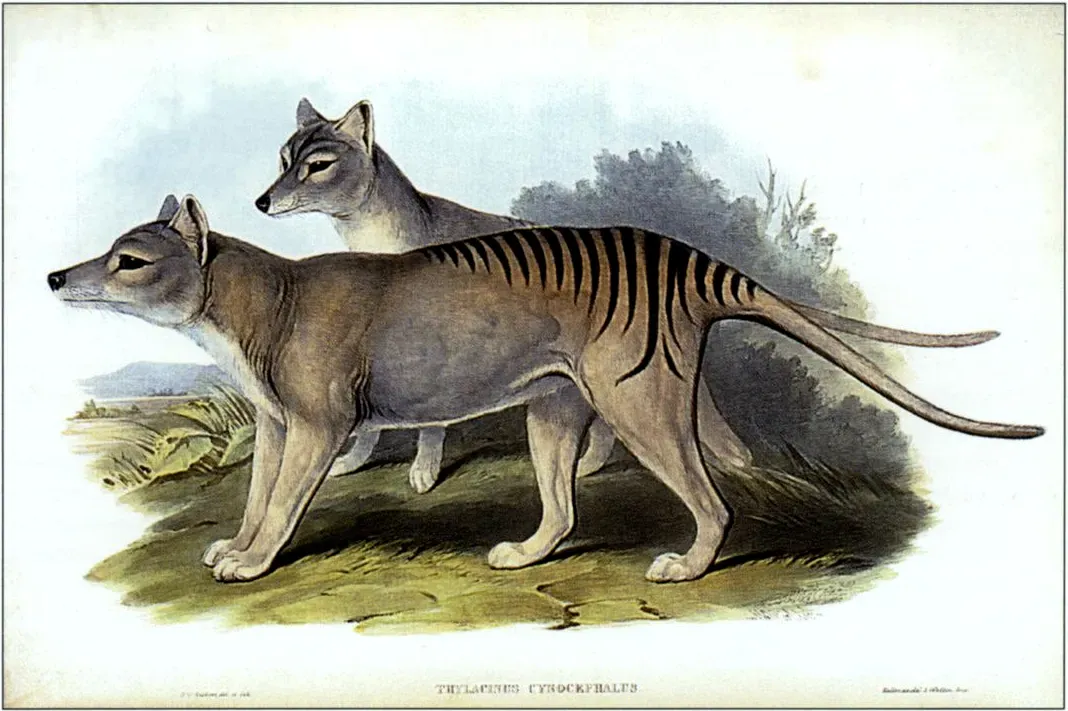
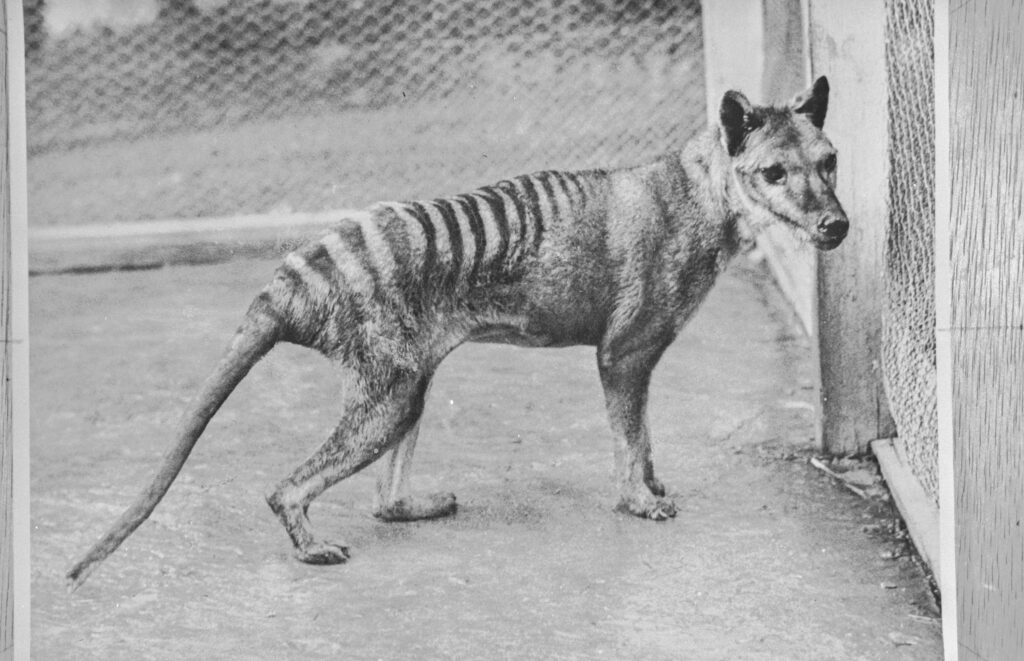
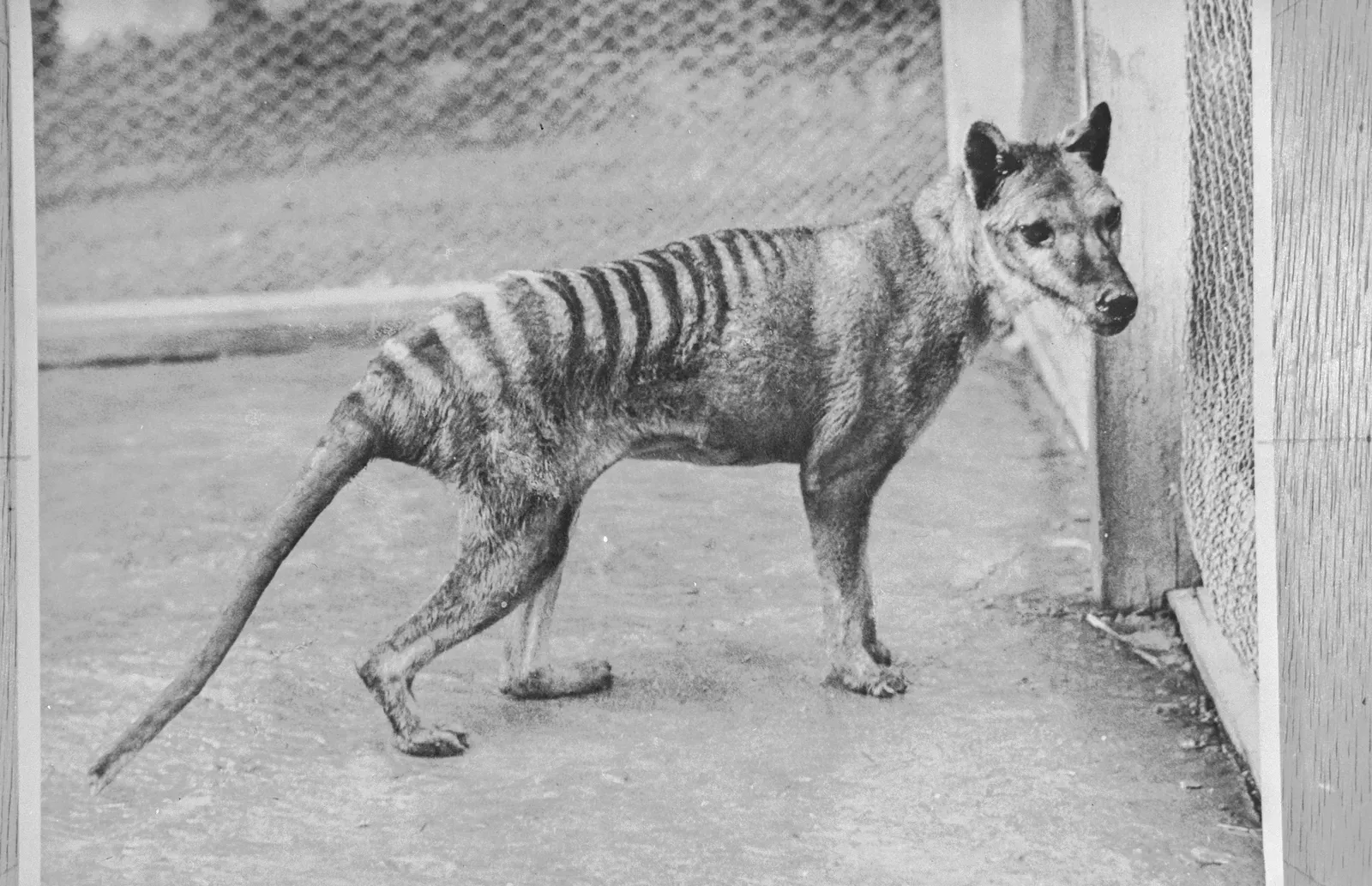
The thylacine, often called the Tasmanian tiger, looked like a strange mash‑up between a wolf and a dog with a striped tail, but it was actually a marsupial predator with roots going back tens of millions of years in Australasia. Its lineage diverged from other marsupials long before humans ever evolved, surviving wave after wave of environmental change and the arrival of many other carnivores. By the time Europeans reached Tasmania, the thylacine was the last of its kind, a lone representative of an ancient predatory experiment that had worked for ages.
What makes its loss feel especially raw is how recent and preventable it was. The last known thylacine died in captivity in 1936, a victim of habitat loss, hunting bounties, and general human indifference dressed up as “pest control.” To me, the thylacine is the poster child for extinction by bureaucracy and slow neglect: we knew this animal was rare, we watched the numbers plummet, and we still didn’t pull the brakes in time. Now, every blurry trail‑camera photo and breathless “maybe we saw one” headline is a reminder that when a lineage that old disappears, there is no reboot, no sequel, no second chance.
2. Quagga: A Half‑Striped Survivor of the Ice Age Plains
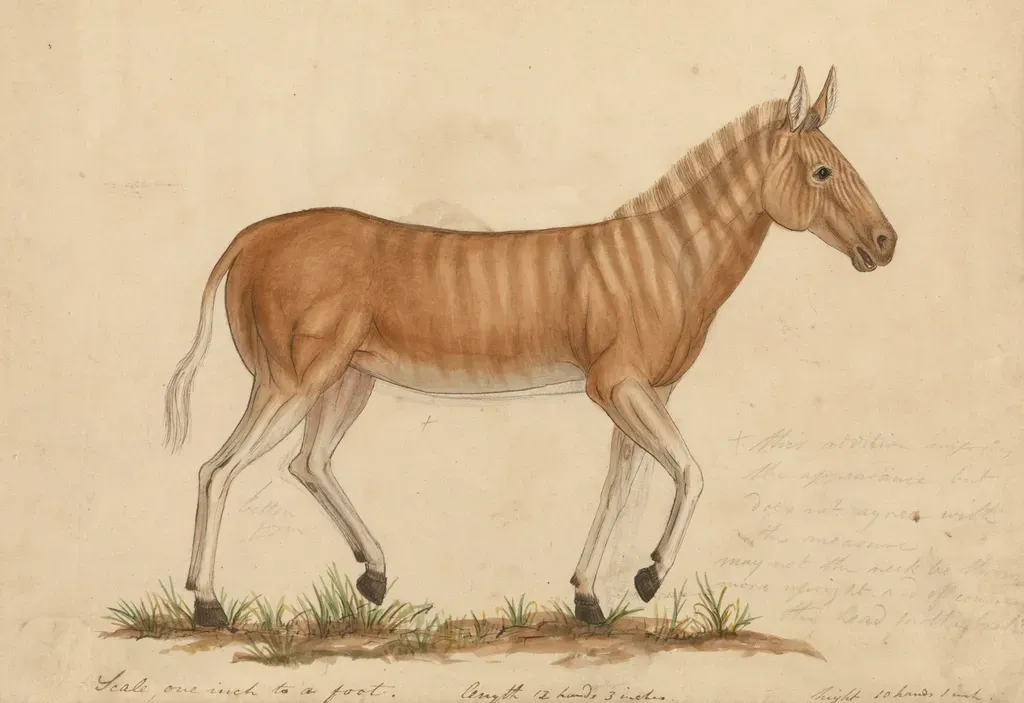
The quagga, a subspecies of plains zebra, looked like nature changed its mind halfway through painting: striped like a zebra in the front, more like a plain brown horse in the back. Genetic and fossil evidence shows that zebras and their relatives have been around for a few million years, adapting to grassland ecosystems that rose as forests shrank. The quagga itself was part of a lineage that had survived glacial swings and huge shifts in African habitats, holding on as a specialized grazer on the open plains of southern Africa.
Despite that deep evolutionary history, the quagga’s end came in the late nineteenth century, mostly because it stood between settlers and grass for their livestock. Entire herds were wiped out as “competition,” and by the 1870s, wild quaggas were effectively gone; the last captive individual died in 1883. There is something deeply unsettling about an animal whose ancestors walked beside woolly mammoths, yet vanished at a time when trains, telegraphs, and early photography already existed. Modern “breeding back” projects can create zebra that look quagga‑like, but that cosmetic fix feels to me like putting a filter on a photo: interesting, sure, but it does not bring back a unique, well‑tested evolutionary solution that had worked for so very long.
3. Steller’s Sea Cow: A Giant of Ancient Sirenian Seas
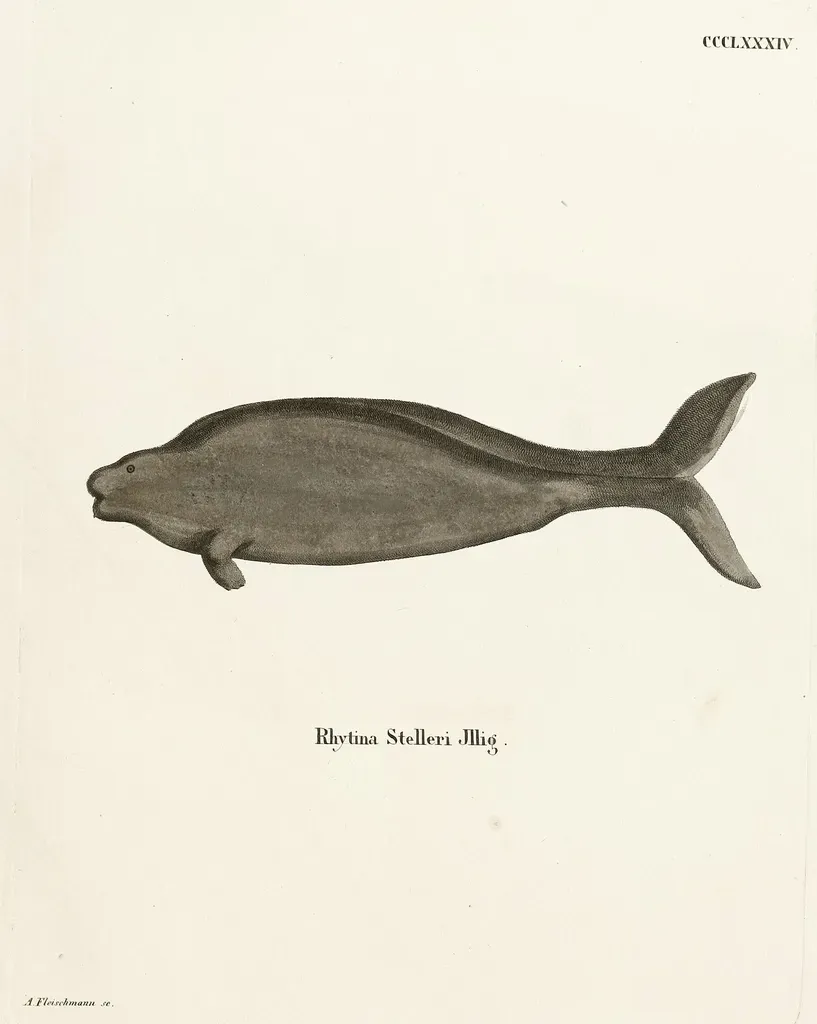
Steller’s sea cow was a colossal marine mammal, a relative of dugongs and manatees that once cruised the cold coastal waters of the North Pacific. The sirenian lineage it belonged to stretches back more than thirty million years, originating from land mammals that returned to the sea and evolved into specialized seagrass feeders. Fossils show that sirenians were once widespread and diverse, but by the time humans reached the North Pacific in force, Steller’s sea cow was one of the last big survivors of this ancient group in higher latitudes.
When it was first described by Europeans in the mid‑1700s, this huge, slow‑moving herbivore had already had its range massively reduced, probably by Indigenous hunting pressure and environmental shifts. Still, it had made it through countless glacial cycles and ecosystem overhauls, only to be driven to extinction in less than thirty years after Russian and European hunters “discovered” it. To me, this is one of the most brutal time‑scale contrasts in natural history: a species that persisted for millions of years, erased in a human blink because it was easy to catch, tasted good, and nobody in power saw value in restraint.
4. Great Auk: A Flightless Seabird from an Ancient Northern Lineage
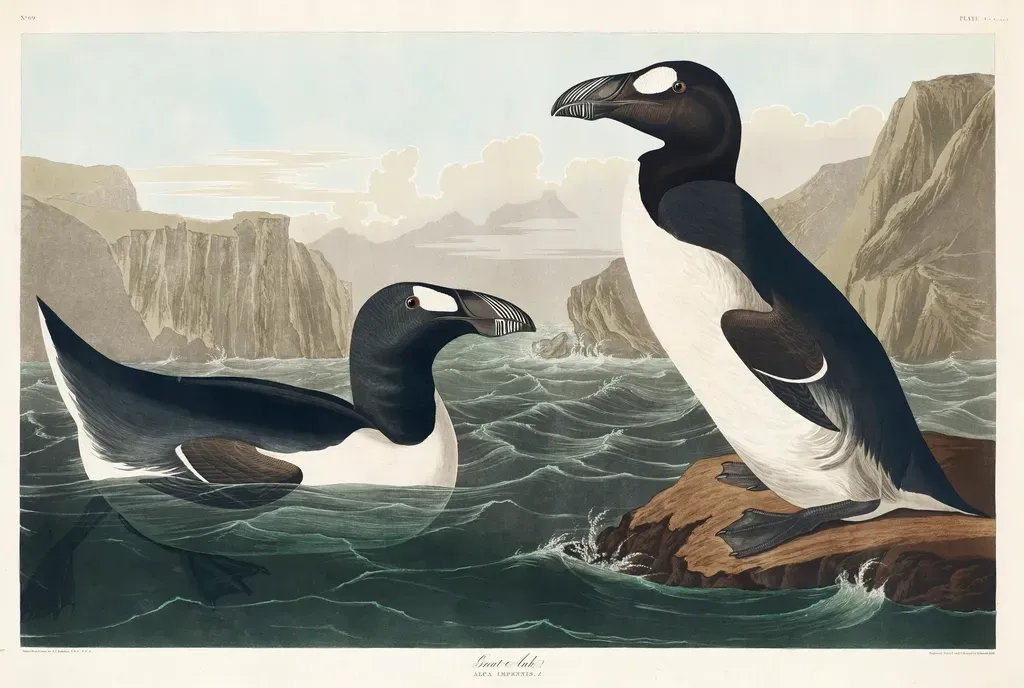
The great auk was a tall, flightless seabird of the North Atlantic, a sort of northern penguin analog that evolved from flying ancestors millions of years ago. Its lineage, the alcids, has a long fossil record, with species adapting again and again to cold seas, diving lifestyles, and shifting coastlines. The great auk represented an extreme version of that trend: wings turned to flippers, bodies built for underwater pursuit, and life deeply tied to remote islands and cold currents that had existed, in one form or another, for ages.
For centuries, great auks were a familiar presence to coastal peoples, harvested for meat, oil, and feathers but buffered by remoteness and difficult access to nesting sites. That balance collapsed when European demand for feathers and down exploded and efficient ships and crews targeted their colonies. By the mid‑nineteenth century, the last documented birds were killed on a remote Icelandic island. I find it especially tragic that this bird survived ice ages and ancient climatic chaos but fell victim to a combination of fashion trends and careless collecting; it shows how a lineage can be resilient to geology and yet completely unprepared for the speed and scale of industrial human demand.
5. Moas of New Zealand: Giant Herbivores with Deep Roots
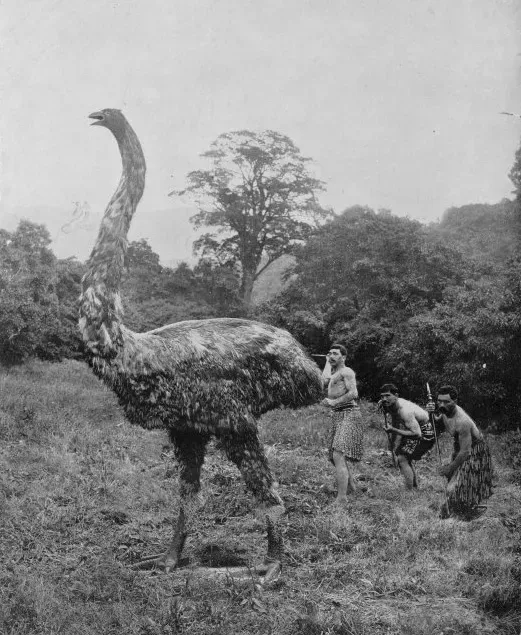
Moas were a group of large, flightless birds that once dominated New Zealand’s forests and grasslands, filling the ecological role that deer or antelope play elsewhere. Their lineage, part of the ratite group, traces its ancestry back tens of millions of years to early flightless birds that likely spread across southern continents when they were much closer together. While individual moa species evolved and vanished over time, the group as a whole was a long‑term feature of New Zealand’s ecosystems, shaping vegetation and supporting a unique predator, the enormous Haast’s eagle.
Despite that ancient history, the moas’ final chapter was shockingly brief. Polynesian settlers arrived in New Zealand roughly within the last millennium, and archaeological evidence suggests that intensive hunting, combined with habitat burning, wiped out moas in only a few centuries. Imagine a lineage that survived continental breakups, volcanic upheavals, and multiple climate swings, undone by a relatively small human population using stone tools and fire. Personally, I find the moa story one of the most sobering: it proves that you do not need modern industry to collapse a robust, well‑established ecosystem if the species involved have never evolved alongside humans and our rapid, landscape‑level impact.
6. Aurochs: The Primeval Wild Cattle Behind Every Modern Cow
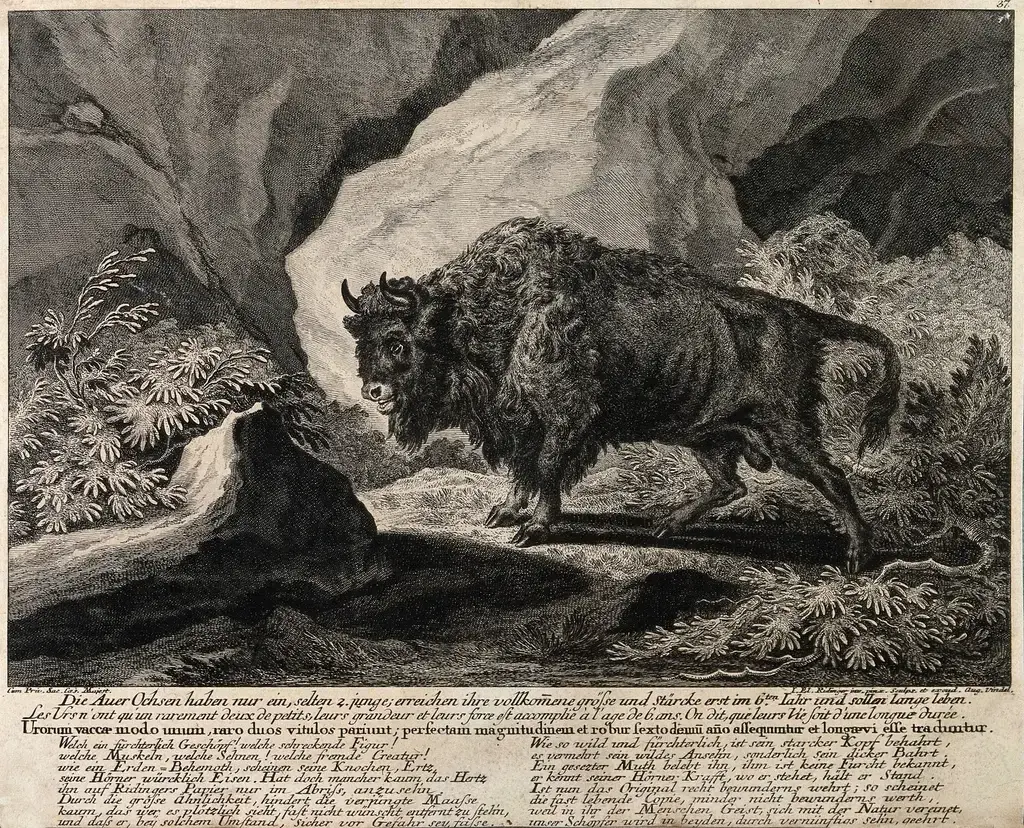
The aurochs was the wild ancestor of all modern domestic cattle, a powerful bovine that once roamed from Europe into parts of Asia and North Africa. Fossil and genetic data show that wild cattle in this lineage were present for hundreds of thousands of years, adapting to glacial cycles and changing vegetation patterns across Eurasia. Aurochs were large, aggressive when threatened, and clearly built for long‑term survival in tough and varied climates; they were not fragile animals by any stretch.
Domestication began many thousands of years ago, with humans selectively breeding smaller, more manageable cattle while wild aurochs persisted alongside them. Over time, hunting, habitat loss from agriculture, and disease transmitted from domestic herds hammered wild populations, shrinking them into isolated pockets. The last known aurochs died in the seventeenth century in Poland, a surprisingly recent date considering how ancient their lineage is. I think the most ironic piece here is that we owe an enormous slice of human civilization to this animal’s genes, yet we allowed the original wild form to vanish while its domestic descendants multiplied into the billions; it is like burning the master painting after making endless prints.
7. Woolly Mammoth: Ice Age Icon That Overlapped with Human History
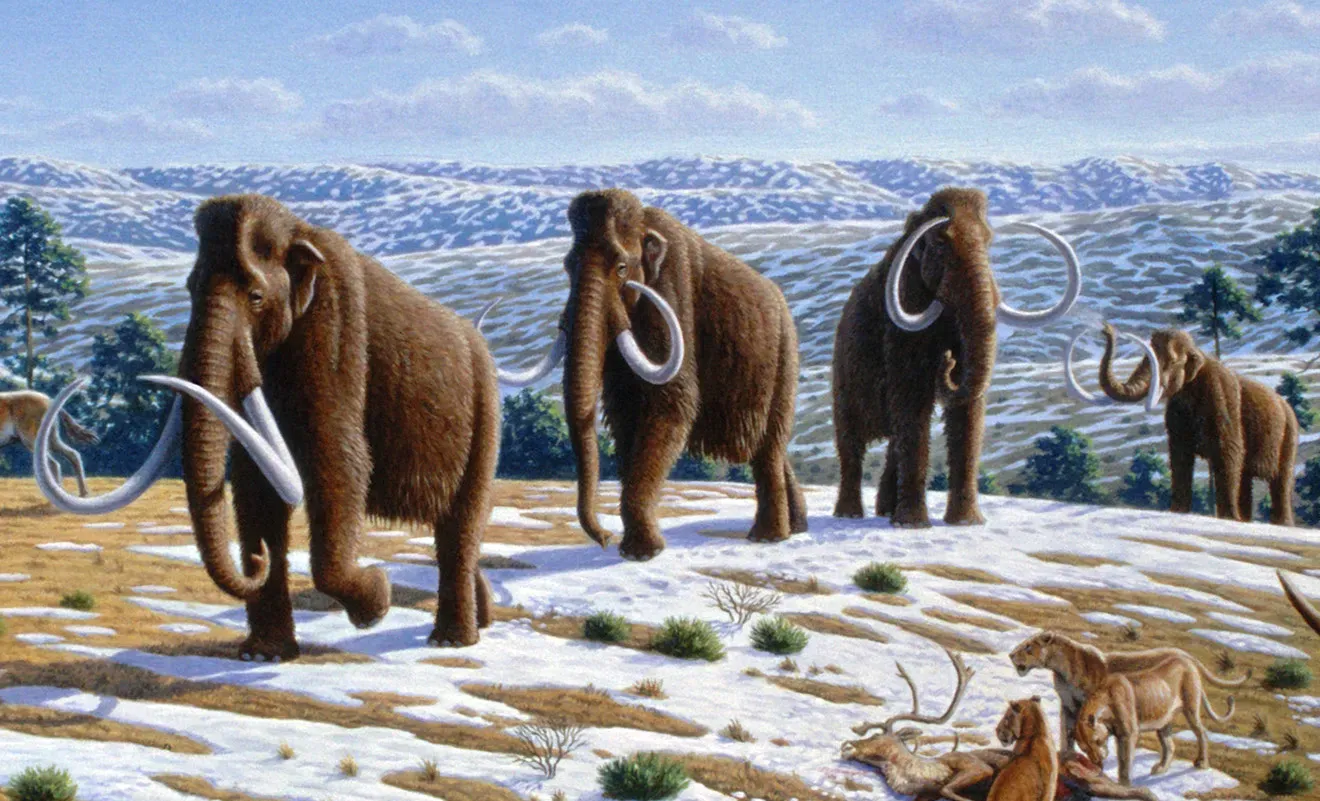
The woolly mammoth is practically the mascot of the Ice Age, but its evolutionary story reaches far beyond the stereotype of hairy giants in the snow. Mammoths emerged from earlier elephant relatives millions of years ago, adapting repeatedly to cooler climates and open steppe environments as ice sheets advanced and retreated. By the time the classic woolly mammoth form appeared, it was the heir to a long line of proboscideans that had already weathered huge geological and climatic shifts across several continents.
What many people do not realize is how astonishingly long mammoths hung on in scattered refuges after most populations disappeared. While mainland mammoths went extinct thousands of years ago, small island populations survived on places like Wrangel Island into the relatively recent past, overlapping with the rise of ancient civilizations elsewhere. The causes of their final extinction mix climate change and human impacts in different proportions depending on region, but the big picture is brutal: an animal line that persisted through repeated ice ages vanished for good not that long before written history began to spread widely. For me, mammoths are the clearest sign that long evolutionary success does not guarantee future safety in a world where one clever primate keeps rewriting the rules.
8. Baiji (Yangtze River Dolphin): A Modern Extinction with Deep Evolutionary Roots
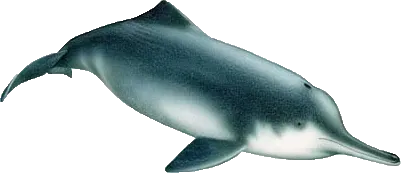
The baiji, or Yangtze River dolphin, feels painfully modern compared to many creatures on this list, yet its lineage reaches deep into the past. River dolphins evolved from early toothed whales that returned to freshwater systems millions of years ago, adapting their bodies, senses, and behavior to murky, complex river environments. The baiji represented a distinct branch of that story, specialized for life in China’s Yangtze River, which itself has had a long and dynamic geological history.
For most of that time, the baiji lived alongside human communities that fished and traveled the river at relatively low intensity, and the species endured. The collapse came in the twentieth century with industrialization: heavy boat traffic, pollution, dam construction, and overfishing transformed the Yangtze faster than the dolphins could adapt. A dedicated survey in the early 2000s failed to find any surviving individuals, and the baiji is now widely regarded as functionally extinct, possibly gone entirely. This, to me, is one of the most heartbreaking examples we have, because it happened in the age of satellites and environmental conferences; we watched an ancient cetacean lineage wink out in real time and still did not move fast enough to stop it.
Conclusion: Ancient Survivors, Modern Casualties
Looking across these eight stories, a blunt pattern jumps out: these were not fragile, short‑lived evolutionary experiments. They were long‑term success stories that survived ice ages, volcanic events, shifting continents, and countless competitors, only to be pushed over the edge in the blink of an evolutionary eye by human activity. Whether it was hunting, habitat conversion, industrial pollution, or simple overconfidence, our species has again and again proven capable of doing in centuries what geology could not accomplish in millions of years.
In my view, the comforting idea that “nature bounces back” is dangerously overrated. Yes, life as a whole is resilient, but unique lineages like the thylacine, the baiji, or the aurochs do not reappear once they are gone, no matter how many photos we scroll past or how advanced our cloning fantasies become. If anything, these extinctions should make us unapologetically demanding about conservation now: if a species has survived for millions of years, that should not lull us into thinking it is safe; it should shame us into realizing how much is at stake if we let it slip away. When you look at the animals around you today, how many of them do you think future generations will sadly add to a list like this?