
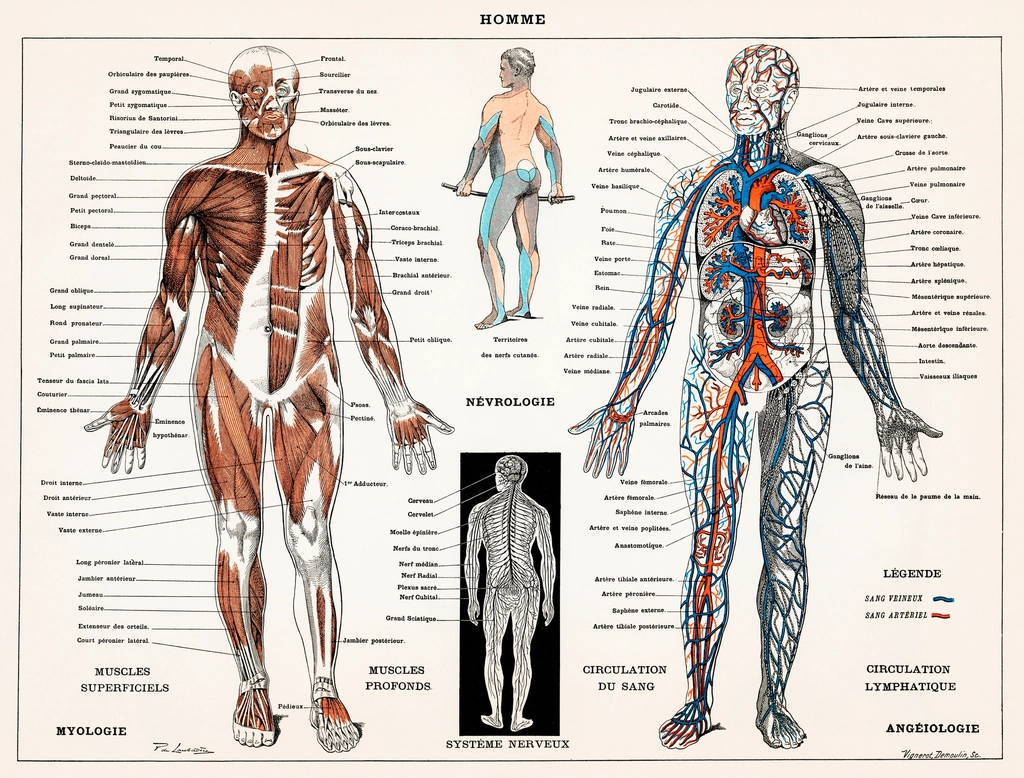
If you could rewind the history of life by hundreds of millions of years, human thought would disappear long before mammals, dinosaurs, or even fish. You would eventually land in a world where the most advanced “mind” on the planet was a loose mesh of cells that could barely tell light from dark. And yet, out of that biological minimalism, the machinery that lets you read, worry, love, and daydream slowly emerged.
To me, that story is more awe-inspiring than any science fiction. Our brains are not miracles dropped from nowhere; they’re the latest chapters in a long, messy evolutionary saga. Understanding how we got from simple nerve nets to human thought doesn’t just satisfy curiosity – it changes how we see pain, consciousness, mental health, and even our own sense of self.
1. The First Excitable Cells: When Chemistry Turned Into Signals
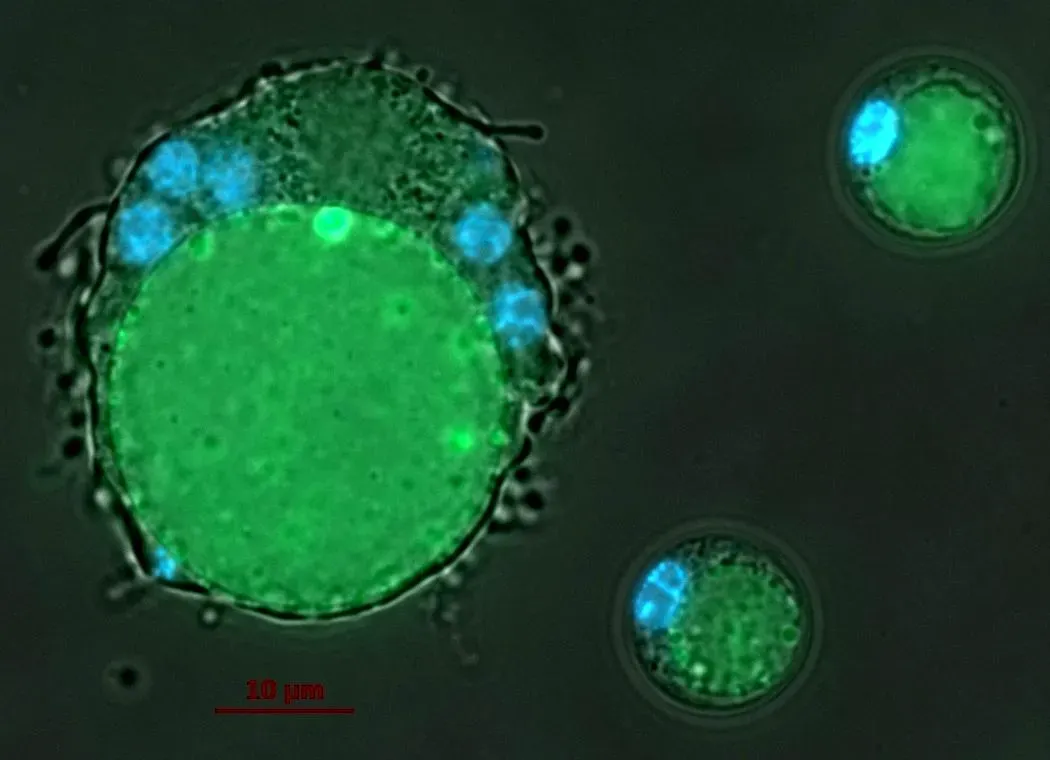
Long before anything like a neuron existed, early single-celled organisms were already doing a primitive version of information processing. Their membranes bristled with proteins that responded to light, chemicals, and touch, triggering internal changes that helped them move toward food or away from danger. At some point, evolution began to favor cells that could pass these internal changes along quickly, like a whisper spreading through a crowd, instead of each cell acting alone.
This is where excitable membranes come in – cell surfaces that can rapidly flip electrical charges and propagate a signal down their length. It is not glamorous, but it is the essential trick that makes neurons possible. You can think of this as the moment when biology stopped being just chemistry and started becoming circuitry: not just reacting, but transmitting. Without this step, there would be no nerves, no brains, and certainly no thoughts, only slow, local chemical fussing inside each cell.
2. Diffuse Nerve Nets: The Nervous System Without a Brain
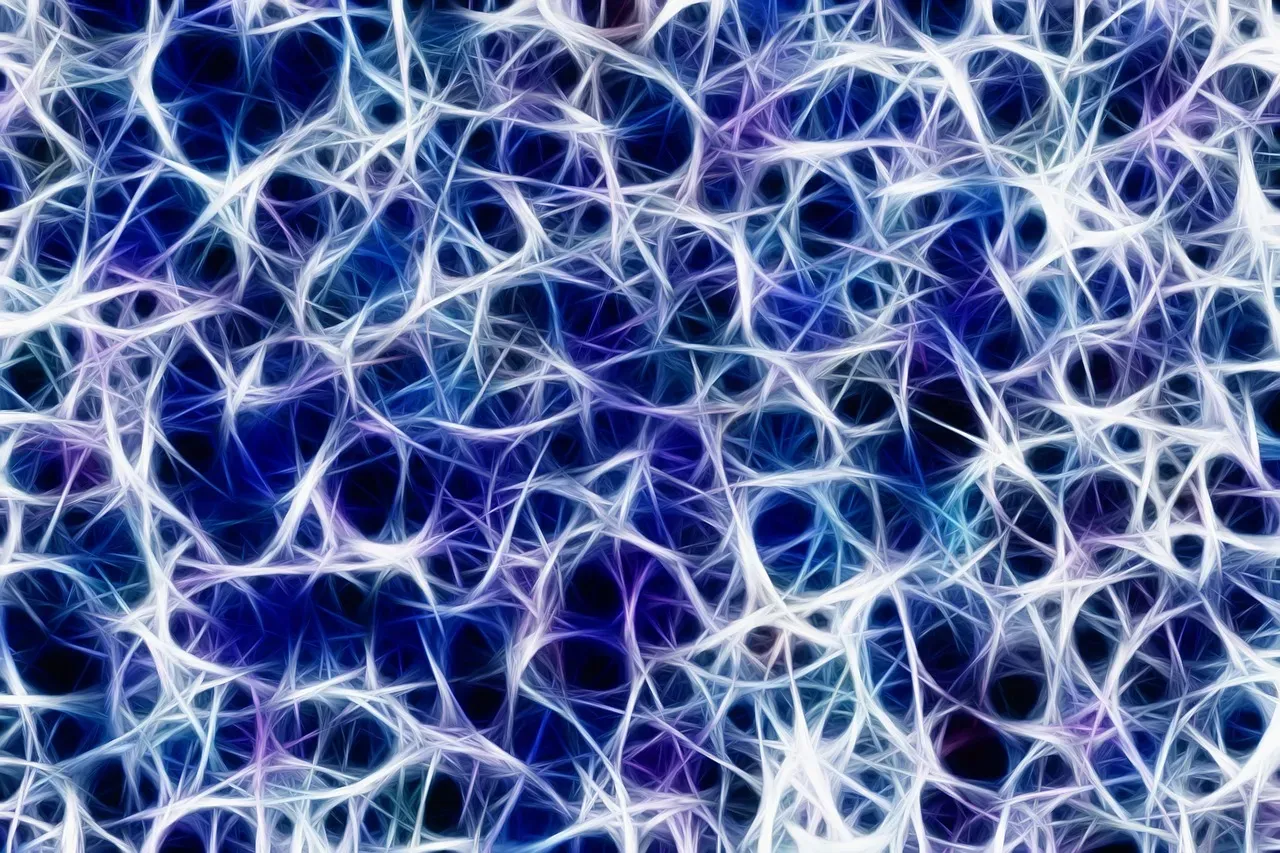
Some of the earliest true nervous systems we know of are the diffuse nerve nets found in animals like jellyfish, sea anemones, and hydra. Instead of a centralized brain or spinal cord, they have a loose web of neurons spread throughout the body. When one region detects a stimulus – say, a touch on a tentacle – the activity ripples outward, coordinating simple movements like contraction or swimming without any commanding center.
This setup is surprisingly effective for a radial, floating lifestyle where the whole body is both sensor and limb. But it has clear limits: with no main hub to integrate information, these animals cannot plan, prioritize, or specialize behaviors in the way more complex creatures do. Still, the nerve net represents an extraordinary leap: instead of each cell living in its own little world, the entire organism begins to act as a connected network, almost like a small town where everyone hears the same news at once.
3. Centralization: The Birth of Brains and Nerve Cords
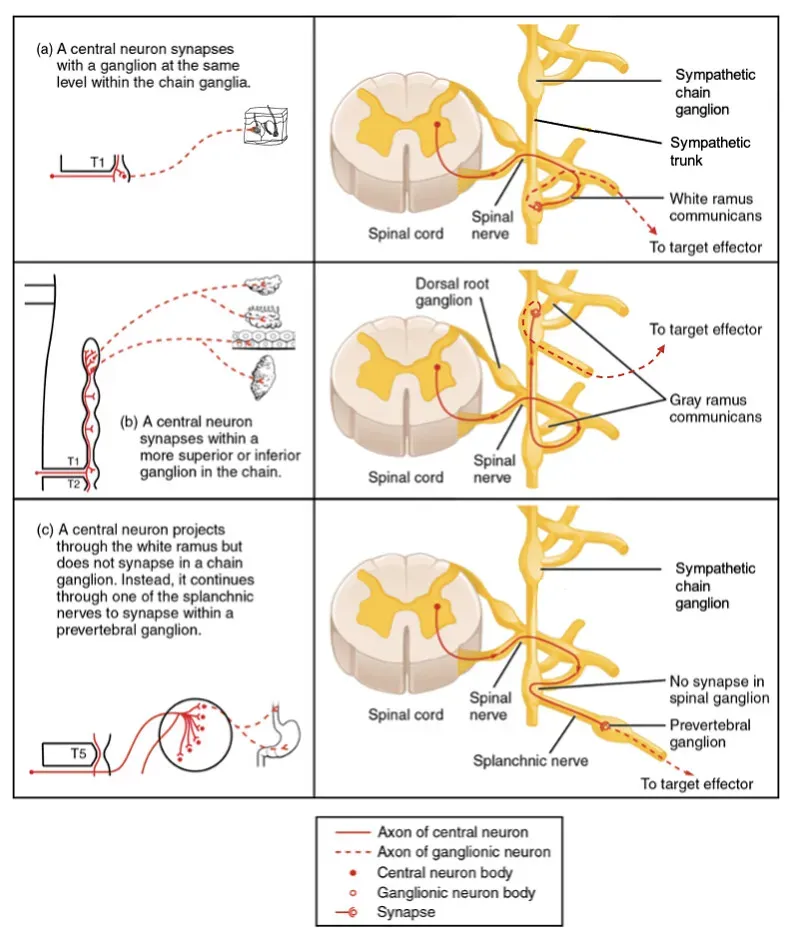
As animals started to move in a particular direction – front-first instead of just drifting around – the logic of evolution shifted. The leading edge became the best place to put sensors for light, chemicals, and touch, because that is where you first encounter the world. Over time, neurons near these sensors began clustering into ganglia, little processing hubs that could evaluate incoming signals and send commands more efficiently than a flat nerve net could.
Eventually, these clusters linked up into more continuous structures: a central nerve cord along the body and a larger mass of tissue at the front that we can honestly call a primitive brain. This shift from decentralized to centralized control is one of the watershed moments in nervous system evolution. It allows information from different senses to be compared and combined, decisions to be made, and movements to be coordinated in sequence. In my view, this is the step where “reacting” begins to shade into “choosing,” even if the early choices were simple and driven by survival.
4. Sensory Specialization: Seeing, Smelling, and Hearing the World in Detail
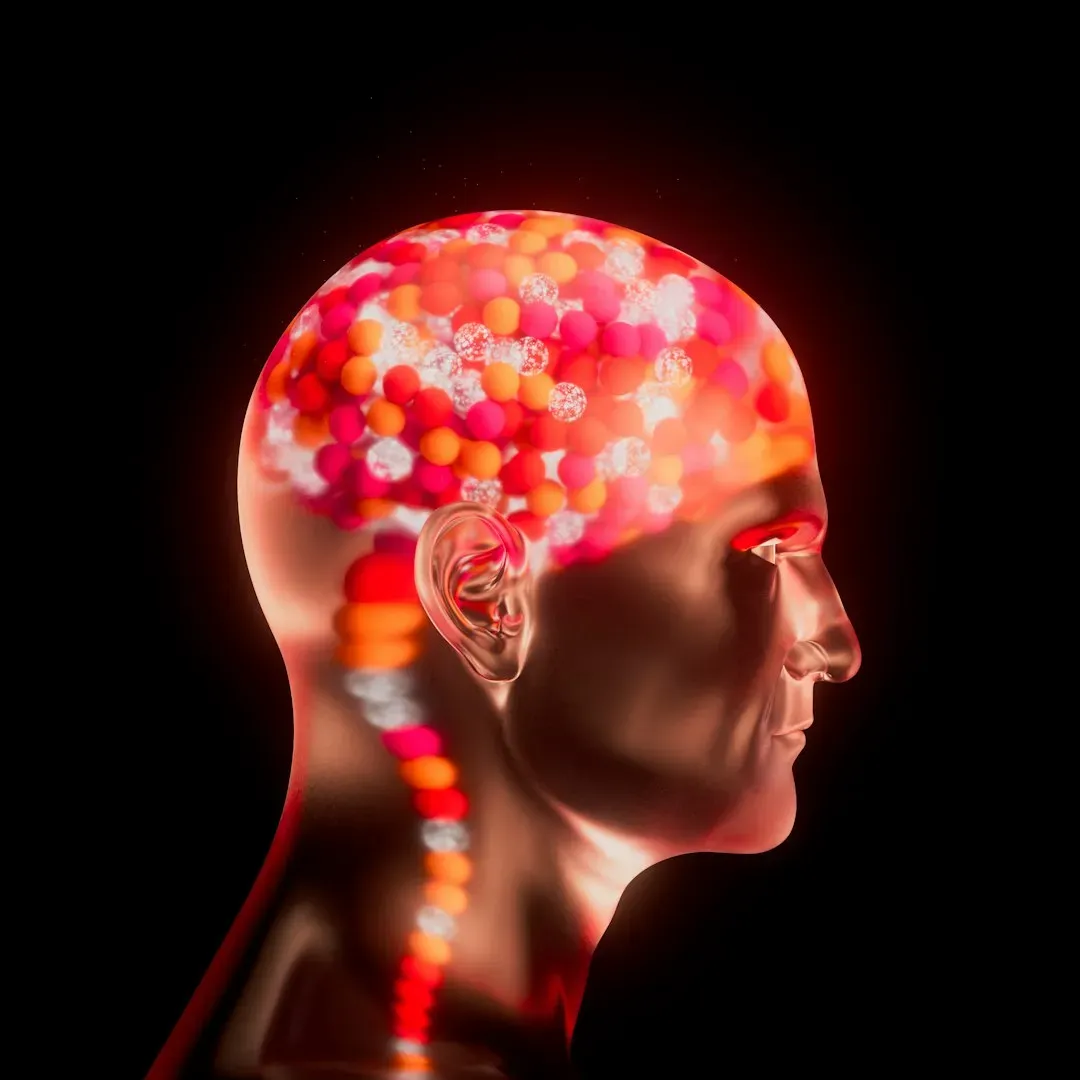
Once you have a central processing hub, evolution can start playing with more sophisticated input devices. Eyes become more than just light detectors; they gain lenses to focus images, arrays of photoreceptors to discriminate shapes and movement, and neural circuits to extract features like edges or motion direction. Similar specialization happens for smell, touch, balance, and eventually hearing, each feeding a dedicated stream of information into the brain.
This sensory upgrade turns the world from a vague blur of “something” into a rich tapestry of details. A predator can now track prey by sight, predict where it will be, and intercept it. A prey animal can detect tiny changes in light or sound that hint at danger. The nervous system is no longer just a simple alarm that says “on” or “off”; it becomes a high-resolution map of reality, and the brain’s problem is no longer just “is there danger?” but “exactly what is out there, and what should I do about it?”
5. Motor Control and Body Maps: Learning to Move With Precision
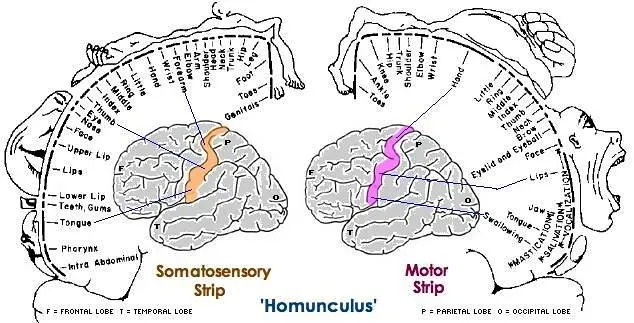
Of course, sensing the world in detail is useless unless you can respond with equal finesse. Over evolutionary time, nervous systems developed more refined motor circuits, controlling muscles in coordinated patterns rather than simple all-or-nothing contractions. In many animals, neurons are organized in ways that correspond to the layout of the body – a kind of internal map that helps orchestrate posture, locomotion, and manipulation of the environment.
You can see a sophisticated version of this in vertebrates, where different regions of the spinal cord and brain are responsible for different muscle groups. In humans, the so-called “motor homunculus” in the cortex mirrors the body’s shape, with especially large territories devoted to the hands and face. This mapping is not just anatomical trivia; it shows how deeply movement and representation are intertwined. To put it bluntly, before we could ever think with symbols, we learned to think with muscles.
6. Neural Layers and Loops: The Rise of Complex Processing
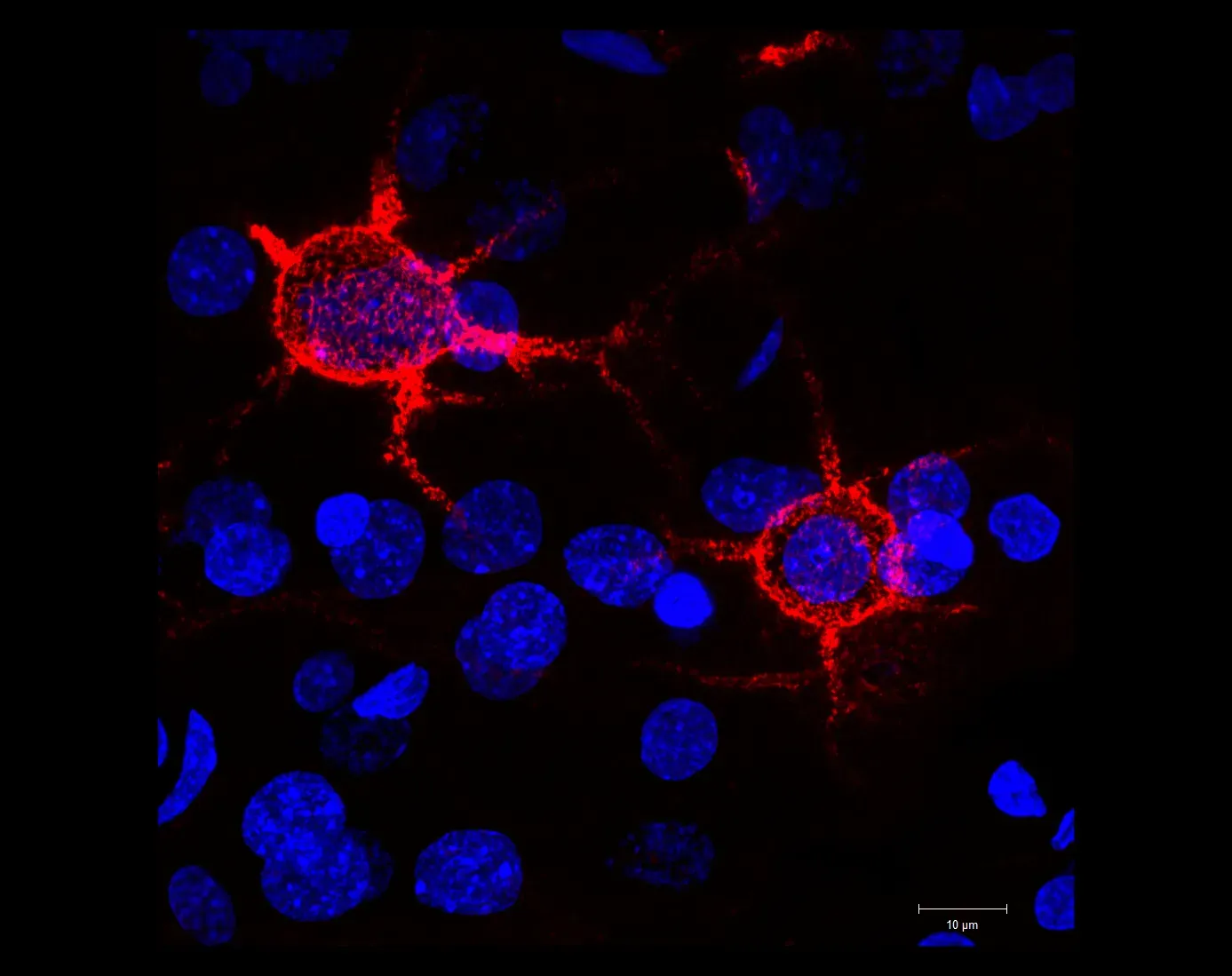
As nervous systems became more ambitious, simple one-way pathways were no longer enough. Brains began to develop layered structures and recurrent loops, where information could be fed forward, fed back, compared, and refined. This is a hallmark of vertebrate brains, especially in the cortex and related structures, but the general idea appears in many lineages: layered processing allows raw sensory data to be transformed into recognized patterns, and motor commands to be shaped by context and past experience.
These loops are where things start to feel a little bit like computation in the everyday sense. Patterns of activity can represent objects, locations, and predicted outcomes, while feedback allows the brain to correct errors and sharpen representations. If a nerve net is like a crowd all shouting at once, a layered and looped brain is more like an orchestra, with sections passing themes back and forth, adjusting as they go. This architecture does not yet give you human-style thought, but it is the scaffolding that makes such thought computationally possible.
Personally, I find this stage fascinating because it shows that “intelligence” is not a single bolt-on feature; it is what naturally emerges when you keep adding layers of cross-checking, prediction, and memory to a system that started out just trying to move and feed.
7. Memory and Learning: Nervous Systems That Change Themselves
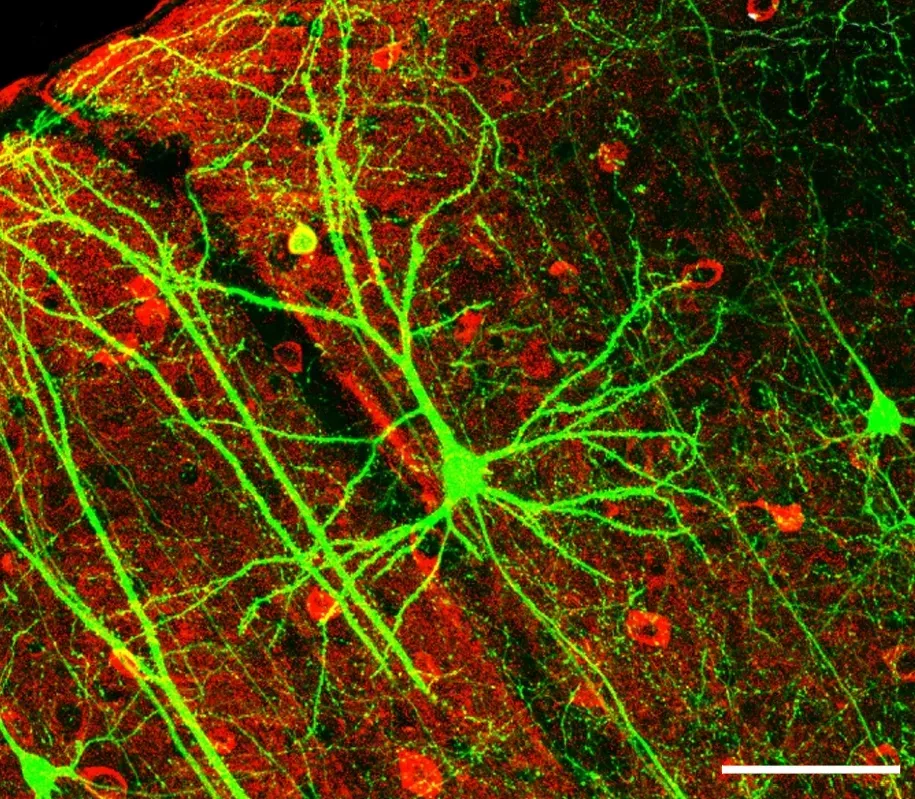
One of the most radical twists in nervous system evolution is the capacity for long-term change. Neurons are not fixed wires; their connections can strengthen, weaken, form, and disappear over time. This synaptic plasticity allows experiences to leave physical traces in the brain, so that the same stimulus can trigger a different response tomorrow than it did yesterday. In simple animals, this might show up as basic forms of learning like habituation or conditioning, but in more complex brains it underlies skills, habits, and even personal identity.
From an evolutionary point of view, this is like gaining a second layer of adaptation. Genes shape the basic architecture, but life events sculpt the fine details. Instead of every generation starting from scratch, individuals can adjust their nervous systems during their own lifetimes, passing on survival advantages not only through DNA but through culture and behavior. I think this is one of the most underrated truths about brains: they are not only machines built by evolution, they are also sculptors constantly remodeling themselves.
8. Social Brains and Communication: Minds That Connect With Other Minds
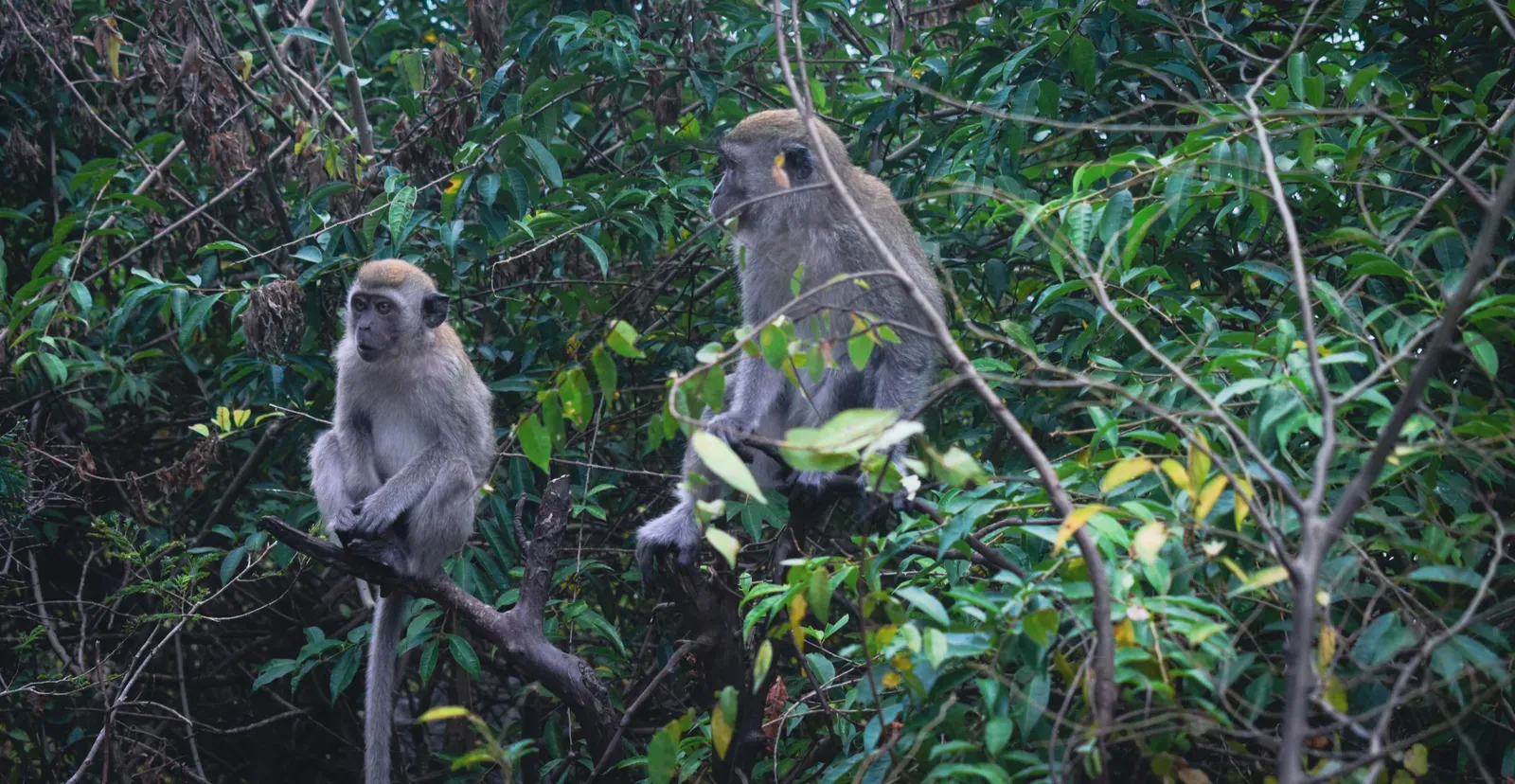
Once animals began living in groups, the demands on nervous systems changed again. It was no longer enough to track predators and prey; now individuals had to track allies, rivals, offspring, and partners. Recognizing faces or voices, remembering social hierarchies, understanding intentions, and predicting others’ actions all put pressure on brains to become better at modeling not just the physical world, but the social world. Many scientists argue that this social challenge was a major driver of brain expansion in primates, including humans.
Language and complex communication supercharged this process. Instead of each individual having to learn only from direct experience, information could be shared, negotiated, and transmitted across generations. Suddenly, brains were not just interpreting signals from the external environment; they were decoding symbols that stood for ideas, rules, and stories. In my view, this is where nervous systems truly crossed a threshold: they stopped being mostly about survival in a physical niche and started becoming engines for culture, technology, and shared meaning.
9. Human Thought: Abstract Minds Built on Ancient Wiring
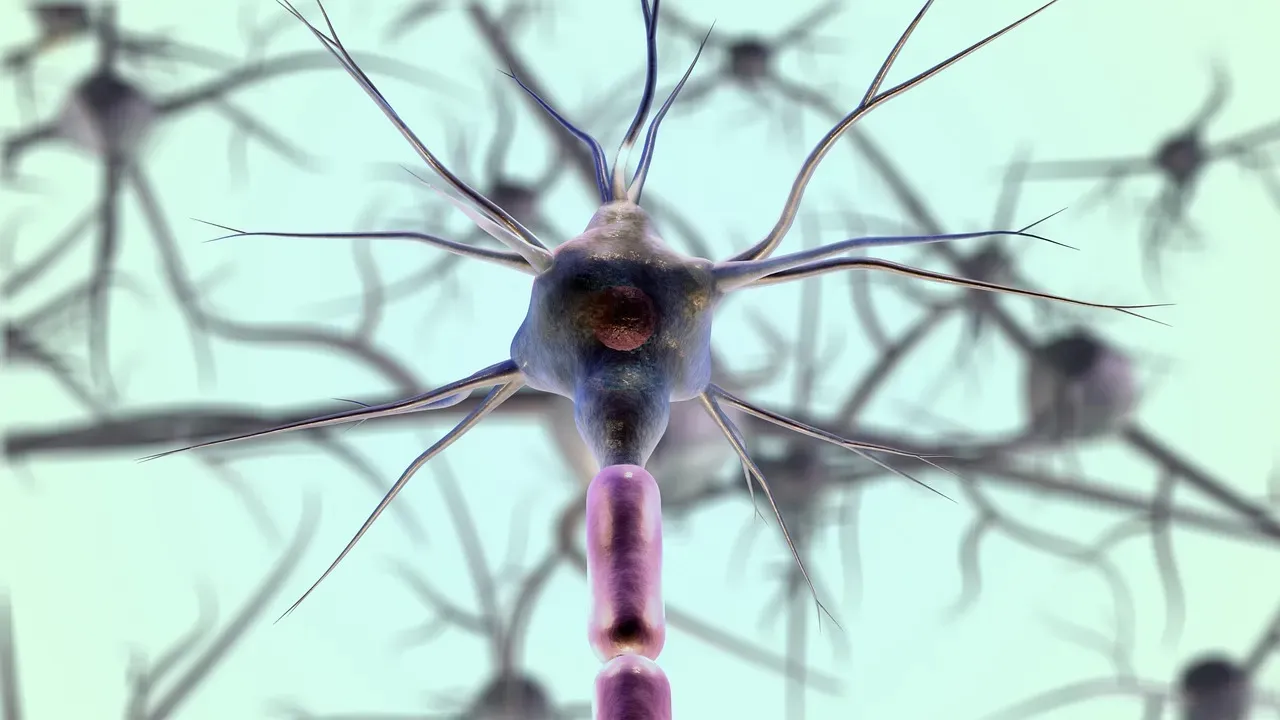
Human thought can feel almost magical: we juggle abstractions, imagine futures that do not yet exist, replay past events, and even think about thinking itself. Yet when you strip away the mystique, this capacity rests on the same basic ingredients that appeared much earlier: excitable membranes, synaptic plasticity, layered circuits, and social communication. What sets us apart is the scale and integration of these features, especially in our enlarged cerebral cortex and its connections with deeper structures that handle emotion, motivation, and memory.
We have nervous systems that are constantly simulating possibilities, weighing trade-offs, and looping in signals from our bodies and communities. That is what lets us build cities and write novels – but it also makes us anxious, conflicted, and sometimes overwhelmed. To me, the most humbling part is that the brain doing this high-level reasoning is still, in many ways, the brain of an animal wired for survival. Human thought is not an upgrade that replaced older circuitry; it is a late-layered add-on riding on a stack of ancient solutions to problems like “find food,” “avoid predators,” and “stay close to the group.”
Conclusion: A Fragile, Astonishing Climb From Sparks to Stories
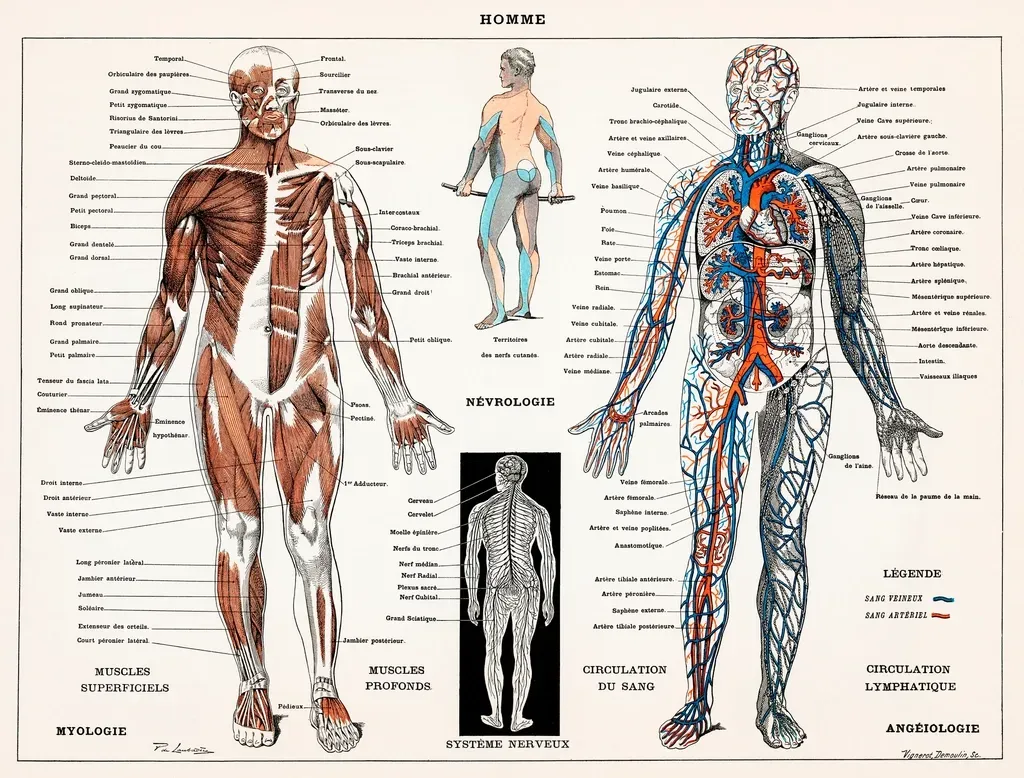
When you trace the path from the first excitable cells to human thought, the story is not a straight march toward perfection. It is a series of awkward compromises and clever hacks: a nerve net here, a crude brain there, a patchwork of sensory and motor tricks slowly woven into something that can ask questions about its own origin. I am convinced that we over-romanticize the final product – our minds – while underestimating how contingent and fragile the whole journey has been.
At the same time, seeing our nervous systems as evolved rather than designed from above does not cheapen them; it makes them more precious. Every feeling you have, every memory, every burst of creativity is the latest expression of a process that started with cells barely able to sense their surroundings. In a way, your thoughts are the universe’s way of talking to itself after billions of years of trial and error. Knowing that, how can you not look at your own mind with a little more wonder – and maybe a bit more responsibility for what you choose to do with it next?