The Apache did something astonishing: they turned some of the harshest landscapes in North America into livable, even familiar, homelands. We often picture the Southwest as endless desert and blistering heat, but for Apache communities, it was a complex, living map of resources, stories, danger, and opportunity. Understanding how they adapted is like peeling back layers on a survival handbook that is equal parts science, experience, and deep cultural memory.
As I first started reading about the Apache years ago, I assumed it would be a simple tale of warriors and raids. Instead, it felt more like studying a highly sophisticated system of ecological intelligence and social strategy. Below are eight key facts that show just how precisely Apache life was tuned to the Southwest – physically, culturally, and spiritually. Some might surprise you, and a few may quietly challenge the way you think about resilience and adaptation altogether.
1. Mobility Was Their Greatest Technology
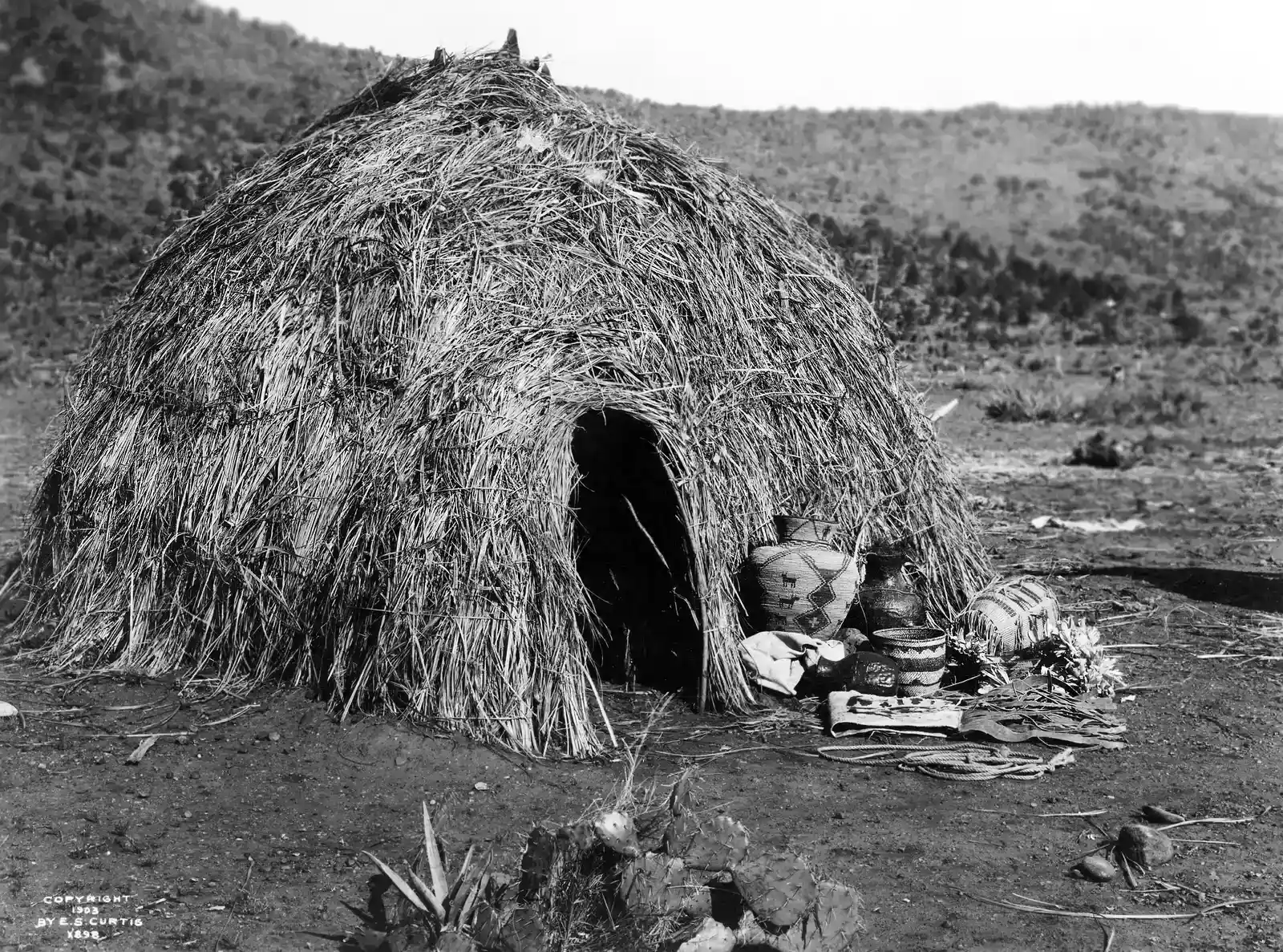
Instead of relying on heavy, permanent structures, many Apache groups built their lives around movement. In landscapes where water could disappear and enemies could appear without warning, mobility was not just a tactic, it was a core technology. They used light shelters like wickiups that could be raised, repaired, or abandoned quickly, turning the ability to move fast into a kind of armor against both drought and invasion.
This mobile lifestyle let them track seasonal resources with remarkable precision. They shifted between mountains, valleys, and desert floors depending on the time of year, following game migrations, ripening plants, and safe water holes. Think of it like having a mental calendar that overlays the land: when the calendar flips, you move. That constant motion helped them avoid overusing any single place and made it harder for enemies to pin them down.
2. They Treated the Landscape as a Living Map of Microclimates
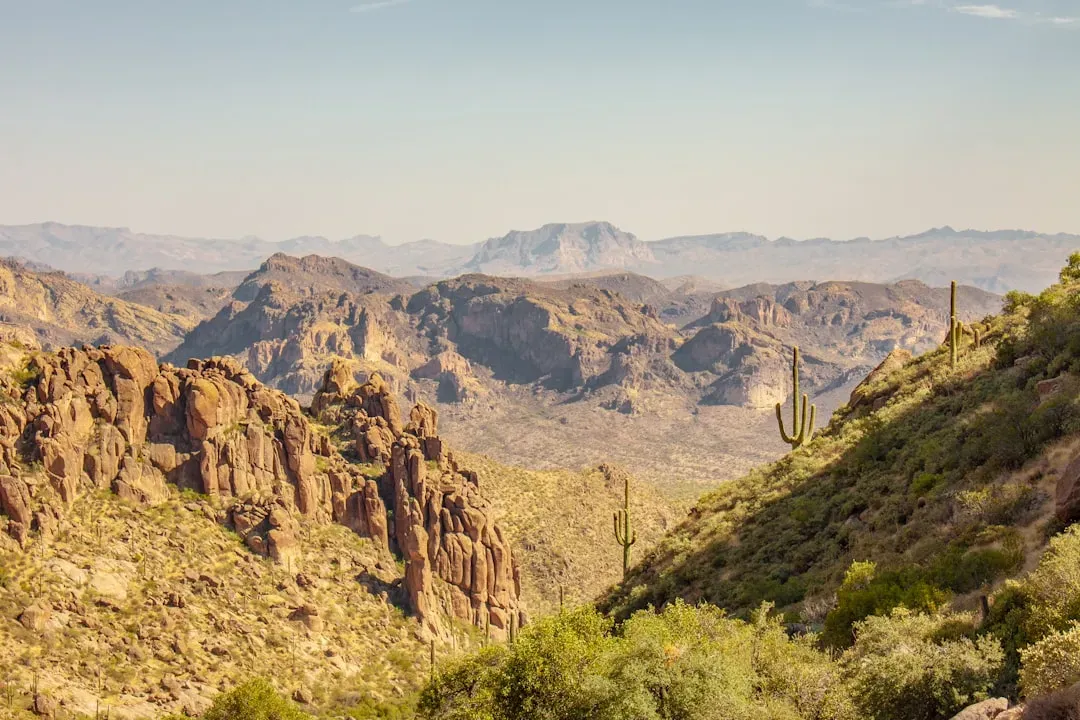
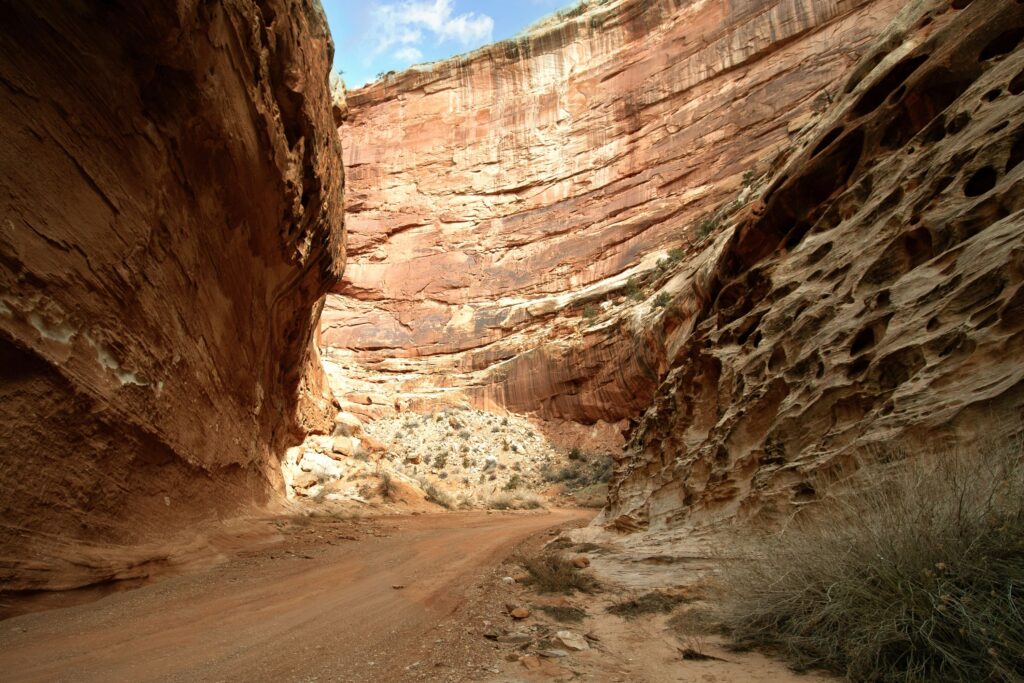
The Apache did not see the Southwest as one big “desert.” They saw countless small zones, each with its own rules – cooler north-facing slopes, warmer south-facing slopes, sheltered canyons, exposed ridges, and high mountain meadows. Each of these microclimates offered different plants, animals, and shelter possibilities. Knowledge of exactly which slope held edible roots weeks earlier than another could mean the difference between hunger and security.
In practice, this meant they read the landscape the way you might read a complex subway map: not just where things are, but how they connect and when they are useful. I once hiked a canyon in Arizona in late summer and noticed a single shaded bend where the air was suddenly cooler and damp; for me, it was a nice surprise. For an Apache family generations ago, that specific bend might have been a known emergency water stop, passed down in stories over time.
3. Apache Food Strategies Went Far Beyond Hunting

Popular images often reduce Apache subsistence to raiding and hunting, but that sells their adaptation short. Many Apache bands maintained flexible food strategies that mixed hunting, foraging, and, in some cases, limited agriculture or trade with neighboring Pueblo communities. They gathered wild plants like agave, mesquite beans, piñon nuts, and various roots, often using careful processing methods to make them digestible and storable.
Agave is a great example: they roasted the hearts in earth ovens for long hours, transforming tough, fibrous plants into sweet, energy-rich food. It required skill, fuel, and time, but in return, it turned a spiky desert plant into a dependable staple. By leaning on a broad menu of wild foods and seasonal opportunities, Apache communities reduced the risk that any single failure – like a bad hunt or a dry year – would push them over the edge.
4. Water Knowledge Was Deep, Precise, and Often Secretive
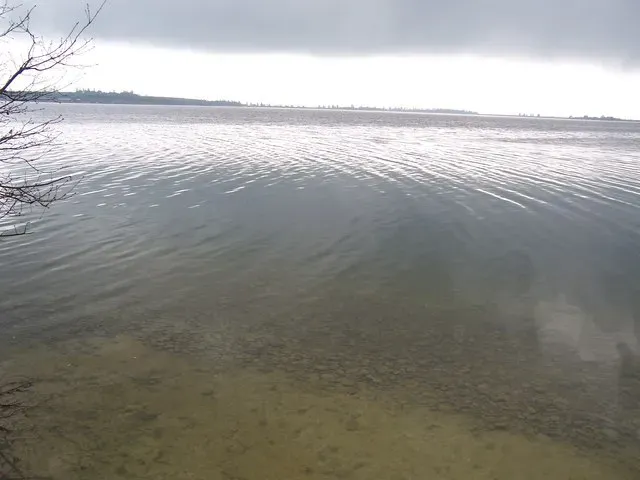
In the Southwest, water is the quiet ruler of everything, and the Apache treated water knowledge like a powerful asset. They knew where to find hidden springs, how long seasonal pools usually lasted, and which routes allowed them to move between water sources even during droughts. Some of this information was guarded within families or bands, passed down as stories or specific instructions tied to landmarks.
This intimate water mapping gave them a serious strategic advantage. It kept their people and horses alive, but it also allowed them to disappear into terrain that outsiders considered completely deadly. While soldiers from distant places might see an empty desert, Apache scouts saw a network of lifelines and safe paths. Imagine playing a game where you not only know the board better than your opponent, you helped design it.
5. Their Warfare Style Was Perfectly Suited to Rugged Terrain
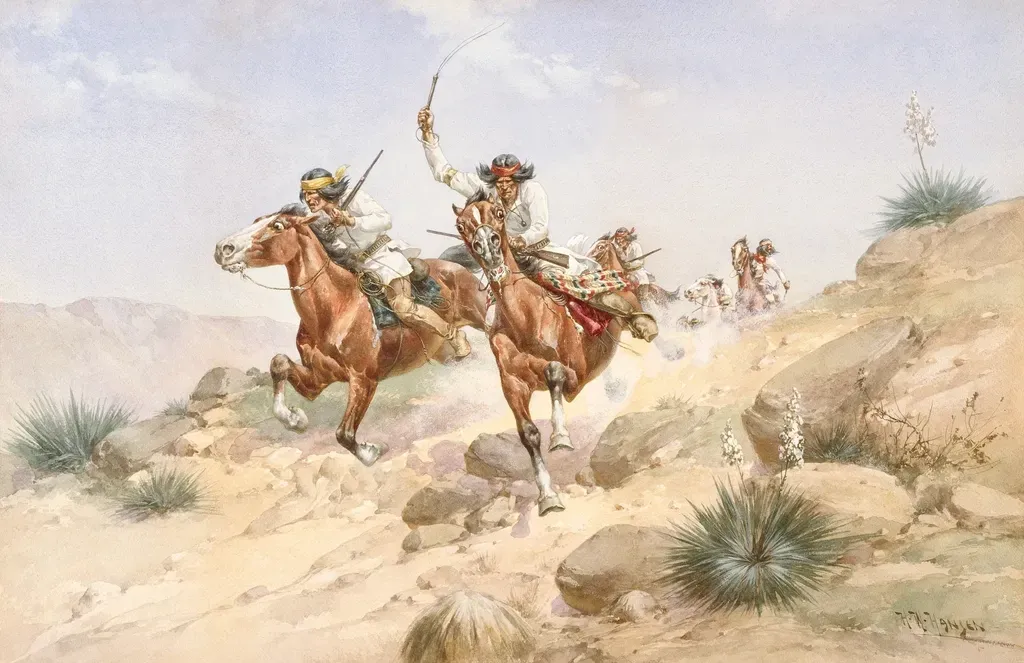
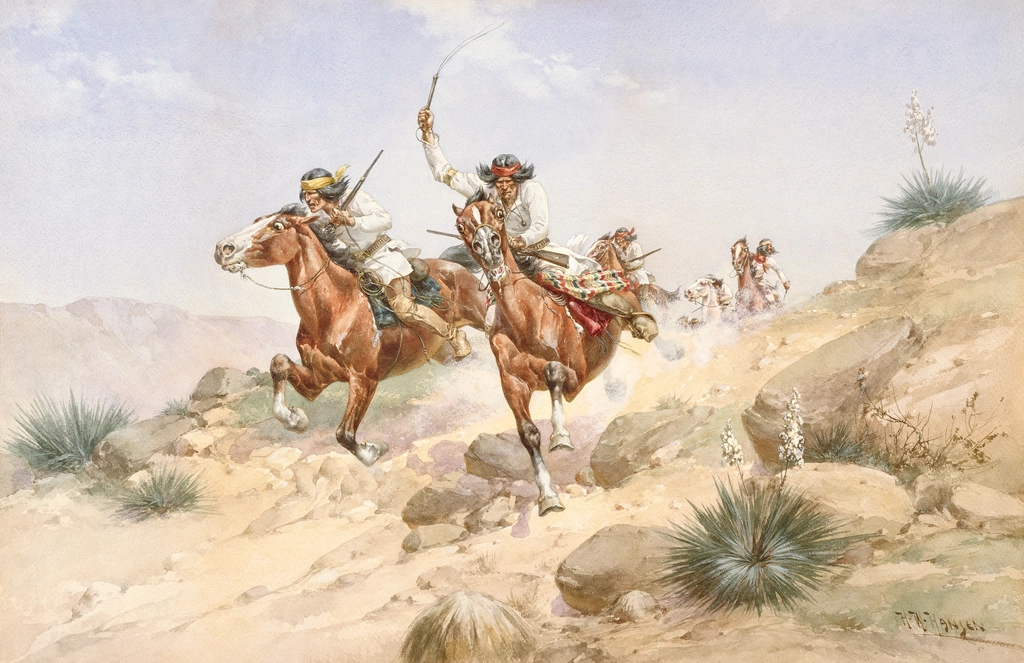
Apache warfare methods were not random bursts of violence; they were tuned to mountains, canyons, and wide open spaces. Small, fast-moving groups carried minimal gear, used the landscape for cover, and attacked only when the conditions were in their favor. Rather than hold fixed positions, they favored hit-and-run tactics, disappearing back into rough terrain that slowed or confused larger forces.
They also used intimate terrain knowledge to choose ambush sites, escape routes, and observation points. To a modern eye, this looks a lot like what we would now call asymmetric warfare: you avoid head-on clashes, strike where the enemy is weak, and let the land itself do some of the fighting. It was not just bravery; it was a very rational, highly adapted response to being outnumbered and outgunned in a familiar but unforgiving environment.
6. Language and Stories Doubled as Survival Training
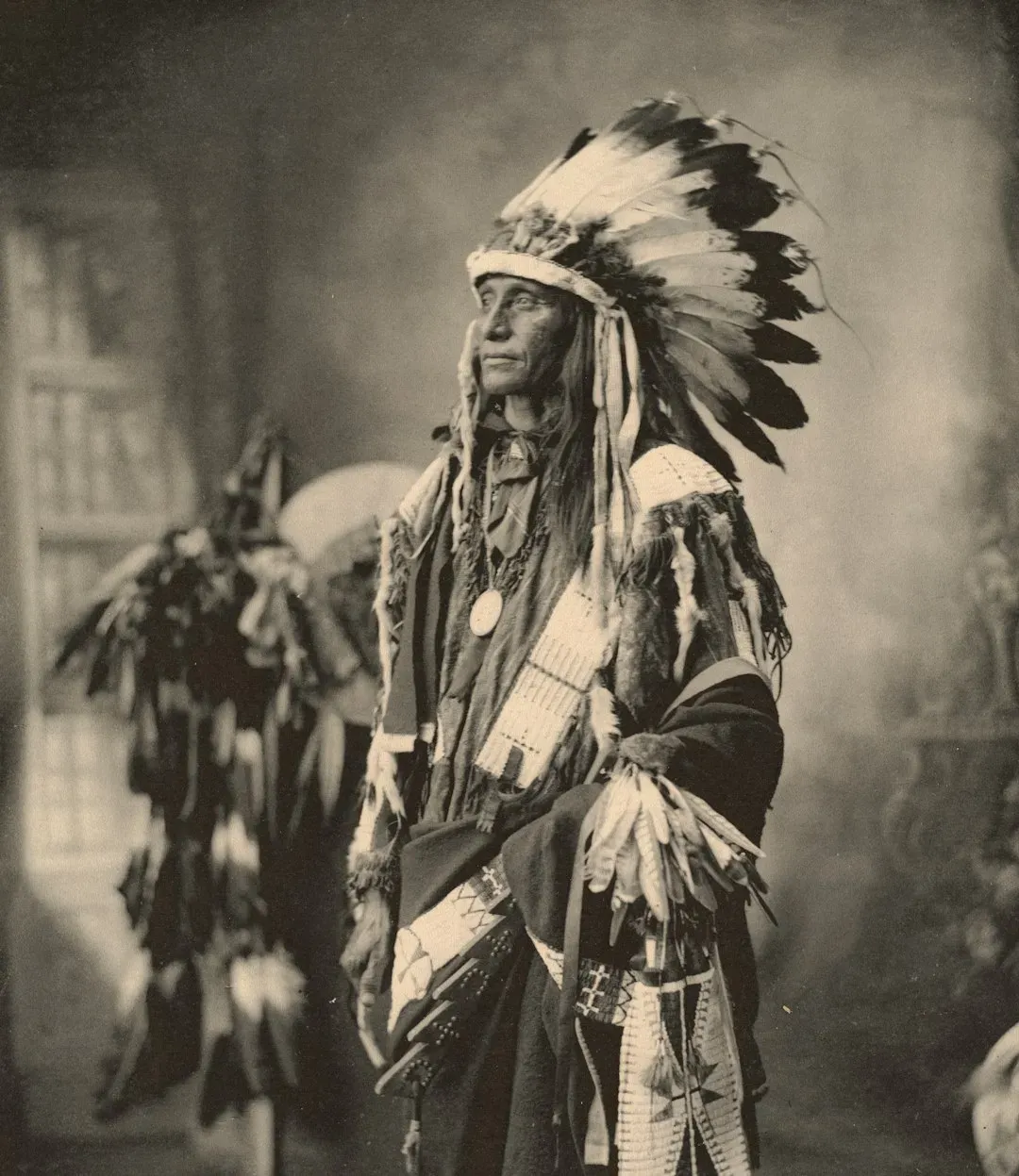
Apache languages are full of place names that describe features, events, or qualities of the land. A canyon might be known by a term that hints at a past flood, dangerous winds, or the presence of certain plants. In this way, the language itself carries environmental data. Children who learn the names are already learning where to be careful, where to find food, or where water might appear after a storm.
Stories, too, carried practical lessons wrapped in narrative form. Tales about trickster figures, heroic ancestors, or spiritual beings often unfolded in specific, real landscapes. Underneath the drama and emotion, there were clues about migration paths, animal behavior, plant seasons, and what happens when you ignore warnings. It is not that every story was a literal field manual, but taken as a whole, they formed a kind of long-term training program in how to live in their world.
7. Social Flexibility Helped Them Handle Constant Pressure
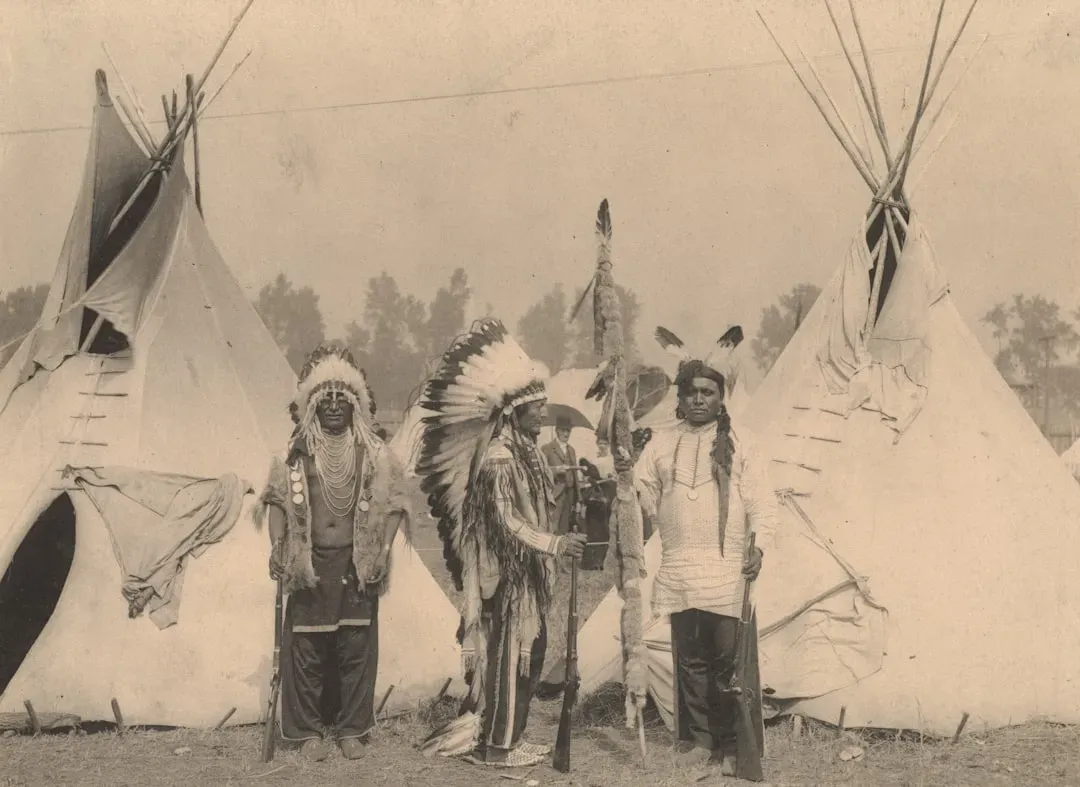
The environment was not their only challenge. The Apache also faced pressure from rival tribes, Spanish and Mexican colonization, later the United States, and shifting trade networks. One powerful adaptation was social flexibility: bands could split or regroup, families could move, and alliances could shift in response to new threats or opportunities. This loose, dynamic structure was harder to crush than a single rigid, centralized system.
At the same time, kinship and shared identity provided enough cohesion to keep people connected across large distances. You can think of it a bit like a network rather than a single fortress – if one node was under attack, others could still survive, relocate, or support each other. In a region where political and military realities kept changing, this fluid social design was every bit as important as horses, weapons, or water knowledge.
8. Spiritual Ties to the Land Reinforced Practical Wisdom
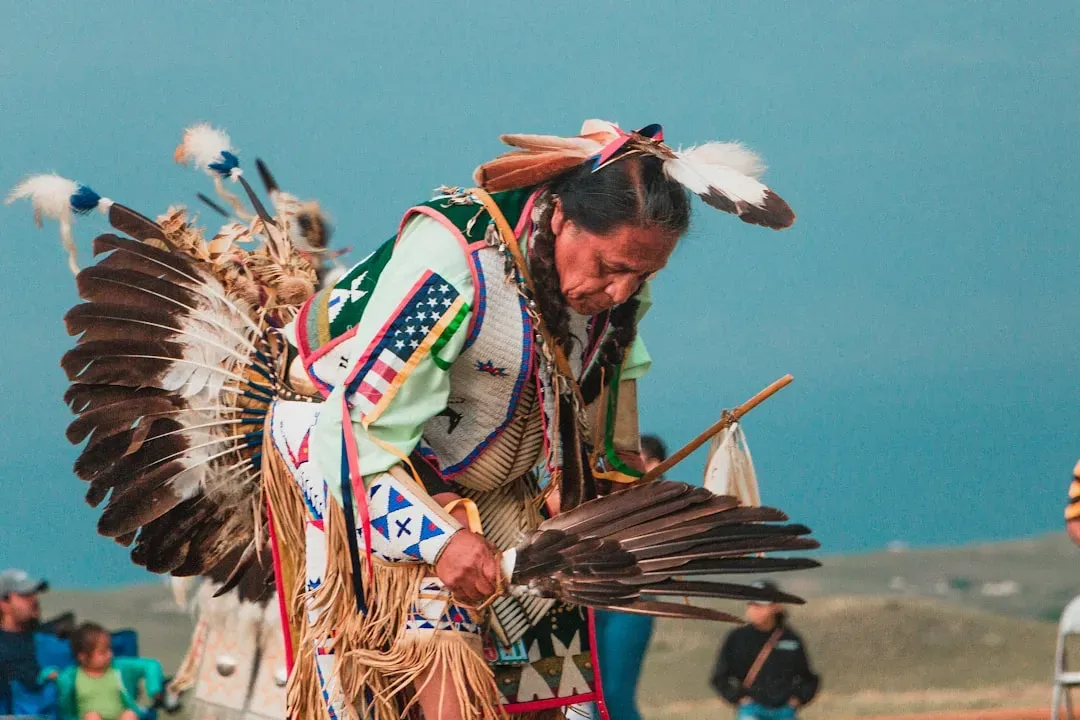
For Apache communities, the land was not just a backdrop; it was full of meaning, power, and responsibility. Sacred mountains, springs, and other features were woven into ceremonies and beliefs. These spiritual ties deepened the sense that certain places needed to be respected, visited in the right way, or avoided altogether, which often aligned with ecological wisdom, like not overusing a fragile resource or recognizing the danger of particular locations.
From a modern, scientific angle, it can be tempting to separate the “practical” from the “spiritual,” but in Apache adaptation, those layers often intersect. A ceremony held in a certain season at a certain place reinforces both identity and memory of that environment. In my view, this might be one of the most underrated forms of resilience: when your survival strategies are embedded in your deepest values, you are much more likely to keep them alive across generations, even under extreme outside pressure.
Conclusion: Adaptation as Intelligence, Not Accident
When you look closely at Apache life in the Southwest, it stops being a story about people barely hanging on in a harsh land. It becomes a story about deliberate intelligence: mobility used as a tool, language used as a map, spiritual belief used as a long-term safeguard. I think it is a mistake when modern society treats this as something primitive; if anything, it is a sophisticated model of living within limits that we are only beginning to appreciate again in an age of climate stress.
To me, the Apache experience challenges a comfortable myth: that adaptation is mostly about technology in the modern sense – machines, gadgets, and concrete. Their example suggests that the sharpest technology might sometimes be knowledge, memory, and a flexible social fabric tuned to local realities. As we face hotter summers, water scarcity, and ecological uncertainty today, it is hard not to wonder whose playbook looks smarter in the long run. Which way of adapting would you have guessed we would need most in the twenty–first century?