Picture yourself standing at the entrance of a limestone cave thousands of years ago. Inside, flickering firelight dances across stone walls while shadows hint at movement. Out here, you can smell the scent of roasting meat and hear low murmurs, almost like conversation. It sounds surprisingly familiar, doesn’t it?
For decades, people saw Neanderthals as brutish cavemen, primitive and uncivilized. Recent discoveries have completely overturned that stereotype. Turns out, these ancient relatives of ours led remarkably complex lives filled with culture, creativity, and careful planning. Let’s explore what a typical day might have looked like for your long-lost cousins.
They Were Master Craftsmen with Sophisticated Tools
Around 300,000 years ago Neanderthals developed an innovative stone technology known as the Levallois technique. This wasn’t just random rock smashing. This involved making pre-shaped stone cores that could be finessed into a finished tool at a later time. It meant Neanderthals were free to travel away from sources of raw material and yet be able to make tools when needed. Think of it as carrying around a prehistoric toolkit that you could deploy anywhere.
The range of their creations was astounding. Tools included scrapers for tanning hides, awls for punching holes in hides to make loose-fitting clothes, and burins for cutting into wood and bone. Other tools were used to sharpen spears, kill and process animals, and prepare foods. The stone tools had been coated with resin from local pine trees. In one case, that resin had also been mixed with beeswax. They were creating composite tools, attaching stone blades to wooden handles with homemade adhesive. Honestly, that’s impressive problem-solving for people we once dismissed as simple.
Their Diet Was Far More Varied Than You’d Expect
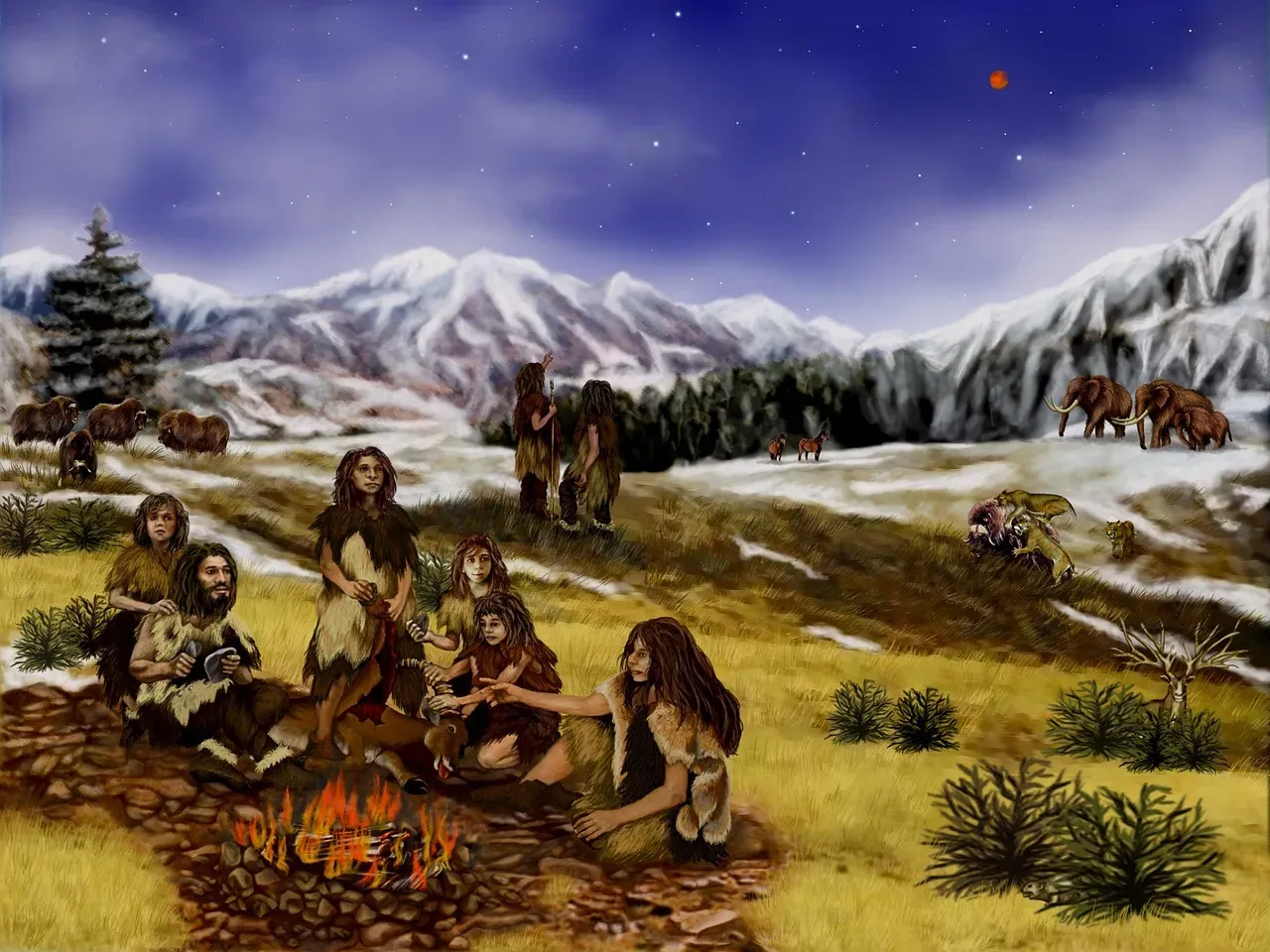
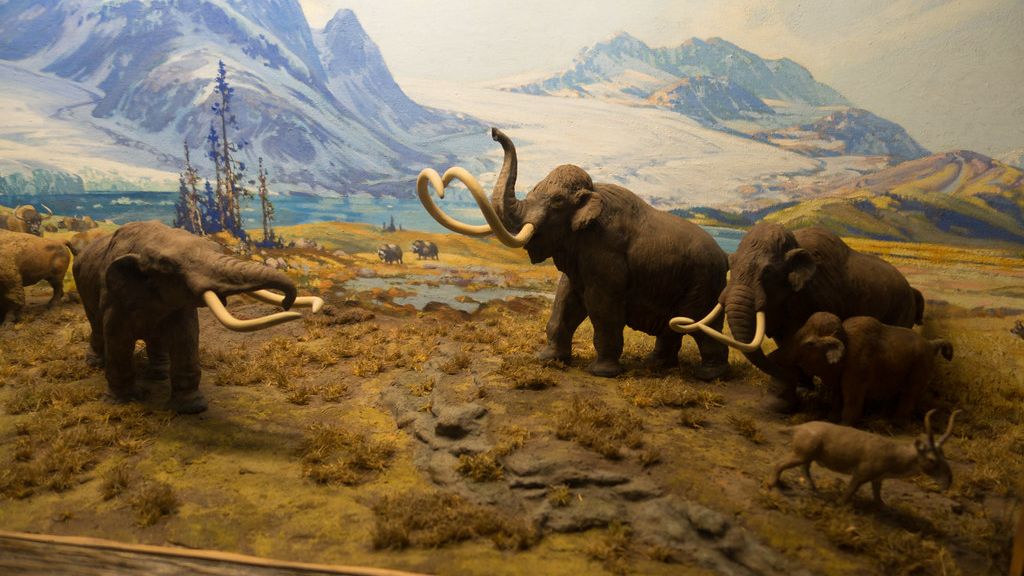
Here’s where things get really interesting. The isotope evidence overwhelmingly points to the Neanderthals behaving as top-level carnivores, obtaining almost all of their dietary protein from animal sources. They hunted everything, including woolly mammoths and rhinoceros. Yet the full picture is much more nuanced than that meat-heavy reputation suggests.
In addition to large terrestrial herbivores, Neanderthals at Payre also exploited starchy plants, birds, and fish. The researchers’ analysis suggests that early modern humans and Neanderthals weren’t just consuming protein from animals; they had complex diets that consisted of a wide selection of plants and varied depending on location. They also used “a range of tricks to make their food more palatable” such as soaking and pounding, per a statement from the University of Liverpool. Some Neanderthals in Spain consumed pine nuts, moss, and tree bark, while those in Belgium favored big game alongside mushrooms. Regional cuisines existed tens of thousands of years ago. Who knew?
They Lived in Surprisingly Small, Close-Knit Groups
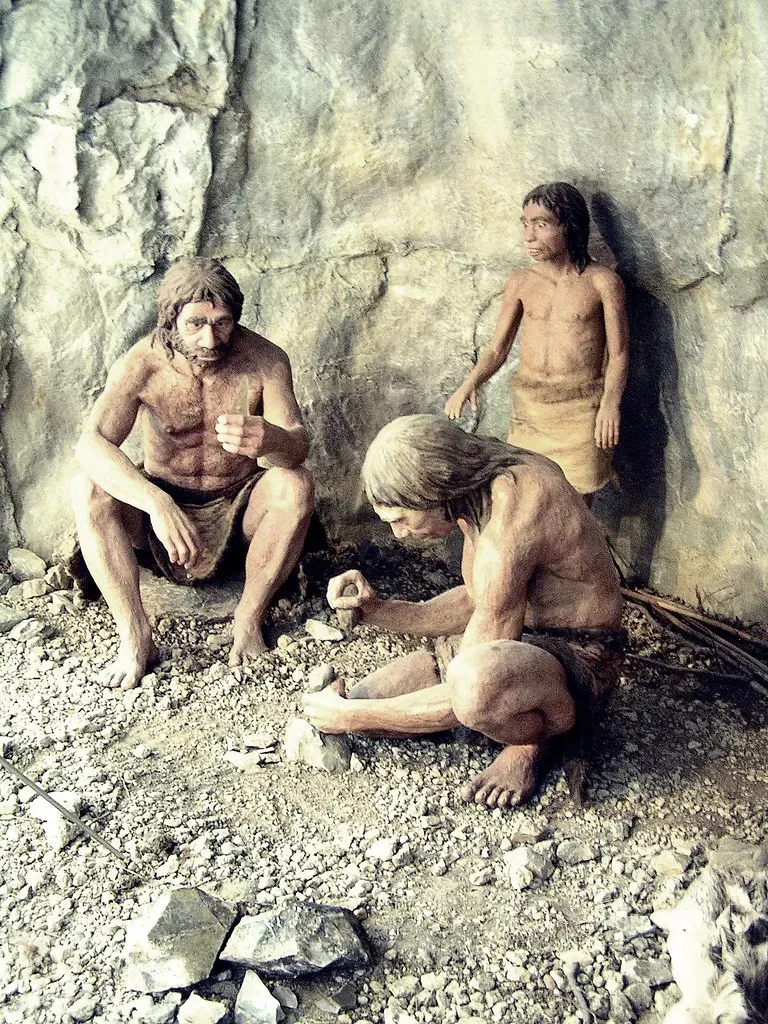
As hunters and gatherers, Neandertals were very mobile and probably roamed many thousands of square kilometres of land. They lived in small groups of no more than 50 to 60 women and men. But recent genetic studies paint an even more intimate picture. Some Chagyrskaya individuals were closely related, including a father–daughter pair and a pair of second-degree relatives, indicating that at least some of the individuals lived at the same time. Up to one-third of these individuals’ genomes had long segments of homozygosity, suggesting that the Chagyrskaya Neanderthals were part of a small community.
Our analyses also revealed this Neanderthal community had extremely low genetic diversity – consistent with a group size of just 10 to 20 people. This is much smaller than the genetic diversity recorded for any ancient or present-day human community, and is more like that found among endangered species at risk of extinction, such as mountain gorillas. Living in such tiny bands must have created incredibly tight bonds. Every single person mattered. Every loss hit hard.
Female Migration Shaped Their Social Structure
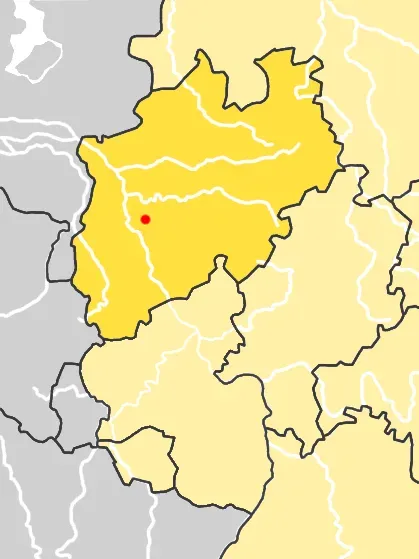
One of the most revealing discoveries about Neanderthal society comes from studying their DNA patterns. We discovered their mitochondrial DNA diversity was much higher than their Y-chromosome diversity, which can be explained by the predominance of female (rather than male) migration between Neanderthal communities. In simple terms, young women typically left their birth families to join their partners’ groups, while men stayed put.
He thinks these Neanderthals lived in very small groups of 30 to 110 breeding adults, and that young females left their birth families to live with their mates’ families. Most modern human cultures are also patrilocal, underscoring another way that Neanderthals and modern humans were similar. This system prevented dangerous inbreeding while maintaining networks between different bands. It’s hard to say for sure, but you have to wonder what it felt like for a teenage girl leaving her family behind to join strangers in another valley. Some human experiences transcend time.
They Organized Their Caves Like Modern Homes
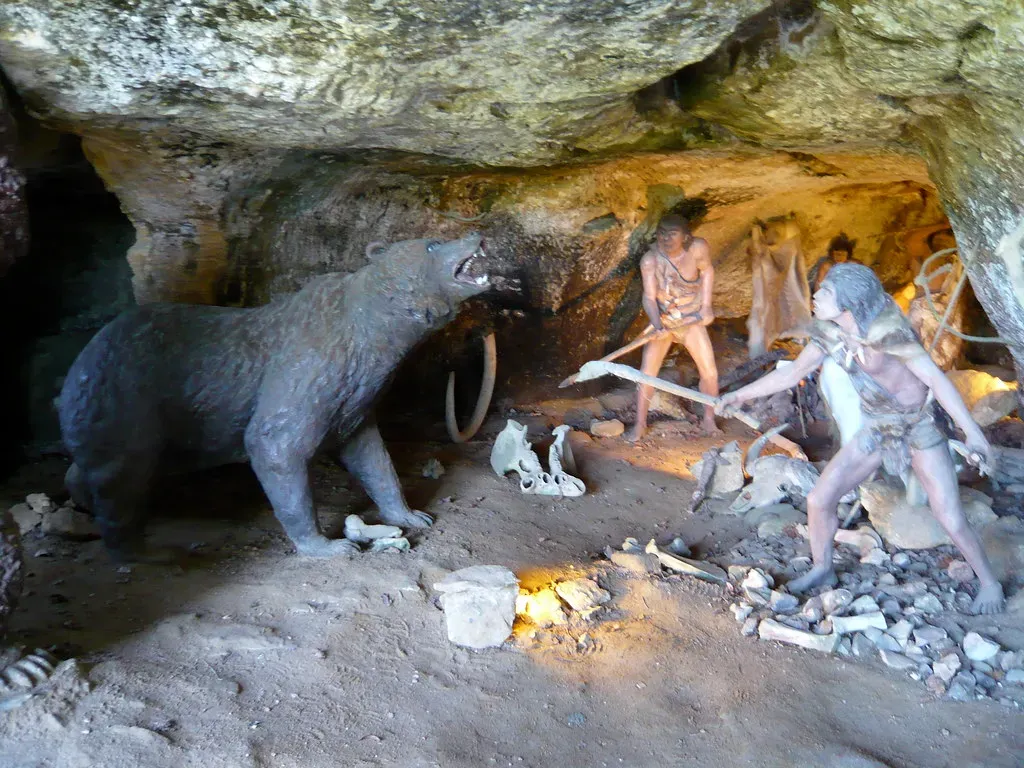
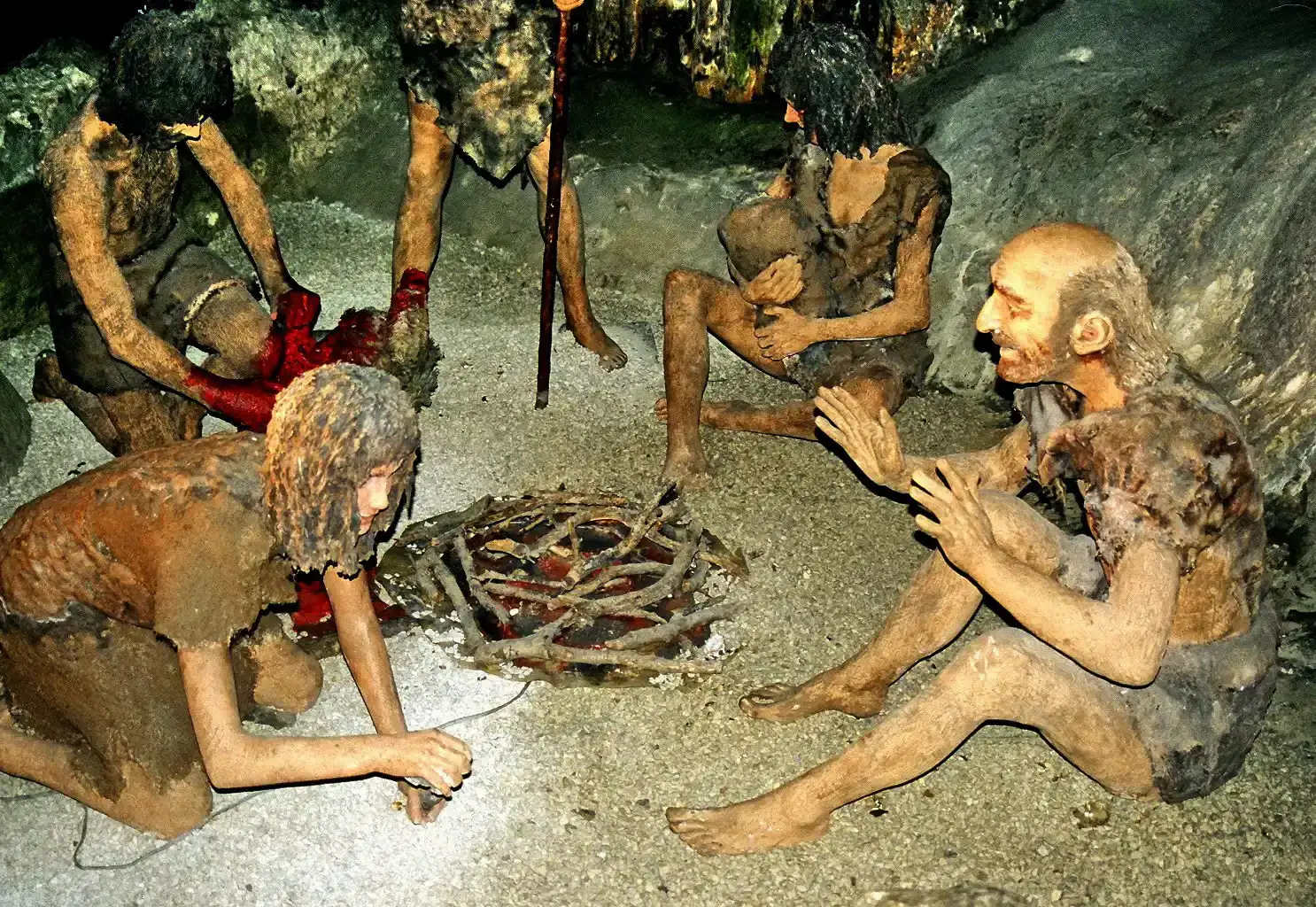
Let’s be real: you probably thought Neanderthals just threw everything everywhere in their caves. Wrong. They organized their living spaces more like homes, where they butchered animals, made tools, built fires and slept in different parts of the shelter. A hearth was positioned near the back wall of the shelter, which likely allowed warmth to circulate among the living space. Meanwhile, stone tools and animal bones were concentrated at the front of the cave, the researchers say.
Why keep sharp debris away from sleeping areas? When you make stone tools there is a lot of debris that you don’t want in high-traffic areas or you risk injuring yourself. They also wanted to avoid attracting scavengers to where they slept. Different levels within caves served distinct purposes: hunting stands, long-term base camps, short-term residential camps. This wasn’t random occupation. It was thoughtful spatial planning that made their shelters genuinely pleasant places to live.
Childhood Was Tough But Nurtured
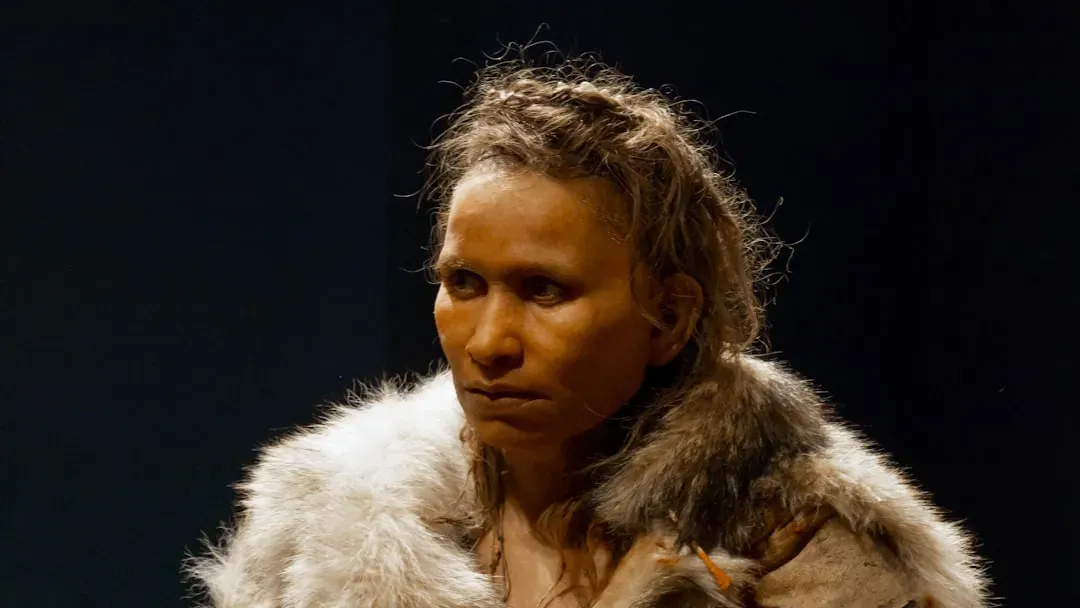
By timing the surges of barium, a marker of milk consumption in the teeth, they found that both Neanderthals nursed for 2.5 years before they were weaned. That’s just about the length of time that modern humans in hunter-gatherer societies nurse their babies, Smith says. Mothers invested heavily in their young, nursing them through harsh winters and repeated illnesses. And both Neanderthal toddlers suffered from repeated lead exposure – the earliest known evidence of lead poisoning in members of the human family.
A Neanderthal child’s teeth analysed in 2018 showed it was born in the spring and weaned after 2.5 years, similar to modern hunter gatherers. Indicated from various ailments resulting from high stress at a low age, such as stunted growth, British archaeologist Paul Pettitt hypothesised that children of both sexes were put to work directly after weaning; and American palaeonthropologist Erik Trinkaus suggested that, upon reaching adolescence, an individual may have been expected to join in hunting large and dangerous game Life expectancy hovered around forty years. Children didn’t get much time to be children. Still, the care and attention mothers provided during those early nursing years speaks volumes about their devotion.
Hunting Was Dangerous, Skillful, and Collaborative
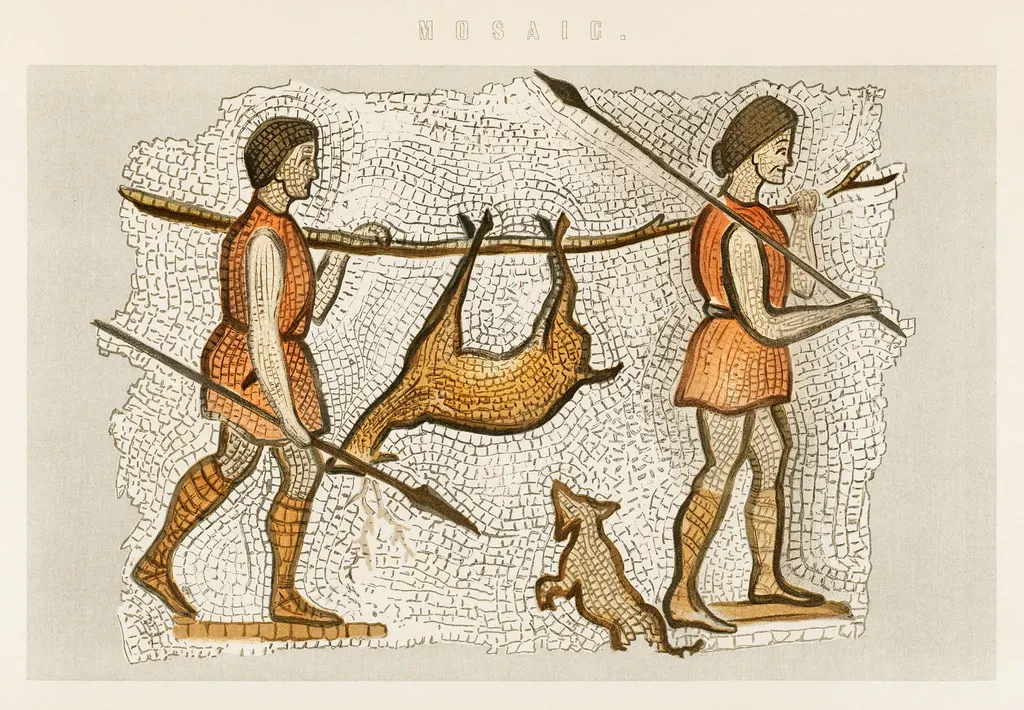
We know from injuries found on their prey – such as mammoths, bison and reindeer – that Neanderthals were proficient hunters, intelligent and able to communicate. Healed and unhealed bone damage found on Neanderthals themselves suggest they killed large animals at close range – a risky strategy that would have required considerable skill, strength and bravery. Imagine facing down a woolly rhinoceros with nothing but wooden spears and stone-tipped weapons. That took guts.
The injuries tell a story of constant danger and teamwork. Healed fractures show that injured individuals received care and survived to hunt again. Unhealed wounds? Those folks weren’t so lucky. Wooden spears were used to hunt large game such as mammoth and wooly rhinoceros. Coordinated group hunting wasn’t just about getting food. It required planning, communication, and trust among group members. Success meant survival for the whole band.
Care for the Sick and Elderly Reveals Their Humanity
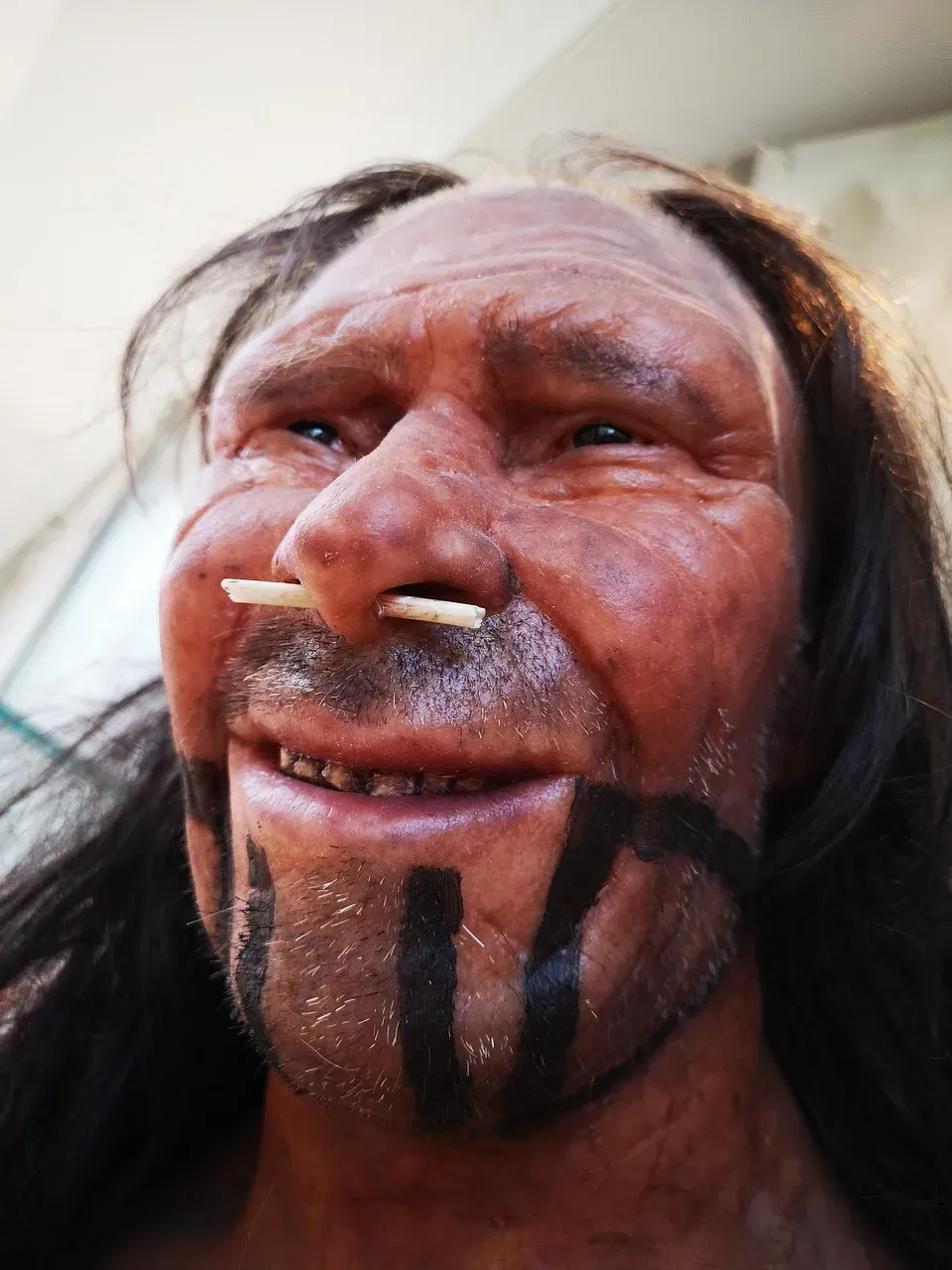
Perhaps nothing challenges the brutish Neanderthal stereotype more powerfully than evidence of compassion. A well-known example is an individual from Shanidar Cave in modern-day Iraq, known as “Shanidar 1.” This Neanderthal male lived to be around 40 or 50 years old despite numerous injuries. He had a crushing blow to his head that likely blinded him in one eye, a withered arm that had been amputated, and injuries to his leg that would have made walking difficult. His survival for years with these conditions implies that his community provided him with food, protection, and assistance.
Let that sink in for a moment. This man couldn’t hunt. He couldn’t gather effectively. He needed constant help just to get through each day. Yet his group kept him alive for years, possibly decades. They valued him despite his disabilities. Maybe they treasured his experience, his stories, his wisdom. Whatever the reason, it shows a level of social responsibility and emotional depth that contradicts everything we once believed about these ancient people. They cared for each other, which means they felt for each other.
Conclusion
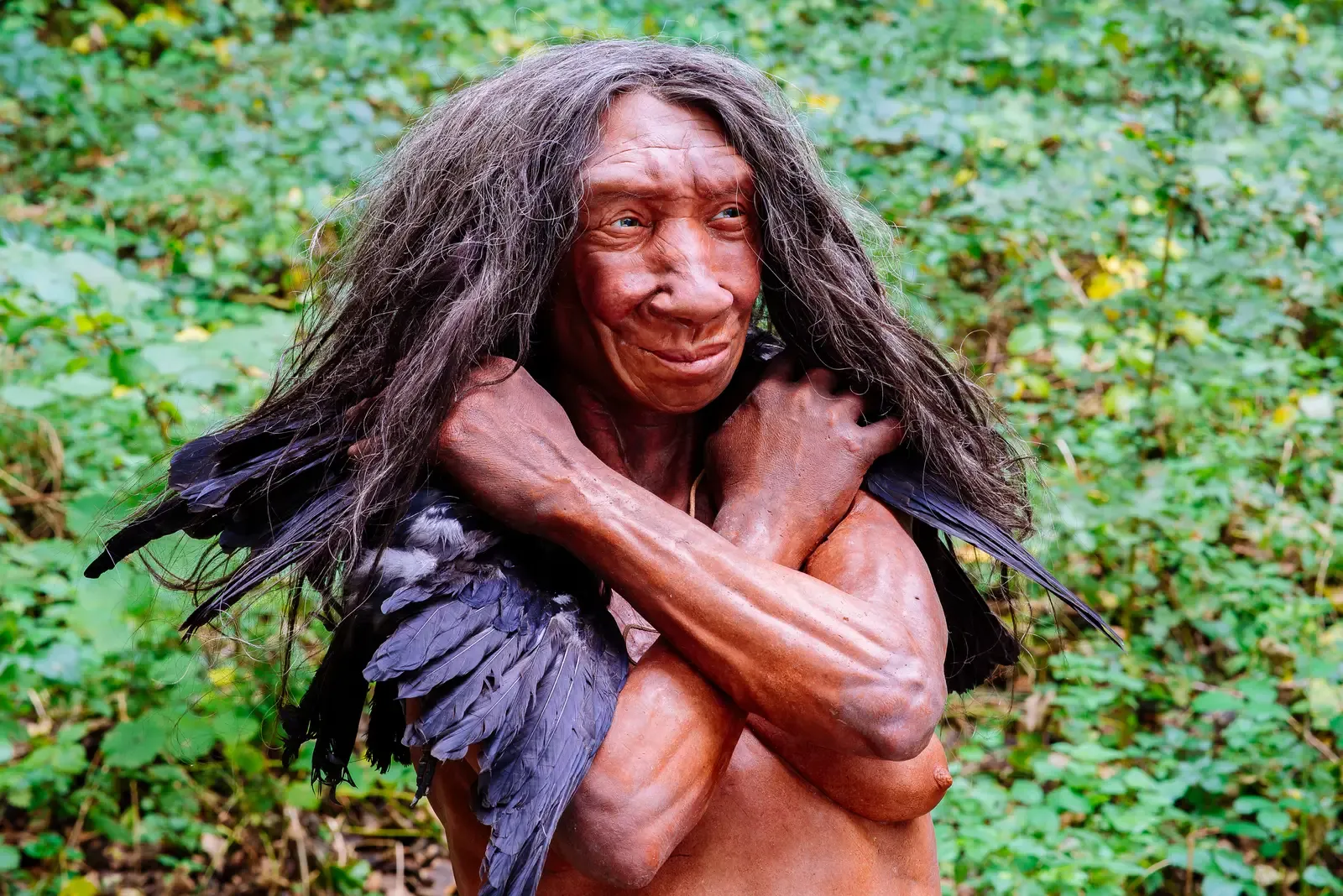
The more scientists uncover about Neanderthal daily life, the more recognizable these ancient Europeans become. They organized homes, prepared complex meals, cared for their families, and created sophisticated tools. They probably laughed around fires and mourned their dead. They faced dangers together and celebrated successes as a group.
We share roughly two percent of our DNA with Neanderthals, those of us whose ancestors left Africa. That genetic legacy connects us across unfathomable spans of time. When you organize your living space or care for a sick relative or work on a creative project, you’re echoing behaviors that stretch back hundreds of thousands of years. Neanderthals weren’t so different from us after all. What do you think shaped their lives most? Was it the harsh environment, the small group sizes, or something we haven’t even discovered yet?