
Stand on a modern beach and it feels eternal: waves roll in, gulls scream, the horizon just sits there, pretending it has always looked this way. But the rocks under your feet tell a very different story. Hidden inside them are fossils that reveal oceans once filled with monsters, forests of coral-like animals, and bizarre experiments in life that seem almost like science fiction.
Some of these fossils did more than just add a new species to a museum drawer. They forced scientists to tear up textbooks, redraw family trees, and completely rethink how ancient seas worked. The eight fossils below did exactly that – each one cracked open a new window into oceans that were stranger, harsher, and far more dynamic than we ever imagined.
1. The Burgess Shale: A Snapshot Of A Weird, Wild Cambrian Sea
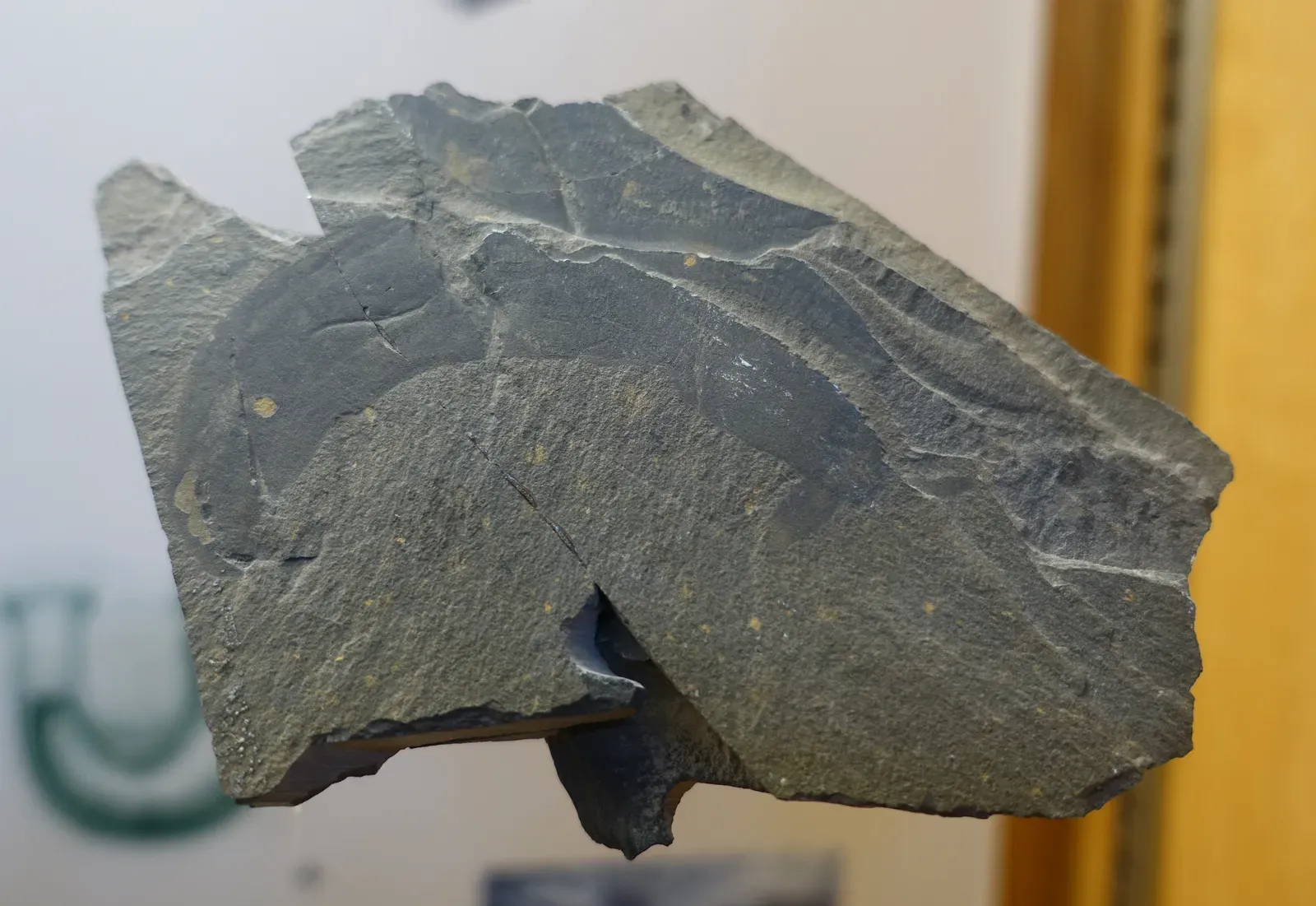
The Burgess Shale in Canada looks like a quiet cliff of dark rock, but inside it is one of the most shocking fossil windfalls in history. These rocks, more than five hundred million years old, preserve soft-bodied animals from a Cambrian seafloor in astonishing detail – tentacles, eyes, guts, even delicate frills. Before its discovery, paleontologists mainly studied hard shells and bones; the Burgess Shale revealed a whole hidden cast of strange, squishy creatures that had been missing from the story.
What really rocked science was how alien many of these animals looked. You get things with five eyes, bodies covered in spikes, and swimming vacuum-cleaner mouthparts that defy easy comparison with anything alive today. Suddenly, the early oceans looked less like a gentle ramp-up to familiar life and more like a chaotic evolutionary explosion, full of experiments both successful and doomed. The Burgess Shale showed that ancient oceans were nurseries of wild innovation, not just primitive versions of what we see now.
2. Tiktaalik: The Fish That Brought The Seafloor Onto Land
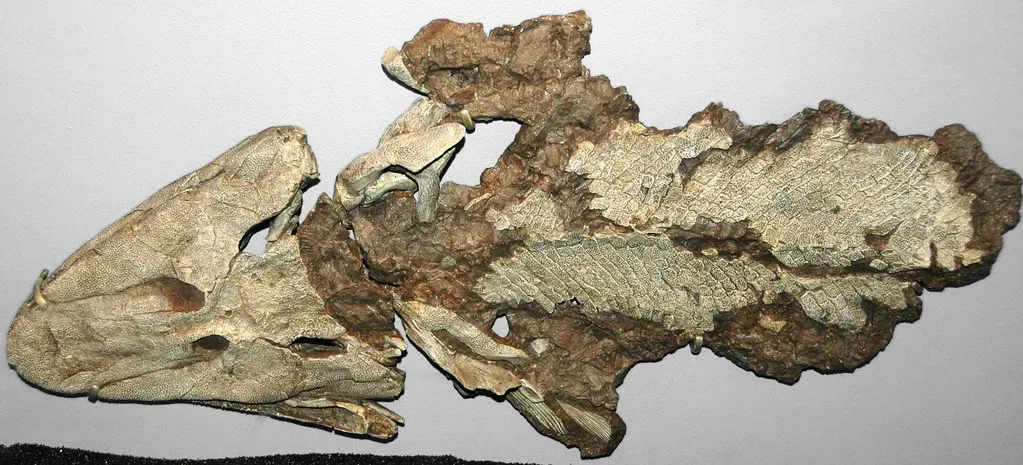
Tiktaalik is technically a fish, but if you saw it in life you might hesitate: it had scales and fins, yes, but also a flat head, a neck, and sturdy fin bones that look suspiciously like an arm, forearm, and wrist. Found in Arctic rocks that once formed a Devonian river delta connected to shallow seas, Tiktaalik sits right at the border between ocean and land ecosystems. It showed how a fish living in coastal waters could gradually evolve the tools needed to push up in the shallows and eventually crawl onto land.
This fossil completely reshaped how we picture ancient shorelines. Before Tiktaalik, the step-by-step story from finned swimmers to four-legged land animals was more of a sketch than a sequence. Tiktaalik filled a major gap, proving that coastal and estuarine environments – those messy zones where rivers meet the sea – were hotbeds of evolutionary change. It turned the ancient ocean’s edge from a simple boundary into a powerful engine for transforming life.
3. Basilosaurus: The Whale That Refused To Fully Leave Its Past Behind
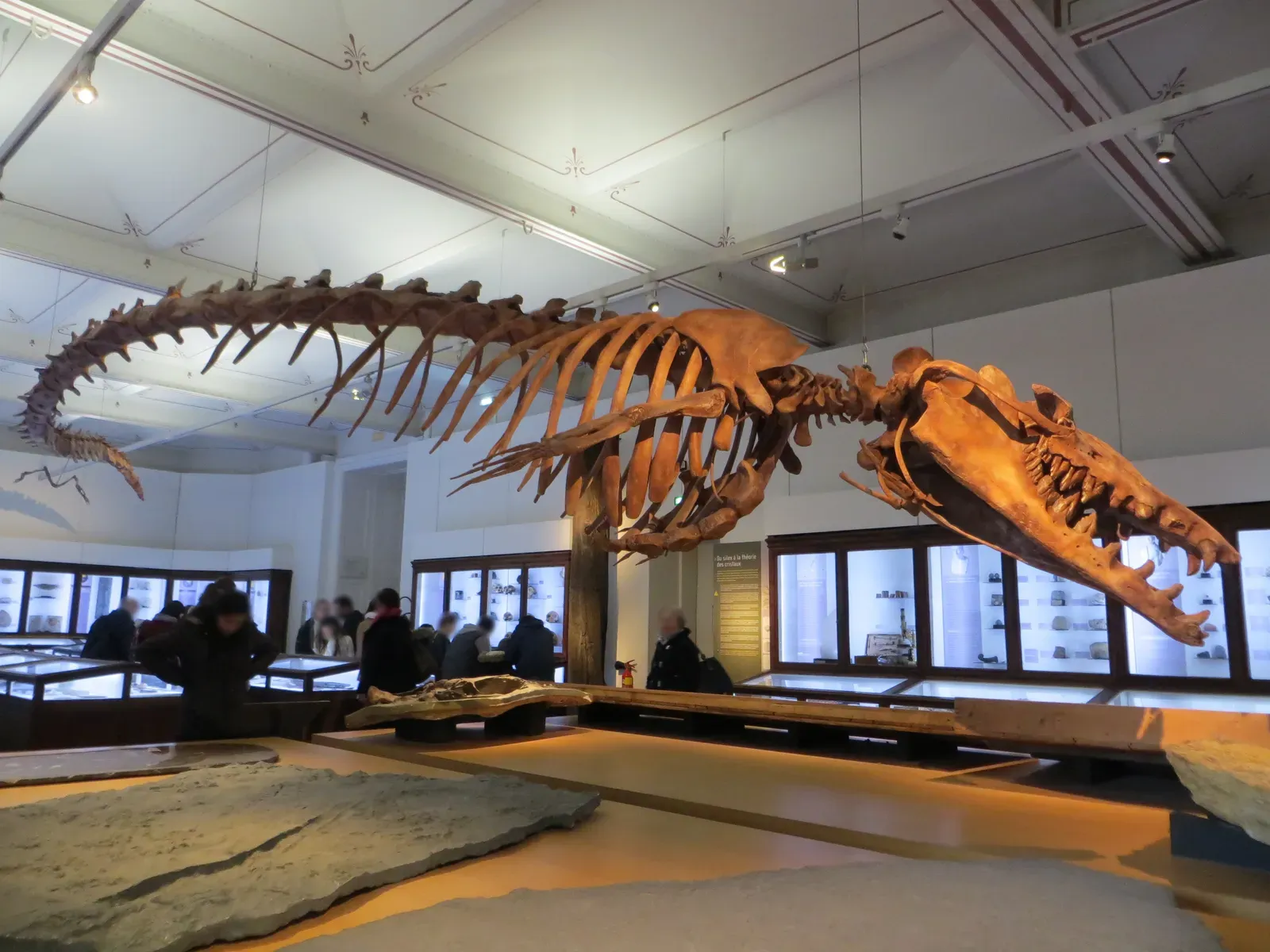
Basilosaurus looks like something you might design in a late-night doodle: a long, serpent-like body, massive jaws packed with sharp teeth, and – most surprisingly – tiny hind legs tucked near the tail. When these fossils were first studied, some scientists thought they belonged to a giant marine reptile. Later, they realized Basilosaurus was actually an early whale that had fully returned to life in the ocean but still carried echoes of its land-mammal past.
Those little back legs, too small to walk on, were a revelation. They showed that whales did not simply appear as streamlined sea mammals; they slowly re-adapted to marine life after their ancestors lived on land. Ancient oceans were not just full of fish and invertebrates but also hosted mammals that were busy reinventing themselves as apex marine predators. Basilosaurus helped lock in the idea that ocean ecosystems have been repeatedly invaded and reshaped by land animals making an evolutionary U-turn back to the sea.
4. Megalodon Teeth: Rewriting The Story Of Apex Predators
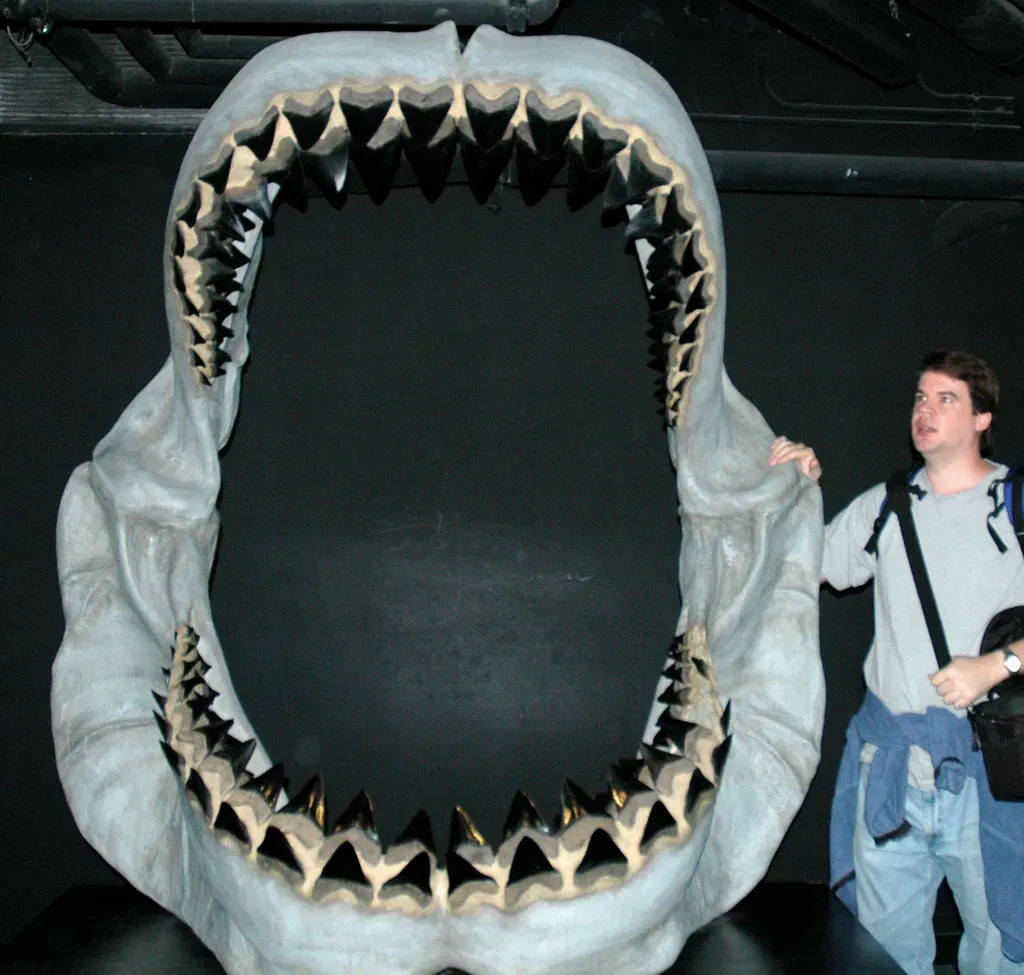
For centuries, giant triangular teeth turned up in rocks and riverbeds were sometimes dismissed as oddities or even thought to be dragon tongues. Today, we know they belonged to the massive shark commonly called megalodon, a predator that cruised ancient oceans millions of years ago. Each tooth is thick, razor-edged, and often bigger than a human hand, immediately telling you this animal was built to take down seriously large prey.
What these teeth really changed is how we understand the structure of ancient marine food webs. Instead of picturing gentle seas with modest sharks and small whales, megalodon forces us to imagine an ocean dominated by gigantic hunters targeting marine mammals and large fish. Isotope studies of the teeth and comparisons with modern sharks have helped scientists piece together migration patterns, feeding behavior, and competition. In other words, a handful of fossil teeth turned the ancient ocean from a somewhat peaceful backdrop into a brutal, high-stakes battlefield.
5. Ammonite Mass Deaths: Evidence Of Disasters In Deep Time
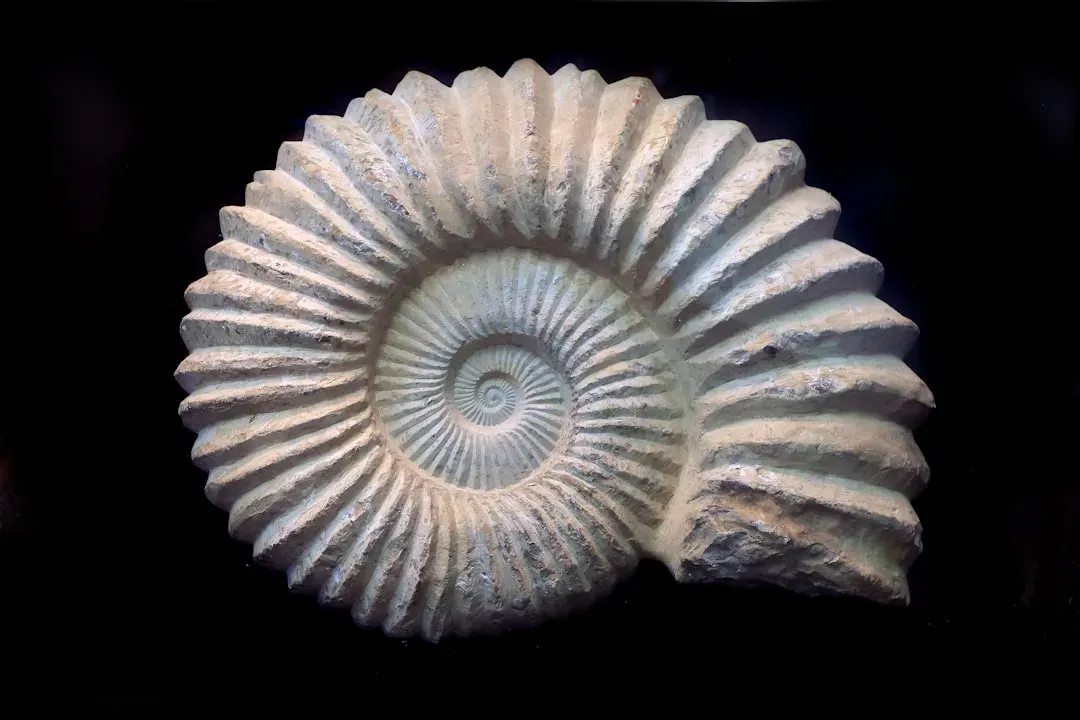
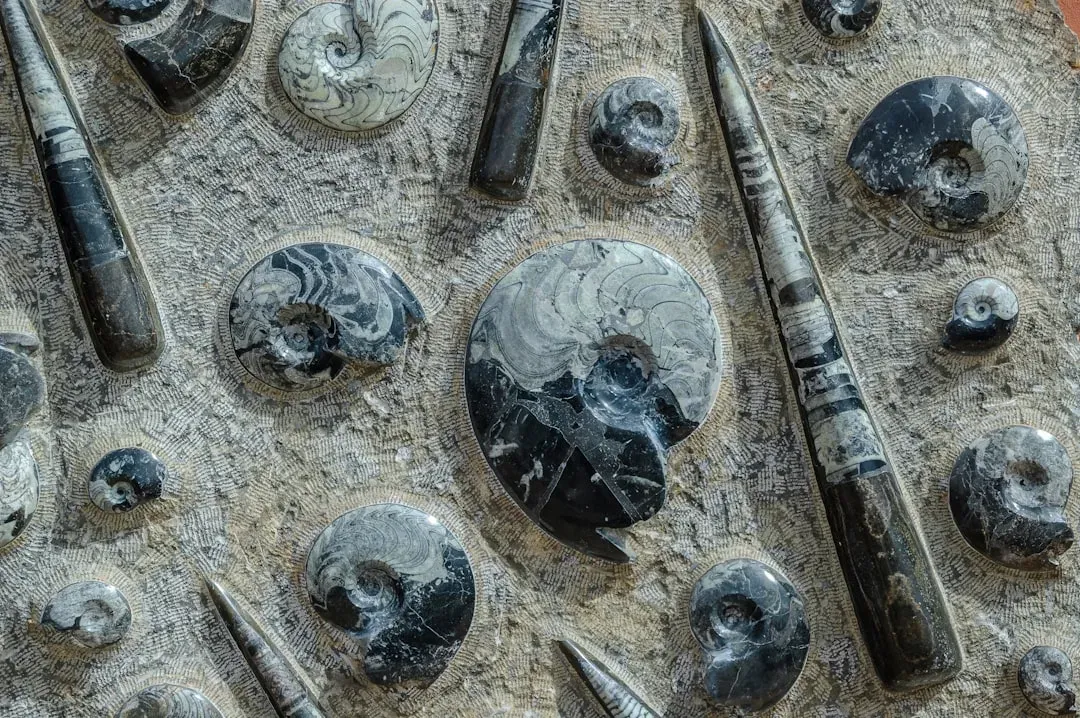
Ammonites – those coiled, tentacled relatives of modern squids – are so common in some rocks that they can feel almost decorative. But in certain layers, paleontologists find dense accumulations of ammonite shells piled together, all from the same time slice. Instead of just being curiosities, these beds revealed something bigger: they are snapshots of sudden crises in ancient oceans, like abrupt climate shifts, volcanic events, or rapid changes in sea level.
These mass death layers helped scientists realize that ocean life has repeatedly faced catastrophic shocks, not just slow, gentle changes. By studying which ammonite species disappeared and which survived, researchers can infer patterns of vulnerability and resilience in marine ecosystems. That, in turn, reshaped our understanding of ocean stability: ancient seas were not always steady blue worlds but could flip almost overnight into hostile, deadly environments when global conditions changed.
6. Stromatolites: The Silent Architects Of Ancient Seas
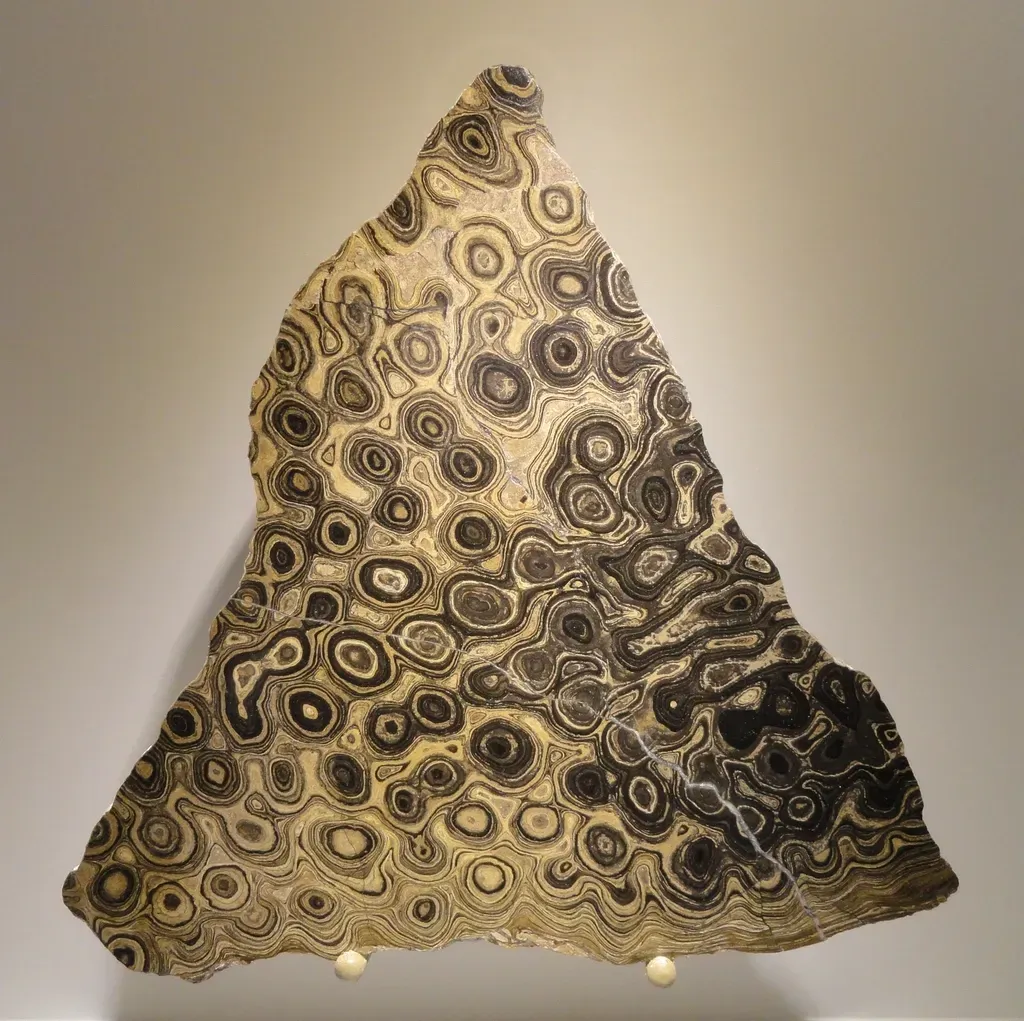
At first glance, stromatolites do not look like much – layered, lumpy rock mounds formed by microscopic life. They are built by communities of bacteria, especially cyanobacteria, that trap sediment in sticky mats. Some of the oldest stromatolites are more than three billion years old, making them among the earliest clear evidence of life in Earth’s oceans. For a long time, they were just odd layered rocks; now we understand them as records of thriving microbial ecosystems that dominated ancient shallow seas.
The real shock is what these humble structures did to the planet. As photosynthetic microbes, the cyanobacteria behind stromatolites pumped oxygen into the water and, eventually, the atmosphere. Over immense stretches of time, that transformed toxic, low-oxygen oceans into environments capable of supporting complex animals. Stromatolites reframed ancient oceans as active, planet-shaping systems driven by tiny organisms, not just passive water bodies waiting for bigger, flashier creatures to evolve.
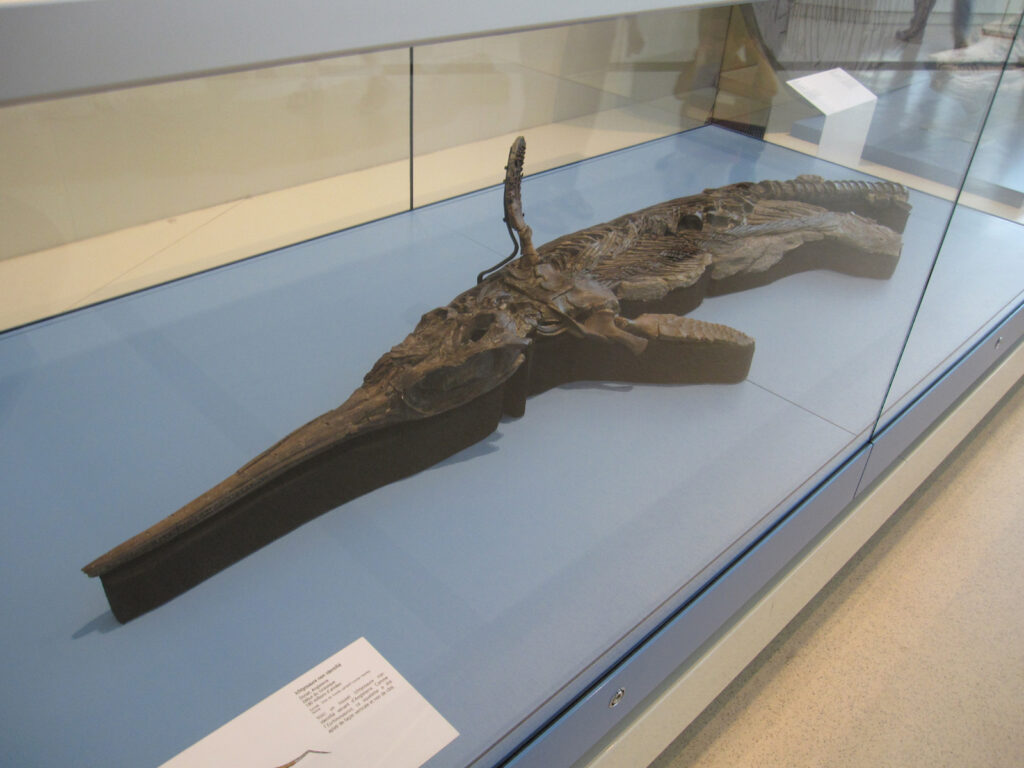
7. Ichthyosaurs With Embryos: Proof Of Live-Bearing Sea Reptiles
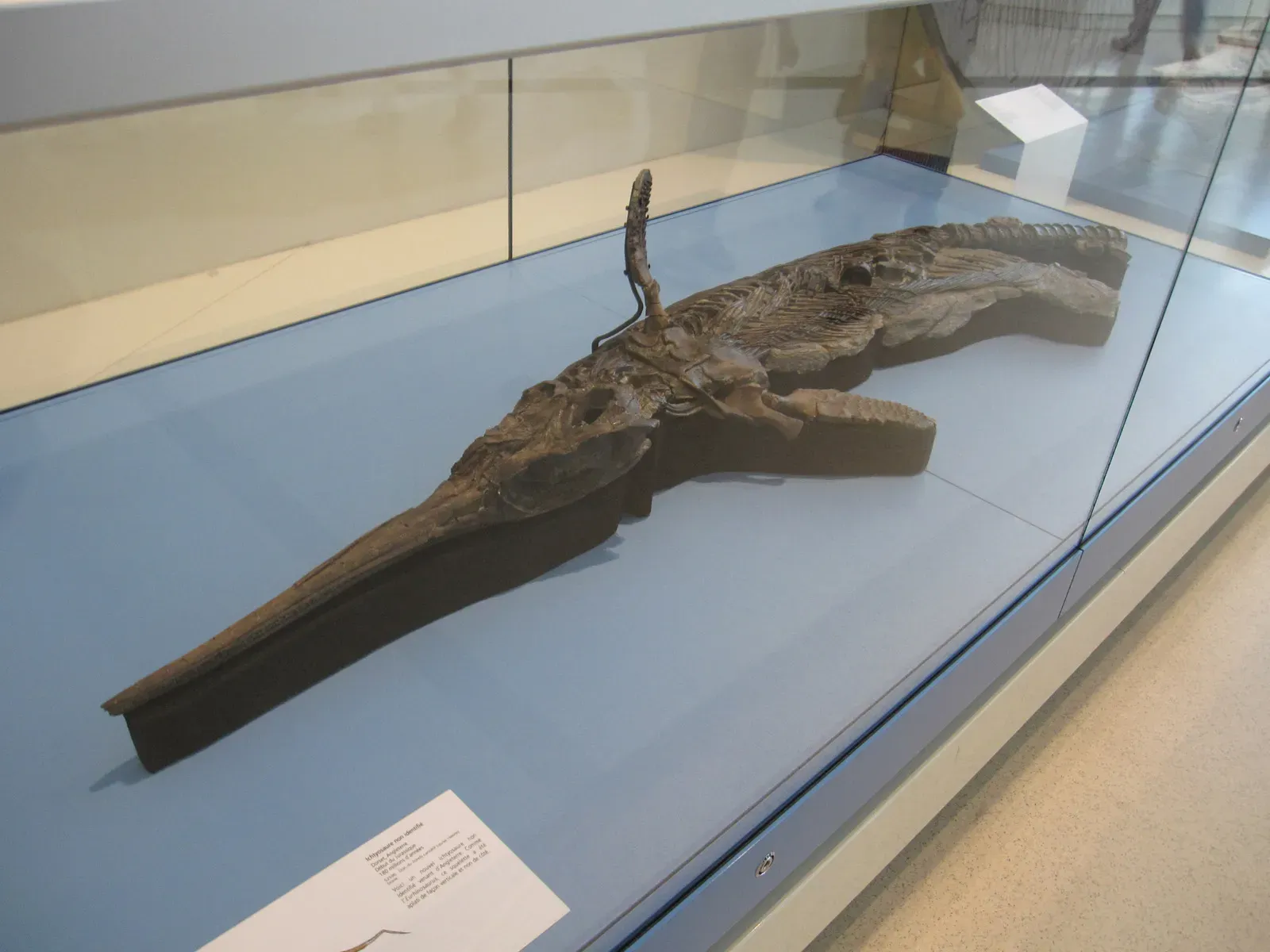
Ichthyosaurs were sleek, dolphin-shaped reptiles that ruled the oceans during the age of dinosaurs. Their fossils were already impressive, but the discovery of skeletons with small, well-preserved embryos inside the body cavity changed the game. In some specimens, you can even see a baby partly emerged, frozen in the act of being born. That level of detail is rare in the fossil record and immediately revealed a crucial piece of their biology: these marine reptiles gave birth to live young instead of laying eggs on land.
This simple fact forced a rethink of how fully adapted to the ocean some ancient reptiles truly were. If they no longer needed to return to shore to nest, that meant entire life cycles – from mating to birth to death – played out at sea. Ancient oceans stop looking like shared space between land and water animals and start to feel like complete, self-contained worlds for certain lineages. To me, that transforms ichthyosaurs from cool-looking swimmers into pioneers of a fully oceanic lifestyle rivaling modern whales.
8. Ediacaran Sea Creatures: Life Before Hard Parts
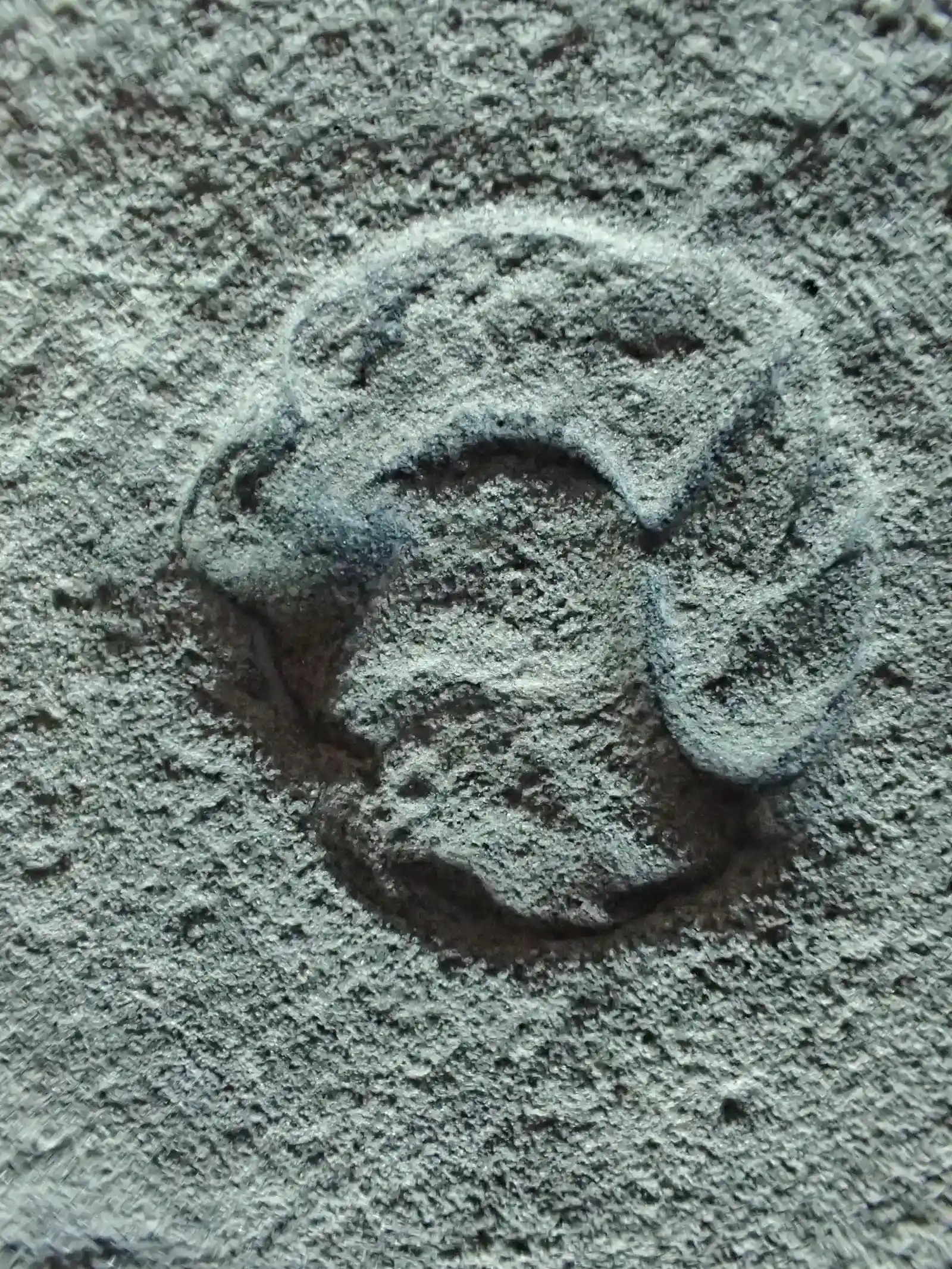
Long before shells and bones cluttered the seafloor, strange soft-bodied organisms lived in the Ediacaran oceans more than half a billion years ago. Their fossils appear as faint impressions in rock: leaf-like fronds, quilted discs, and branching forms that do not neatly match any modern groups. For a while, these fossils were misunderstood or ignored because they did not fit our expectations of what early animals should look like. Once scientists seriously engaged with them, the Ediacaran biota upended the idea that complex life only took off in the Cambrian.
These fossils showed that ancient oceans hosted large, multicellular organisms long before familiar animals with shells and skeletons took over. They hint at entire ecosystems of soft-bodied life that may have been wiped out or replaced as conditions changed. That realization makes the fossil record feel less like a simple story of steady progress and more like a layered saga of rises and disappearances. The Ediacaran seas remind us that what we see today is only the latest version of complex ocean life, not the inevitable outcome.
Conclusion: Oceans That Never Stopped Surprising Us
Looking across these fossils – from tiny microbial mounds to colossal sharks and shape-shifting whales – a clear pattern emerges: ancient oceans were never static, and our understanding of them is always playing catch-up. Each of these finds forced scientists to abandon comfortable stories and accept that evolution in the sea can be abrupt, experimental, and sometimes brutally unforgiving. In my view, that is the most exciting part of paleontology: every fossil that does not fit the script is a reminder that the planet is more inventive than we are.
It is tempting to see today’s oceans as a finished product, but these discoveries say otherwise. They show that coastlines are stages for revolution, microbes can redesign the atmosphere, and entire marine worlds can appear and vanish long before humans arrive to name them. The next fossil pulled from a cliff or seabed core could easily rewrite another chapter of ocean history. When you look at the waves now, can you really say you know what secrets are still buried beneath them?