It is almost unsettling to realize that the blue-and-green planet you know today is just one version of Earth. For most of its history, our world has looked completely alien: oceans the color of rust, skies without oxygen, continents in strange clusters, and life forms that would make science fiction look tame. If you could step into a time machine and hop between eras, you might not even recognize this world as home.
In fact, if you lined up the full age of Earth as a single day, humans would appear only in the very last seconds before midnight. Everything else – the weird oceans, the mega-eruptions, the snowball phases, and the reptile-dominated worlds – would fill the rest of that day. Let’s walk through eight of those moments when Earth looked so different that you might have doubted you were still on the same planet.
1. The Magma Ocean Earth: When Our Planet Was Literally Molten
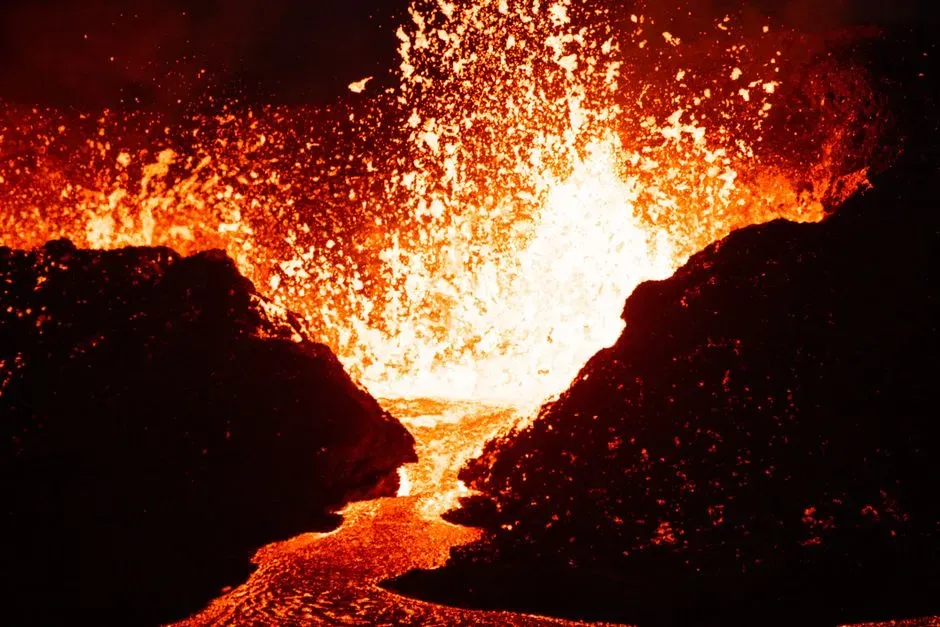
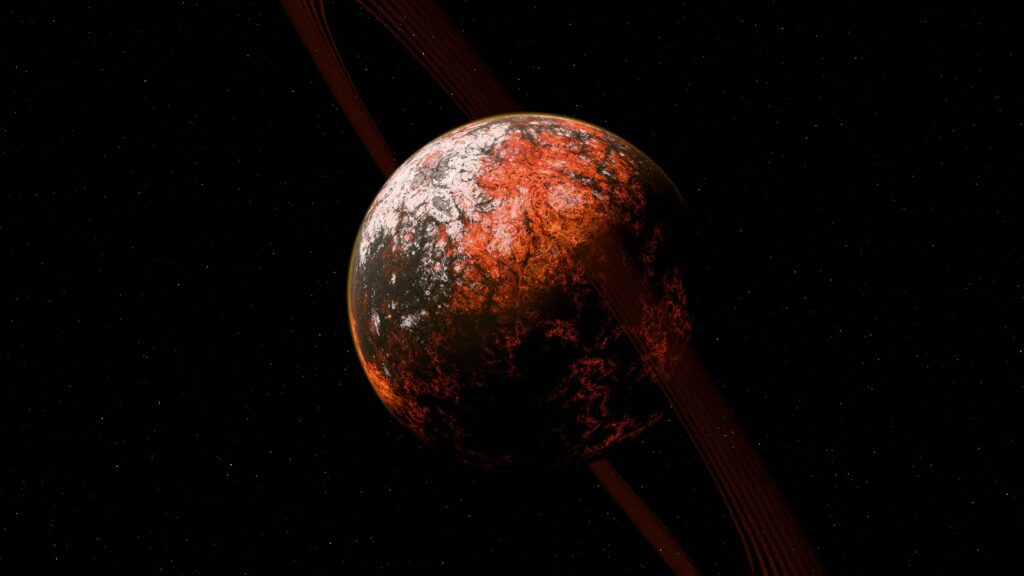
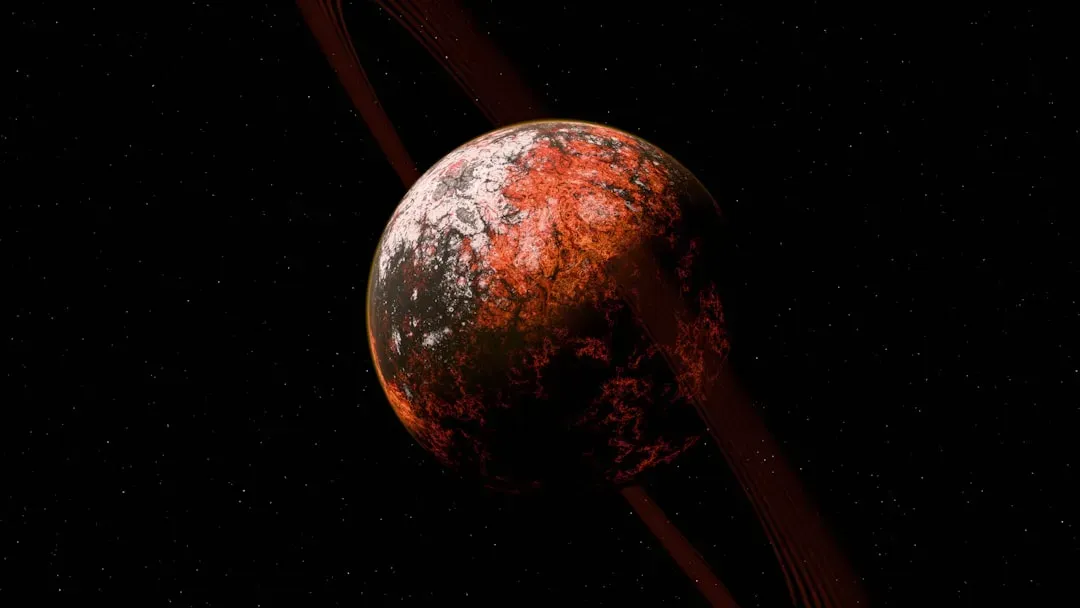
Imagine looking up at the sky and seeing not clouds and blue, but a glowing, hellish ball of fire where Earth should be. In the earliest Hadean Eon, right after Earth formed about four and a half billion years ago, our planet was largely a magma ocean: a swirling, churning sea of liquid rock, hammered constantly by stray space debris. Temperatures were so extreme that solid crust struggled to form, and any early attempt at a surface was quickly melted or smashed apart.
This was not just a hot version of today’s world – it was a fundamentally different environment, more like the surface of some exoplanets we are only now beginning to study. There were no continents, no stable oceans, and certainly no life as we know it. If you could stand there (you could not), you’d see a thick, choking atmosphere of steam, carbon dioxide, and volcanic gases, lit from below by an orange-red glow of molten rock. Calling it “Earth” almost feels generous; it was more like an unfinished planet still under construction.
2. The Aftermath of the Giant Impact: Earth Plus a Newborn Moon
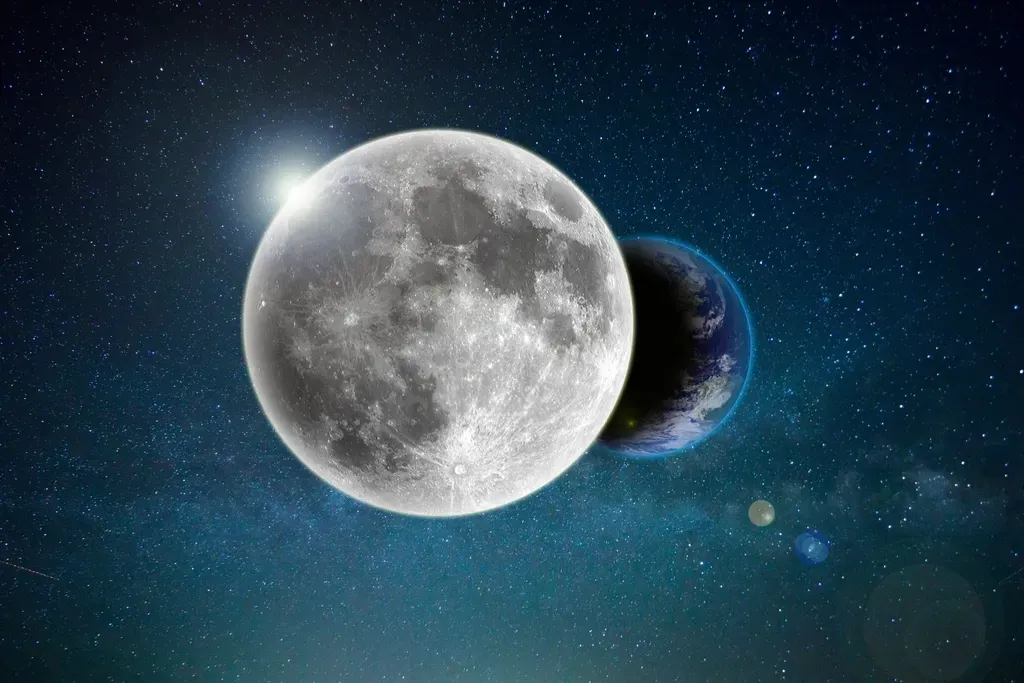
One of the strangest “faces” of Earth arrived after a colossal collision: a Mars-sized body likely slammed into the young planet, ejecting huge amounts of molten rock into space. That debris eventually coalesced into the Moon, but before that, Earth was surrounded by a fiery ring, like a miniature version of Saturn built from vaporized rock. Picture standing on some hypothetical stable patch of early crust, watching an incandescent disk orbit above you – it would have looked more like a special effect from a movie than a real sky.
This impact reshaped Earth in deep ways. It likely melted a huge portion of the planet again, stirred its interior, and may have set up the tilt of Earth’s axis, which later gave us seasons. The newborn Moon would have hung much closer and larger in the sky than today, dominating the night with an eerie brightness. The tides it raised would have been immense, violently stirring early oceans. The Earth–Moon system we now take for granted began as a scene of cosmic violence, and for a while that violence was written plainly across the sky.
3. The Anoxic World: A Planet Without Breathable Air
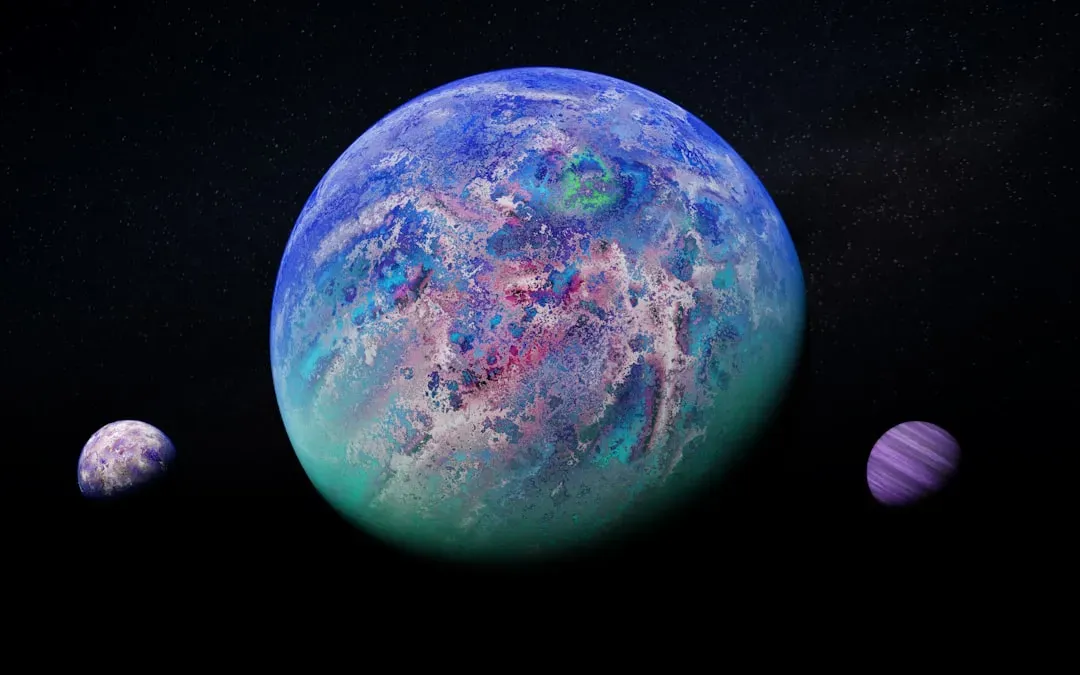
For vast stretches of time, Earth’s atmosphere simply did not have free oxygen. If you teleported a human into the Archean Eon, they would suffocate in an instant, even though the air pressure might not feel that different. The atmosphere was dominated by gases such as nitrogen, carbon dioxide, methane, and water vapor, and the oceans were rich in dissolved iron. Without oxygen, the sky and sea behaved in ways that seem almost surreal to us now.
The landscapes themselves would have felt eerie: continents were smaller, the sun was dimmer, and the light had a slightly different quality because of the atmospheric composition. Life existed, but only in microbial form, clustering in microbial mats and shallow seas. If you walked along an early shoreline (again, ignoring that awkward breathing problem), you would not see plants, trees, or animals – just slimy layers of microscopic life. It was Earth, but stripped down to a raw, almost minimalist version of habitability.
4. The Rusted Planet: When Oceans Turned the World Red
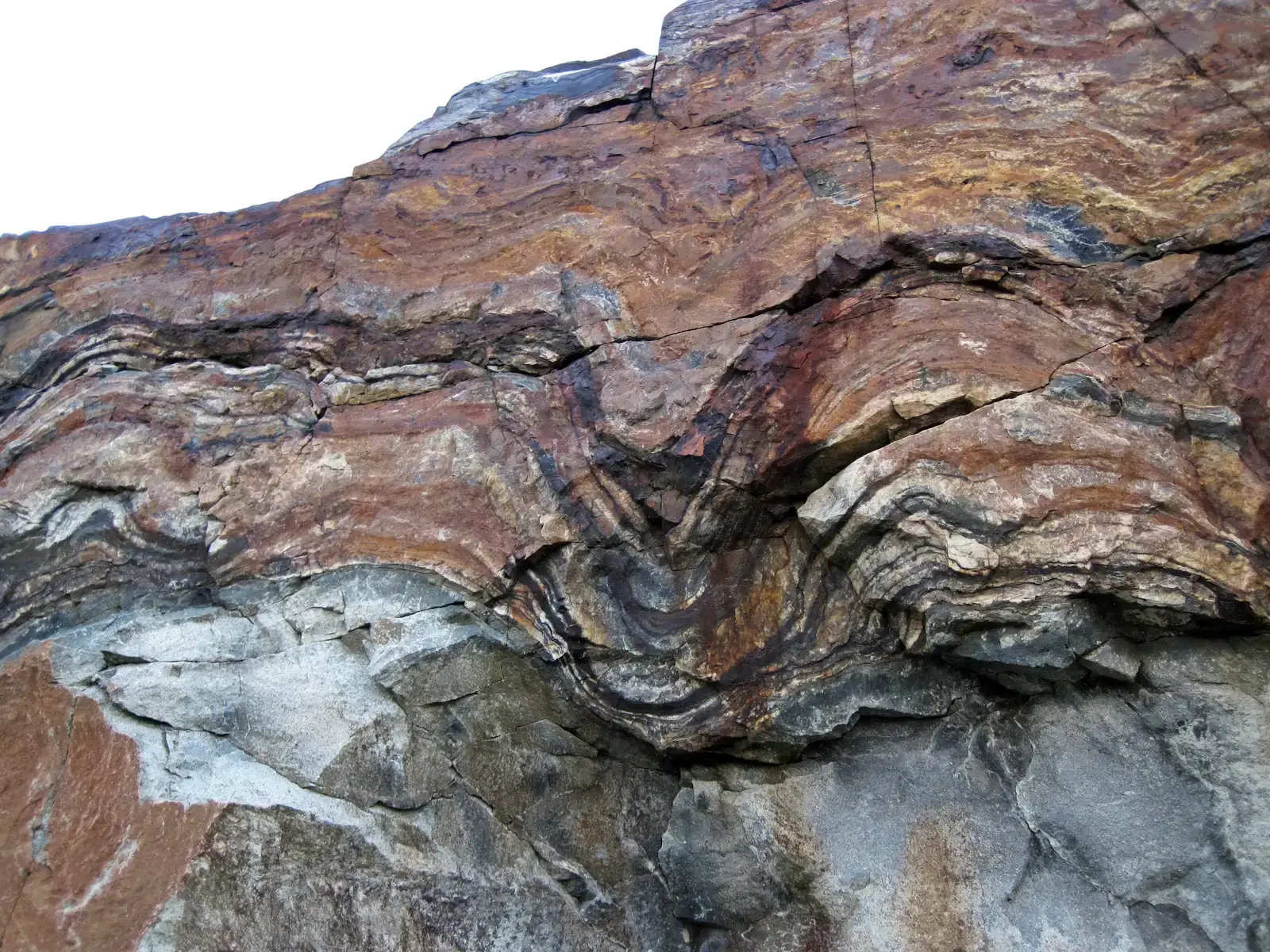
One of the most dramatic makeovers happened with the Great Oxidation Event, when photosynthetic microbes started releasing significant amounts of oxygen into the oceans. Before that oxygen could accumulate in the air, it first reacted with all the dissolved iron in the seas, creating iron oxides that settled to the seafloor in thick, banded layers. In other words, the oceans were busy rusting. Geologists today find these as banded iron formations – beautiful, striped rocks that are basically the scars of a world being chemically transformed.
Visually, this period would have been striking. The waters in some areas may have taken on unusual hues due to different dissolved minerals and microbial life, and deposited iron-rich sediments would eventually create landscapes with deep red and dark gray rocks. From space, Earth might have looked less like the bright blue marble we know and more like a world with bruise-like colors, streaked and stained by odd chemistry. It was as if the entire planet had gone through a slow-motion metalworking process, with oxygen as the unseen artist.
5. Snowball Earth: When the Planet Nearly Froze Solid
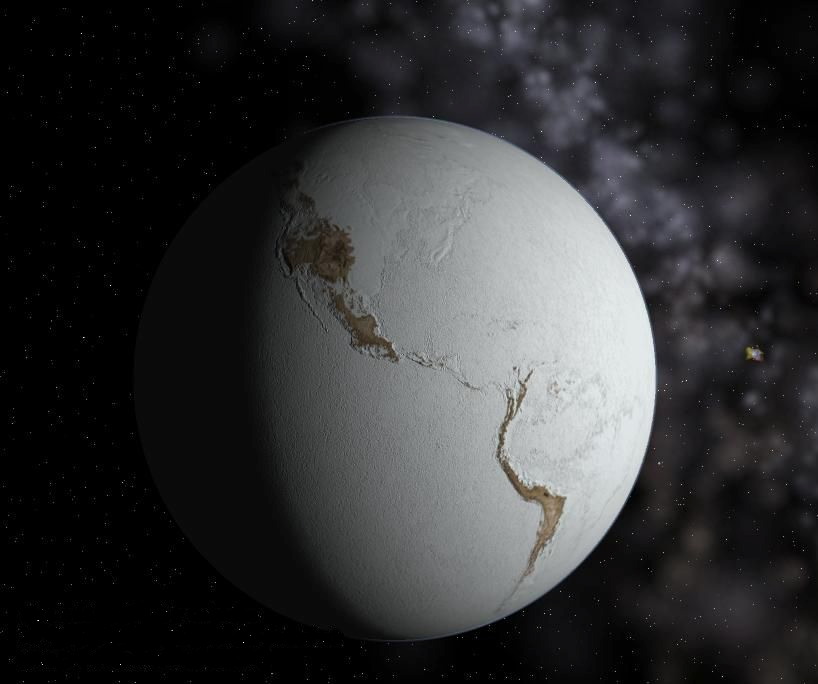
Now picture the complete opposite: instead of global fire and molten rock, imagine a world entombed in ice. During several episodes in the Proterozoic Eon, evidence suggests that Earth may have become a “Snowball Earth,” with ice sheets extending from the poles all the way toward, and possibly across, the equator. Oceans were locked under thick ice, and white, reflective surfaces covered so much of the planet that sunlight bounced back into space, making the freeze even more intense.
This version of Earth would have looked almost unrecognizable from orbit – a white sphere with only hints of dark rock breaking through. On the surface, conditions were harsh, but not completely lifeless. Microbes likely survived in pockets of liquid water, near volcanic hotspots, or beneath the ice where sunlight could still filter through. The idea that complex life eventually emerged after such brutal deep freezes is wild: our lush, green Earth today may owe its existence to a world that once came within a hair’s breadth of becoming a permanent ice cube.
6. The Greenhouse Hothouse: Tropical Poles and No Permanent Ice
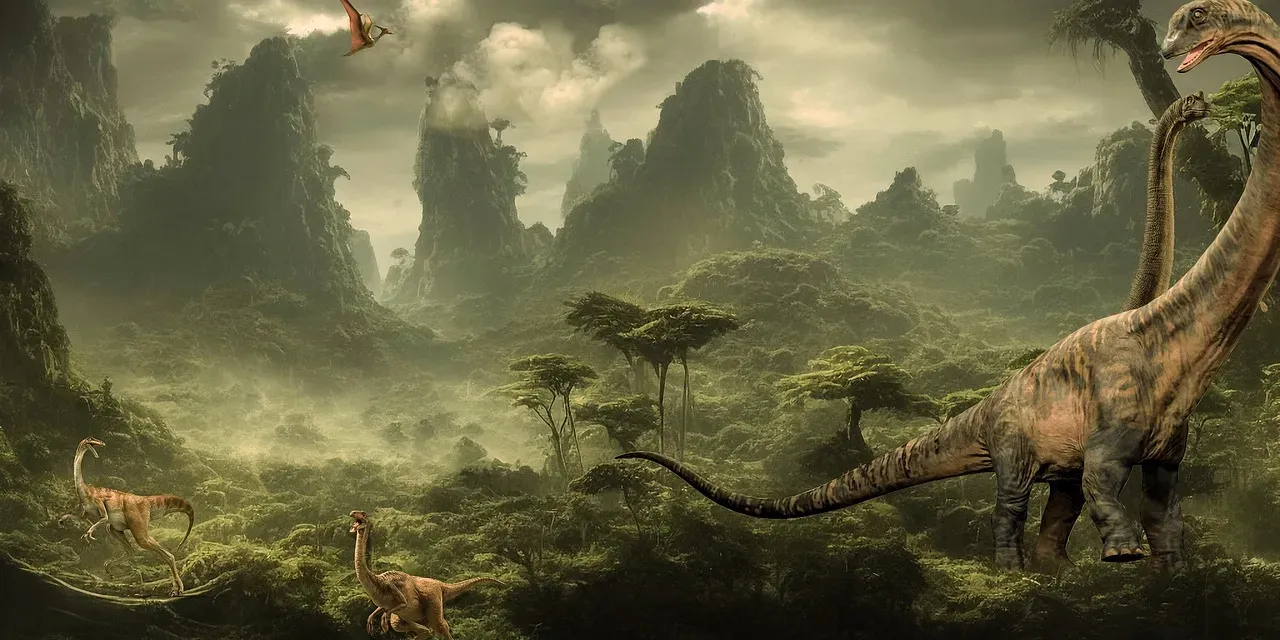
At other times, Earth swung to the opposite extreme: a hothouse planet with steamy temperatures, swampy forests, and no permanent ice caps. During periods like the mid-Cretaceous, carbon dioxide levels were far higher than today, oceans were warmer, and sea levels rose high enough to drown large portions of continents. There might have been palm-like plants and forests in places that are now cold and icy, including near the poles.
From the surface, this world would have felt like a planet turned into a giant greenhouse. Humid air, stormy weather, and sprawling shallow seas created habitats for all kinds of unusual creatures. The contrast with our modern world is sharp: where we now see Arctic tundra and Antarctic ice sheets, that Earth displayed temperate or even subtropical environments. It is a powerful reminder that “normal” climate is just whatever Earth happens to be doing right now – and that our version is just one of many.
7. The Age of Giant Reptiles: Earth as a Dinosaur Planet
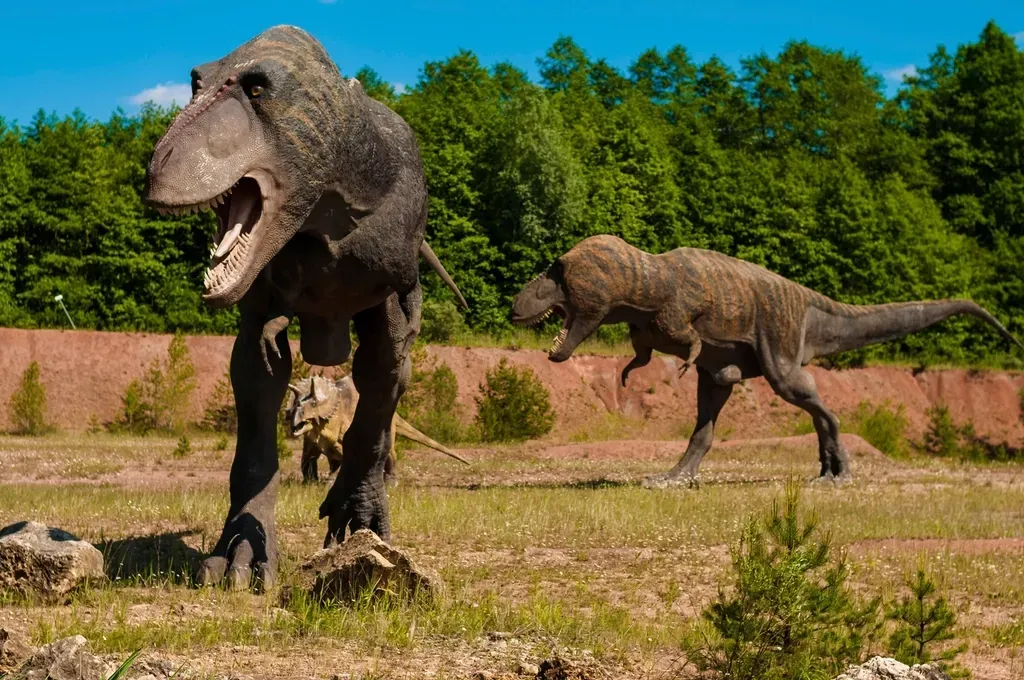
When most people imagine a different Earth, they picture the Mesozoic – the age of dinosaurs. And honestly, they are not wrong: this was a world that would have felt radically different to walk through. Continents lay in different configurations; at one point, many of them were united in the supercontinent Pangaea, and later they drifted toward more familiar positions. The climate, on the whole, was warmer, with lush vegetation spanning from equator to high latitudes, creating enormous habitats for giant reptiles on land, in the seas, and in the air.
The sensory experience would have been intense. You would hear the calls of massive animals, the buzzing of ancient insects, and the crashing of waves in shallow inland seas that no longer exist. The plants themselves looked different: conifers, cycads, and ferns dominated where many of us might expect flowering plants and grasses. It really was “their” planet, where mammals were tiny, often shrew-like animals scurrying in the shadows. From top to bottom, this was Earth wearing a reptilian crown.
I still remember standing in a natural history museum as a kid, staring up at a towering dinosaur skeleton and thinking how unbelievable it was that these things once walked where we now put parking lots and coffee shops. That sense of disbelief is a useful reminder: we are the weird newcomers, not the baseline.
8. The Mammal Takeover and Moving Continents: A Shifting Modern Earth
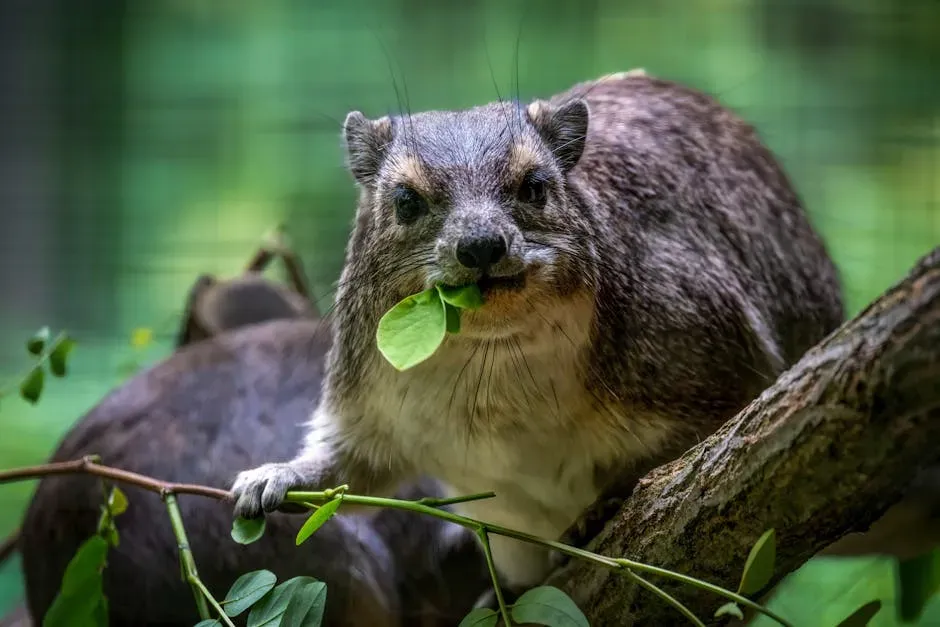
After the asteroid impact that ended the age of dinosaurs, Earth changed again, and fast. With the big reptiles gone, mammals radiated into almost every ecological niche: some took to the seas, others filled the skies with gliding or flying forms, and many evolved into the primates that would eventually lead to us. Forests changed too, as flowering plants and grasses expanded, turning once-forested regions into vast grasslands. The world’s map was different as well; India was still racing toward Asia, and South America had its own unique, isolated fauna.
Even in what scientists call “recent” times – the last few million years – Earth has looked dramatically un. Gigantic ice sheets have advanced and retreated over North America and Europe, sea levels have risen and fallen, and whole coastlines have appeared and vanished. The planet you think of as stable has been constantly remixing itself, like a DJ endlessly rearranging an already strange playlist. In that context, our modern, human-dominated Earth is less a timeless standard and more just the latest track in a very long set.
Conclusion: Earth Has Never Been “Normal” – And Neither Are We
Looking across these eight versions of Earth, a clear pattern emerges: there is no such thing as a normal Earth. Our molten beginnings, global freezers, swampy hothouses, and reptile-ruled landscapes are not rare exceptions – they are the rule. The stable, mild world we rely on for cities, agriculture, and weekend hikes is a brief, surprisingly fragile arrangement in a four-and-a-half-billion-year experiment. Pretending that the planet is naturally calm and unchanging is like judging someone’s entire life by the one year they happened to stay in the same apartment.
My own opinion is that this history should make us both humble and responsible. Humble, because we clearly did not inherit a perfectly tuned, permanent Earth made just for us; we showed up late to a wild party and immediately started rearranging the furniture. Responsible, because we now understand enough geology, climate science, and biology to know that our actions push this system around, sometimes hard. If Earth can look so wildly different on its own, what kind of version are we steering it toward now – and will future beings look back at our era as just another strange, temporary face of a very restless planet?