
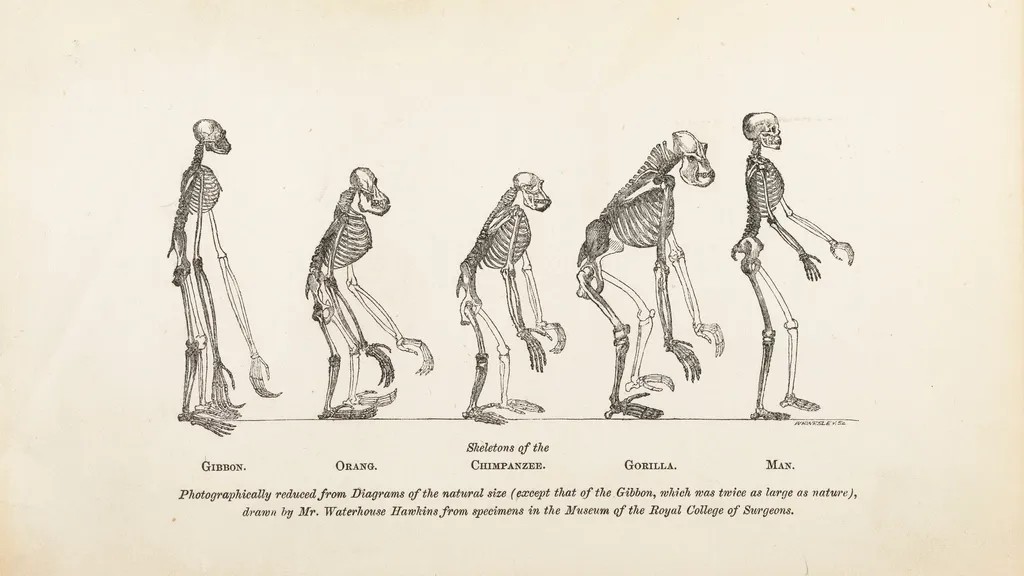
If you tried to pitch the real story of human evolution as a movie script, a lot of producers would probably send it back for being too unrealistic. Our lineage is full of close calls, strange twists, and anatomical hacks that look more like last‑minute patches than elegant design. Yet these weird details are exactly what made us the kind of species that can scroll through articles about its own origins.
What makes it even stranger is that many of the wildest-sounding facts are not obscure fringe ideas but solid findings from fossils, genetics, and anatomy. When I first dove into this stuff, I kept thinking, there’s no way this is actually true… and then I’d find yet another study confirming it. Let’s walk through eight of the most mind‑bending facts about how we became human – each one sounds like a joke, but they’re all very much real.
1. Every Human Is A Hybrid Of Multiple Ancient Species
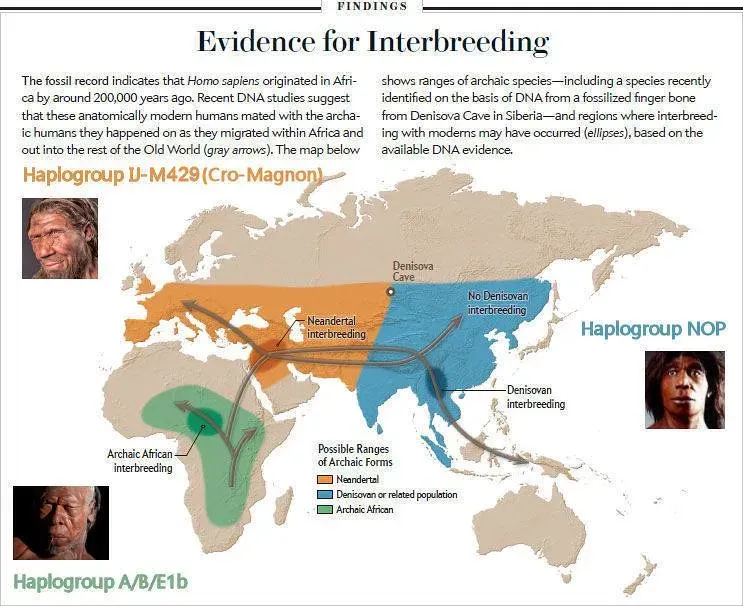
It sounds like sci‑fi fan fiction, but modern humans aren’t descended from a single pure ancestral line. Our DNA carries traces of several other hominin groups that once walked the Earth alongside us, like Neanderthals and the mysterious Denisovans. People with ancestry outside of Africa typically carry a small but real amount of Neanderthal DNA, while some populations in parts of Asia and Oceania also carry Denisovan ancestry. We are, quite literally, a remix.
Geneticists can see these ancient encounters as little fragments of DNA that do not match typical modern human patterns and instead line up with those archaic genomes. Some of these inherited bits still affect us today, influencing things like immune responses, how we handle altitude, or even skin traits. The romantic version is that different human groups met, mingled, and shared strengths; the less glamorous one is that it was probably messy, complex, and not always peaceful. Either way, we are walking evidence that our species’ origin story is not a straight line but a braided river.
2. We Almost Went Extinct More Than Once
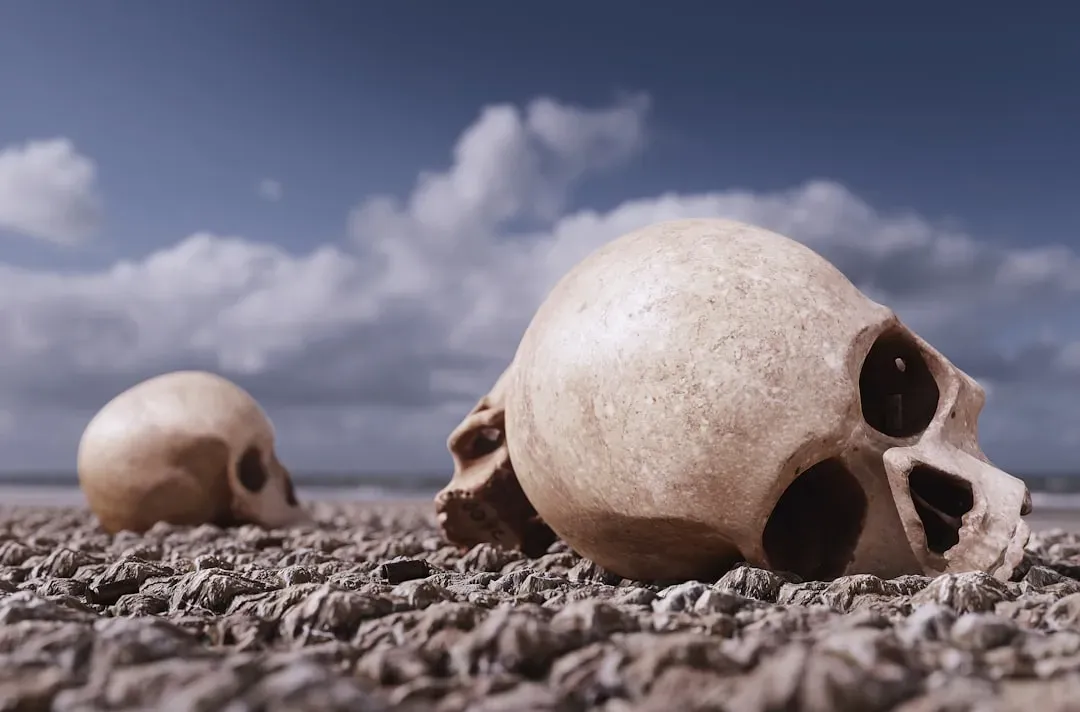
For a species that now covers the whole planet, humans have had some terrifyingly close calls. Genetic data suggests that at certain points in our history, the number of breeding humans may have dropped shockingly low, possibly down to just a few thousand or even fewer. Imagine all of humanity fitting into a small town or maybe even a big stadium; that’s roughly the scale scientists are talking about. From that tiny base, every single person alive today is descended.
These population bottlenecks might have happened due to climate change, volcanic eruptions, or other environmental disasters that squeezed our numbers to the edge. What’s wild is how invisible those near‑extinctions feel in our everyday lives, even though they shaped which genes survived and which vanished forever. A lot of the genetic variation that once existed in ancient humans is gone, not because of some deliberate choice, but because a small group happened to be the ones who made it through. Our existence today rests on an uncomfortably thin thread of survival that held when it easily could have snapped.
3. Our Bodies Are Covered In Hair – We Just Turned Most Of It “Off”
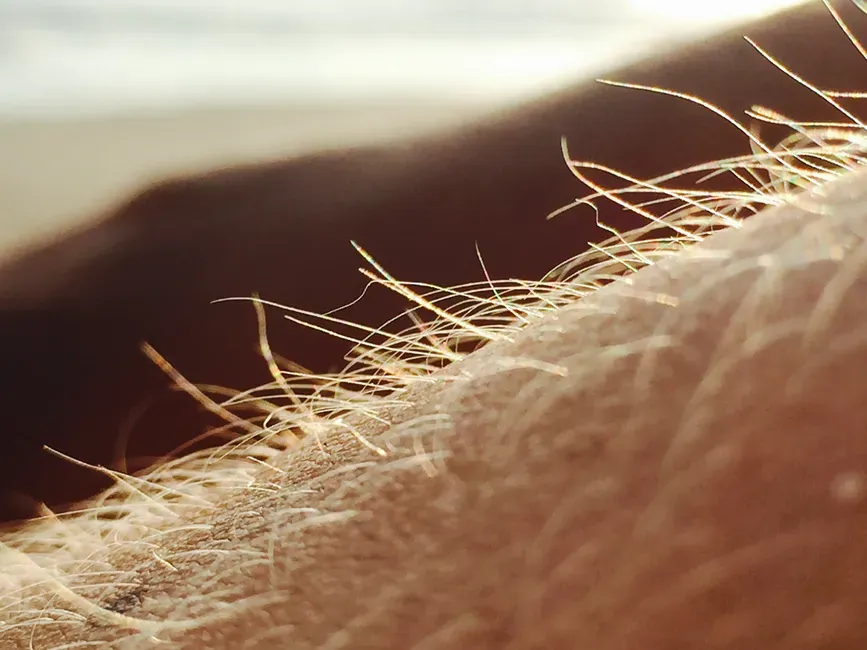
At a glance, humans look relatively hairless compared with other primates, which makes it easy to assume we somehow lost our body hair along the way. The strange truth is that we didn’t lose the follicles at all. We still have roughly about the same number of hair follicles as a chimpanzee; in most spots, the hairs are just miniaturized, fine, and lightly pigmented. In other words, we are still furry by design, just in stealth mode.
This shift probably had to do with a mix of thermoregulation and social factors. As our ancestors started running and moving more in hot, open environments, having smaller hairs and more sweat glands helped them dump heat more efficiently. Then culture and clothing entered the picture, changing which parts of the body needed insulation. So while we might joke that humans are “the naked ape,” the more accurate – and weirder – description is that we are fully hairy animals whose evolution turned the volume way down on most of the fur.
4. You’re Quietly Carrying A Tail’s Ghost In Your Lower Back
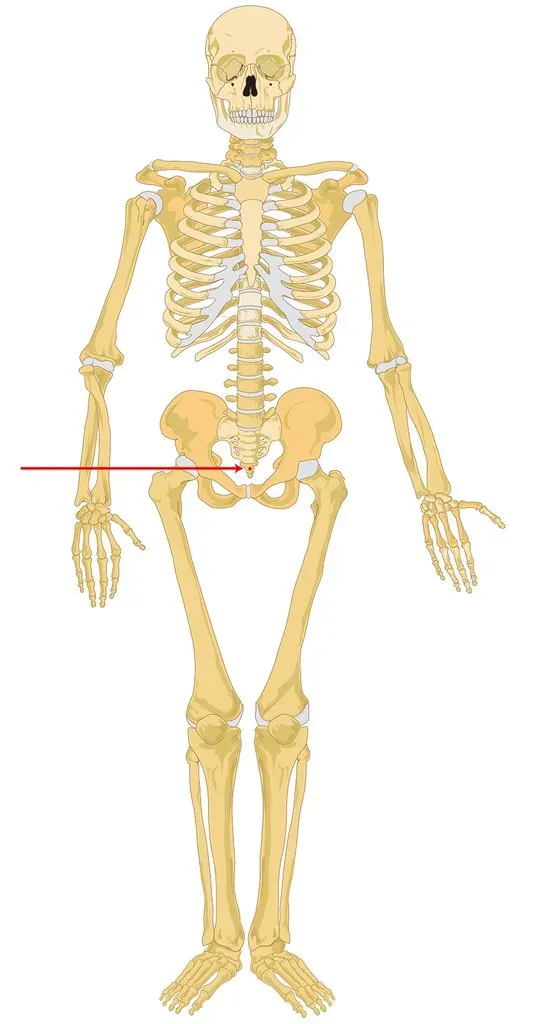
Humans are “tailless,” but our skeleton never fully got that memo. At the end of your spine sits the coccyx, a small cluster of fused vertebrae that are the vestigial remains of a tail. During early development in the womb, human embryos actually grow little tail‑like structures that later shrink and get absorbed into the body. Most of the time this process completes neatly, but the very existence of that fleeting tail phase exposes our evolutionary past.
The coccyx is not completely useless either; it serves as an anchor point for muscles, ligaments, and parts of the pelvic floor. Still, from an engineering standpoint, it’s a leftover, like finding an old connector in a car that used to hold a feature the new model no longer uses. Occasionally, rare births involving small tail‑like appendages remind us that evolution is not a clean slate rewrite but a layer‑on‑top renovation of old plans. That little stump at the base of your spine is the architectural scar of a tail your ancestors used to actually wave.
5. Human Birth Is Ridiculously Hard Because Our Brains Got Too Big
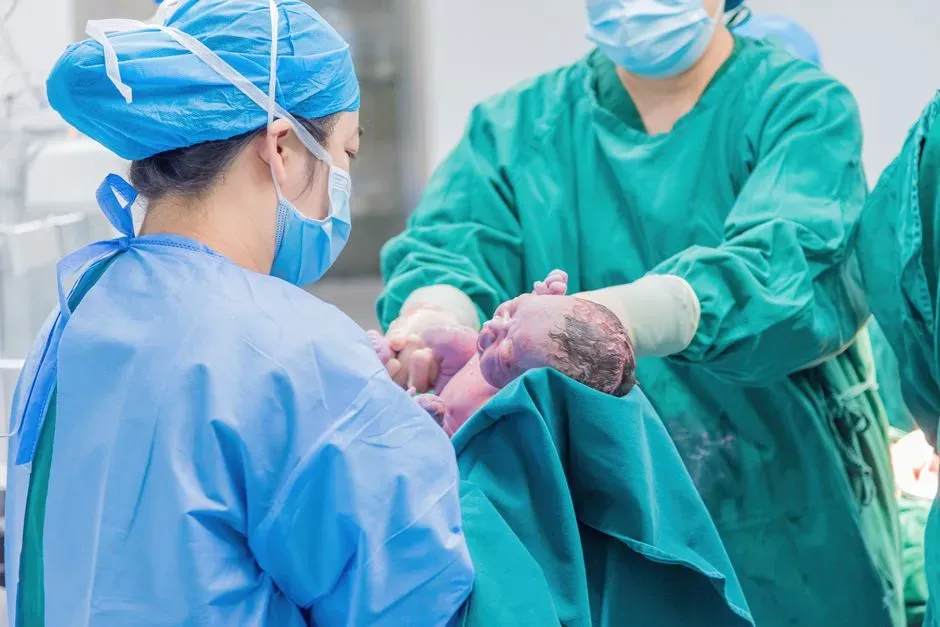
If evolution had a suggestion box, there would probably be a lot of complaints about human childbirth. Compared to many other mammals, giving birth as a human is unusually risky and painful, and that is largely because our species pushed two traits to their limits: big brains and upright walking. A large baby head needs room, but a pelvis optimized for walking and running narrows the available exit, setting up a literal evolutionary squeeze.
To cope, humans evolved a kind of compromise that still feels brutally imperfect. Human babies are born at a very early stage of development compared with many other animals, essentially arriving as fragile, highly dependent creatures whose brains will keep growing rapidly after birth. The birth process also involves the baby rotating through the birth canal in a complicated sequence rather than simply sliding out in a straight line. From one angle it looks like a badly solved design problem, but from another it shows how strongly natural selection favored both large brains and efficient movement, even at a high cost to childbirth.
6. Our Throats Are A Dangerous Hack That Lets Us Talk
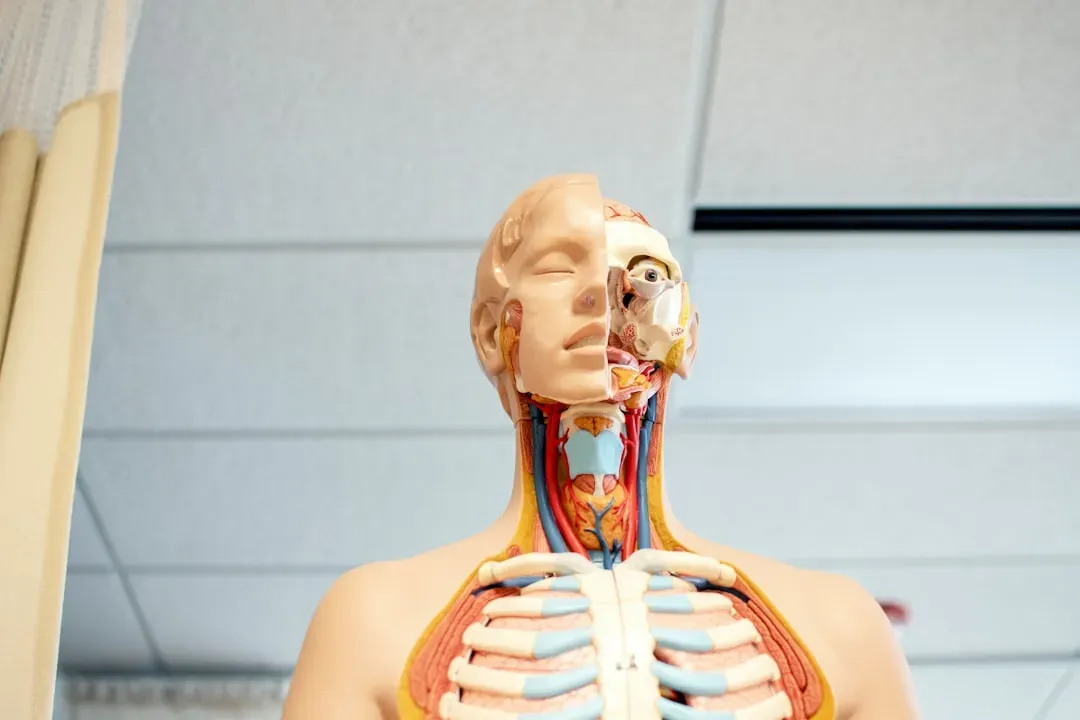
The fact that humans can choke to death on a piece of food is one of those realities that feels like a cruel oversight. What makes it even stranger is that this vulnerability is tightly linked to one of our defining abilities: speech. In humans, the larynx (voice box) sits lower in the throat than in many other mammals, which helps create a longer resonating chamber and allows for a wide variety of sounds. The price we pay is that the airway and food passage cross in a risky intersection.
Other animals have safer setups, where the airway is more separated from the swallowing pathway, making choking far less of an issue. Our arrangement is basically a high‑performance but fragile hack: great for nuanced, expressive language, not so great for eating in a hurry. You could argue that this trade‑off powered everything from poetry to legal contracts, at the cost of making dinner a potential life‑threatening event. For better or worse, the voice that lets us tell our story is built on a throat that will never win a safety award.
7. Culture Is Now Evolving Faster Than Our Genes
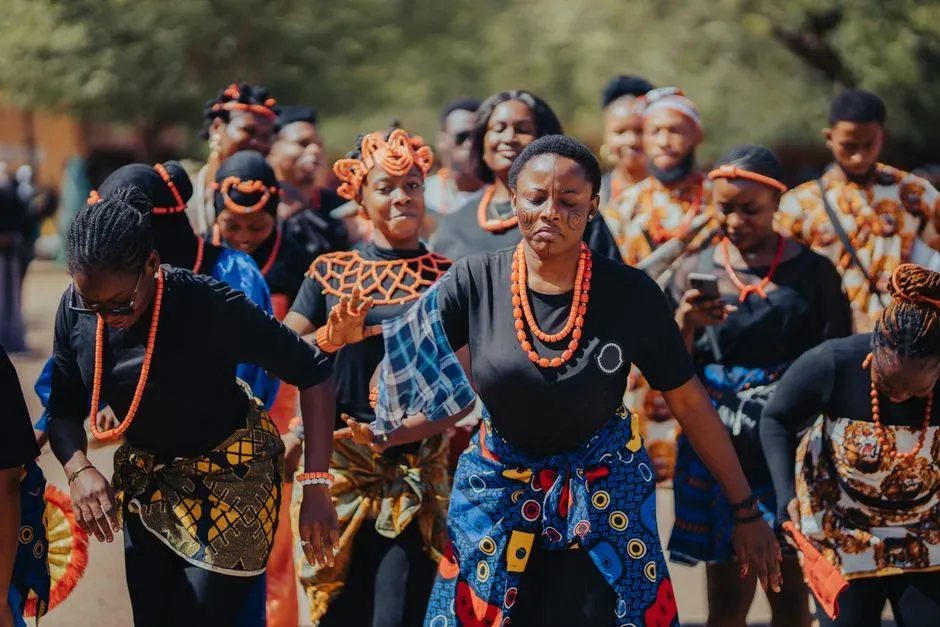
When people think “evolution,” they usually picture slow genetic change across huge stretches of time. What feels almost unbelievable is how, in humans, culture has become a kind of parallel evolutionary system that can move blindingly fast. Tools, languages, technologies, and social norms can transform within a few generations, reshaping how we live in ways that our DNA has not had time to catch up with. In a sense, our software keeps updating while the hardware is mostly stuck in the Stone Age.
This mismatch can be seen everywhere, from our cravings for calorie‑dense food in a world of supermarkets to our stress responses firing like we still live in small bands on the savanna. Yet the flip side is that culture lets us adapt to wildly different environments far more quickly than biology ever could. We do not need to evolve fur to live in cold regions; we invent coats and heaters. That cultural evolution is now so dominant that some researchers argue it may be the main driver of our future, for better or worse, regardless of what our genes are “optimized” for.
8. Evolution Never Stopped – Humans Are Still Changing Right Now
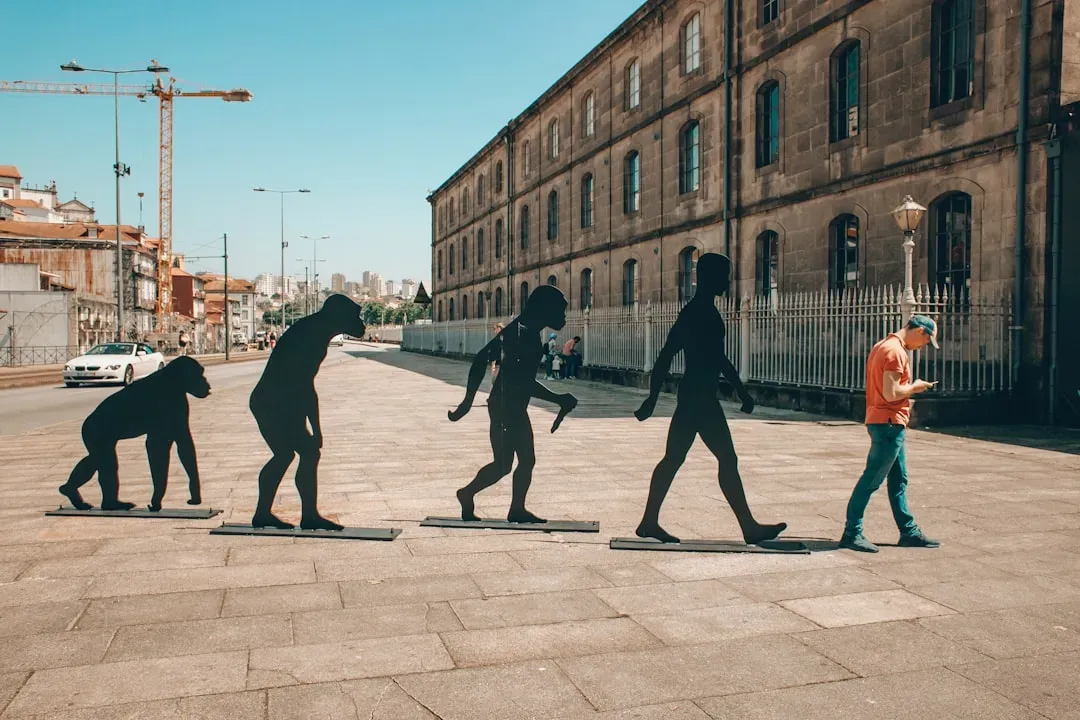
There is a stubborn myth that humans somehow stepped outside of evolution once we invented medicine or modern society. The reality is far stranger: natural selection never clocked out; it just changed its working conditions. Traits related to disease resistance, fertility, diet, and even high‑altitude living are still being shaped in living populations. In some groups, relatively recent genetic changes allow adults to digest lactose from milk, which would have been unusual for most of our ancestors.
Instead of saber‑toothed predators or ice ages, our selective pressures now include things like urban living, pollution, global travel, and medical technology. Some harmful genetic variants are being softened by treatment, while others that might have been neutral before could matter more in modern lifestyles. We do not know exactly what future humans will look like, but it is almost certain they will not be identical to us. The unnerving, exciting truth is that we are not the finished product of evolution – we are a snapshot of an ongoing experiment.
Conclusion: A Species Built On Improbable Edges
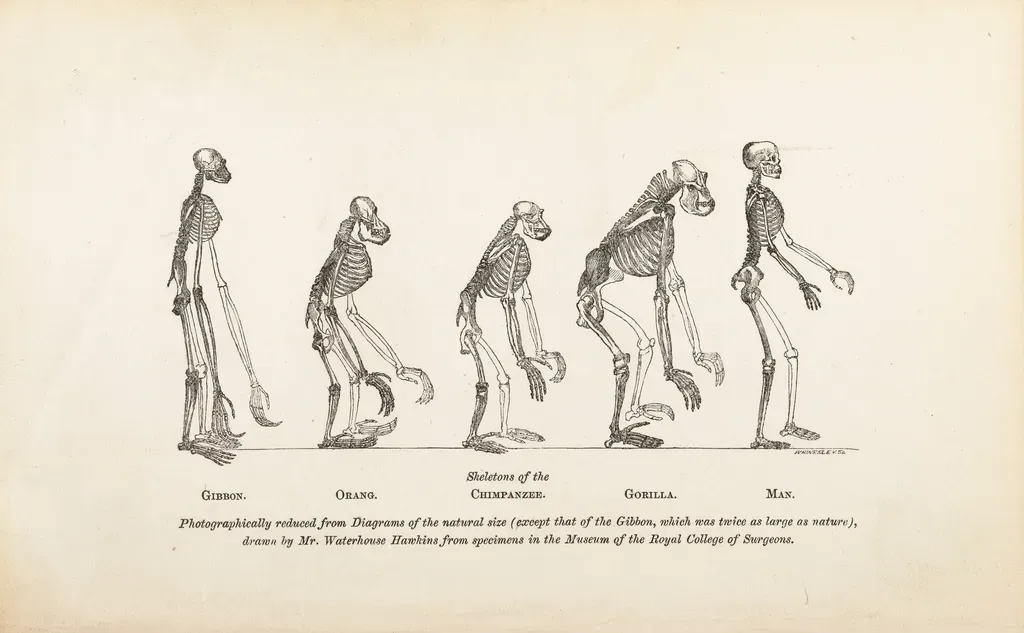
When you stack these facts side by side – a hybrid genetic past, near‑extinction bottlenecks, leftover tails, risky throats, and culture outrunning biology – the story of human evolution starts to look less like a smooth march of progress and more like a messy, improbable survival tale. Personally, that makes me feel oddly protective of our species; we are not the flawless pinnacle of anything, we are the result of countless lucky breaks and awkward compromises that happened to work well enough. The idea that we almost vanished, more than once, makes modern arguments about who is “superior” feel embarrassingly shallow.
If there is a lesson here, it is that our weirdness is not a bug – it is the defining feature of how we got this far. We are patched‑together primates with upgraded brains, downgraded fur, a half‑remembered tail, and cultural tools powerful enough to change the planet. That should inspire more humility and more responsibility than pride. The real question is what we choose to do next with this improbable inheritance – are we going to be the branch that finally breaks, or the one that figures out how to stop sawing through its own tree?