You probably picture fossil discoveries happening in remote deserts with teams of scientists, drones, and lab equipment. In reality, some of the most jaw-dropping finds in paleontology started with something far less glamorous: a flat tire, a dog walk, a bored kid poking around in the dirt. Ordinary people with no special degrees have literally changed what scientists know about life on Earth, just by paying attention to what was under their feet.
As you read these stories, you might realize that fossil hunting is not some distant, elite pursuit locked away in universities. It is surprisingly accessible, weirdly emotional, and occasionally dramatic enough for courtroom battles and museum spotlights. The wild part is this: the next big fossil might not be in a desert halfway across the world, but on a beach you visit on vacation or in a field you drive past every day. By the end, you may never look at a rock the same way again.
1. Stumbling on “Sue,” the Most Famous T. rex on Earth
Uploaded by FunkMonk, CC BY-SA 2.0)
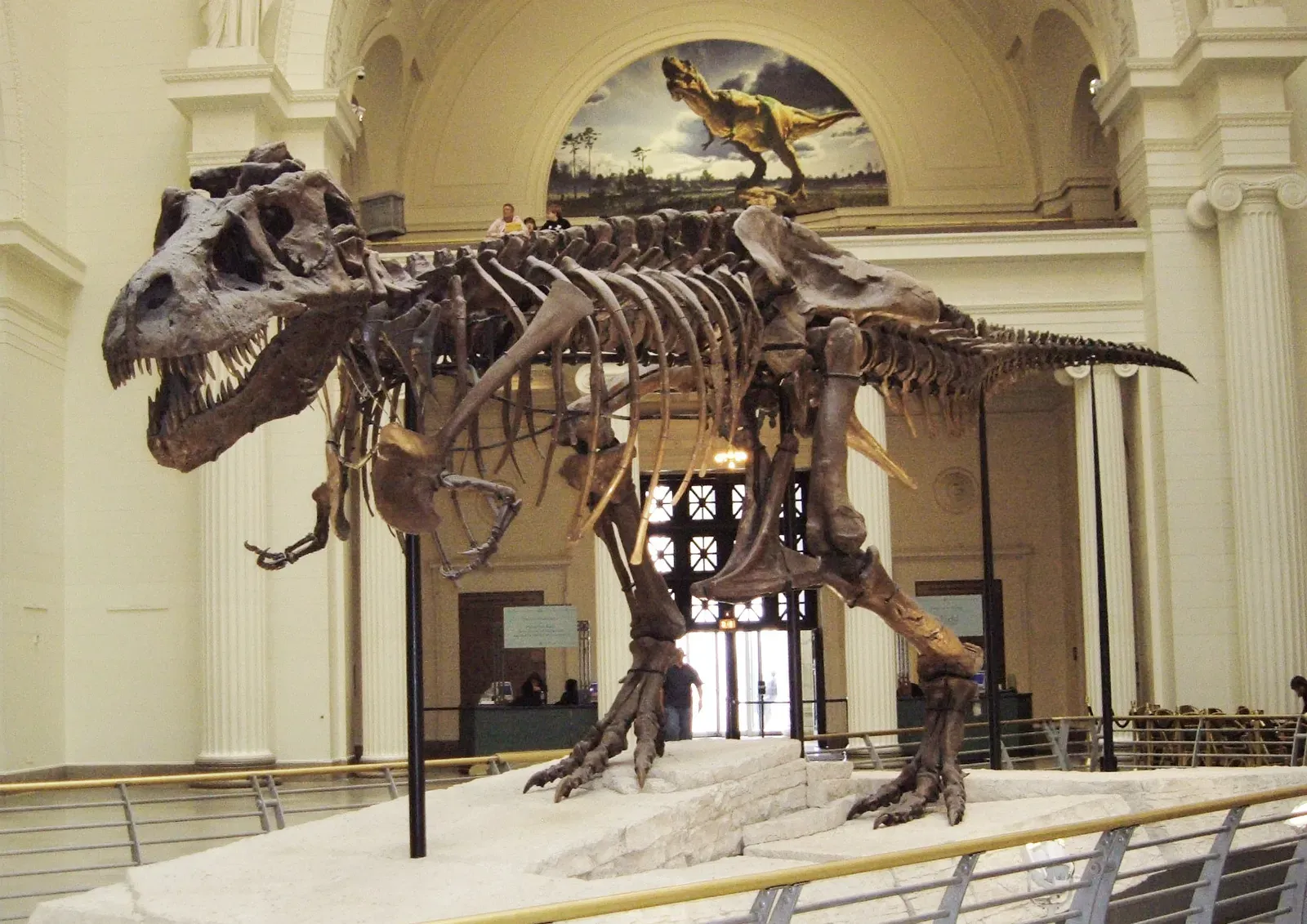
Imagine you are out in the hot August sun on a dusty ranch in South Dakota, your field season basically over, your team annoyed because your vehicle has a flat tire. While everyone else stays back dealing with the mess, you decide to wander over to a nearby cliff to pass the time. As you look up at the rock, you spot something sticking out that just does not look like the rest of the cliff: bone. Big bone.
That is essentially how you would have discovered “Sue,” the Tyrannosaurus rex that turned out to be one of the largest, most complete, and best-preserved T. rex skeletons ever found. You would not be a professor at a big-name university, just an experienced but still “amateur” fossil hunter working for a small commercial outfit. Your find would ignite years of legal battles over who actually owned the fossil, end up being auctioned for millions, and eventually become a star attraction at the Field Museum in Chicago. All from you deciding to wander off while somebody else changed a tire.
2. A Twelve-Year-Old on the Beach Helps Rewrite Prehistoric Oceans
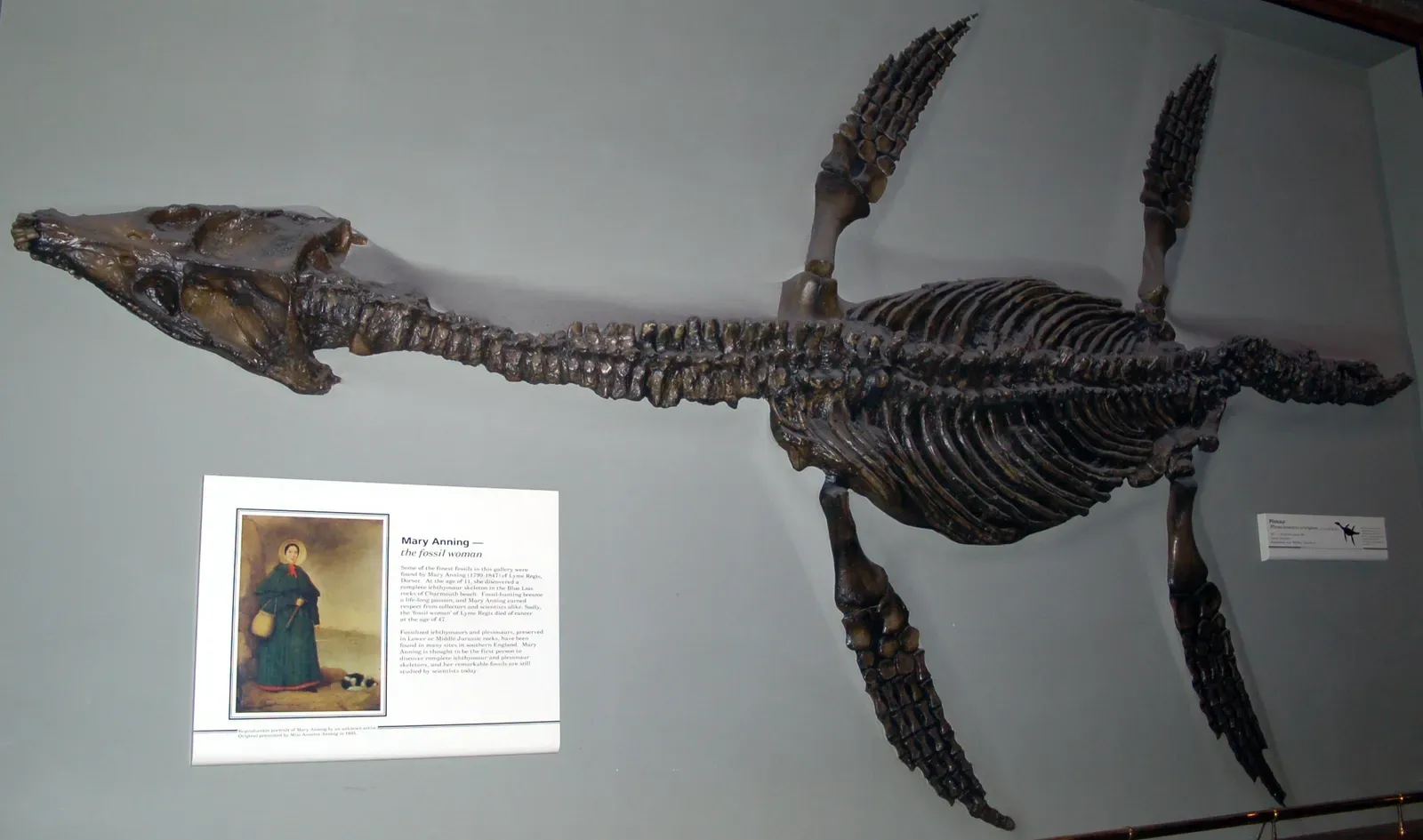
Now picture yourself as a child on a windswept English beach in the early nineteenth century, scanning the cliffs and stones not for selfies or shells, but for anything you might be able to sell to help your struggling family. You do not have formal schooling, you are not part of the scientific establishment, and you are definitely not taken seriously by the gentlemen who run the museums in London. But you know the rocks along the Jurassic Coast the way other kids know city streets.
While walking with your brother near Lyme Regis, you spot the outline of something huge emerging from the cliff. As you patiently chip it out and clean it up, you realize you are looking at the skeleton of an enormous marine reptile, later called an ichthyosaur. Over the years, you go on to uncover more spectacular fossils, including the first complete plesiosaur and Britain’s first pterosaur, all while still being treated as a curiosity rather than a colleague. If you were in her shoes, you would be Mary Anning: a working-class girl whose “hobby” changed how scientists imagined prehistoric seas, long before anyone wanted to put her name in the textbooks.
3. A Dog Walk in Somerset Turns Into a Jurassic Sea Monster
Uploaded by FunkMonk, CC BY-SA 2.0)
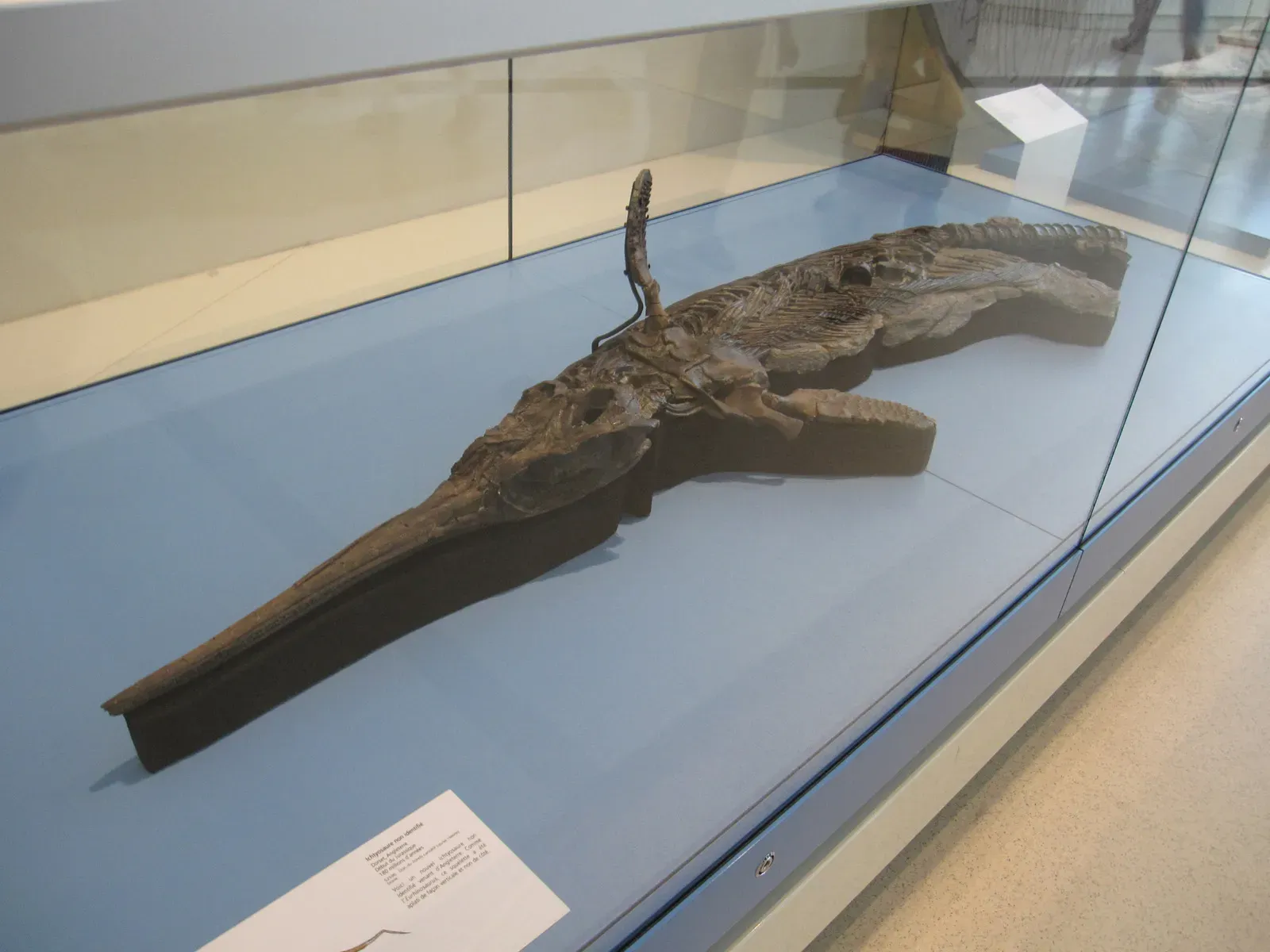
Fast forward to modern Britain. You are just out walking your dogs along a muddy beach in Somerset, not hunting for anything more exotic than a decent stick to throw. The weather is gray, the tide has been rough, and the shoreline is littered with chunks of rock and debris. Then you notice something half-buried that looks… off. The texture is different, the shape is too regular, and the rock has that smooth, bone-like look fossil hunters talk about.
You bend down, brush away some mud, and start to see the curve of a spine and ribs preserved in stone. At first you think it might be a random sea creature, but once experts have a look, it turns out you have stumbled onto an almost complete ichthyosaur from the early Jurassic, roughly two hundred million years old. One ordinary dog walk has suddenly turned you into the finder of a museum-worthy specimen that helps fill in the picture of marine life when dinosaurs were still getting started on land.
4. A Russian Kid Finds What Scientists Call a “Mammoth of the Century”
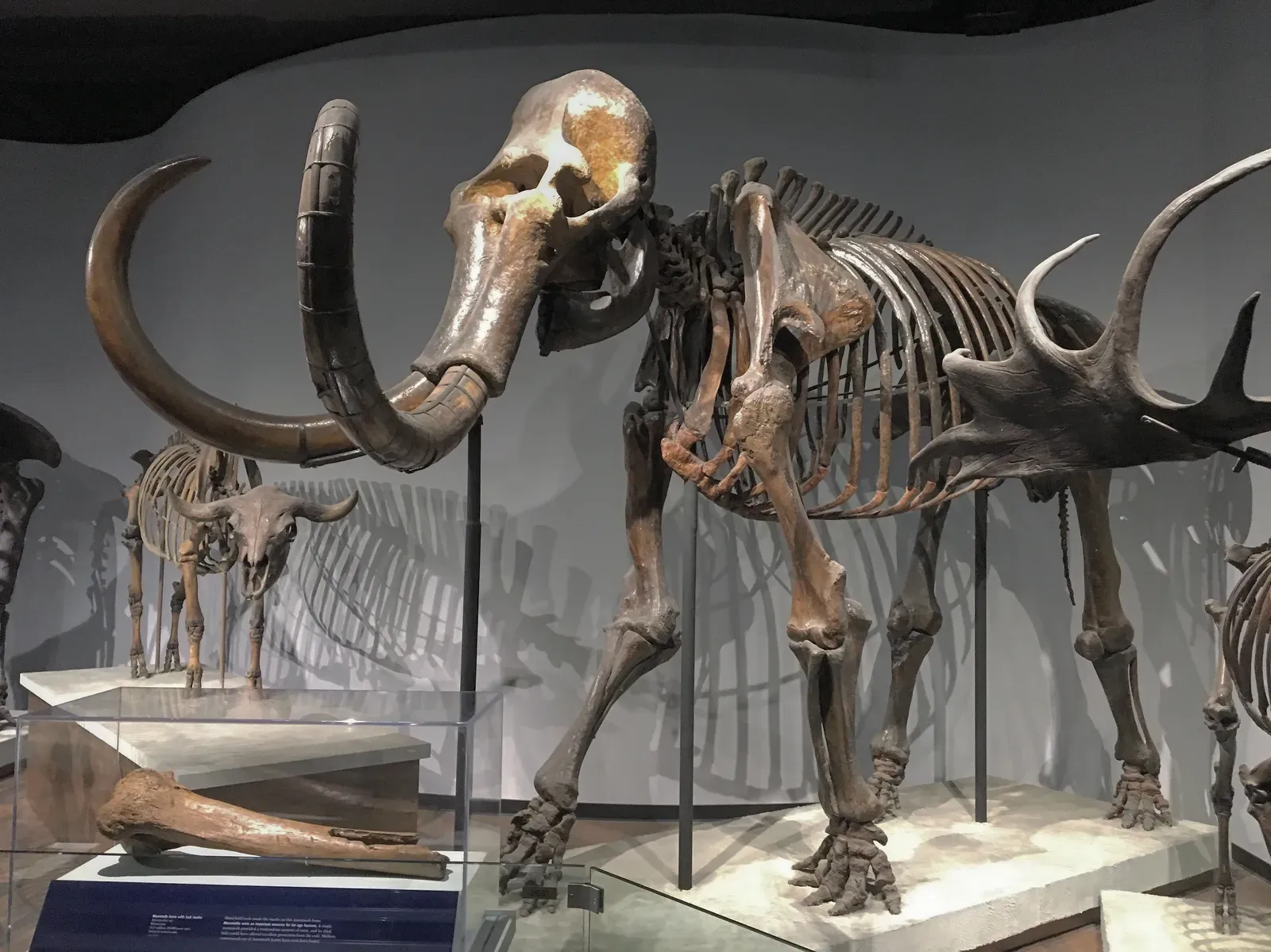
Now put yourself on the Arctic coast of northern Russia, where you are a child playing near the water in a place where thawing permafrost is constantly changing the landscape. To you, the shoreline is just part of everyday life, even if it looks brutal and otherworldly to outsiders. As the ground softens from warming temperatures, strange shapes appear in the mud and ice, and one day you come across something that looks like a large, hairy lump buried in frozen ground.
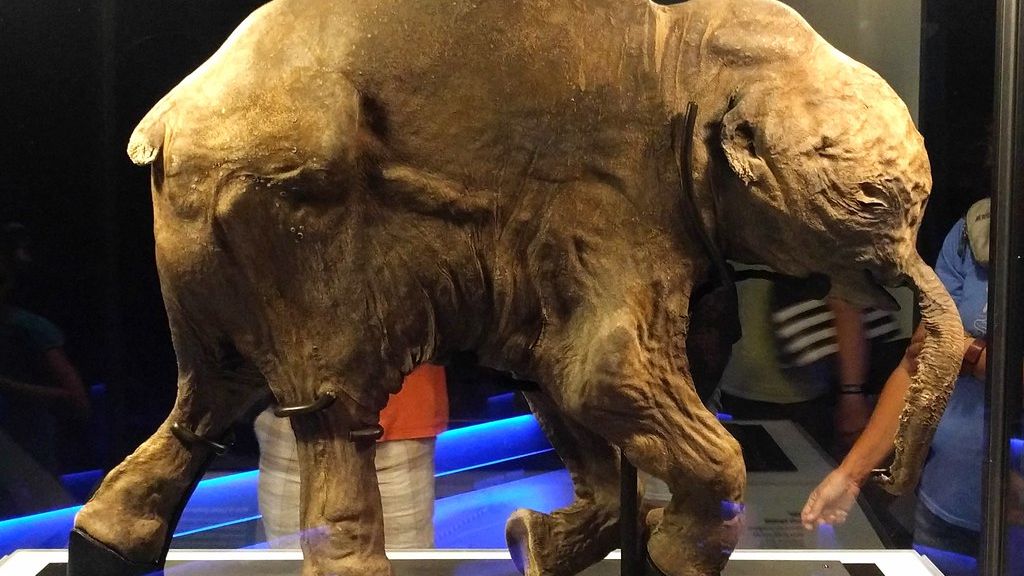
When adults and scientists finally examine it, they realize you have helped reveal an almost complete woolly mammoth, preserved in extraordinary condition for tens of thousands of years. They give the animal a nickname based on your own and rush to study its skin, muscles, and even internal organs before decay sets in. Thanks to your sharp eyes and curiosity, experts suddenly have a treasure trove of information about how mammoths grew, what they ate, and how they adapted to the Ice Age world, all from a “playtime” discovery on a bleak shoreline.
5. A Reindeer Herder Notices Something Strange in the Snow
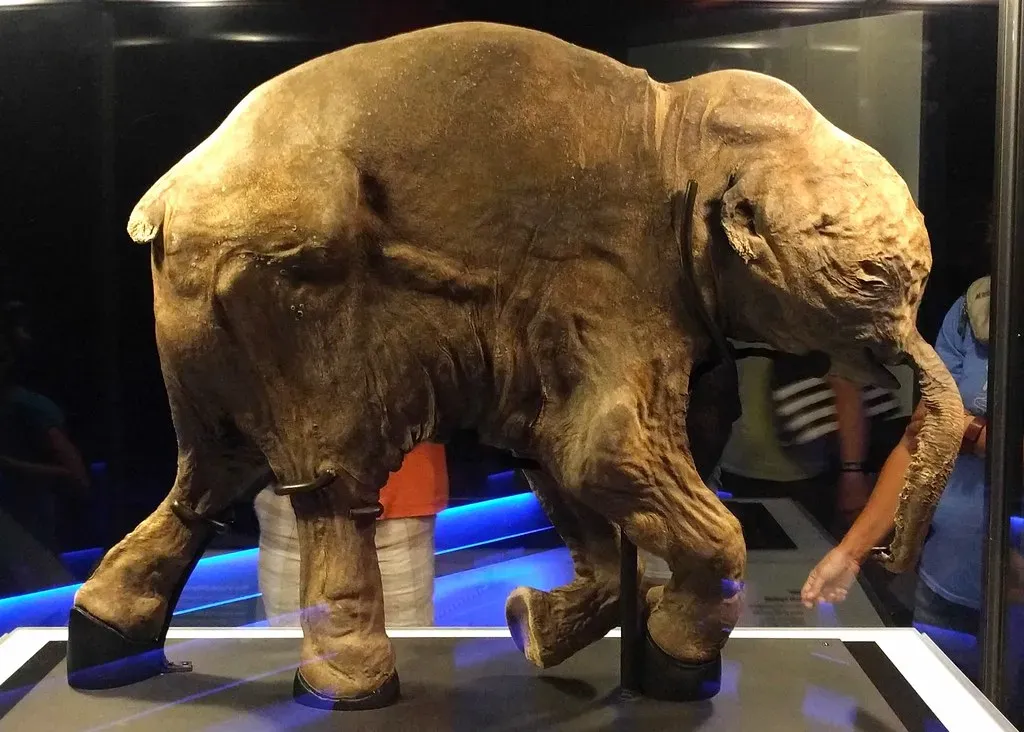
If you work as a reindeer herder in Siberia, you know the land in a way no satellite image ever will. You read the ice, the wind, the smells, and the shapes under the snow without thinking about it. One day, as you guide your animals across the tundra, you spot a small, pale shape along the edge of a riverbank where the permafrost has slumped. At first glance it looks like driftwood or ice, but there is something unsettling about it that makes you look twice.
When scientists are called in, they realize you have effectively saved one of the most perfectly preserved baby mammoths ever discovered, with skin, hair, and even the contents of its stomach intact. The animal turns out to be around forty thousand years old, yet so complete that it almost seems like it just lay down for a nap. Your local knowledge and quick recognition turn a random patch of melted ground into a time capsule, giving researchers a chance to analyze ancient milk, diet, and disease in a way they could only dream about before.
6. A Gold Miner in the Yukon Hits Something Older Than His Equipment
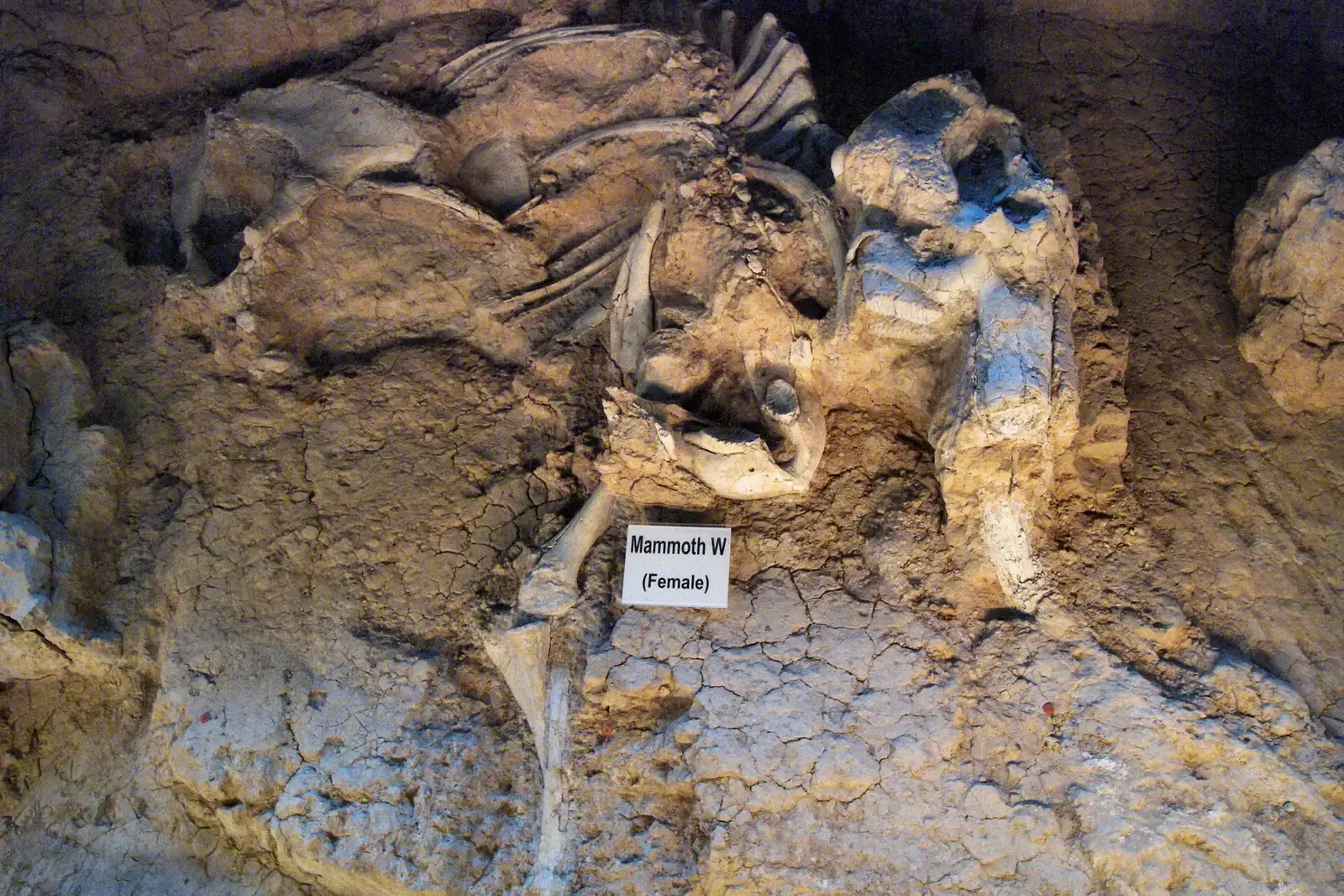
Now shift to the gold fields of Canada’s Yukon, where you are a miner thinking about ore grades and fuel costs, not Ice Age mysteries. You are operating heavy equipment, carving into permafrost that has not seen daylight in tens of thousands of years. To you, the ground is just stubborn, frozen material standing between you and the pay dirt you came for.
Then your machine scrapes against something that is not rock, and a strangely shaped, leathery form emerges from the thawing wall. When you stop and get a closer look, you realize you are staring at what appears to be a nearly complete baby mammoth, skin and all, preserved by the ice. Suddenly, your work site turns into an emergency scientific dig, and you find yourself part of a team documenting one of the best mammoth mummies ever found in North America. Your job that day was supposed to be about modern machinery and money, but you accidentally opened a frozen vault of prehistoric life.
7. A Curious Student Helps Uncover an Ancient Human Relative

Imagine you are a kid tagging along with a parent on a fossil-hunting trip in South Africa, not entirely sure why grown-ups are so obsessed with dusty rocks. You climb over boulders, poke at loose stones, and mostly just try to amuse yourself while the adults methodically check the cave deposits. You do not have a research grant, a formal title, or any idea that you might be on the verge of something historic.
While you are exploring near a cave opening, you notice a small piece of bone in a chunk of rock that looks just a bit too shaped to be random. When you show it to the adult leading the expedition, it turns into the first clue in a partial skeleton of an early hominin, a species that bridges important gaps in the human family tree. Your casual curiosity and willingness to poke at the landscape help spark a discovery that professional scientists had missed, reminding you that sometimes the most important eyes at a dig site are the ones not yet trained to look only in expected places.
8. Your Own Local Beach, Quarry, or Road Cut
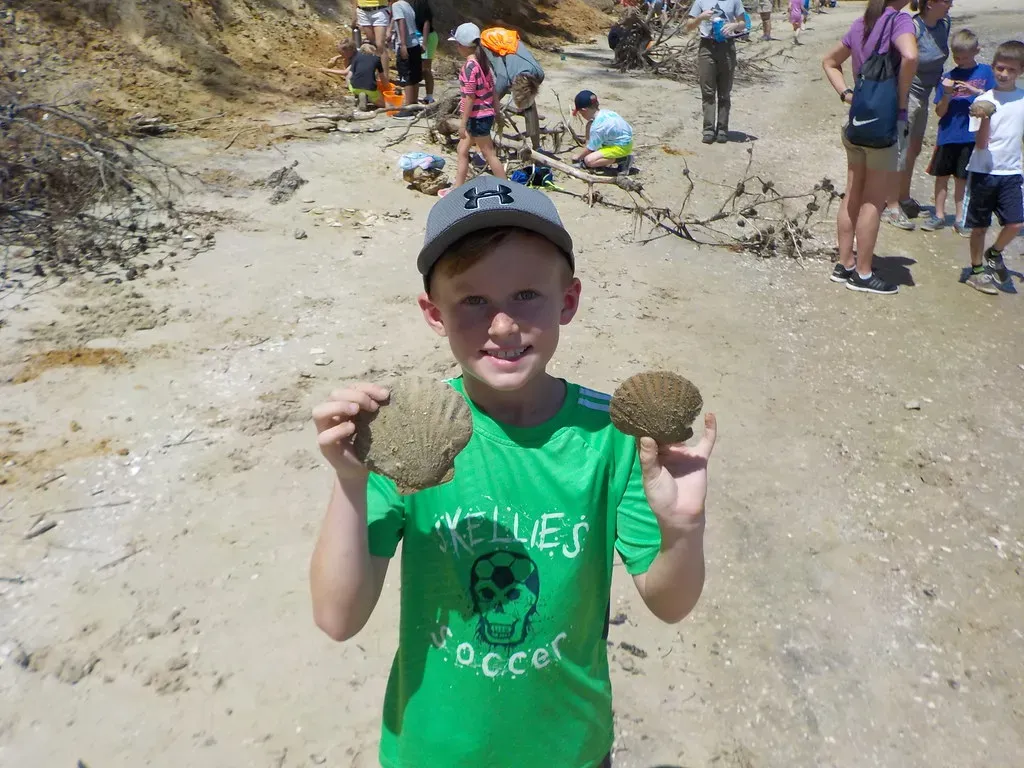
Here is the twist you might not expect: you do not have to travel to Siberia, South Dakota, or the Yukon to have a real shot at finding fossils. In many parts of the world, you can walk along a beach, a riverbank, or a road cut after a heavy rain and spot shells, plant imprints, or even bones locked in rock. If you learn what common fossils in your region look like and how the local geology works, you suddenly start seeing patterns everywhere that you once ignored as random stones.
Of course, you have to be smart about it. You check the rules about collecting, respect protected sites, and know when something is too important to keep to yourself and needs to be reported to a museum or local experts. With a bit of patience, a good guidebook or online community, and a willingness to get your hands dirty, you go from someone who only reads about fossil discoveries to someone who might actually make one. The difference is not a fancy degree; it is simply that you start looking with intention.
Conclusion: The Ground Under Your Feet Is Not Just Dirt
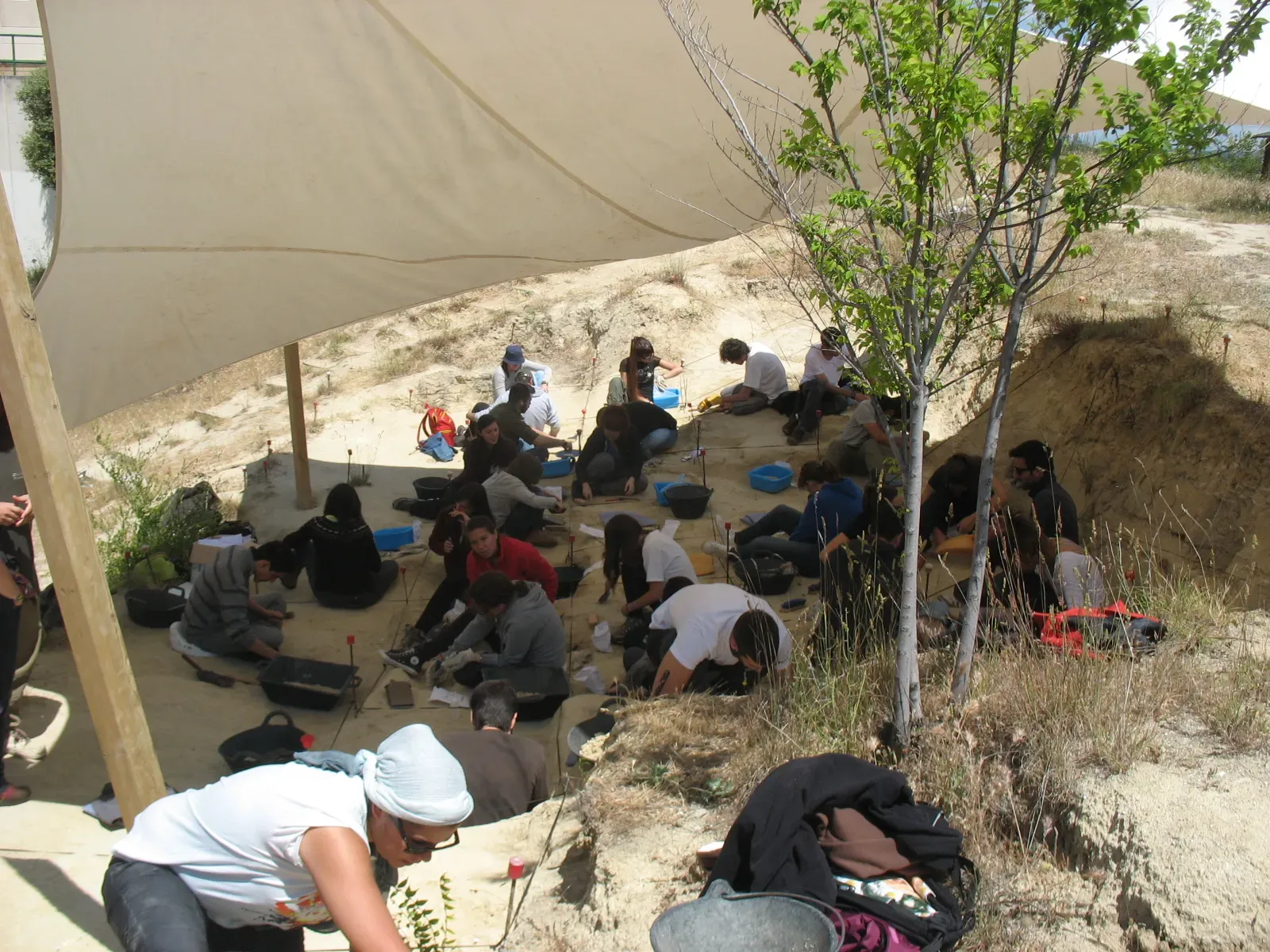
When you step back from all these stories, a pattern jumps out at you: none of these people planned to become legends of paleontology. They were kids, herders, miners, dog walkers, and self-taught collectors who happened to notice when something in the landscape did not quite fit. You can see how chance, curiosity, and persistence keep colliding in ways that change what scientists think they know about the past, from dinosaur bones to baby mammoths and early human relatives.
If you let that sink in, it quietly rewires the way you move through the world. Every rocky outcrop on a hike, every construction site cut, every crumbly cliff on a beach becomes a potential page in Earth’s history book that has not been turned yet. You do not have to believe that you will find the next world-famous fossil, but you can choose to look more closely, ask questions, and know what to do if you ever spot something extraordinary. So next time you are out walking, will you just step over the strange-looking rock – or will you stop and really see it?