Every so often you stumble on a historical fact that makes your brain stutter. The kind where you read it twice, do the mental math, and think: there’s no way those things happened that close together. Our timelines, it turns out, are a lot more tangled than the neat charts we saw in school. History does not move in slow, even steps. It lurches, overlaps, and folds in on itself in ways that feel almost unreal.
I still remember realizing that the last person who received a Civil War pension from the United States government died in the twenty‑first century, in a world of smartphones and streaming. It felt like someone had left a door open between centuries that were never supposed to touch. Once you start looking for moments like that, you see them everywhere: empires dying as technologies are born, ancient traditions overlapping with spaceflight, and people who somehow belong to two eras at once. Let’s walk through eight of those reality‑bending moments together – and see if they scramble your inner timeline as much as they did mine.
1. Woolly Mammoths Were Still Alive When the Pyramids Were Being Built
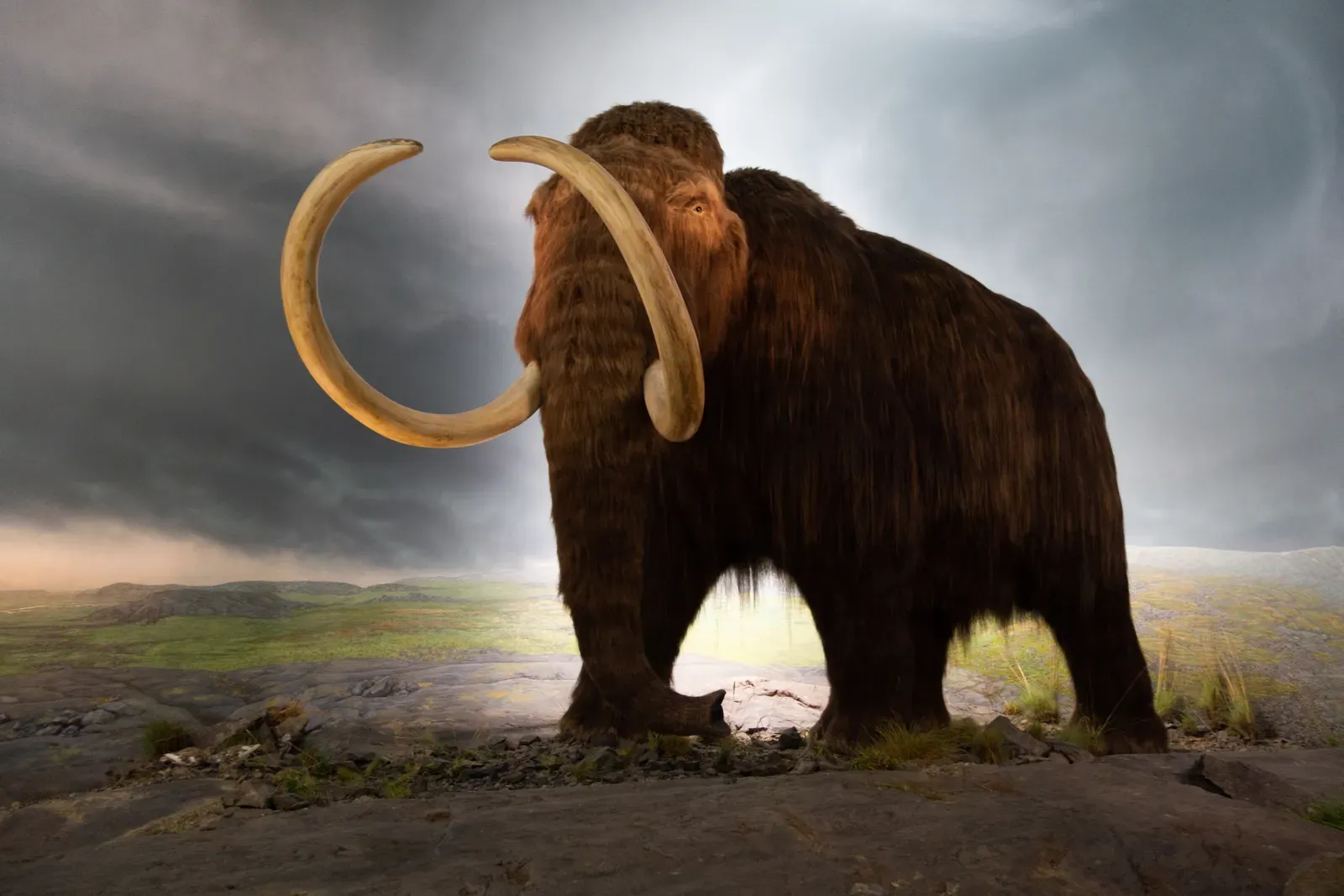
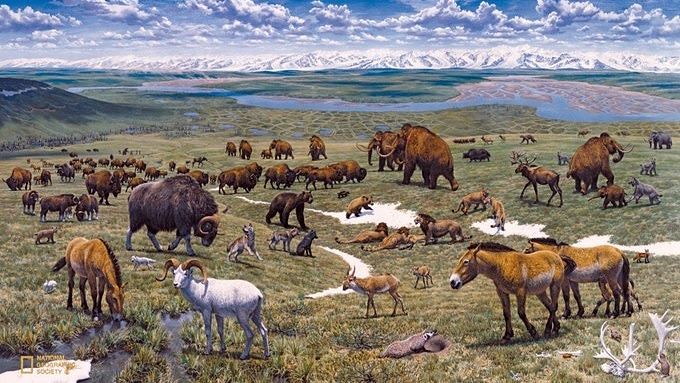
The classic childhood image is simple: mammoths belong to a distant, icy prehistory, and the pyramids are the beginning of “civilization.” But the timeline refuses to cooperate with that story. While the Great Pyramid of Giza was being constructed around forty‑five centuries ago, a small population of woolly mammoths was still lumbering around on Wrangel Island in the Arctic. These shaggy Ice Age survivors did not vanish in some unimaginably ancient past; they made it into what we usually think of as the age of pharaohs and stone monuments.
This overlap completely wrecks the instinctive ladder we build in our heads: first cavemen and mammoths, then pyramids, then Romans, then us. Instead, the world looked more like a patchwork quilt. In one region, people were quarrying huge limestone blocks with organized labor and complex religion; in another, an isolated island still hosted giant herbivores from a much older climate. It is almost like discovering that dinosaurs quietly survived on some remote island until the Renaissance – your brain wants those eras separated by a thick line, and nature simply refused to draw it.
2. The Last Known Widow of a U.S. Civil War Veteran Died in 2020
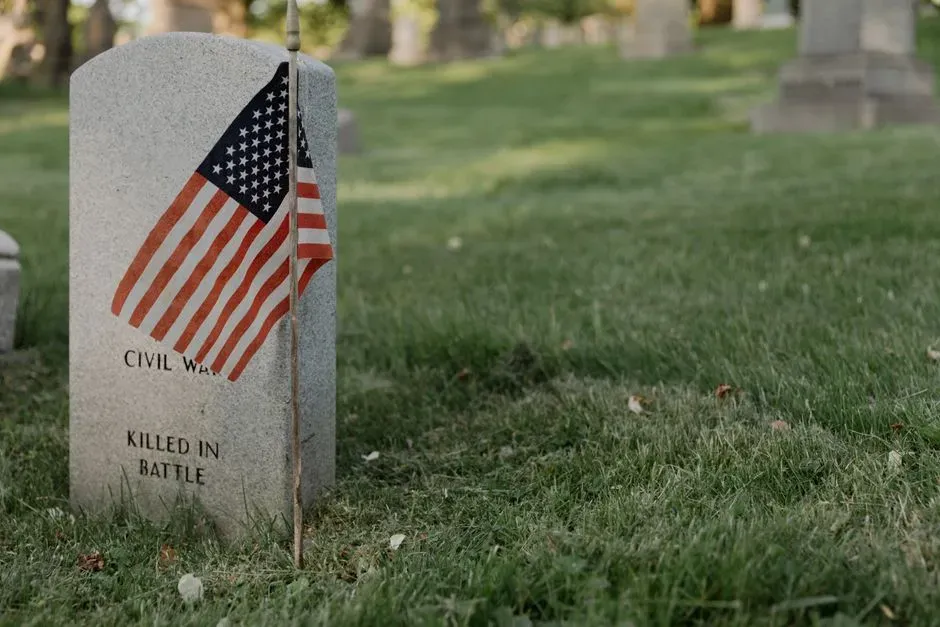
On paper, the American Civil War feels like sepia‑toned history: grainy photographs, heavy wool uniforms, and mustaches you only see in museums. Yet one human relationship stretched that war’s shadow all the way into the era of social media and electric cars. A young woman in the early twentieth century married an elderly Union veteran; over a century later, she died in 2020, having received a Civil War–linked pension for much of her life. Through that single marriage, living memory reached back to battles that happened when Abraham Lincoln was still alive.
That kind of connection breaks the illusion that historical eras are neatly boxed off and far away. It means that if you are in your thirties or forties today, you shared the planet – and the news cycle – with someone who had a direct, legal tie to a war fought with muskets and cannon. It shows how a single human lifespan can stitch together time the way a long‑running family story does, jumping from your grandparent’s childhood to your present in a single breath. When we say “a long time ago,” we usually underestimate just how stubbornly the past hangs on through people and institutions.
3. Oxford University Is Older Than the Aztec Empire
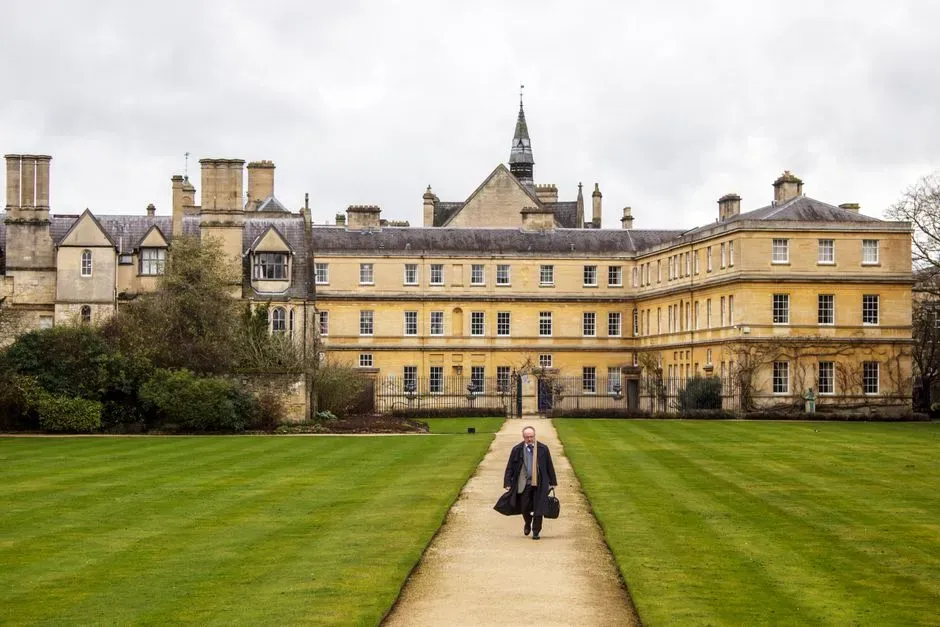
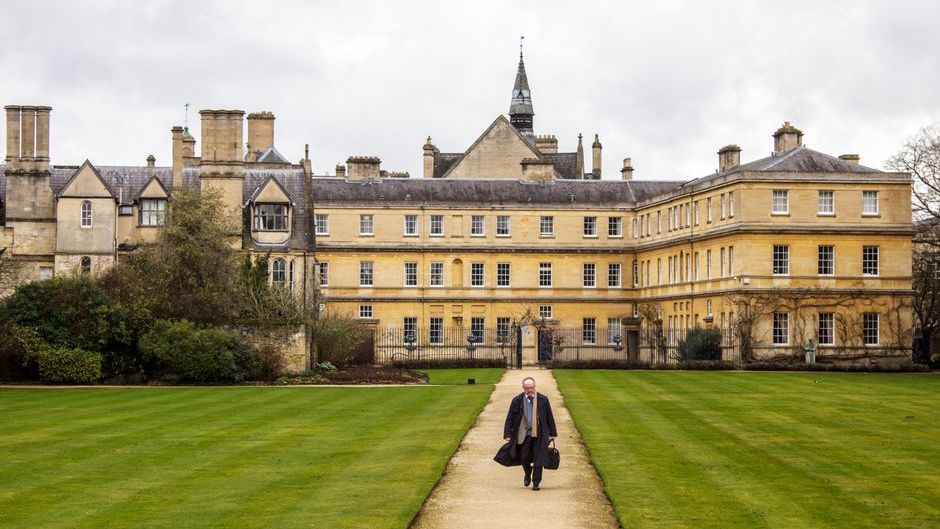
If you picture Oxford University, you probably see scholarly robes, old stone courtyards, and maybe a few Harry Potter scenes that were filmed there. It feels very old, but in a European, late‑medieval sort of way. Meanwhile, the Aztec Empire tends to live in our heads as part of a much older, “ancient” world of pyramids and rituals. The twist is that teaching was already happening at Oxford in the late eleventh and early twelfth centuries, whereas the Aztec imperial capital Tenochtitlan was not founded until the early fourteenth century. In other words, students were already arguing about theology in Oxford when the empire we call “ancient Aztec” had not yet been born.
This mismatch exposes how geography shapes our sense of time. Because Mesoamerican civilizations were conquered and violently disrupted, we tend to lump them together into a single ancient blur, while European institutions that survived get labeled as medieval or early modern. It feels bizarre to imagine a lecture at Oxford taking place hundreds of years before the high point of the Aztecs, but that is exactly what the dates imply. Our mental map of history is less a precise timeline and more like a distorted funhouse mirror, where proximity and power bend the apparent age of everything.
4. The First Fax Machine Predates the American Civil War
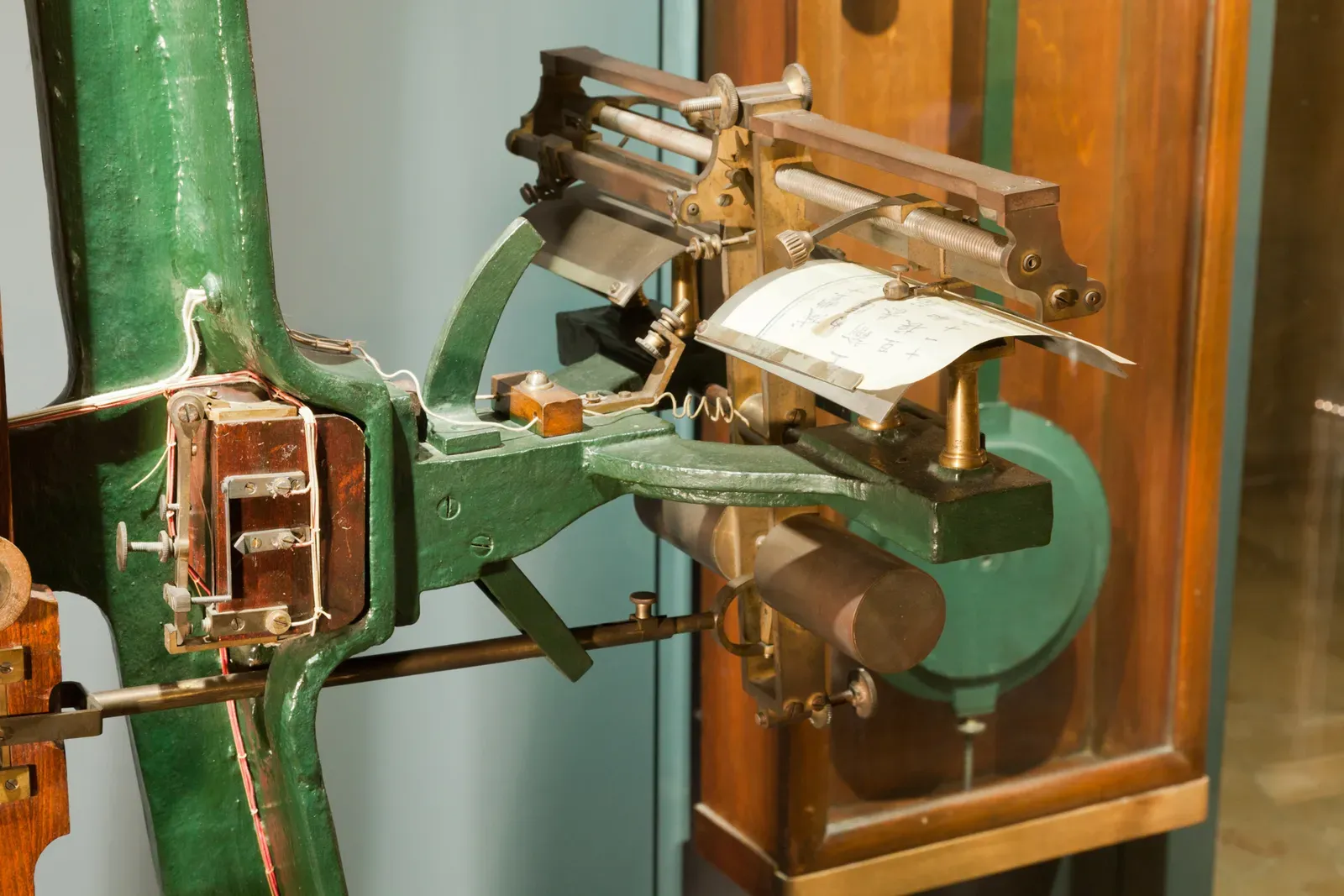
The word “fax” already sounds embarrassingly old‑school, like something from the 1980s sitting next to a beige landline phone. But the basic technology behind sending images over wires is astonishingly older than that stereotype. The first practical fax‑like devices were demonstrated in the mid‑nineteenth century, with systems that could transmit images via telegraph lines before the American Civil War had even broken out. At a time when many armies still relied on messengers on horseback, inventors were already tinkering with ways to send pictures across long distances electronically.
This realization shatters the simple story of progress we often carry: telegraph, then telephone, then radio, then television, then internet, then “fancy stuff like fax.” In reality, history is full of weird technological side quests that appear early, vanish or stall, and then reappear when the rest of society catches up. Fax technology was like a preview trailer for the information age shown to a world that was not quite ready to watch the full movie. It reminds us that being born in a given century does not limit what ideas can show up; they can arrive decades or even centuries earlier than the culture that will actually embrace them.
5. The Guillotine Was Still Used in France After the First Star Wars Film
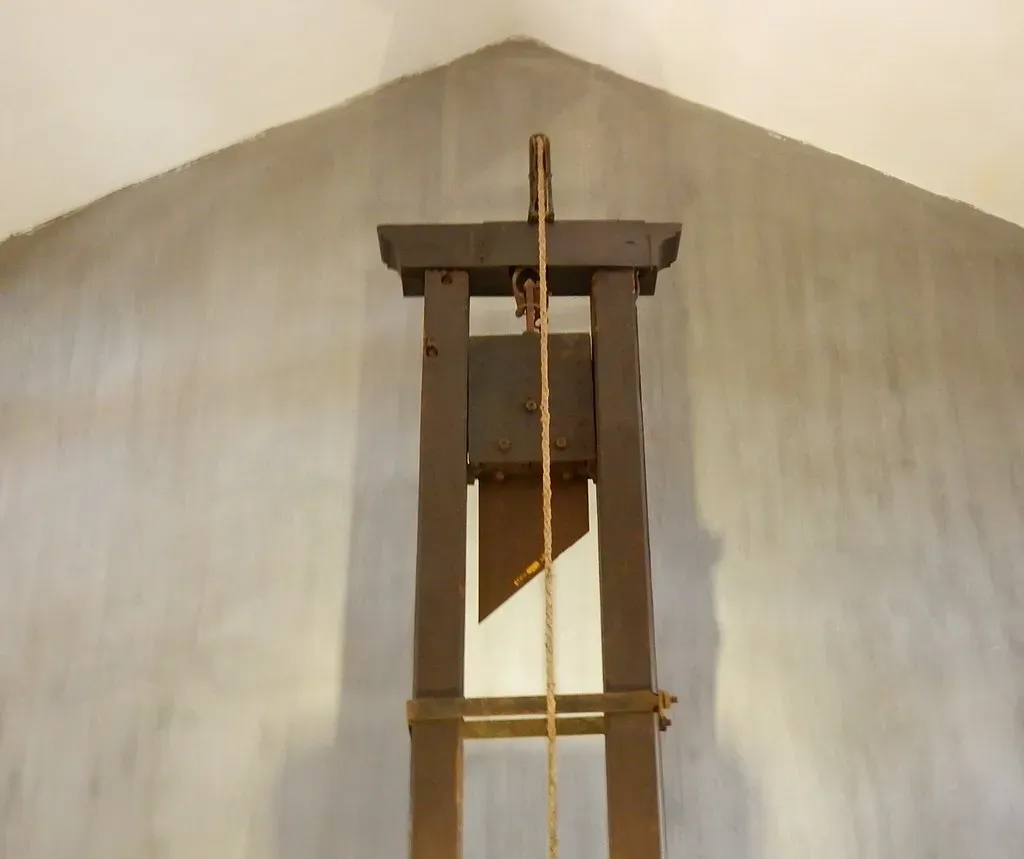
The guillotine lives in our cultural imagination as a symbol of grim eighteenth‑century revolution: tricorne hats, powdered wigs, and angry crowds. It feels firmly glued to the era of candles and quills. Yet France continued to use the guillotine as a legal method of execution well into the late twentieth century, and its final use came after the original Star Wars movie had already been released in theaters. People could watch a futuristic space opera on the big screen and then read in the paper about executions carried out with a device designed in the age of kings.
This overlap is jarring in a visceral way. You expect that certain technologies and punishments belong to the distant past, safely quarantined behind museum glass. Instead, they coexist with blockbusters, color television, and early video games. It forces you to confront how uneven moral and technological change really is. A society can be advanced enough to send probes into space while still using a method of execution that would not look out of place in a painting of the French Revolution, and that contradiction is a lot harder to shrug off once you see it laid out on the same timeline.
6. Cleopatra Lived Closer to the Moon Landing Than to the Building of the Great Pyramid
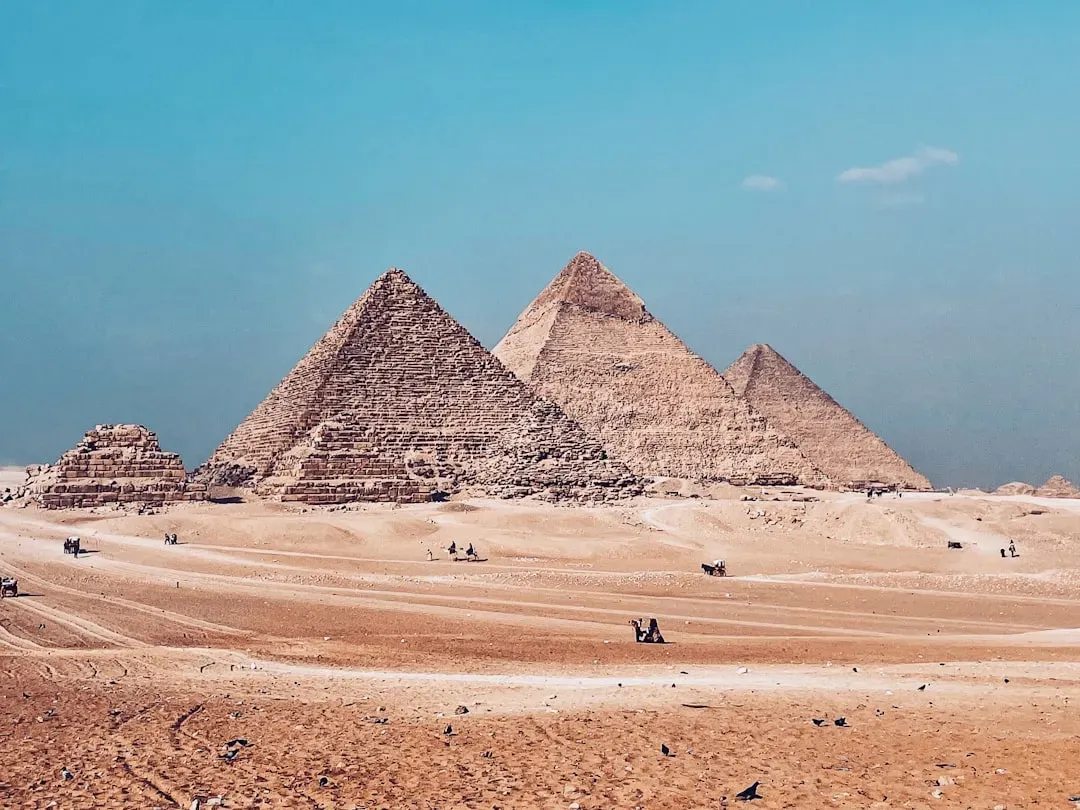
In popular imagination, Cleopatra floats in a timeless “ancient Egypt” where pharaohs, pyramids, and hieroglyphs all share the same glittering sand‑colored backdrop. The inconvenient truth is that Cleopatra ruled in the first century before the common era, while the Great Pyramid of Giza was completed more than two thousand years earlier. If you do the math, Cleopatra is actually closer in time to the Apollo moon landings than she is to the construction of the monument most people instinctively associate with her world. For her, the Great Pyramid was as old as some of our oldest surviving ruins feel to us.
This single fact snaps the idea of “ancient Egypt” into pieces. Instead of one long, continuous moment, you get a civilization that lasted so long it has its own internal “ancient history.” Cleopatra’s era had complex international politics, Greek cultural influences, and a long memory of dynasties that were already ancient to them. Thinking about it that way, the mental image of Cleopatra gazing at the pyramids becomes less a picture of a queen among freshly built tombs and more like a modern person visiting a monument from a civilization that vanished long, long before their grandparents were born.
There are trees alive today that quietly outlasted some of the most dramatic political upheavals of the last thousand years. Certain ancient trees, especially long‑lived species like bristlecone pines, have been standing on windswept mountain slopes since before empires we study in school ever existed. When you realize a living organism you could physically touch today began life before some medieval states were even founded, it pulls the rug out from under your sense of human importance. Our great battles and treaties compress into tiny chapters in the life story of a single tree.
I remember standing once in front of a very old oak and thinking how many human arguments, love stories, and disasters must have come and gone while it did nothing more dramatic than grow another ring. It shifts your sense of time from a human‑centered clock to something more patient and alien. Instead of history being a parade of rulers and inventions, it becomes a brief weather pattern passing over something that measures life in slow, woody centuries. In that light, your own lifetime feels at once smaller and more precious, like one short, bright line on an incredibly long canvas.
8. The Internet Is Younger Than Many of the People Who Run the World
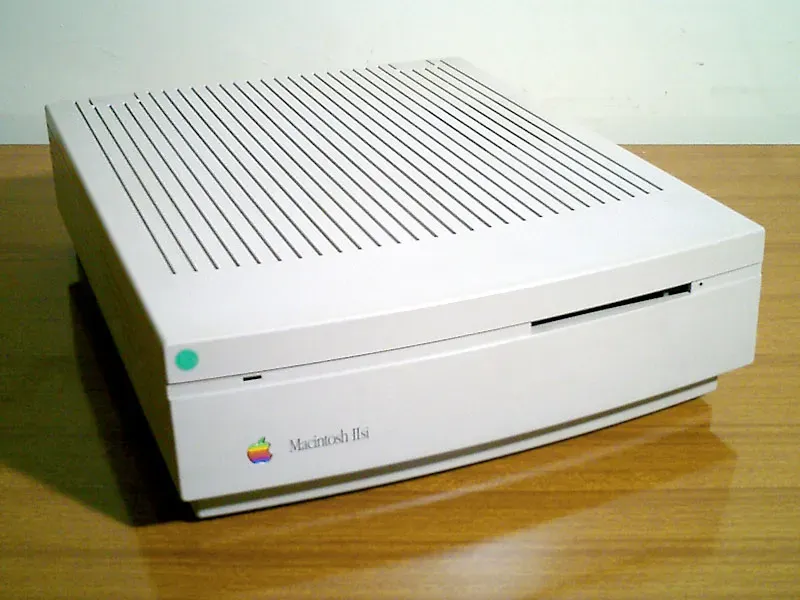
Because we swim in the internet every day, it is easy to forget how recently this digital ocean was poured into existence. In its modern, public form, the web only really took off in the 1990s, which means that a huge slice of the global population grew up, got educated, and started careers in a world where it did not exist at all. Many of the leaders making decisions about data, privacy, and online life spent their childhoods without email, search engines, or social media. In their formative years, “going online” was not even an option.
This fact scrambles our sense of what is “normal.” For younger generations, having a smartphone and constant connectivity feels as basic as indoor plumbing, while for older ones it is a gigantic, sometimes unsettling shift that arrived midway through life. You end up with laws, institutions, and habits that were designed for a slower, paper‑based society trying to govern an always‑on world that updates in milliseconds. The idea that something so young structurally underpins our work, relationships, and politics is a reminder that we are living not in a stable “future,” but in a messy transition whose rules are still being argued over in real time.
Conclusion: History Is Not a Straight Line, It’s a Pileup
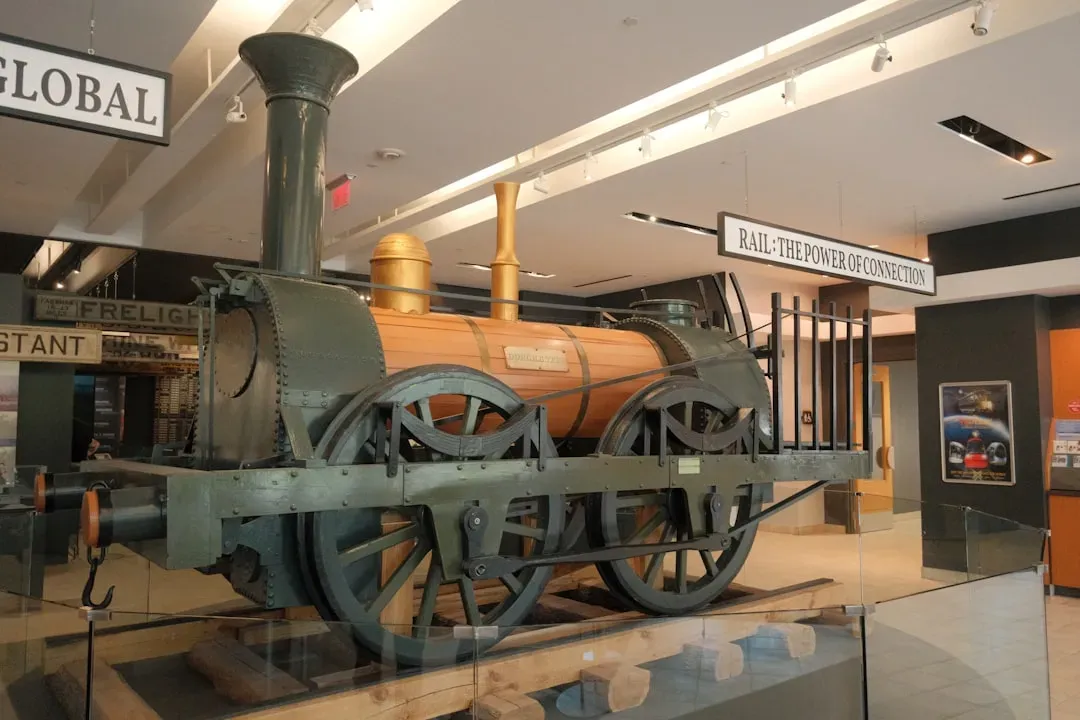
When you stack these moments together – mammoths outliving pharaohs, Civil War pensions paid in the streaming era, medieval universities older than so‑called ancient empires – the comforting diagram of history as a straight arrow falls apart. What you get instead is a chaotic pileup of overlapping eras, where old technologies linger, new ideas arrive early, and people bridge chasms of time just by staying alive long enough. Personally, I find that both unsettling and oddly comforting. It means the world has always been a mix of outdated and futuristic, brutal and progressive, ancient and newborn all at once.
My own opinion is that we underestimate how weird our own moment will look from the future. Someone a few centuries from now may gasp at how close our medical breakthroughs were to our clumsy early experiments with social media, or how we were still burning fossil fuels in an age of dazzling digital tools. If history refuses to line up neatly behind us, there is no reason to expect it will start behaving now. The real question is not whether the past breaks your sense of time, but what strange juxtapositions of your daily life will shock someone reading about you a few hundred years from today. What do you think they will find hardest to believe?