Prehistory is full of ideas that once sounded so ridiculous, they got their discoverers mocked, sidelined, or quietly ignored. Then the fossils, rocks, and data piled up, and suddenly those same “crazy” ideas turned into chapter one of the textbook. There’s something oddly satisfying about that turnabout, like watching the quiet kid from school end up running the company.
What follows are eight prehistoric facts that felt almost offensive to common sense when they were first proposed. They rewrite what it means to be a dinosaur, a mammal, or even a planet that can freeze over like a glass marble. Some of these ideas took decades to be taken seriously. A few ruined careers at first. Today, they’re so basic that students learn them in their first geology or paleontology course. Let’s walk through them and, along the way, challenge our own sense of what sounds “too weird to be true.”
1. Dinosaurs Did Not All Die Out – Birds Are Dinosaurs
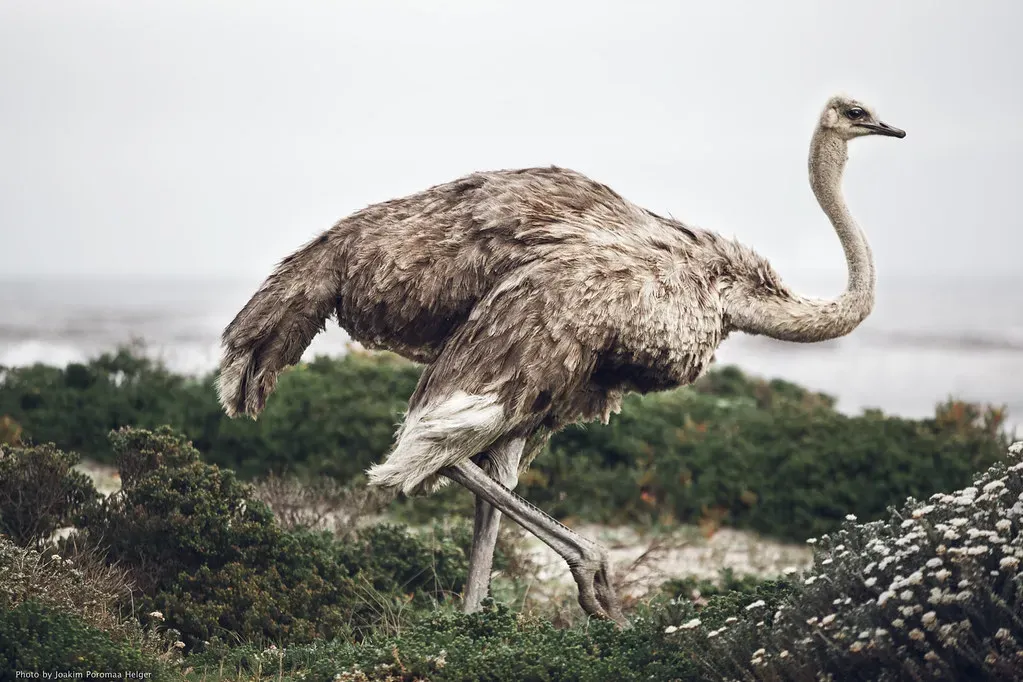
The claim that sparrows and pigeons are living dinosaurs once landed like a bad joke. For a long time, dinosaurs were imagined as failures: lumbering, cold-blooded reptiles that went extinct in some vague catastrophe, end of story. The idea that the chick pecking at your sandwich is more closely related to Tyrannosaurus than to a lizard sounded almost insulting to common sense.
But as fossils accumulated, especially feathered dinosaurs from China, the pattern became impossible to ignore. Features like wishbones, three-toed feet, hollow bones, and even sleeping postures tied birds tightly to theropod dinosaurs. Today, paleontologists literally define birds as avian dinosaurs and everything like Velociraptor and T. rex as non-avian dinosaurs. So when someone says dinosaurs are extinct, the scientifically accurate response is a polite no, they’re swarming the skies, nesting in your backyard, and stealing your fries at the beach.
2. Mammals Lived Through the Dinosaur Era – And Were Not Just Tiny, Pathetic Mousies
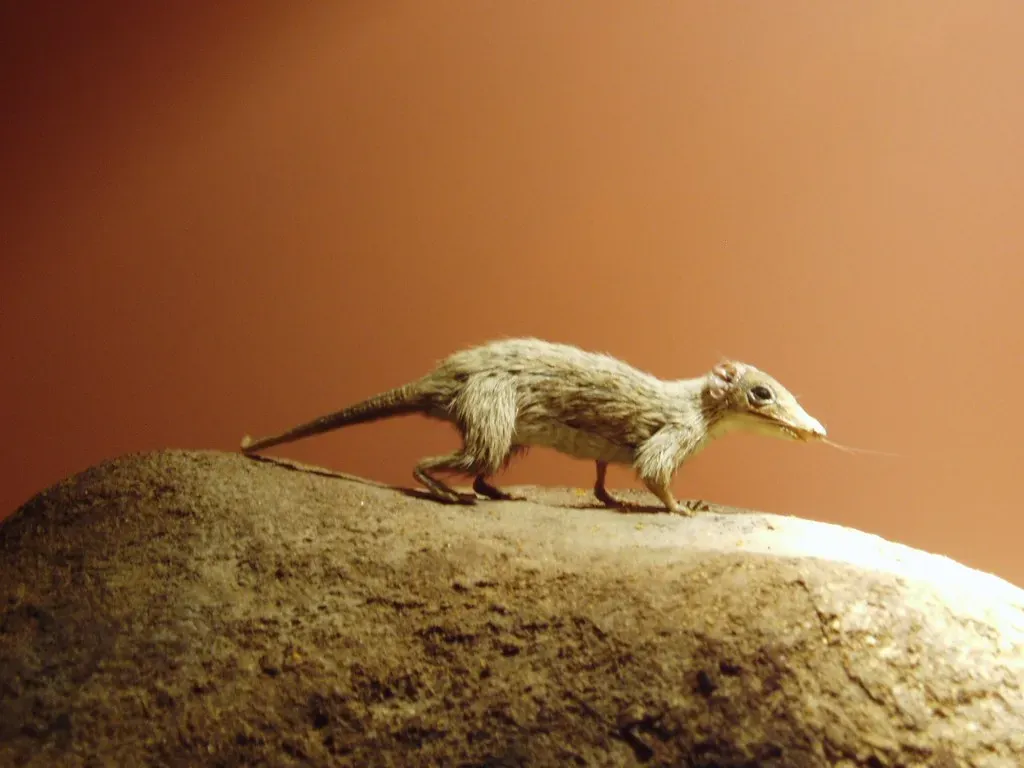
For much of the twentieth century, the standard story was simple: when dinosaurs ruled the Earth, mammals cowered in the shadows as tiny, shrew-like creatures, waiting for the asteroid to finally give them a chance. The notion that some Mesozoic mammals were ecologically bold – gliding, burrowing, even preying on small dinosaurs – felt way too dramatic for many researchers at first. It clashed with the tidy “dinosaurs first, then mammals” ladder that people found comfort in.
New fossils blew that hierarchy apart. Paleontologists began to uncover mammals with complex teeth, powerful jaws, and surprisingly diverse body plans living right alongside the dinosaurs. Some were specialized insect-eaters, some were semi-aquatic, and others had digging claws or gliding membranes like flying squirrels. The modern view is far richer: mammals did not suddenly burst onto the scene after the extinction; they had a long, inventive prehistory, quietly experimenting in the shadows of the giants. The asteroid cleared space, but the seeds of mammalian success were already there.
3. Giant Continental Ice Sheets Once Reached the Tropics – The Snowball Earth Hypothesis
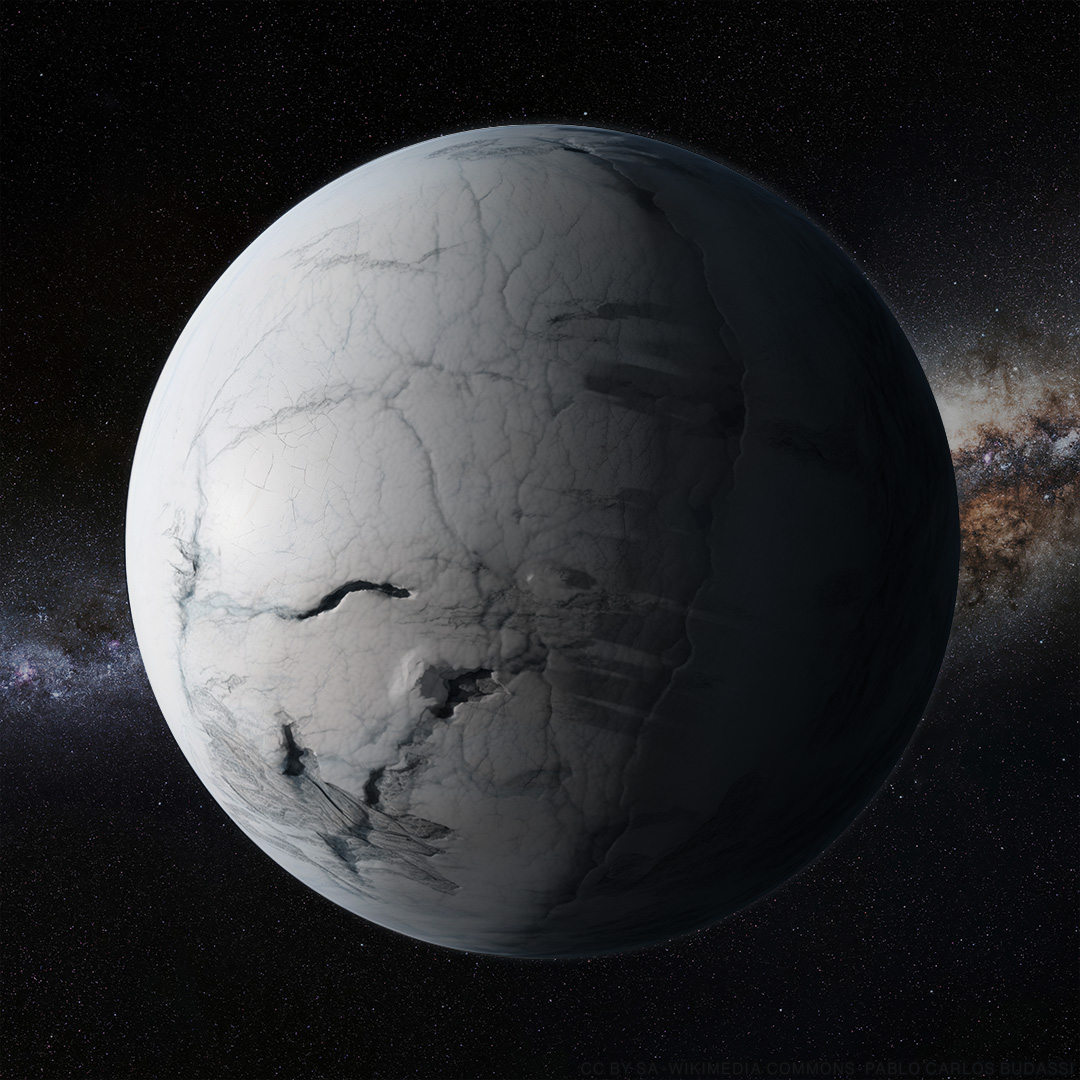
When geologists first suggested that, hundreds of millions of years ago, ice covered almost the entire planet – even near the equator – many colleagues practically rolled their eyes. A fully or nearly frozen Earth, oceans capped with ice, continents locked under glaciers in the tropics? It sounded more like science fiction than a reasonable interpretation of rock layers. For a planet bathed in sunlight, “Snowball Earth” felt wildly counterintuitive.
Yet evidence kept cropping up: glacial deposits found in rocks that clearly formed near ancient tropical latitudes, unusual carbon isotope patterns that hinted at extreme climate shifts, and layers of rocks that look like they formed from melting ice on a global scale. A more nuanced view, often called “Slushball Earth,” suggests that some open water likely remained, but the core idea stands: Earth’s climate once veered into an almost unimaginably frozen state. Now this concept is foundational when scientists talk about climate stability, runaway feedbacks, and how life survived through some of the harshest conditions the planet has ever seen.
4. Mass Extinctions Can Be Triggered by a Single Catastrophic Impact
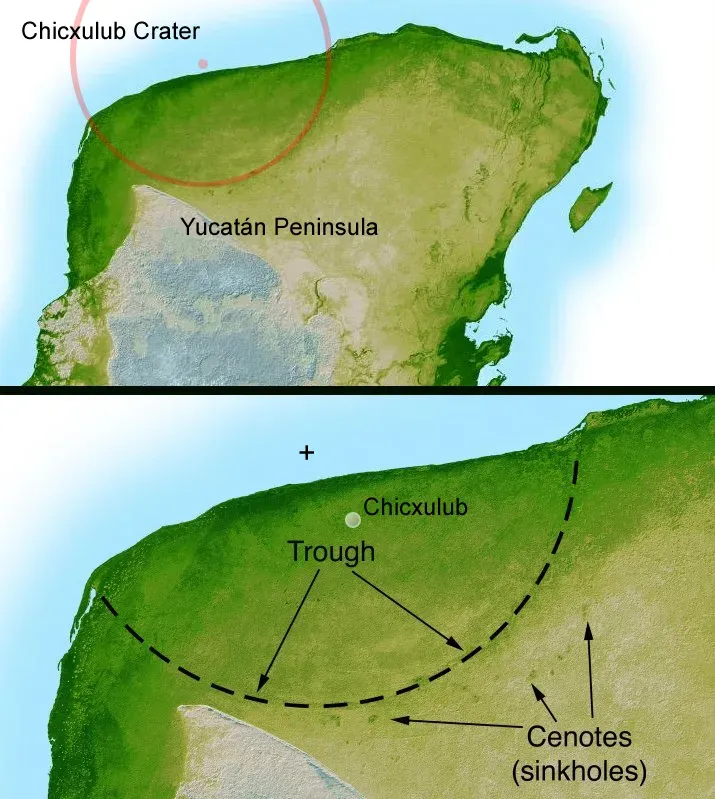
Before the late twentieth century, most geologists were trained to think in slow, steady changes – mountains rise, seas retreat, species gradually shift. The idea that an asteroid impact could, in a geological instant, wipe out a huge chunk of life on Earth, including the non-avian dinosaurs, felt uncomfortably dramatic. It sounded a bit like blaming a Hollywood-style explosion, not a sober, gradualist process, for a major turning point in evolution.
Then came the evidence: a global layer rich in iridium (a metal more common in meteorites), shocked minerals formed in high-energy impacts, and finally the discovery of a massive impact crater buried under the Yucatán Peninsula. At first, some researchers openly dismissed the impact hypothesis, arguing for purely volcanic or environmental explanations. Today, the asteroid impact at the end of the Cretaceous is one of the most studied events in Earth history, taught as a prime example of how catastrophic events and gradual processes both shape the tree of life. The shock is no longer that an asteroid ended the dinosaurs’ reign, but that we once thought something so sharp and sudden was impossible.
5. Plate Tectonics: Continents Actually Drift Across the Globe
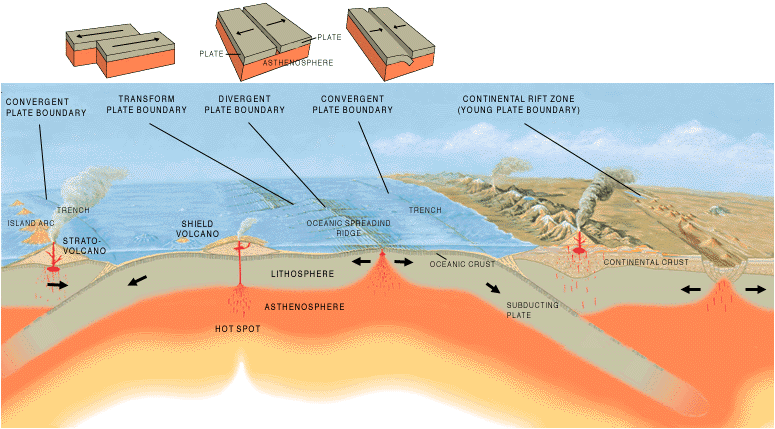
When Alfred Wegener first proposed that continents move, many experts basically laughed him off the stage. The early twentieth century view was that continents and ocean basins were fixed, immovable features. The idea that South America and Africa were once joined and then literally drifted apart was labeled outrageous, almost childish. Colleagues mocked the lack of a plausible mechanism, turning “continental drift” into a scientific punchline for decades.
Over time, the seafloor itself provided the missing evidence. Paleomagnetic patterns recorded in ocean crust, mid-ocean ridges where new crust forms, and subduction zones where old crust sinks back into the mantle revealed a dynamic, restless planet. By the late 1960s, plate tectonics had gone from fringe idea to unifying theory, explaining earthquakes, volcanoes, mountain ranges, and even the distribution of fossils. Today, students learn it as the backbone of geology, and it is hard to imagine that the thought of continents gliding over the mantle once sounded as absurd as floating icebergs of rock drifting around just because someone said so.
6. Feathers and “Warm-Blooded” Traits in Many Dinosaurs
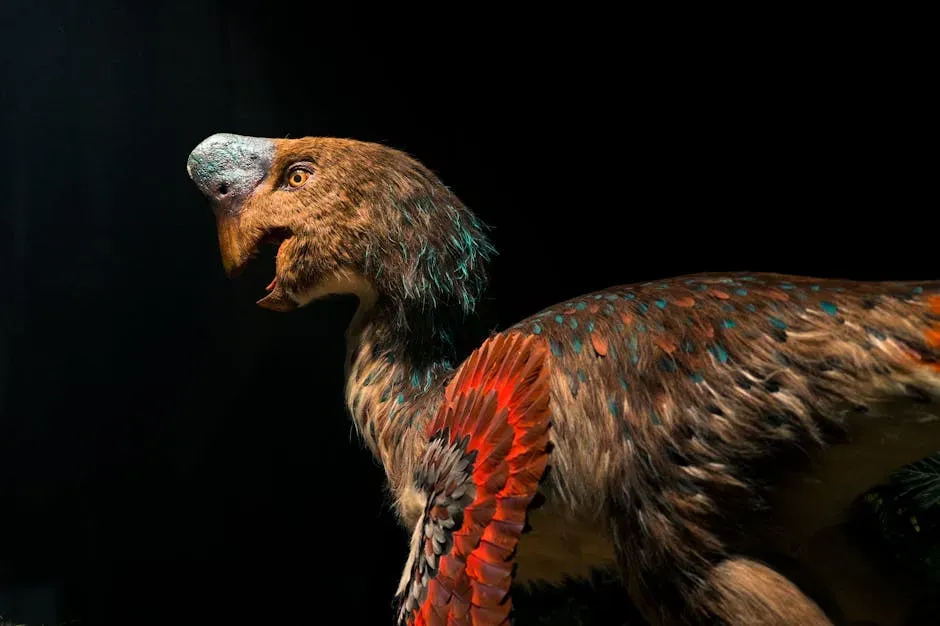
For generations, dinosaurs were drawn as scaly, sluggish reptiles dragging their tails, basking like giant lizards. The suggestion that many dinosaurs were active, fast-growing, possibly warm-blooded animals, and that a surprising number were feathered, was met with deep skepticism. Feathers were supposed to belong to birds, not to things like Velociraptor, and the idea that some dinosaurs regulated their temperature like birds and mammals challenged decades of museum displays and popular imagery.
Then paleontologists began uncovering exquisite fossils showing feather impressions, downy coverings, and even complex plumage in non-avian dinosaurs. Bone histology hinted at rapid growth and high metabolism in various species. Suddenly, the scaly, sluggish stereotype looked more like an outdated caricature. Now, the image of a small, feathered, alert dinosaur sprinting across a Cretaceous landscape is standard in both research and education. The counterintuitive twist is that dinosaurs, far from being evolutionary dead-ends, were physiologically sophisticated and in many cases surprisingly bird-like long before the first true birds took flight.
7. Mammals Descended from Reptile-Like Ancestors, Not a Separate Creation
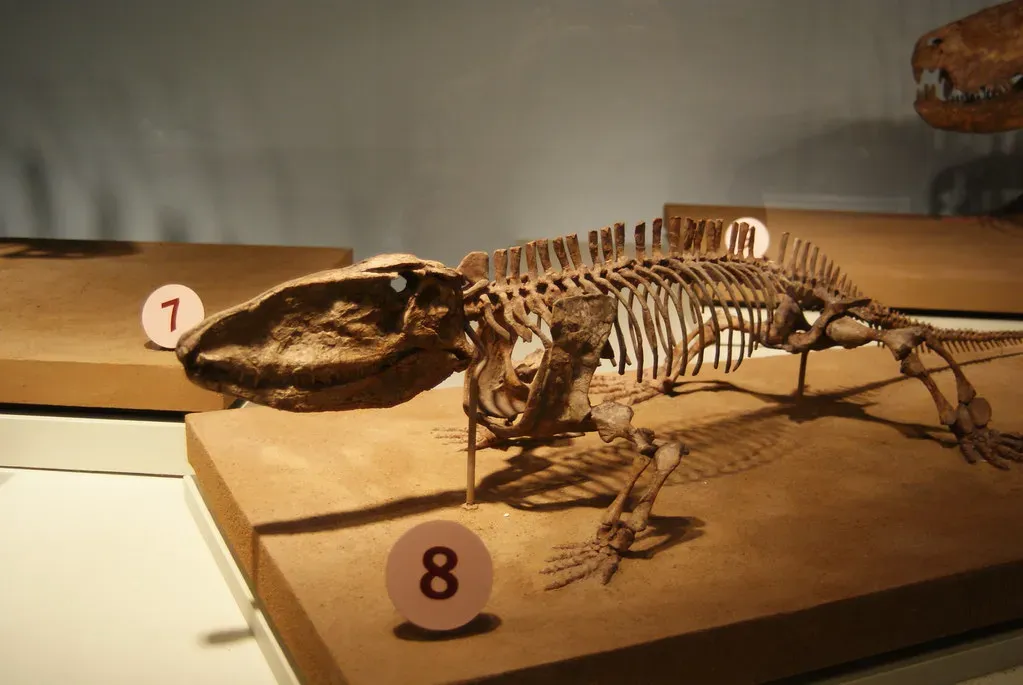
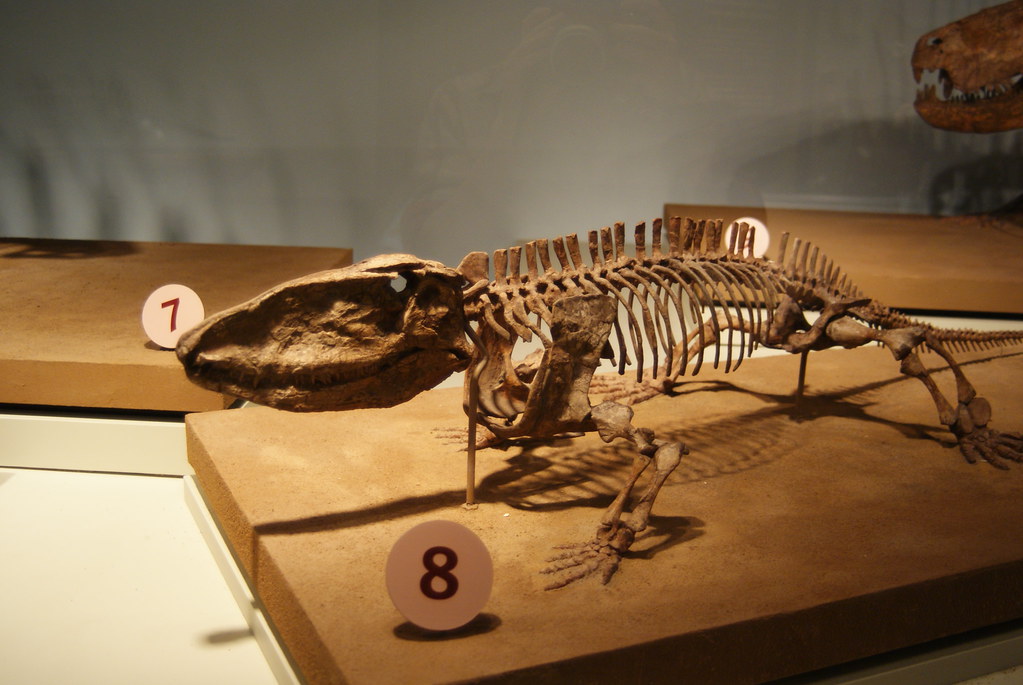
One of the more unsettling ideas for early paleontologists was that mammals did not suddenly appear as a separate, noble group, but instead evolved gradually from reptile-like ancestors. The skulls and jawbones of ancient synapsids, sometimes casually labeled “mammal-like reptiles,” seem almost in between, with a mix of features that made neat categories messy. For many scientists raised on clean divides – reptiles over here, mammals over there – the idea of a deep, shared ancestry felt confusing and even a bit distasteful.
Fossils from the Permian and Triassic periods, however, told a continuous story. Over millions of years, jawbones reshaped, extra jawbones migrated to become the tiny hearing bones in the mammal ear, and teeth became more specialized and complex. Today, that evolutionary pathway is a staple of biology textbooks and a classic case study in how big anatomical transitions happen slowly, step by step. What once seemed like an uncomfortable blending of categories is now celebrated as one of the clearest lines of evidence for descent with modification, connecting your jaw and inner ear to creatures that walked the Earth long before the first dinosaurs.
8. Early Human Relatives Were Far Older and More Diverse Than Anyone Wanted to Believe
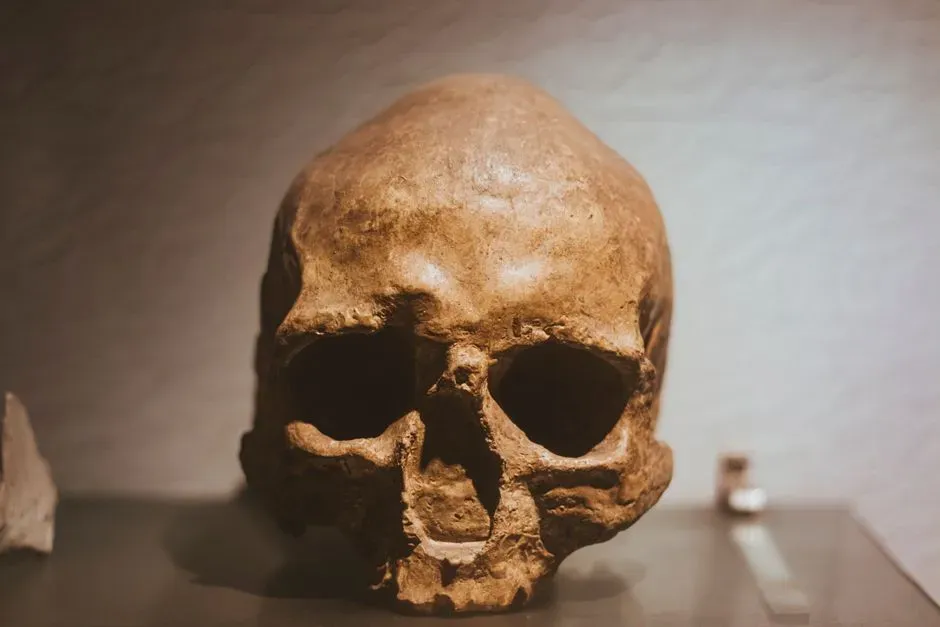
For a long time, many scientists and much of the public clung to a neat, ego-friendly story: humans appeared relatively recently, in a short, clean line of improvement from some vague ape ancestor. Fossils suggesting that human relatives were walking upright, making tools, or spreading across continents far earlier than expected were often met with doubt or quiet dismissal. The idea that there were several kinds of upright, tool-using, clever hominins existing at the same time felt untidy and, frankly, unsettling.
Decade by decade, discoveries in Africa, Asia, and Europe forced a rewrite. Ancient hominin footprints, stone tools older than many thought possible, and skulls from multiple species living in overlapping time frames showed that human evolution was more of a tangled bush than a simple ladder. Today, it is standard to teach that our lineage stretches back millions of years and that, for much of that time, we shared the planet with cousin species that were intelligent in their own right. The counterintuitive part is not just that we are older as a lineage than people wanted to admit, but that we are the lone survivors of a once-busy family tree.
Conclusion: Science Moves Forward by Making Us Uncomfortable
There is a pattern running through all these stories: someone proposes an idea that feels wrong in the gut, other scientists push back hard, and only after years of collecting stubborn evidence does the community slowly pivot. I think that is one of the most honest things about science: it does not protect our intuitions, our pride, or our favorite narratives. It protects only what survives repeated challenges from reality, even if that means admitting birds are dinosaurs, continents drift, and our own species is just one late branch on an ancient, tangled tree.
Personally, I find comfort in that discomfort. If so many ideas we now take as obvious once sounded laughable, it means our current “common sense” is probably wrong about a lot of things we have not tested yet. The next counterintuitive truth about life’s deep past is probably already sitting in a rock slab or a dusty museum drawer, waiting for someone stubborn enough to defend it through the laughter. Which of today’s “ridiculous” ideas do you think might end up in tomorrow’s textbooks?