Imagine opening a history book and finding worlds that feel closer to a blockbuster movie than to a dusty museum display. Prehistoric Earth really was that wild. We are talking about dragon-like flying reptiles the size of buses, killer fungi that may have ended entire ages, and sharks that shrugged off multiple mass extinctions like annoying software updates.
The further scientists dig, the stranger it gets. Fossils, isotopes, and microscopic traces in rocks are rewriting what we thought we knew, and honestly, a lot of it sounds completely made up. Yet this is the stuff backed by fieldwork, lab tests, and a lot of mud on a lot of boots. Let’s walk through eight prehistoric realities , but are as real as the ground under your feet.
1. Dragon-Sized Pterosaurs That Ruled the Skies
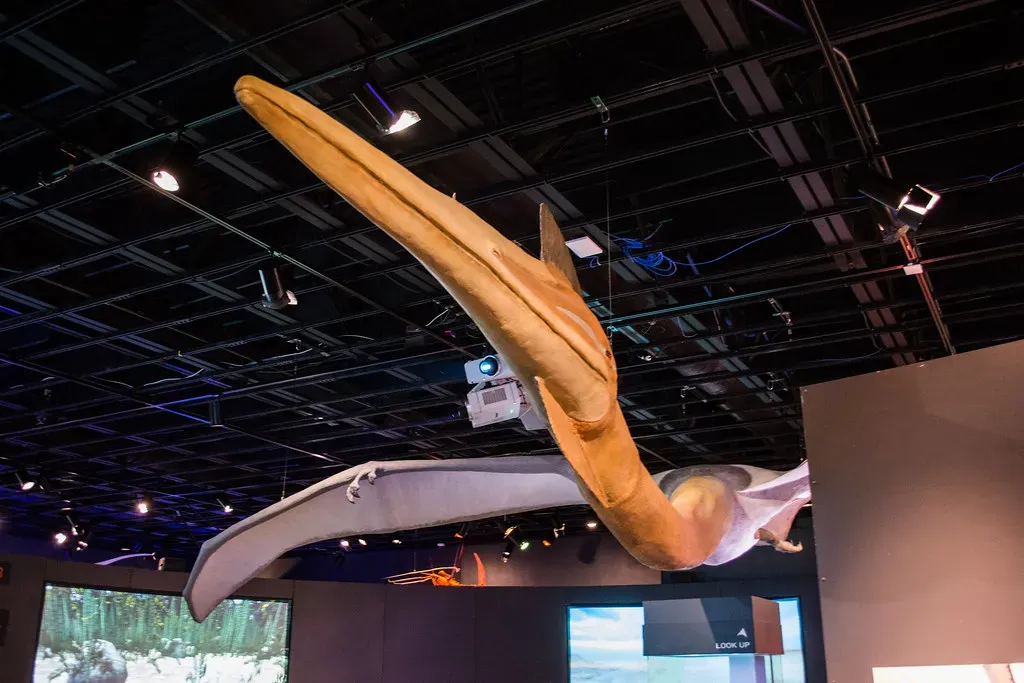
If you’ve ever looked at fantasy art of dragons swooping over a battlefield and thought, “Cool, but unrealistic,” you might want to meet Quetzalcoatlus. This late Cretaceous pterosaur had a wingspan roughly as wide as a small plane, taller than a giraffe when standing on the ground. It was a flying reptile, not a dinosaur, and it probably used powerful forelimbs like vaulting poles to launch itself into the air.
What really bends the brain is that these animals were not clumsy sky-whales; evidence suggests they were efficient flyers, crossing long distances in search of food. Some researchers think they stalked prey on land like giant storks, snapping up small animals with long, spear-like beaks. Picture walking across a muddy coastal plain and hearing the thump of something that tall landing nearby. It’s the sort of image that feels made for CGI, yet the bones say it actually happened.
2. A “Fungus World” After the Great Dying
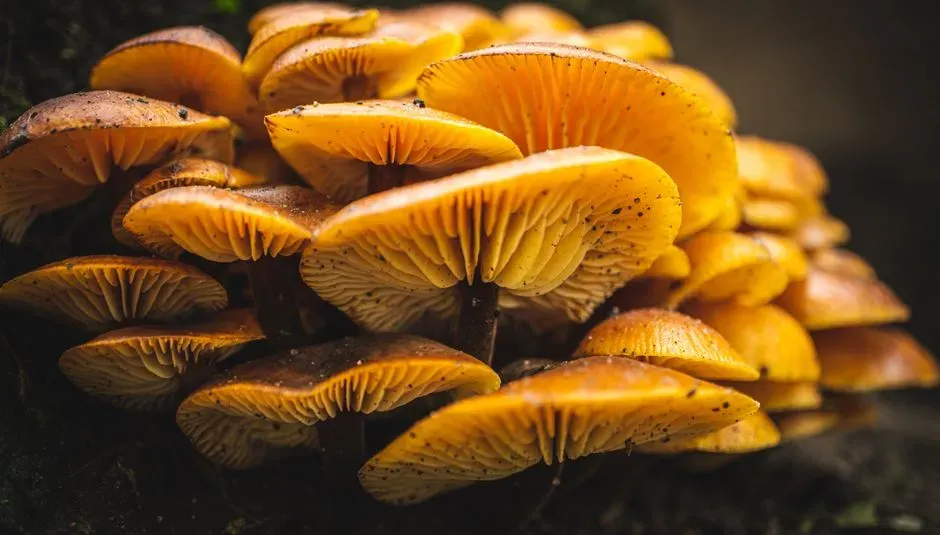
Roughly a quarter of a billion years ago, life on Earth almost fully reset. The end-Permian mass extinction wiped out the vast majority of species, from ocean dwellers to land roamers. For a while after that catastrophe, fossil records suggest that landscapes in many places may have been dominated by fungi feeding on the dead. Imagine hills covered not in forests, but in sprawling fungal growths quietly digesting a broken world.
There is debate over just how universal this “fungus world” really was, but the idea itself is haunting: a planet where decomposers, not towering trees, held temporary power. Instead of bird calls and insect buzz, you’d have had eerie silence, punctuated maybe by the crack of collapsing dead wood. It is less Star Wars and more post-apocalyptic horror film, but it still sounds too surreal to be real. Yet spores and organic signatures in rocks hint that this bleak chapter actually unfolded.
3. Giant Insects Powered by Super Oxygen
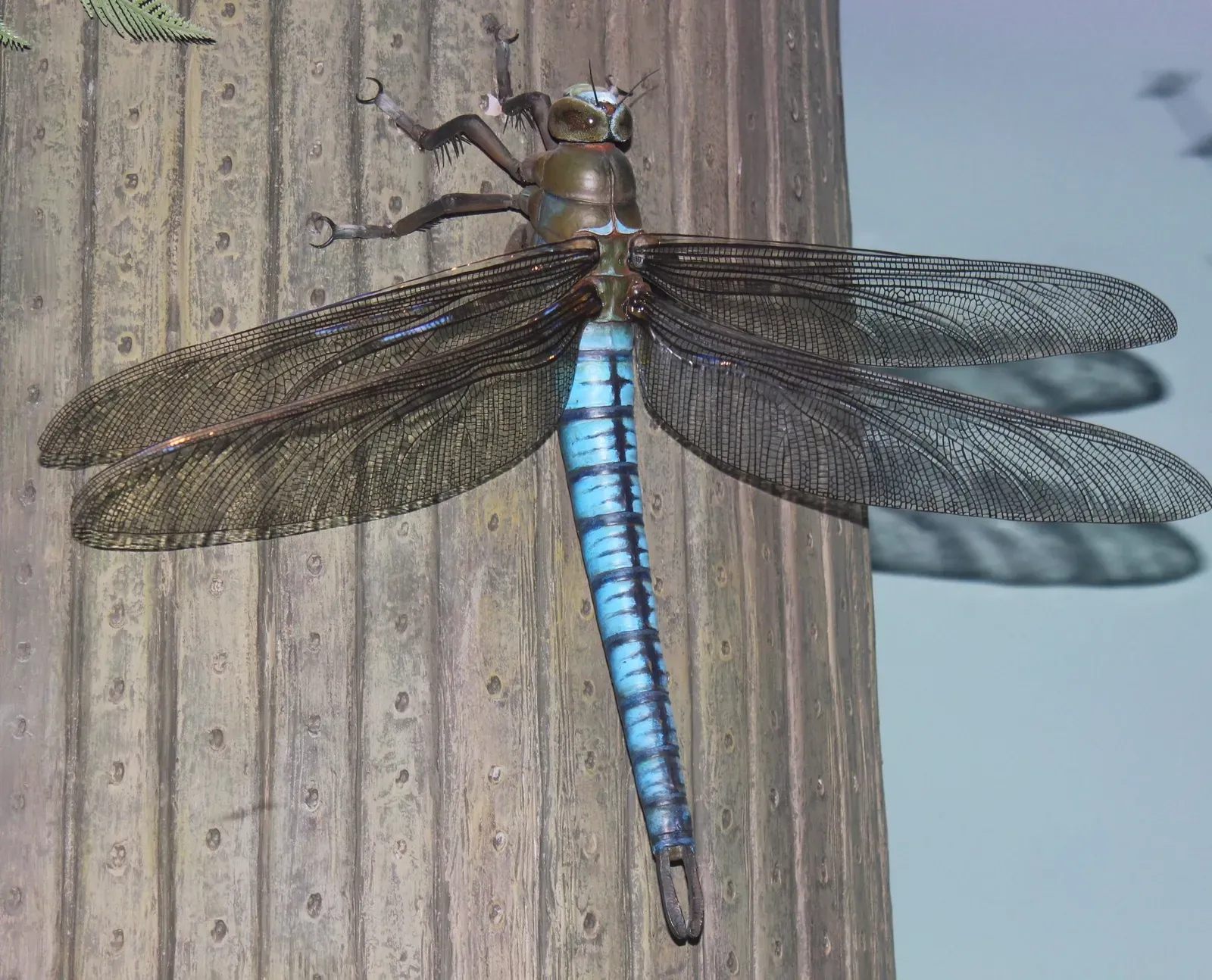
In the Carboniferous period, long before dinosaurs, Earth’s air was different: oxygen levels were significantly higher than today. That one detail turned insects into something out of a monster movie. Fossil dragonflies like Meganeura had wingspans wider than a child is tall, and millipede relatives the length of a car crawled through dense, swampy forests. If you hate bugs now, that era would have been your worst nightmare.
The science behind it is surprisingly straightforward. Insects breathe through tiny tubes in their bodies; higher oxygen meant those tubes could deliver enough gas to support much larger bodies. Over time, as oxygen levels dropped closer to today’s values, the upper size limit shrank and nature quietly walked back the XXL experiment. I like to imagine hiking through those ancient forests: knee-deep in ferns, swatting away a dragonfly the size of a hawk, and thinking this has to be some glitch in the simulation.
4. South Pole Forests in a World Without Ice
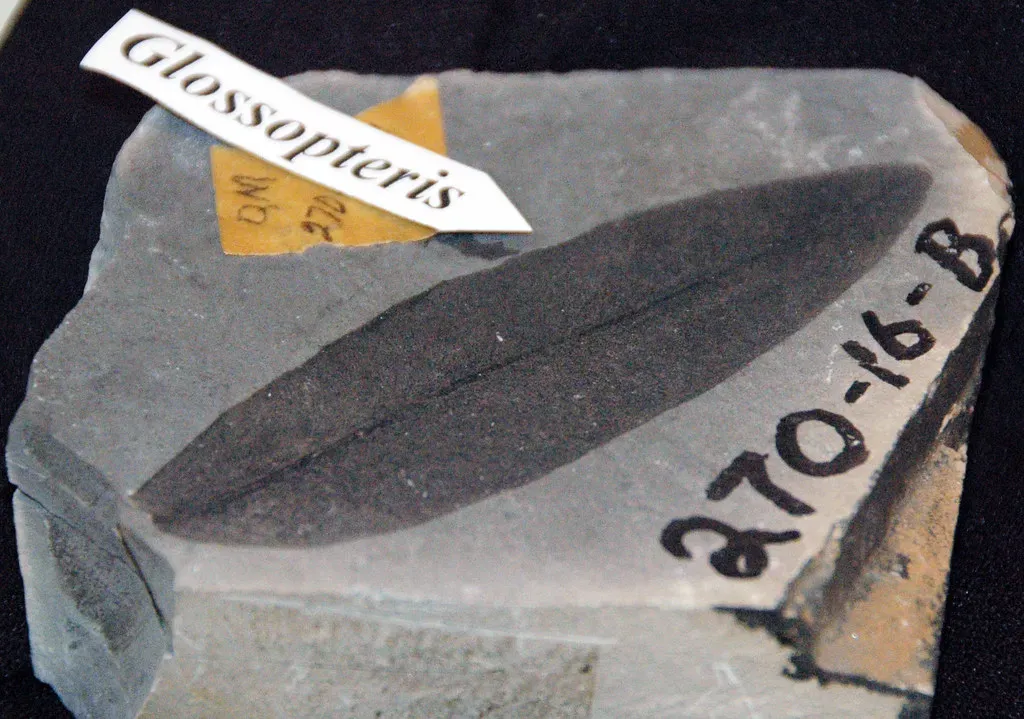
It sounds backwards: lush forests growing near the South Pole, where today we picture only endless ice and brutal cold. Yet fossil tree trunks, roots, and leaves from Antarctica tell us that during parts of the late Paleozoic and early Mesozoic, this now-frozen continent hosted forests, including polar forests that endured months of darkness and months of continuous light. Some trees grew in conditions that modern species would absolutely fail in.
These ancient polar forests lived in a greenhouse world where Earth was warmer overall and the poles were far milder than today. The puzzle scientists are still working on is how those plants coped with such extreme light cycles, going without sun for long stretches yet surviving year after year. The idea that you could stand in what is now a barren Antarctic valley and once have been surrounded by buzzing insects, rustling leaves, and flowing rivers feels almost like a parallel universe. And yet the fossil wood is right there in the rock.
5. Sharks That Outlived Multiple Apocalypses
![5. Sharks That Outlived Multiple Apocalypses ([1] (Licensing labeled as "This file is in the public domain"), Public domain)](https://nvmwebsites-budwg5g9avh3epea.z03.azurefd.net/dinoworld/ad327e80d3844915d2004e5f470027ca.webp)
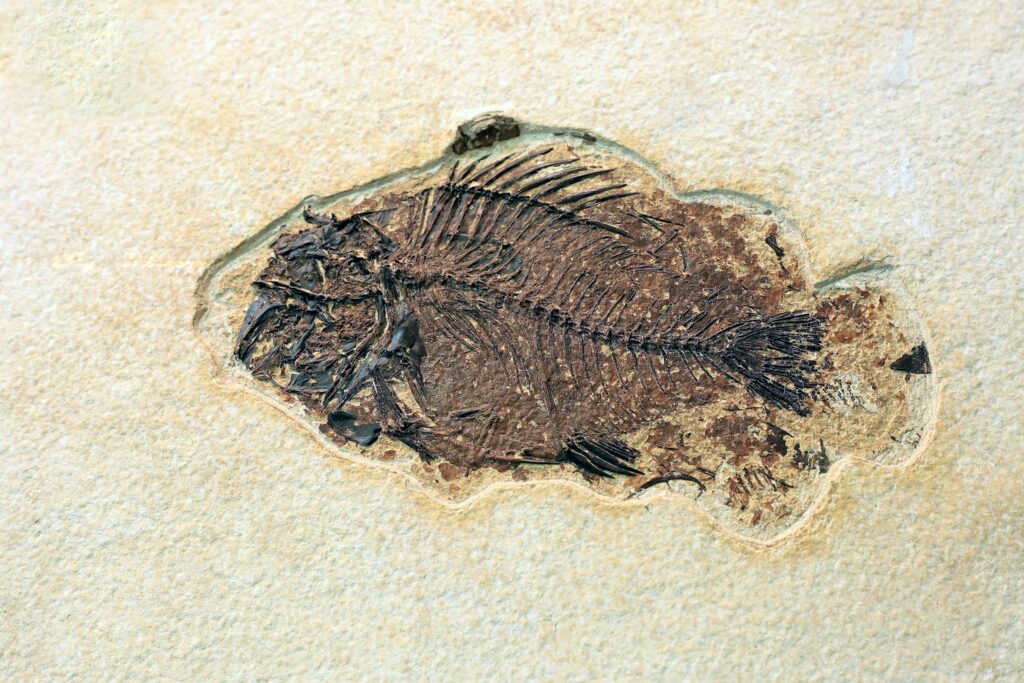
When people say sharks are living fossils, it can sound like lazy marketing. But their story really does border on the unbelievable. Sharks have been around for hundreds of millions of years, surviving several mass extinctions that erased huge chunks of other life. While individual shark species came and went, the broader group of cartilaginous, finned predators kept adapting, riding out disasters that would make most sci-fi villains faint.
Think about it: giant asteroid impact? Global climate swings? Ocean chemistry chaos? Sharks persisted through all of it by constantly reshuffling their forms and niches. Some ancient sharks grew weird buzzsaw jaws or bizarre spine decorations, while others shrank or shifted diets. To me, their story is a quiet kind of science fiction, less flashy but more impressive: not the immortal monster that never dies, but the shape-shifter that always finds a way to stay in the game.
6. The Time Mammals Got Big Before Dinosaurs Rose
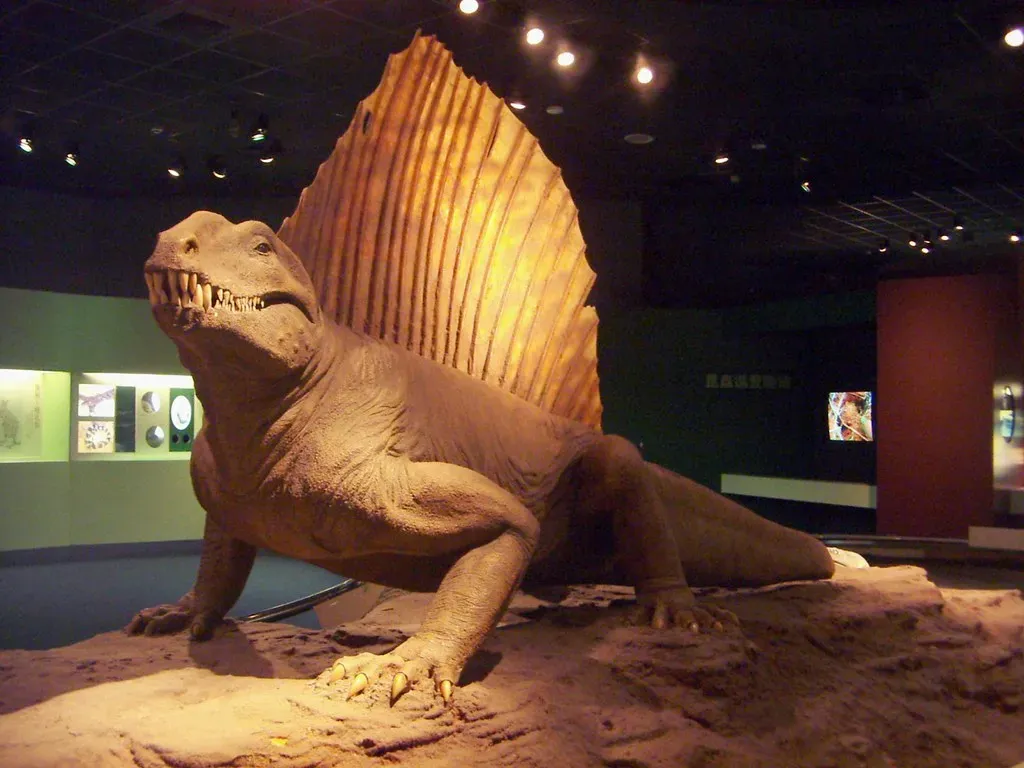
We love to frame prehistory as “age of dinosaurs, then age of mammals,” but the truth is messier and much more interesting. Before dinosaurs took over the Triassic world, their own relatives shared the planet with mammal-like creatures called synapsids. Some of these synapsids, like Dimetrodon earlier on and other lineages later, were already impressively large and successful long before any T. rex–style dinosaur roamed Earth.
These mammal relatives had a mix of familiar and alien features: different jaw structures, sometimes sail-like spines, and hints of more advanced metabolisms. If you saw one today, you’d probably squint and say it looked like a mashup of a reptile and a weird mammal that someone cobbled together in a special-effects studio. The twist is that dinosaurs did not simply appear and push mammals aside; instead, there was this long, tangled overlap where our distant cousins were already testing out big-bodied, dominant lifestyles, only to be overshadowed when the dinosaur experiment really took off.
7. Oceans Ruled by Armored Nightmares Before Fish Took Over
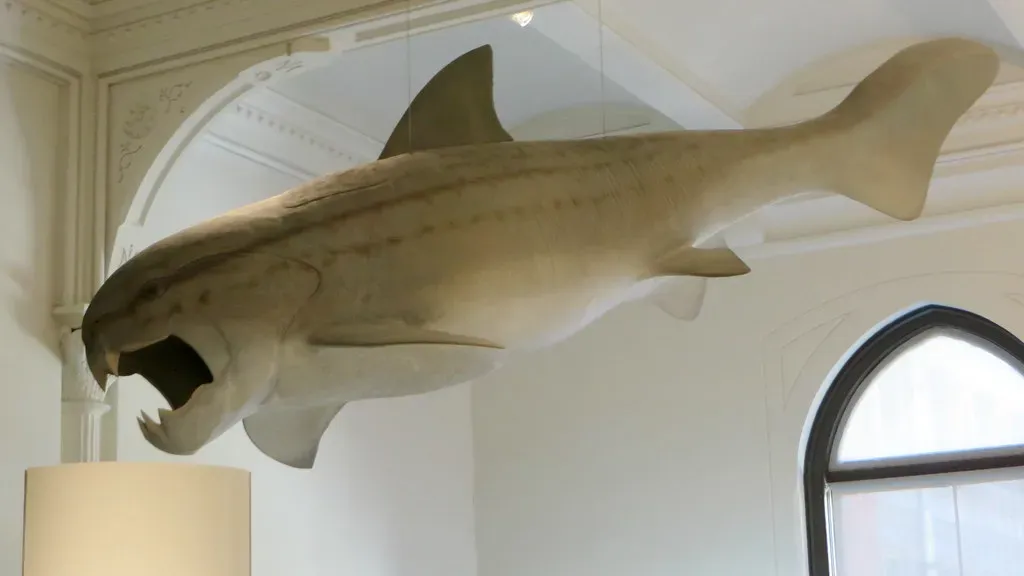
Today, when we think of oceans, we picture sharks, whales, and reef fish. But go back to the Ordovician and Silurian periods, and the seas looked utterly alien. Early jawless fishes shared the water with armor-plated oddities called placoderms and even stranger, soft-bodied creatures that look like they were designed by someone who had only heard rumors of what an animal was. Some wore heavy bony shields on their heads; others had mouths that resembled scissors or crushing plates.
Later, in the Devonian, some of these armored fish grew gigantic, including apex predators like Dunkleosteus that could bite through bone with absurd force. Yet this entire cast of hyper-armored weirdos eventually disappeared, replaced over millions of years by the more familiar bony and cartilaginous fishes we see today. It is as if the ocean went through a “beta version” full of over-the-top, heavily armored bosses, then decided to re-balance the game and roll out the fish we actually know.
8. Super Eruptions and Sky-Darkening Events That Reset the Clock
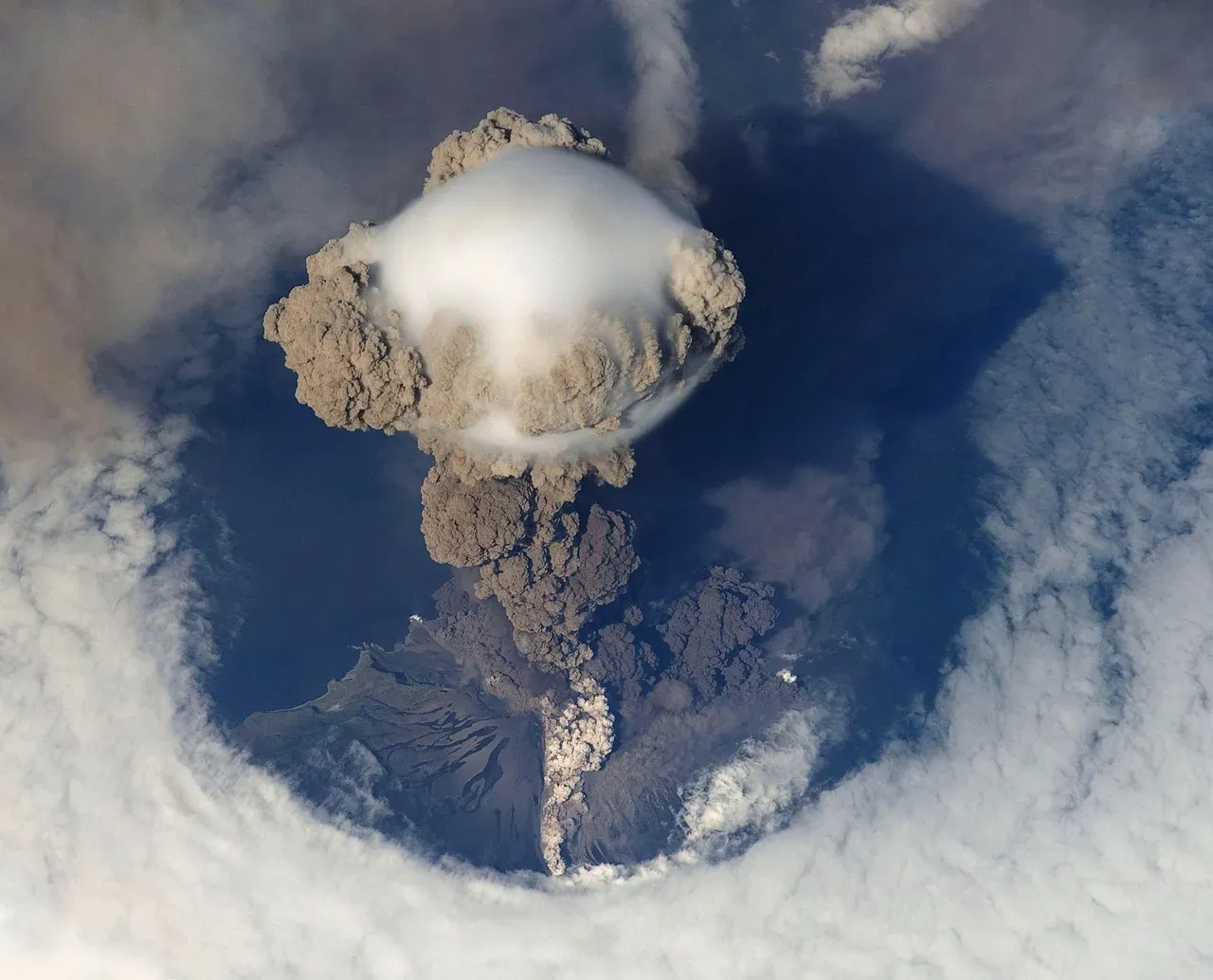
Not every sci-fi sounding prehistoric event involves strange creatures; sometimes the planet itself steals the show. In Earth’s deep past, there were volcanic episodes on a scale that is almost impossible to visualize. These were not single mountain eruptions, but vast regions splitting open, pouring out lava and gases over huge spans of time, reshaping climate and chemistry. Some of these episodes line up suspiciously well with mass extinctions, suggesting that the planet occasionally “overheats” itself from the inside.
Imagine skies hazy for years, acid rain, oceans gradually losing oxygen, and food chains collapsing piece by piece. It is a slow-motion disaster movie, spread across thousands to millions of years rather than a single dramatic day. These events remind me that the line between science fiction apocalypse and geological history is thinner than we like to think. The difference is mainly our timescale and whether we are around to watch it unfold.
Conclusion: Prehistory Was Stranger Than Our Stories
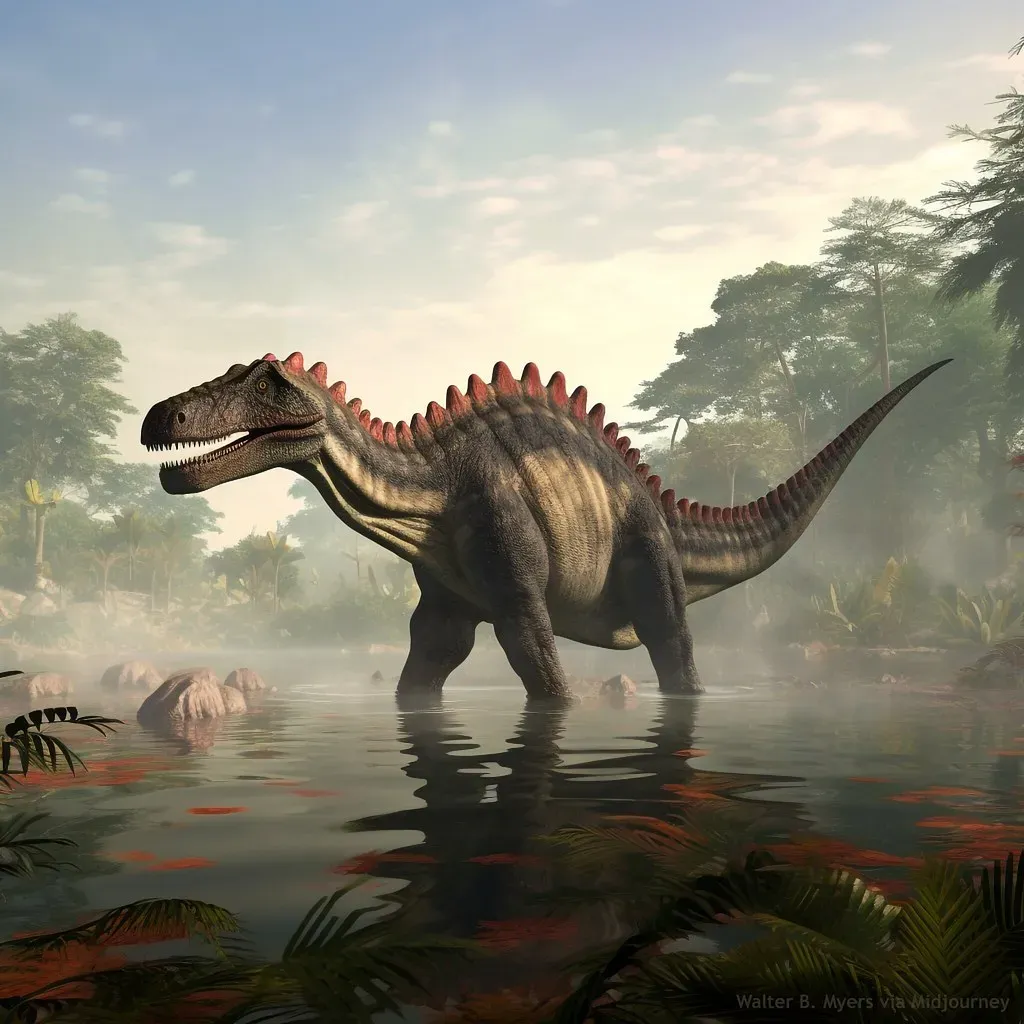
When you stack these facts side by side, the usual movie version of prehistory suddenly feels a bit tame. Reality gave us flying reptiles the size of trucks, forests at the South Pole, car-length millipedes, and insect apocalypses powered by changing air. It gave us sharks that beat the odds again and again, mammal relatives that had their moment before dinosaurs stole the spotlight, and oceans populated by armored beasts that look more like boss battles than real animals.
To me, the most striking part is this: our planet has already run more “storylines” than we can comfortably imagine, and we are just late-arriving characters trying to piece them together from broken bones and ancient chemistry. Prehistory is not a simple prequel; it is a series of experimental seasons, constant reboots, and wild plot twists that make most science fiction look conservative. Knowing that, how can you not look at today’s world and wonder what chapter we are setting up next?