
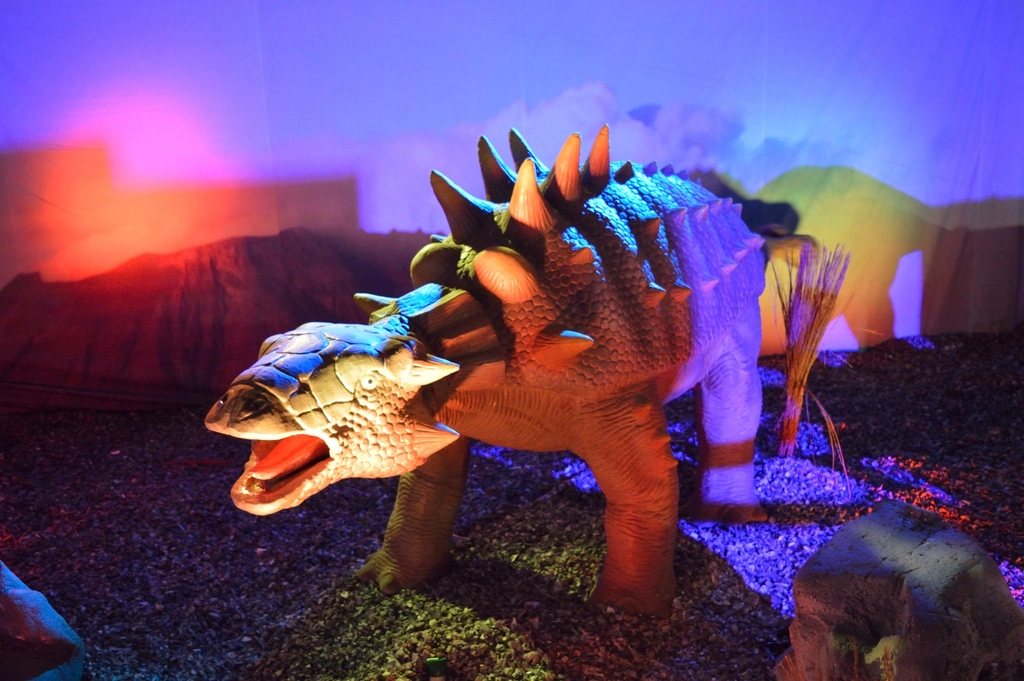
Walk into a dinosaur hall and it feels like the story is settled: towering skeletons, fierce jaws, neat little labels that sound so certain. But behind the glass, the real science of dinosaurs is far messier, stranger, and way more interesting than most museum displays admit. The truth is, we are still guessing about huge parts of their lives, and some of the most dramatic changes in our understanding have happened only in the last few decades.
Once you realize how incomplete the picture really is, those elegant skeletons start to feel less like answers and more like questions frozen in time. That’s where it gets exciting. Let’s pull back the curtain a bit and look at the big things that rarely make it onto the display cards.
1. Most Of A Dinosaur Is Missing – We Mostly Have Bones
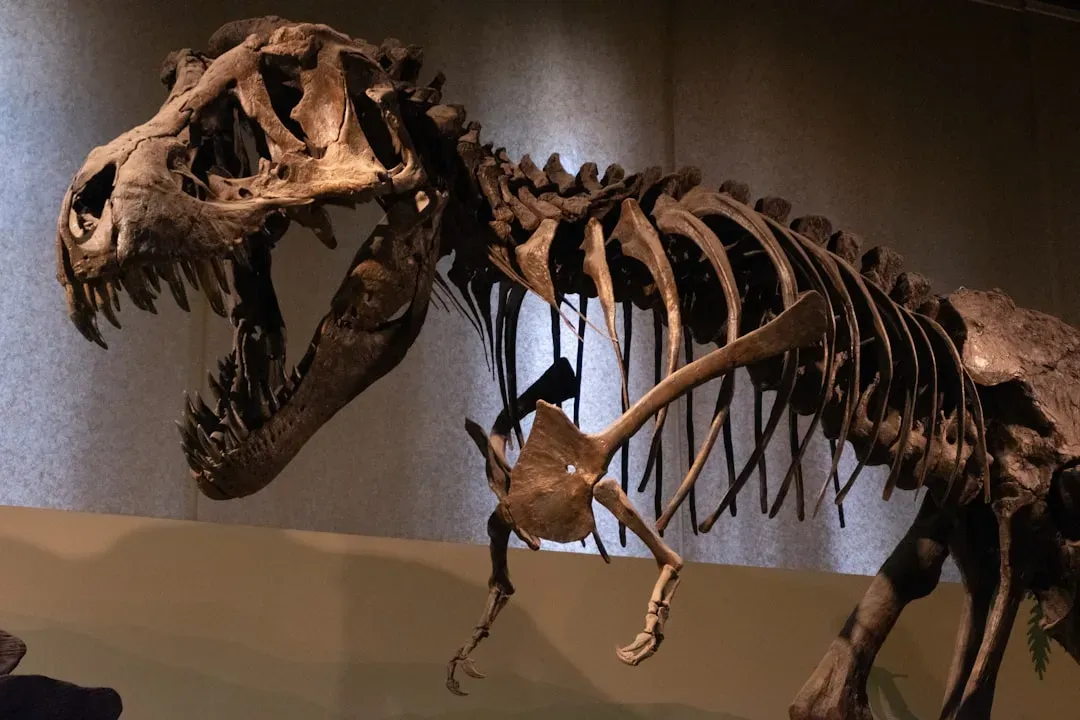
Those beautiful skeletons look complete, but in reality we almost never find a whole dinosaur. Fossils are usually scattered, crushed, eroded, or missing entire sections, especially the delicate parts like tails, hands, and skulls. Even when a skeleton is called “nearly complete,” that can still mean important bones are gone and had to be reconstructed from related species.
On top of that, bones are just the hard framework. Skin, muscles, organs, soft tissues, and colors almost never fossilize, so we’re rebuilding a 3D animal from what’s basically the scaffolding. Imagine trying to recreate a person from only their skeleton and a few scraps of clothing; you’d get the rough size and shape, but you’d be guessing about hair, expressions, and a lot of details museums present as if they’re settled facts.
2. Many Dinosaur Skeletons Are Mosaics, Not Single Animals
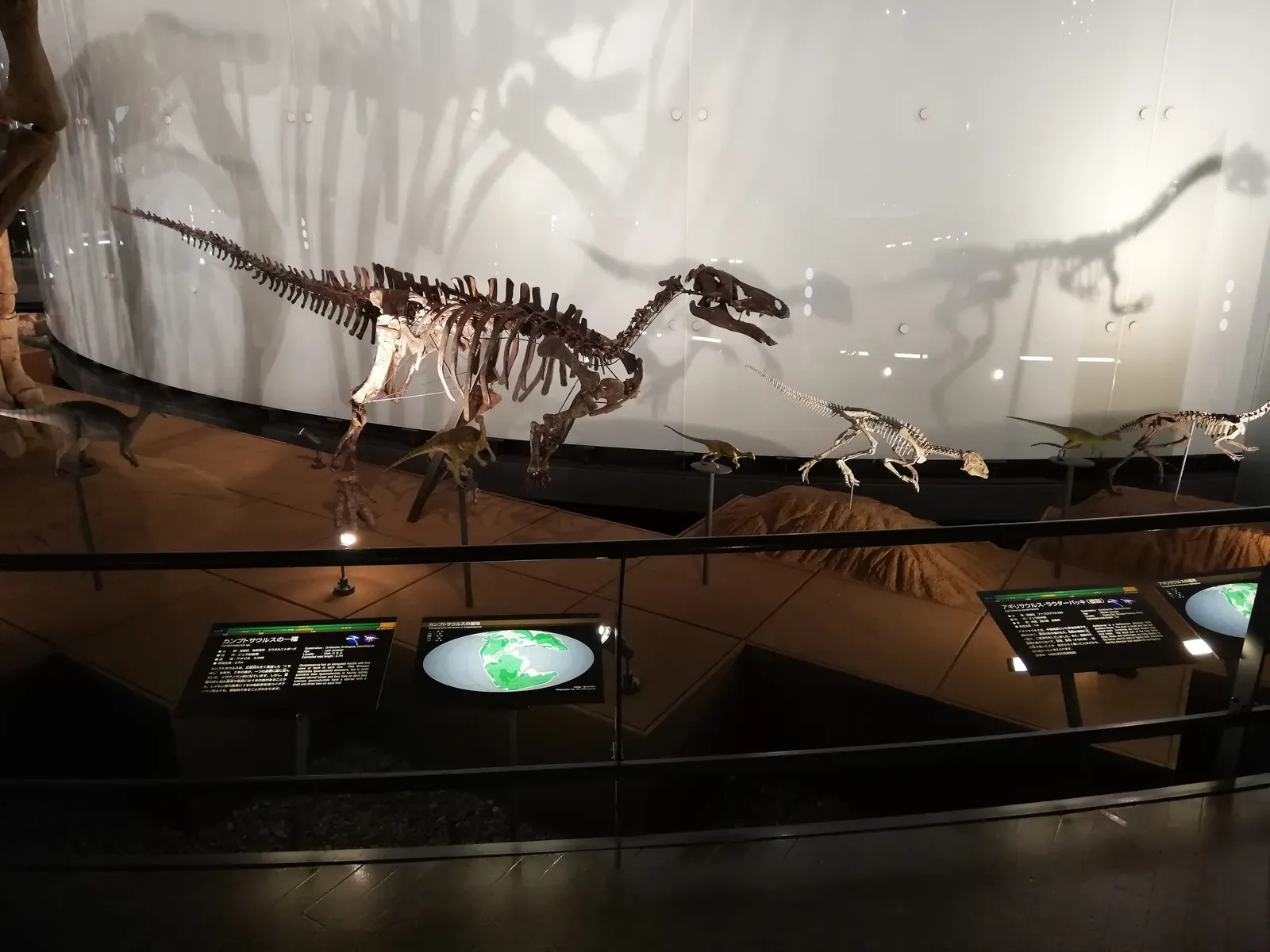
When you see a dramatic mount of a giant predator or a long-necked sauropod, it’s tempting to imagine that exact animal walking the Earth. But in many cases, the skeleton you’re looking at is a carefully built Frankenstein: bones from several individuals, sometimes even from different localities, combined to create one display. That’s not deception; it’s often the only way to show a full animal when fossils are rare or fragmentary.
To make it visually coherent, missing bones are often sculpted, mirrored from the other side of the body, or borrowed from close relatives. The result is an educated reconstruction, but it’s still a model, not a single preserved creature. Once you know that, you start seeing mounting choices – how the neck bends, how the tail lifts – as scientific interpretations, not absolute truth.
3. Popular Dinosaurs Are Constantly Being Renamed And Reinterpreted
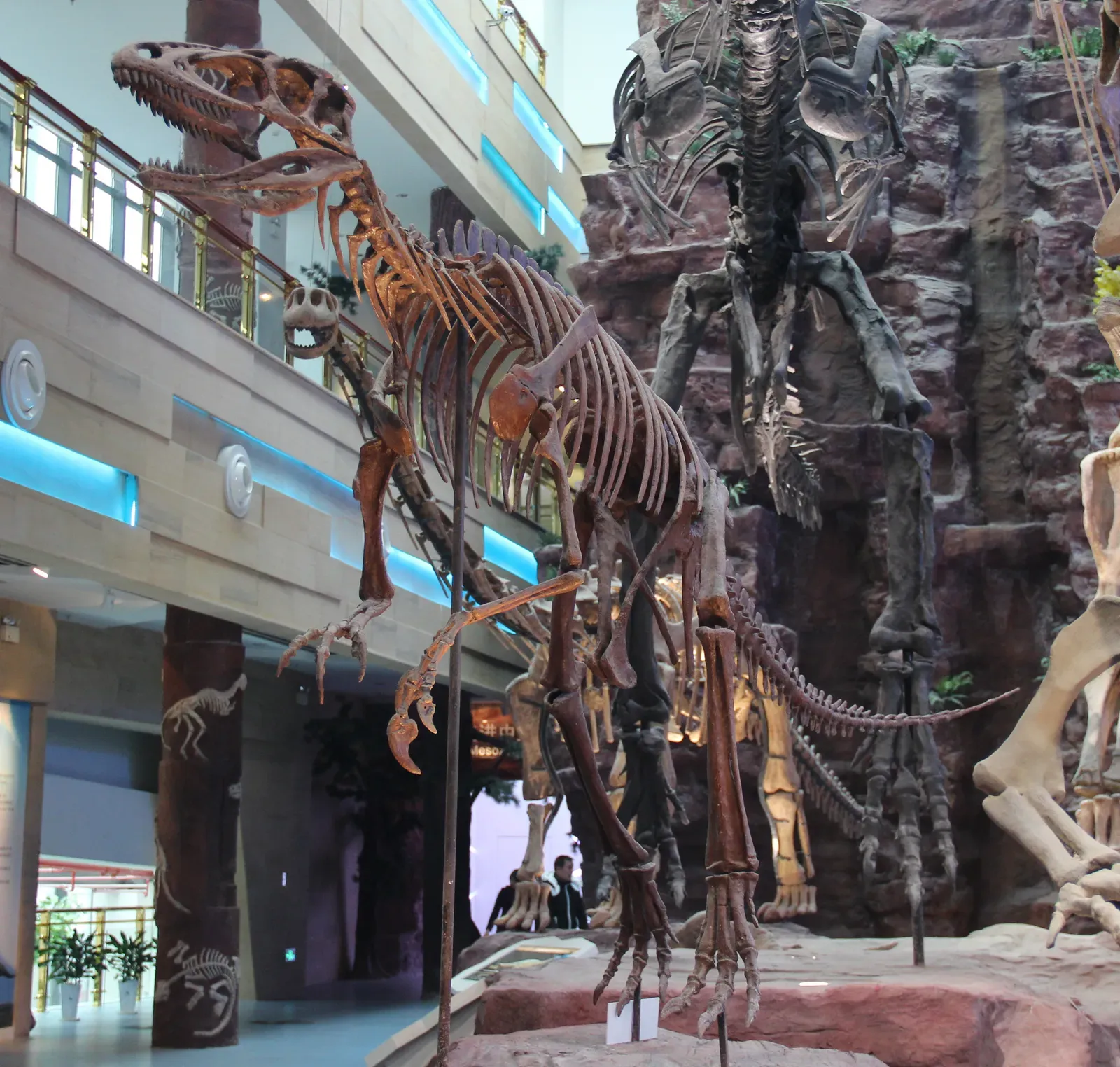
One of the quiet secrets of dinosaur science is that names and identities change all the time. Famous examples like Brontosaurus being merged into Apatosaurus and then controversially “resurrected” again show how fluid this can be. What you learned as a kid may have been reshuffled by new discoveries, new fossils, or better analytical methods that reveal two “species” are really just growth stages of one.
On top of that, our ideas about what counted as a separate species were once shaped by a much smaller fossil record. As more bones are found, paleontologists often realize they over-split or under-split groups. From a museum’s perspective, constantly relabeling skeletons is a nightmare, so exhibits can lag behind the cutting edge. That’s why your childhood favorite might now have a different name, a new family, or even a different place on the dinosaur family tree than its display suggests.
4. Many Dinosaurs Were Likely Fluffy, Feathered, Or Weirdly Decorated
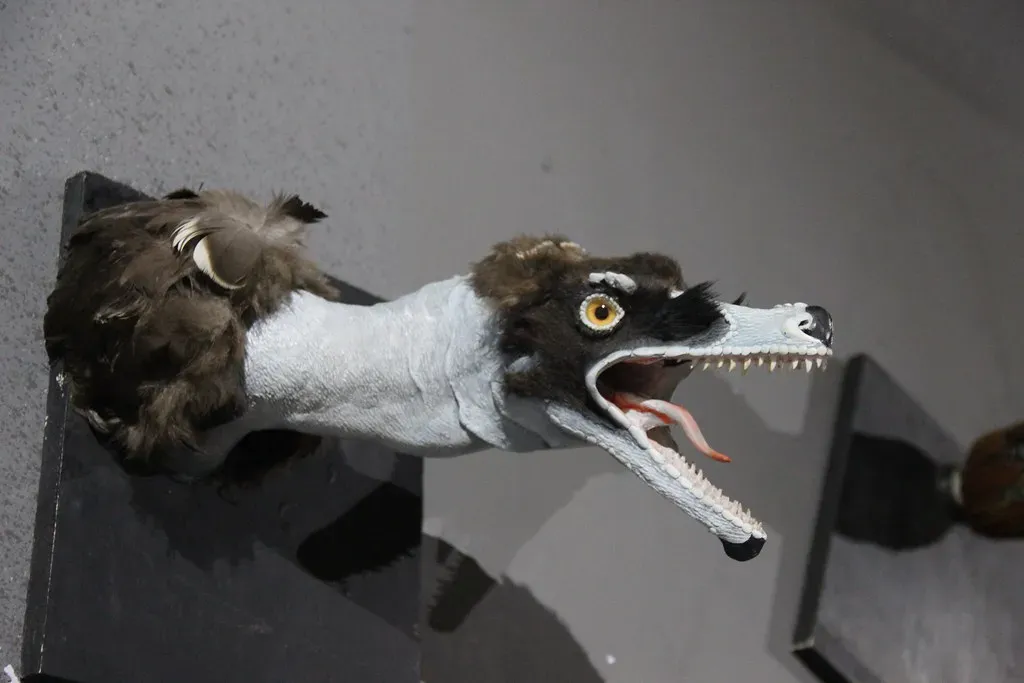
The sleek, scaly monsters in older museum halls leave out one of the wildest shifts in dinosaur science: many non-bird dinosaurs probably had feathers, fuzz, quills, or other skin coverings. Numerous fossils from places like northeastern China preserve impressions of feather-like filaments on animals that are not quite birds, including small raptors and even some larger species. The picture that emerges is less “overgrown lizard” and more “giant, often ridiculous bird with teeth and claws.”
Because feathers and fuzz are harder to model and paint convincingly, and because people grew up with the reptile look, many museums still default to scaly skins even for species where we have good evidence of feathers. Add in likely display structures like bright crests, wattles, or inflatable sacs, and the real animals were probably closer to a mashup of a cassowary, a crocodile, and a peacock than the plain green beasts on many walls. If anything, the truth is probably stranger than the art.
5. Dinosaurs Were Not Always Giant, Savage Monsters
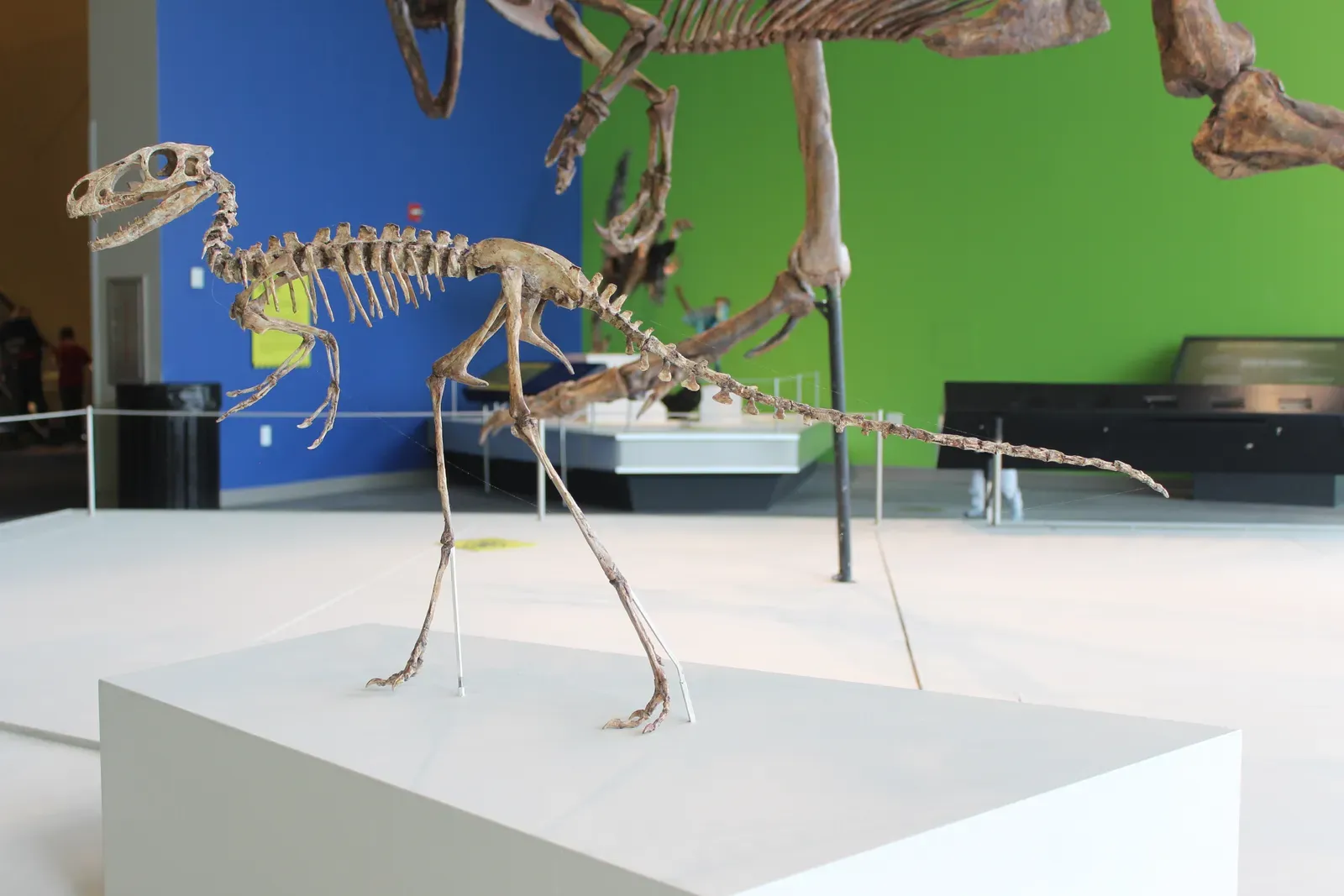
Museum halls naturally feature the biggest, most cinematic dinosaurs: huge carnivores with knife-like teeth and herbivores as tall as buildings. That focus feeds the idea that dinosaurs were all massive and vicious, but the vast majority of species were relatively small, under the size of a person, and likely spent their time dodging predators, nibbling plants, and trying not to die young. Think more “busy ecosystem of varied animals” than “endless arena of titans.”
Even the big carnivores weren’t movie-style villains who roared and fought nonstop. They would have conserved energy, scavenged when they could, lost fights, gotten sick, and raised young. When you mentally shrink the average dinosaur down and imagine them more like a mix of deer, turkeys, and foxes rather than endless Tyrannosaurus lookalikes, the Mesozoic world starts to feel like a real, complicated planet instead of a monster park built for us.
6. We Know Far Less About Their Colors, Sounds, And Behavior Than Displays Suggest
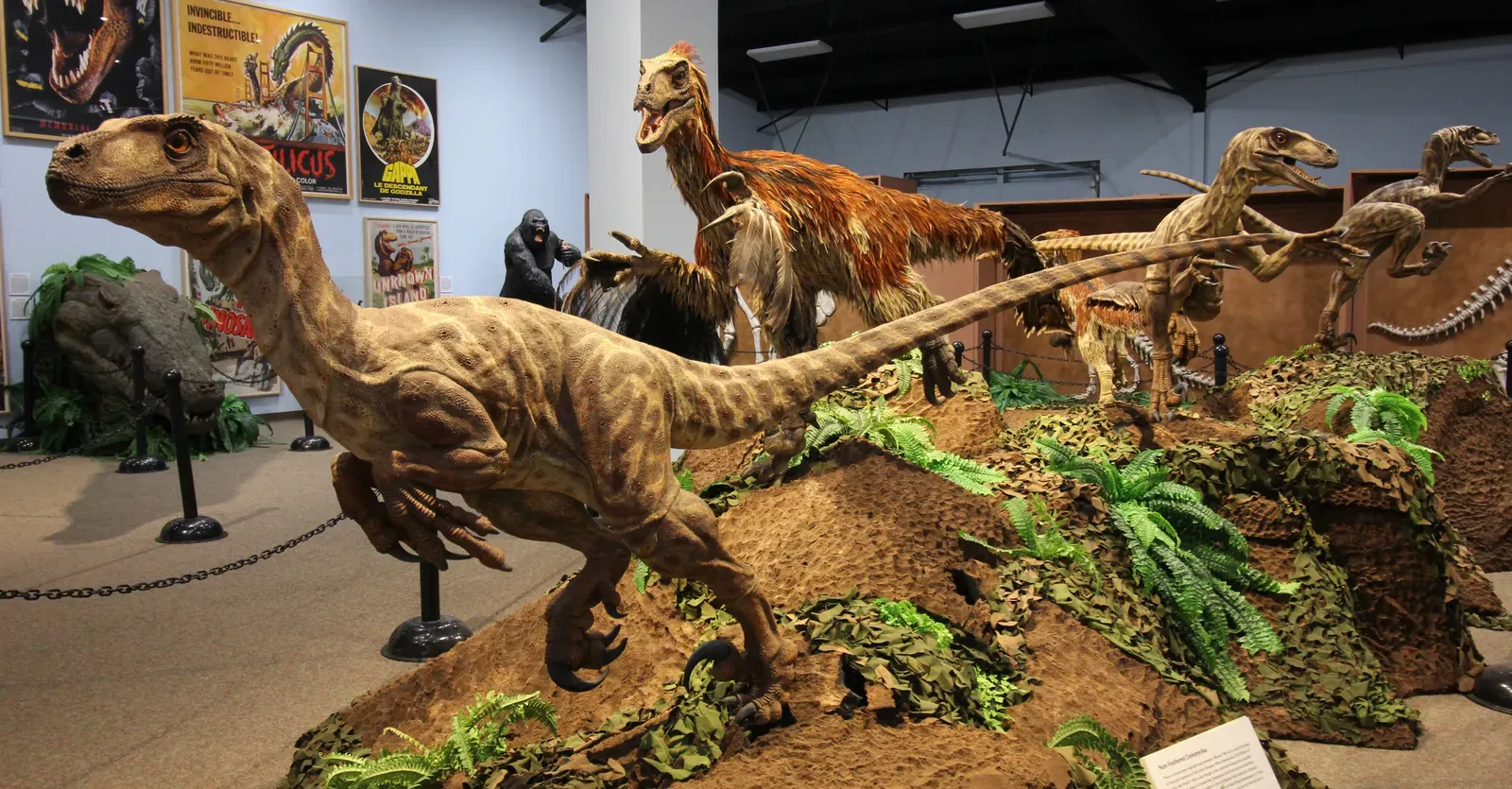
The lifelike models and murals in museums give the impression that we know exactly how dinosaurs behaved: how they hunted, how they cared for young, how they moved in groups. In reality, behavior is one of the hardest things to infer from fossils. We have some wonderful clues – footprints that suggest herds, nests with eggs and brooding adults, injuries that hint at fights – but these are scattered snapshots, not a full documentary.
Colors and sounds are even trickier. In a few rare cases, microscopic structures in fossilized feathers can hint at patterning or shades, but for most species, the colors in exhibits are educated guesswork with a dash of artistic flair. Roars, songs, or calls are essentially speculative; vocal organs almost never preserve. So when you see a mural of a bright red predator screaming at the sky, know that it is a blend of science, comparison with modern animals, and a lot of imagination.
7. Dinosaurs Did Not All Die In An Instant, And Birds Are Dinosaurs

A simple museum storyline often goes like this: asteroid hits, dinosaurs die, mammals rise. Reality is messier. The asteroid impact was catastrophic, but it came on top of environmental stresses like volcanic activity and climate shifts. Some lineages were already in trouble, others may have persisted for a while after the impact in different regions. Extinction, even a mass one, plays out over long time scales when you zoom in.
What gets almost buried under that disaster story is the biggest twist of all: technically, dinosaurs never fully went away. Birds are living theropod dinosaurs, directly descended from small, feathered, two-legged species. That means pigeons, chickens, and eagles are as much dinosaurs as any skeleton in a glass case. It turns the usual narrative on its head: the age of dinosaurs changed shape, but in the form of birds, it never truly ended.
We are used to thinking of birds as fragile or dainty, a far cry from a Tyrannosaurus, but that’s just bias. The same evolutionary branch that gave us those giant predators also refined flight, complex songs, and intricate social behaviors. Next time you see a flock swirl overhead, it’s not poetic exaggeration to say you’re looking at dinosaurs that survived the apocalypse and kept evolving right above our heads.
8. Our Picture Of Dinosaurs Changes Faster Than Most Exhibits Can Keep Up
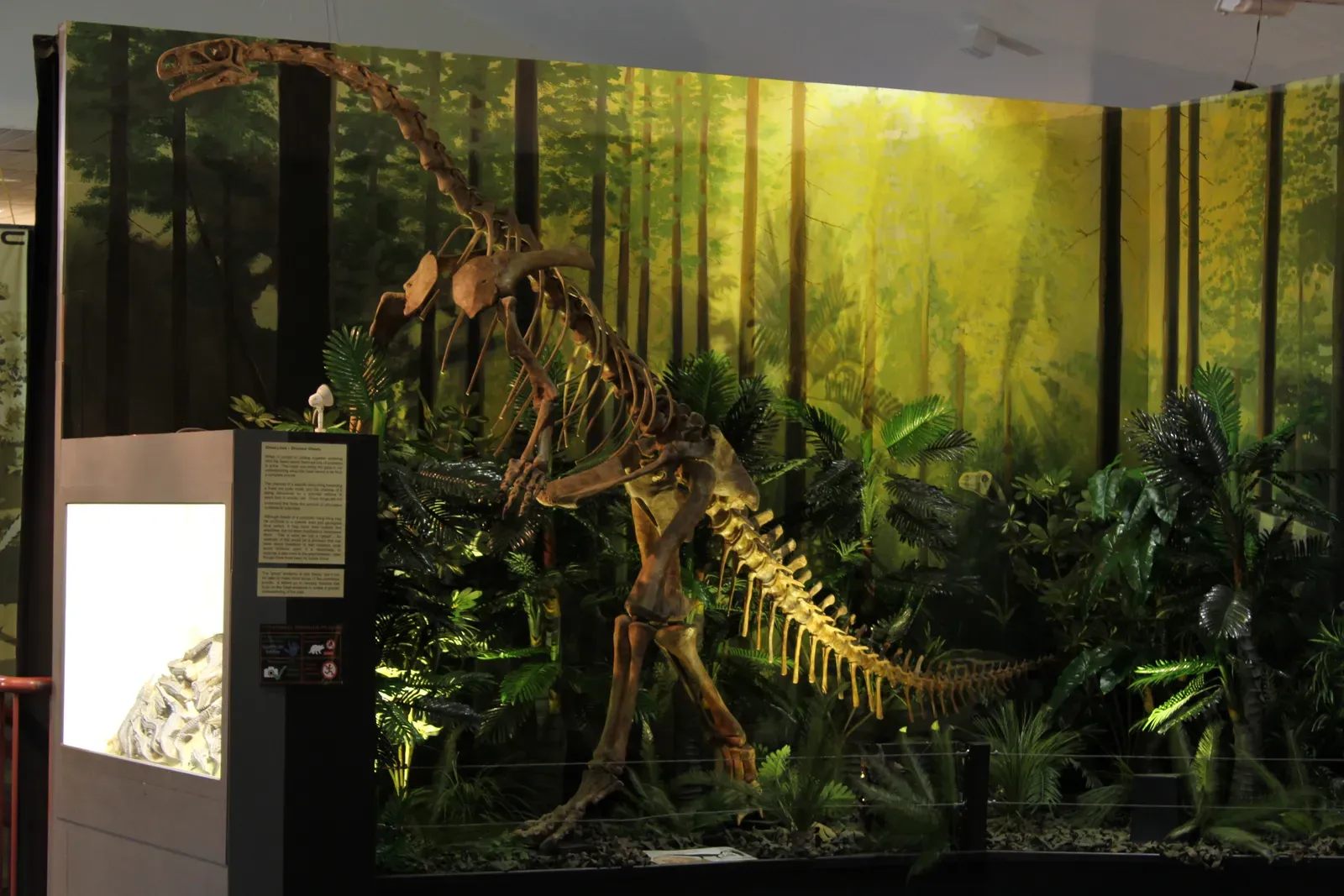
One thing museums rarely spotlight is just how rapidly dinosaur science moves. New fossils, new scanning techniques, and new computer analyses routinely overturn ideas that felt solid only a few years earlier. Details like posture, growth rates, metabolism, and even who is related to whom are constantly being revised. A dinosaur that was shown dragging its tail in the 1960s might be reimagined as an agile, tail-held-high runner today, and in another twenty years we may tweak that again.
Exhibits, however, are expensive and slow to redo. That means many museum halls are a patchwork of different scientific eras, with some displays up to date and others quietly outdated but still visually impressive. Personally, I think that tension is the most honest part of the whole experience: you’re not walking through a finished story, you’re walking through a progress bar. The tricky part is that most visitors are never told just how incomplete that progress is.
Conclusion: Dinosaurs Are Less Certain, But More Alive, Than The Skeletons Suggest
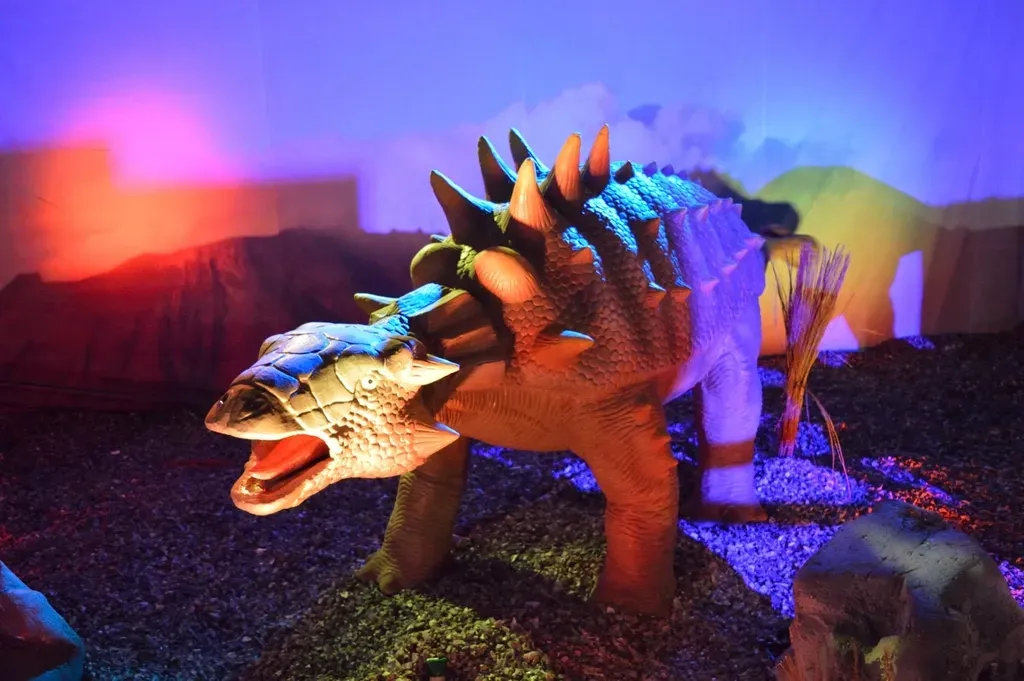
When you peel back the polished surface of a dinosaur exhibit, what you find is not a neat encyclopedia of ancient life, but an ongoing argument with the rocks. Skeletons made from several animals, names that shift, colors and behaviors sketched in from modern analogies – none of that makes dinosaurs less real. It just means we should treat every mount as a thoughtful proposal rather than a final answer carved in stone.
In my view, that uncertainty makes dinosaurs far more compelling, not less. They stop being static monsters from childhood posters and turn into living questions we are still trying to solve, with every new fossil nudging the picture in unexpected directions. The next time you stand under a towering skeleton, maybe the most honest reaction is not awe at what we know, but curiosity about everything we still do not. If you could change one thing about how museums present dinosaurs, what would you want them to tell you outright?