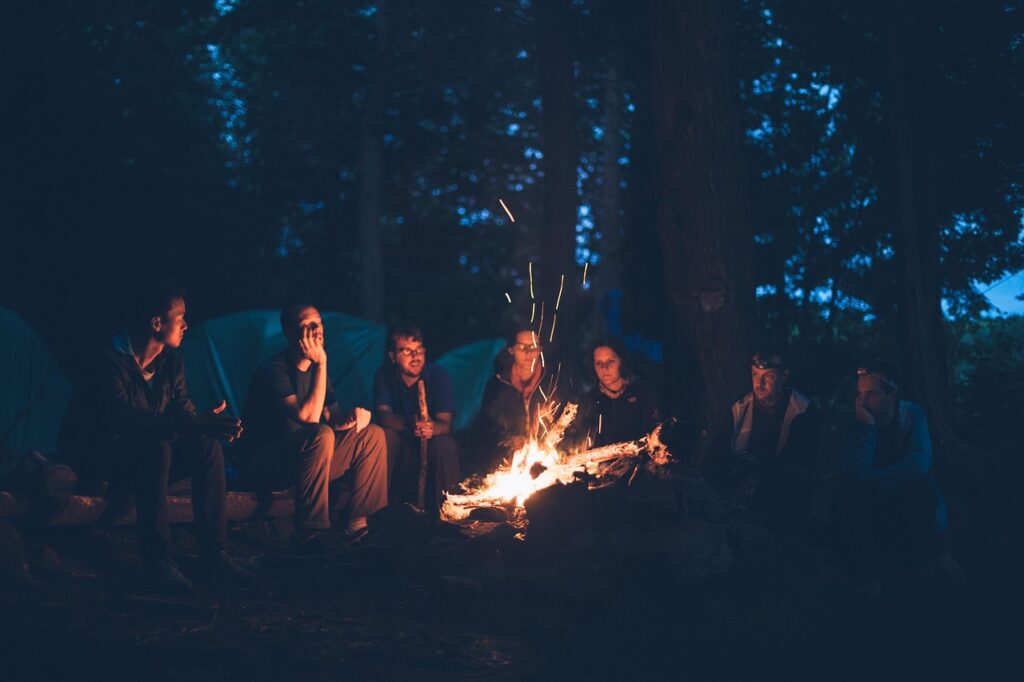
Imagine a campfire in the Ice Age darkness: a ring of wary humans, and just beyond the glow, a pair of glowing canine eyes. That quiet, electric moment of curiosity and caution may be where our story with dogs truly began. Long before cows, horses, or cats stepped into our lives, wolves on the fringes of human camps slowly transformed into the animals that would become our closest non‑human allies.
Dogs were not just the first domesticated animals; they may have helped shape what it even means to be human. From changing how we hunted and traveled to subtly rewiring our brains and emotions, their partnership with us is written into our history, our biology, and our daily routines. Let’s dig into the core reasons dogs became our – and why that ancient deal still matters every time a dog curls up at our feet.
1. Wolves Were Naturally Curious About Us
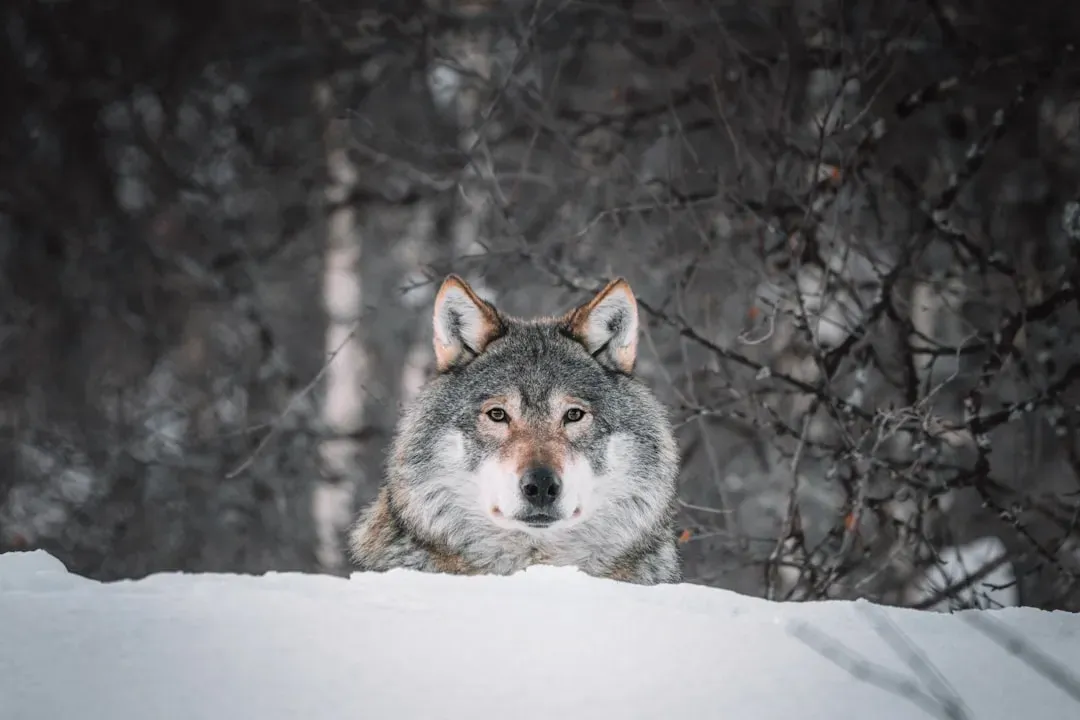
One of the most powerful reasons dogs became our is simple: some wolves just could not resist hanging around us. Early hunter‑gatherer camps created a brand‑new ecological niche – piles of bones, scraps, and waste – that were basically a buffet for bold scavengers. Among wild animals, wolves were uniquely positioned: intelligent, social, and brave enough to hang near these strange two‑legged apes with fire.
Over countless generations, the least fearful, most curious wolves had a huge advantage around humans. They got regular food without the risk of chasing down prey, and humans tolerated them because they were less threatening. This slow, mutual sorting of temperament – bold but not aggressive, cautious but not terrified – laid the groundwork for domestication. In a way, dogs started as the original opportunists that saw our garbage and thought, this could work for me.
2. Our Survival Strategies Fit Together Like Puzzle Pieces
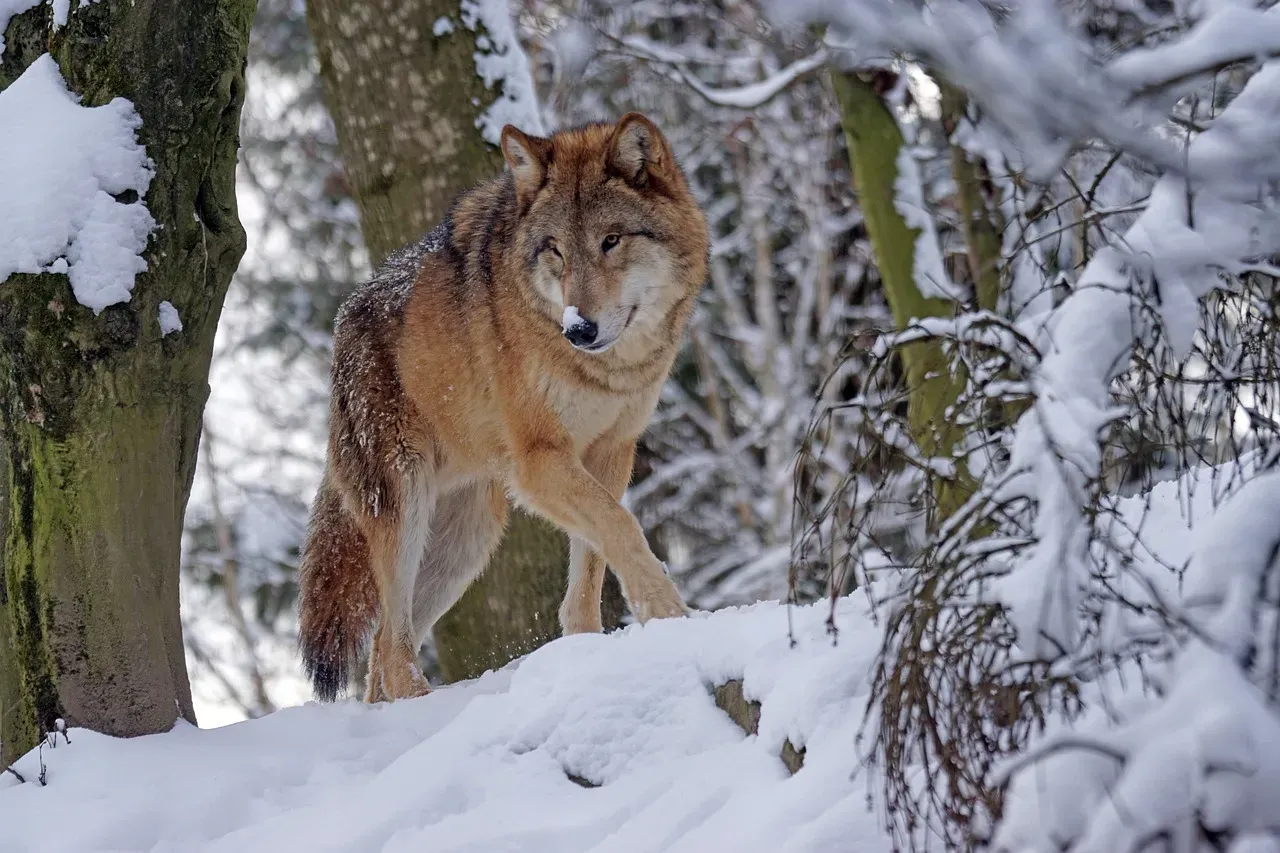
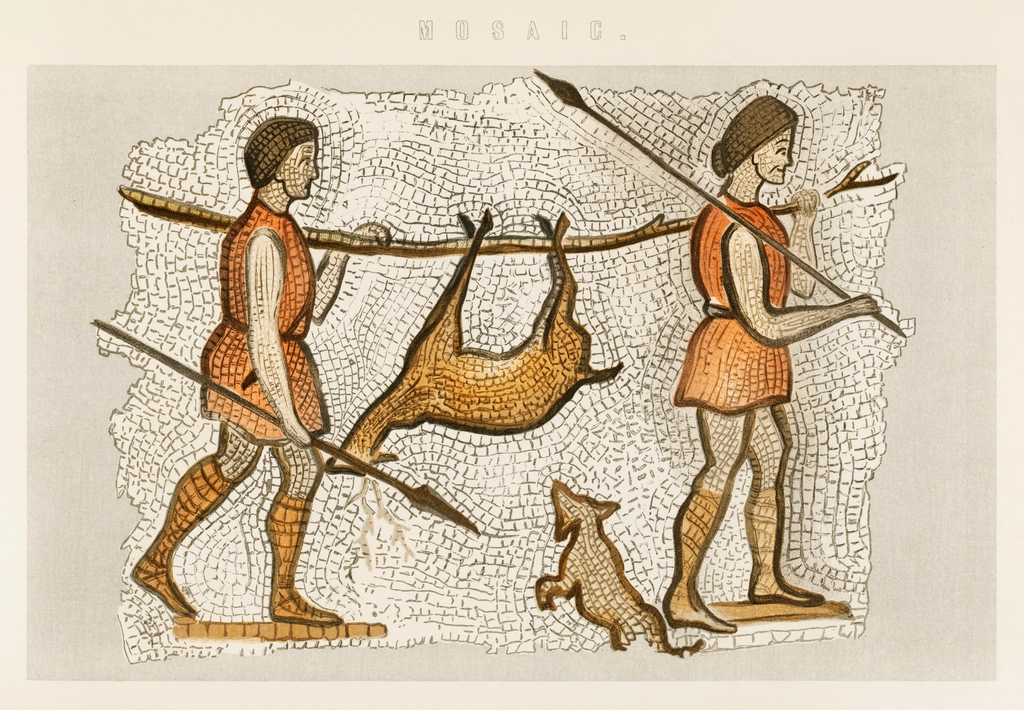
Humans and wolves hunted the same kinds of large game, but in different ways – and that overlap turned out to be a hidden gift. Wolves were built for endurance, tracking, and coordinated pack attacks, reading each other’s movements silently. Humans had tools, fire, and language, plus a knack for planning and sharing information across generations. Put those abilities together and you suddenly have a terrifyingly effective hunting alliance.
This overlap meant there was room for cooperation rather than constant competition. An early proto‑dog that followed human groups could track wounded animals, warn of nearby predators, or help chase prey into ambushes. In return, humans shared meat and protection. It is like two rival startups realizing they are better off merging than trying to crush each other – except in this case, the merger changed the course of evolution for both sides.
3. Dogs Turned Our Camps into Early Security Systems
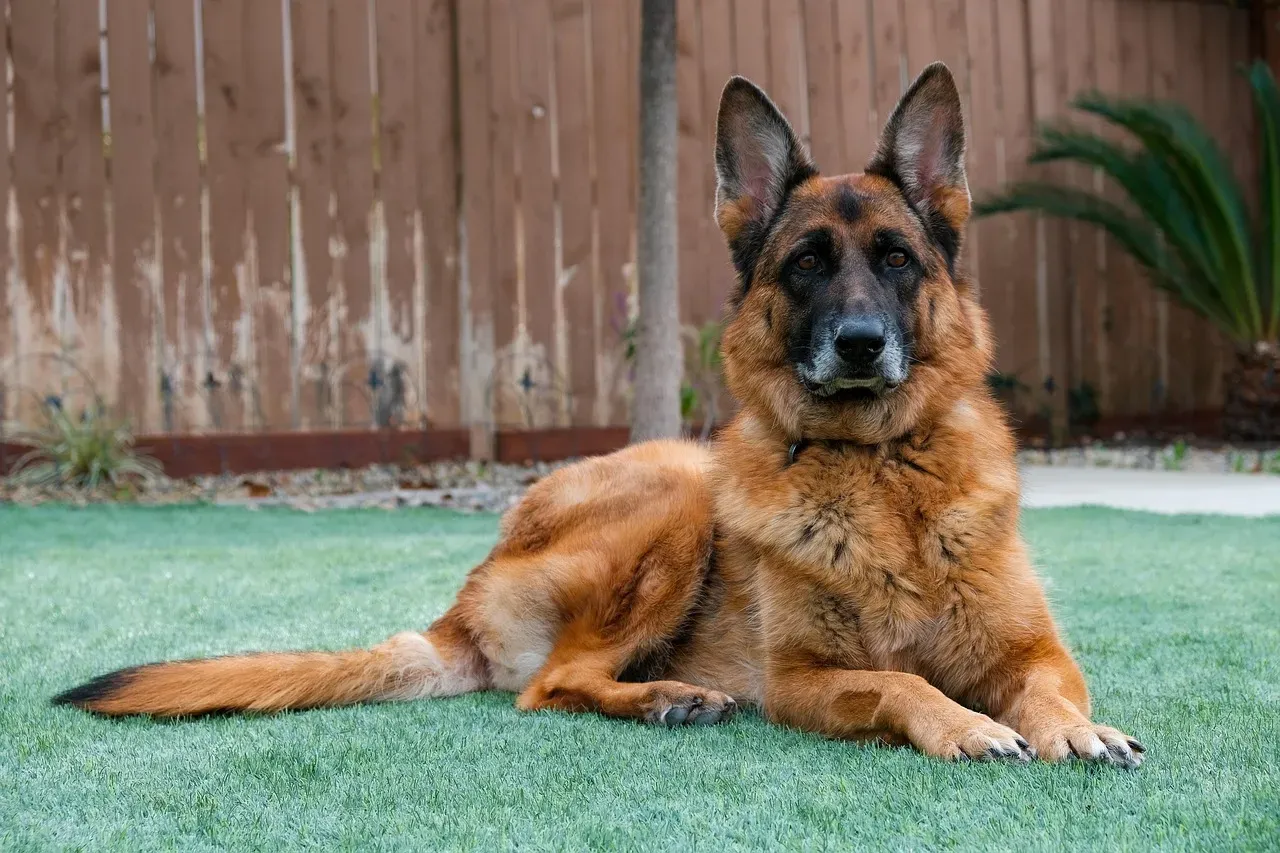
Long before alarms, locks, or cameras, humans needed an early warning system in a world where danger could walk on four legs or two. Dogs filled that role almost perfectly. They hear and smell long before we do, and they naturally react to unusual sounds, movements, and scents. A dog’s sudden growl in the middle of the night could make the difference between a sleeping camp being ambushed and a group that wakes in time to defend itself.
What makes this even more powerful is that dogs are not just loud; they are selective. Over time, we favored animals that reacted not just violently, but intelligently – barking at threats rather than every leaf. Those that guarded “their” humans, rather than attacking them, were safe to keep close. That feedback loop slowly shaped dogs into guardians that took our safety personally. In harsh ancient environments, a living, breathing perimeter alarm that also bonds with your children is almost unbeatable.
4. Their Social Brains Were Already Wired for Teamwork
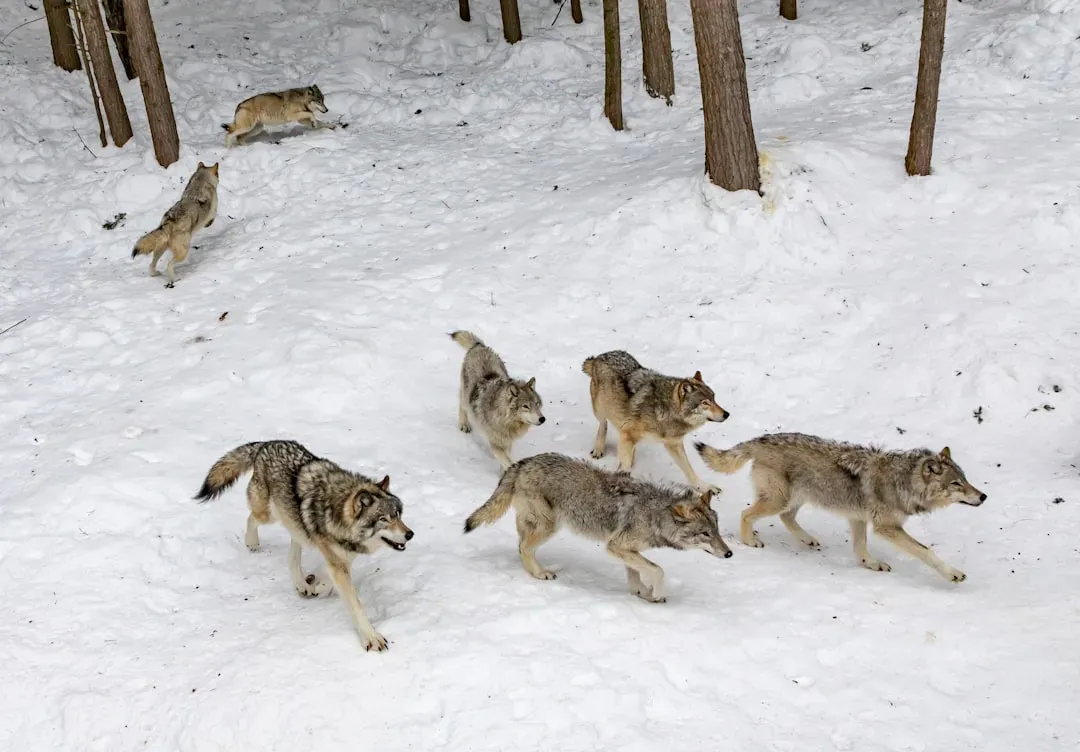
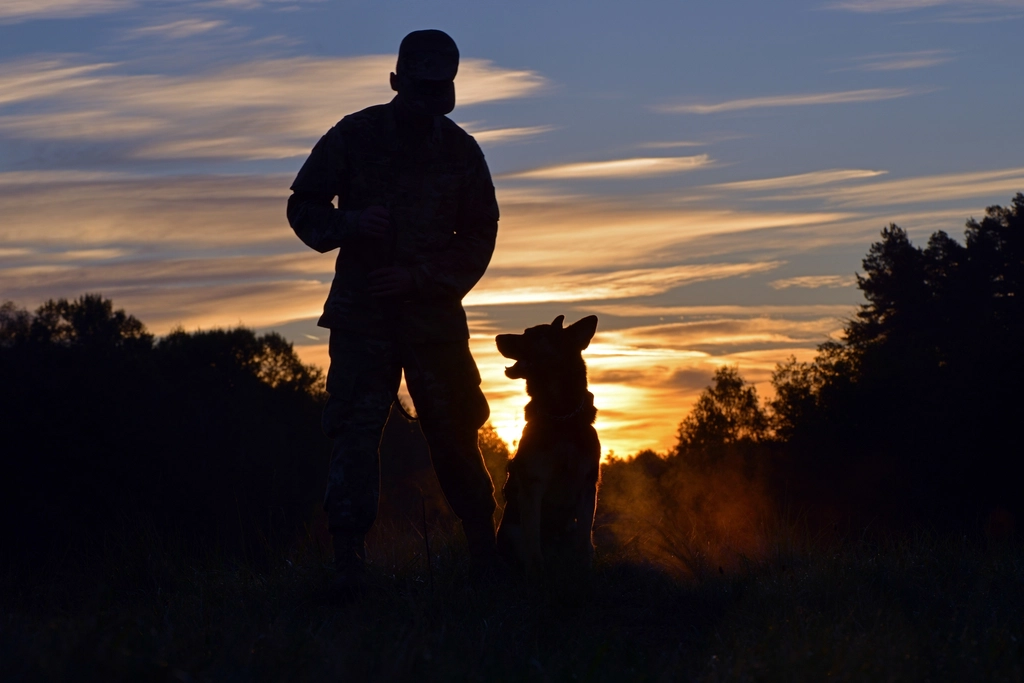
Wolves are pack animals; they survive by cooperating, following social rules, and reading each other’s signals. That social wiring turned out to be incredibly compatible with human group life. When some wolves shifted from living in wolf packs to living alongside human bands, their social instincts did not disappear – they just got re‑aimed at us. Humans effectively became the new pack, and dogs learned to slot into our social systems.
Modern research shows that dogs are unusually good at reading human gestures and eye movements, often better than even our closest primate relatives. They pick up on our moods, routines, and expectations in a way that feels almost spooky when you live with them. That is not an accident; it is the result of thousands of years of selecting animals that could cooperate with us emotionally and practically. Dogs did not just follow humans; they learned to belong to us.
5. We Shared an Emotional Language Without Words
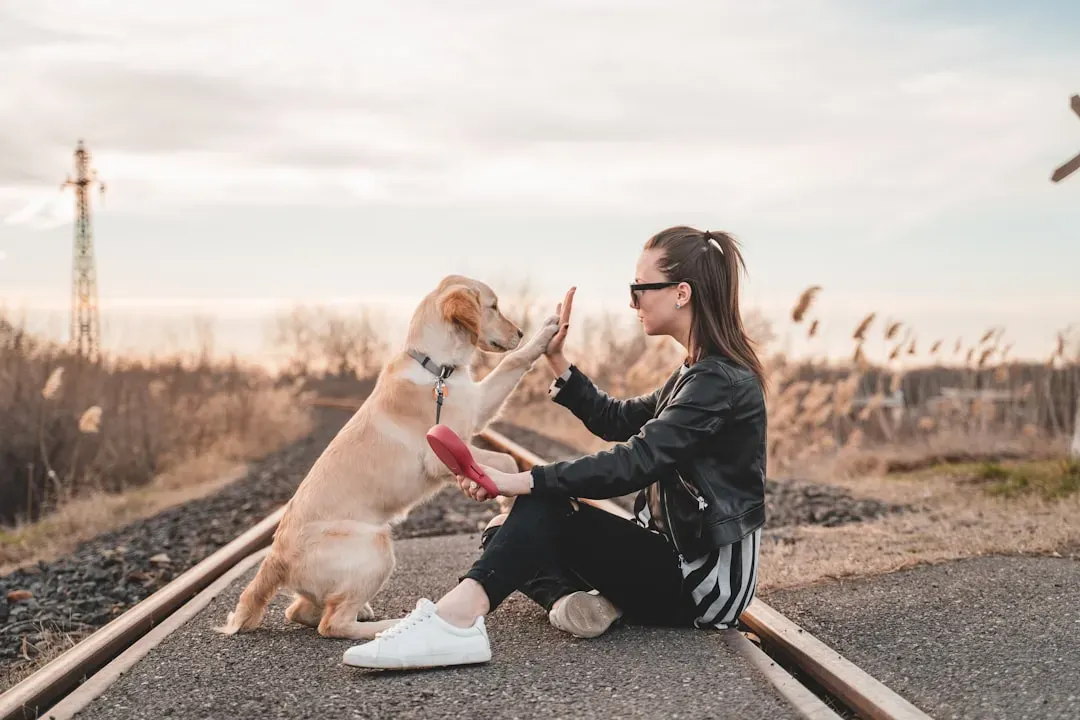
One of the strangest, most beautiful parts of the human–dog story is how easily our emotions sync up. When we interact positively with dogs – petting, talking, making eye contact – both species show measurable changes in hormones linked to bonding and trust. Our bodies literally reward us for spending time together. This chemical feedback loop likely started early, reinforcing calm, friendly interactions between humans and proto‑dogs, and making both sides feel safer and more attached.
Over generations, humans tended to keep and breed the dogs that were easier to connect with: those that responded to our voices, showed affection, and seemed “in tune” with us. At the same time, we unconsciously rewarded dogs that made us feel good and safe. As someone who has had a dog curl up next to me on a terrible day and suddenly made everything quieter in my head, I suspect this emotional feedback loop is one of the biggest reasons the partnership not only began, but never ended.
6. Dogs Expanded What Humans Could Do in Harsh Environments
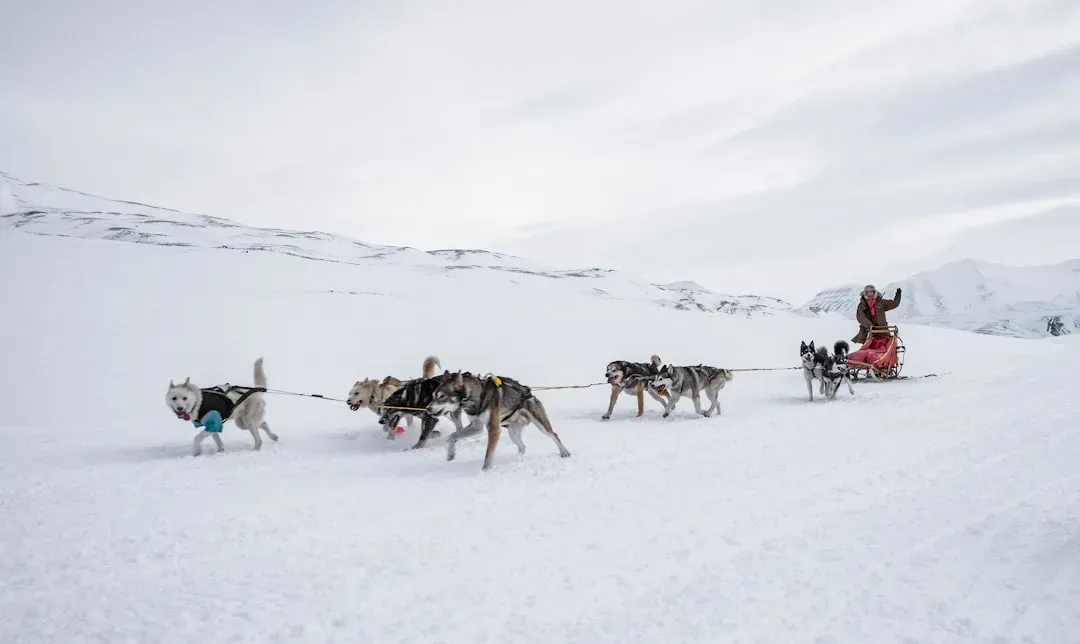
Once dogs entered the picture, they became living tools that extended our abilities in almost every direction. In snowy regions, dogs could pull sleds and help people travel farther and faster over ice and snow, opening up lands that would otherwise have been brutally difficult. In dense forests or open plains, their noses and tracking skills helped locate game or find lost members of the group in ways human senses alone could not match.
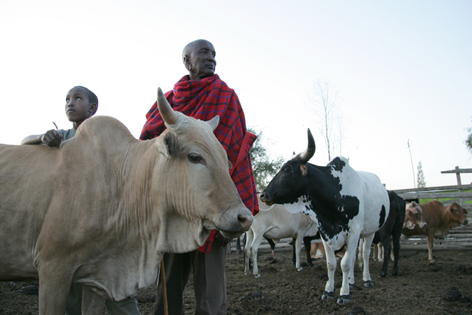
Dogs also helped protect food stores from other predators and scavengers, turning fragile camps into more stable bases. In some communities, they were used to help herd or move early domesticated animals, long before we had modern fences or vehicles. It is not an exaggeration to say that dogs acted like early multipurpose technology – part GPS, part security system, part transportation, part hunting assistant – all bundled into a single, breathing, loyal body.
7. Their Evolutionary Flexibility Made Them Perfect to Domesticate
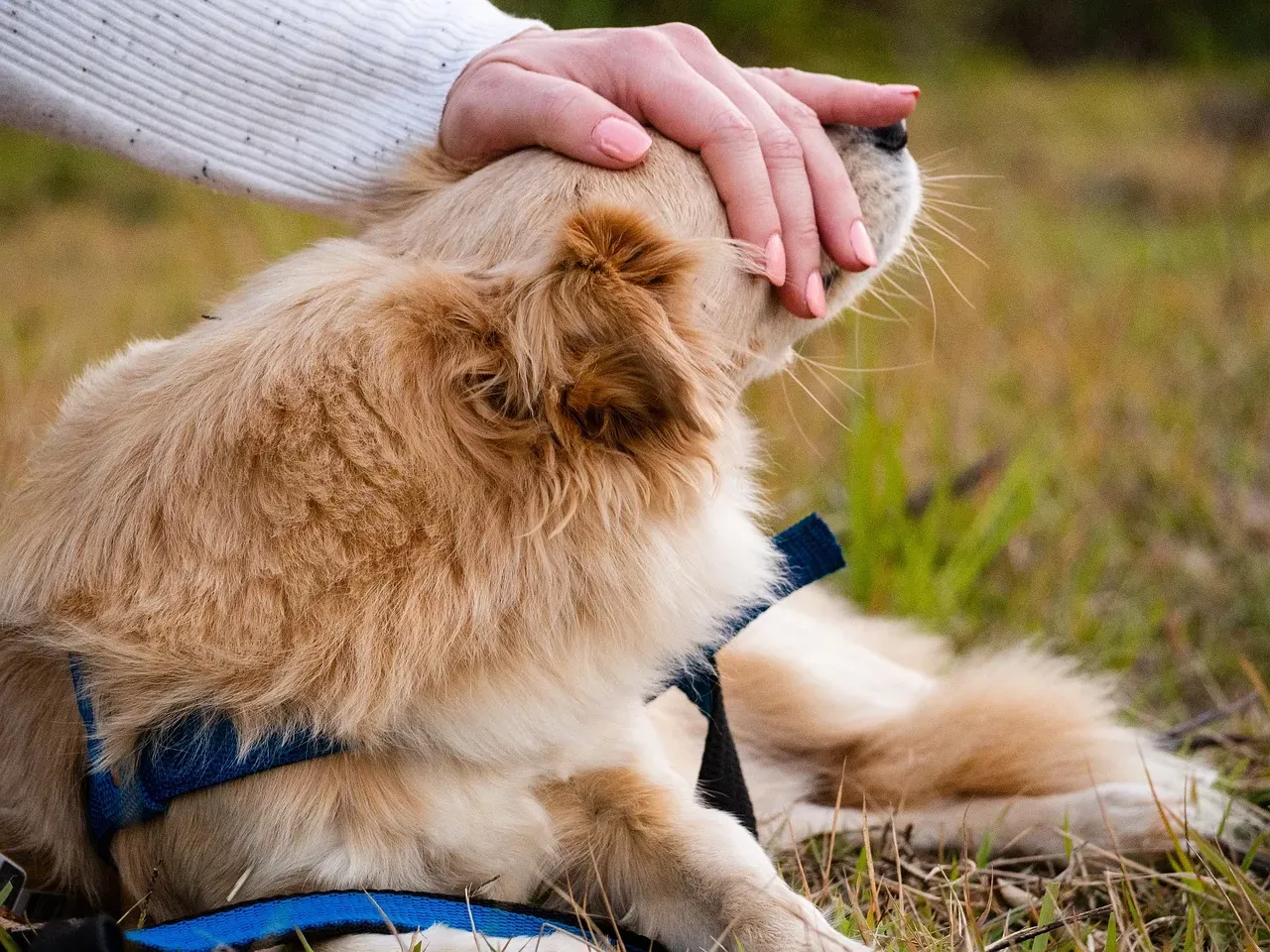
Not every wild animal can be turned into a partner, no matter how hard humans might try. Dogs had a few biological and behavioral traits that made domestication actually possible. They reproduce relatively quickly, live in social groups, can eat a varied diet that overlaps with ours, and show a wide range of temperaments. That meant humans could, generation by generation, select for friendliness, trainability, and reduced fear of people without waiting centuries between litters.
Over time, this selection pressure literally changed dogs’ bodies and brains. Features associated with tameness – like floppy ears, shorter snouts, and more playful behavior into adulthood – tended to appear more often. Humans responded instinctively to these traits, often finding such dogs “cuter” or easier to handle, and then giving them more protection and breeding opportunities. In a way, dogs are what happens when evolution meets everyday human preferences and habits, shaped in our image but still carrying the wild inside.
On top of that, dogs showed a remarkable ability to adapt to wildly different human lifestyles. Some thrived with nomadic hunter‑gatherers, others with early farmers, and later with urban dwellers. This plasticity – this talent for fitting into new roles and environments – sealed their place as our first long‑term animal partners. While other animals were tied to specific tasks or climates, dogs came along for almost every version of human life.
8. Dogs Helped Shape Human Culture and Identity

By the time humans began leaving behind more permanent art and stories, dogs were already there, carved into stone, painted on walls, and buried alongside us. That is a huge signal that they were more than just tools or livestock. In many early societies, dogs played roles in myth, ritual, and symbolism – sometimes as guides, sometimes as guardians, sometimes as companions in the afterlife. When you see an animal buried with care next to a human, it tells you something powerful about how that relationship felt.
Even today, the presence of dogs shapes how we see ourselves. They influence how children learn empathy and responsibility, how adults cope with loneliness and stress, and even how neighborhoods feel and function – think of how many random conversations start with someone walking a dog. I am convinced dogs did not just fit into our culture; they helped build it, nudging us toward deeper social ties, shared routines, and a sense of connection that reaches beyond our own species.
Conclusion: The Oldest Friendship Still Defines Us
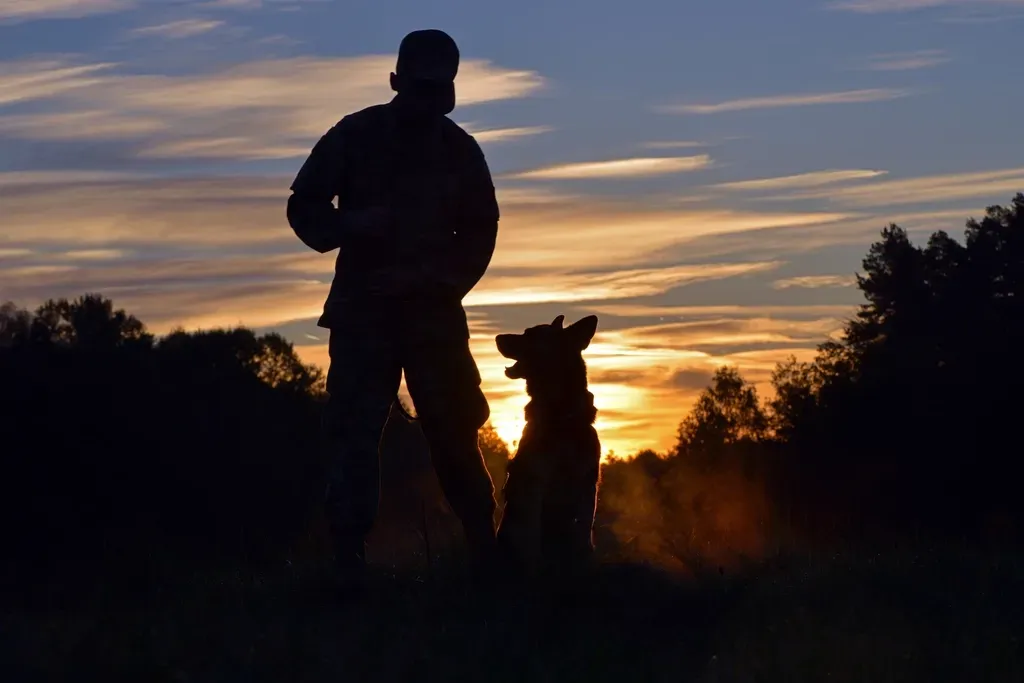
When you zoom out, the reasons dogs became humanity’s are not just practical – they are deeply personal. They were curious enough to approach our fires, useful enough to keep around, and emotionally tuned‑in enough to become family. In return, we gave them food, shelter, and a place in our stories and hearts. I honestly think the partnership worked so well that it quietly rewired what both “human” and “dog” even mean.
Other animals have been domesticated since then, some crucial to our economies and survival, but none have woven themselves into our daily lives quite the way dogs have. This is more than a contract of mutual benefit; it is an ancient friendship that still shapes how we love, protect, and understand the world around us. Next time a dog looks at you like you are the center of the universe, it might be worth asking yourself: are they our first partners, or are we really theirs?