Picture the ocean at night: no lights, no sound but your own breathing and the faint hiss of waves. Now imagine something the size of a bus sliding out of the dark beneath you, lined with teeth built to crush bone like dry twigs. The megalodon usually gets top billing in our nightmares, but the truth is, prehistory is packed with sea monsters that make even that giant shark look almost… predictable.
What really gets under your skin is not just size, but the way these animals hunted, moved, and dominated their ancient seas. Some had saw‑blade jaws, others had snake‑like necks that could strike from nowhere, and a few were basically biological submarines designed for high‑speed ambush. Let’s dive into eight real, scientifically described monsters that, in many ways, are even more terrifying than the famous megalodon.
1. Mosasaurus – The Oceanic Komodo Dragon On Steroids
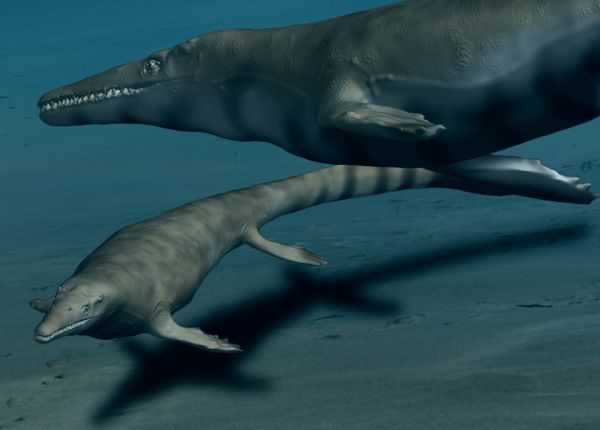
Start with this unsettling thought: imagine a Komodo dragon the length of a city bus, with flippers instead of legs, a crocodile‑like skull, and a tail built for underwater sprinting. That is roughly what Mosasaurus was, a top predator from the Late Cretaceous that ruled shallow seas while dinosaurs still walked on land. Some species are estimated to have stretched beyond fifteen meters, with skulls armed with cone‑shaped, bone‑crushing teeth. Unlike sharks, which constantly replace teeth and rely heavily on bite‑and‑wait tactics, mosasaurs had powerful, hinged jaws and flexible skulls more like modern monitor lizards and snakes, letting them manipulate and swallow very large prey.
What makes Mosasaurus more terrifying than megalodon in some ways is its agility and hunting style. This was not just a big animal cruising slowly through the open ocean; it was a muscular, air‑breathing reptile that could rocket upward from below or chase down prey with bursts of speed. Fossil stomach contents show they ate turtles, fish, other marine reptiles, and sometimes even smaller mosasaurs. I always picture one lurking beneath a Late Cretaceous reef, like a living torpedo with eyes just smart enough to know the perfect moment to strike.
2. Liopleurodon – The Ambush Hunter With a Bone‑Crusher Bite
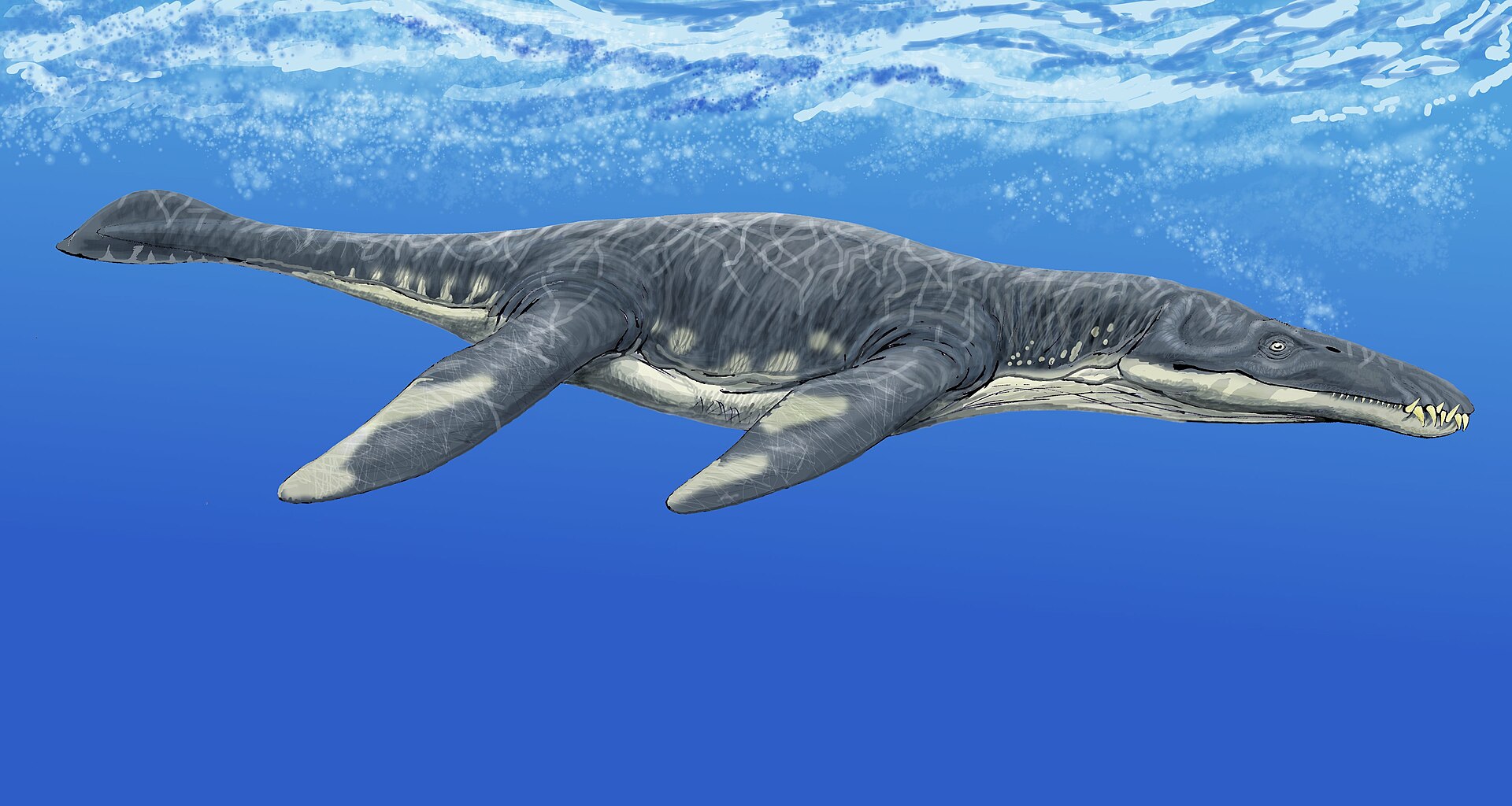
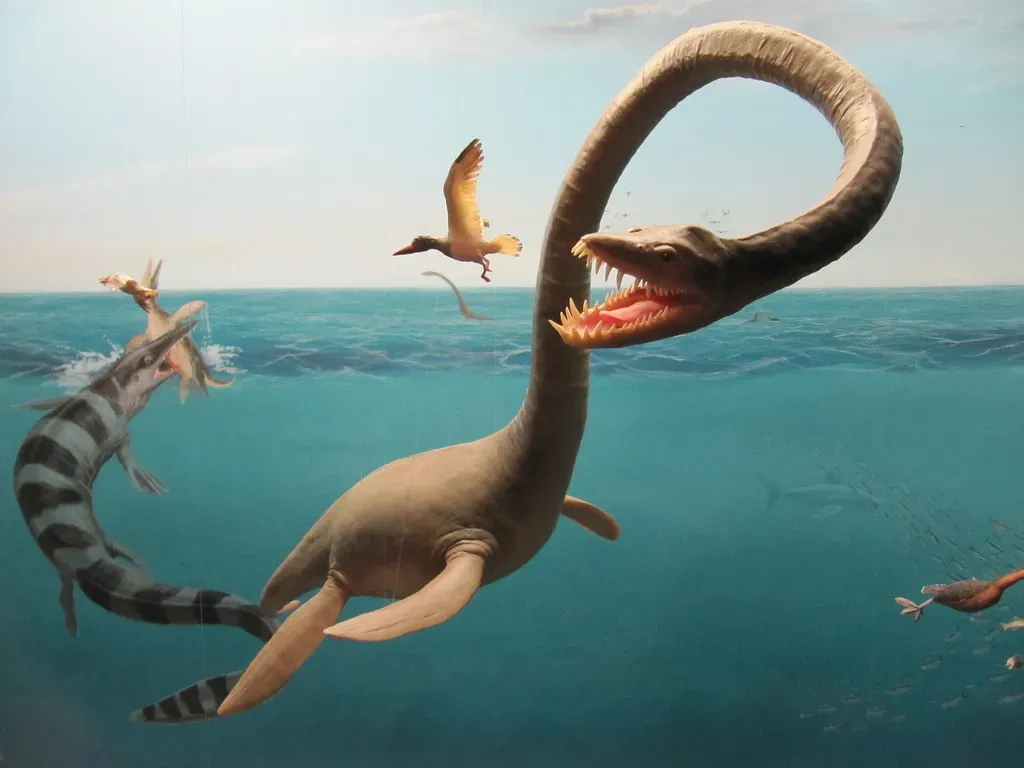
Liopleurodon got hyped into almost mythical proportions in old documentaries, but even after you strip away the exaggeration, what’s left is deeply unnerving. It was a pliosaur, a type of short‑necked plesiosaur with a huge head, massive jaws, and a compact, muscular body powered by four paddle‑like flippers. Realistic size estimates put it around six to seven meters for most individuals, though some fossils hint at larger specimens, and that head alone could stretch over a meter and a half. Its teeth were thick, conical, and spaced in a way that suggests a grip built to hold large, thrashing prey.
The scary part is how it likely hunted. Liopleurodon probably used short, explosive bursts of speed to ambush prey, accelerating with all four flippers like a biological quad‑engine speedboat. In murky Jurassic seas, where visibility might have been limited, a dark shape rocketing out of nowhere and clamping down with a crushing bite would have been almost impossible to evade. Compared with a megalodon that might circle and test its target, this thing feels more like a living mine – hidden, silent, then suddenly devastating.
3. Kronosaurus – The Heavyweight Skull That Ruled Its Reef
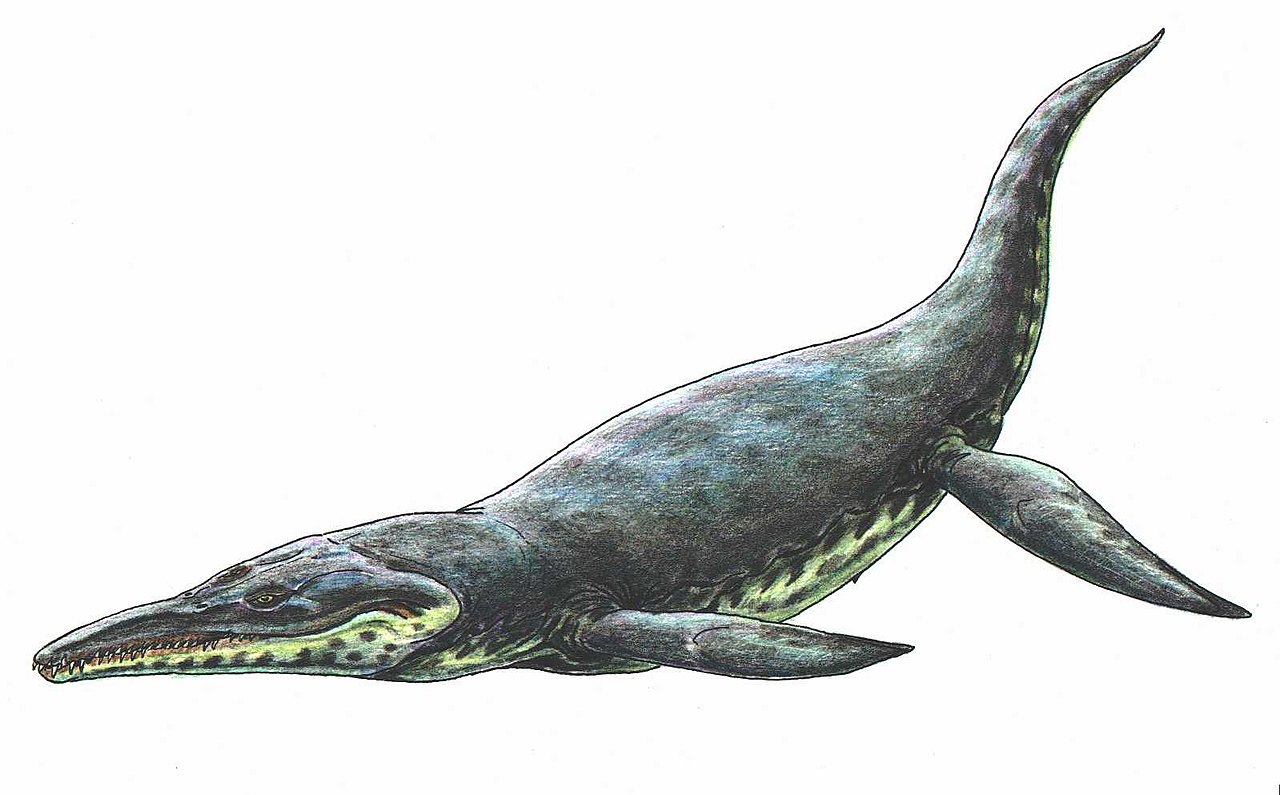
Kronosaurus is the marine reptile that looks like it was designed by a child who just drew “maximum jaws” and never stopped. Its skull alone could reach over two and a half meters, packed with thick, pointed teeth that interlocked like a set of steel spikes. The body was relatively shorter and more robust than some other pliosaurs, probably around ten meters long, which meant a lot of its mass was concentrated in that enormous head and chest. From a physics standpoint, that is a terrifying arrangement: huge leverage for bite strength, plus a hull‑like chest that could power sudden lunges.
Fossils suggest Kronosaurus prowled ancient Australian and South American seas, where it likely focused on large prey such as turtles, fish, and smaller marine reptiles. I always think of it as the prehistoric equivalent of a bulldog mixed with a crocodile – compact but unbelievably powerful, built less for a long chase and more for brutal, close‑range attacks. If megalodon is the great white scaled up, Kronosaurus is the nightmare version of a reef guardian, waiting by seafloor drop‑offs, jaws half open, ready to meet anything foolish enough to cross its path.
4. Shonisaurus – The Whale‑Sized Shadow From The Triassic
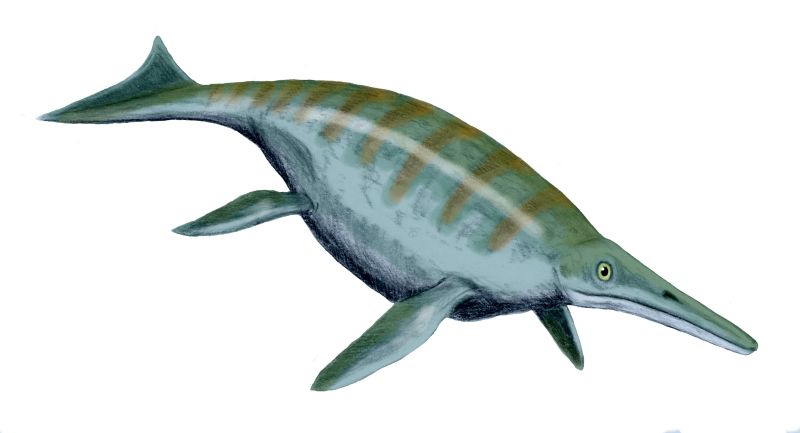
Not every terrifying sea monster relies on sharp teeth; sometimes the horror is in the sheer scale. Shonisaurus was a giant ichthyosaur, a dolphin‑shaped reptile that lived long before megalodon, back in the Triassic Period. Some species have been estimated at over twenty meters long, rivaling modern baleen whales in length. Its body was streamlined, with a long snout and large eyes, suggesting it was a powerful, open‑water swimmer that may have hunted squid‑like animals or small fish. Unlike the jagged, blade‑like teeth of many predators, its dentition in some fossils is relatively reduced or specialized, hinting at a different strategy.
So why is it terrifying? Imagine swimming in the open ocean and seeing a massive, silent shape slide past you in the deep – a living submarine from 220 million years ago. The psychological horror is not about being bitten in half, but about feeling absolutely tiny next to something that simply owns the water column. Shonisaurus reminds us that the sea has always produced giants, and that megalodon was just one representative in a long tradition of enormously powerful marine vertebrates that could pass beneath a boat and blot out the light.
5. Tylosaurus – The Spear‑Faced Missile Of The Cretaceous Seas
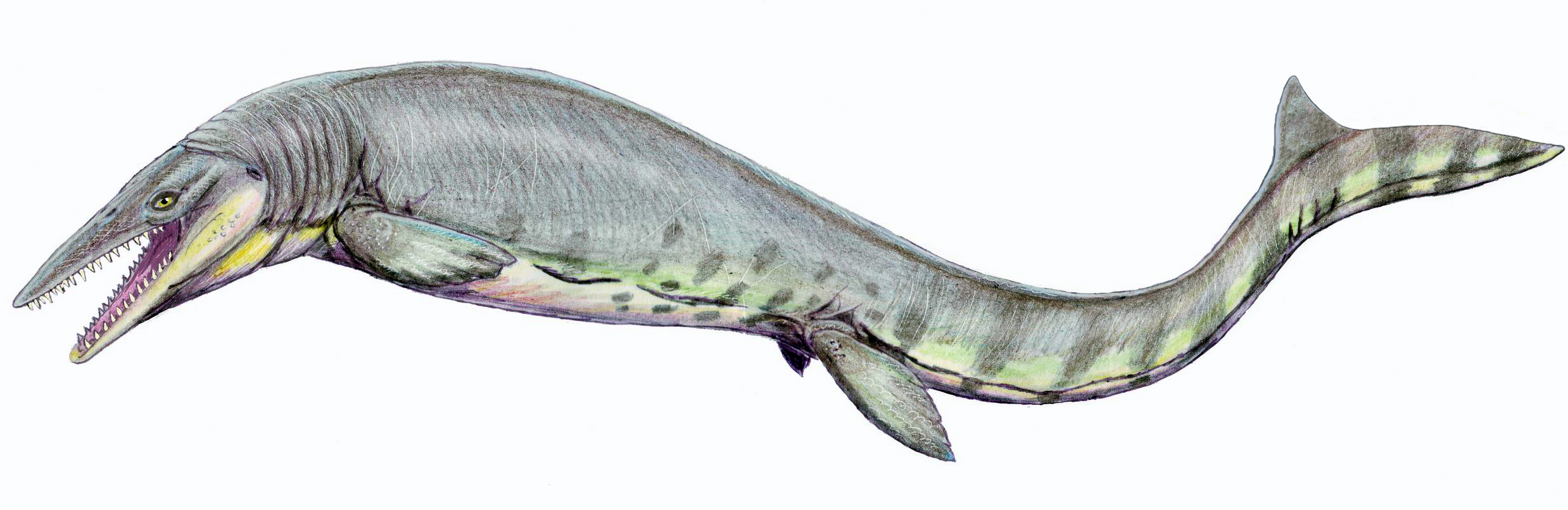
If Mosasaurus is the hulking bruiser of the mosasaur family, Tylosaurus is the sleek, fast cousin built like a guided missile. Its name refers to the solid, bony tip of its snout, which formed a sort of battering ram at the front of its skull. This feature may have been used to stun prey, ram into schools of fish, or even jostle rivals, adding a physical impact element to an already lethal bite. Some estimates put Tylosaurus at around twelve to fourteen meters long, tapering into a long, powerful tail that suggests speed was one of its main weapons.
Stomach content fossils have revealed fish, turtles, mosasaurs, and even large birds in its diet, painting a picture of a predator that was not picky and definitely not shy about tackling big, agile targets. Compared with megalodon’s mostly fish‑ and whale‑focused menu, Tylosaurus feels like a reckless opportunist that would hit almost anything that moved. Personally, the idea of a reptile that can both ram and bite at high speed feels even more intimidating than a straightforward giant shark. It adds a chaotic, unpredictable energy to the ancient ocean – like a torpedo that also happens to have a mouth full of knives.
6. Pliosaurus funkei (The “Predator X” Pliosaur) – The Ultimate Marine Mauler
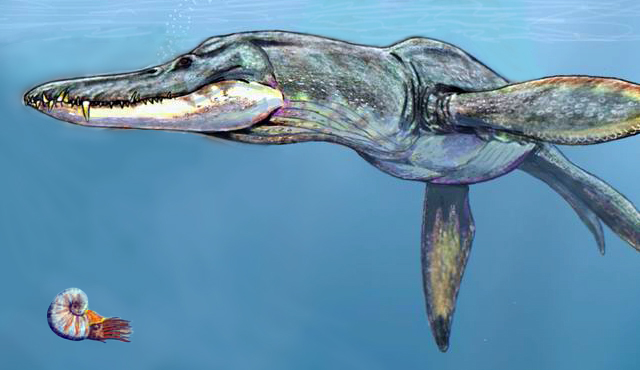
Discovered in Arctic rocks and informally nicknamed “Predator X” for a while, Pliosaurus funkei is one of those fossils that makes paleontologists quietly reevaluate just how extreme marine predators could become. This pliosaur is thought to have reached lengths around ten to possibly twelve meters, with a massive skull bristling with thick, conical teeth. Biomechanical estimates suggest its bite force may have been among the strongest of any marine reptile known so far, potentially exceeding even that of large theropod dinosaurs. If you imagine a crocodile scaled up and then fine‑tuned for open water, you’re not far off.
What makes this animal stand out, even in a list like this, is the combination of bite strength, maneuverability from its four‑flipper setup, and the cold, high‑latitude environment it inhabited. It lived in seas that could be seasonally dark and likely rich with large prey, a setting already eerie by modern standards. Compared with megalodon’s relatively straightforward shark design, Pliosaurus funkei feels almost over‑engineered for tearing big things apart. It is exactly the kind of creature that makes you glance at a calm, glassy ocean and realize how little you would want to know what used to hunt in the layers below.
7. Dakosaurus – The Marine “Killer Croc” With Serrated Teeth
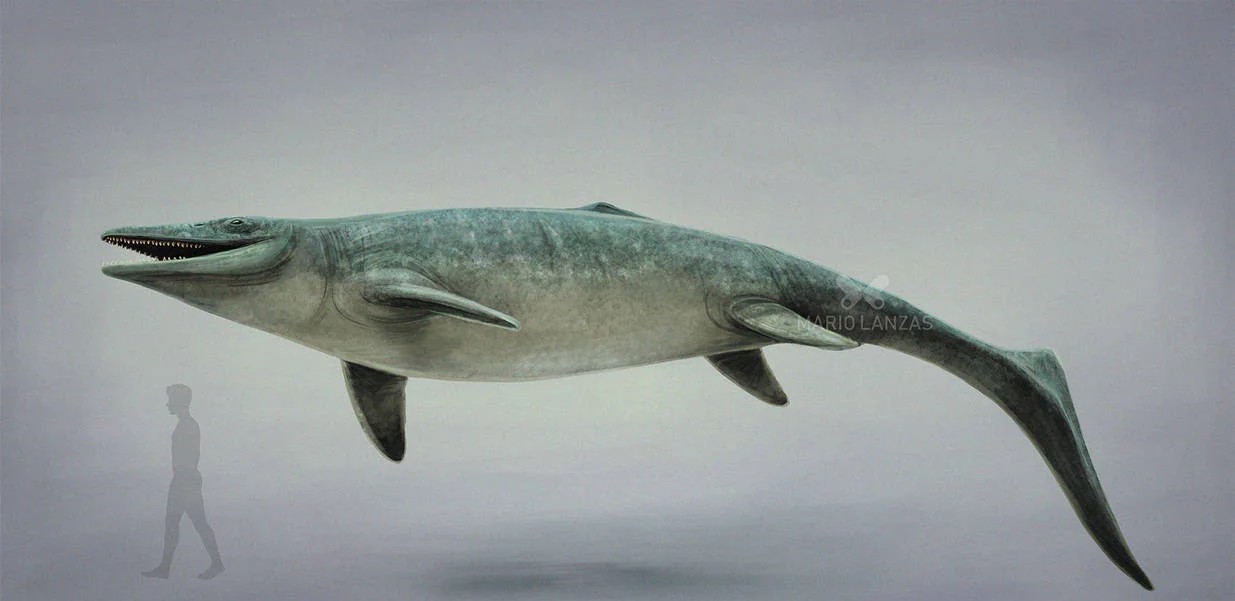
Dakosaurus looks like someone took a modern crocodile, shaved down its body, gave it a more shark‑like tail, and then swapped its teeth for jagged, serrated blades. It was a metriorhynchid, a fully marine crocodile relative that abandoned the typical croc lifestyle of basking and ambushing at riverbanks. Instead, it evolved into an open‑ocean predator, with paddle‑like limbs and a streamlined body built for active swimming. Its skull was relatively short and deep compared with some long‑snouted cousins, hinting at a specialization for tackling larger, more struggling prey rather than just fish.
The teeth are what really push Dakosaurus into nightmare territory. They were laterally compressed and finely serrated, more like the cutting teeth of some theropod dinosaurs than the conical teeth of typical crocs. This suggests it could slice flesh efficiently, taking big, ripping bites out of its victims. When you compare that to megalodon’s already fearsome dental toolkit, Dakosaurus wins in terms of pure horror aesthetics: a crocodile that swims like a shark and bites like a meat‑slicing dinosaur. The idea of that sliding silently under the waves is the kind of thing that sticks in your head the next time you see a calm, green bay.
8. Thalassotitan – The “Sea Titan” That Ate Other Monsters
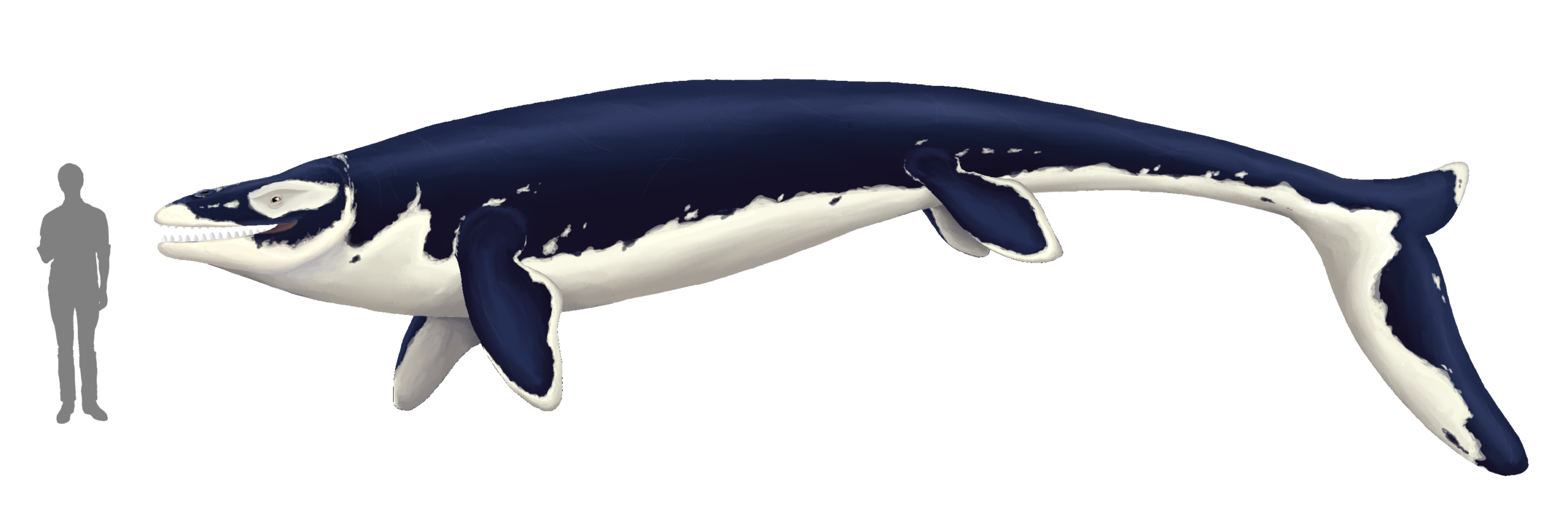
Thalassotitan is a relatively recent addition to this rogues’ gallery, a massive mosasaur from the Late Cretaceous of what is now Morocco. Its skull was short and deep for a mosasaur, packed with heavy, conical teeth that show extensive wear and damage, likely from biting into hard bone. Fossils of prey animals found nearby include pieces of other large marine reptiles, suggesting that this was not just a top predator but something like an apex apex predator – an animal that regularly preyed on other monsters of its own ecosystem. Even without the dramatic name, the evidence paints it as a brutal, confrontational hunter.
To me, Thalassotitan is more terrifying than megalodon because it feels like the bully of an already dangerous neighborhood. It did not just pick off the weak or the small; it seems to have ripped into hard, bony targets often enough to visibly damage many of its teeth. Picture a reptile the length of a bus, muscled like a crocodile, patrolling ancient shorelines and offshore waters, actively seeking out other big predators as part of its regular diet. In a world full of dangerous things, it chose to specialize in eating the dangerous things, which says everything you need to know about how lethal it really was.
The Deep Truth: Why These Monsters Still Haunt Us
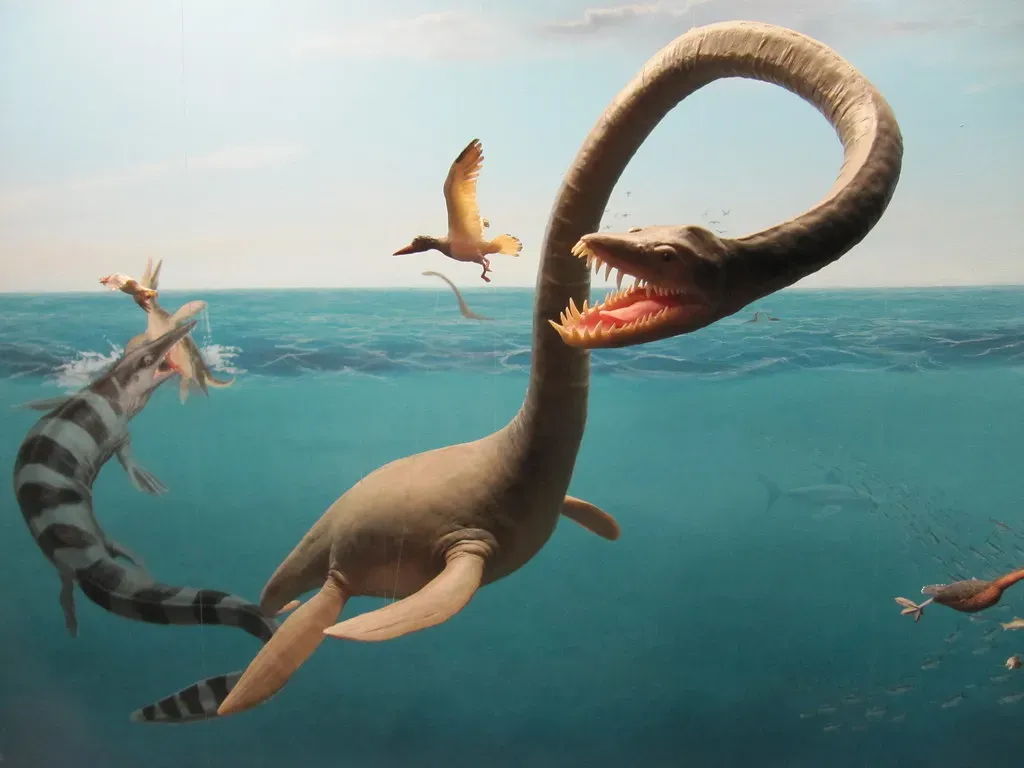
When you line up these eight sea monsters against the famous megalodon, a pattern starts to emerge: size alone is not what really scares us. It is the combination of power, strange anatomy, and hunting style that makes our imagination light up. A giant shark is terrifying, sure, but a crocodile‑shaped reptile with dinosaur‑style teeth, or a whale‑sized reptile sliding ghost‑like through the Triassic dark, hits a different, deeper nerve. These animals reveal just how creative evolution has been in filling the oceans with predators that could grab, crush, ram, slice, or simply overshadow anything unlucky enough to cross their paths.
Personally, I think megalodon gets too much of the spotlight compared with these other monsters. There is something more unsettling about predators like Thalassotitan and Pliosaurus funkei, which feel almost like nature experimenting with maximum brutality. They remind us that our modern seas, even with sharks and orcas, are relatively tame compared with the stacked, tooth‑filled ecosystems of the past. Next time you look out over a calm, blue horizon, it is worth asking yourself: if the ocean can still hide giant squid and newly discovered deep‑sea species today, what would you have guessed was lurking there a hundred million years ago?