If you could time‑travel to prehistoric Earth, you’d probably think you’d landed on an alien planet. The air would taste different, the sky might have a strangely tinted glow, and the animals would look like a mash‑up of nightmares and cartoon doodles. A lot of what scientists now know about ancient Earth honestly sounds like someone got carried away writing science fiction.
Yet these things really happened. Our planet has been frozen nearly solid, cooked in greenhouse heat, hit by rocks large enough to reset evolution, and populated by creatures so strange they make dinosaurs look ordinary. Once you realize how wild the past actually was, the present suddenly feels less fixed, more fragile, and a lot more fascinating.
1. Earth Was Once Nearly a Giant Snowball
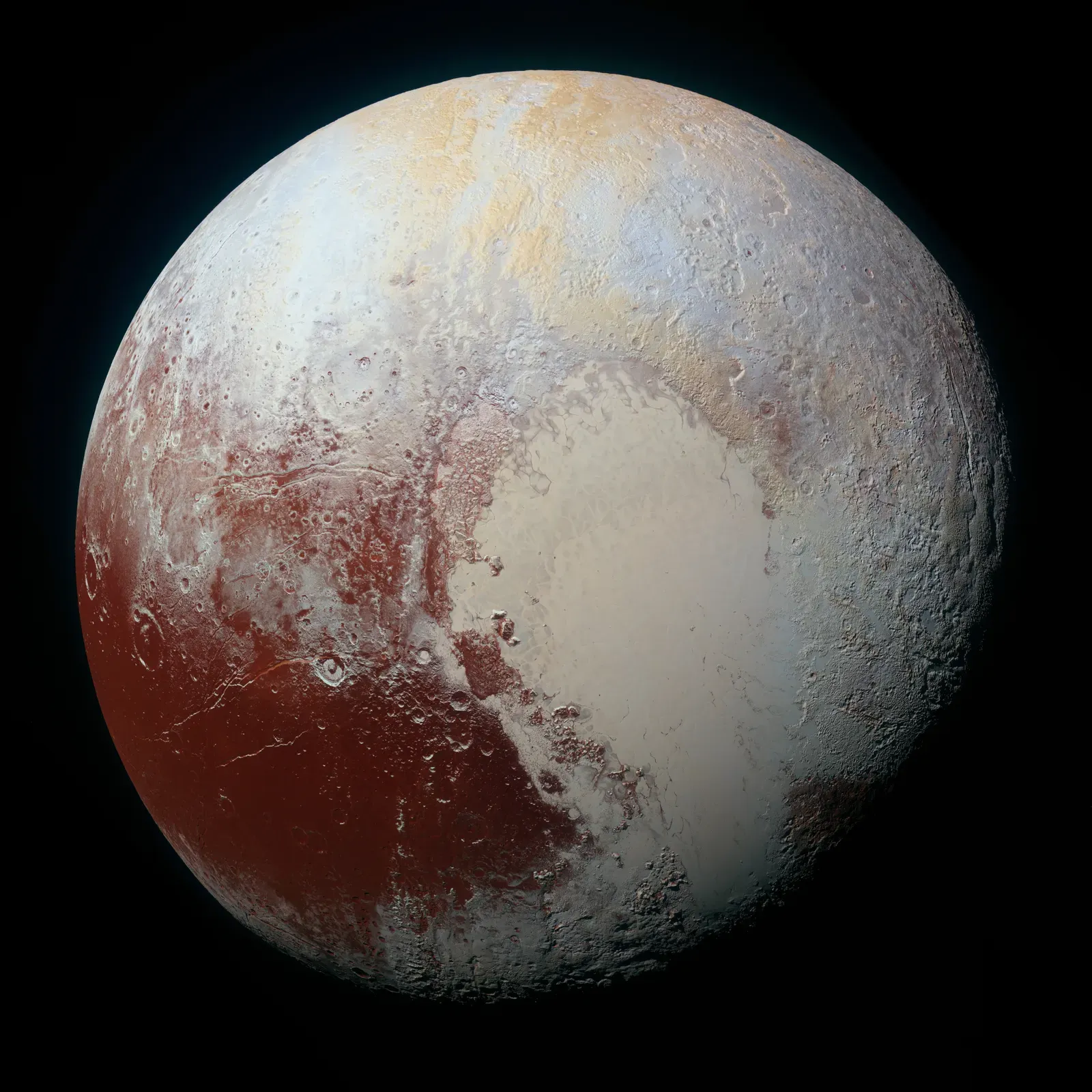
Imagine standing at the equator and seeing glaciers stretching as far as you can see, with oceans sealed beneath a lid of ice. During several episodes about seven hundred million years ago, scientists think Earth froze so severely that ice reached close to, or possibly all the way to, the tropics. This idea, often called Snowball Earth, sounds like a dramatic overstatement until you look at the rocks: glacial deposits show up in places that would have been near the equator at the time, which is the last place you’d expect ice sheets.
What makes this even stranger is that the Sun was weaker back then, so once the ice advanced, it reflected even more sunlight back into space and locked in the cold. The only way out was an enormous buildup of volcanic greenhouse gases, slowly leaking into the air for millions of years until the planet finally thawed. When that deep freeze ended, conditions changed so abruptly that it may have helped set the stage for the later explosion of complex life. In other words, nearly dying of cold might have been part of why the planet eventually got so lively.
2. The “Age of Dinosaurs” Had No Flowering Plants at First
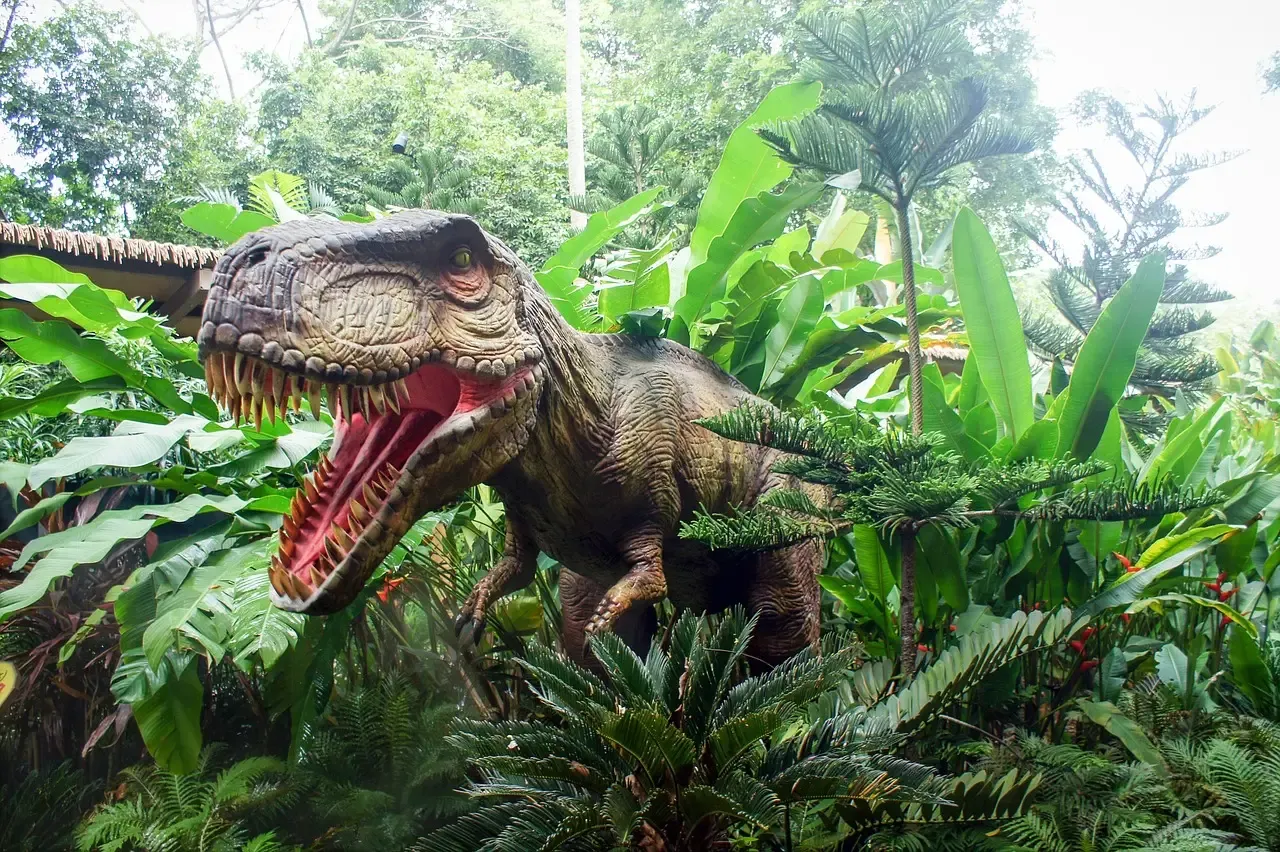
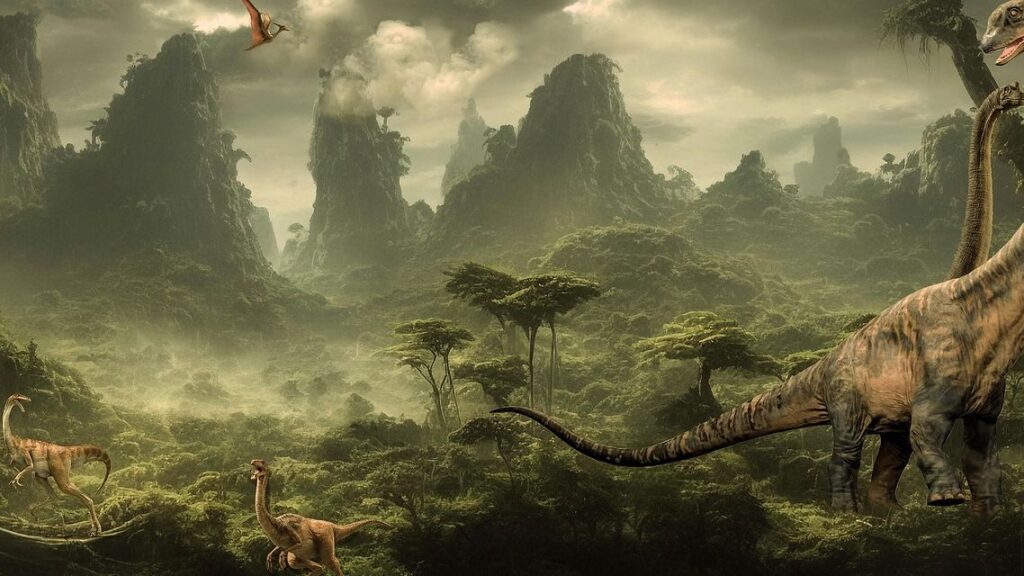
When people picture dinosaurs, they usually imagine them stomping through lush jungles filled with flowers and fruit, like a slightly more dangerous version of a modern rainforest. The truth is far weirder: for much of the early and middle dinosaur era, there were no flowering plants at all. The landscapes were dominated by ferns, cycads, conifers, and other seed plants, but not a single rose, daisy, or apple tree existed. If you brought a bouquet on a time‑travel trip to the Jurassic, it would look like alien technology.
Flowering plants, known as angiosperms, only appear relatively late in the dinosaur story and then spread astonishingly fast. Once they caught on, they rewired ecosystems by offering nectar, fruits, and new kinds of leaves, which in turn supported new insects, birds, and mammals. Some scientists think the rise of flowering plants reshaped herbivore diets and might have even nudged certain dinosaur groups to evolve different body sizes or feeding strategies. So, the world that most dinosaur toys show you – a riot of flowers under towering sauropods – is really a strange mash‑up of two very different moments in Earth’s history.
3. Dragonfly‑Like Insects Once Had Wingspans Over Two Feet
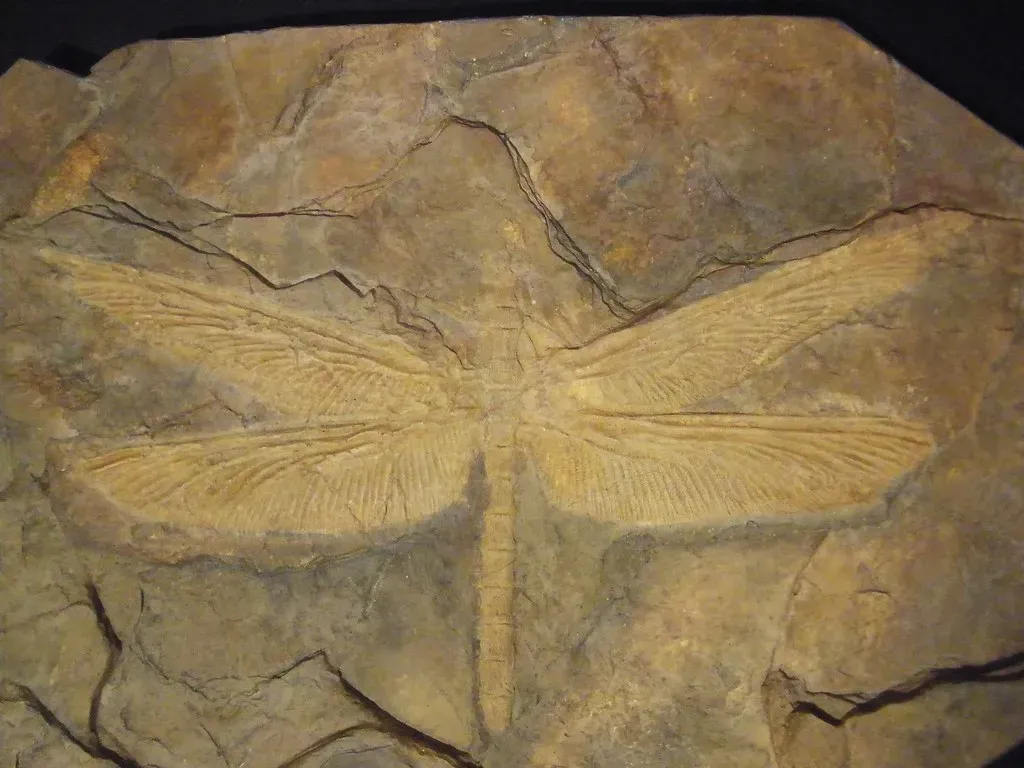
Giant bugs sound like a lazy horror movie idea, but there was a time when you could have held up your arm and been dwarfed by something that looked like a dragonfly on steroids. During the late Carboniferous and early Permian periods, some flying insects had wingspans of more than two feet. Picture a living dinner plate with wings buzzing past your face, and you’re not terribly far off. These enormous creatures lived in swampy forests where the air itself was different from what you breathe today.
The leading explanation is that the atmosphere back then had significantly more oxygen than it does now, which allowed insect breathing systems to support bigger bodies. Insects do not have lungs; they rely on a network of tubes that deliver oxygen through passive diffusion, which usually limits their size. When oxygen levels are unusually high, that size limit moves. So the idea that the air composition alone once turned the world into a testing ground for oversized arthropods is not only real, it is a perfect reminder that small tweaks in basic conditions can create utterly bizarre results.
4. There Were Sharks Before There Were Trees
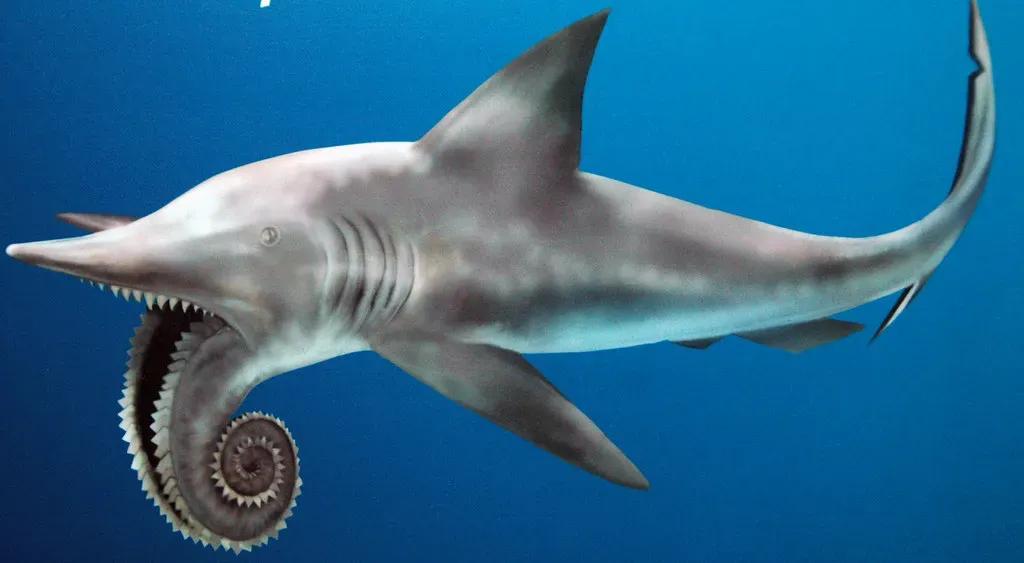
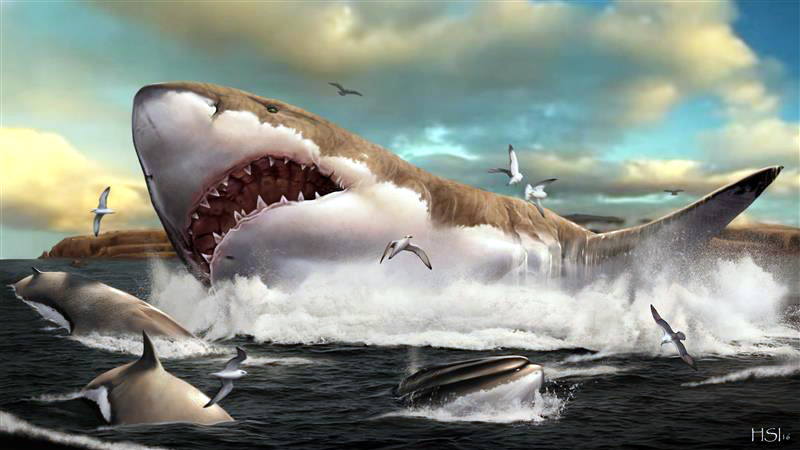
It sounds backwards, but sharks are older than forests. Sharks in recognizable forms show up in the fossil record hundreds of millions of years ago, long before true trees with thick trunks and complex root systems took over the land. So if you went snorkeling in the Devonian seas, you could have bumped into early sharks while the continents were still covered mostly in low plants and simple vegetation. The ocean evolved its top predators before the land really figured out how to build a forest.
This timeline flips the usual story we tell ourselves, where land life seems like the “main” event and oceans are just background. In reality, the sea was experimenting with big, fast predators while the land was still in its awkward early teenager phase. Those early sharks were part of a broader wave of fish diversity that reshaped marine ecosystems. By the time towering trees and deep forest soils transformed the continents, sharks had already survived multiple environmental shifts, proving that their basic design was both ancient and astonishingly durable.
5. A Fungus‑Like “Tower” May Have Been One of the First Giants on Land
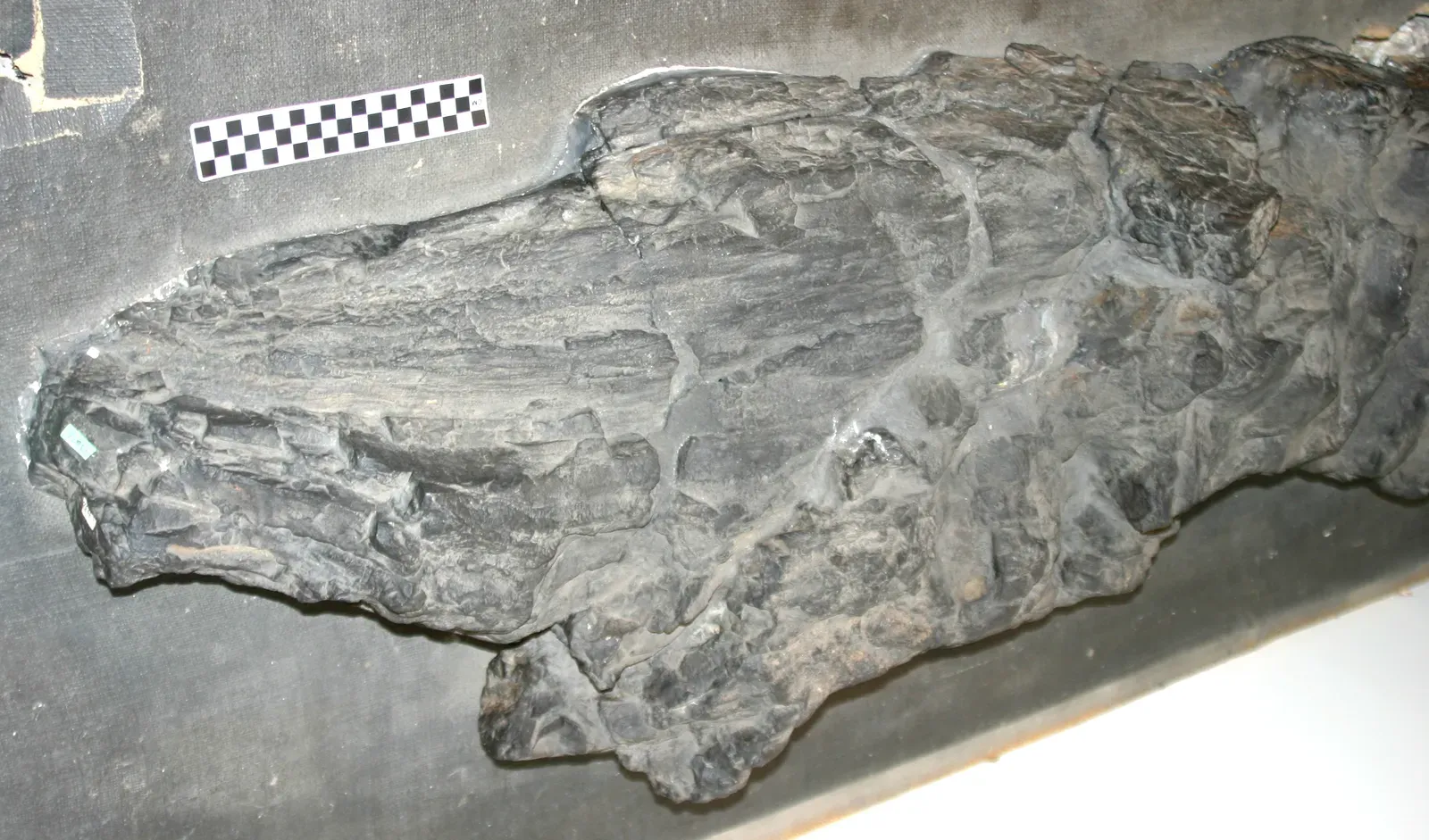
Long before dinosaurs, and even before forests, the tallest things on land might not have been animals or trees at all, but strange pillar‑shaped organisms called Prototaxites. These structures could reach several meters in height, rising above the low, mossy and lichen‑like vegetation that covered early terrestrial landscapes. For a long time, scientists argued about what they actually were: giant algae, weird trees, or something else entirely. Current evidence leans toward them being fungus‑like, though they were unlike any mushroom you’ve ever seen.
Imagine walking across a damp, barren landscape where the only “trees” are huge, lifeless‑looking poles of organic tissue. It is such a bizarre scene that it feels like concept art for a video game level rather than serious science. Yet chemical and microscopic analyses of their fossils strongly support the idea that these towering forms were real, perhaps acting as major recyclers in those early ecosystems. The thought that one of the first giants on land was essentially a colossal fungal column rather than a plant or an animal is one of those facts that quietly rewrites how we imagine the history of life.
6. Earth’s Atmosphere Used to Be Poisonous to Most Modern Life
We take breathable air so for granted that it is hard to imagine our own planet being filled with gas that would wreck our bodies almost instantly. But for a huge slice of Earth’s history, the atmosphere had little or no free oxygen. Early life was dominated by microbes that actually preferred conditions that would be lethal to us. When photosynthetic microorganisms eventually started releasing oxygen as a waste product, that gas built up so much that it triggered one of the most dramatic environmental changes in planetary history.
This event, often called the Great Oxidation, was wonderful for the ancestors of animals like us, but it was a catastrophe for many earlier microbes that could not tolerate oxygen. In a way, oxygen was once a kind of pollution that helped wipe out many existing forms of life. That twist – where the “fresh air” we cherish today began as a deadly by‑product – is an uncomfortable reminder that what counts as “good” or “bad” for life depends entirely on who you are. The atmosphere we see as perfectly natural is really just one snapshot in a long, chaotic series of chemical experiments.
7. The Biggest Mass Extinction Made the Dinosaur World Possible
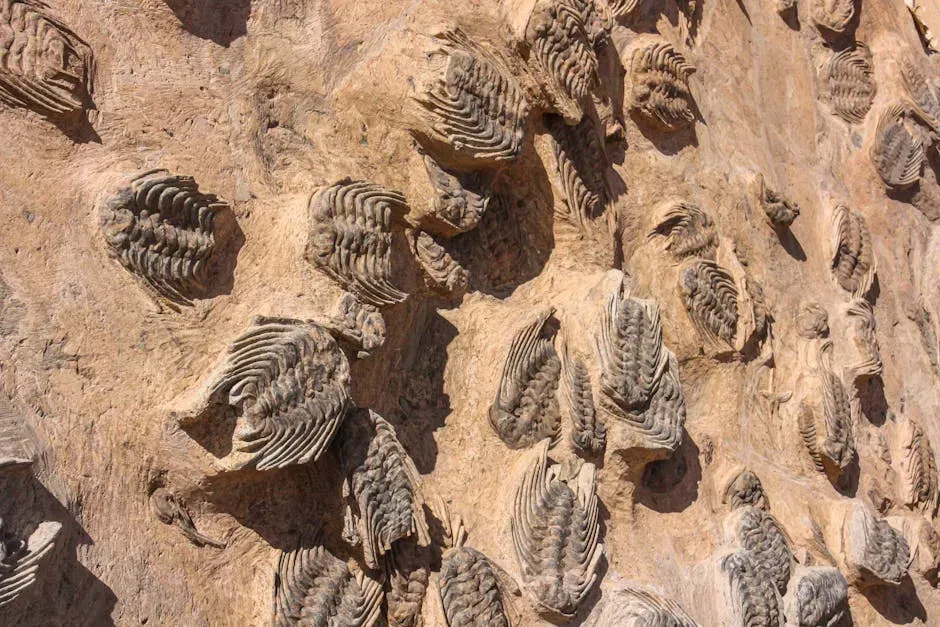
When people think extinction, they usually think of the asteroid that finished off the non‑bird dinosaurs. Yet the most brutal die‑off in Earth’s history happened much earlier, around the end of the Permian period, and it was on another level entirely. This so‑called Great Dying wiped out most marine species and a large majority of land species as well. Imagine nearly everything you know about the living world collapsing in slow motion over hundreds of thousands of years, leaving ecosystems shattered and simplified.
From that wreckage, new groups gradually took over – among them the early relatives of dinosaurs. The Triassic world that followed was a kind of evolutionary reboot, full of strange reptiles and experimental body plans that spread into the ecological space left empty by the catastrophe. Dinosaurs did not immediately dominate, but they rose within that wide‑open playing field. It is unsettling to realize that one of our favorite prehistoric icons, the dinosaur‑ruled world, was only possible because a previous biosphere was almost completely erased.
8. Some Dinosaurs Lived in Polar Regions with Long Periods of Darkness
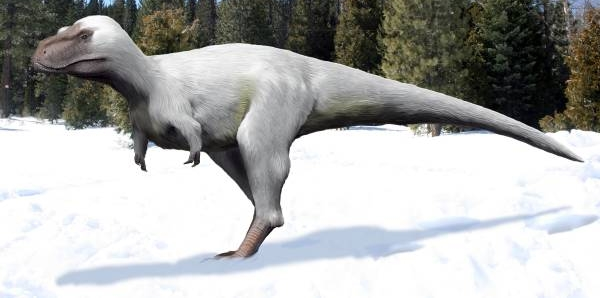
It sounds completely wrong to imagine dinosaurs trudging through snow or living months with little sunlight, yet fossil evidence shows that some species lived well within ancient polar circles. Back then, the world was generally warmer, so these polar regions were not endless ice sheets like modern Antarctica, but they still experienced long, dark winters. Bones and tracks of dinosaurs found at high paleolatitudes suggest that at least some of them did not just migrate away seasonally – they stayed and toughed it out.
That means certain dinosaurs had to cope with limited food, extreme seasonal swings, and long stretches of twilight or darkness, challenges that feel more like something out of Arctic survival stories than Jurassic fantasies. Some may have grown more slowly in winter or relied on insulating feathers, fat stores, or particular behaviors to get through the lean times. This picture clashes with the old idea of dinosaurs as purely tropical, heat‑loving reptiles. The reality is more complicated: some dinosaur lineages were surprisingly adaptable, capable of thriving in conditions that push even modern animals to the edge.
Conclusion: A Planet That Refuses to Be Boring
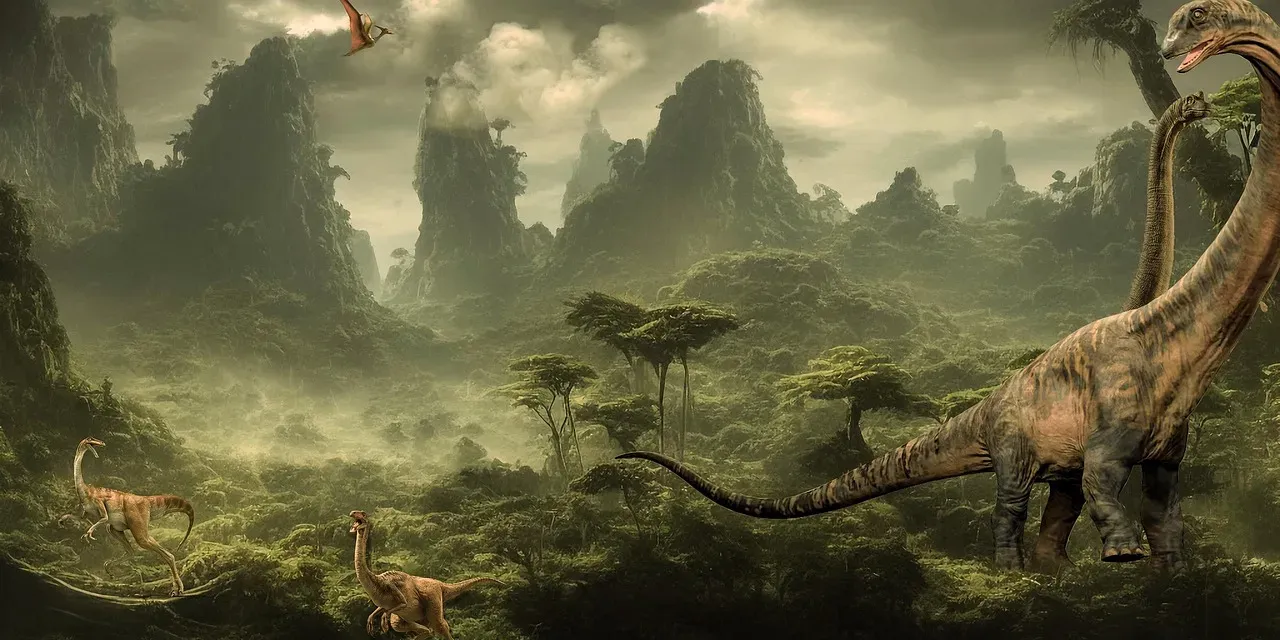
When you step back and look at these eight realities side by side – global ice blankets, poisonous air, fungal towers, giant bugs, and polar dinosaurs – it becomes obvious that prehistoric Earth was not just a slower version of today. It was a shape‑shifting world that repeatedly reinvented itself, often in ways that feel too strange to be believed. My own opinion is that we still underestimate just how flexible and weird this planet can be; we flatten its past into a simple story because the full truth is almost too wild to hold in our heads at once.
The unsettling part is that we now live on this same world, nudging its climate and chemistry in ways that seem small from day to day but huge over geological timescales. If a bit more oxygen could fuel car‑sized insects, and a few degrees of change could help freeze or bake the globe, then the line between “normal” and “unthinkable” is thinner than we like to admit. To me, that is both a warning and an invitation to pay attention. Knowing how bizarre Earth has been before, are you still sure you know what it is capable of next?