If you were dropped onto prehistoric Earth with your twenty–first–century brain and expectations, it would not just feel like another country or another era. It would feel like a different planet that only vaguely remembered what “Earth” was supposed to be like. The sky, the air, the sounds, even the ground under your feet would be wrong in ways that your instincts simply aren’t built to process.
I sometimes imagine what it would feel like to step out of a time machine expecting a Jurassic theme park and instead getting a world that smells harsh, sounds alien, and might actually make you dizzy just by breathing. Prehistoric Earth was not just a backdrop for dinosaurs and weird fish; it was a radically experimental version of the world we live on now. Here are eight things that would completely scramble a modern human’s senses almost instantly.
1. The Air Itself: Thick, Strange, And Sometimes Barely Breathable
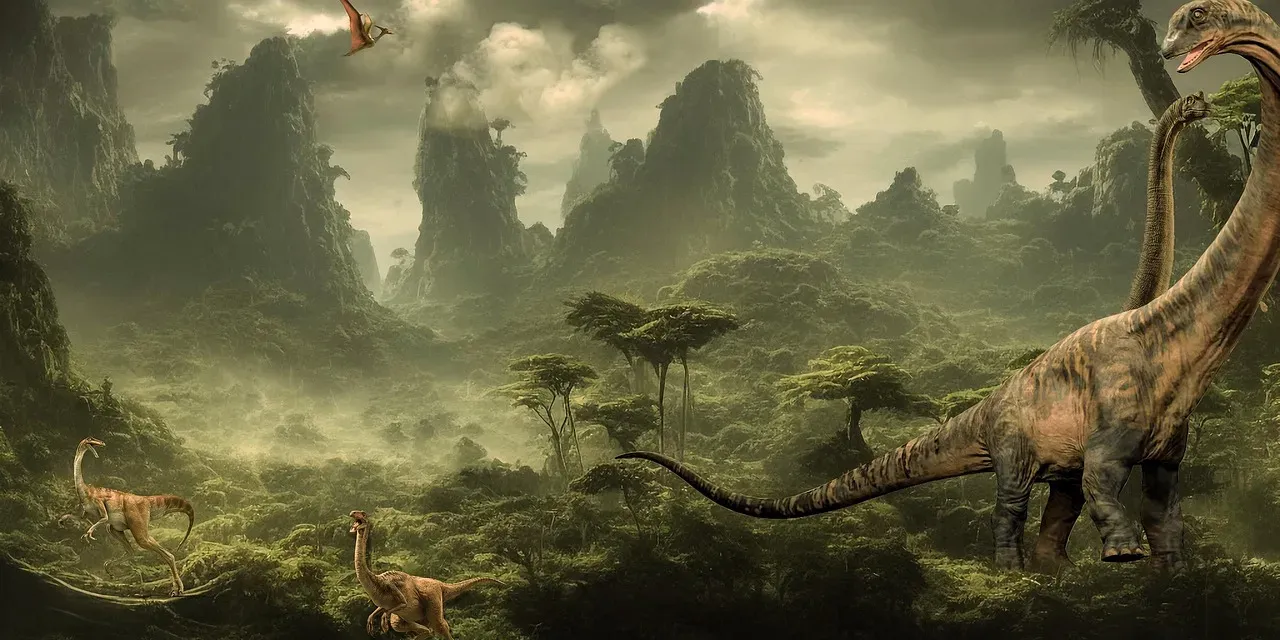
The very first thing that would hit you is not a dinosaur or a giant insect; it is the air itself. For huge chunks of Earth’s history, the atmosphere’s mix of oxygen and carbon dioxide was nothing like today’s, swinging between levels that could feel like high-altitude sickness or a kind of oxygen intoxication. During some ancient periods, oxygen was much lower than what we are used to, so just walking or running could feel like trying to sprint at the top of a tall mountain.
In other eras, especially parts of the late Paleozoic, oxygen levels were significantly higher, and that would change how fires behave, how you feel when you breathe deeply, and even how your voice might sound. The air would also likely smell stronger and stranger: more volcanic gases, more rotting plant matter, fewer familiar scents from modern flowers and soils. You would not see this difference with your eyes, but your lungs and brain would notice immediately, and you might feel light‑headed, panicky, or weirdly “amped” just by taking a few breaths.
2. A Night Sky With No Familiar Constellations
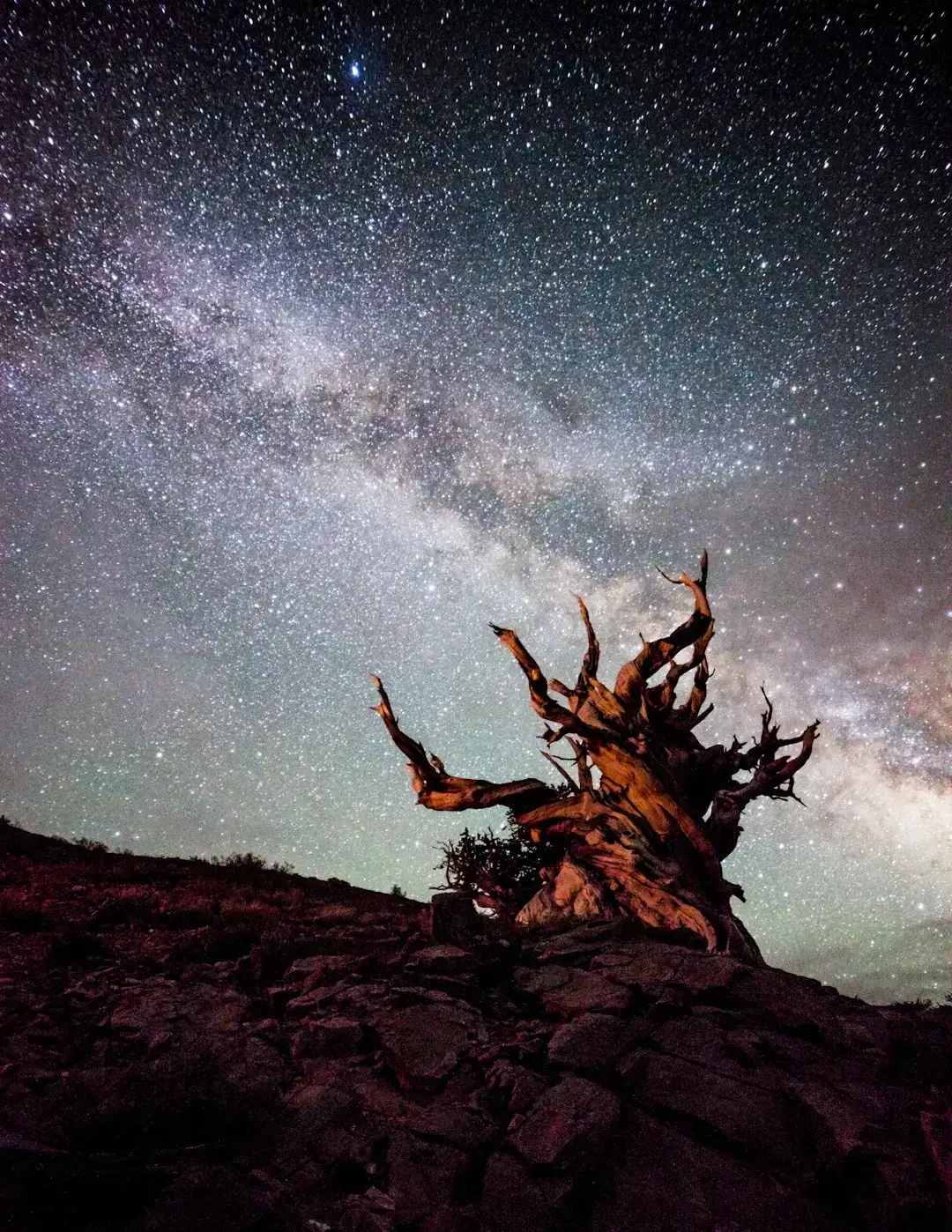
Look up at the prehistoric night sky and you’d get one of the most subtle but emotionally brutal shocks: the stars are still there, but your constellations are gone. Over millions of years, stars drift relative to one another, and Earth’s orientation in space shifts in multiple slow cycles. The result is that the Big Dipper, Orion, and the rest of your cozy celestial landmarks simply would not exist in the shapes you know, if they exist at all.
On top of that, the Milky Way might seem positioned differently, the pole star could be a completely different point of light or not clearly defined, and light pollution would be zero, making the sky far denser and more overwhelming. It would feel like waking up in your childhood bedroom and realizing every piece of furniture has been rearranged in the dark. There would be beauty, sure, but also a powerful sense of being cut loose from the map you carry in your head without even knowing it.
3. Colors And Smells Of A Totally Alien Landscape
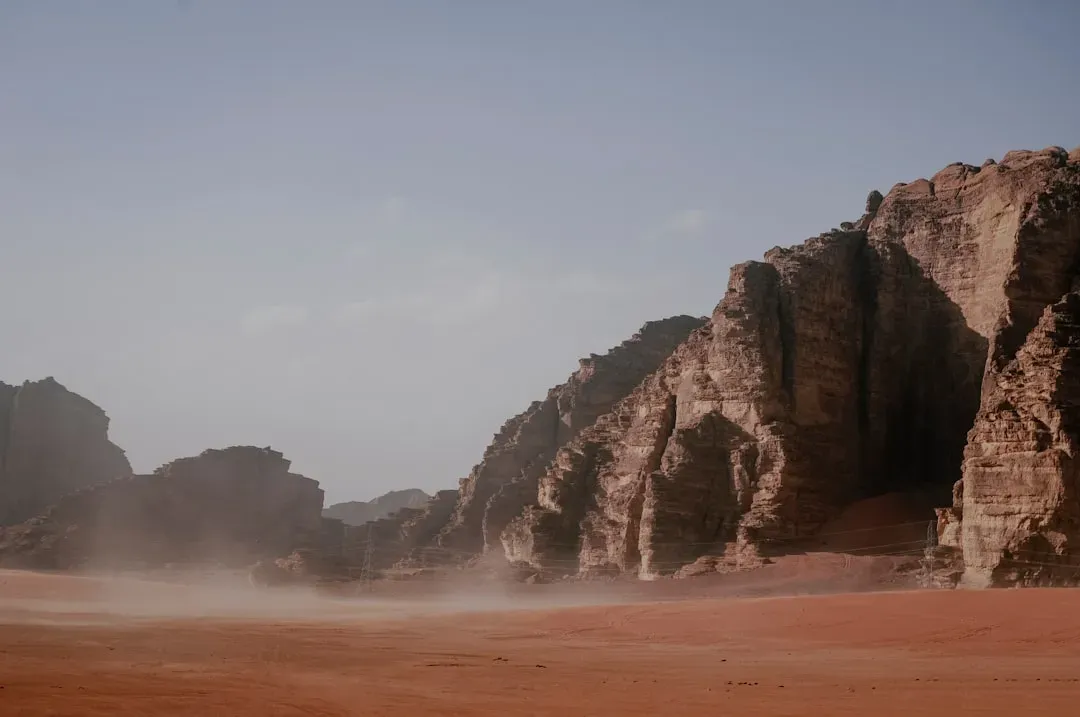
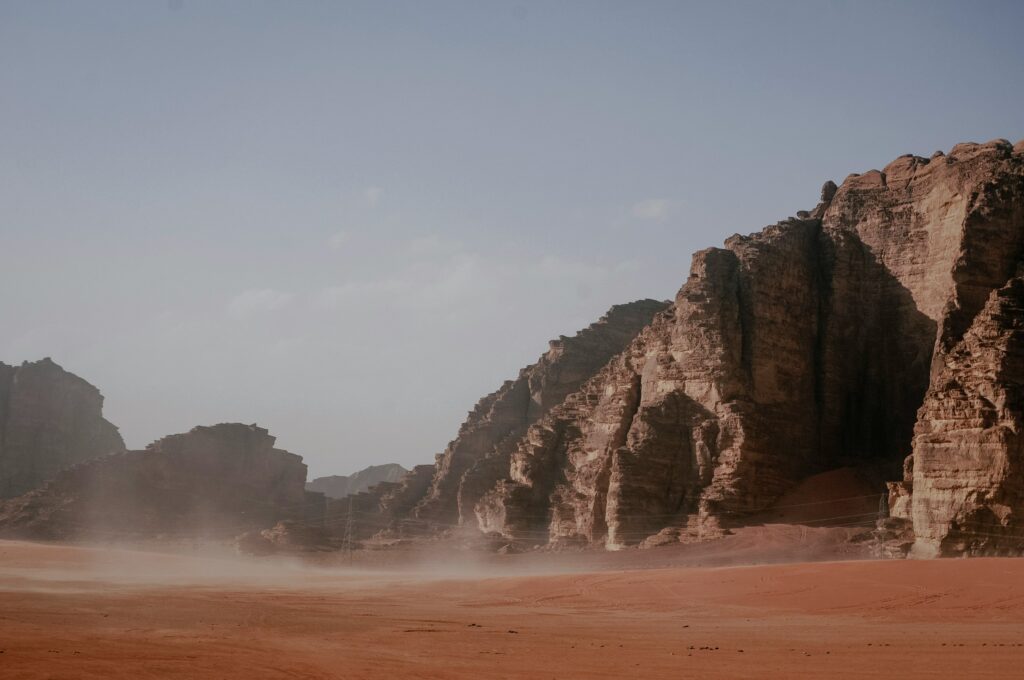
One of the strangest shocks would be the sheer unfamiliarity of the land itself: not just where the continents sit, but what they look like and smell like. In many prehistoric periods, there were no grasses at all, which means no familiar lawns, meadows, or savannas; the green carpet you subconsciously expect simply does not exist. Instead, you might see endless ferns, towering horsetails, strange spiky plants, or early forests of tree‑like organisms with utterly unfamiliar shapes.
This would change the color palette of the world, giving whole regions a deep, dark, almost swampy green or a weird grey‑brown tone that feels more like a movie set than real life. The smells would be intense: wet, resinous, full of plant resins and spores, and often laced with the sulfurous bite of nearby volcanoes and stagnant water. Walking through it would feel less like hiking and more like wandering inside a living, breathing alien organism that does not care if you understand it.
4. Continental Mashups: Continents In The “Wrong” Places
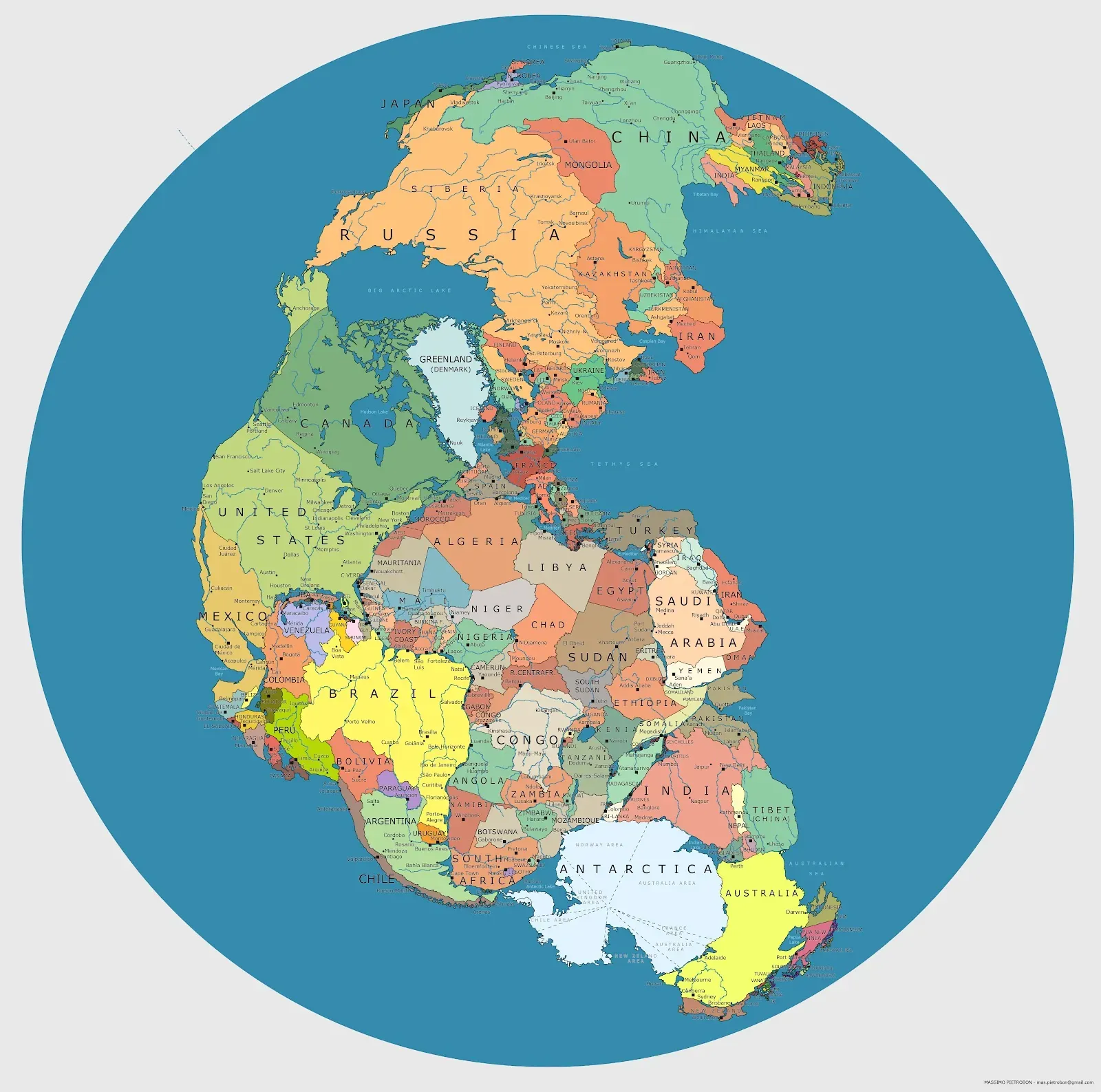
Your inner mental map would fail instantly, because the continents themselves have not always been where you expect them to be. At multiple times in Earth’s history, most landmasses were fused into supercontinents like Pangaea, meaning that what you think of as separate places, such as North America, Europe, and Africa, could be welded together into one gigantic, continuous stretch of land. Coastlines would be wildly different, mountain ranges would be in the “wrong” places, and whole regions you know today might be deep underwater.
Imagine walking across what you think should be the middle of the Atlantic Ocean and instead hiking dry land covered in forests, or standing somewhere that modern maps tell you is central Asia and finding it lapped by warm, shallow seas. Even your sense of direction would be off, because the positions of the continents relative to the poles and equator would be different. It would be like opening your phone’s map app and discovering that your own planet has been remixed without warning.
5. Gravity’s Trick: Mountains, Seas, And A Heavier Feeling World
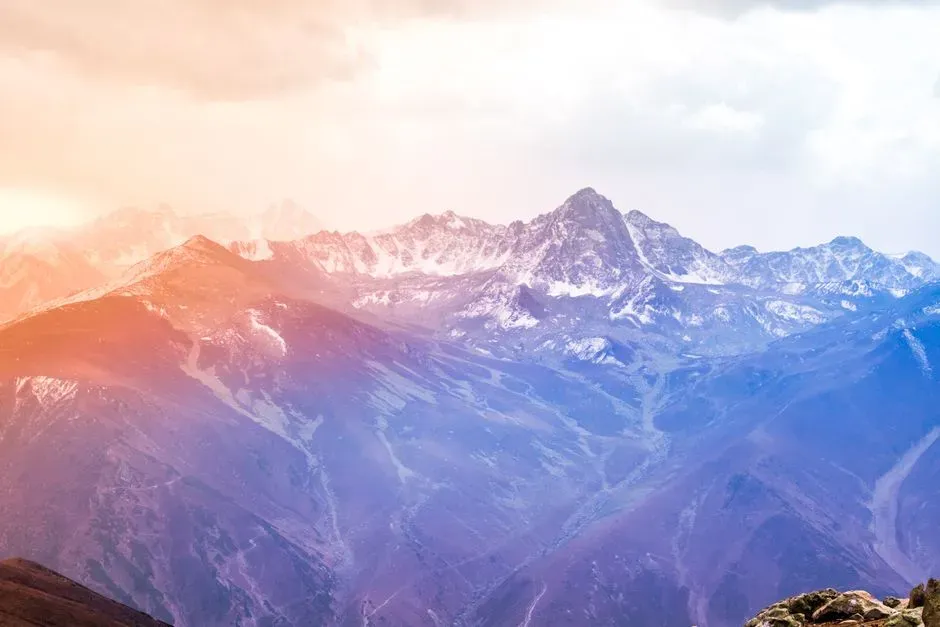
Earth’s gravity itself would be roughly the same, but the way landscapes shape your sense of weight and scale would feel deeply wrong. In some periods, mountain ranges were far younger and higher, with jagged peaks stretching over huge distances, while in others erosion and tectonics had planed down entire continents into broad, flat lowlands. The distribution of shallow inland seas versus high plateaus would make some parts of the world feel like oversized versions of the Mississippi Delta, and others like super‑Himalayas locked together end to end.
This matters because your brain quietly expects certain combinations of sky, horizon, and slope; change those dramatically and you can feel slightly off‑balance or even nauseated, the way some people feel when they visit very high plateaus or vast, featureless plains. Add in the fact that sea level has swung hundreds of meters higher or lower than today at different times, and you could find coral reefs where you expect deserts and empty dry basins where you expect oceans. The planet would not literally be heavier, but it would feel heavy in the way its shapes press in on your senses.
6. Animal Life That Breaks Your Sense Of “Normal”
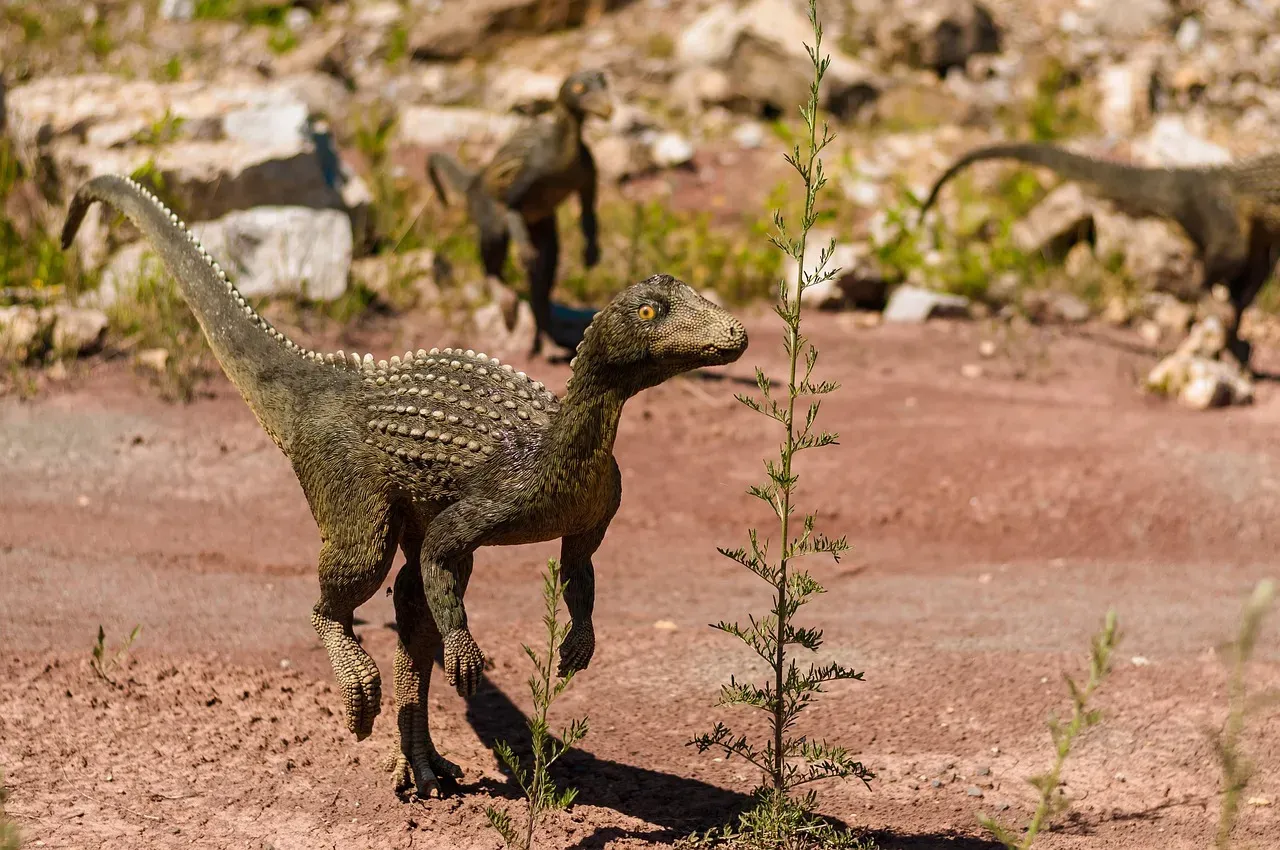
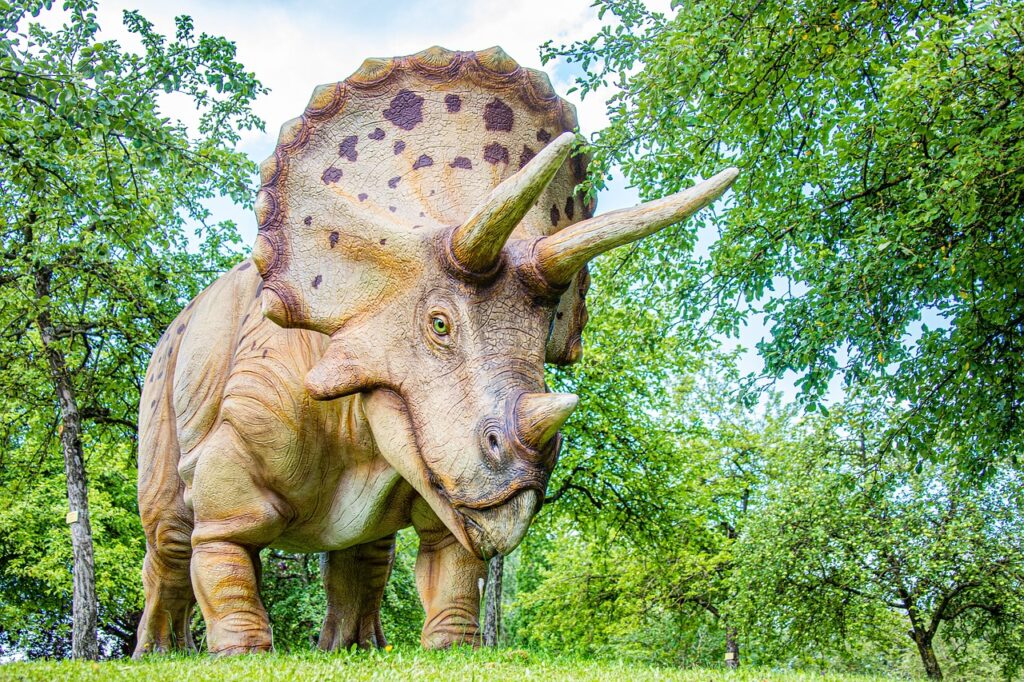
Prehistoric animals would not just be bigger or scarier versions of modern creatures; many would be so fundamentally strange that your brain would struggle to file them under any familiar category. Think of giant dragonfly‑like insects gliding through the air, amphibians larger than you are lurking in swampy water, or armored fish with jaws that look like metal cutting tools. In some eras, the land might be dominated by sprawling reptilian forms that move in ways that do not quite match either lizards or mammals, blurring the categories you subconsciously use to understand life.
Even when you recognize broad types – like something vaguely bird‑like or something that resembles a crocodile – the details would be just “off” enough to make your skin crawl. Feathers might appear on animals that do not feel like birds, and some creatures would have proportions we almost never see today: tiny heads on massive bodies, absurdly long necks, or limbs that fold in unfamiliar ways. To a modern human, this would feel a bit like wandering into a lucid dream where your dog suddenly has hooves and your cat has wings, and your mind keeps stuttering trying to describe what it is seeing.
7. Silence, Roars, And The Wrong Kind Of Background Noise
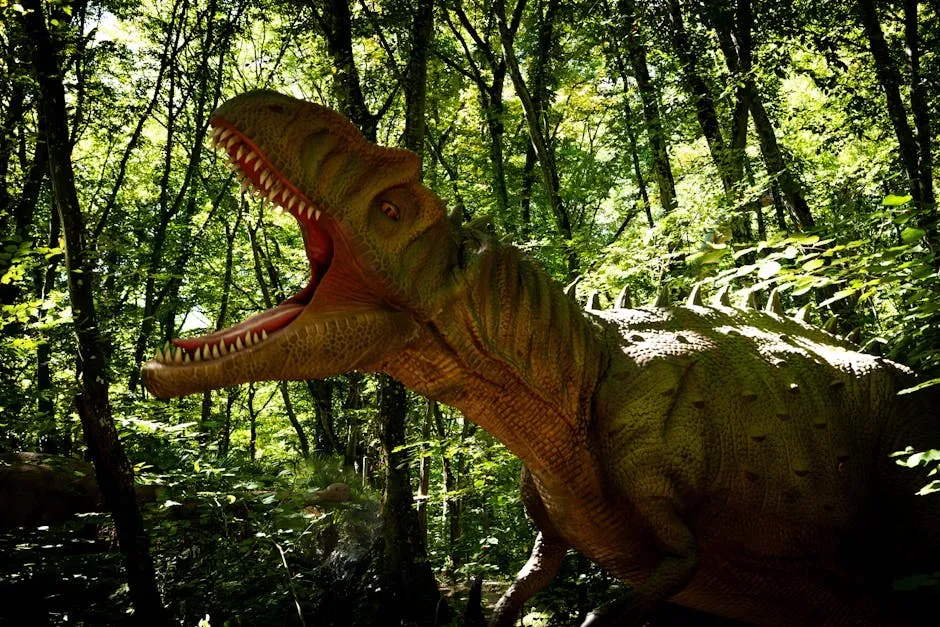
The soundscape of prehistoric Earth would be as shocking as the visuals. Today, even in remote places, your ears are used to a background layer of human noise: distant traffic, planes overhead, hums, clicks, mechanical buzzes. Strip all that away, and then replace modern birdsong, insect hums, and mammal calls with entirely different species, and you get a world that feels unnervingly quiet in one moment and explosively loud the next.
In a Carboniferous swamp, for example, you might hear the relentless chittering of ancient insects and the croak of early amphibians, but zero familiar bird calls or mammal rustles in the underbrush. In a dinosaur‑dominated landscape, the low‑frequency bellows, stomps, and crashes from large animals could travel for long distances, punctuated by sudden bursts of predator calls or the splash of something huge sliding into water. The absence of human‑made sound might feel peaceful for a moment, but very quickly it could tip into something eerie and unsettling, like those rare nights when the power goes out and your house suddenly feels too quiet to be safe.
8. Time Moving At A Different Emotional Speed
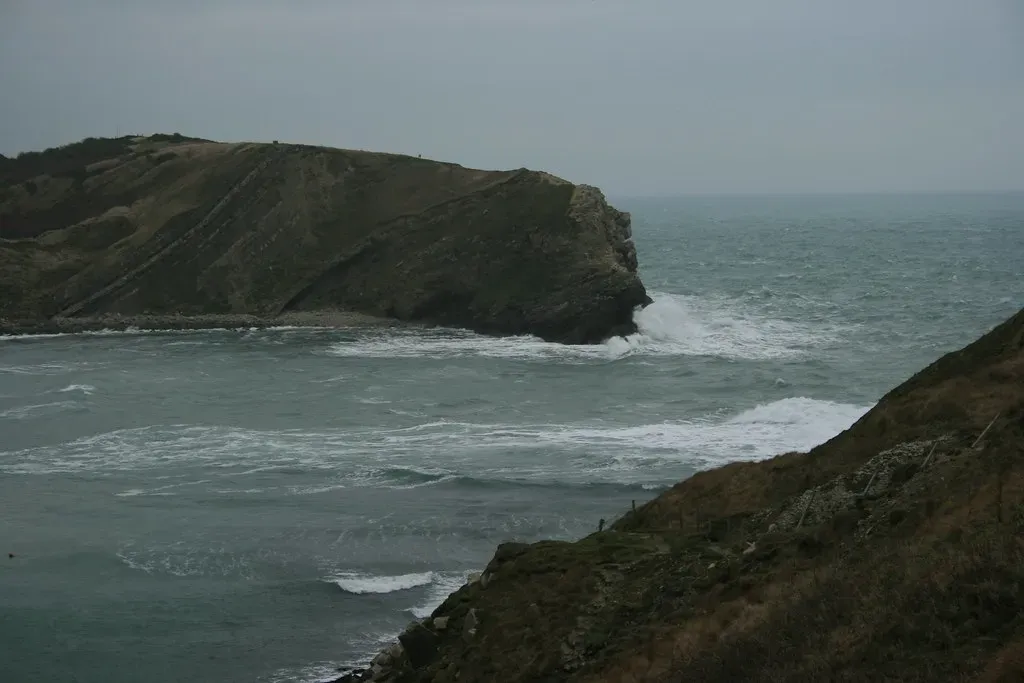
Perhaps the most disorienting thing is not any single physical difference, but the way prehistoric Earth embodies time itself. Modern humans live in a world where landscapes change quickly on human time scales: cities rise and fall, forests are cleared within a lifetime, coastlines are reshaped by engineering projects. In deep time, by contrast, the dominant feeling is that things change, but at a pace so slow that your presence there barely matters at all. You are a flicker against a mountain range that is still in its youth and an ocean that has not even finished forming.
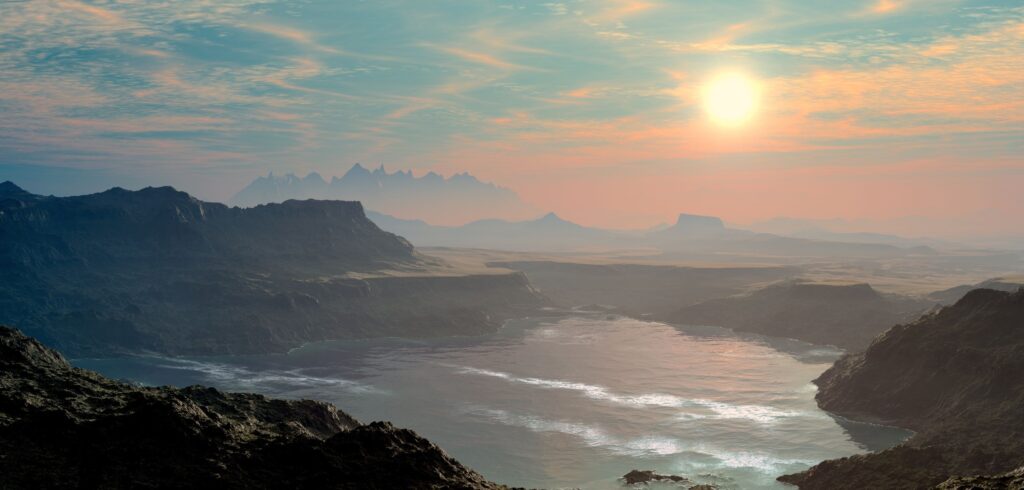
There would be no human structures, no hint that your species will ever exist, and the world would go on entirely unchanged whether you are there for a moment or a decade. That naked indifference can be deeply disorienting: it breaks the quiet assumption that humans are the main characters of the planet. Standing on a prehistoric shore, watching waves roll in over rocks that will be gone in a few hundred million years, you might feel smaller than you ever have in your life – and weirdly, that smallness might be the most honest and grounding experience of all.
Conclusion: Prehistoric Earth Was Not Made For Us – And That’s The Point
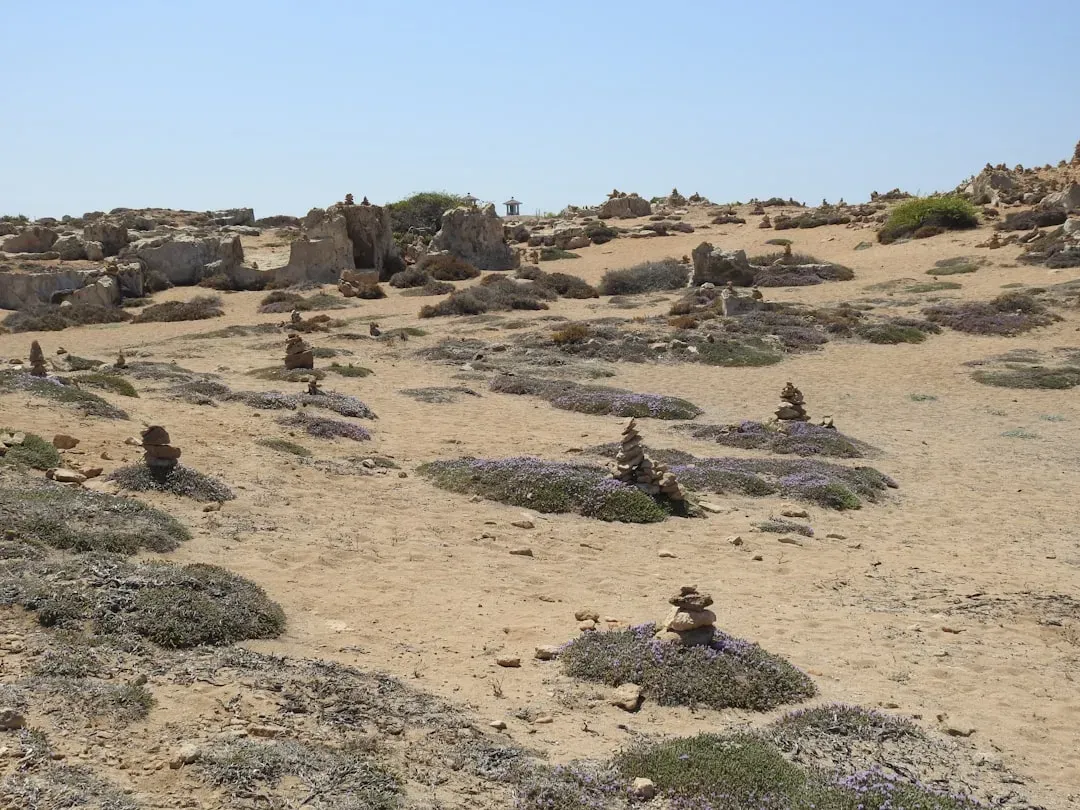
When I picture dropping a modern person into deep time, I do not imagine them being eaten first; I imagine them being overwhelmed. The air chomps differently in your lungs, the sky refuses to offer familiar patterns, the land ignores your mental map, and the living things around you treat you as just another lump of moving meat or rock. It is not just that prehistoric Earth would be dangerous; it is that it would be profoundly uninterested in your comfort or comprehension, in a way our human‑edited planet rarely is anymore.
That, to me, is the most important and strangely beautiful lesson: this world did not start out tailored to human beings, and it will not end that way either. We occupy a thin, temporary slice of conditions that happen to suit us, and we tend to confuse that lucky coincidence with inevitability. Remembering how disorienting prehistoric Earth would feel is a good way to stay humble about our place in time. If you could step out of that time machine, look around, and feel utterly lost, would that make you more or less grateful for the weirdly fragile version of Earth you get to call home right now?