If you grew up thinking of Triceratops as the slow, lumbering side character that only existed to be chased by Tyrannosaurus rex, you’re not alone. For decades, pop culture has flattened this animal into a walking shield with horns, a kind of prehistoric tank that waits around to be eaten. The reality is far stranger, way more dynamic, and honestly a lot cooler than the movie version most of us carry in our heads.
Triceratops has become one of the most recognizable dinosaurs on the planet, yet scientists are still actively arguing about what it looked like in life, how it behaved, and even exactly what its horns and frill were for. New fossil finds keep forcing experts to revise old ideas, and many of the things people “know” about Triceratops are either out of date or just plain wrong. Let’s walk through eight of the biggest misunderstandings and see why this three-horned giant deserves a serious image upgrade.
1. Triceratops Wasn’t Just a Slow, Plodding Tank
One of the biggest myths is that Triceratops moved like a bulldozer stuck in first gear, barely able to haul its own body weight around. Yes, it was massive, likely weighing as much as a modern elephant or more, but its skeleton does not scream clumsy. The limb bones are thick, strong, and shaped to support a surprisingly agile animal, not a creature that could only shuffle along. When you look at the attachment areas for muscles on the bones, you see big surfaces that suggest powerful, active legs rather than a life of slow-motion wandering.
Think about modern rhinos: they look bulky, but they can sprint when they need to, pivot quickly, and charge with terrifying speed. Triceratops probably lived in a similar category – not a sprinter like a cheetah, but absolutely capable of energetic movement and short bursts of speed. It had to be, because it shared its world with top predators like Tyrannosaurus that certainly were not strolling politely. A dinosaur that survived alongside such hunters for hundreds of thousands of years was not a helpless, stumbling victim.
2. Those Famous Horns Were For More Than Just Defense
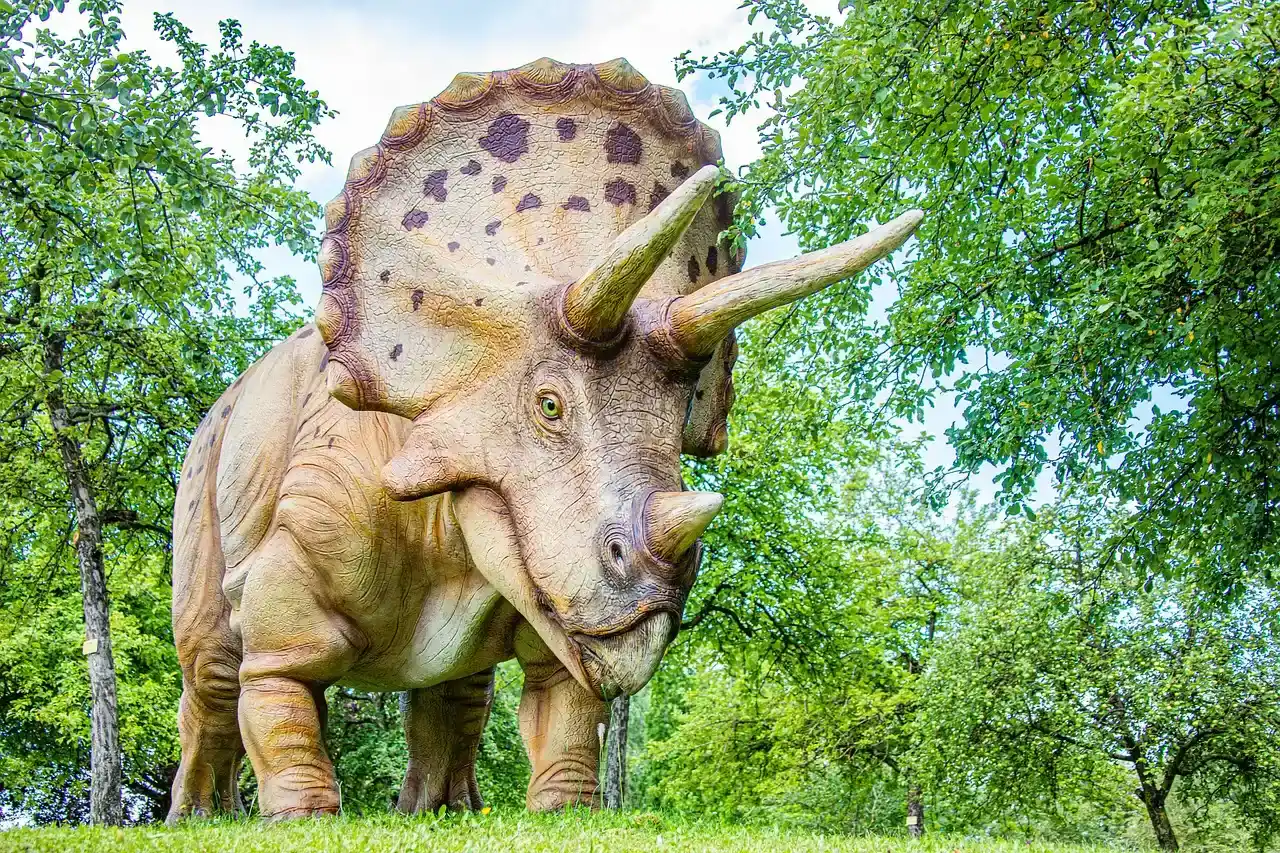
It’s easy to look at the three horns of Triceratops and assume they were built for one thing: stabbing predators. Defensive use was almost certainly part of the story, but fossil evidence hints at a more complicated role. Some Triceratops skulls show healed injuries and damage on the horns and frill that line up better with clashes against other Triceratops rather than bites from a predator. This suggests individuals may have locked horns or shoved each other, much like modern antelope or deer in ritualized combat.
The horns were also large, obvious visual features that other members of the species could see from a distance, which makes them perfect tools for communication and display. They might have helped individuals show off strength, maturity, or even advertise readiness to mate. In that sense, the horns were more like a multipurpose social tool kit than a single-purpose weapon. Focusing only on fighting T. rex is like assuming a car’s headlights exist only so you can flash someone in traffic, ignoring the fact that you need them to see, be seen, and communicate.
3. The Frill Wasn’t Just Neck Armor
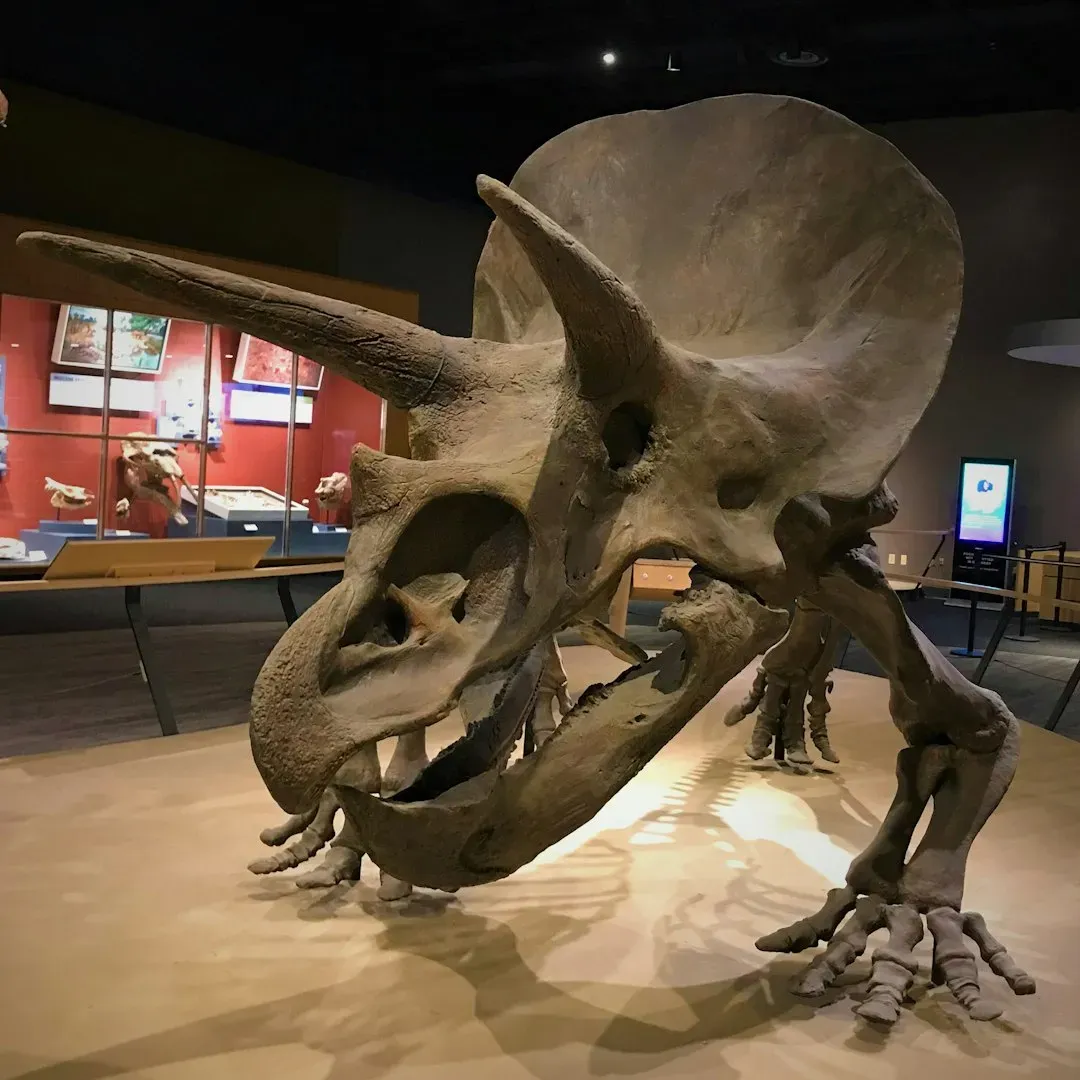
Textbooks used to describe the big frill on the back of a Triceratops skull as a solid shield to protect the neck from bites. That sounds neat and clean, but once paleontologists started examining the details, the story got messier. The bone structure of the frill is full of complex textures and blood vessel impressions that look more like something involved in display or temperature control than just a rigid wall of armor. Some parts of the frill are also thinner than you’d expect for a structure meant only to block massive bites.
The frill may have changed color during different life stages or seasons, supported by a rich blood supply that could help it flush with warmth, similar to how some modern animals use crests and wattles. It might also have helped identify members of the same species in a landscape full of other horned dinosaurs. Rather than acting like a medieval shield strapped to the back of the head, the frill was probably a billboard, a radiator, a status badge, and, yes, sometimes a line of last defense all rolled into one.
4. Triceratops Wasn’t Just a Helpless Victim of T. rex
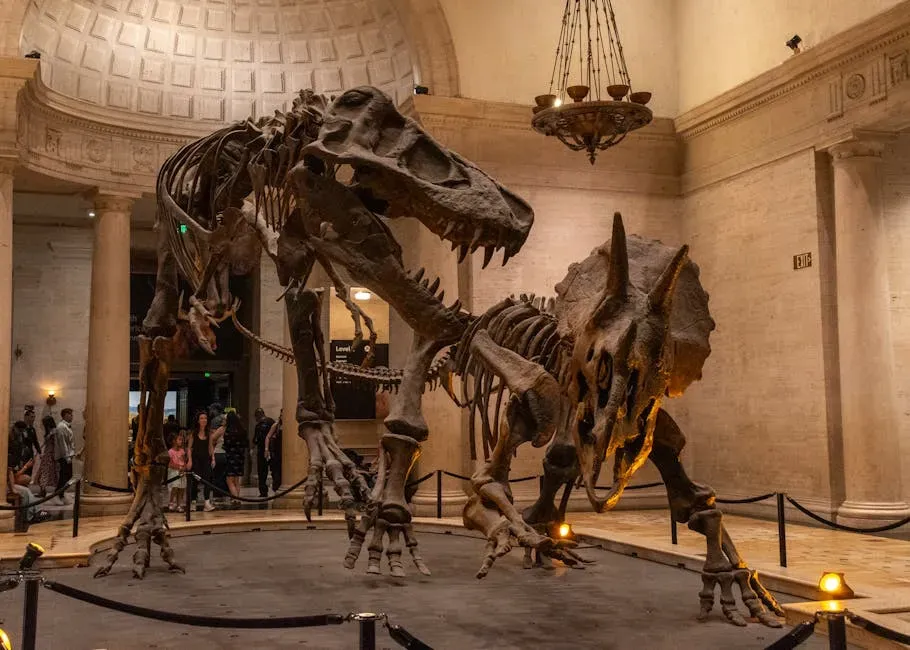
Movies love to show Triceratops as background scenery: sick on the ground, half-eaten, or collapsing dramatically after a quick attack by Tyrannosaurus. That makes for good cinema, but it undersells how dangerous a healthy adult Triceratops would have been. This was an animal with weaponized horns, a massive body, and a low center of gravity – basically the worst possible opponent to charge head-on unless you were very sure of yourself. Even today, predators tend to target young, old, or weakened prey rather than the strongest adults, and there’s no reason to think T. rex behaved much differently.
Some fossil discoveries even suggest that if a Triceratops did not go down quickly, it might have inflicted serious damage on its attacker. There are tyrannosaur bones with injuries that line up well with horn thrusts, indicating that hunts did not always go the predator’s way. It is more accurate to imagine a tense standoff between two dangerous animals, where one wrong move could be fatal for either side. Seeing Triceratops only as a dinosaur-shaped meal ignores the raw power and risk it brought to every encounter.
5. It Probably Lived More Complex Lives Than Just “Big Herd Grazer”
Another common assumption is that Triceratops wandered the landscape in huge, cattle-like herds, doing nothing but chewing plants and moving on. The actual fossil record paints a fuzzier and more nuanced picture. While some horned dinosaurs clearly lived in large groups, Triceratops fossils are often found as single individuals rather than big bonebeds of many animals together. This has led some researchers to suggest that they might have lived more solitary or small-group lives, at least as adults.
That does not mean they were antisocial or never interacted, only that their social structure might have been more complex than the endless-massive-herd image. Maybe juveniles gathered in groups for safety, while mature adults kept larger personal spaces or moved between clusters of animals over time. If you think of them more like modern rhinos, which have social interactions but are not packed together like wildebeest, you get a more believable picture. The idea that every herbivorous dinosaur lived in gigantic herds is comfortable and simple, but reality almost always serves up something messier and more interesting.
6. Its Diet Was Tougher, Messier, and More Hardcore Than You Think
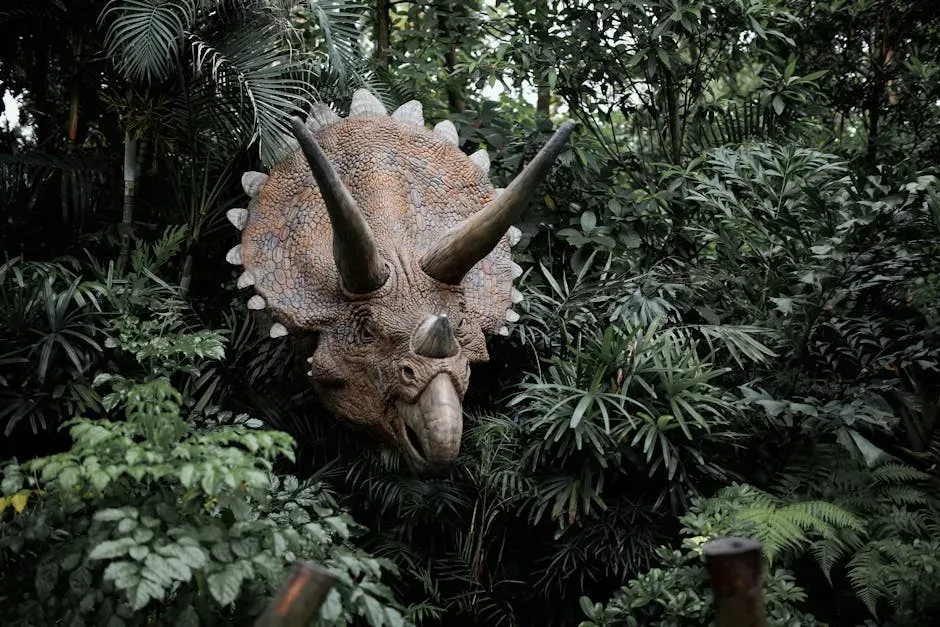
Because Triceratops is an herbivore, people often mentally file it under “gentle plant eater” and move on, but being a plant eater in the Late Cretaceous was anything but gentle. The plants available then – like tough cycads and certain kinds of palms and ferns – were often fibrous, spiky, or loaded with defensive chemicals. Triceratops evolved a beak and battery of shearing teeth that were built to slice through this kind of material with brutal efficiency. The wear patterns on its teeth show that it could grind down really tough vegetation again and again.
In a way, Triceratops was a living industrial shredder for Cretaceous plants, turning difficult, armored greenery into usable energy. That kind of diet would have demanded constant feeding and a gut capable of serious fermentation and digestion. Its broad snout suggests it was not a picky eater nibbling delicately but more of a bulk browser, stripping branches and scooping up a range of plant parts. Calling it “just” a plant eater misses that it was an anatomical answer to some of the harshest salad you can imagine.
7. Its Skin, Posture, and Look Were Probably Not What You Saw in Childhood Books
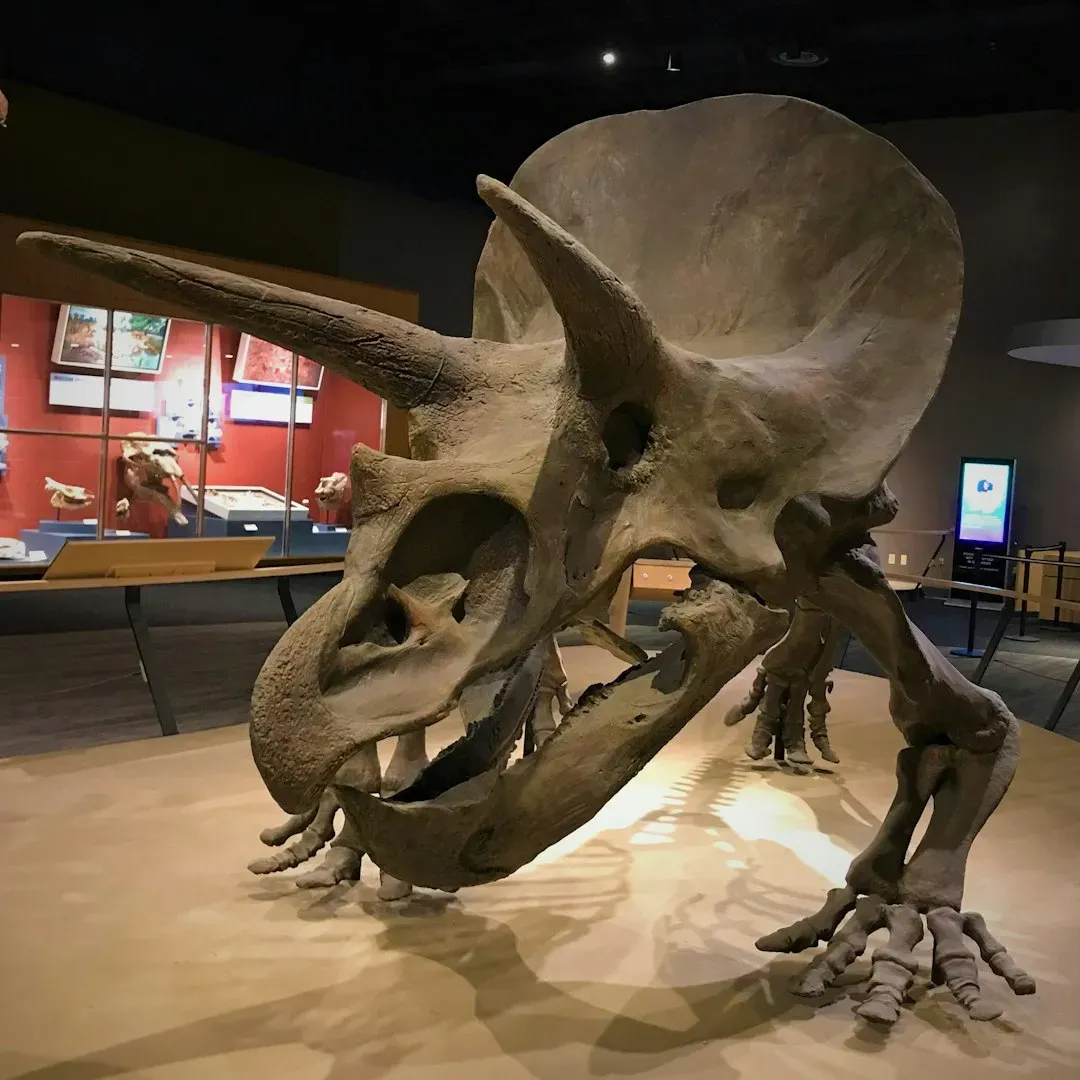
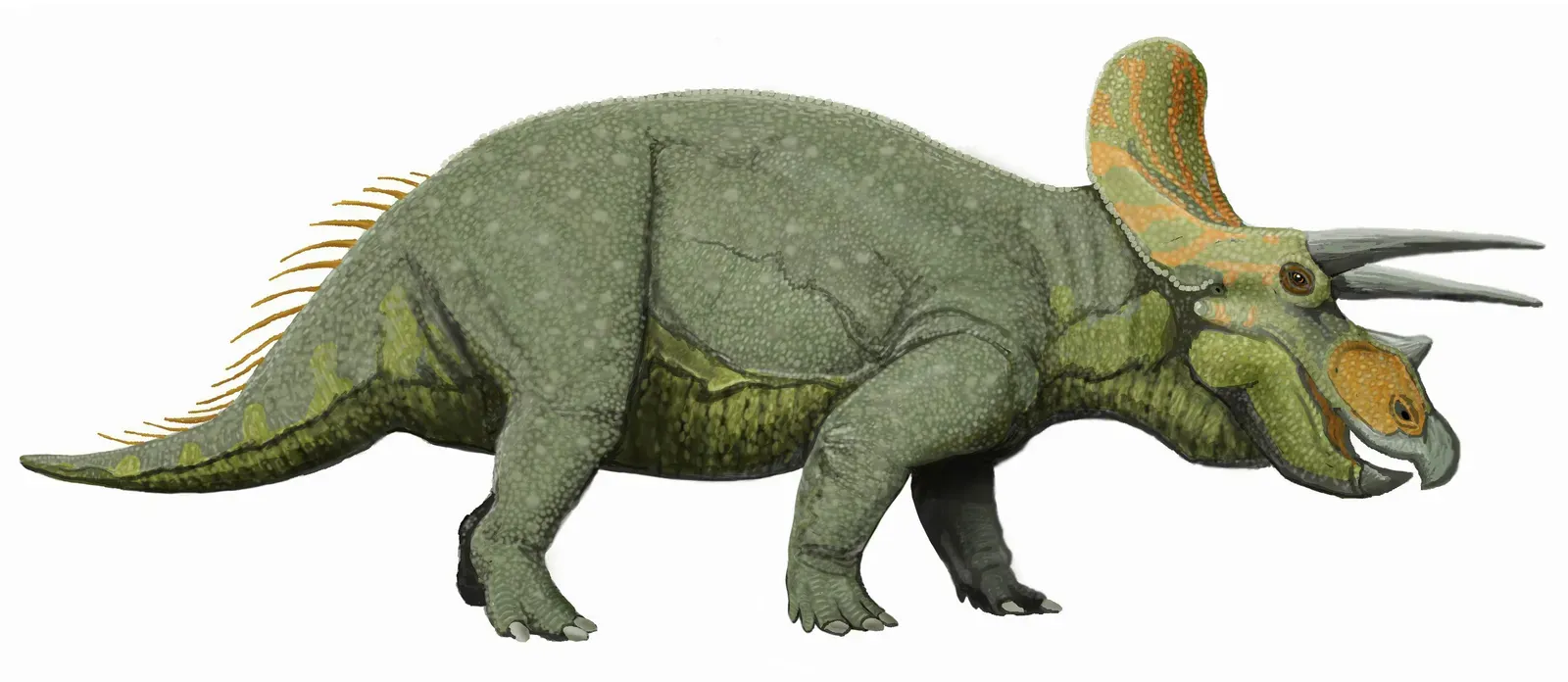
Most of us met Triceratops as a brown or gray “dino-cow,” standing with its legs sprawled out like a lizard and its skin looking like a cracked leather sofa. Modern reconstructions have shifted far away from that picture. Evidence from close dinosaur relatives suggests that horned dinosaurs had more upright, columnar limbs under the body, not jutting far out to the sides. That gives Triceratops a more powerful, capable stance and changes how we imagine it walking and turning. Its entire body becomes more athletic and less like a saggy reptile dragged across the ground.
On top of that, skin impressions from related animals show a variety of scales and textures, sometimes arranged in patterns, knobs, and even raised features that could have caught the light. While we do not have a complete Triceratops skin suit preserved, it is reasonable to think it was more visually interesting than the plain brown versions in old art. Colors may have ranged widely, possibly with contrasting patterns on the frill or back. So the real animal might have looked less like a muddy tank and more like a heavily armored, visually striking land rhino with attitude.
8. Triceratops Is at the Center of One of Paleontology’s Spiciest Debates
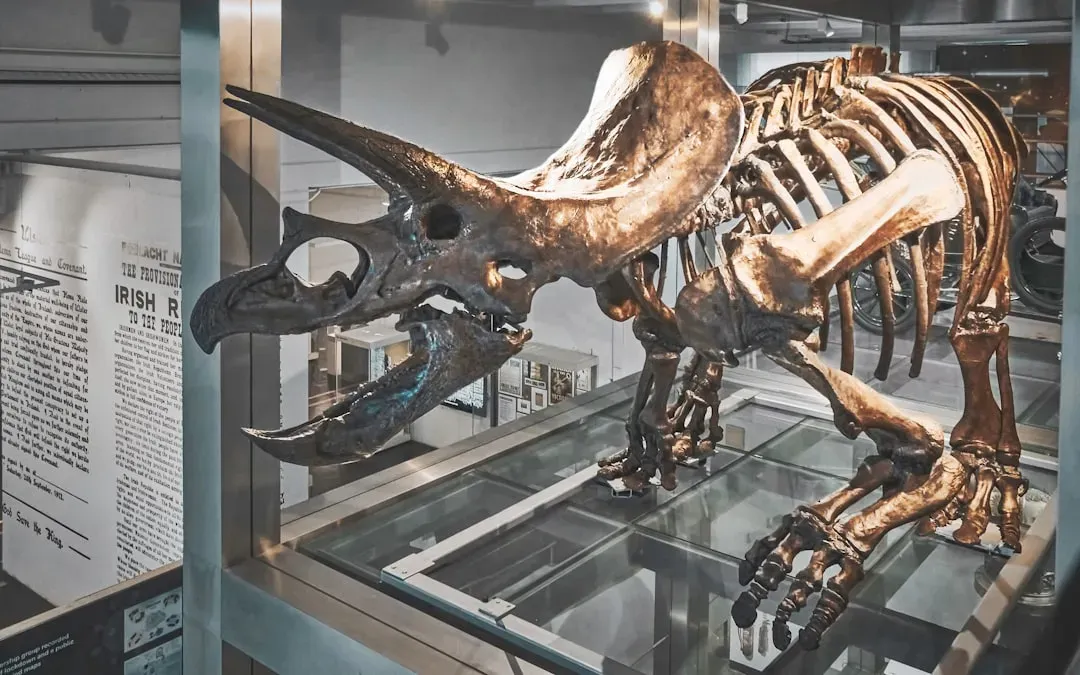
Triceratops is so iconic that many fans are shocked to learn it has been at the heart of a scientific identity crisis. For years, some researchers have argued over whether Triceratops and another horned dinosaur called Torosaurus were actually the same animal at different ages. The idea was that what we call Triceratops represented the younger form, with the frill changing shape and becoming more open as the animal aged into what had been labeled Torosaurus. This would mean that what people thought were two separate dinosaurs were just different growth stages of one species.
Other scientists strongly disagree and argue that there are enough consistent differences to keep them separate, especially when you look at a wide range of skulls. The debate has been intense because it cuts to the core of how we name and recognize species in the fossil record. For the public, this fueled dramatic headlines that Triceratops might “not be real,” even though the animal itself is very real – what is at stake is how we label its life stages. The controversy shows that even the most famous dinosaurs are still being reinterpreted, and that our mental picture of Triceratops is constantly being updated by new evidence rather than frozen in childhood books.
Conclusion: Triceratops Deserves a Much Bigger Story
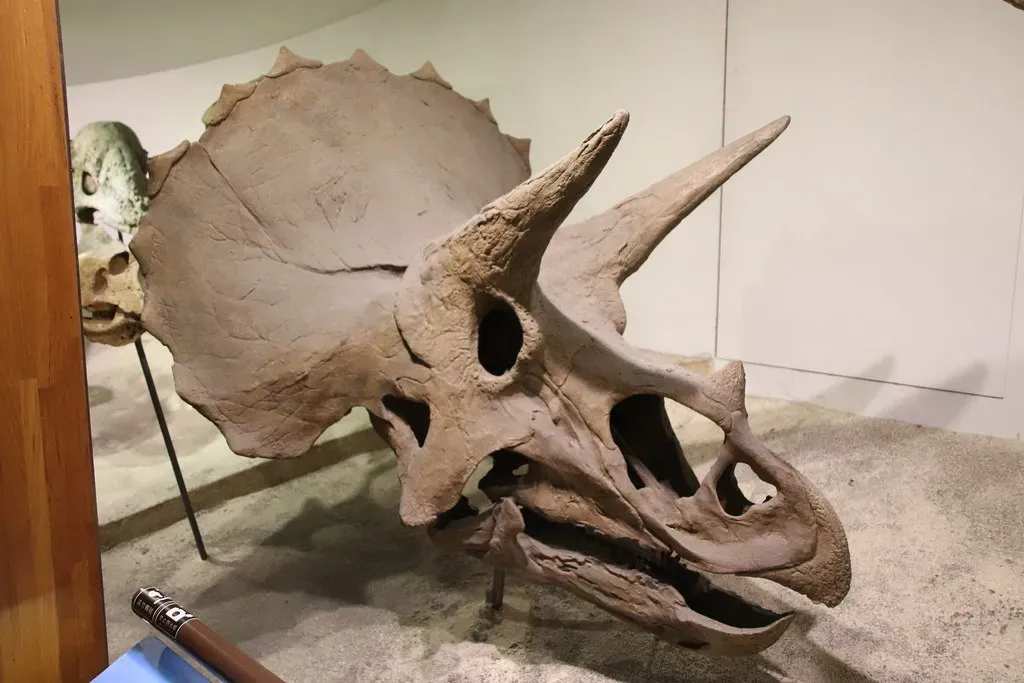
When you put all of this together, Triceratops stops looking like a simple, background herbivore and starts to feel like a complex, dangerous, and highly adapted animal living out a dramatic life. It was not just a mobile shield for predators to practice on; it was a powerful opponent, a social signaler, and a specialist in tackling brutally tough plants. Its horns and frill were not single-purpose gadgets but multiuse tools that blended defense, display, communication, and competition. To reduce it to a slow, doomed side character is, in my view, one of the biggest disservices pop culture has done to any dinosaur.
Personally, I think Triceratops might be one of the most underrated “giant celebrities” of the prehistoric world precisely because people assume they already know everything about it. The more you look, the more it becomes a bundle of debates, surprises, and evolving ideas, and that is what makes it fascinating. Maybe the real misunderstanding is not about the animal itself, but about our willingness to keep updating our picture of it as new evidence comes in. Next time you see that familiar three-horned skull, will you still picture a slow victim, or will you see a tough, complicated survivor of a brutal ecosystem instead?