
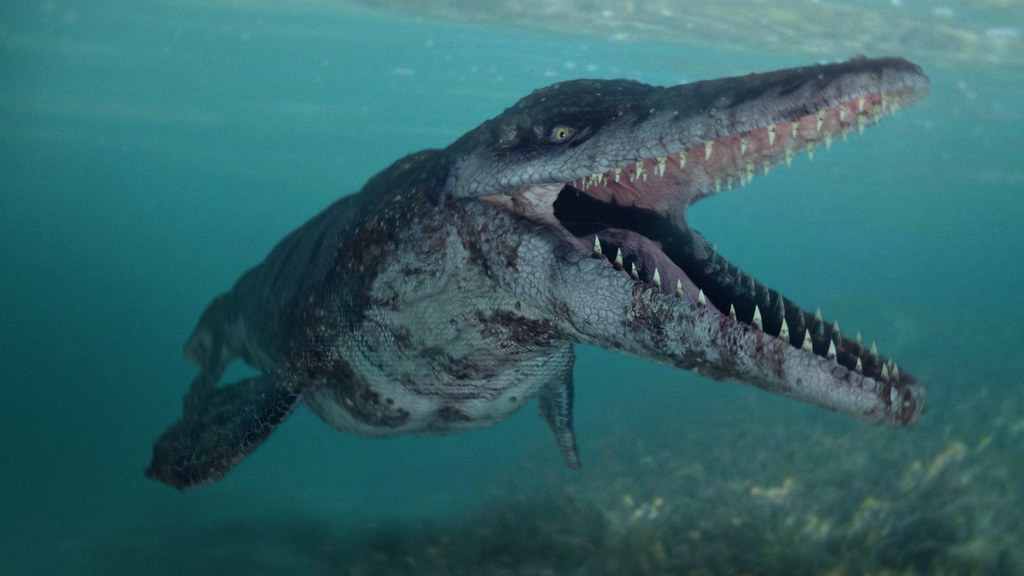
Imagine slipping beneath the surface of an ancient sea. Instead of dolphins and reef fish, you’d find saw‑toothed jaws the size of cars, armored nightmares gliding through the gloom, and squid-like hunters with eyes as big as dinner plates. For hundreds of millions of years, the oceans were ruled by monsters that make today’s sharks look almost polite.
What makes these long‑extinct creatures so captivating is not just their size, but how alien they seem. Some looked like mistakes in a cosmic art project, others like unfinished drafts of animals we know today. Yet every one of them was perfectly tuned to hunt, survive, and dominate. Let’s dive into eight of the most terrifying rulers of the ancient seas and see why you would absolutely never want to meet them with only a snorkel.
Megalodon – The Shark That Turned Whales Into Snacks
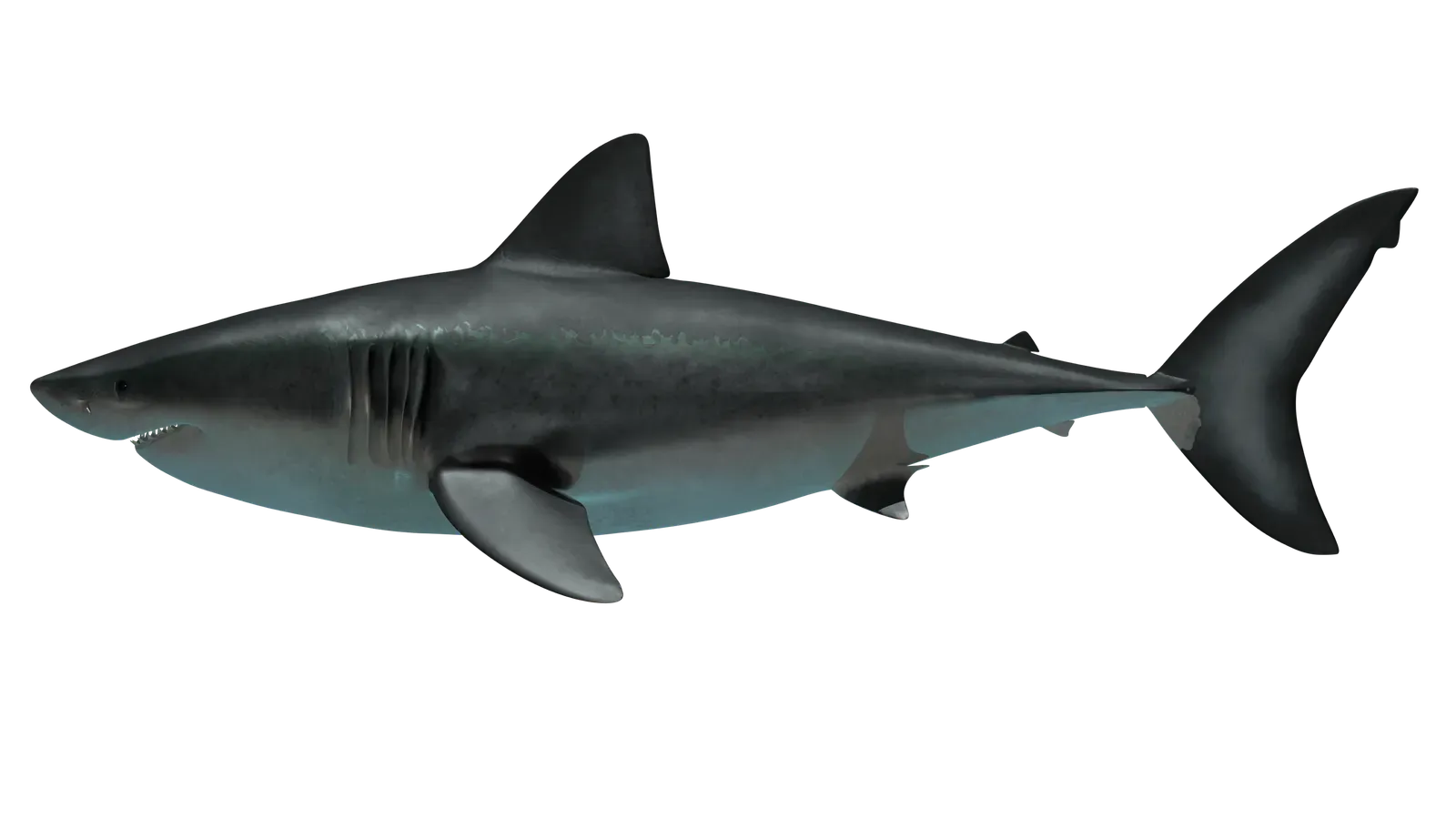
Megalodon is the one ancient ocean predator that feels almost like a horror movie villain that actually existed. This gigantic shark, which lived roughly from about twenty‑three million to three and a half million years ago, could reach lengths comparable to a city bus, with jaws wide enough to swallow a human whole with room to spare. Its teeth, some longer than a human hand, were thick, serrated wedges built not just to slice, but to crush bone like it was stale bread.
What makes Megalodon truly terrifying is its diet and hunting style. It did not specialize in fish; it went after whales. Fossilized whale bones show bite marks that match Megalodon teeth, suggesting it likely ambushed its prey, ramming and biting flippers and tails to disable them. Picture the ocean as a vast savannah and Megalodon as the lion that targets the biggest, heaviest animals around – except that lion is the length of your living room eleven times over. If you think great white sharks are scary, Megalodon makes them look like nervous little cousins.
Mosasaurus – The Apex Reptile Torpedo
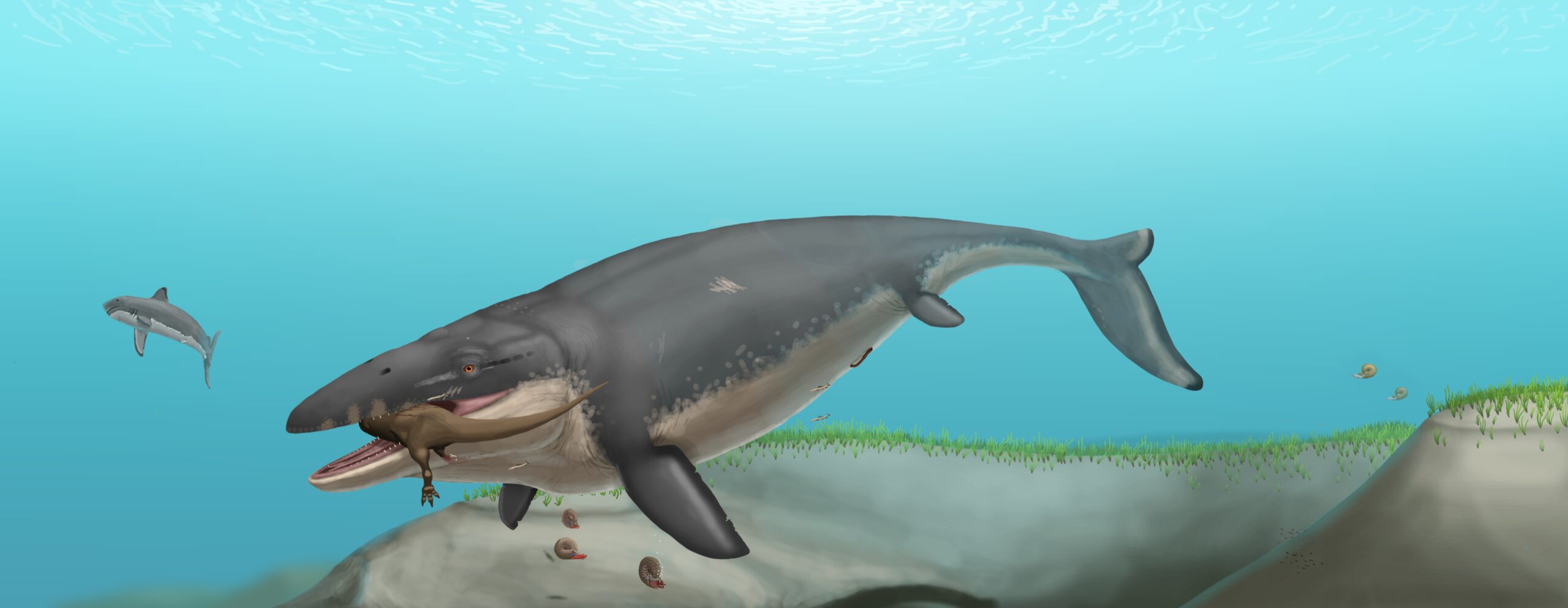
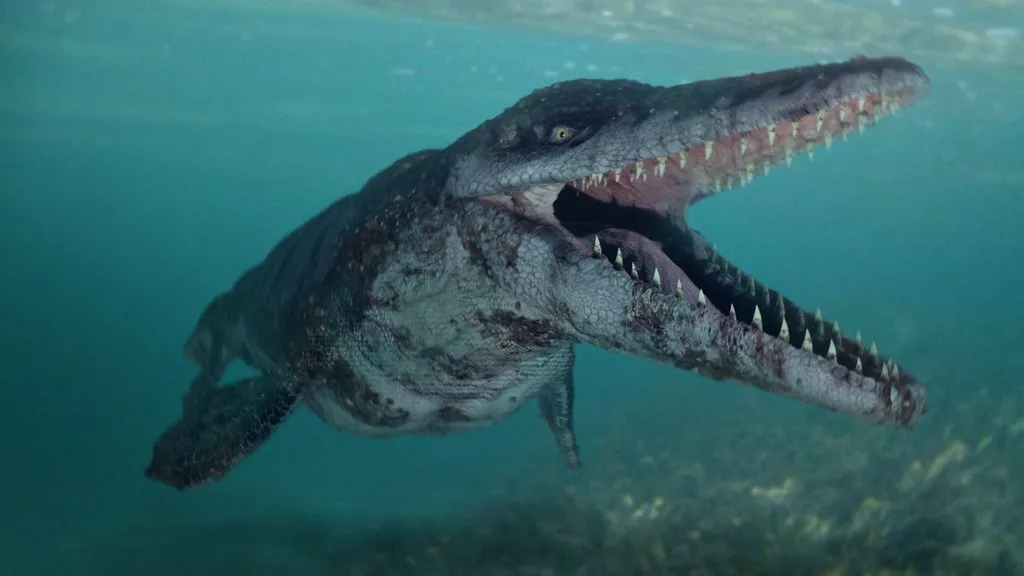
Before sharks took over the role of top ocean predators, marine reptiles like Mosasaurus owned the seas. Living in the Late Cretaceous period, Mosasaurus was a gigantic, streamlined reptile, related more closely to monitor lizards than to dinosaurs. It had a long, muscular body, flipper‑like limbs, and a powerful tail that acted like a biological torpedo, propelling it through the water with explosive speed.
The head of Mosasaurus was a nightmare on its own. Its jaws were armed with conical, recurved teeth ideal for grabbing slippery prey such as fish, turtles, and other marine reptiles, and it even had extra rows of teeth further back in the mouth to help keep struggling victims from escaping. Imagine a crocodile, a snake, and a torpedo merged into one highly efficient killing machine – that’s essentially the energy Mosasaurus brought to the Late Cretaceous oceans. If you were a smaller marine animal back then, this was the last silhouette you ever wanted to see above you.
Dunkleosteus – The Armored Guillotine of the Devonian
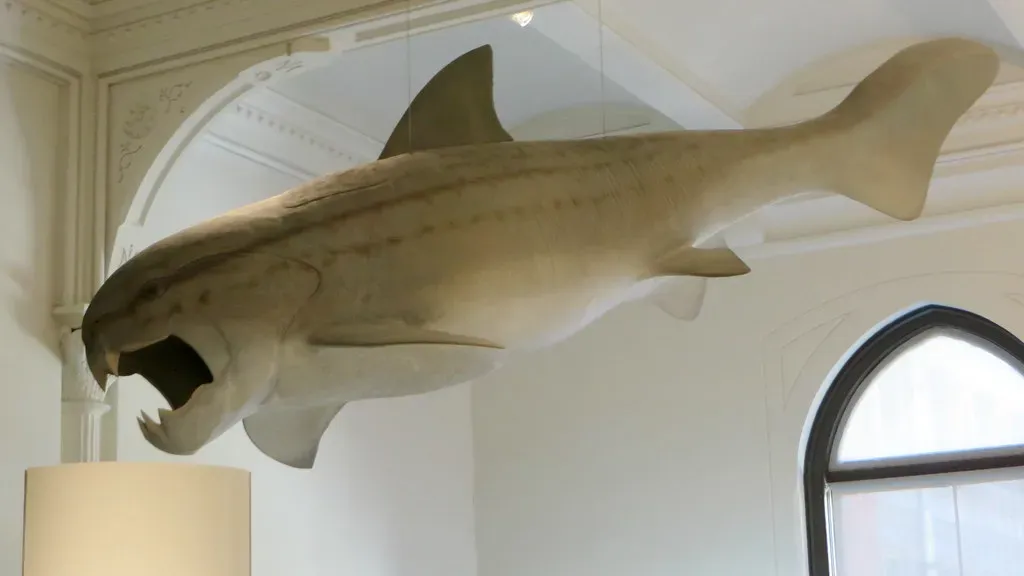
Dunkleosteus lived more than three hundred fifty million years ago, during the Devonian, often called the Age of Fishes, and it was the unquestioned bully of those seas. Instead of teeth, this massive placoderm had bony plates that formed sharp, blade‑like edges – basically a built‑in guillotine for a mouth. Studies of its jaw mechanics suggest it could bite down with a force strong enough to crush modern cars if scaled to size, which sounds exaggerated but gives you a sense of how brutally powerful it was.
Its body was front‑loaded with thick armor plates around the head and shoulders, making it look like a swimming tank. The rest of the body was more flexible, but still robust, letting it lunge forward and snap shut its jaws with terrifying speed. Dunkleosteus likely ate whatever it wanted: other armored fish, sharks, and probably anything unfortunate enough to cross its path. If you imagine a knight in full metal armor fused with a chainsaw, that’s the kind of energy Dunkleosteus brought to early oceans – and it did it millions of years before dinosaurs were even an idea.
Anomalocaris – The Original Nightmare From the Cambrian
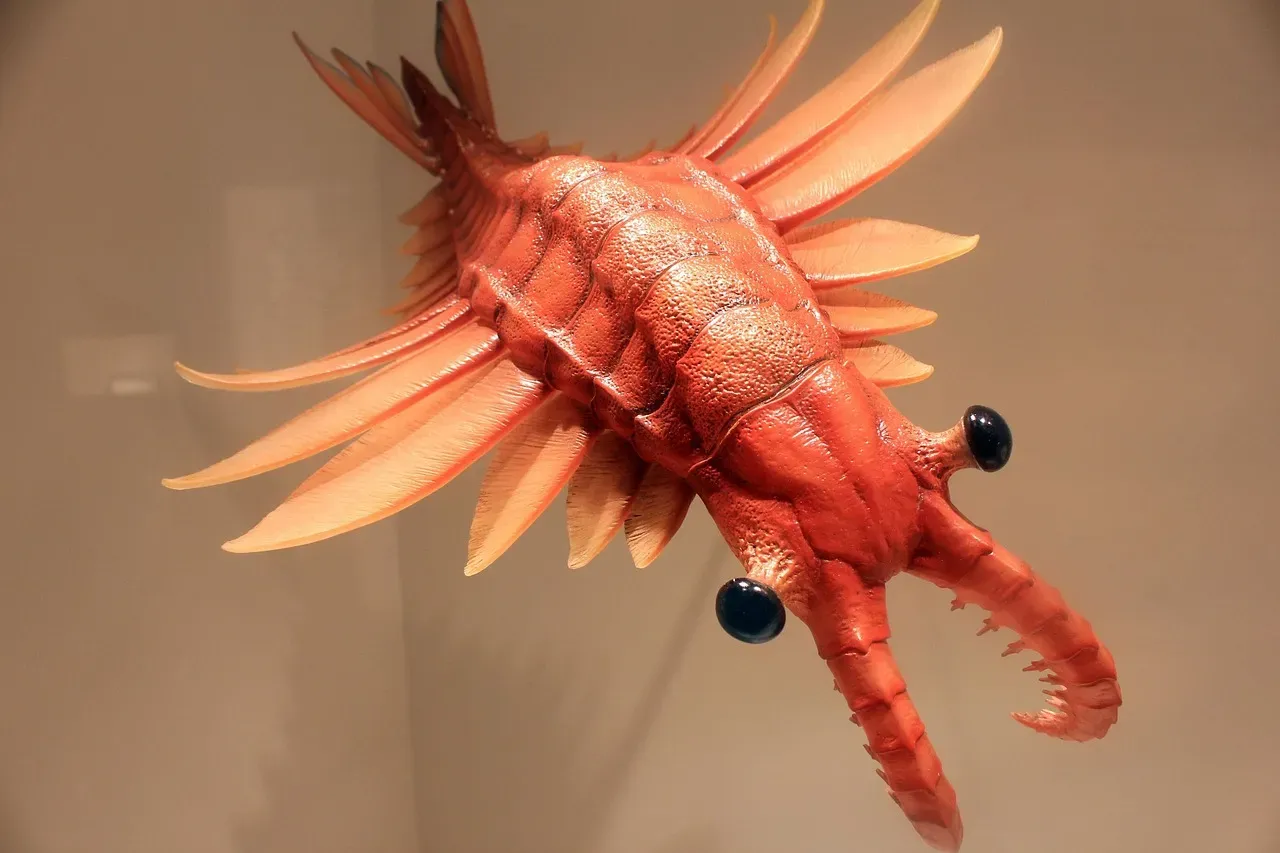
Anomalocaris comes from the Cambrian period, over five hundred million years ago, when animal life in the oceans was just getting weird and experimental. At up to about a meter long or more, it was enormous compared to its tiny contemporaries, which made it the first true ocean terror of its time. It had two spiky, grasping appendages at the front of its head used to grab and manipulate prey, and a circular, tooth‑ringed mouth that looked like something from a science fiction concept sketch.
Its body was flexible and segmented, with flaps along the sides that let it undulate smoothly through the water like a high‑tech swimming blanket. Anomalocaris also had large compound eyes, giving it excellent vision to spot prey in clear Cambrian seas. To smaller creatures, it would have been like being chased by a flying saucer with claws. Even though it looks simple compared to later predators, Anomalocaris represents the moment evolution realized the ocean could be a hunting ground, not just a soup of drifting life.
Plesiosaurus is one of those creatures that almost looks made up: a long neck, a small head, a broad body, and four powerful flippers. Living during the Early Jurassic period, it was not the largest marine reptile, but its design made it uniquely unsettling. That snake‑like neck, stretching several times the length of the body, allowed the head to dart around independently while the rest of the animal stayed hidden in darker water.
Think of a crocodile hiding under the surface, waiting to strike, but now move most of its head ten feet forward on a flexible stalk. Plesiosaurus may have used this stealth advantage to sneak up on fish and squid‑like animals, snatching them before they sensed the danger. While some people imagine it as a gentle, almost mythic creature, in its own time it was a serious, efficient predator. There is something deeply eerie about an animal that can keep its body at a safe distance while its head does the hunting.
Liopleurodon – The Short‑Necked Sea Monster With a Power Stroke
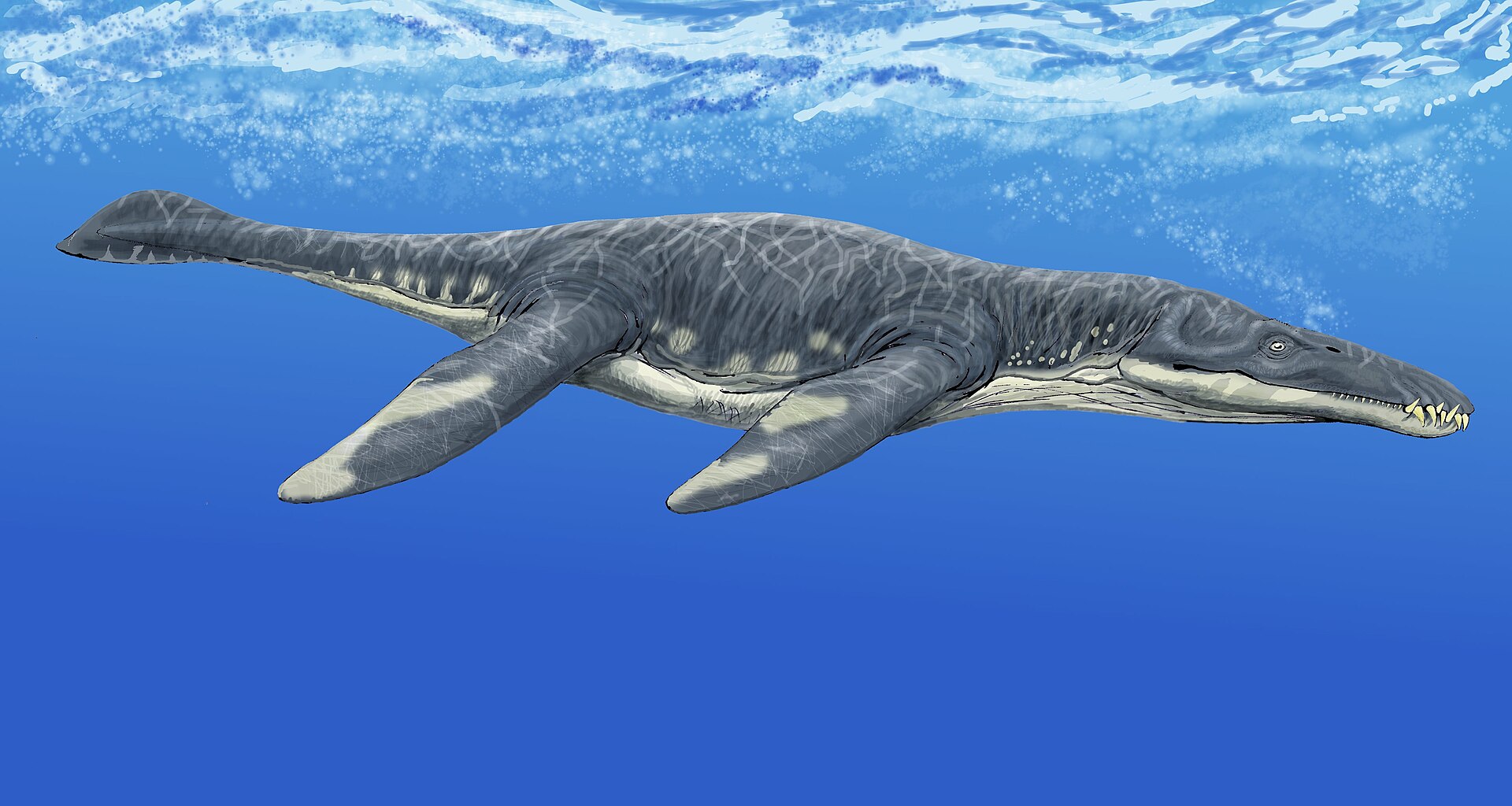
Liopleurodon was another marine reptile from the Jurassic, and it leaned into raw power rather than subtlety. Unlike the long‑necked plesiosaurs, Liopleurodon had a massive head, a relatively short neck, and a muscular, torpedo‑shaped body. Its skull alone could be longer than the average adult human, filled with big, blade‑like teeth designed to slice through flesh and bone with minimal drama.
Its four flippers worked like giant paddles, giving it serious acceleration and maneuverability in the water. Paleontologists think it preyed on large fish, other marine reptiles, and basically anything it could overpower. Imagine a modern orca, but dial up the reptilian menace and pack its mouth with oversized knives. There is still debate about exactly how big Liopleurodon got, but even at conservative estimates, it was large and strong enough to make you feel like a snack-sized intruder in its hunting grounds.
Orthocones (Giant Straight‑Shelled Cephalopods) – The Living Torpedoes
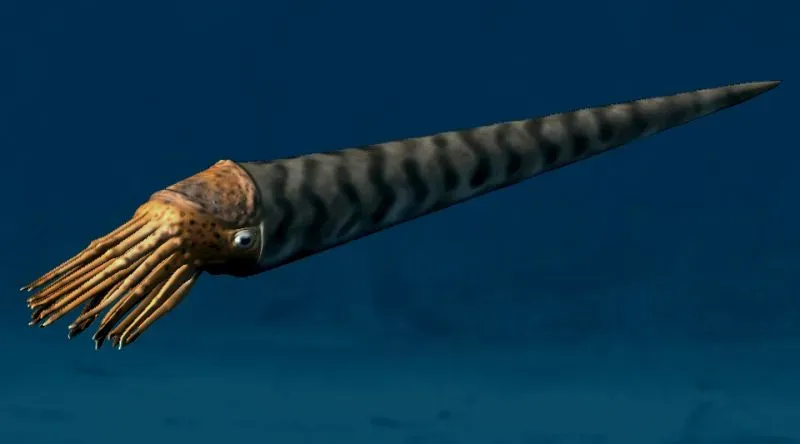
Long before squids, octopuses, and cuttlefish took over modern seas, their ancestors were experimenting with outrageous designs. Orthocones were ancient cephalopods with long, straight shells that could grow several meters in length, turning them into living spears drifting and darting through Paleozoic oceans. Their soft bodies sat at the wide end, with tentacles reaching forward to seize prey like fish and smaller invertebrates.
These creatures combined buoyancy control with jet propulsion, using chambers in their shells to regulate their position in the water column. That meant they could hang almost motionless like sinister underwater missiles waiting to strike. To smaller animals, an orthocone would have seemed like a massive, looming tower suddenly coming to life. There is something uniquely unsettling about a predator that looks like an inanimate object until it moves, then reveals it has arms and a beak ready to end you.
Thalassomedon – The Deep‑Sea Phantom of the Cretaceous
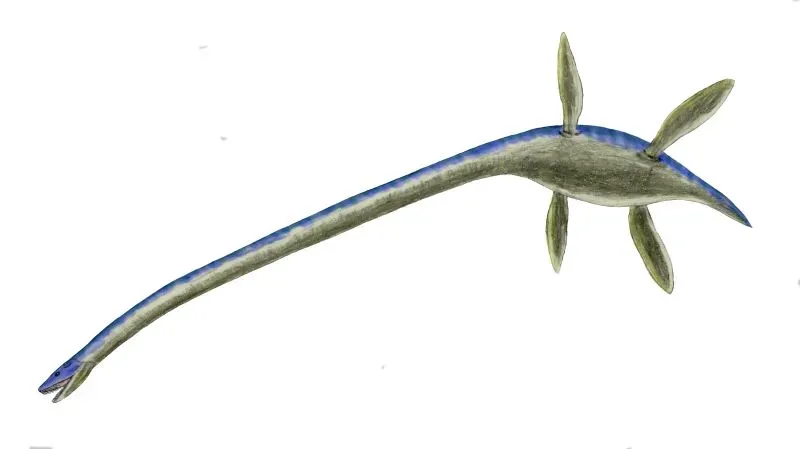
Thalassomedon, whose name essentially means “sea lord,” was a long‑necked plesiosaur from the Cretaceous that took the classic plesiosaur design and stretched it even further. Its neck alone could approach the length of a small bus, with a series of vertebrae lined up like a chain of dinner plates. This gave it an eerie, almost ghostly quality, gliding through deeper waters with a body that seemed to go on and on before you ever reached the head.
Its huge flippers and deep chest suggest it was a powerful swimmer, probably able to cruise long distances in search of prey. Thalassomedon may have patrolled offshore waters where light faded, sweeping its neck through schools of fish and smaller marine reptiles. Imagine swimming in dim blue water and seeing a pale, silent shape emerging from below, the head arriving long before the rest of the body. That kind of slow, inevitable approach might be even more terrifying than a fast attack – you see the danger coming, but there is nowhere to go.
Conclusion – The Ocean Has Always Been a Little Bit Hostile
Looking back at these eight monsters, you start to realize something slightly uncomfortable: the ocean has never really been a friendly place. From armor‑plated fish that bite like industrial machinery to reptiles that seem custom‑designed for ambush and brute force, the seas have always rewarded the brutal, the strange, and the brilliantly adapted. We tend to think our era is uniquely dangerous, but in evolutionary terms, we are living in a much kinder chapter of ocean history.
Personally, I find that weirdly comforting and humbling at the same time. Modern sharks, whales, and giant squids may feel intimidating, but they are only the latest cast in a very long play that has featured far nastier stars. The next time someone insists prehistoric life was just dinosaurs on land and “some big fish” in the sea, you can confidently disagree – ancient oceans were crowded with specialists in terror. And honestly, if you had to choose, would you rather share a swim with a great white today or gamble on meeting a hungry Dunkleosteus in the Devonian?