We like to imagine we’re the apex of everything, but the fossil record tells a very different, slightly terrifying story. Long before humans showed up, Earth was ruled by predators so massive and so perfectly built for killing that even Hollywood still undershoots them. Some of the most frightening hunters in history are not the ones you already know, but the ones you’ve barely heard of, quietly lurking in dusty museum drawers and scientific papers.
What makes these ancient predators really unsettling is not just their size, but how easily they would have dominated anything alive today. Many of them were longer than buses, heavier than trucks, and armed with jaws and claws that make modern lions and sharks look almost polite. Let’s dive into seven of the most astonishing ancient predators that were much bigger – and stranger – than most people realize.
1. Spinosaurus: The River Monster That Outgrew T. rex
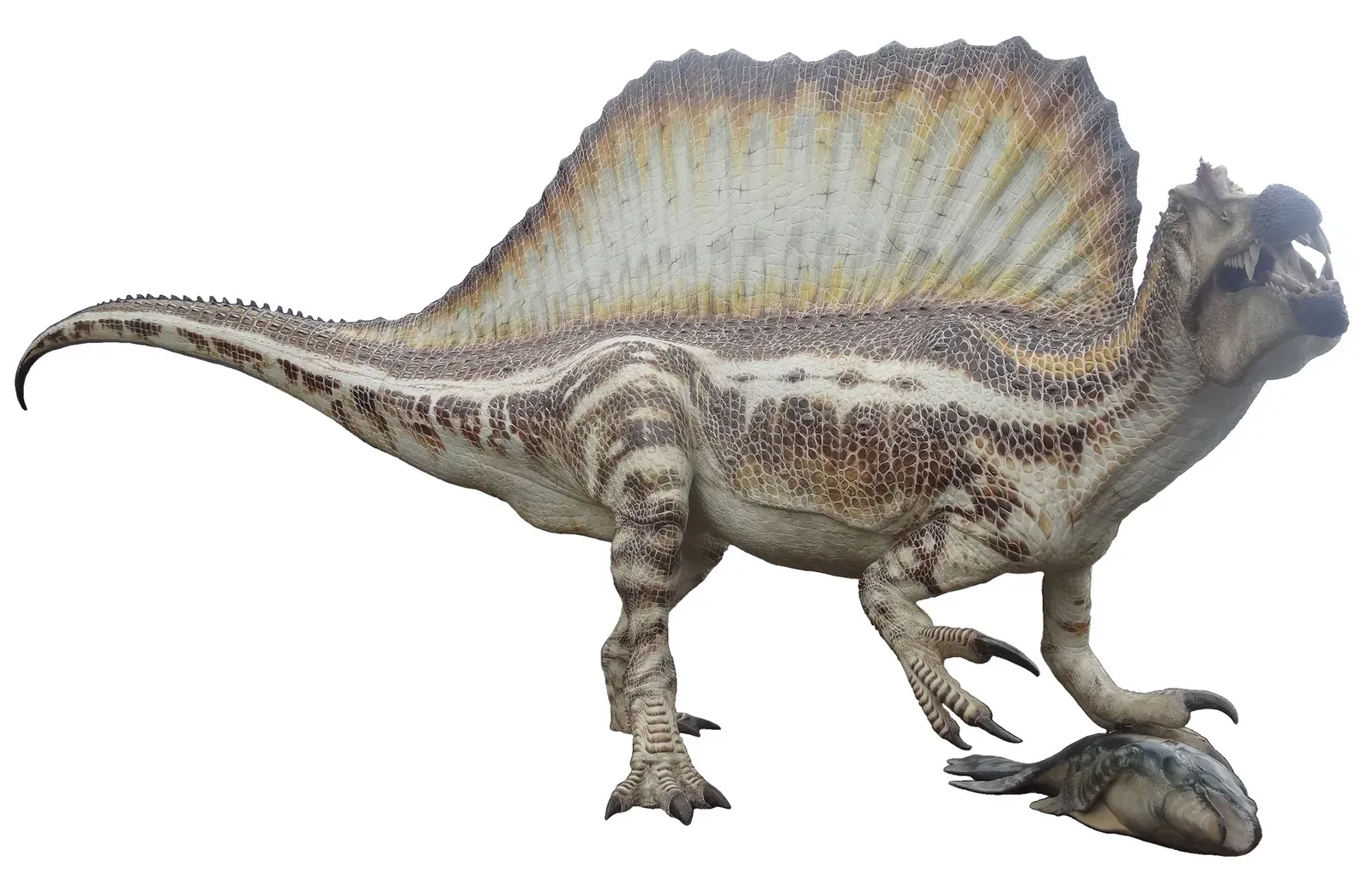
If you grew up thinking Tyrannosaurus rex was the undisputed king of the dinosaurs, Spinosaurus quietly ruins that dream. Evidence from fossil skeletons suggests this bizarre predator could reach around fifty to sixty feet in length, making it potentially longer than T. rex and one of the largest carnivorous dinosaurs we know. It carried a towering sail-like structure on its back and a long, crocodile-style snout packed with conical teeth perfect for gripping slippery prey.
What really flips the script is that Spinosaurus seems to have been semi-aquatic, spending much of its life in rivers and coastal lagoons. Picture a creature longer than a city bus, part heron, part crocodile, wading and swimming through deep channels, snapping up fish the size of cars and anything else careless enough to get too close to the water’s edge. I honestly think if Spinosaurus existed in a horror movie as-is, audiences would call it unrealistic – and that’s exactly what makes it so unsettling.
2. Megalodon: The Ocean’s Bulldozer With Teeth
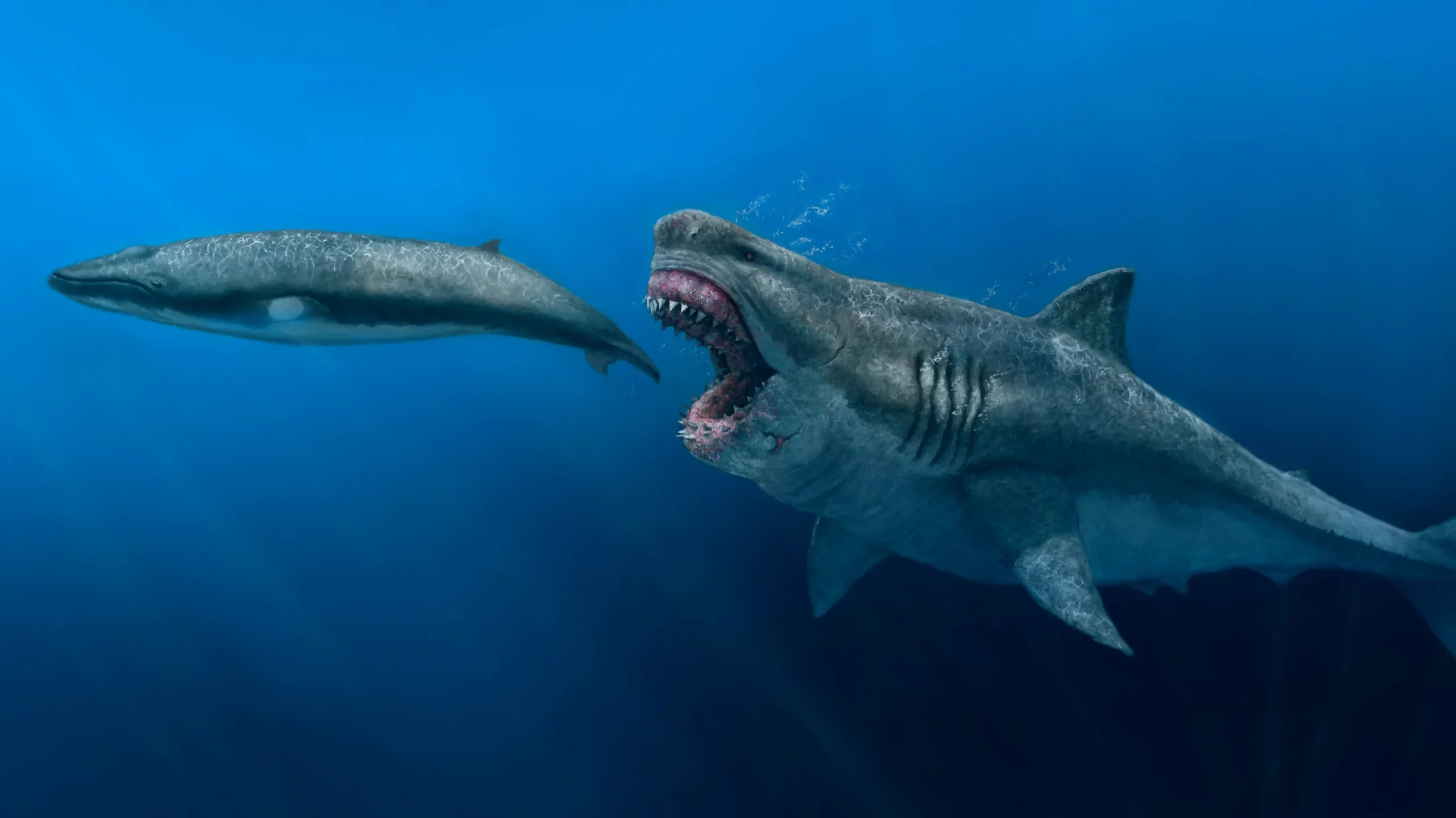
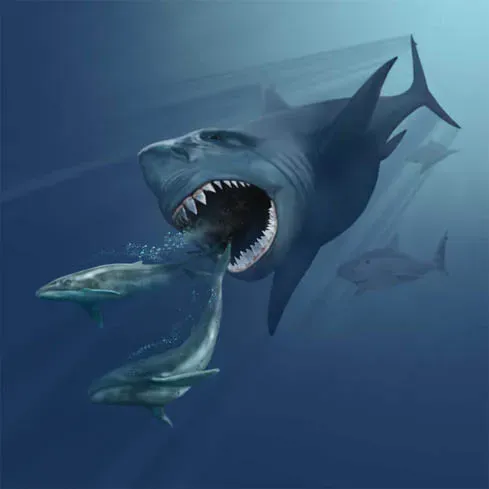
People hear about megalodon all the time, but most still underestimate just how absurdly big this shark was. Based on its gigantic fossil teeth and jaw structure, scientists estimate it could grow to around fifty to sixty feet long, with a mouth so wide that a grown person could have easily stood inside it. Its bite force was likely several times stronger than that of modern great white sharks, already some of the most powerful biters in the ocean.
To put it in perspective, imagine sitting in a car and realizing that to this shark, your entire vehicle would have been a manageable snack, not a challenge. Megalodon would have hunted whales and large marine mammals the way orcas hunt seals today, ramming, crippling, and then tearing chunks away with terrifying efficiency. Whenever I think about swimming in the open ocean, I’m quietly grateful that megalodon disappeared millions of years before humans ever decided that surfing was a relaxing hobby.
3. Titanoboa: The Snake That Turned Swamps Into Traps
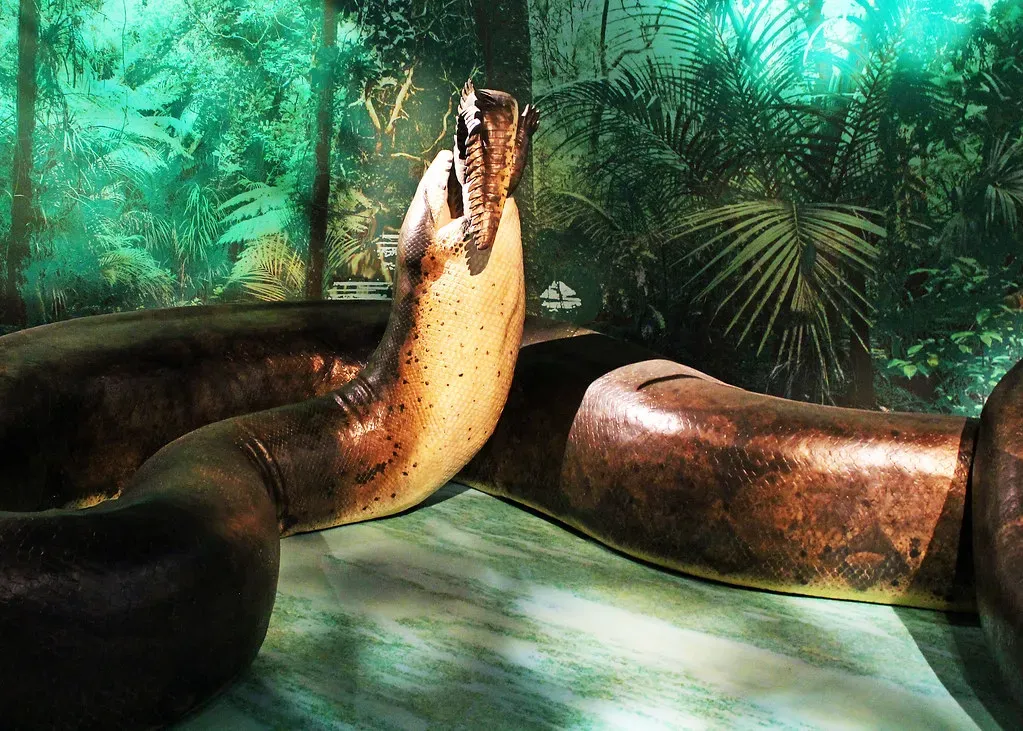
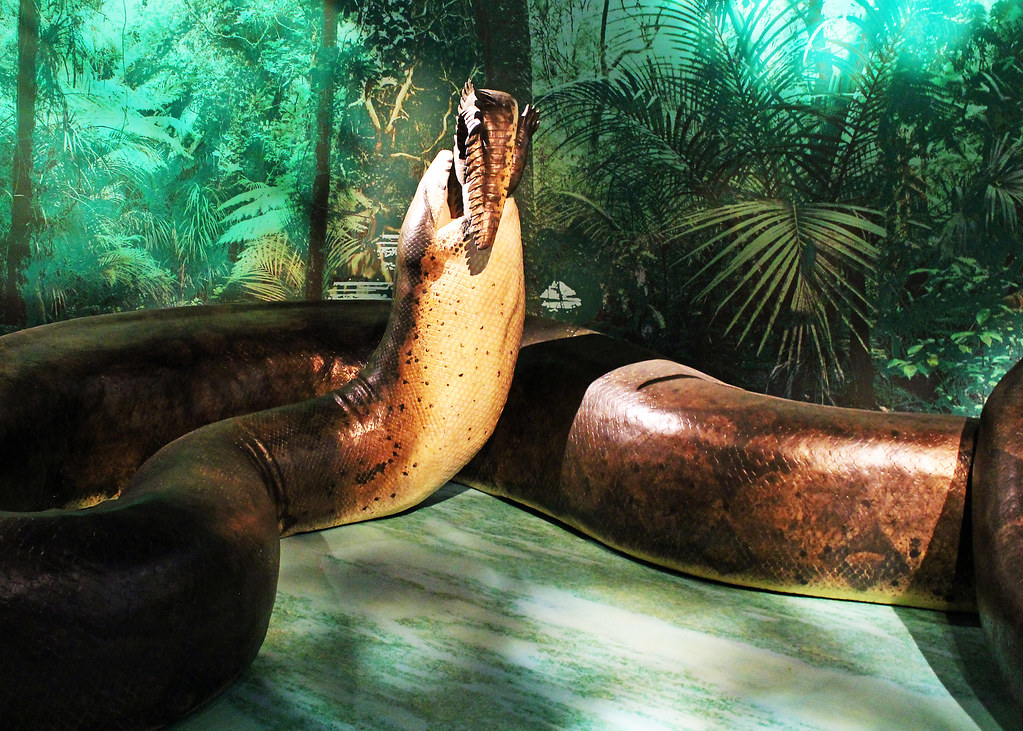
If regular snakes make you nervous, Titanoboa is nightmare fuel turned up to maximum. This prehistoric serpent, which lived shortly after the age of the dinosaurs, likely reached lengths of more than forty feet, with a body thick enough to rival an oil drum. It lived in hot, swampy environments in what is now South America, where warm temperatures would have allowed cold-blooded reptiles to grow to extraordinary sizes.
Rather than chasing prey across open ground, Titanoboa probably lurked in murky water, using its bulk and stealth to ambush crocodile-like reptiles and large fish. Once it coiled around its victim, the pressure from its muscles could have crushed bones and stopped hearts in moments, like a living industrial vice. The idea that you could walk through a tropical swamp and, without warning, be grabbed by something as long as a bus hiding under the surface is the kind of thing that makes modern snakes suddenly feel very manageable.
4. Deinosuchus: The Crocodile That Hunted Dinosaurs
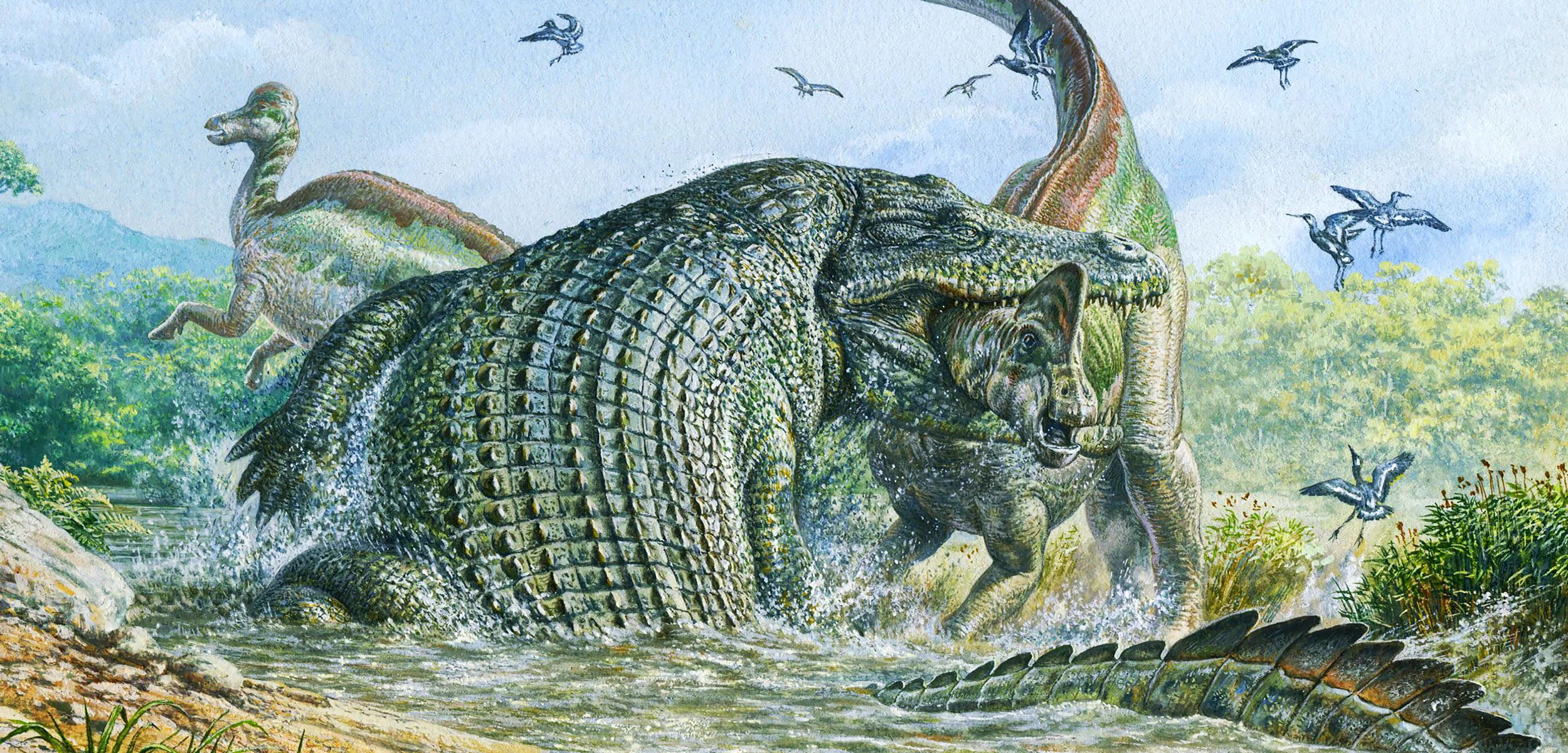
Modern saltwater crocodiles are already terrifying, but Deinosuchus makes them look like scaled-down replicas. This ancient relative of today’s crocs could grow to around thirty to thirty‑five feet long, with a skull massive enough to clamp down on dinosaur limbs like chew toys. Fossil bite marks on dinosaur bones strongly suggest it did exactly that, ambushing unwary hadrosaurs and other plant-eaters that ventured too close to the water’s edge.
Deinosuchus did not need to chase anything over long distances; it simply waited, buried in the shallows, then launched upward with explosive force. Imagine a riverbank where even a multi‑ton dinosaur could vanish in a splash and a cloud of blood, dragged under by a reptile that could weigh several tons itself. In a world already full of dangerous predators on land, Deinosuchus was a reminder that the water was an even worse idea.
Mosasaurus: The Marine Reptile That Ruled the Cretaceous Seas
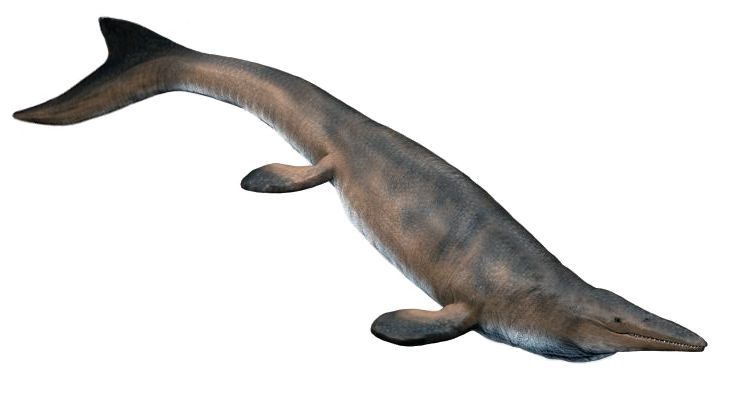
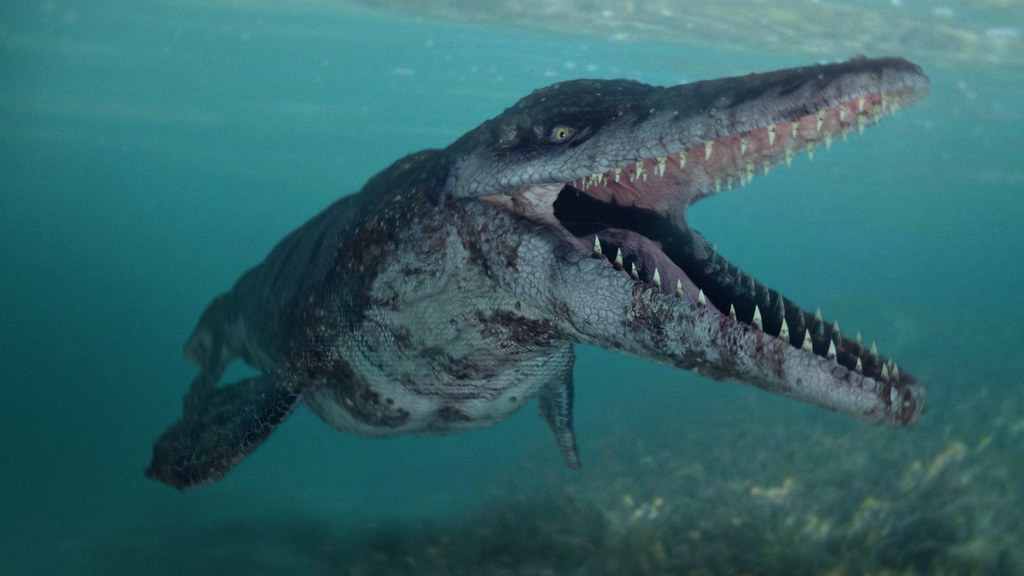
Mosasaurus was not a dinosaur, but a marine reptile, and it grew to a size that would make most modern whales glance over their figurative shoulders. Some species reached more than fifty feet in length, with a long, muscular body and powerful flippers that turned it into a torpedo of muscle and teeth. Its jaws were lined with sharp, conical teeth perfect for gripping and tearing, and even the skull alone could be as long as an entire human.
In the late Cretaceous oceans, Mosasaurus was a top predator, preying on fish, turtles, smaller marine reptiles, and probably anything else it could overpower. Think of it as a mash‑up between a komodo dragon and a killer whale, streamlined for underwater ambushes and high‑speed chases. When I see modern footage of great white sharks breaching, I sometimes imagine a Mosasaurus behind them, and suddenly the shark looks like the scared one.
6. Arthropleura: The Millipede That Could Look You in the Eye
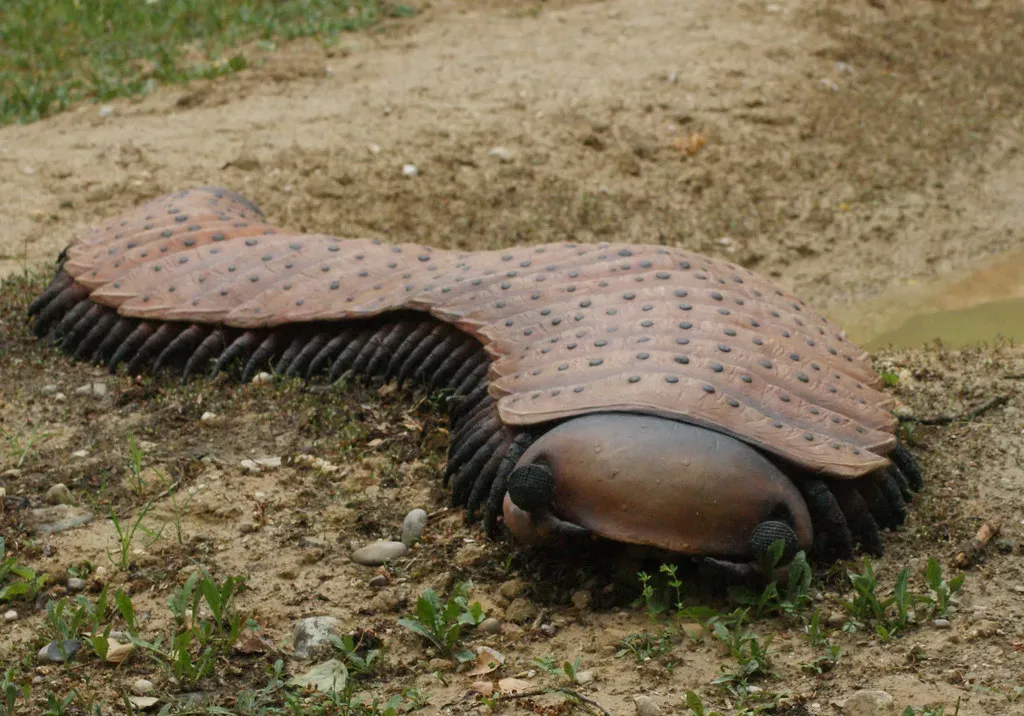
This one feels almost unfair, because your brain does not want to accept it as real: Arthropleura was a giant millipede‑like arthropod that could reach lengths of roughly seven to eight feet. That is not a typo – picture a many‑legged, armored invertebrate longer than most people are tall, crawling through prehistoric forests. It lived during the Carboniferous period, when oxygen levels in the atmosphere were higher, allowing arthropods to grow to sizes that seem impossible today.
The eerie part is that Arthropleura probably was not even a predator in the classic sense; evidence suggests it may have been more of a detritus or plant eater. Still, imagine walking through a damp, leaf‑littered forest and watching a human‑sized multi‑segmented creature ripple past you, silently and calmly, like a living centipede subway train. For me, the fact it may not have been dangerous somehow makes it even stranger – because your instincts would scream danger while the science quietly whispers otherwise.
7. Jaekelopterus: The Giant Sea Scorpion With Sword‑Like Claws
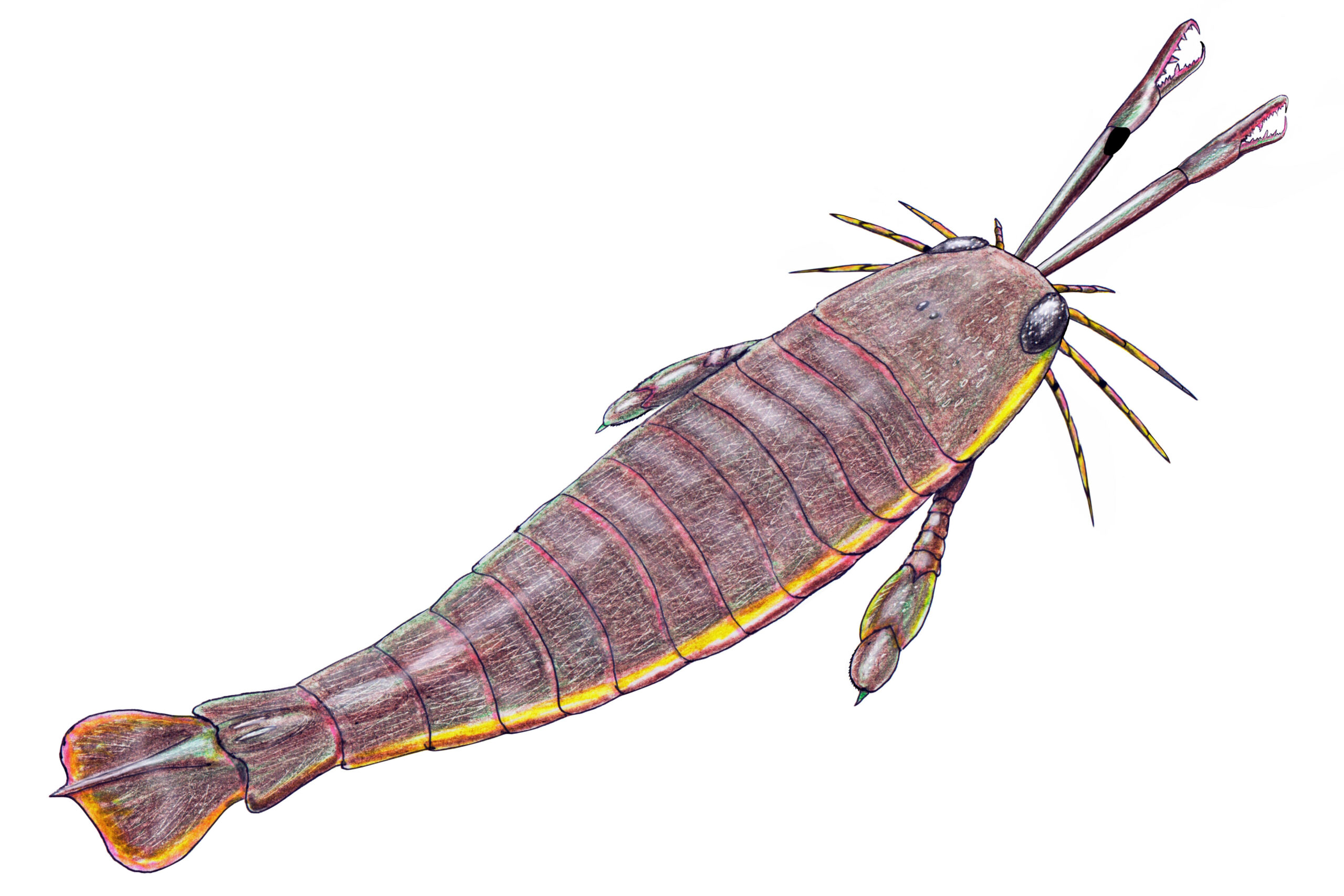
Before fish truly took over the seas, giant arthropods had their own reign of terror, and Jaekelopterus was among the worst of them. This ancient sea scorpion, part of the eurypterid group, could reach lengths of more than eight feet, with a body ending in large, powerful pincers. Its front appendages were shaped almost like spiked rakes, probably used to grab and shred soft‑bodied prey or early armored fish.
Jaekelopterus lived in Paleozoic waters that would have felt alien to us, full of strange, armored creatures and early vertebrates slowly figuring out how to survive. In that world, an eight‑foot arthropod with serrated limbs was a serious problem, especially if you were smaller and slower. If modern crabs and scorpions feel unsettling, picture something the size of a kayak rushing toward you in chest‑deep water, and you start to understand why early seas were not a safe place to experiment with swimming.
Conclusion: We Are Not the Benchmark for “Big and Scary”
Looking at these ancient predators, it becomes pretty clear that humans showed up late to a planet that had already run every possible version of big, fast, and terrifying. We like to see ourselves as the top of the food chain, but that is more about brains and tools than brawn; physically, we would have been hopelessly outmatched by most of the creatures on this list. To me, that is both humbling and oddly comforting – our survival is less about being the biggest bully and more about being the clever, squishy underdog that learned how to cooperate and invent.
At the same time, I think we tend to sanitize ancient life into museum poses and movie tropes, and we forget how raw and brutal the real story was. These animals were not villains; they were just highly adapted answers to the environments they lived in, as natural as sparrows or salmon today, only turned up to extremes that are hard for us to imagine. Maybe the real lesson is that nature’s imagination is wilder than ours, and we are lucky to live in an era where the worst thing in the water is usually a plastic bottle, not a fifty‑foot shark. Which of these ancient monsters surprised you the most?