
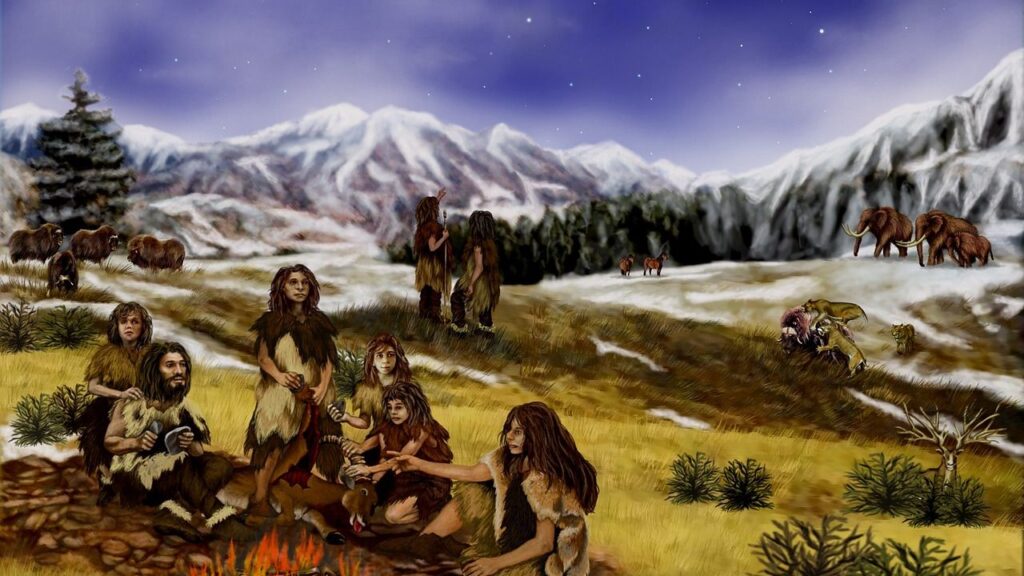
Picture a Neanderthal. If your mind instantly jumps to a hunched, grunting brute dragging a club, that’s not really your fault – that image has been drilled into us by cartoons, old textbooks, and cheesy movie posters for decades. But it is wildly out of date. The more scientists dig into bones, caves, DNA, and microscopic traces of pigments and pollen, the more this stereotype falls apart in the most surprising ways.
What we see instead is a group of humans who were clever, adaptable, emotional, and sometimes shockingly similar to us. They made art, cared for their sick, survived in brutal climates, and even left a genetic legacy still quietly influencing our bodies today. Once you see Neanderthals as they really were, it becomes hard not to feel a little protective of them – and maybe a bit humbled about what it means to be “modern” at all.
1. Neanderthals Had Big, Complex Brains (Sometimes Bigger Than Ours)
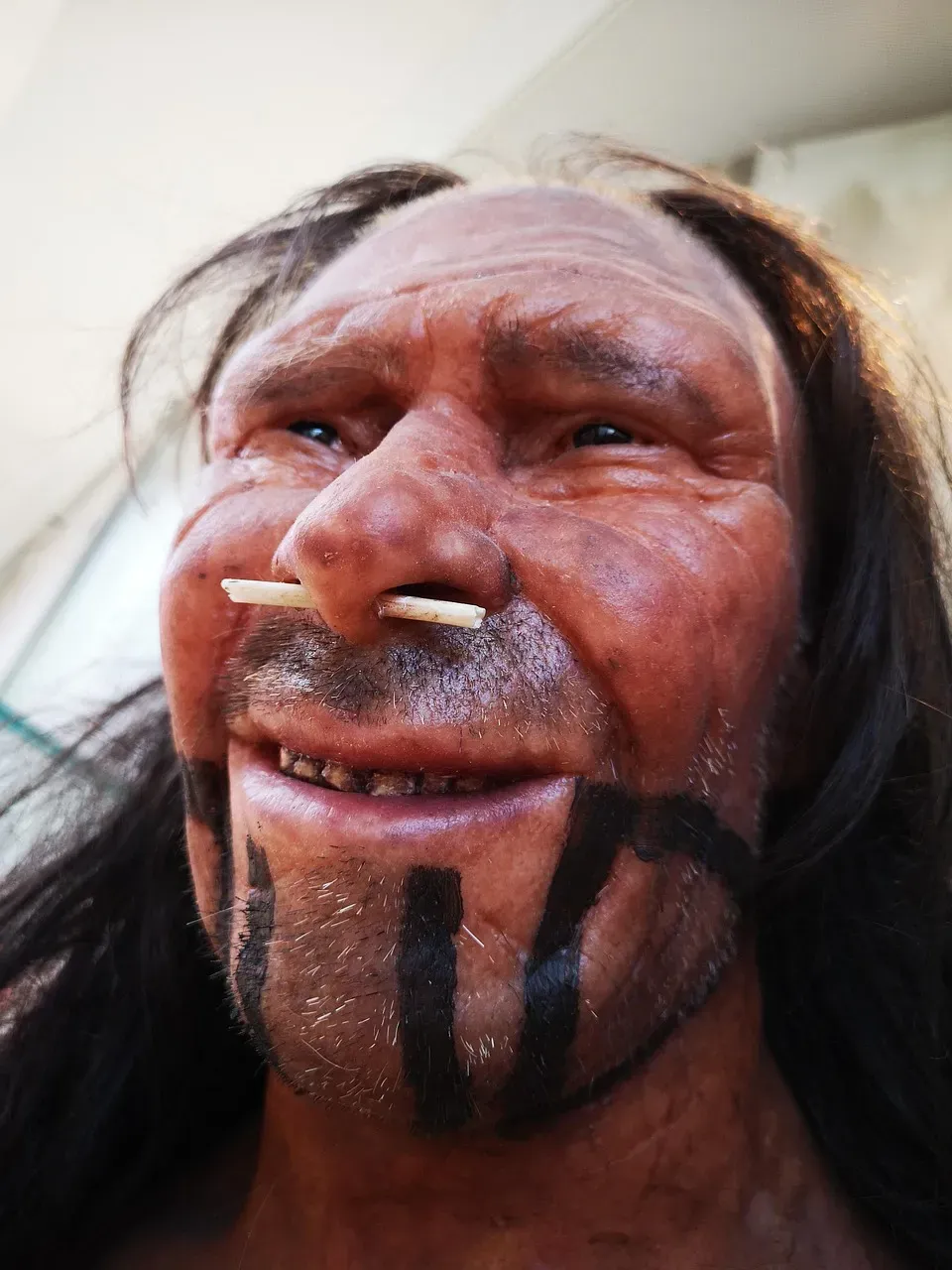
One of the most surprising facts is that many Neanderthal braincases were at least as large as those of modern humans, and often a bit bigger. That does not automatically mean they were “smarter”, but it absolutely shatters the idea of a simple-minded brute. Their brains were differently shaped, with some regions of the skull suggesting strong visual and body-control capacities, which makes sense for people surviving in harsh Ice Age environments with dangerous megafauna.
What fascinates me is how we used to equate “big brain equals genius, smaller brain equals dumb caveman”, and even by that oversimplified yardstick, Neanderthals never fit the caricature. They mastered diverse environments from western Europe to western Asia, which already tells you their brains were doing sophisticated planning, memory, and problem-solving work. The real story is not that they were less intelligent, but that they had a different kind of intelligence, tuned to their world in ways we are only starting to appreciate.
2. They Used Fire, Tools, and Technology With Real Skill
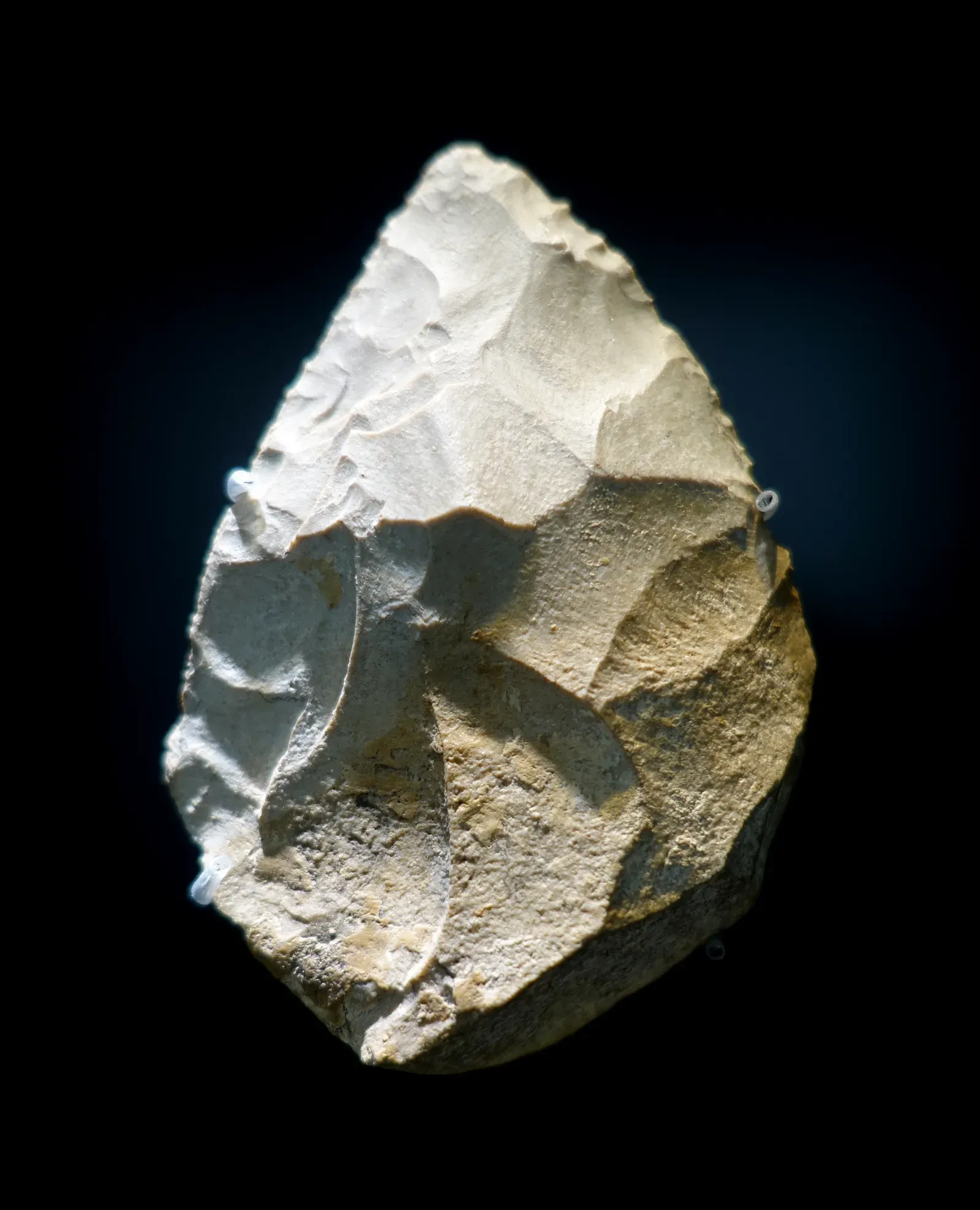
Neanderthals were not just hitting rocks together at random; they had recognizable stone tool traditions that show planning, standardization, and skill. Archaeologists have found carefully shaped flint tools, blades, scrapers, and points that required multiple steps and an understanding of how stone fractures. In some sites, there’s evidence that they selected high-quality raw materials and transported them over distance, which suggests planning and knowledge of the landscape.
They were also regular users of fire, which is a huge deal for cooking, warmth, light, and safety. Some evidence even points to them organizing hearths and activity areas in their living spaces, a kind of prehistoric interior design that suggests they thought about comfort and function, not just survival. When you imagine Neanderthals calmly sharpening tools by a controlled fire, rather than just stumbling around in the dark, the whole “dumb caveman” image starts to feel frankly childish.
3. Neanderthals Cared for Their Sick, Injured, and Elderly
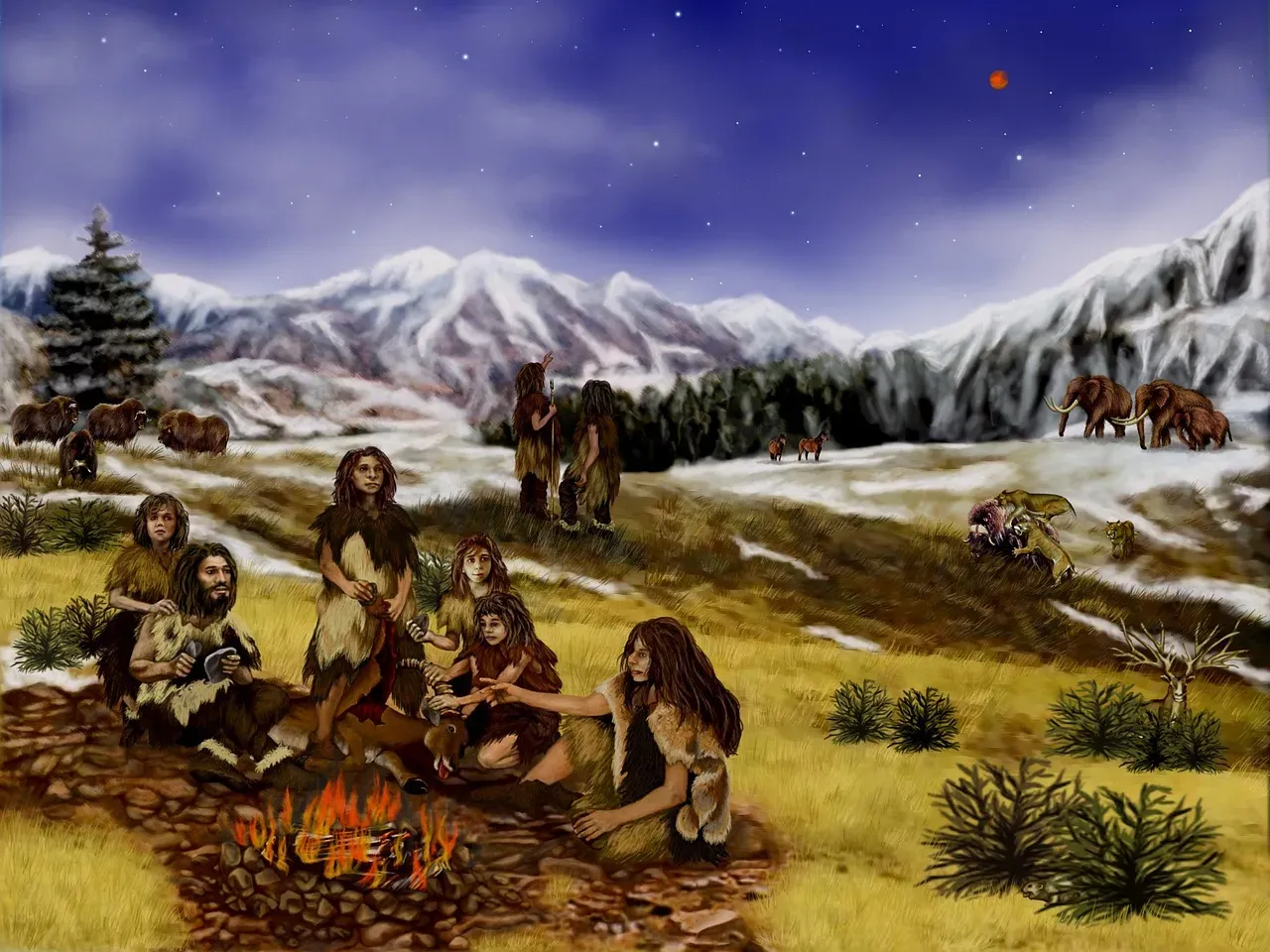
One of the most moving discoveries about Neanderthals comes from skeletons that show serious injuries or disabilities that had healed long before death. Some individuals had broken bones that would have left them unable to hunt or move normally on their own, yet they lived for years, even decades. That only makes sense if others helped them – sharing food, offering protection, and adapting group life around their needs.
This kind of long-term care is not what you expect from the cartoon version of violent cavemen who would abandon the weak. Instead, it looks a lot like compassion and social responsibility. When I first read about an older Neanderthal with worn teeth and healed injuries who clearly must have been looked after, it hit me: these people loved each other enough to carry the weight of someone who could no longer pull their own. That is not just survival; that is community.
4. They Buried Their Dead and May Have Held Rituals
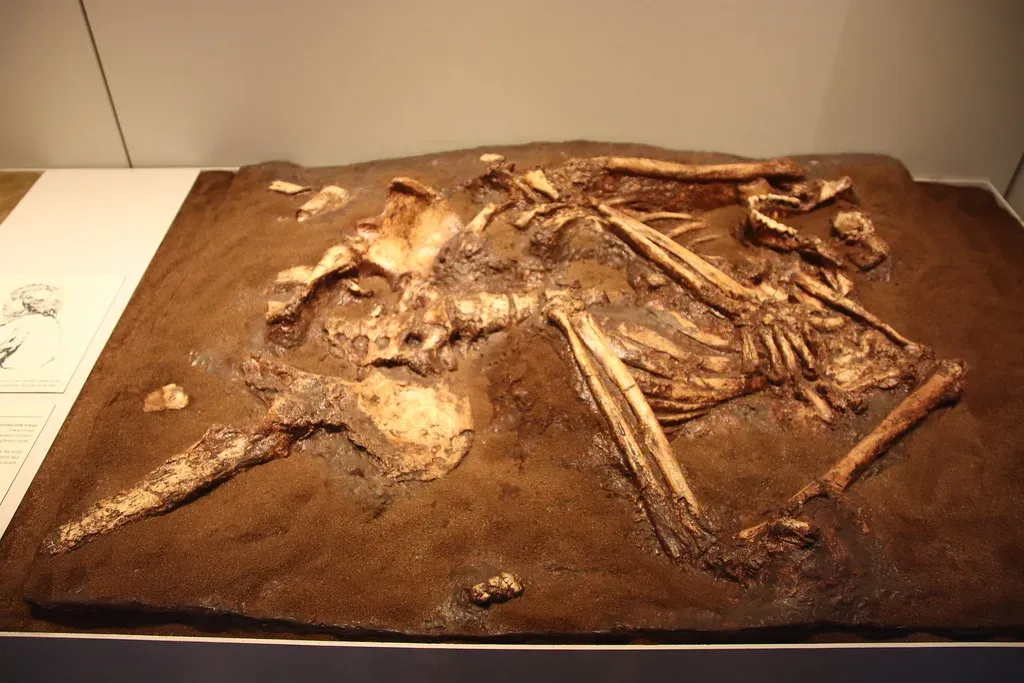
Some Neanderthal sites show burials where bodies seem to have been deliberately placed in pits rather than left to decay on the surface. In a few cases, there are hints of grave goods or traces of pollen that might come from flowers, suggesting that they did more than just dispose of corpses. This is still debated, but even the possibility that they performed some kind of ritual or symbolic act around death forces us to see them as emotional, reflective beings.
Even if we strip away all the romantic assumptions and stay brutally cautious, the consistent pattern of careful body placement in some caves hints at a respect for the dead that goes beyond pure practicality. It raises haunting questions: did they grieve, tell stories about the person, or believe in something after death? We may never know exactly what was in their minds, but the behavior itself points toward a capacity for meaning-making that is the opposite of mindless brutality.
5. They Made Ornaments, Used Pigments, and Probably Created Art
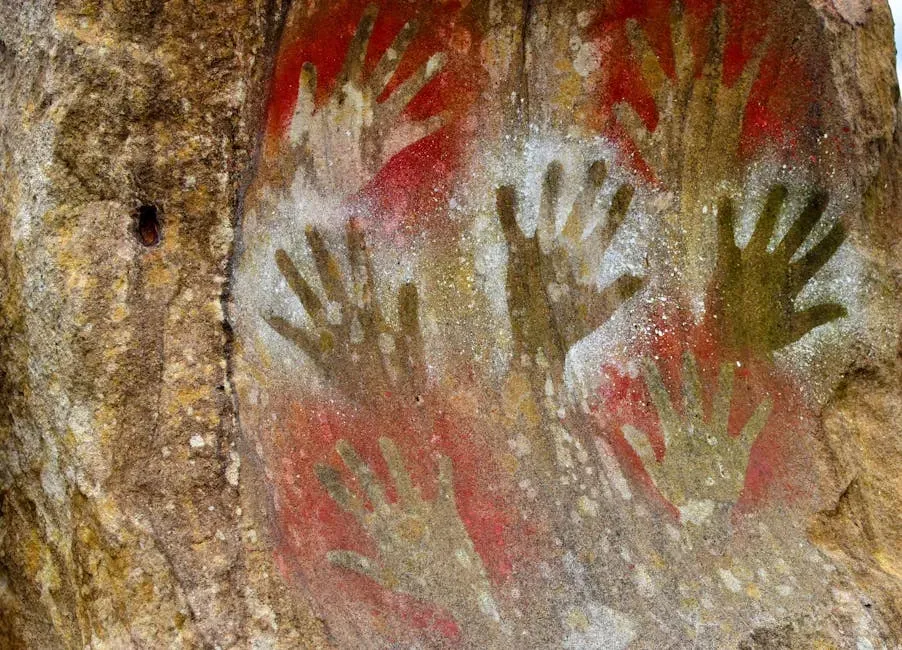
For a long time, symbolic behavior – jewelry, decoration, art – was treated as the ultimate badge of “modern” humans, supposedly ours alone. But finds associated with Neanderthals have steadily eroded that idea. There are sites with perforated animal teeth and shells that seem to have been strung as ornaments, and pieces of pigment like ochre that may have been used to color bodies, clothing, or objects. In some caves, patterns and markings appear to predate the arrival of Homo sapiens, suggesting Neanderthals themselves were responsible.
This does not mean Neanderthals were painting like Renaissance masters, but it does mean they likely had a sense of aesthetics and symbolism. They were not just surviving; they were decorating, marking, and maybe even communicating identity or status visually. To me, that is one of the most human things imaginable: the urge to turn the bare necessities of life into something a little more beautiful, to say “this is who I am” with color and ornament in a bleak Ice Age world.
6. They Spoke With Voices, Not Grunts
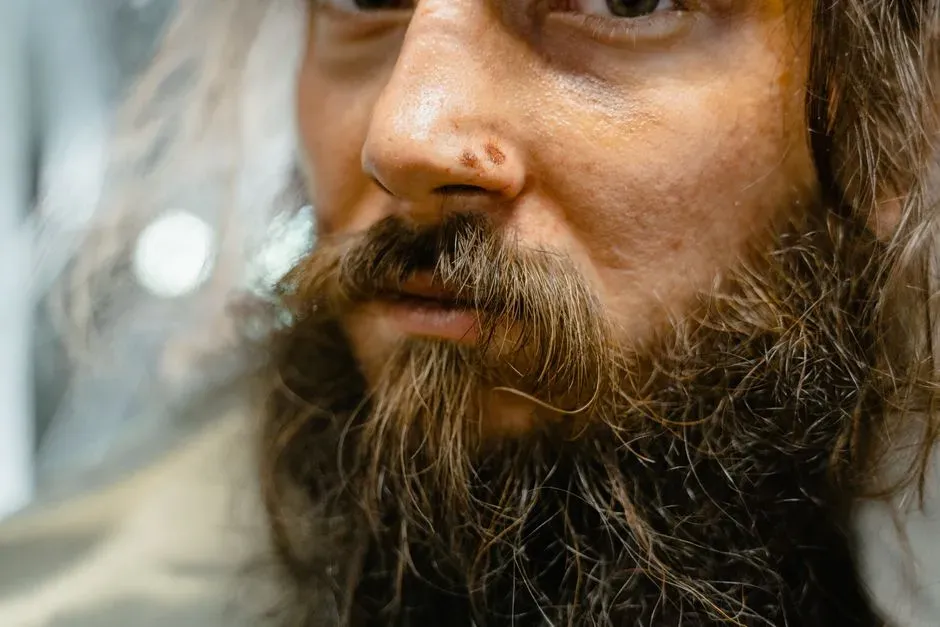
The old stereotype of Neanderthals as grunting, almost-animal beings crumbles when you look at their anatomy and genetics. Their hyoid bone – a small bone in the throat involved in speech – and aspects of their vocal tract suggest they were physically capable of producing a wide range of sounds. Genetic evidence from the FOXP2 gene, which is involved in speech and language in modern humans, also hints that they may have shared some of the same biological foundations for complex communication.
No one can reconstruct exactly what a Neanderthal language sounded like, and that mystery is honestly part of the charm. But the idea that a Neanderthal parent could call out to a child, tell a simple story around the fire, or coordinate a hunt with words rather than just gestures is far more plausible than the old caveman growl. When you imagine them laughing, gossiping, or arguing in some now-lost tongue, they stop being a different species in our minds and start feeling like relatives we just never got to meet.
7. They Interbred With Us – and Still Live On in Our DNA
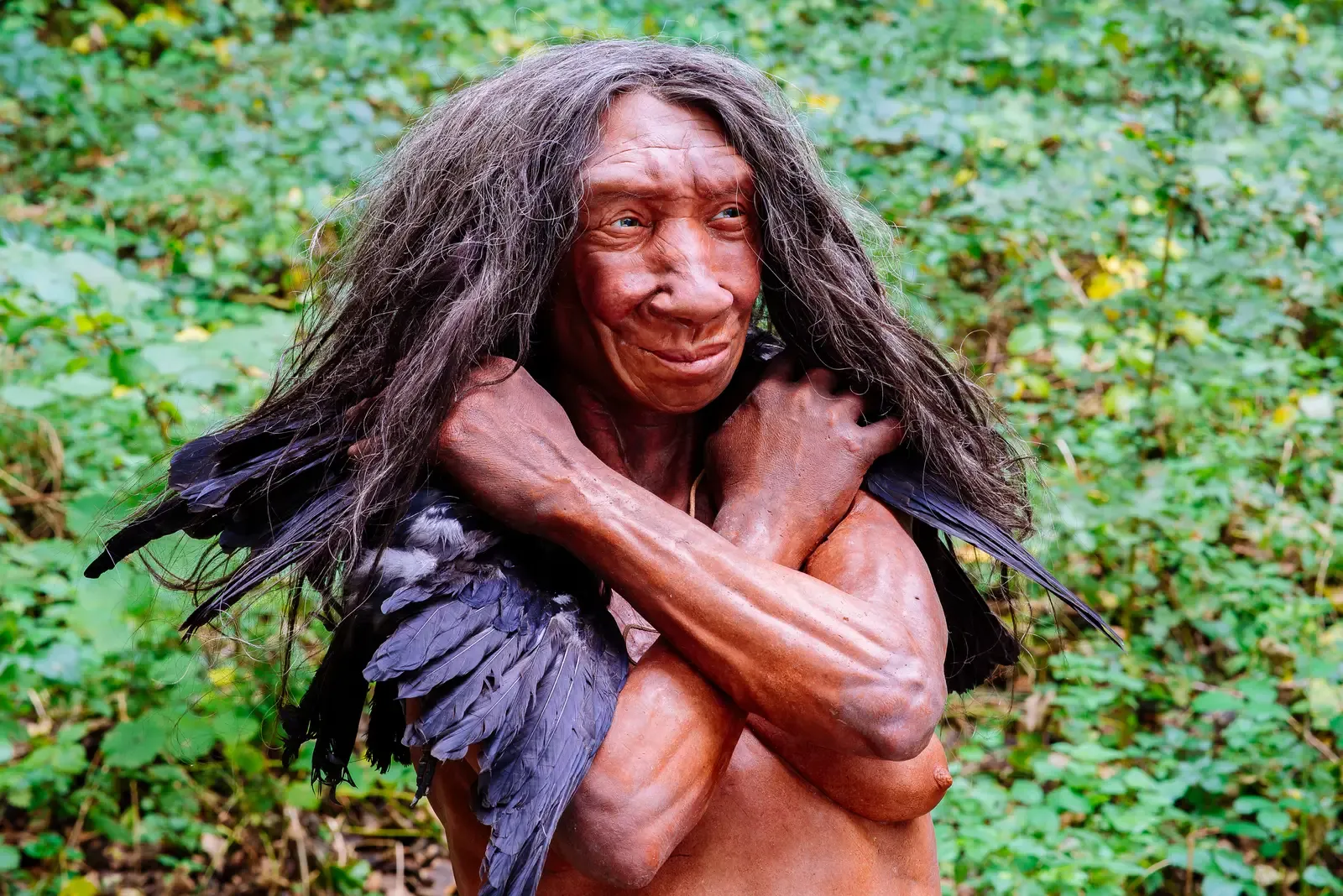
One of the most mind-blowing discoveries of the past couple of decades is that Neanderthals and early modern humans did not just meet; they had children together. Genetic studies show that people today whose ancestors come from outside sub-Saharan Africa typically carry a measurable fraction of Neanderthal DNA. It is not a tiny trace from one odd encounter either; it points to repeated episodes of interbreeding over thousands of years in different regions.
This genetic legacy affects real traits today, from aspects of our immune system to how our bodies respond to certain environments. Instead of a clean break between “us” and “them”, the picture is now one of blurry boundaries, multiple encounters, and long-term entanglement. Personally, I find it hard to call Neanderthals “dumb cavemen” when, in a very literal sense, they are part of the family for many of us, woven into our cells and influencing us quietly from the inside out.
8. They Were Adaptable Survivors, Not Evolutionary Failures
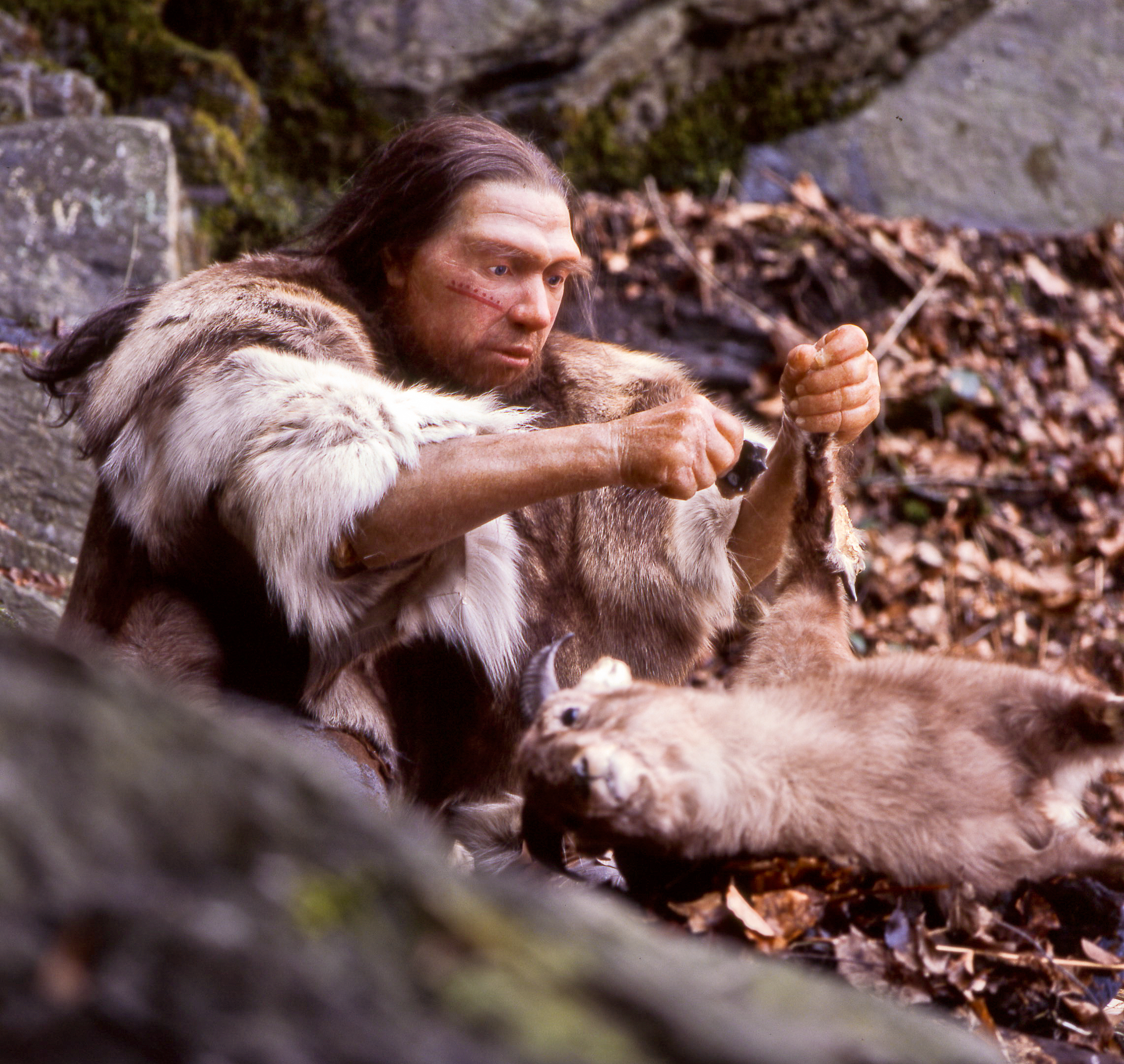
The old story painted Neanderthals as a failed side branch, doomed by their own inferiority to disappear once modern humans arrived. But the archaeological record tells a different story: they survived for hundreds of thousands of years across shifting climates, repeated glaciations, and changing animal populations. That is a longer run than our own species has had so far, and it speaks to a deep reservoir of resilience and adaptability that deserves some respect.
Their eventual disappearance probably involved a messy mix of factors: climate stress, competition with expanding modern human groups, demographic bad luck, and simple chance. Framing that as them being “too stupid” is not just wrong; it ignores how fragile our own survival would look under a microscope. In my view, Neanderthals were not a cautionary tale about failure; they were a successful human experiment that lasted an astonishingly long time and then merged, in part, into us.
Conclusion: Maybe We Were the Ones Who Underestimated Them
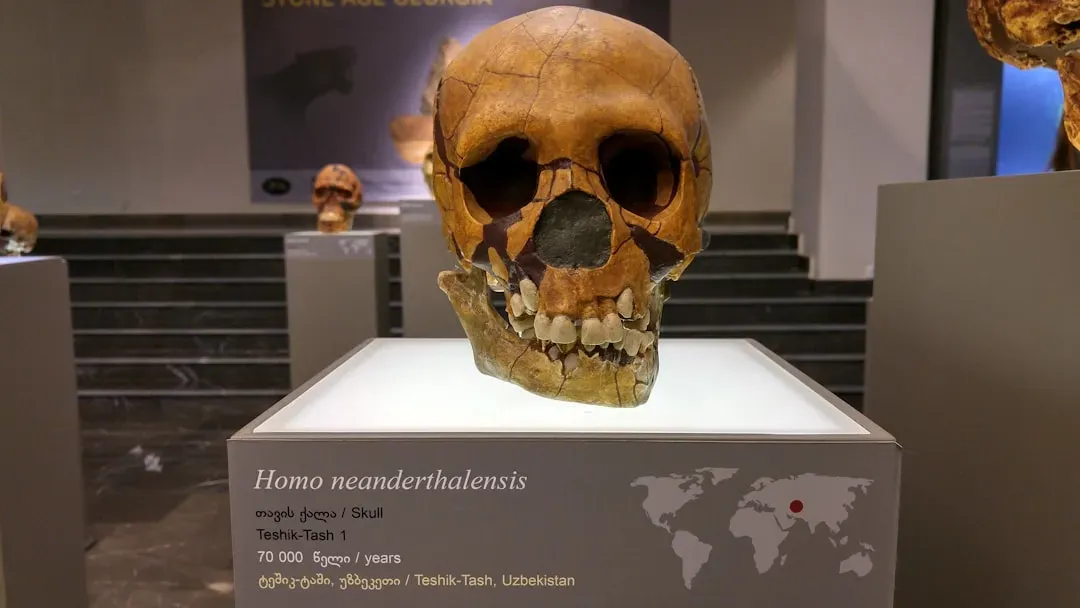
When you step back from the old stereotype and look at the evidence, Neanderthals start to look less like cartoon cavemen and more like another version of us: big-brained, emotional, inventive, capable of care, creativity, and complex thought. They buried their dead, made tools and ornaments, mastered fire, and spoke in voices we will never hear but can almost imagine. Calling them “dumb” now feels less like an insult to them and more like an admission that we were too lazy to update our picture in light of the facts.
My honest opinion is that Neanderthals force us to soften the sharp lines we draw between “modern” and “primitive”, “us” and “them”. They remind us that intelligence and humanity do not have just one shape or one timeline, and that our species is part of a tangled family tree full of experiments, overlaps, and half-remembered relatives. The next time someone uses “Neanderthal” as an insult, it might be worth asking who is really being simplistic. After everything we now know, are we sure the cavemen were the ones who needed to evolve?