
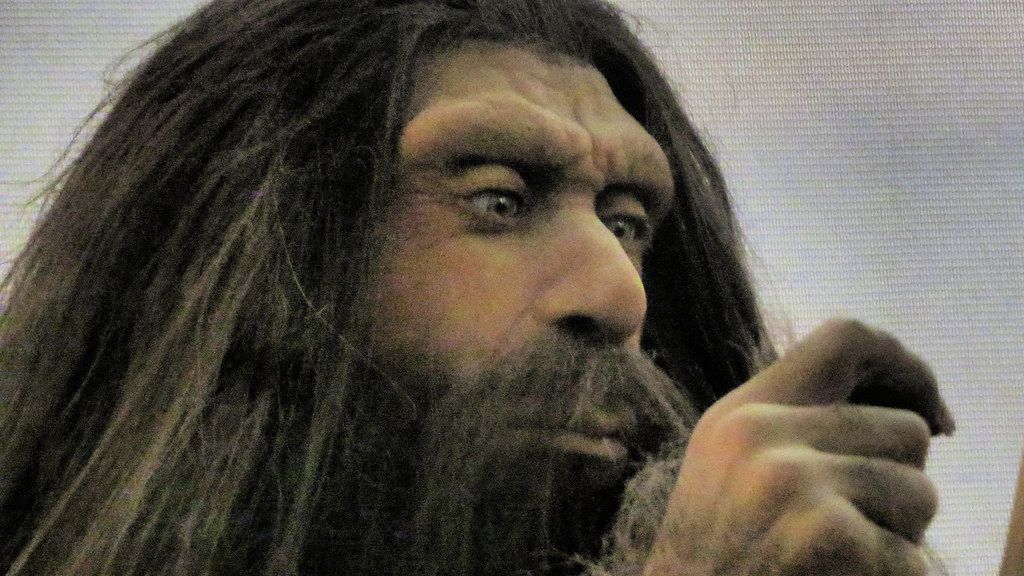
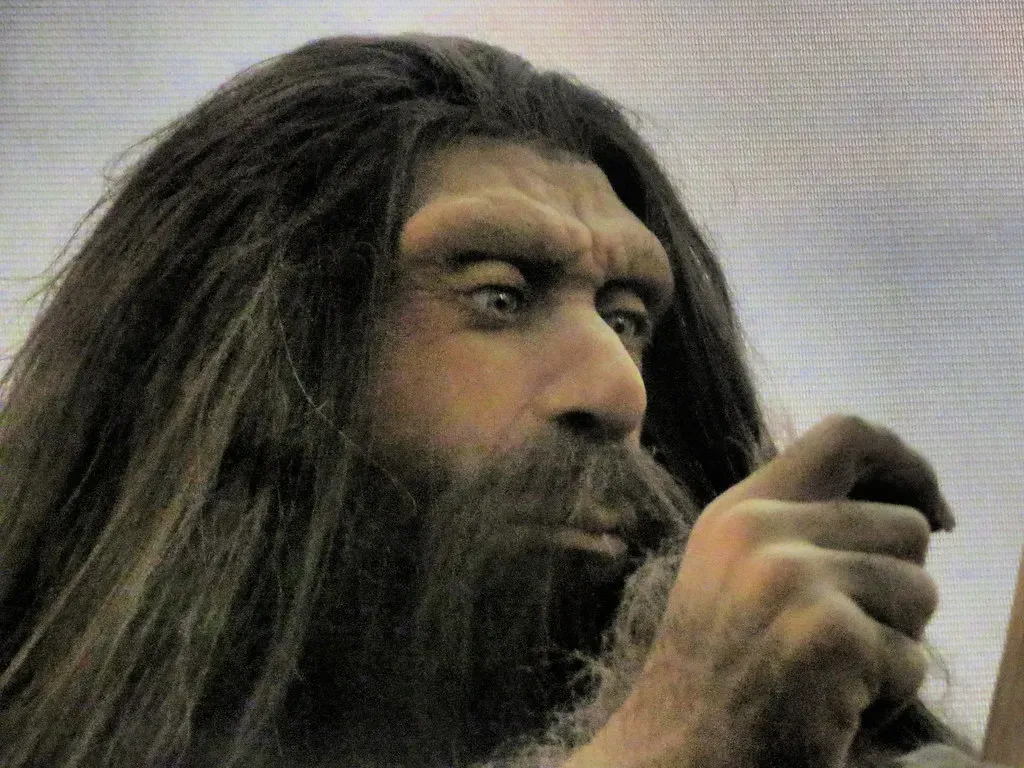
Neanderthals have had a terrible PR problem. For more than a century, they were painted as clumsy, grunting brutes who clubbed things, dragged mates by the hair, and then went extinct because they just were not smart enough. That cartoon image is so ingrained that many people still use “Neanderthal” as an insult for someone backward or uncultured.
But over the last few decades, archaeology, genetics, and even microscopic analysis of ancient teeth have flipped that story on its head. The emerging picture is far more surprising and, honestly, far more relatable: Neanderthals were skilled, emotional, adaptable humans who lived rich, complex lives for hundreds of thousands of years. Let’s walk through what we now know, and why the old “dumb caveman” stereotype simply does not survive contact with the evidence.
1. Neanderthals Had Big, Powerful Brains (Sometimes Bigger Than Ours)
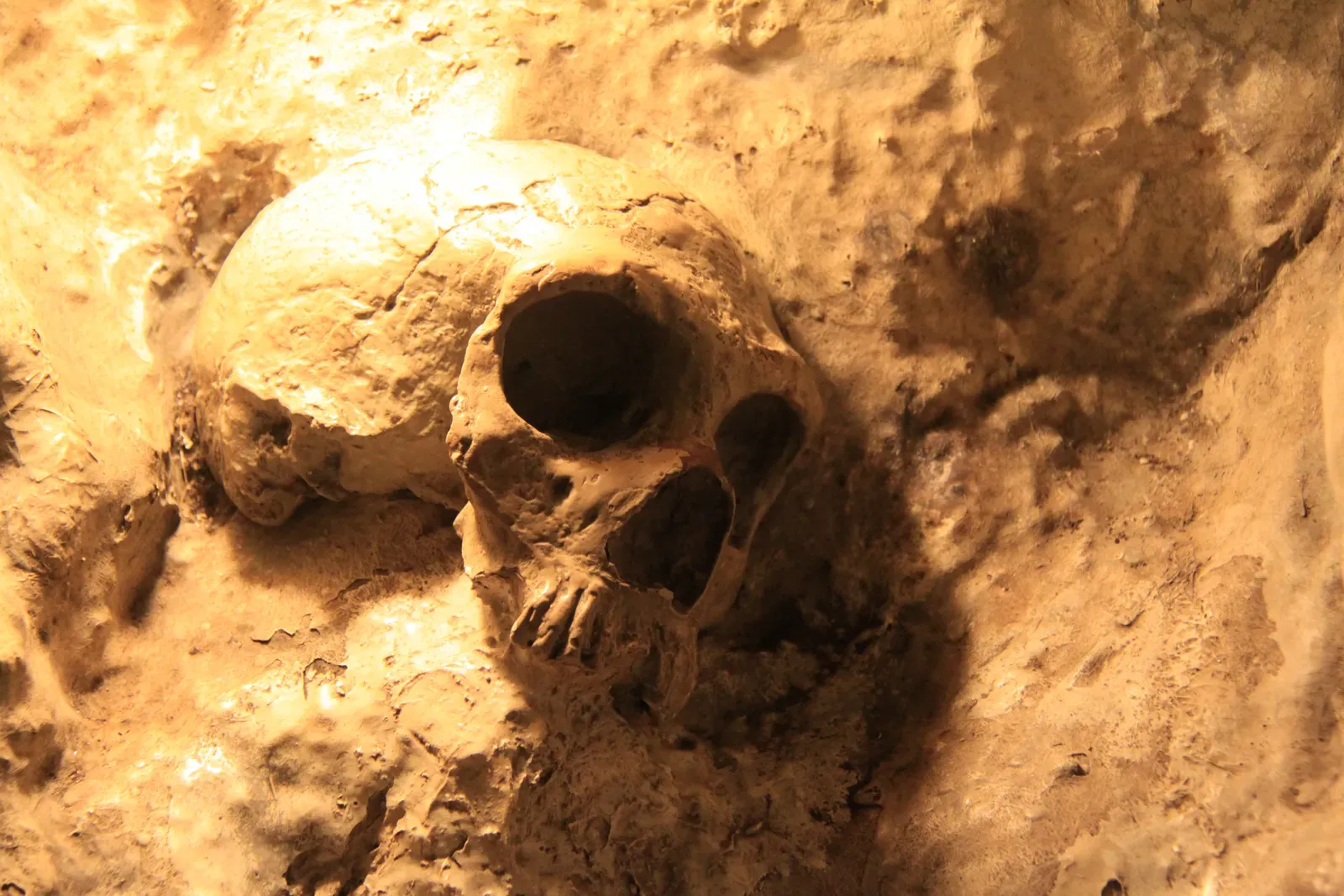
It is hard to call someone dumb when their brain is at least as large as yours. Based on fossil skulls, Neanderthals actually had, on average, slightly larger brain volumes than modern humans. The shape was different – more elongated and lower – but the raw brain capacity was nothing to sneer at, and certainly not evidence of stupidity.
Of course, bigger does not automatically mean smarter, and it would be an overreach to claim Neanderthals were more intelligent just from size. But the fact that their brains were this substantial, combined with how long they survived in harsh Ice Age environments, tells us they were clearly doing something right. At the very least, their neural hardware was absolutely capable of complex thinking, planning, social organization, and problem‑solving on a sophisticated level.
2. They Crafted Advanced Tools and Used “High-Tech” Materials
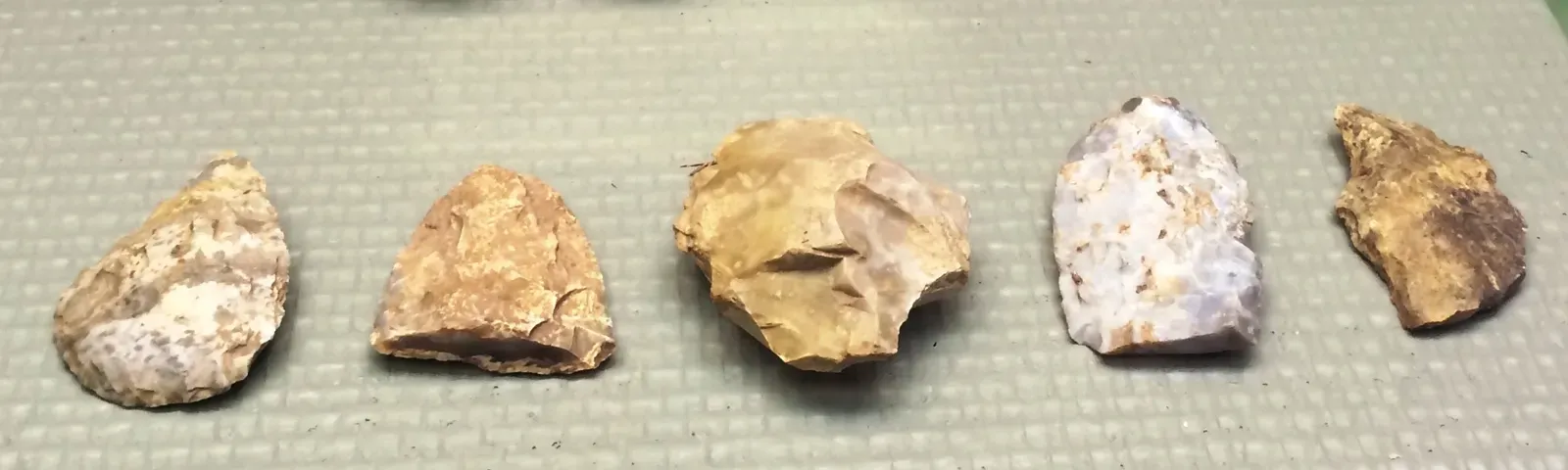
That mental capacity really shows up in their tools. Instead of crude, simple rocks, Neanderthals made carefully prepared stone implements using intricate techniques that required planning several steps ahead. Archaeologists have found tool traditions like the Mousterian and others that show standardized production, repair, and reuse – more like a well-thought-out toolkit than random stones picked off the ground.
Even more impressive, Neanderthals also used materials that go beyond stone. There is evidence they worked with bone, antler and possibly even adhesives made from plant or birch tar to attach stone blades to wooden handles. Making tar from bark requires controlled heating in low-oxygen conditions, essentially an early form of chemistry. That is not the behavior of people who do not understand what they are doing; it is the behavior of experimenters who tinker, learn, and pass on knowledge.
3. They Cared for the Sick, Injured, and Elderly
One of the most moving insights into Neanderthal life comes from skeletons that tell stories of survival against the odds. Some Neanderthal remains show severe injuries, degenerative diseases, or disabilities that would have made independent hunting almost impossible. Yet these individuals lived for years after those injuries, which suggests that others helped feed and protect them.
That kind of long-term caretaking does not happen by accident. It requires empathy, social responsibility, and a willingness to invest energy in someone who cannot “pay you back” in a narrow survival sense. To me, that feels very human in the best way: they were not just tough; they were connected. Instead of a heartless struggle of each against all, their lives likely involved bonds of family and community that could be surprisingly tender.
4. They Buried Their Dead and Seem to Have Had Rituals
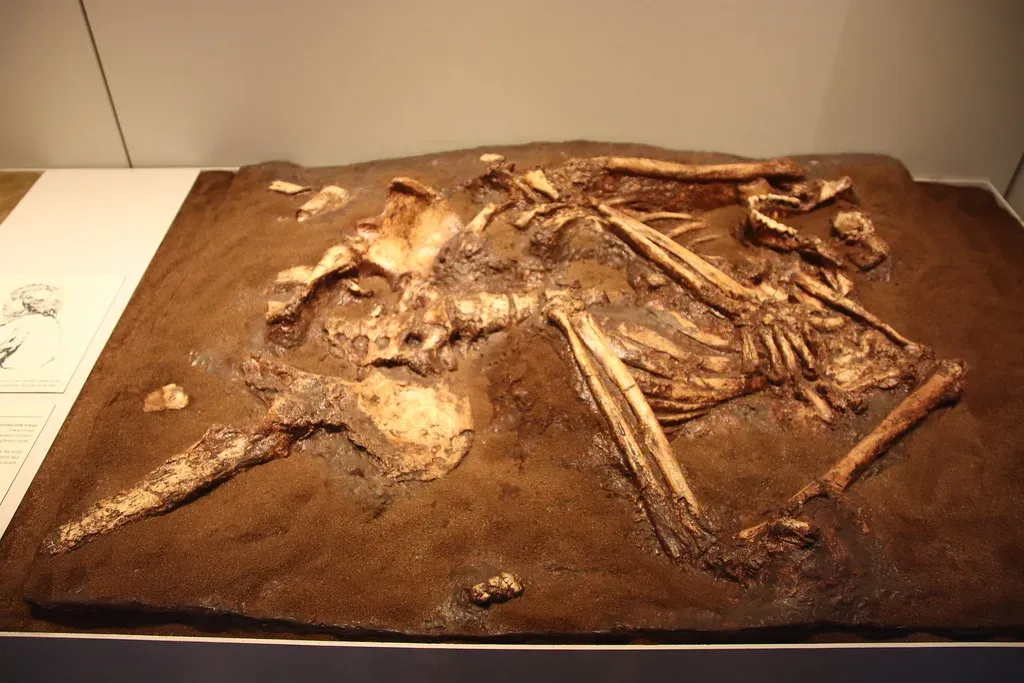
Another stereotype-breaking discovery is how Neanderthals treated their dead. At several sites, archaeologists have found bodies placed in deliberate positions in shallow pits, with clear signs that these were intentional burials, not just random bodies left where they fell. In some cases, there are hints of grave goods or carefully arranged remains, though scientists still debate the details.
Whether or not every claimed “ritual” stands up to scrutiny, there is growing evidence that Neanderthals were not indifferent to death. Taking the time to dig a grave, position a body, or return to a particular place requires symbolic thinking and emotional depth. It suggests that they may have grieved, remembered, or even imagined some kind of existence beyond death. That is a long way from the image of blank-eyed brutes with no inner life.
5. They Made Art, Ornaments, and Probably Used Symbolic Markings
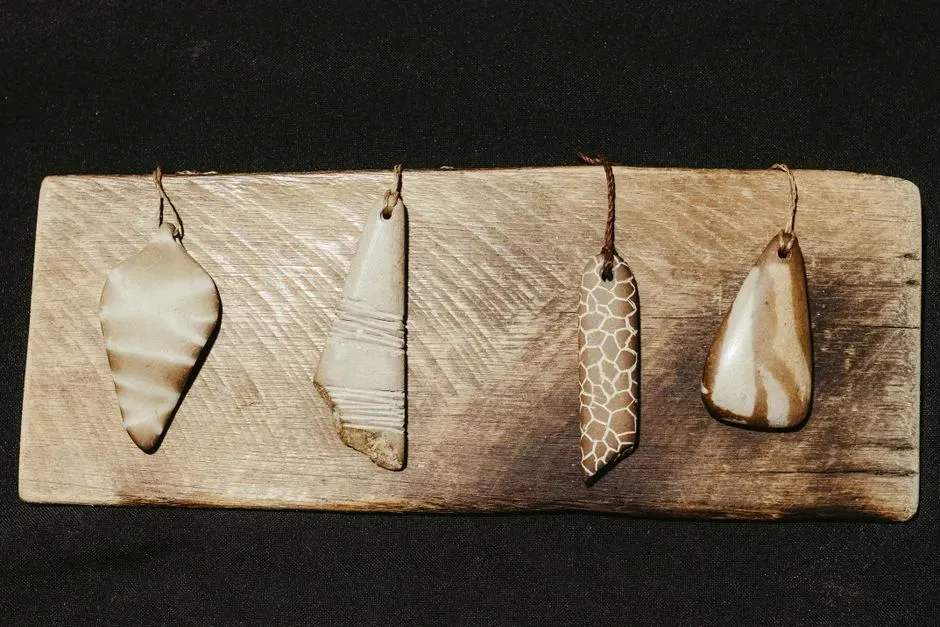
This is where Neanderthals really start to feel uncomfortably close to us: there are signs they dabbled in art and personal style. Researchers have found objects like perforated animal teeth, shells, and pigments that seem to have been used as body ornaments or decorations. At some sites, there are geometric engravings, carved lines, or arrangements of bones that do not appear to be purely practical.
Now, scientists are careful here, and not every claim of “Neanderthal art” has stood the test of time. But the overall pattern points to symbolic behavior: using colors, shapes, and objects to communicate identity or meaning. Think of someone carefully choosing jewelry or a tattoo today – it is about more than function; it is about who they are. Neanderthals, in their own way, seem to have done something similar, which absolutely demolishes the idea that they lacked imagination.
6. They Spoke in Complex Ways and Probably Had Language
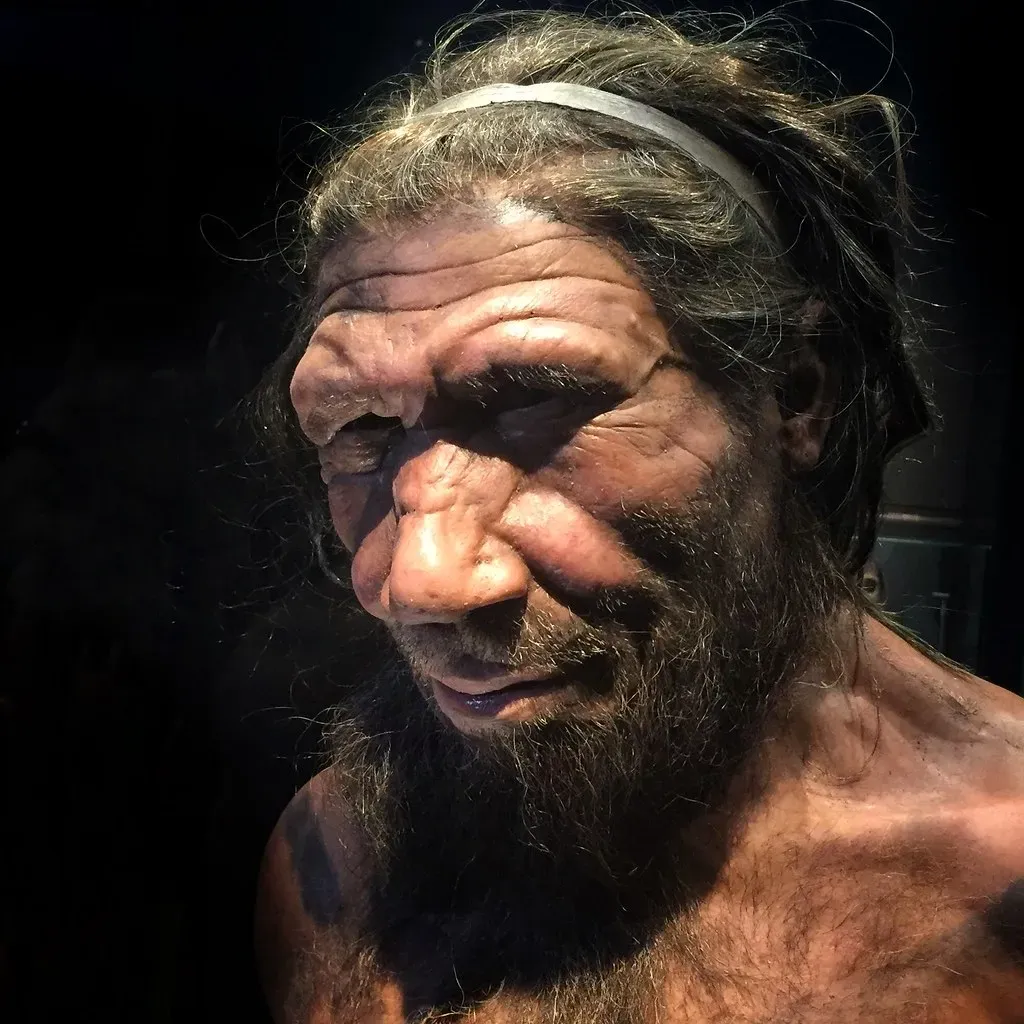
We do not have recordings of Neanderthal conversations, but we do have their bones and genes. Their throat, ear, and skull anatomy suggest they were capable of producing and hearing a wide range of sounds comparable to modern humans. On top of that, they shared key genetic features linked to speech and language in us, which strongly hints they were not just grunting at each other.
Language is not just about physical ability, though; it is also about how you live. The kind of coordinated hunting, toolmaking, and social care Neanderthals practiced would be incredibly hard without sophisticated communication. It is much more reasonable to picture them using structured speech, gossiping, teaching children, planning hunts, and telling stories than to imagine a world of random noises. Personally, I suspect if you wandered into a Neanderthal camp, the sound of their chatter would feel eerily familiar, even if you could not understand the words.
7. They Were Skilled Hunters, Foragers, and Environmental Strategists
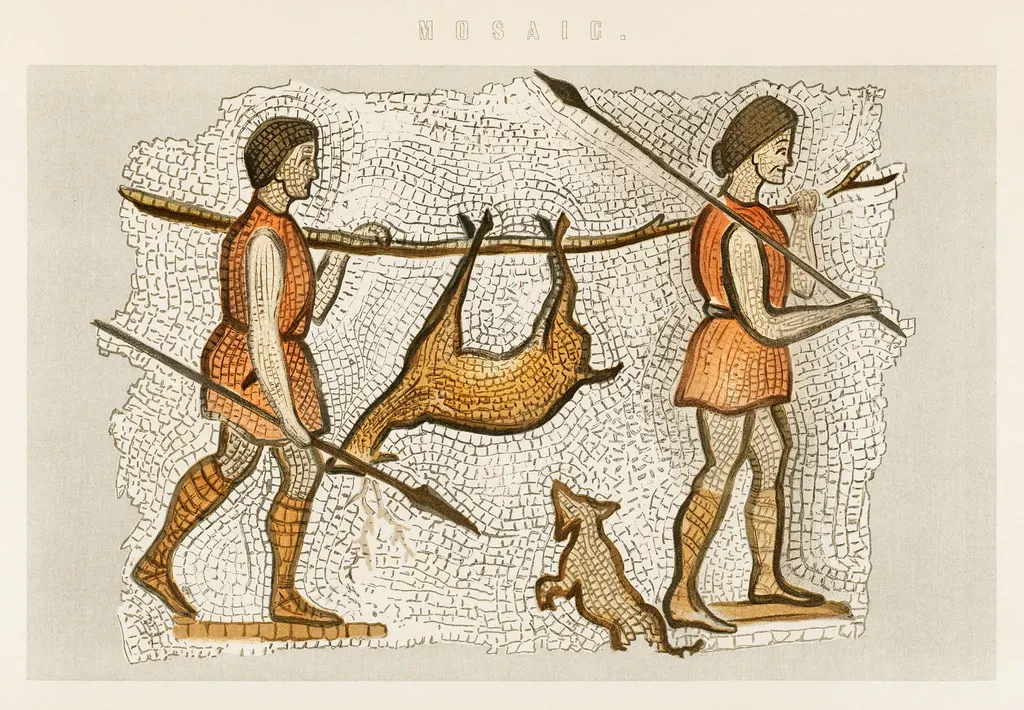
Surviving in Ice Age Eurasia was not easy. Neanderthals did it for a very long time, through repeated climate shifts, changing animal populations, and dangerous landscapes. Their bones and tools show that they hunted large animals like bison, deer, and even mammoths, often in coordinated groups that required planning, timing, and serious courage.
But it was not all meat and spears. Studies of Neanderthal teeth and cooking hearths reveal that they also used plants, nuts, and possibly medicinal herbs. Some evidence suggests they cooked food and altered their diets depending on the local environment, which means they were not just doing the same thing everywhere. They were flexible experts in their ecosystems, more like seasoned wilderness guides than hapless cavemen stumbling after whatever wandered past.
8. They Are Part of Us – Literally, in Our DNA
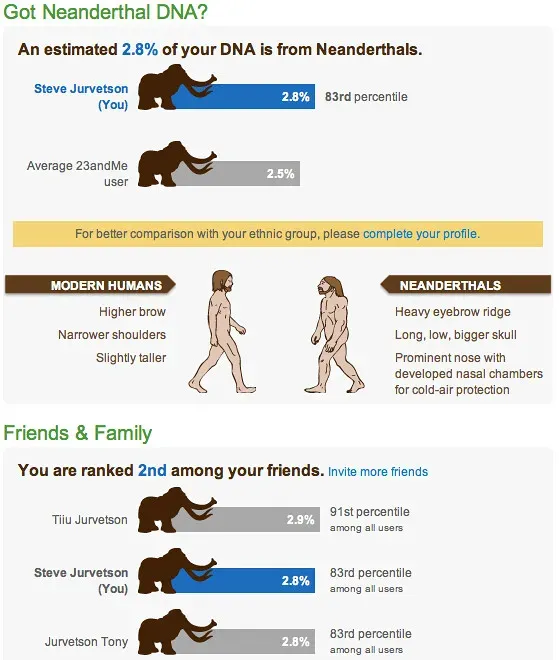
Maybe the most mind-blowing discovery is that Neanderthals did not simply vanish as some failed side branch. Many living people today carry small but significant amounts of Neanderthal DNA, especially those with ancestry outside of Africa. That means our ancestors and Neanderthals met, formed relationships, had children, and those children’s descendants are still here.
Neanderthal genes in modern humans are tied to things like immune responses, skin and hair traits, and even how we adapt to different environments. Instead of thinking of Neanderthals as “them” and modern humans as “us,” it makes more sense to see them as a different kind of human who blended into our story. The dumb caveman stereotype is not just wrong; it is a weird insult to part of our own family tree.
Conclusion: Maybe the Real Caveman Myth Was Ours All Along
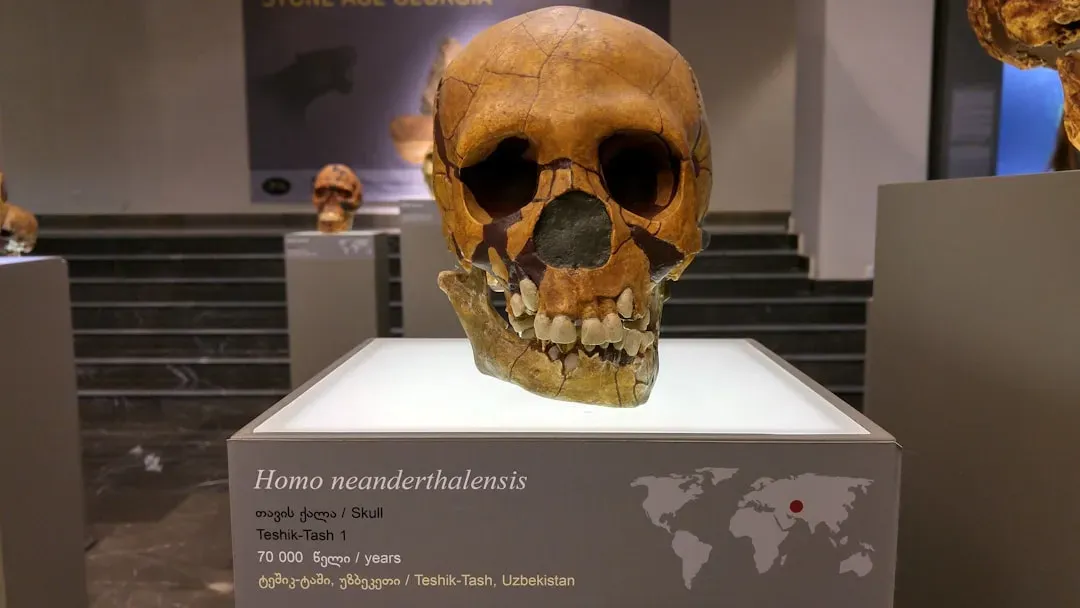
When you put all of this together – the big brains, the complex tools, the care for the vulnerable, the burials, the ornaments, the likely language, the ecological savvy, and the genetic legacy – the old Neanderthal stereotype starts to look embarrassingly lazy. They were not failed, dim-witted almost-humans; they were tough, creative, emotional people who thrived in brutal environments for ages. If anything, the real myth was our modern arrogance, assuming that intelligence and dignity peaked with us.
Personally, I find the updated picture of Neanderthals oddly comforting. It suggests that deep compassion, creativity, and the urge to make meaning out of life have been with our wider human family for a very long time. Next time someone uses “Neanderthal” as an insult, it might be worth pushing back and asking who the real primitive thinker is: the ancient person who cared for their injured friend and buried their dead, or the modern one clinging to a busted cartoon stereotype. Knowing what you know now, which version would you have guessed was closer to the truth?