We like to sort the past into tidy boxes: prehistory over here with its mammoths and cave art, ancient history over there with its pyramids and city-states. In school it all feels neat and linear, like one era ends and another begins with a clean, dramatic cut. But the real timeline of our species is messier, stranger, and honestly much more fascinating than that. For thousands of years, people we’d call “prehistoric” and people we’d call “ancient” were living at the same time, just in radically different ways and in different corners of the world.
Think about it: when some societies were building monumental stone temples and writing detailed laws, others were hunting with stone-tipped spears and leaving no written trace at all. You had cutting-edge bronze metallurgy and Ice Age style lifestyles coexisting on the same planet. Once you see those overlaps, the labels “ancient” and “prehistoric” start to feel more like storytelling tools than strict realities. Let’s walk through eight moments where those categories collide and blur, and where the past suddenly feels a lot less distant and a lot more like a patchwork of parallel worlds.
1. When Woolly Mammoths Still Roamed While Pyramids Were Rising
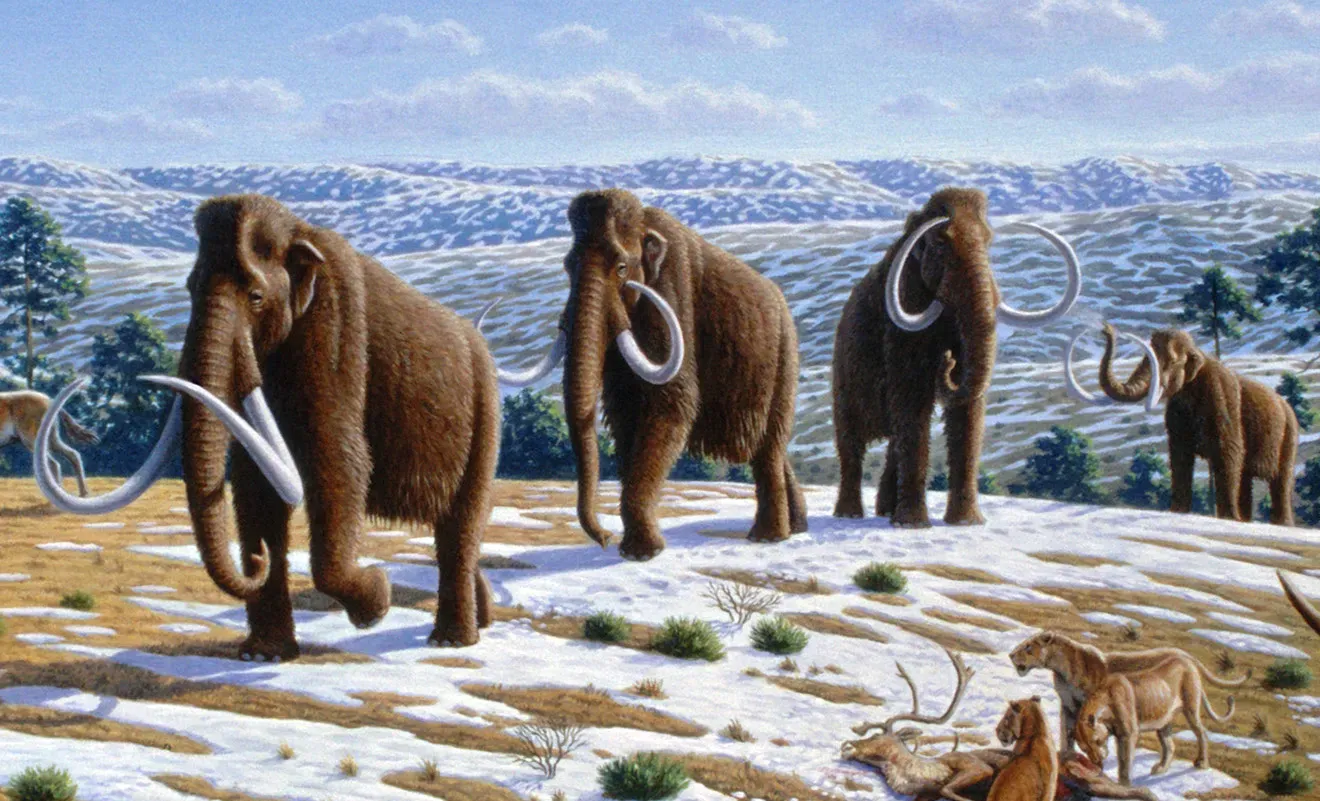
It sounds like a bad pub quiz trick: at the same time some Egyptian pyramids were standing on the Nile floodplain, a few woolly mammoths were still plodding around on a small Arctic island. Yet that is exactly what the evidence suggests. On Wrangel Island, off the coast of Siberia, remains show mammoths surviving thousands of years longer than their mainland relatives, into a period that overlaps with the Old Kingdom of Egypt. While Egyptians carved stone blocks and organized centralized states, a tiny island population of shaggy Ice Age giants clung on in isolation.
This overlap rips apart the mental picture many of us carry of the past as a simple sequence: first mammoths, then pyramids, then “civilization.” Instead, some humans living in the early Bronze Age shared a world, at least in theory, with one of the most iconic megafauna of the last Ice Age. No pharaoh ever saw a mammoth parade up the Nile, but the fact that their lives overlapped on the global timeline is jarring. It forces us to admit that “prehistoric animals” and “ancient civilizations” are less like separate chapters and more like neighboring pages that happened to be written in different places.
2. Neanderthals, Early Homo Sapiens, and the Roots of Later Civilizations
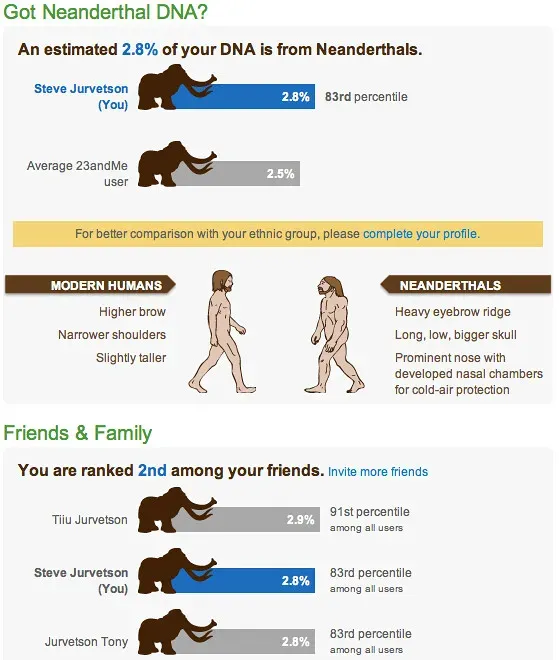
When we think about ancient civilizations like Mesopotamia or Egypt, it is easy to imagine them as starting from scratch, as if humans suddenly popped into written history with no deep backstory. But the genetic and archaeological record says otherwise: earlier humans, including Neanderthals and other archaic groups, had already been shaping the biological and cultural raw material that later societies would inherit. These groups lived in Eurasia for hundreds of thousands of years, long before the first city walls rose in the Fertile Crescent, and they were not static or simple.
Modern humans and Neanderthals overlapped in space and time, interbreeding in several regions. Today, people outside Africa carry small traces of that shared past in their DNA. That means that when scribes in cuneiform recorded harvests and kings, they were writing about societies built by the descendants of populations who had already navigated ice ages, tool revolutions, and deep-time migrations. The separation between “prehistoric people” and “ancient people” becomes fuzzy: the same bodies, shaped by the same long evolutionary story, simply happened to live in societies that finally picked up the habit of writing things down.
3. Gobekli Tepe: Hunter-Gatherers Building Monumental Stone Temples
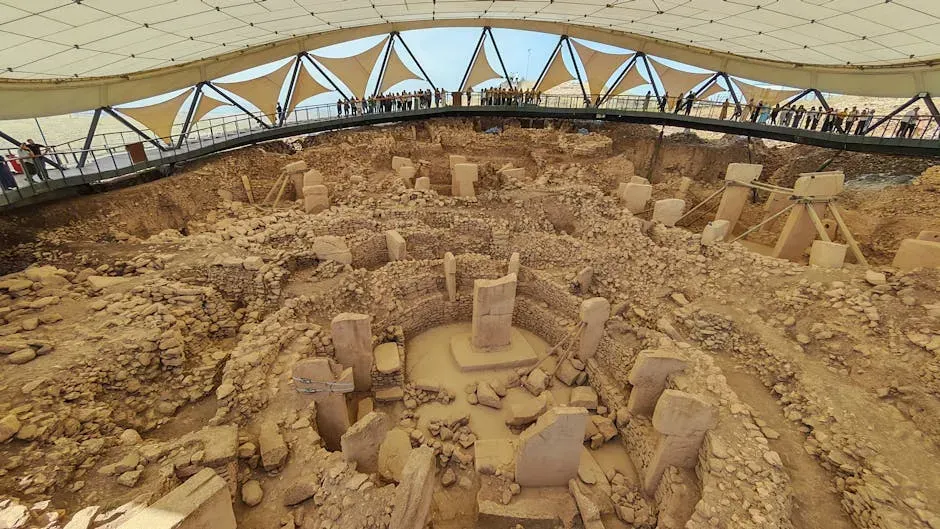
Gobekli Tepe in southeastern Turkey has become one of the most disruptive archaeological sites of the last few decades. Long before the rise of cities, before pottery was common, and even before full-scale farming had transformed the landscape, people gathered here to carve and raise massive stone pillars decorated with animals and abstract symbols. Based on current dating, this monumental site predates the more famous stone constructions of ancient Egypt and Mesopotamia by several millennia, yet it was built by communities that were still largely or partly hunter-gatherers.
This flips an old assumption on its head: for years, many researchers believed you needed stable agriculture and permanent villages first, and then temples and complex religion would follow. Gobekli Tepe suggests the opposite may also be true in some cases, with large ritual gatherings and symbolic architecture emerging among societies that we’d usually label “prehistoric.” While literate city-states were still far in the future, the people who used this site were already thinking on a grand architectural scale. It sits in that uncomfortable space where our tidy categories break down: prehistory in terms of technology, yet shockingly “ancient” in terms of social ambition.
4. Stonehenge and the Shadow of Early Mediterranean Civilizations
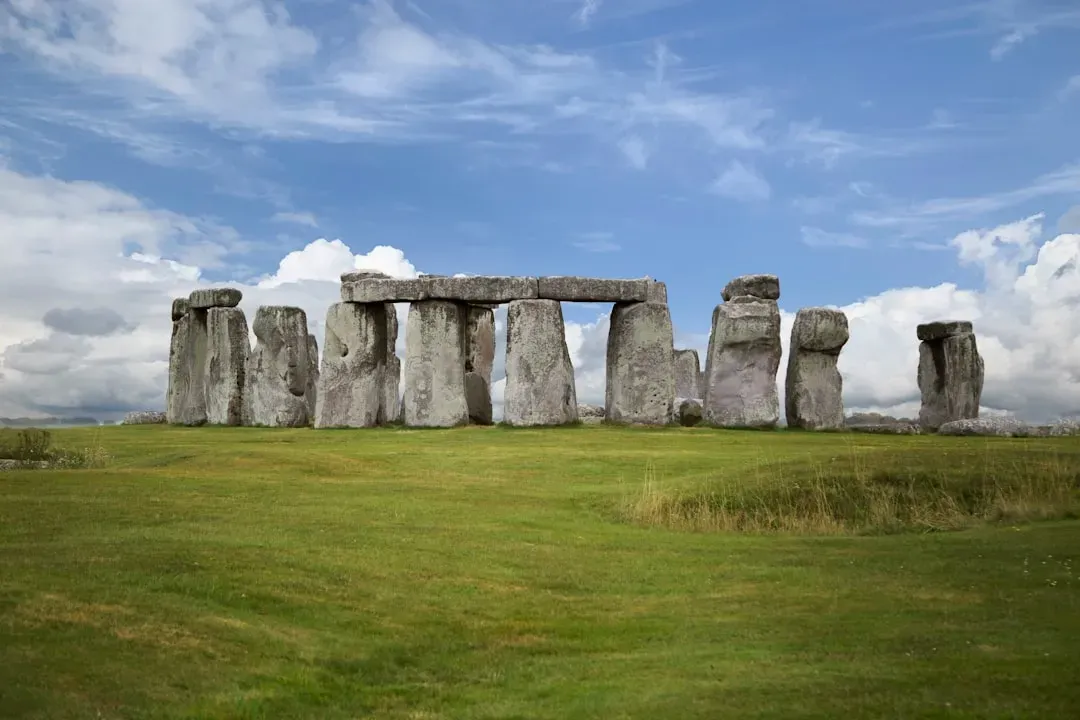
Stonehenge often feels like it belongs to a mythical, misty world of druids and ancient magic. In reality, its main construction phases overlap with some very familiar chapters from school textbooks: the development of early civilizations around the Mediterranean. While communities in southern Britain were hauling enormous stones across the landscape and arranging them in carefully aligned circles, societies in Egypt and Mesopotamia were already experimenting with writing, kingship, and large temples. These timelines are not separated by vast gulfs; they are different regional answers to life in the same broad era.
To the builders of Stonehenge, there were no pyramids on their doorstep, no clay tablets recording their beliefs, and no single urban center dominating their world. Their tools, social structures, and rituals look to us more like what we expect from late prehistoric Europe. Yet, in the same centuries, scribes in distant lands scratched out the first written myths while bureaucrats tracked taxes in early cities. It is striking to realize that a visitor from the Nile Delta and a visitor from Neolithic Britain, if they could have met, would have seemed to each other like representatives of completely different ages of humanity, even though they were separated only by geography, not by time.
5. The Copper and Bronze Age: Tech Revolutions in a Still-Stone World
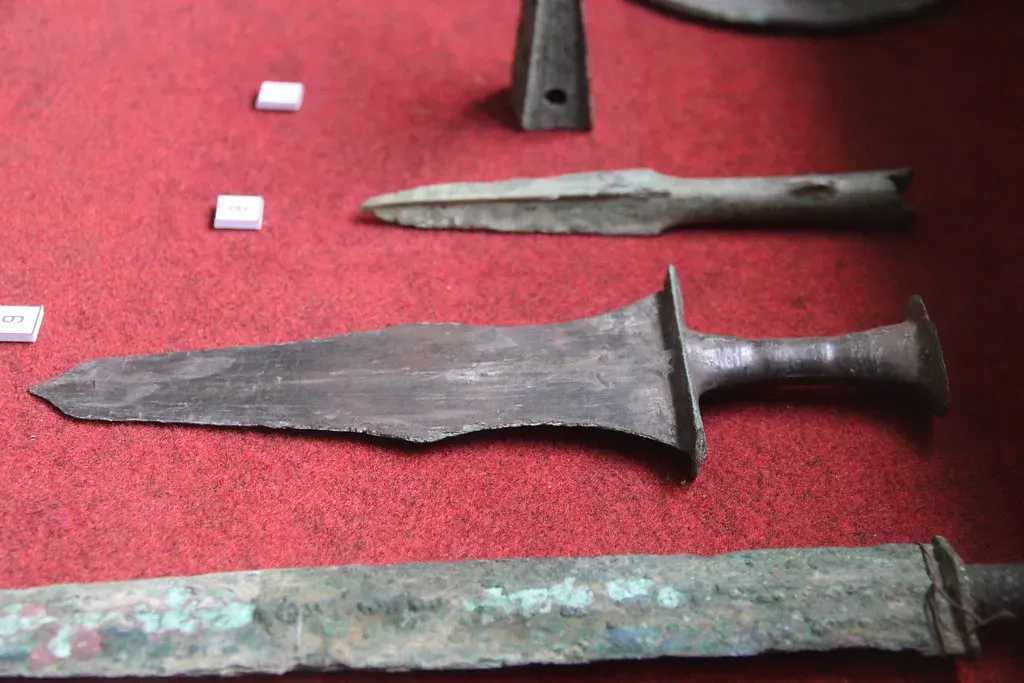
We use labels like “Stone Age,” “Copper Age,” and “Bronze Age” as if everyone on Earth switched tools at the same time. The reality is far more patchy. When some regions of the Near East and the eastern Mediterranean began smelting copper and later bronze, forging weapons and ornaments that would reshape warfare and status, many other communities across Europe, Africa, Asia, and the Americas were still relying mostly on stone, bone, and wood. In some areas, people who had never seen a metal tool might have lived at the same moment as palace elites impressed by new gleaming alloys.
This asynchronous spread of technology means that what counts as “ancient” sophistication in one place could coexist with what textbooks still label “prehistoric lifeways” in another. Picture an early bronze dagger, carefully cast and polished, held in the same global timeframe as a finely knapped flint spearhead from a distant forest. Both were cutting-edge, both were products of skill and tradition, but only one would get to appear in traditional narratives of “civilizations” for a long time. The overlap exposes a bias: we often tie historical importance to metal, writing, and monuments, while overlooking the complex, ongoing worlds of people who shaped their lives with stone.
6. Indigenous Australia: Deep-Time Traditions Meeting Ancient Empires
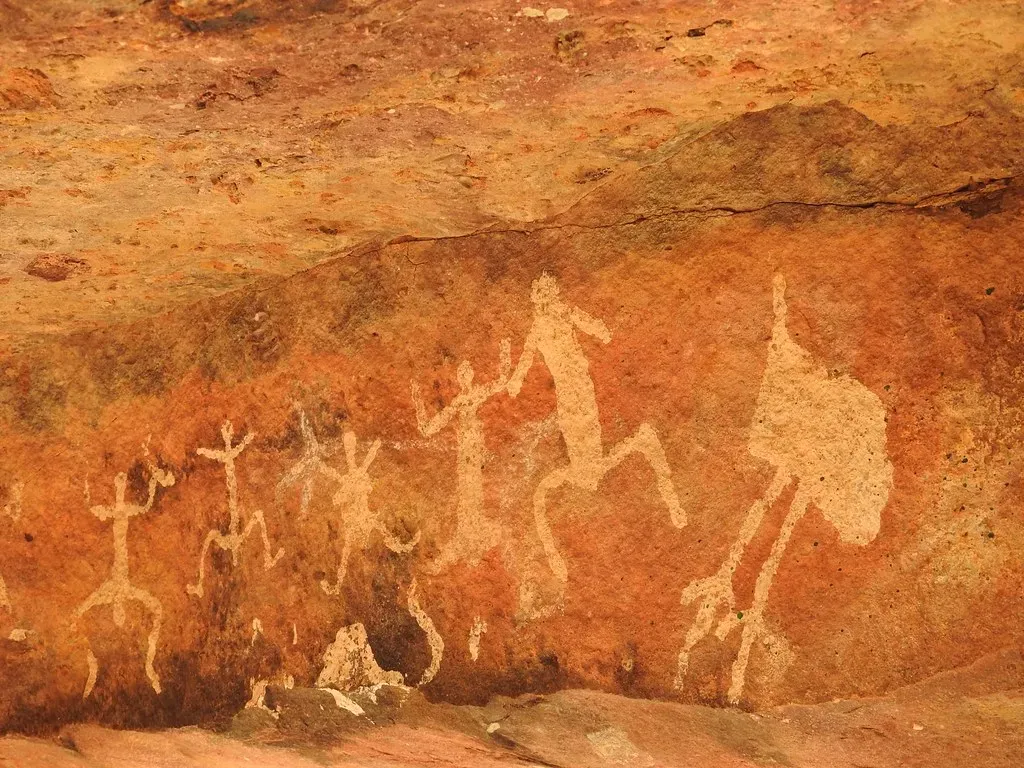
In much of Australia, Indigenous communities maintained ways of life that descended from very ancient hunter-gatherer and forager traditions well into the time when vast empires rose and fell half a world away. While imperial capitals in the Mediterranean, the Middle East, and Asia built libraries, legal codes, and fleets of ships, Aboriginal Australians refined oral traditions, complex kinship systems, and highly tuned ecological knowledge that reached back across many millennia. Viewed through a typical Eurocentric lens, those societies can be labeled “prehistoric” simply because they did not adopt writing or large-scale agriculture.
Yet their timeline fully overlaps with the height of what we enthusiastically call “ancient” civilizations elsewhere. When scholars study cuneiform tablets from Mesopotamia or inscriptions from ancient Greece, they are looking at only one thread of a much larger tapestry. At that same moment, communities in Australia navigated landscapes using stories, rock art, and ritual rather than stone temples and bureaucracies. To treat one as “history” and the other merely as “prehistory” has less to do with time and more to do with what kinds of evidence survive in a form that literate societies value.
7. The First Cities and the Last Nomadic Megafauna Hunters
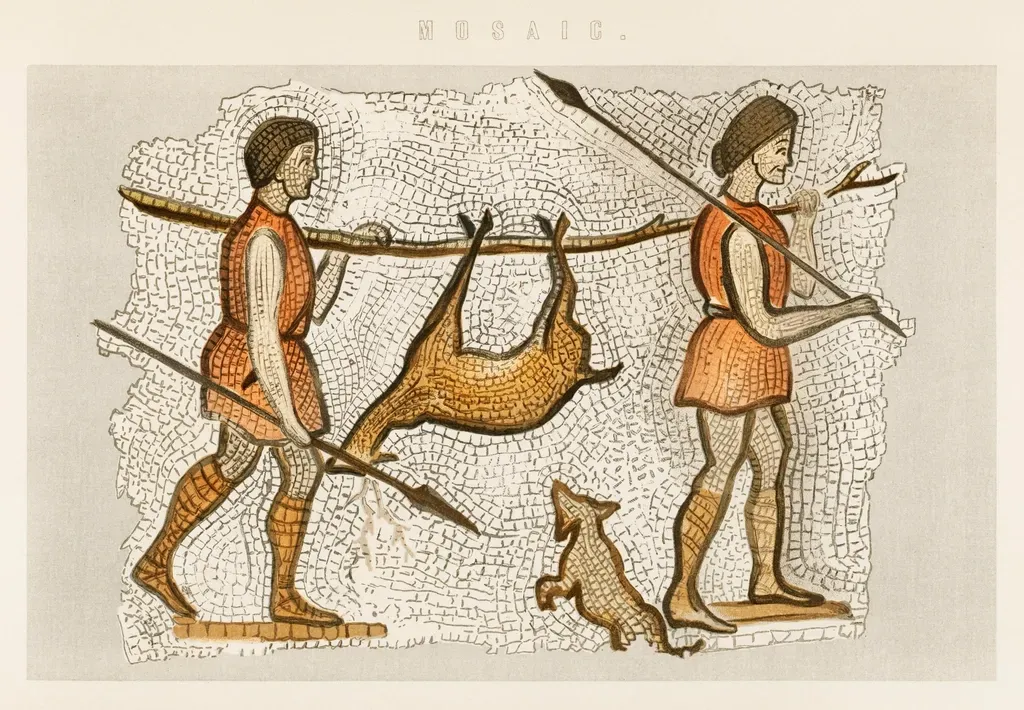
The birth of cities in Mesopotamia and elsewhere is often presented as the moment humanity decisively turned away from older ways of living. Fields replaced open plains, walls replaced open horizons, and markets replaced seasonal migrations. But archaeological evidence from Eurasia shows that while some groups clustered into early urban centers, others continued living largely as mobile hunters or mixed forager-herder communities far into the era we usually brand as “ancient.” In these places, skills honed in the late Pleistocene and early Holocene – tracking game, managing small herds, reading subtle environmental cues – still formed the backbone of daily life.
This meant that while temple economies in cities like Ur or Uruk experimented with ration systems and standardized weights, nearby or distant groups might have been hunting large animals or moving camp seasonally, more in line with older patterns that we often label “Ice Age” in spirit. From the point of view of the cities, these people could look backward, like living echoes of an earlier world. But from their own point of view, they were simply continuing successful strategies in landscapes that still allowed it. Again, ancient urban history and late prehistoric lifeways were not different eras so much as different strategies coexisting on the same stage.
When we talk about the “classical world,” we usually think of marble statues, philosophers, and orderly columns, not of communities still living without writing or complex state structures. Yet during the age of classical Greece and the Roman Republic and later Empire, large parts of Europe, Africa, and Asia were inhabited by societies that archaeologists would describe as prehistoric or protohistoric. Many of these groups left behind burial mounds, hillforts, extensive trade networks, and rich material cultures, but they did not leave chronicles in their own voices. For a long time, what we knew about them came mostly from the biased writings of their literate neighbors.
So while senators debated in Rome and scholars argued in Athens, people beyond those imperial borders, or sometimes even within them, followed traditions that might have looked – on the surface – closer to Iron Age or even earlier patterns. Metalwork, oral law, and seasonal mobility intermixed in ways that defy simple categorization. From a Roman writer’s perspective, these groups might be described as living in the distant past, even though they were sharing the same calendar years. It is a reminder that concepts like “ancient” and “prehistoric” often reflect who holds the pen, not who holds the deeper history.
8. The Dawn of Writing and the Persistence of Rich Oral Worlds
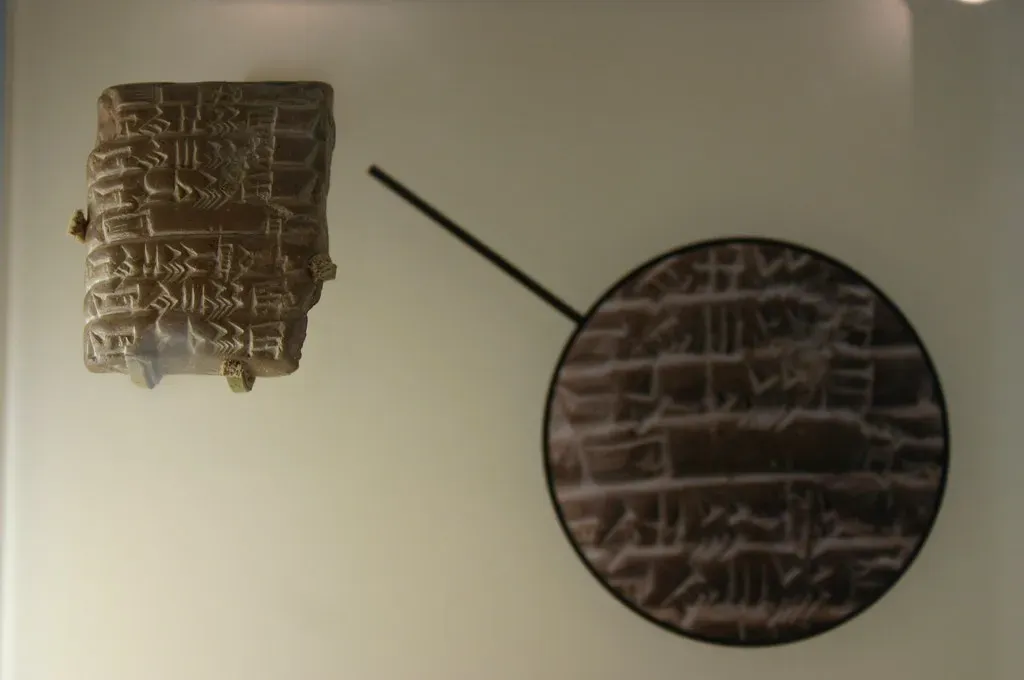
We often draw the main line between ancient history and prehistory at the invention of writing. Once people record names, dates, and events, we call it history; before that, we say prehistory. But the arrival of writing in a few core regions did not suddenly erase the countless societies that continued to rely on spoken narratives, memory specialists, and symbolic art instead of texts. While scribes baked clay tablets or inked hieroglyphs onto stone and papyrus, others continued to encode their past and their laws in songs, stories, and visual symbols passed on face to face.
These oral worlds were not empty or simple just because they left no archives we can shelve in modern libraries. In many cases, they preserved genealogies, ecological knowledge, moral codes, and cosmologies with remarkable precision. Their timelines run parallel to early written records in Mesopotamia, Egypt, China, and elsewhere, overlapping completely with what we love to call the ancient world. The sharp dividing line between “prehistory” and “history” turns out to depend mostly on whether someone chose to scratch marks into durable surfaces. Once you see how narrow that lens is, it becomes hard not to feel that most of humanity’s story is still hiding in the shadows outside the script.
Conclusion: The Past Was Never a Straight Line
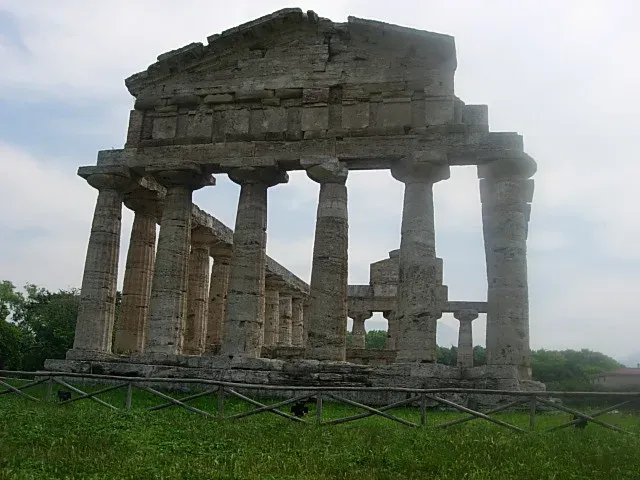
Looking at these overlaps, I find it hard to keep a straight face when someone talks about “primitive” versus “advanced” times, as if the whole planet marched in lockstep from caves to cities. The truth is far stranger and far richer: mammoths and pyramids shared the same sky, oral epics unfolded while empires rose, and hunter-gatherer architects carved temples long before some of the most famous ancient monuments ever existed. What we usually call “ancient history” is really just the part of this messy mosaic that happened to leave stone, metal, and writing behind in a way we can easily see.
For me, the uncomfortable, exciting lesson is that our neat labels say as much about our priorities as they do about the past itself. We tend to celebrate the cultures that looked most like us – centralized states, big buildings, records and archives – while quietly pushing everything else into a vague, prehistoric fog. Maybe it is time to retire that hierarchy and admit that a world where mammoth hunters, temple builders, and city scribes all shared the same centuries is more honest and more awe-inspiring. When you picture the ancient world now, can you still imagine it as a straight line, or do you see it as a wild, overlapping web of human possibilities instead?