Ever get the sense that some people just seem to have it all figured out? They’re growing, evolving, and crushing their goals while the rest of us are stuck wondering what we’re doing wrong. Here’s the thing: personal growth isn’t some mystical art reserved for a lucky few. There are unspoken rules that highly successful people follow, often without even realizing it.
These aren’t the typical motivational platitudes you’ll see plastered on social media. They’re deeper principles rooted in psychology and real-world experience. Let’s dive in.
Growth Happens in the Uncomfortable Spaces You Avoid

You know that feeling when your stomach drops before trying something new? That’s exactly where growth lives. Personal growth involves developing a mindset aligned with openness and a readiness for change while setting goals that move you from the comfort zone to the growth zone. Most people instinctively pull back when discomfort shows up, but that’s the precise moment when transformation begins.
Think about learning to swim. You can watch YouTube tutorials for months, but until you actually get in the water and struggle through those first awkward strokes, nothing changes. The same principle applies to every area of life. Want to improve your public speaking? You’ve got to stand up and stumble through a few presentations first. Honestly, the sweaty palms and racing heart are signs you’re doing it right.
You Can’t Improve What You Refuse to Notice

Self-awareness is the cornerstone of personal development, involving a deep understanding of your emotions, strengths, weaknesses, and driving factors. Let’s be real: most of us are terrible at honest self-reflection. We either beat ourselves up unnecessarily or avoid looking at our blind spots altogether.
High-achievers use their evenings to pause, reflect, and review through metacognition, transforming mistakes into data and experiences into insights. It sounds simple, but asking yourself questions like “What went well today?” and “Where did I fall short?” creates a feedback loop that accelerates growth. The trick is being curious rather than judgmental about what you discover.
I know it sounds crazy, but journaling for just ten minutes before bed can reveal patterns you’d never notice otherwise. You start seeing that you procrastinate on specific types of tasks or that certain people consistently drain your energy.
Your Environment Shapes You More Than Your Willpower

Here’s something nobody wants to hear: if you’re constantly relying on willpower to make good choices, you’re already losing. Psychology calls this choice architecture, where people who succeed structure their environment to make the right actions easier and the wrong ones harder, reducing friction so that taking action becomes almost automatic.
The runner who sets out their workout clothes the night before isn’t more disciplined than you. They’ve just removed one tiny barrier between themselves and their goal. The entrepreneur who starts each morning with a pre-written task list isn’t gifted with superhuman focus. They’re eliminating decision fatigue before it strikes. Design your space intentionally and watch how much easier growth becomes.
Progress Beats Perfection Every Single Time

Striving for perfection can lead to frustration and paralysis, so it’s better to focus on making consistent progress and learning from mistakes while embracing imperfection as part of the growth process. Perfectionism is just fear wearing a fancy disguise. It keeps you stuck because nothing ever feels good enough to share, finish, or move forward with.
The people who achieve extraordinary things aren’t perfectionists. They’re iterators. They put something out into the world, learn from the feedback, and adjust. Small improvements of just one percent compound over time, creating massive results that perfectionists never see because they’re still tinkering with version one.
Start viewing your work as experiments rather than final products. That mindset shift alone can unlock tremendous momentum in your personal development journey.
Failure Is Data, Not Identity
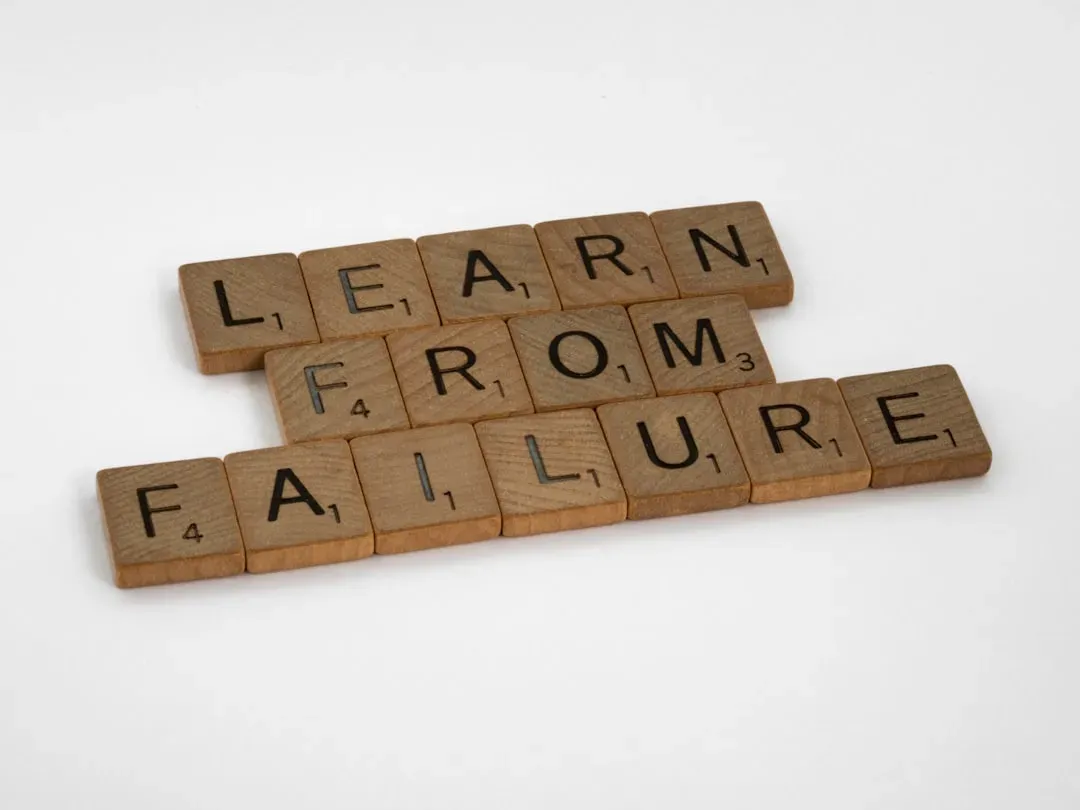
Fear of failure can hold you back from taking risks and pursuing dreams, but embracing failure as an opportunity for learning and improvement changes everything. Society teaches us to avoid failure at all costs, but that’s completely backwards. The most successful people you admire have failed more times than most people have even tried.
When something doesn’t work out, your job isn’t to spiral into self-doubt. Your job is to extract the lesson. What worked? What didn’t? What would you do differently next time? Resilience helps you bounce back quickly after being knocked down, and this skill is essential because none of us will achieve anything if we don’t keep trying when we fail.
It’s hard to say for sure, but I think this is where most people get stuck. They let one setback define them instead of seeing it as valuable information for the next attempt.
Relationships Accelerate or Sabotage Your Growth

Strong relationships with peers, mentors, and team members create a valuable support system and provide access to new ideas, perspectives, and opportunities that can accelerate success. You’ve probably heard that you become the average of the five people you spend the most time with. It’s not just motivational fluff – it’s real.
Who you surround yourself with shapes your expectations, your habits, and your beliefs about what’s possible. If everyone in your circle complains constantly and avoids taking risks, you’ll likely do the same without even realizing it. Successful people are choosy about who they spend time with and make a point to limit their exposure to toxic, negative people.
This doesn’t mean you should coldly cut people out of your life. It means being intentional about seeking out relationships that challenge you, inspire you, and push you toward your better self.
Identity Drives Behavior More Than Goals

People who succeed don’t rely on motivation but on identity. There’s a huge difference between saying “I want to write a book” and “I’m a writer.” Goals are external targets, but identity is who you believe yourself to be at your core. When you shift your identity, your behaviors naturally follow.
Someone who identifies as healthy doesn’t need to force themselves to eat vegetables. It’s just what healthy people do. Someone who sees themselves as a lifelong learner doesn’t struggle to pick up books. It’s part of their identity. This is the unspoken rule that changes everything.
Ask yourself: What identity would I need to adopt to achieve what I want? Then start acting as if that’s already who you are. The behaviors will align faster than you’d expect.
Rest Is Not the Opposite of Productivity

An overwhelming majority of self-made millionaires sleep seven or eight hours each night or more, as sleep is critical to success due to its effects on memory function and creative thinking. We live in a culture that glorifies burnout and treats rest like laziness. That mindset is destroying people’s potential for real growth.
Self-renewal and continuous improvement are essential to succeed in and sustain other habits. Your brain needs downtime to process information, consolidate learning, and generate new ideas. Pushing through exhaustion doesn’t make you more productive – it makes you sloppy and irritable. The most effective people understand that recovery is part of the work, not separate from it.
Make sleep, exercise, and genuine relaxation non-negotiable parts of your routine. You’ll accomplish more in less time when you’re operating from a place of energy rather than depletion.
Conclusion

Personal growth isn’t about following some rigid formula or becoming someone you’re not. It’s about understanding these unspoken rules that make the journey smoother and more sustainable. Embrace discomfort, cultivate self-awareness, design your environment, prioritize progress over perfection, reframe failure, choose your relationships wisely, shift your identity, and honor your need for rest.
These principles won’t guarantee overnight success, but they’ll position you for consistent, meaningful growth over time. What’s one unspoken rule that resonates most with you right now? Start there and see what shifts.