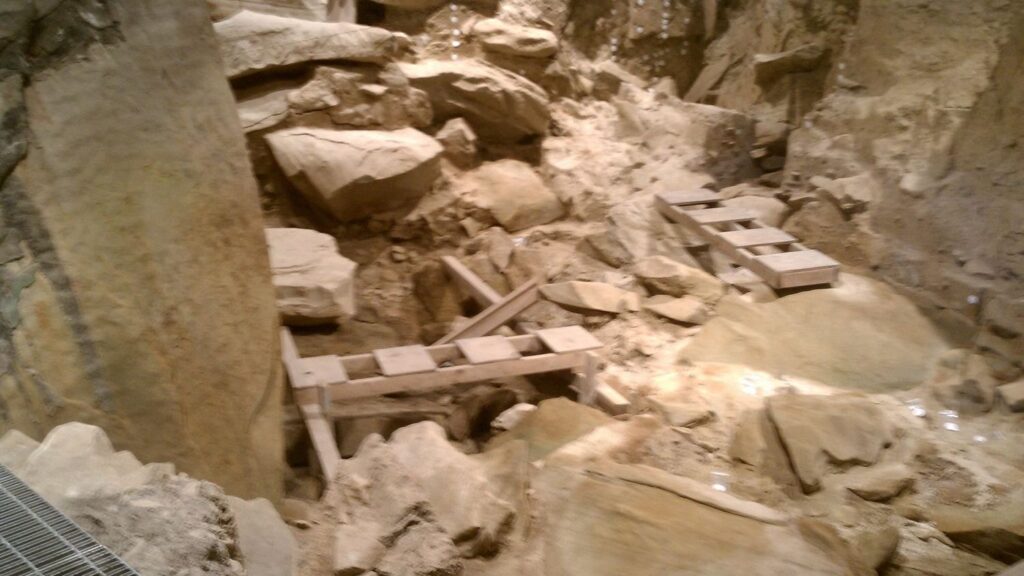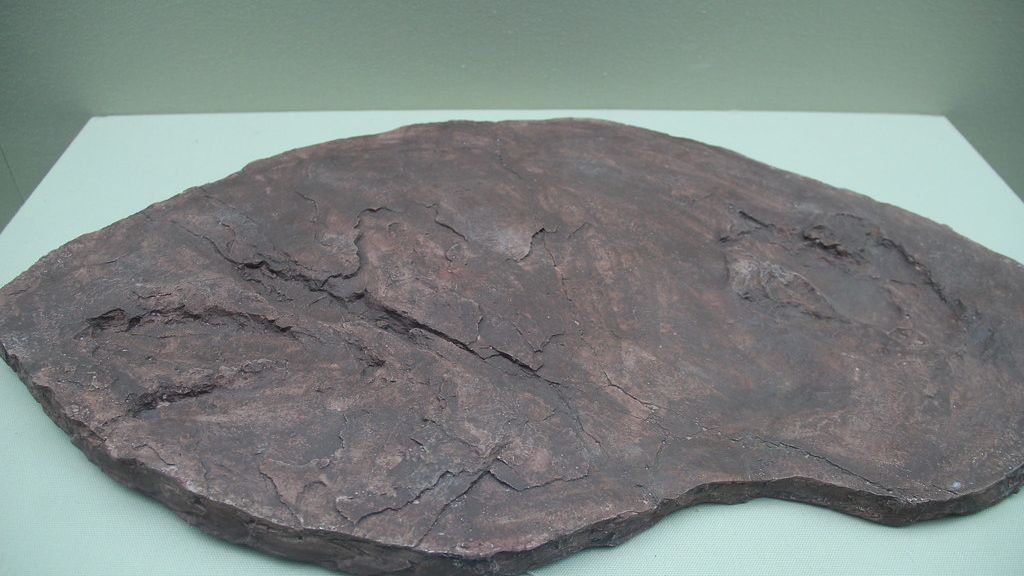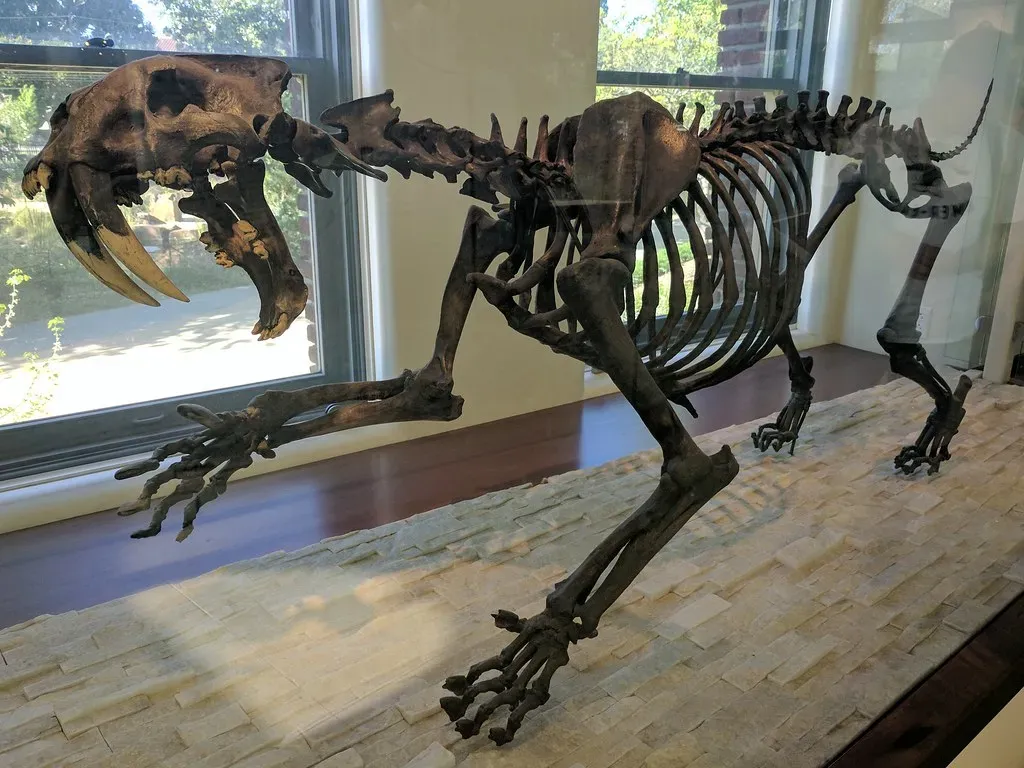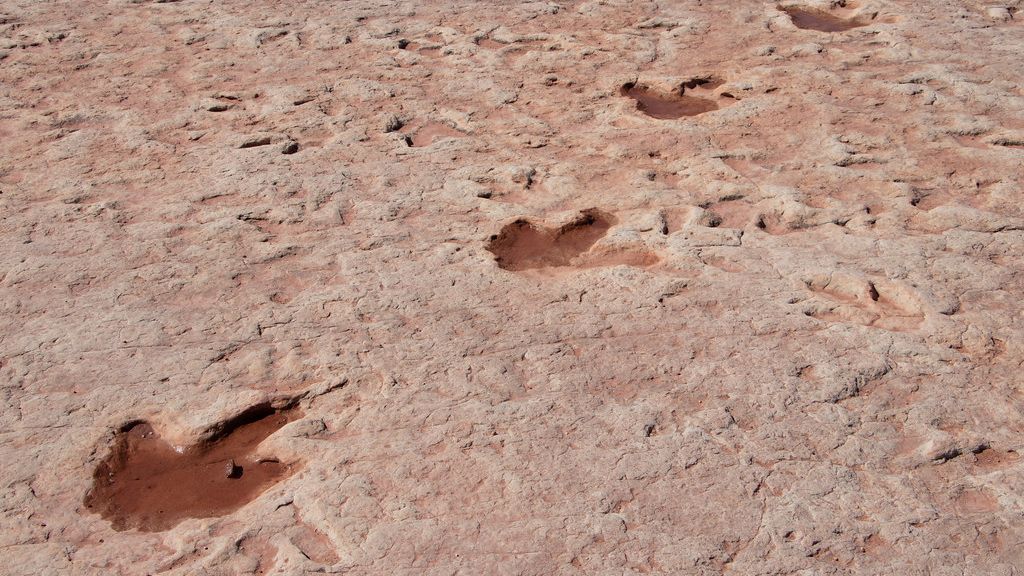
There is something genuinely surreal about standing on rock that still holds the pressed impression of a creature that walked the earth over 100 million years ago. Not a replica. Not a cast. The actual print, right there under your feet. It hits differently than any museum exhibit ever could.
The United States is home to some of the most extraordinary dinosaur tracksite discoveries on the planet, and what makes them even more remarkable is that you can actually visit them. No archaeology degree required. Just a sense of wonder, a good pair of shoes, and maybe some water shoes if you’re headed to Texas. Let’s dive in.
1. Dinosaur Valley State Park, Glen Rose, Texas
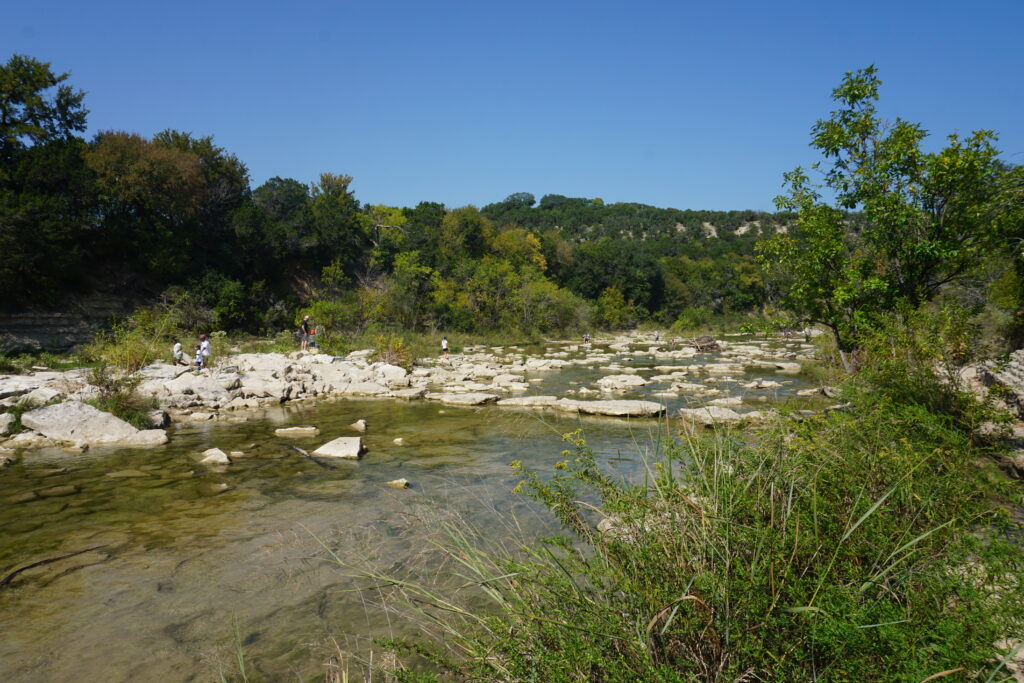
Dinosaur Valley State Park is a 1,524-acre state park along the Paluxy River in Somervell County, Texas, known for its 113-million-year-old well-preserved theropod and sauropod footprints across five main tracks throughout the park. Honestly, it’s one of those places that sounds almost too good to be true until you’re standing in the river with a dinosaur footprint literally beneath your feet.
The tracks are preserved in the Lower Cretaceous Glen Rose Formation in the riverbed, with rear footprints of the sauropods measuring as much as 3 feet in diameter and 18 inches deep. The best time to visit is late summer or early fall, when the Paluxy River runs low and the tracks are clearest. Water shoes are practically mandatory, and kids absolutely love it here.
2. Dinosaur Ridge, Morrison, Colorado
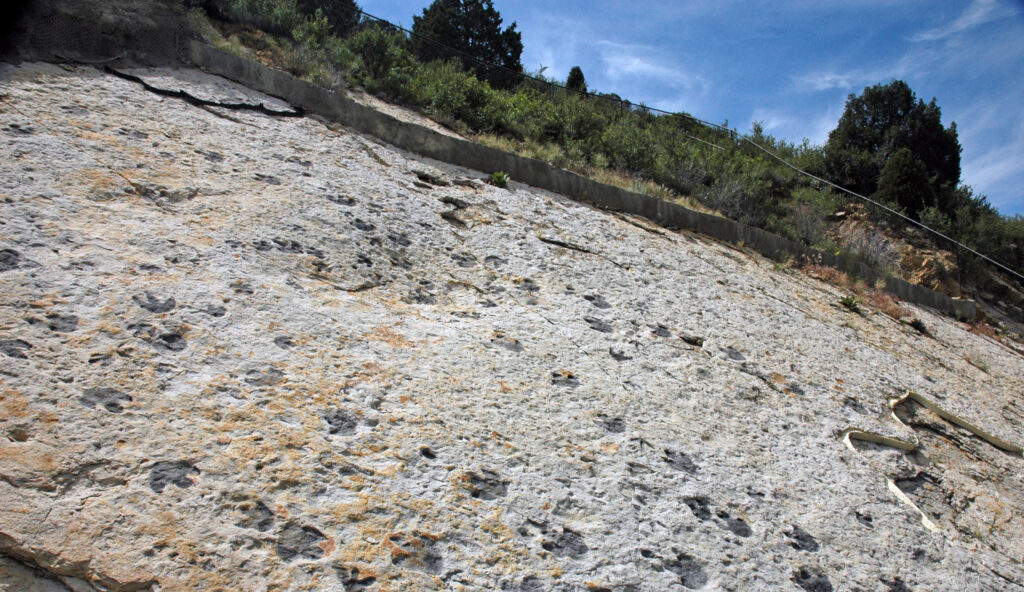
More than 300 tracks of ornithopod and theropod dinosaurs course through this park west of Denver. The creatures roamed here 100 million years ago when this part of the world was a beach along the shores of a vast ocean. Think about that for a second. Colorado as a beachfront. Wild, right?
You can join a small group for a guide-interpreted walking tour of several fossil sites across Dinosaur Ridge, learning about the geology and natural history during this outdoor 1.5-mile paved walking tour, and plan on about 2 hours. While most dinosaur attractions are targeted at kids, Dinosaur Ridge has plenty of programs for adults who want to learn more, including multi-day trips visiting top paleontological sites and evening programs, plus multiple lectures every month on dinosaur-adjacent topics.
3. Picket Wire Canyonlands, La Junta, Colorado
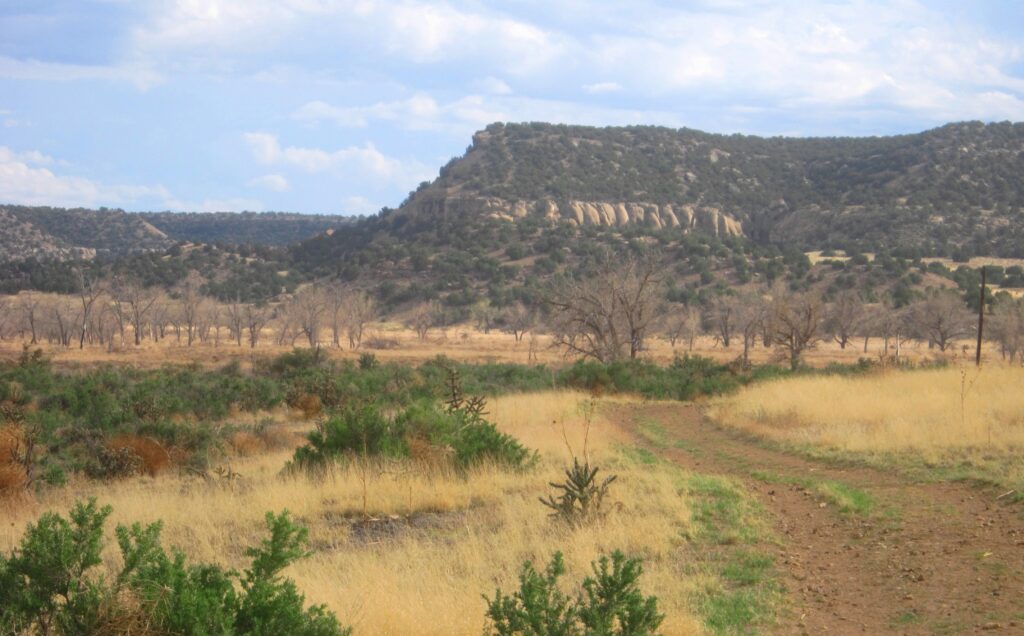
Here’s the thing. If you’re serious about dinosaur tracks, Picket Wire Canyonlands might just be the crown jewel of the entire list. Located on the banks of the Purgatoire River in southeast Colorado, this dinosaur tracksite is the largest documented assemblage of trackways in North America, with over 1,900 prints in 130 separate trackways extending across a quarter mile of bedrock. That’s not a typo. Over 1,900 prints.
During the Jurassic period, 150 million years ago, southeastern Colorado’s climate was tropical, with forests of tree ferns and pines. At that time, the Purgatoire River Valley was part of an enormous shallow lake, and on its muddy shoreline, dinosaurs such as the Apatosaurus and Allosaurus roamed, leaving their footprints behind. Guided auto tours run all day on Saturdays in May, June, September, and October, and reservations are required. Don’t wait too long to book because spots fill up fast.
4. Dinosaur Footprints Reservation, Holyoke, Massachusetts
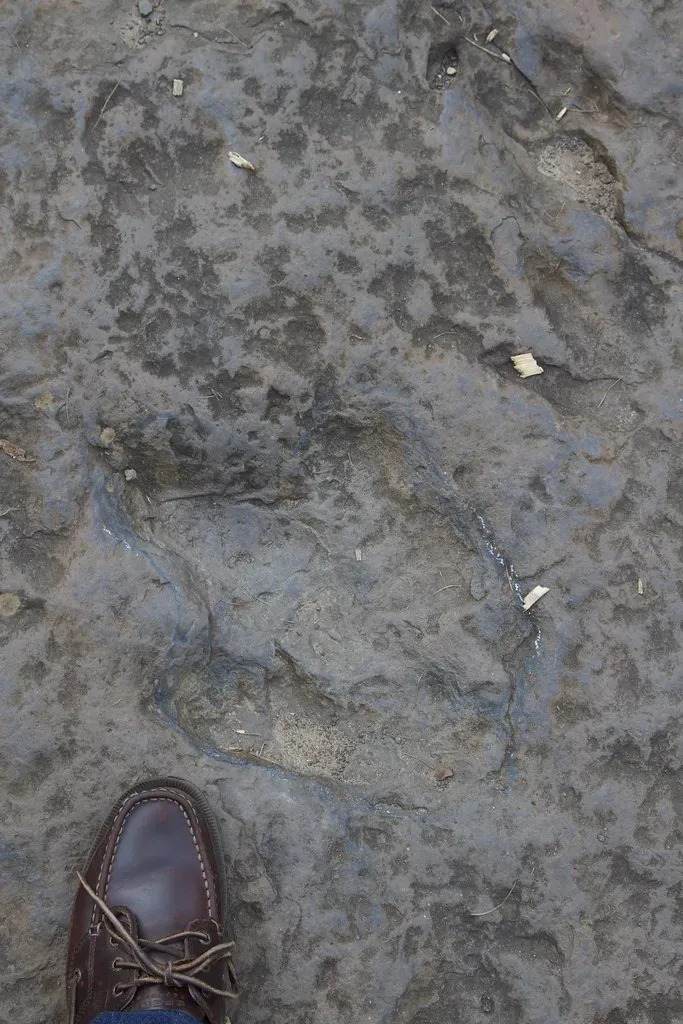
Most people don’t associate New England with dinosaurs, and that’s exactly what makes this place such a satisfying surprise. This Trustees property features the first dinosaur prints ever scientifically described, and dinosaur tracks are actually Massachusetts’ state fossil. That fact alone deserves a moment of appreciation.
Paleontologists believe the prints were left by some of the earliest known dinosaurs, from small plant-eaters to large meat-eaters up to 20 feet long. The entire Connecticut River Valley region once existed as a mix of subtropical wetlands and shallow lakes about 200 million years ago, and since their discovery in 1802, this region has been recognized for its wealth of prehistoric footprints. The reservation is free to visit and open daily sunrise to sunset from April 1 to the end of November. Free admission and prehistoric wonder? Hard to argue with that.
5. Dinosaur State Park, Rocky Hill, Connecticut
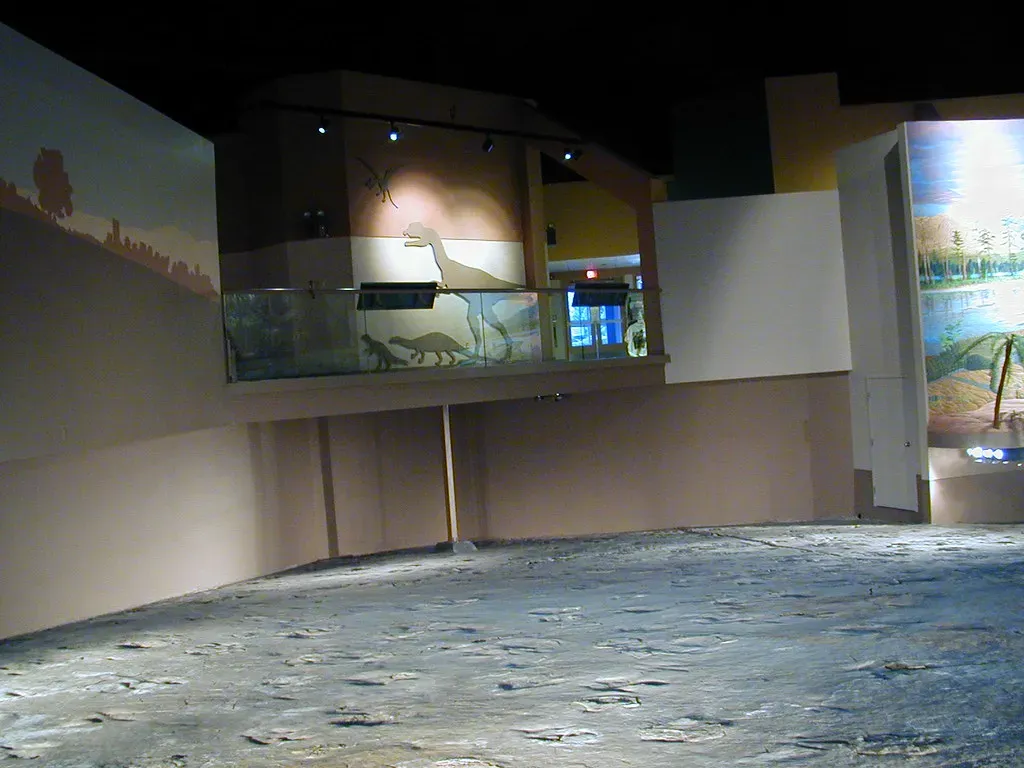
Dinosaur State Park, located in Rocky Hill, Connecticut, has over 500 visible dinosaur tracks from the early Jurassic period, visible and preserved. I know it sounds crazy, but Connecticut is actually one of the best places in the entire northeastern United States to see real dinosaur tracks up close and in huge numbers.
The ancient past meets the retro-future at these dinosaur tracks, which are protected by a geodesic dome. That dome is genuinely iconic and makes the whole experience feel weirdly cinematic, like you’re stepping into a science fiction film from 1975. The exhibit also includes a casting area where you can make your own plaster replica of a real track, which is something kids and adults alike absolutely love. It’s hands-on paleontology without any actual digging.
6. Red Gulch Dinosaur Tracksite, Shell, Wyoming
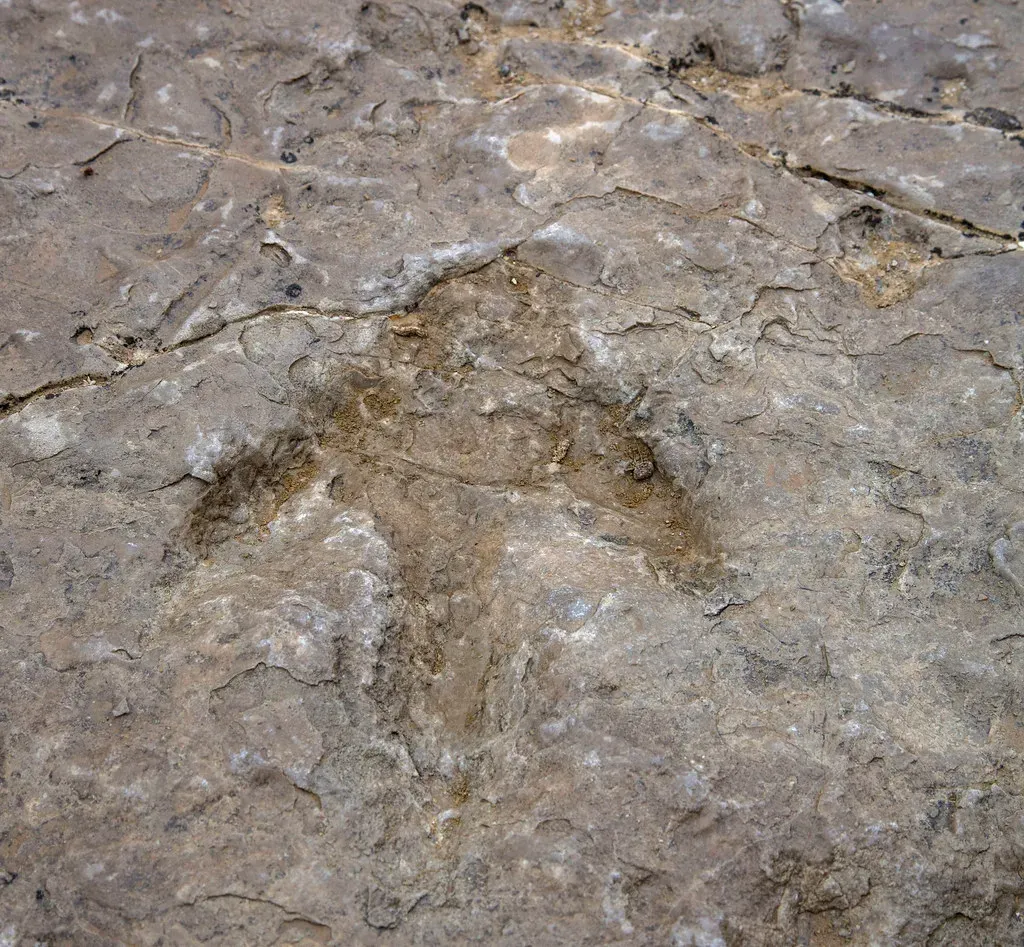
The Red Gulch Dinosaur Tracksite is the largest tracksite in Wyoming and one of only a few worldwide from the Middle Jurassic Period, between 160 million and 180 million years old. Until the tracks were reported in 1997, most scientists thought the entire Bighorn Basin and most of Wyoming was covered by an ancient ocean called the Sundance Sea. So the discovery itself actually rewrote scientific understanding of prehistoric Wyoming’s geography.
Not only are there hundreds of tracks at the site, but the 40-acre area could contain thousands more. At BLM’s Red Gulch Dinosaur Tracksite, you can imagine walking along an ocean shoreline 167 million years ago with dozens of dinosaurs, who were looking to pick up a bite of lunch from what washed up on the last high tide. The site is managed by the Bureau of Land Management, free to visit, and sits in some genuinely stunning Wyoming landscape.
7. Mill Canyon Dinosaur Tracksite, Moab, Utah
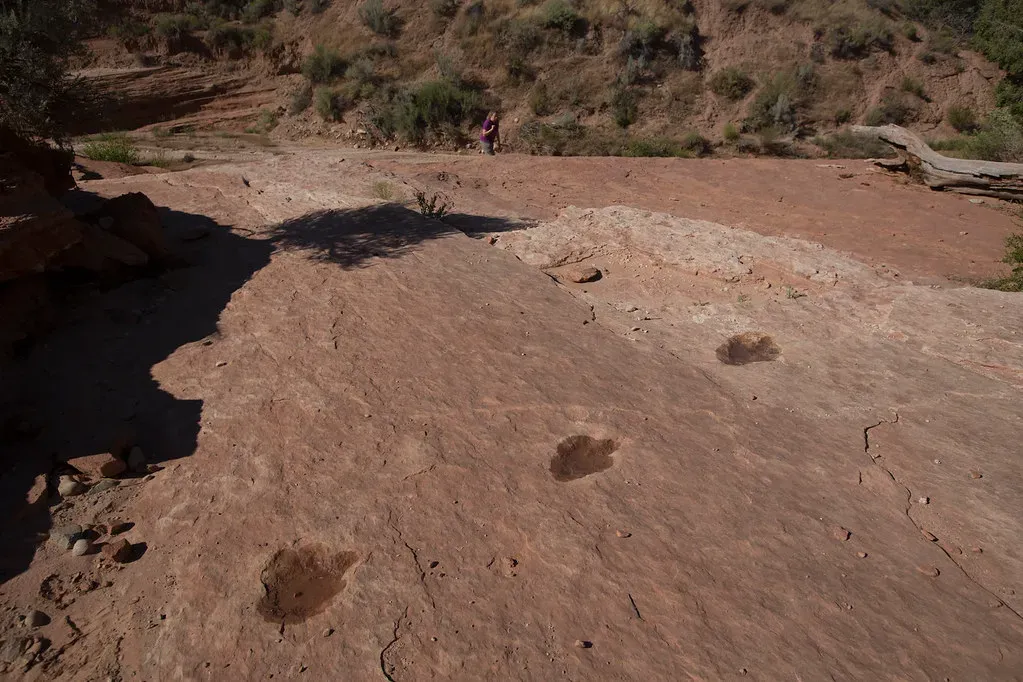
Discovered in 2009, the Mill Canyon tracksite preserves more than 200 footprints in the Early Cretaceous mudstone of the Cedar Mountain Formation, dating to about 112 million years ago. That’s a relatively recent discovery in paleontological terms, which makes it even more exciting because scientists are still learning from this place.
The tracksite is accessible via a short boardwalk with interpretive signs and showcases over 200 Early Cretaceous dinosaur footprints from a variety of species, including theropods, sauropods, ornithopods, ankylosaurs, birds, and even crocodilians. The boardwalk makes this one of the most accessible sites on this list, which is great for families. Moab, located about 15 miles south, offers food, fuel, lodging, and medical services, making it an easy day trip from town.
8. Red Cliffs Dinosaur Track Site, St. George, Utah
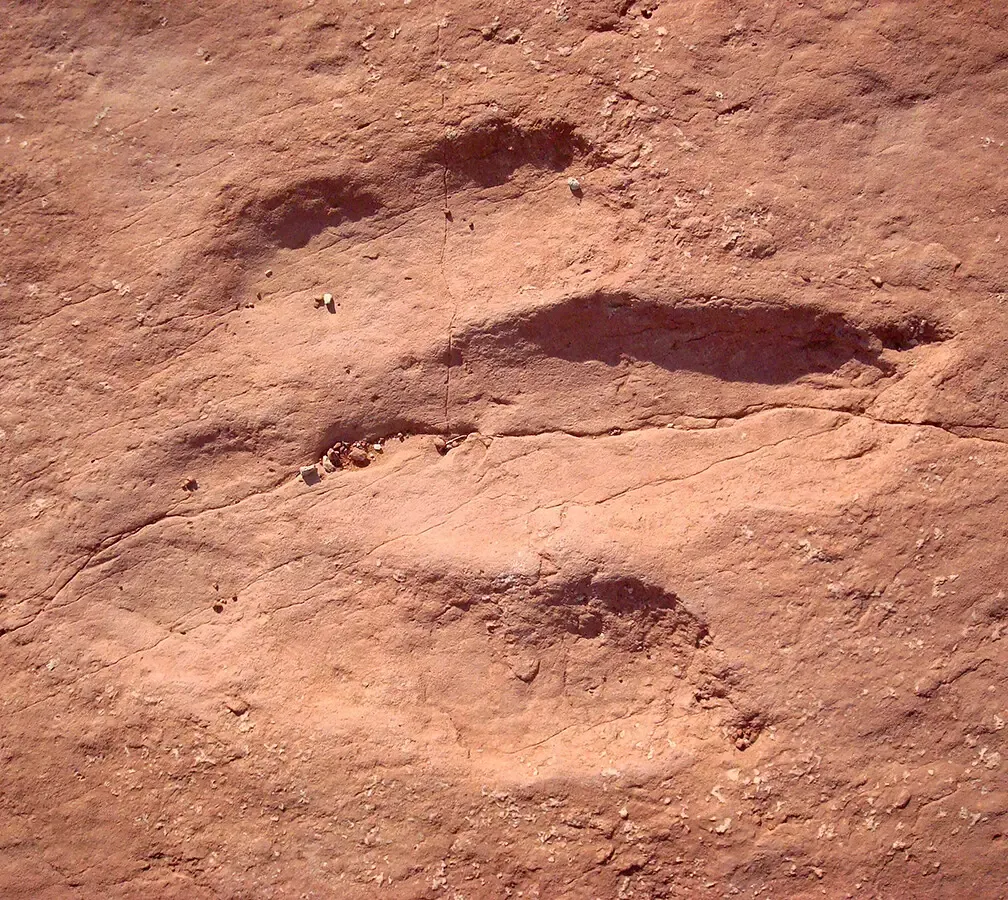
Preserved in the rocks of the Red Cliffs National Conservation Area is evidence that dinosaurs once roamed this area millions of years ago, and fossil footprints were first discovered in these sandstone cliffs in 1998, aiding scientists in their understanding of ancient life. The backstory here is especially compelling because these tracks were hiding in plain sight for millions of years until just a few decades ago.
The three different types of tracks found in Red Cliffs have been identified as Grallator, Eubrontes, and Kayentapus, and paleontologists suggest the Grallator and Eubrontes tracks were made by Megapnosaurus and Dilophosaurus. When dinosaurs left their footprints here 190 million years ago, the landscape of the southwest was in transition, with aridity increasing and large meandering rivers giving way to wind-blown seas of sand. A day-use fee of just $5 per vehicle applies, making it one of the most affordable prehistoric experiences on the continent.
A Final Step Back in Time
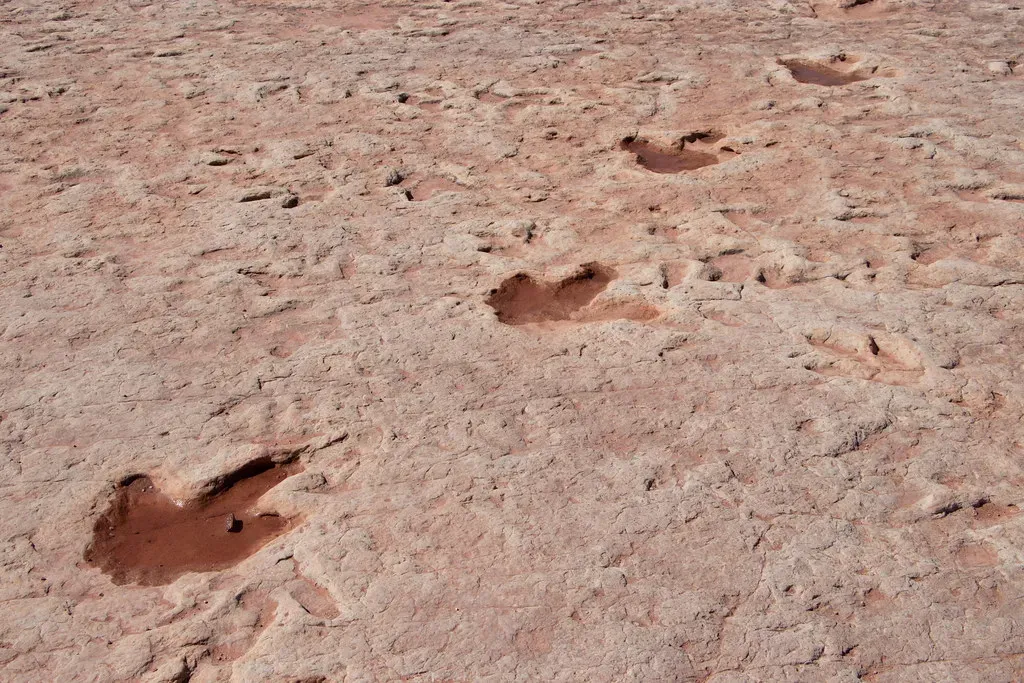
There are not many experiences in the modern world that genuinely stop you cold and make you feel the weight of deep time. Standing beside a three-foot-wide sauropod track in a Texas riverbed or peering at tiny Jurassic footprints pressed into Wyoming sandstone does exactly that. The scale of it, both in size and in years, is almost impossible to process.
What is remarkable about all eight of these sites is that they are real, open, and waiting for you. No appointment with a museum curator. No glass case between you and 150 million years of Earth history. Just you, the rock, and an imprint left by something enormous that once called this land home. So, which of these sites would you most want to visit first? Tell us in the comments.