For a long time, schoolbook history painted our ancestors as homebodies: small villages, small trade routes, small horizons. But the more archaeologists dig, the more that picture starts to crack. Strange artifacts turning up thousands of miles from where they were made, genetic traces in unexpected places, even pollen grains and parasites are quietly whispering the same thing: people in the ancient world got around a lot more than we used to think.
I still remember the first time I read about Roman coins found in India and Chinese silk in a tomb on the shores of the Mediterranean. It felt like discovering a hidden level in a video game you thought you’d already finished. Once you see how connected the ancient world might have been, it’s hard to unsee it. Let’s walk through nine discoveries that suggest our ancestors were far more mobile, curious, and downright adventurous than the old narratives ever gave them credit for.
1. The Reach of Roman Coins Far Beyond the Empire
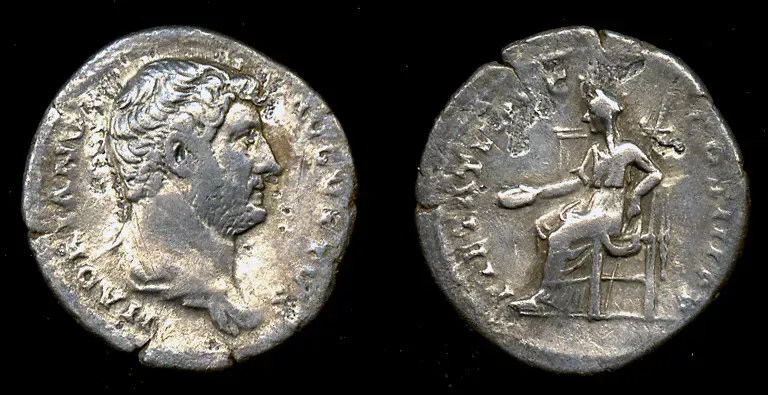
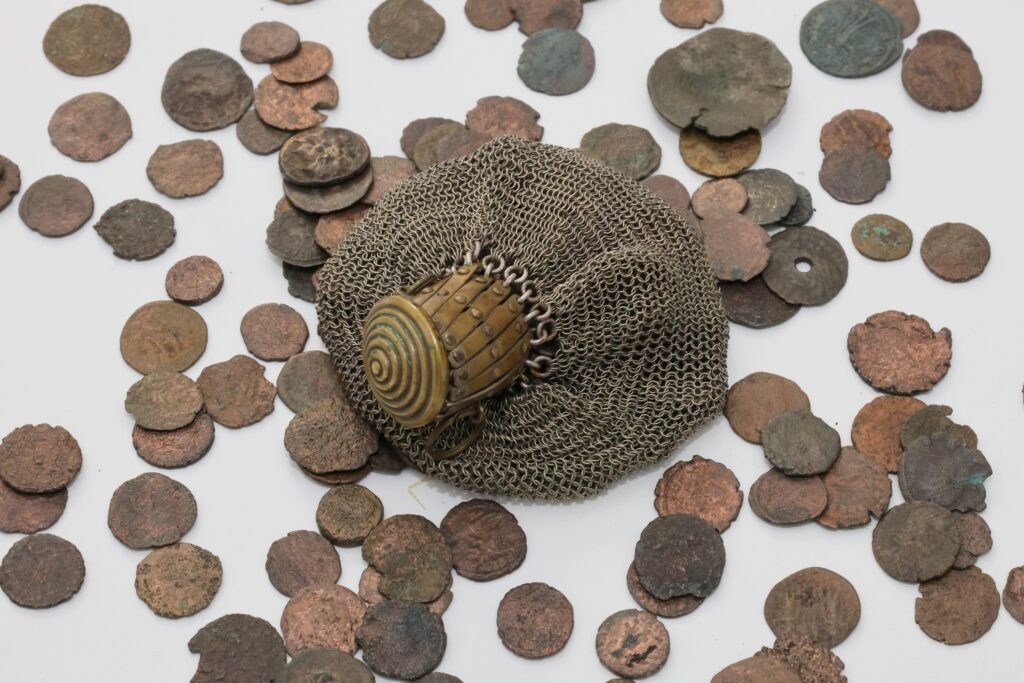
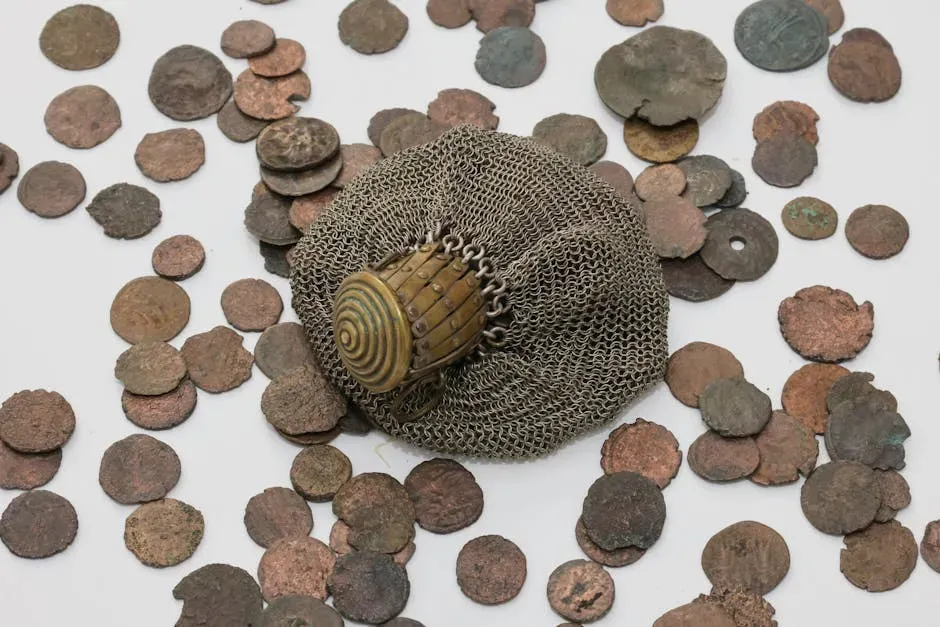
Roman coins have shown up in places where, on paper, Rome never set foot: in India, Sri Lanka, Vietnam, and even as far as Japan. These finds are not just single stray pieces; in some regions, there are hoards of Roman gold and silver, suggesting sustained trade and circulation rather than a one-off accident. When you find coins with emperors’ faces buried in a land that never flew a Roman banner, it tells you something very simple and very powerful: Roman goods, and probably Roman people, traveled.
Historians long assumed that Rome’s meaningful commerce barely pierced beyond its eastern frontier, but the archaeological record keeps disagreeing. Some coins were probably carried through intermediaries, sure, but trade routes are made of real journeys by real people. The presence of Roman money in South and East Asia hints at merchant networks stretching across oceans and deserts, moving not just metal but ideas, technologies, and stories. To me, these coins feel like breadcrumbs from ancient travelers who slipped beyond the edges of the official maps.
2. Egyptian Mummies and Traces of Nicotine and Coca
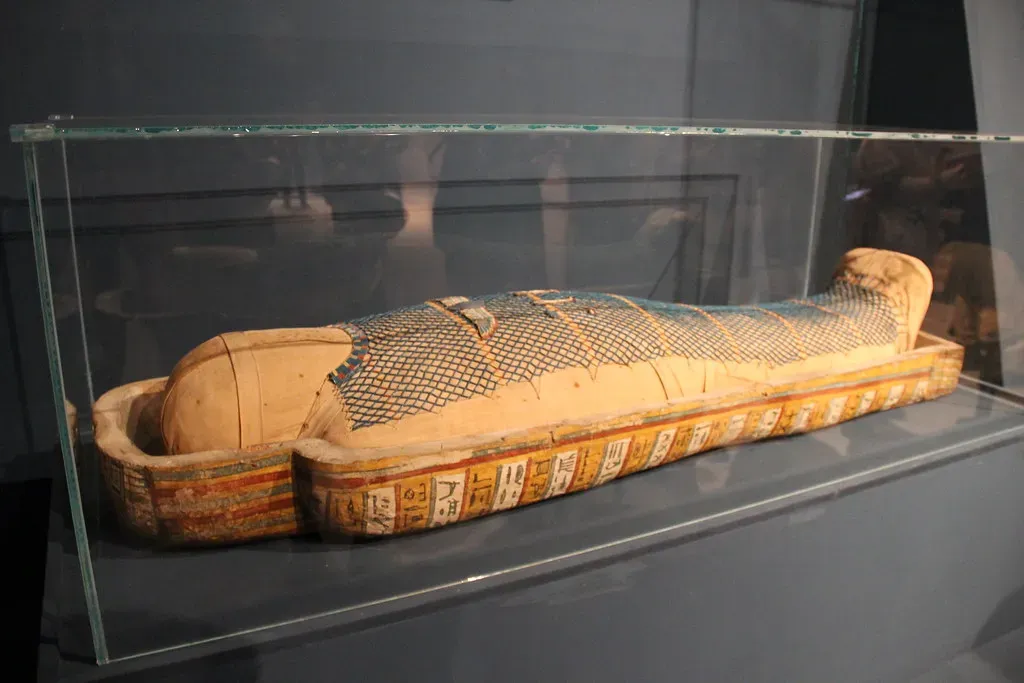
One of the most controversial findings of the last few decades came from chemical analyses of ancient Egyptian mummies, which in some cases revealed traces of nicotine and compounds associated with coca. Both plants are native to the Americas, at least in the forms we know, and that simple fact has fueled endless debate. If the tests are accurate and contamination can be ruled out, then either our understanding of ancient plant distribution is off, or some form of ultra-long-distance exchange happened far earlier than we thought.
Most mainstream scholars remain very cautious here, and that caution is healthy. There might be Old World plants that produce similar chemicals, or later contamination could be fooling us. But even with all those caveats, this line of evidence forces open an uncomfortable question: were there rare, experimental crossings of the Atlantic long before the Vikings or Columbus? We do not have a complete answer, and we should resist jumping to wild conclusions, but those microscopic traces are at least a reminder to stay humble about how little we truly know.
3. The Surprising Genetics of the Polynesian Sweet Potato
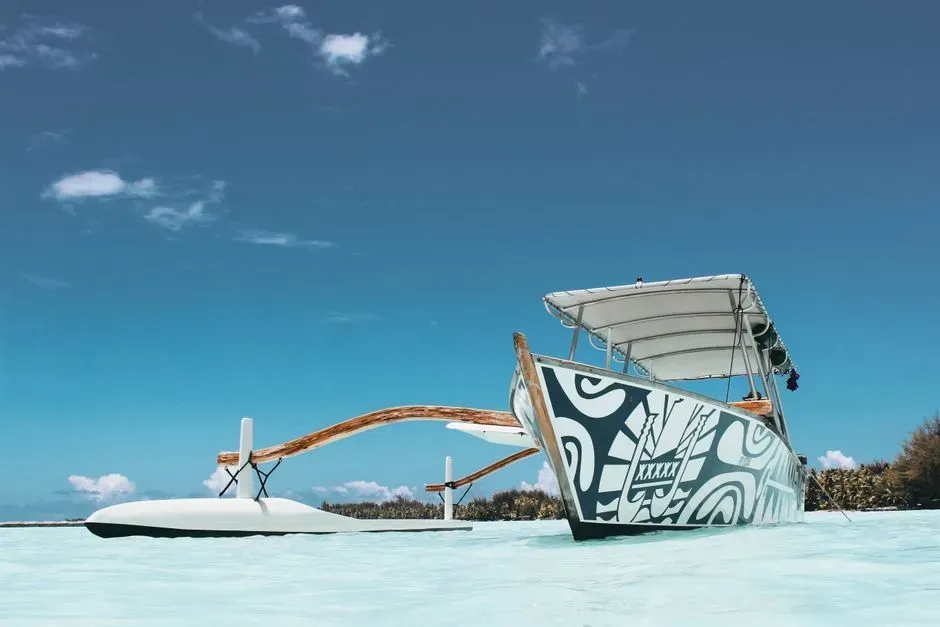
Polynesians were already legendary sailors, but the humble sweet potato adds a new twist to the story. Genetic studies of the crop suggest that varieties in the Pacific are closely related to those from the Americas, especially the Andes. Linguistic clues echo this: in many Polynesian languages, the word for the sweet potato resembles American Indigenous terms for the plant. It’s hard to side-step that combination of biology and language; together they strongly suggest that someone crossed vast ocean gaps to move this crop.
There are two main scenarios: ancient Polynesians voyaged to South America and brought the plant back, or South American sailors somehow reached Polynesian islands. Either way, the implication is enormous distances crossed by wooden vessels, guided by sky, swell, and courage rather than compasses and charts. When you picture a canoe in the middle of the Pacific, no land in sight, you realize that what we call “exploration” today was simply Tuesday for some of our ancestors. The sweet potato becomes less a root vegetable and more a receipt for a successful trans-oceanic trip.
4. Roman-Era Shipwrecks Loaded with Indian Cargo
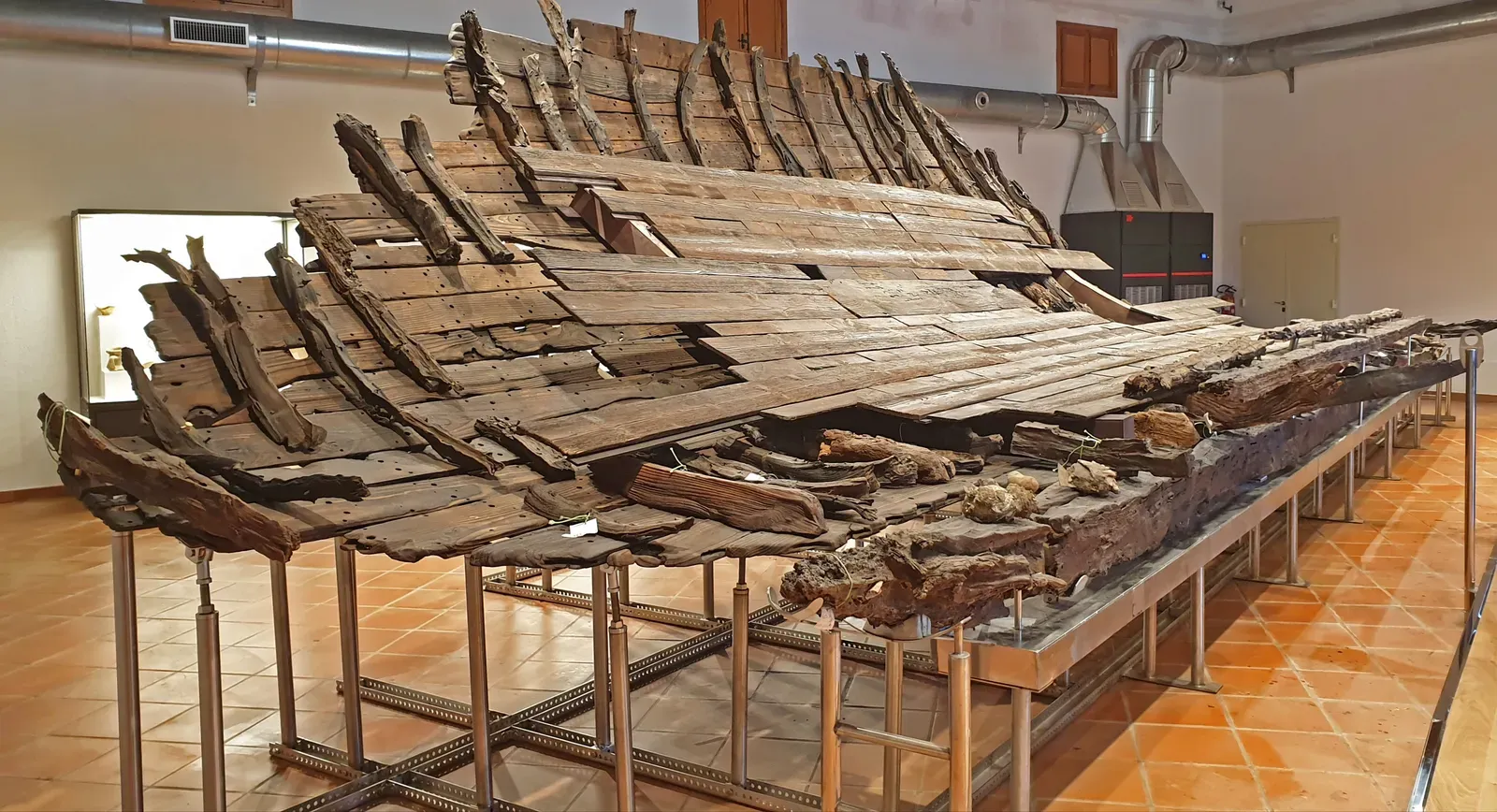
Off the coasts of the Mediterranean and the Red Sea, archaeologists have found shipwrecks from the Roman period stuffed with cargo that clearly originated in India: pepper, spices, beads, and fine pottery. On the Indian side of the ocean, ports on the Malabar and Coromandel coasts have turned up Roman amphorae, Mediterranean wine residues, and even Roman-style tableware. This is not a case of a single daring voyage but a pattern – what looks like a thriving maritime trade route between the Roman world and the Indian subcontinent.
Ancient texts mention monsoon winds and trade to “India,” but scholars once tended to imagine these routes as narrow and tentative. The archaeological evidence makes that picture feel timid. Shipwrecks suggest a rhythm of voyages timed to the seasonal winds, like airlines following a fixed schedule. The crews on those ships – sailors from Egypt, the Levant, Greece, or Italy, maybe alongside Arabian and Indian mariners – must have seen coastlines and cultures that most of their neighbors never even knew existed. It’s an early preview of globalization, just with sails instead of jet engines.
5. The Mystery of Old World Animals in Pre-Columbian American Art
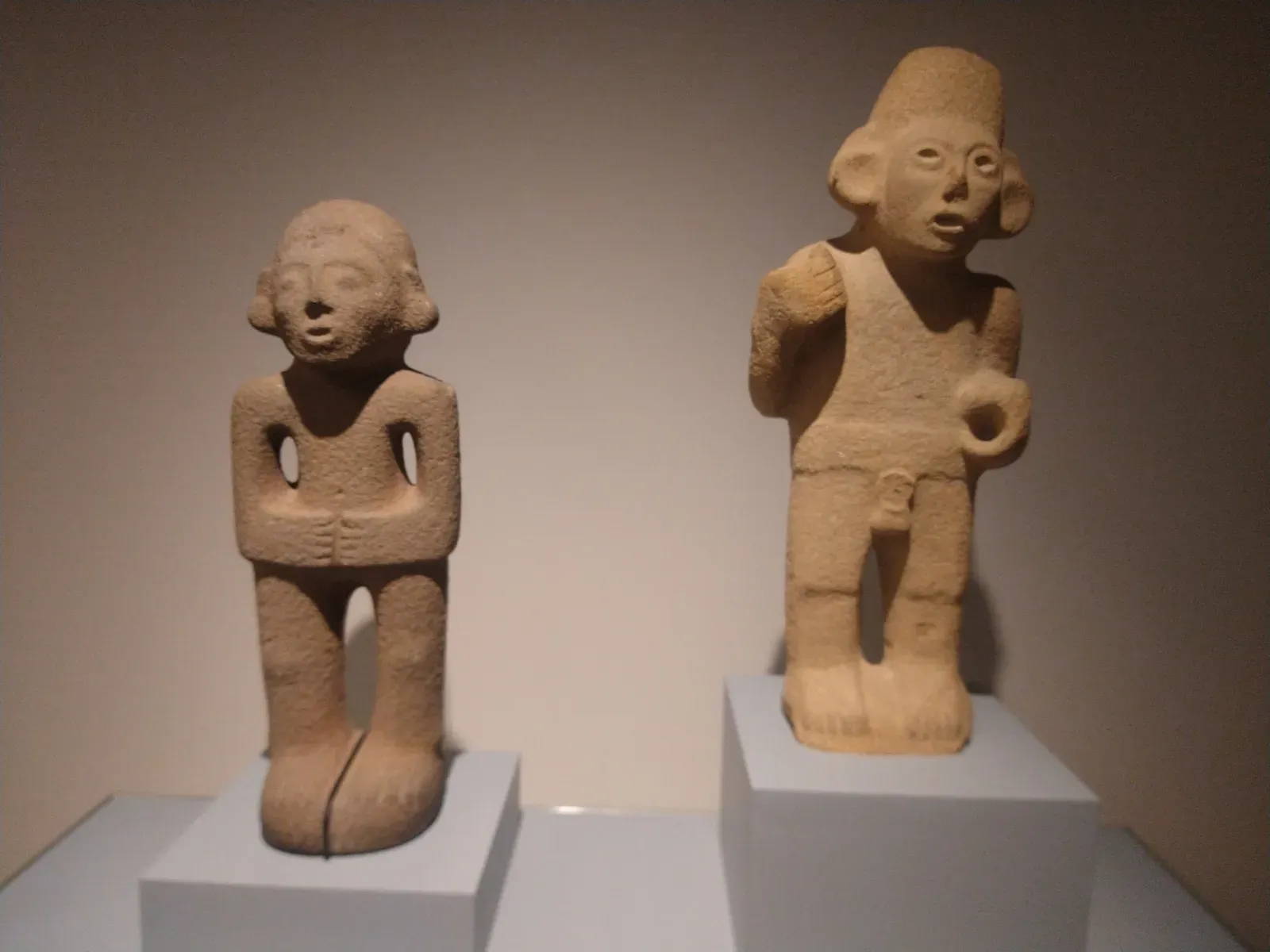
Some pre-Columbian American art objects appear to show animals that look uncannily like Old World species – figures that resemble African elephants or even horses long before Europeans reintroduced them. A few carvings and paintings have sparked heated arguments: are these representations of local animals and mythic creatures that we’re simply misreading, or do they preserve the memory of rare contacts with visitors from distant lands? The evidence here is thin and hotly disputed, but the debate itself reveals how fragile our assumptions can be.
Personally, I think the safest stance is to resist the urge to let a couple of ambiguous images overturn everything we know about ancient biogeography. Human brains are experts at seeing patterns, even where none exist. Still, when you set these puzzling images alongside other hints of very long-distance travel, they become part of a larger, unsettling question: just how many experimental voyages, freak journeys, or one-off encounters never survived in written records? We might only be catching ghostly shadows of stories that mostly vanished.
6. The African DNA Clues in Ancient Eurasian Populations

Ancient DNA has blown open the study of human movement, and one of the most striking patterns is the presence of African ancestry threads in populations across parts of the Middle East, Europe, and even South Asia going back thousands of years. Geneticists can see signatures that look like repeated waves of migration and mixing, not just a single “out of Africa” event lost in deep prehistory. These patterns suggest ongoing movement, trade, intermarriage, and likely the quiet, everyday travels of merchants, soldiers, and enslaved people.
This kind of discovery does not tell us the names of the travelers or the exact routes they took, but it does tell us that ancient people did not live in hermetically sealed “races” or isolated blocks. Instead, gene flow looks like tangled threads in a tapestry, with African, Eurasian, and other lineages meeting and mixing over and over. When I look at those genetic charts, I see something very human: people moving for opportunity, getting swept along by empire, or fleeing hardship, just as they do today. The past starts to feel less like a museum and more like a crowded, noisy train station.
7. Asian Artifacts in Viking-Era Scandinavia
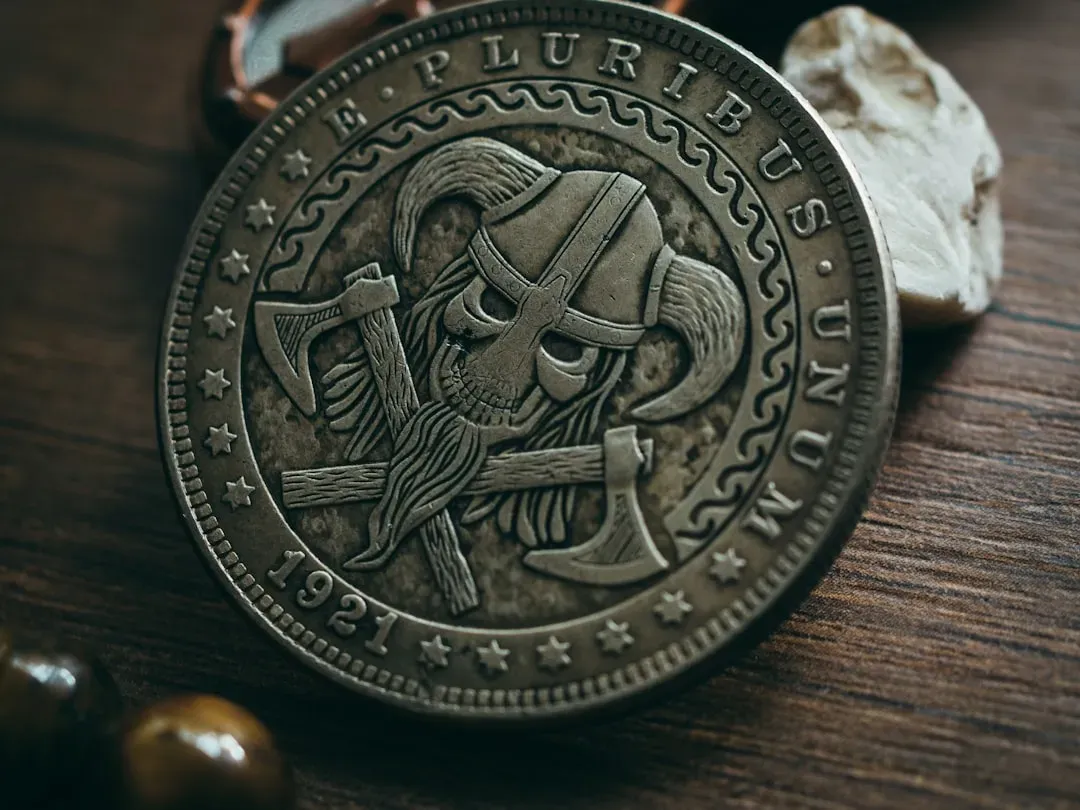
Excavations in Viking-age graves and settlements in Scandinavia have turned up silk from Central Asia and China, beads and metalwork tracing back to the Islamic world, and even coins from as far away as the Middle East and Central Asia. These are not just prestige items locked in elite hoards; some appear in everyday contexts, hinting that long-distance goods trickled into ordinary life more than we might guess. The Vikings were not only raiders and settlers but also traders plugged into sprawling overland and maritime networks.
To follow the path of one coin or bolt of silk from a workshop in Central Asia to a burial mound in Sweden is to imagine a breathtaking journey: caravans crossing deserts, ships hugging coasts, markets in bustling river towns, and finally a quiet village in the north where someone tucks the foreign treasure into a grave. The presence of these distant objects suggests that at least some Scandinavian travelers made it far beyond their home fjords, heading down Russian rivers toward the Black Sea and beyond. When you hear “Viking,” you might picture a narrow North Atlantic world, but the artifacts argue for something closer to a pan-Eurasian web.
8. The Lapita Seafarers’ Leap Across the Pacific
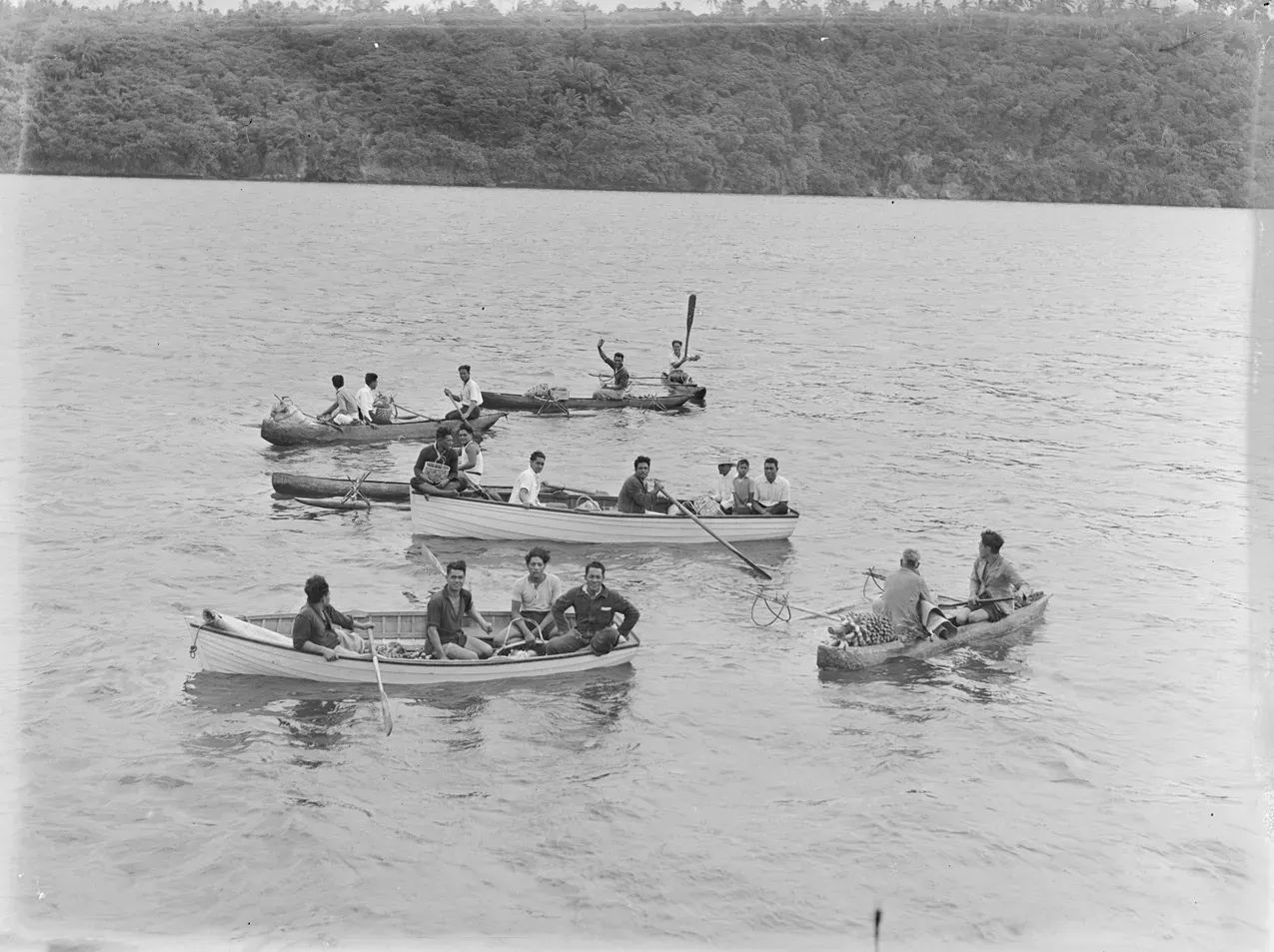
Long before big European ships fumbled their way across the world’s oceans, the Lapita people were busy hopping between islands in the western and central Pacific. Their distinctive pottery has been found spread over a huge distance, from island chains near New Guinea all the way out toward Tonga and Samoa. Every shard of that pottery is a tiny witness to a daring colonization of remote islands that demanded careful navigation, boat-building skill, and a willingness to push past the horizon into the unknown.
What impresses me most is not just that they made the trips, but that they did it often enough to establish stable communities, maintain cultural traditions, and keep up some degree of contact. Imagine setting out in a voyaging canoe with no GPS, no satellite weather forecasts, just knowledge of stars, currents, birds, and a mental map passed down through generations. For the Lapita and their descendants, extreme travel was not a one-time stunt – it was the foundation of their world. Their journeys quietly rewrite the stereotype that ancient people were afraid of the sea.
9. Bronze Age Amber and Tin Trails Linking Distant Corners of Europe and Beyond
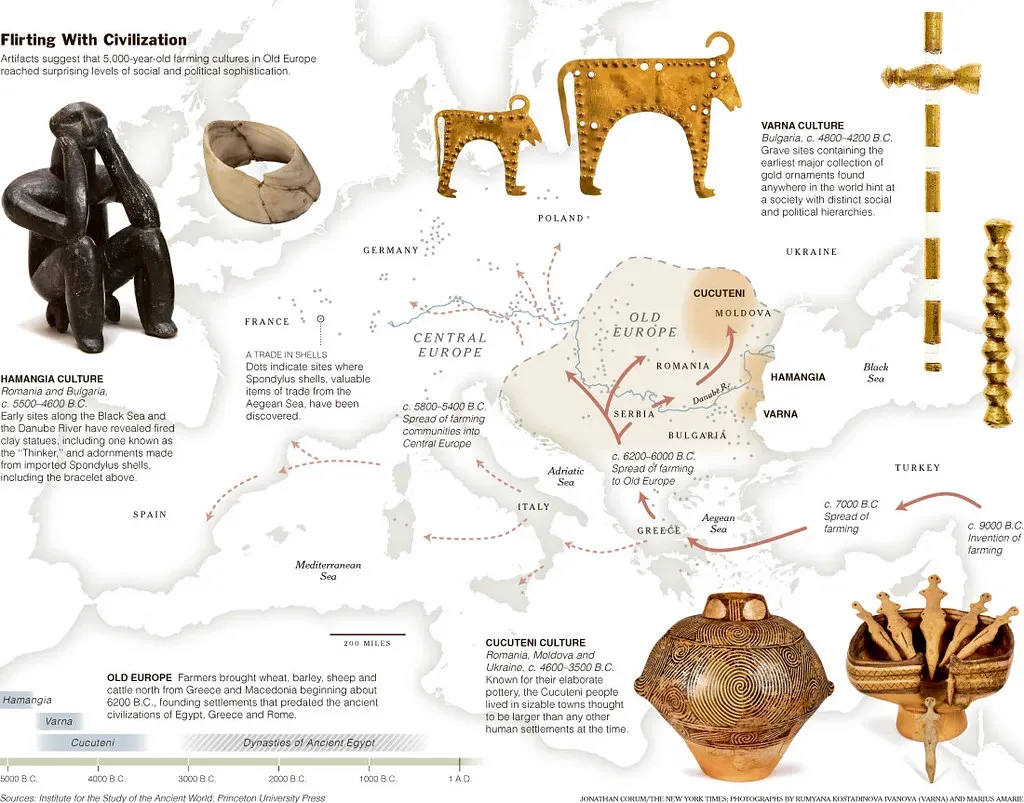
In the European Bronze Age, high-status graves and hoards often include Baltic amber and tin from far-flung sources, showing up in regions that lacked those resources themselves. Amber from the shores of the Baltic Sea has been found deep into central and southern Europe, while the tin needed for bronze sometimes came from places like Cornwall in Britain or distant mountain regions. You do not get such wide and consistent distribution without regular, organized movement of people along long-distance trade routes.
These trade trails were the ancient equivalent of highways, dotted with waystations, markets, and probably guarded passes. The people who followed them – traders, warriors, artisans – would have been cultural cross-pollinators, carrying stories, fashions, and technologies across hundreds of miles. When you trace where the amber and tin ended up, you can almost see the faint lines of a prehistoric network map. It suggests that even in eras we often dismiss as “simple,” people were negotiating complex journeys that stitched together distant communities.
Conclusion: Rethinking How “Small” the Ancient World Really Was
Put all these discoveries together – coins out of place, crops far from home, DNA threads sliding across continents, shipwrecks with foreign cargo – and a pattern starts to emerge. The old picture of ancient people living in tiny, sealed-off worlds just does not hold up. Were there massive, globalized networks like today’s? Of course not. But the evidence screams that more people, in more eras, traveled farther and mixed more than the classic textbook stories ever really admitted.
My own opinion is that we’ve been underestimating the curiosity and sheer nerve of our ancestors for a long time, mostly because it makes us feel special to think we’re the first truly “global” generation. The truth might be less flattering and far more interesting: humans have always pushed past the next hill, the next sea, the next patch of unknown horizon. The details will keep changing as archaeologists and geneticists uncover more, but the direction of travel is clear – literally and figuratively. So the real question isn’t whether our ancestors journeyed far; it’s how many of their forgotten paths we’re still blind to.