You already know the celebrity dinosaurs: Tyrannosaurus, Velociraptor, Triceratops. They hog the spotlight in almost every movie, like the same three actors getting cast again and again. But if you peek even a little beyond the usual lineup, you find creatures so bizarre, so dramatic, and so cinematic that it almost feels like Hollywood is sleeping on them. You are surrounded by a prehistoric back catalog that is just begging to be turned into the next big franchise.
As you read through these nine overlooked dinosaurs, imagine them not as museum skeletons but as fully alive characters: chasing, hiding, scheming, surviving. Picture storm-lit cliffs, dense swamps, and volcanic skies, and drop these forgotten giants into the middle of the chaos. By the time you get to the end, you might start wondering why every dinosaur movie keeps playing the same greatest hits when there is a whole other playlist waiting to blow up.
Therizinosaurus: The Nightmare Gardening Tool
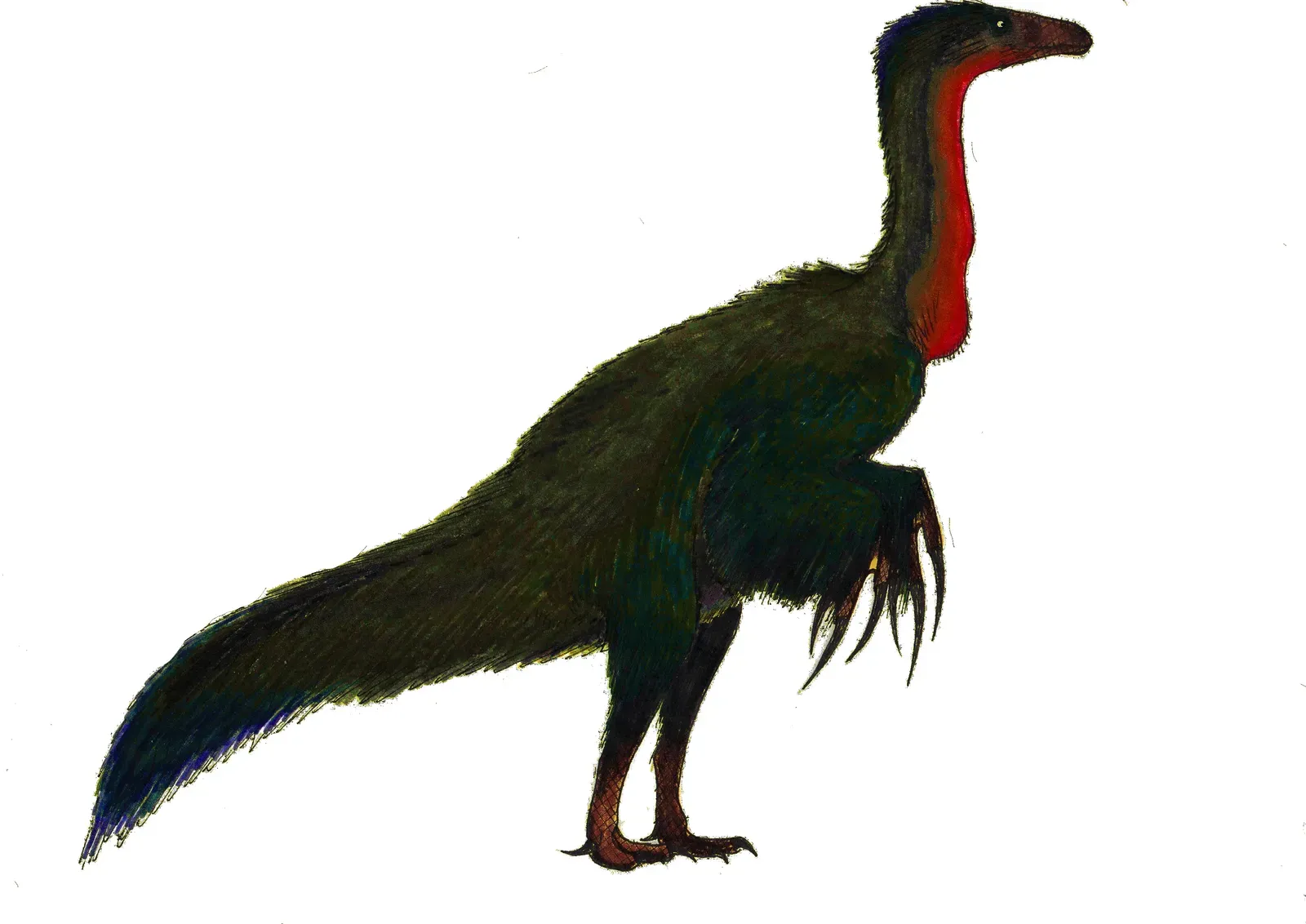
When you first see Therizinosaurus, you almost think nature is playing a joke on you. This dinosaur carried some of the longest claws of any land animal ever found, each one stretching roughly as long as your forearm, curved like giant scythes. Instead of a sleek predator body, it moved on two legs with a bulky, pot-bellied frame, a long neck, and likely a small head, giving it the strange vibe of a giant, menacing ostrich with yard tools for hands.
You might expect those claws to belong to a brutal meat-eater, but evidence suggests Therizinosaurus was probably mostly herbivorous, using those terrifying blades to hook branches, pull down leaves, or defend itself like a walking barbed-wire fence. In a movie, you could watch it lumber through a misty forest, calmly stripping plants while every other creature gives it a wide, respectful distance. Then, in a sudden ambush scene, those claws would flash in the dark, turning this gentle giant into a defensive powerhouse you never saw coming.
Carnotaurus: The Speed Demon With Horns
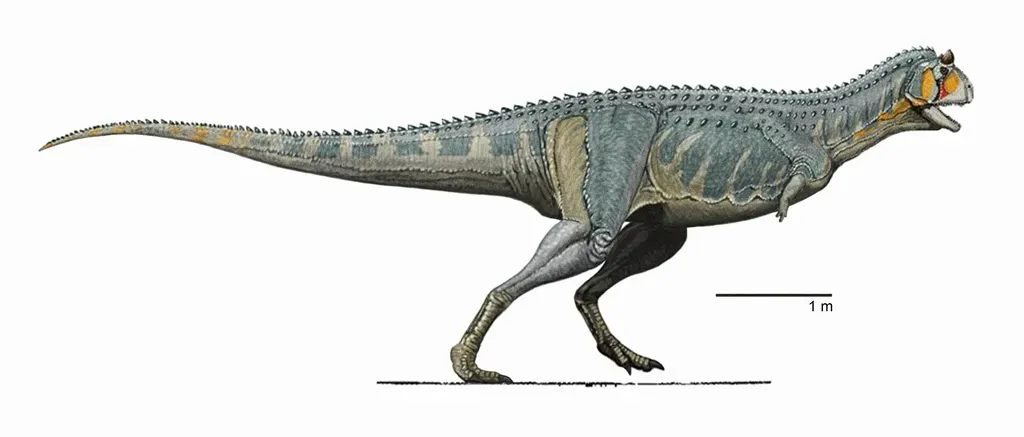
You do not forget Carnotaurus once you meet it. Imagine a sleek, lightweight predator built for speed, with a deep skull, tiny almost comically short arms, and a pair of thick, bull-like horns above its eyes. Its name literally ties it to a “meat-eating bull,” and you can picture it charging across open plains, kicking up clouds of dust as it homes in on some unlucky target. Its body was narrow and muscular, and it likely could run faster than many of the heavyweight predators you usually see on-screen.
What makes Carnotaurus such a perfect movie star is that it looks like a villain drawn by a concept artist trying to push the design just a bit too far. Studies of its skin impressions show rows of bumps and ridges, giving it a reptilian armor-plated look that would pop under dramatic lighting. You could throw it into a chase sequence through a sun-baked savanna, where it darts and pivots like a reptilian cheetah, outmaneuvering slower herbivores while you feel your own heart racing to keep up.
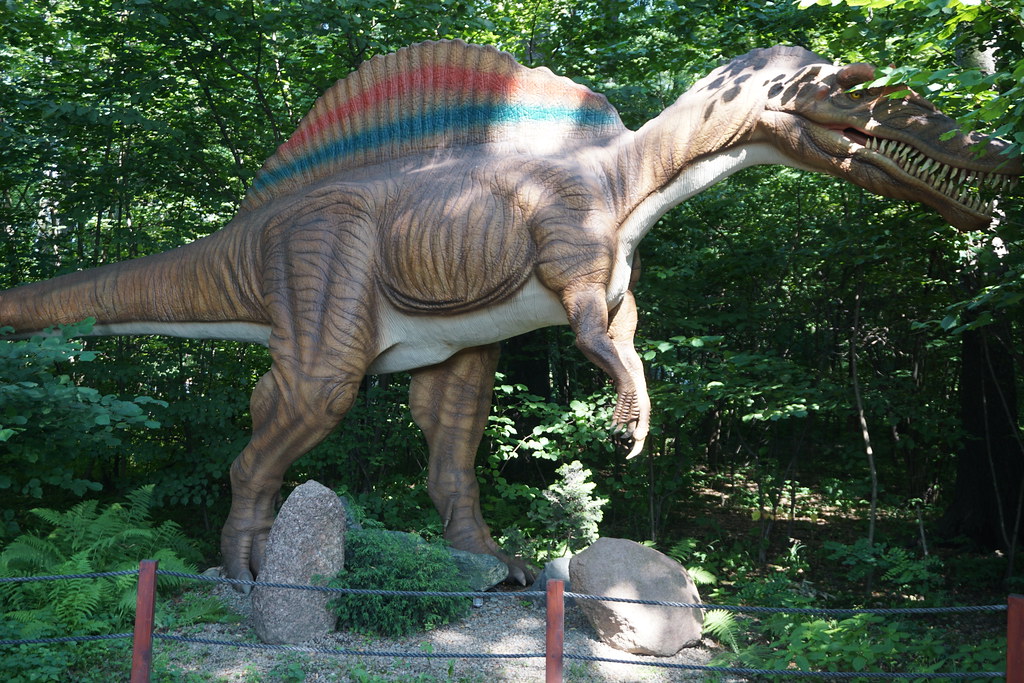
Amargasaurus: The Walking Thunderstorm
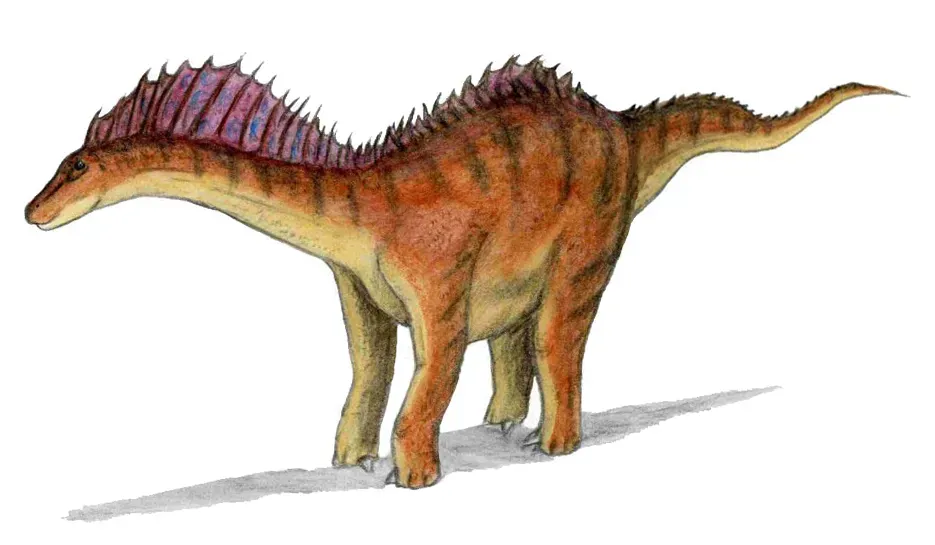
Amargasaurus is the kind of dinosaur that makes you stop and stare, because it looks like someone fused a gentle giant with a heavy metal album cover. This relatively small sauropod, compared to its massive long‑necked cousins, carried two parallel rows of tall spines along its neck and back. You can imagine those spines supporting either a tall sail or webbing of skin, turning its silhouette into something that would look incredible against a lightning-filled sky.
Instead of the towering brachiosaurs you always see reaching into the treetops, you get a medium‑sized, spiky-backed herbivore threading its way through dense forests and river valleys. In a movie, you could play with how light passes through that sail at sunrise, or how rival predators hesitate when they see this strange, jagged profile cutting through the morning mist. You might find yourself rooting for Amargasaurus as it uses its unusual back spines to intimidate attackers, becoming the underdog hero you did not realize you needed.
Concavenator: The Mystery Hump Hunter
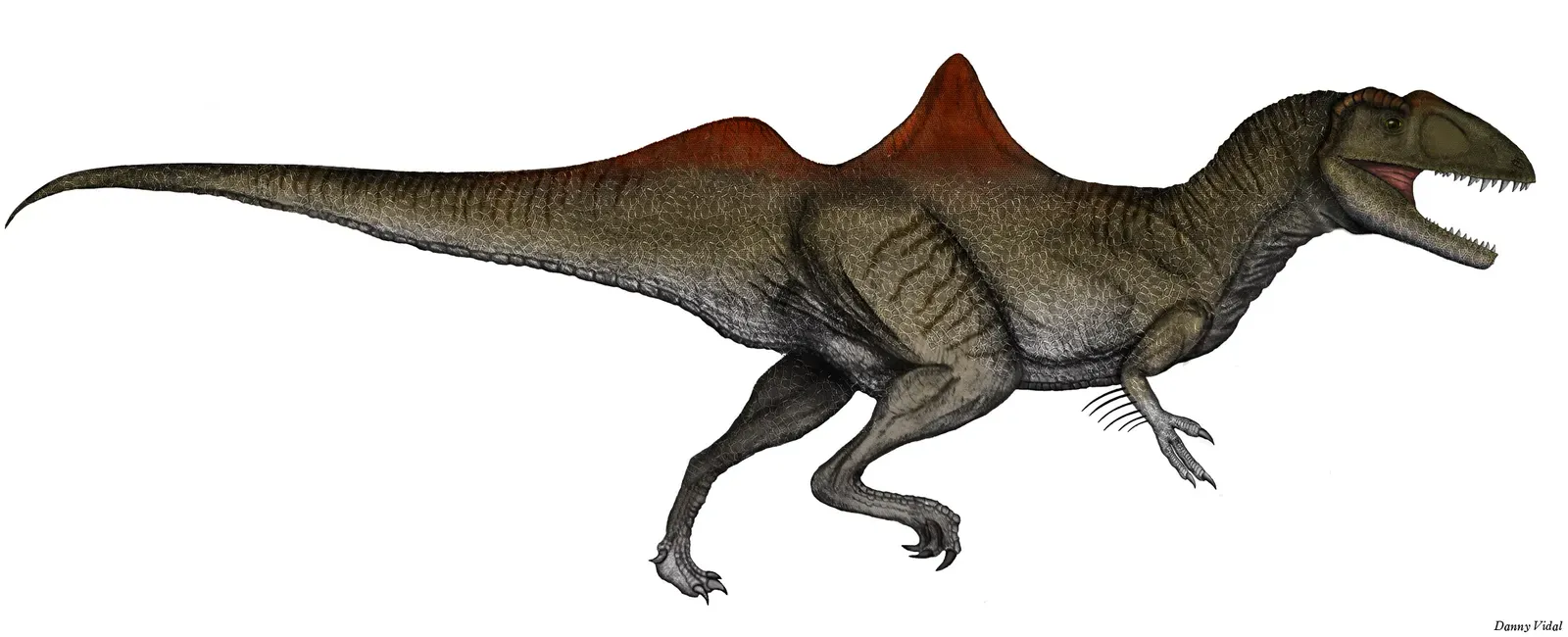
Concavenator sounds like a name a screenwriter would invent, but it is very real, and it comes with one of the oddest features you will see on a mid‑sized predator. Along its back near the hips, it had a pair of elongated vertebrae forming a short, steep crest or hump, like a fin that suddenly rises and then vanishes. No one is completely sure what this structure was for, and that mystery alone is pure cinematic gold for your imagination.
You can picture Concavenator stalking riverbanks and open floodplains, its back crest catching just enough light to make you wonder if you really saw something moving out there. Some scientists have suggested it might have used the hump for display, thermoregulation, or fat storage, and in a film, you could lean into that ambiguity: is it flashing its raised back to scare rivals, attract a mate, or just store energy for hard times? As an audience member, you would be glued to the screen every time that hunched silhouette appears on a ridge, hinting at a predator that is both familiar and deeply strange.
Beipiaosaurus: The Feathered Oddball
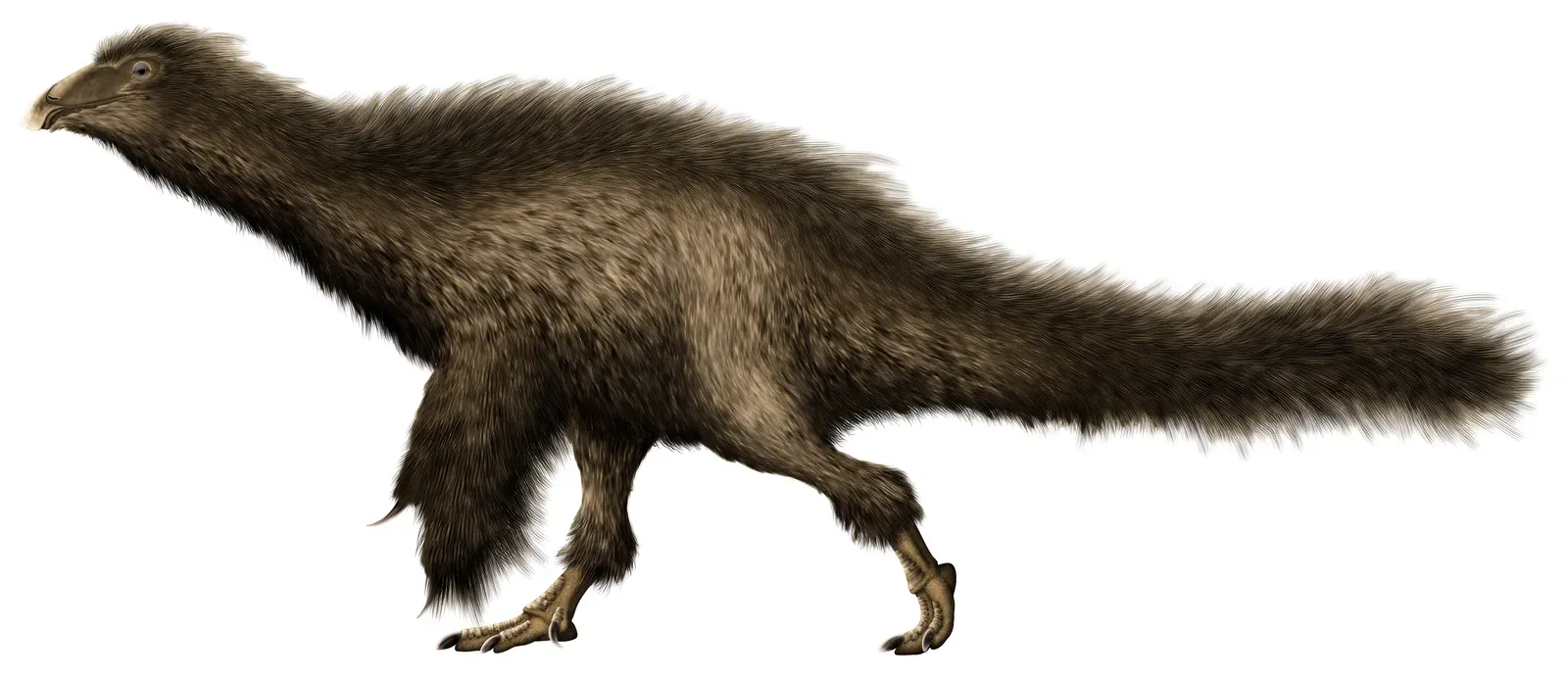
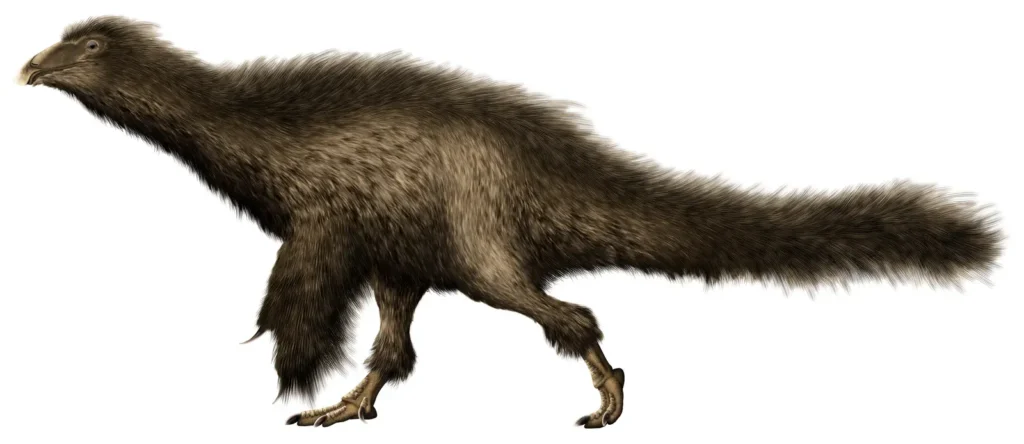
If you ever wanted a dinosaur that breaks your mental template, Beipiaosaurus does the job. It was a small therizinosaur, meaning it belonged to the same oddball family as Therizinosaurus, but it came wrapped in a coat of primitive feathers. Instead of looking like a scaly movie monster, it probably resembled a bizarre, oversized bird with a beaked snout, stocky body, and strong arms tipped with serious claws. You are not just looking at a killer; you are staring at an evolutionary remix between reptile and bird.
Because fossils of Beipiaosaurus preserve clear evidence of filamentous feathers, you get a rare chance to imagine a dinosaur’s texture with some confidence: shaggy, fuzzy, and alive rather than smooth and glossy. In a movie, you could watch it move through chilly forests, feathers rippling in the wind as it forages or defends a nest. You would see other dinosaurs through its alert, birdlike eyes, and suddenly the line between ancient monsters and the pigeons outside your window would feel disturbingly thin.
Gigantoraptor: The Giant You Did Not Expect
![Gigantoraptor: The Giant You Did Not Expect (Original, now superseded file based on the images found here: [2][3][4]and[5] which is now known to be Neovenator: File:Neovenator salerii-Dinosaurisle.jpg. Heavily revised current version based on skeletal diagrams by Scott Hartman in:(2015). "An overview of non-avian theropod discoveries and classification". PalArch's Journal of Vertebrate Palaeontology 12 (1): 1–73.
The feathering shown here is speculative, skin remains are not currently known for Megalosaurus., Public domain)](https://nvmwebsites-budwg5g9avh3epea.z03.azurefd.net/dinoworld/1f198749ac2afab5d14d15e873ec8e04.webp)
(2015). “An overview of non-avian theropod discoveries and classification”. PalArch’s Journal of Vertebrate Palaeontology 12 (1): 1–73.
The feathering shown here is speculative, skin remains are not currently known for Megalosaurus., Public domain)
With a name like Gigantoraptor, you might think you are just getting another oversized predator, but this dinosaur flips your expectations in the best way. It belonged to the oviraptorosaurs, a group usually known for smaller, bird‑like species with toothless beaks and often feathers. Gigantoraptor, however, was enormous by comparison, towering over a human and weighing as much as a large car, while still keeping that agile, bird‑like body plan. Picture a feathered, beaked dinosaur taller than you, sprinting across a plain on powerful legs.
There is evidence that many oviraptorosaurs cared for nests, and you can carry that idea onto a gigantic scale with Gigantoraptor. In a film, you could watch it guard a massive nesting ground, facing off against larger predators while using speed, intelligence, and sheer presence rather than huge teeth. You would feel the tension as it races across a floodplain, feathers streaming, to defend its eggs in the middle of a thunderstorm. It is the kind of creature that could carry an entire emotional storyline built around parental instinct and raw survival.
Pachyrhinosaurus: The Tank‑Faced Underdog
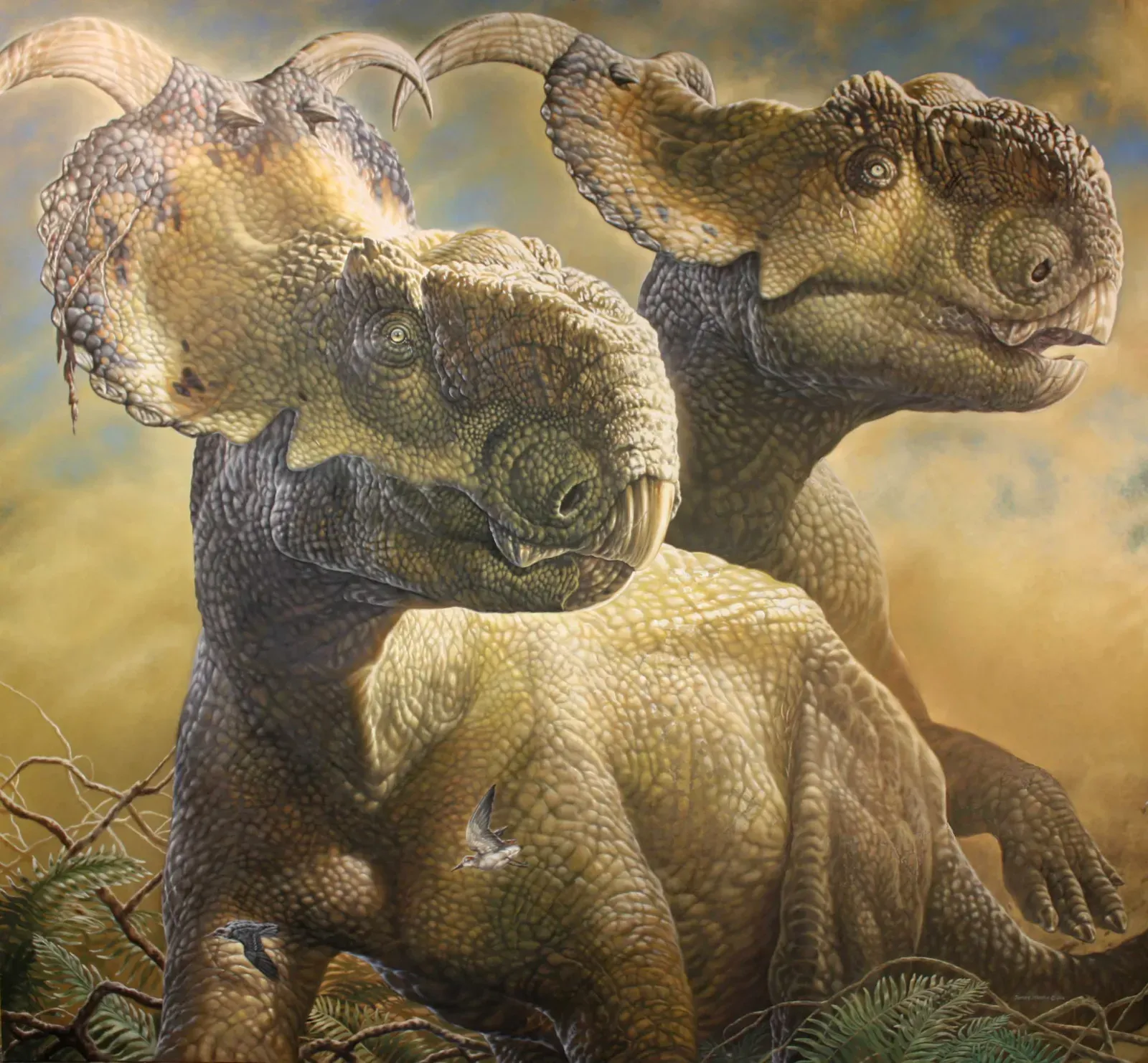
Pachyrhinosaurus gives you the horns-and-frill look you might associate with Triceratops, but adds its own twist: a massive, thickened bony pad on its nose instead of long forward-pointing horns. That blunt, armored face makes it look like a living battering ram, perfectly equipped for head‑to‑head clashes or defensive stands against predators. You can imagine herds of these stocky herbivores moving together, their wide frills and nose bosses forming a living wall of bone and muscle.
There is evidence that some horned dinosaurs lived in groups and may have used their headgear for social interactions like dominance contests or displays. In a movie, you could build an entire story around a Pachyrhinosaurus herd migrating across harsh landscapes, facing threats from weather, predators, and internal rivalries. You would feel the impact when two individuals slam their reinforced faces together, dust flying, while juveniles watch and learn the rules of their world. Instead of just being prey, Pachyrhinosaurus becomes a fully realized main character: stubborn, loyal, and incredibly tough.
Deinocheirus: The Gentle Giant You Misjudge
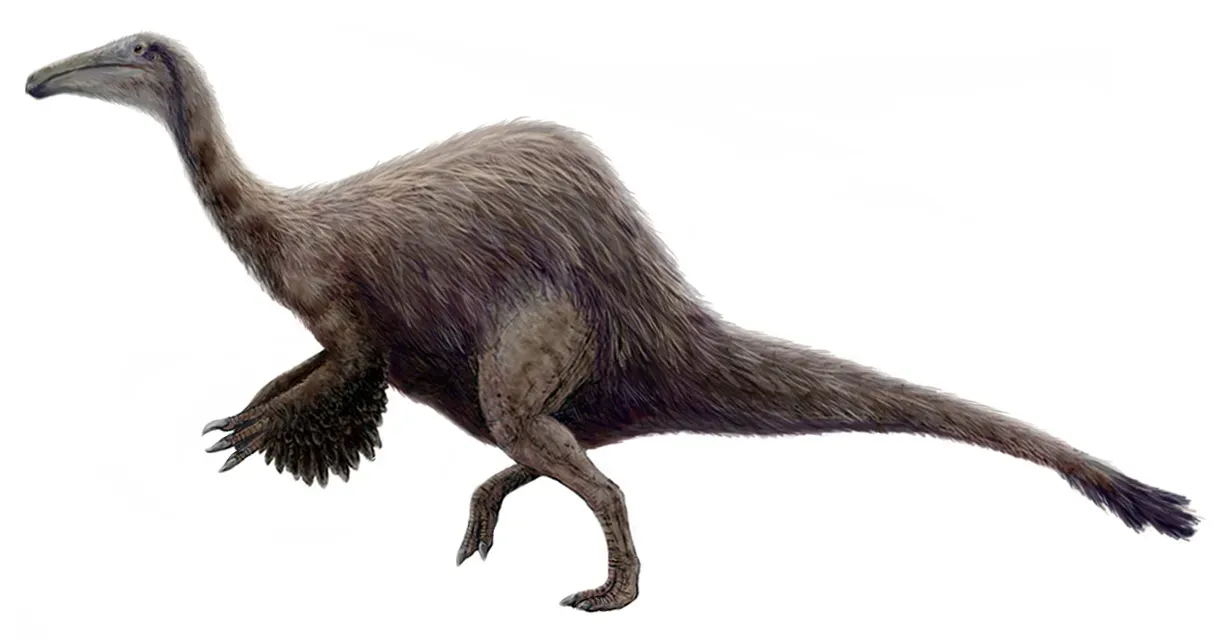
For years, Deinocheirus was known only from a pair of gigantic arms with massive claws, leaving you to imagine some horror‑movie predator lurking in the Mesozoic. When more complete fossils finally appeared, the truth turned out to be even more surprising: it was a huge, duck‑billed, hump‑backed dinosaur with a long, narrow snout and a body built for slow, steady movement. It likely spent a lot of time near rivers and wetlands, using that beak to scoop up plants and maybe small aquatic creatures, more like a strange mix of camel, heron, and hadrosaur than a classic movie monster.
In a film, you could play beautifully with that contrast between expectation and reality. You might first show only its shadow and its long claws raking through the reeds, teasing a terrifying reveal. But then you would step back and watch it peacefully wade through a shallow lake at sunset, hump and sail‑like back reflecting on the water. By the end, you would see Deinocheirus less as a villain and more as a misunderstood gentle giant, the kind of creature that makes you rethink what a dinosaur even is.
Giganotosaurus: The Colossus Overshadowed by T. rex
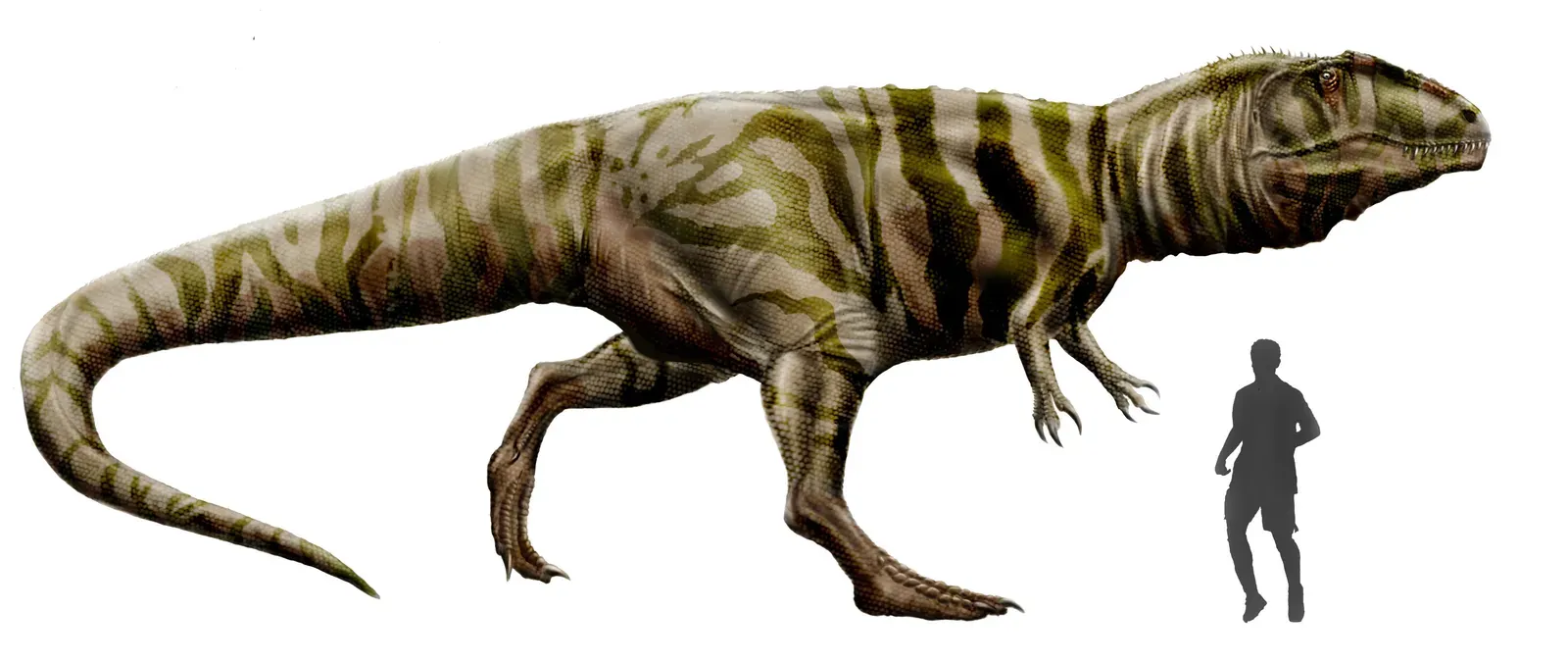
Giganotosaurus is one of those dinosaurs that should already be a household name, yet somehow it keeps getting pushed into the background by Tyrannosaurus. This massive predator from South America was among the largest known meat‑eating dinosaurs, with a long, low skull and a body built to take down huge herbivores. Its teeth were shaped more for slicing than crushing, hinting at a different hunting style from the more familiar T. rex. You can imagine it stalking enormous sauropods across ancient floodplains, weaving between their legs in a coordinated assault.
For a movie, Giganotosaurus gives you a chance to explore a predator that is not just a clone of what you have already seen. You could show it relying on endurance and strategy rather than quick ambushes, perhaps even hinting at social hunting behaviors as it harasses a herd over long distances. Its sheer size would still deliver the awe you expect from a top-tier carnivore, but with a slightly different rhythm and personality. Watching it stride into frame, you would feel that primal chill, while also realizing there is more than one contender for the title of the Late Cretaceous heavyweight.
When you step back from these nine dinosaurs, you realize how narrow your usual view of prehistory can be. You keep seeing the same familiar faces, but the real Mesozoic world was full of oddities, experiments, and one‑of‑a‑kind creatures that would steal every scene if given the chance. Each of these overlooked dinosaurs carries its own built‑in story: misunderstood giants, spiny underdogs, feathered weirdos, and quiet river wanderers that do not fit neatly into the monster box.
If future dinosaur movies start digging a little deeper than the usual suspects, you could watch entire new genres unfold: tense herd dramas, eerie swamp mysteries, high‑speed chases with horned bulls and humped predators. You might even find yourself caring more about a spiky-backed plant‑eater than about the biggest carnivore on the screen. So the next time you see the same old lineup roaring under a stormy sky, you might quietly ask yourself: which forgotten dinosaur would you cast in your own blockbuster first?