Researchers have long viewed dinosaurs as the Mesozoic equivalents of today’s dominant mammals, both ruling terrestrial landscapes. A new analysis exposed a fundamental flaw in that comparison: dinosaurs raised their young far differently. Juveniles quickly gained independence, carving out distinct ecological roles separate from adults. This approach likely fueled greater functional diversity in prehistoric habitats.
Parenting Strategies Set Dinosaurs Apart
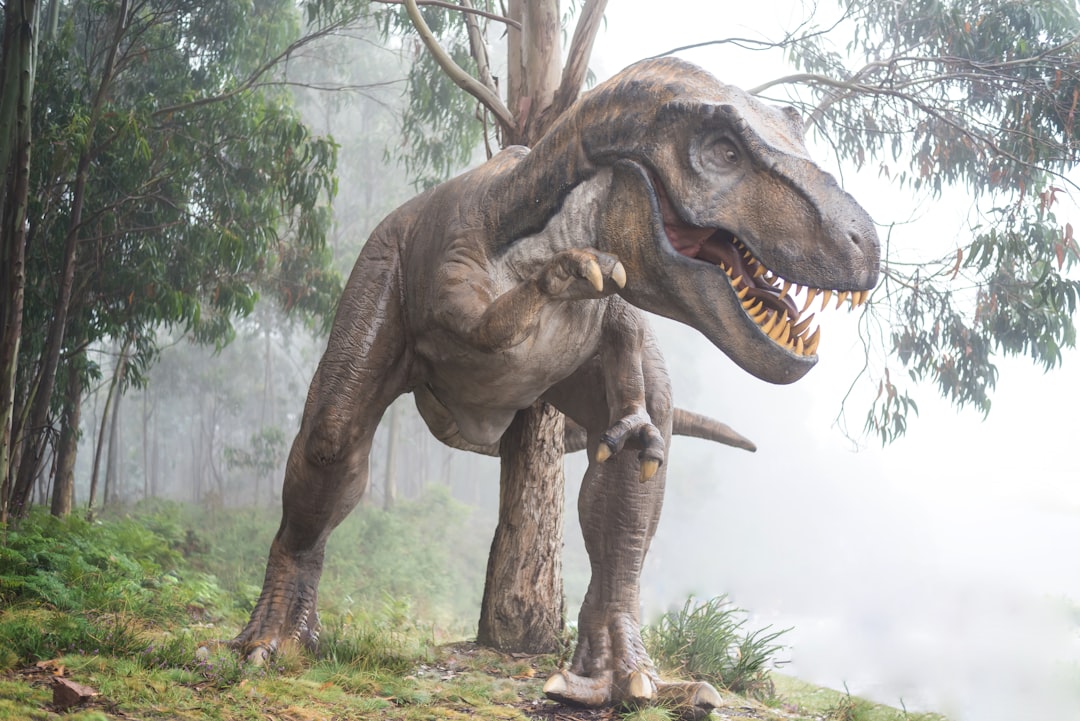
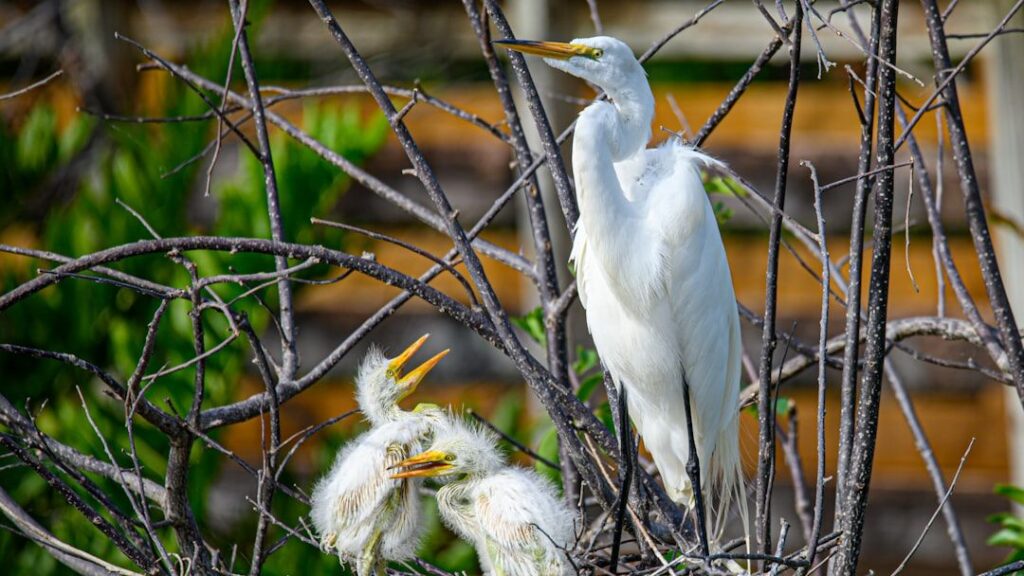
Parenting Strategies Set Dinosaurs Apart (Image Credits: Unsplash)
Fossil evidence pointed to young dinosaurs living independently soon after hatching. Groups of juveniles appeared preserved together, without nearby adults, suggesting they fended for themselves in peer packs. Unlike mammal offspring, which stayed under parental care until near adulthood, dinosaur hatchlings separated within months or a year.
Thomas R. Holtz Jr., a principal lecturer at the University of Maryland, described dinosaurs as “latchkey kids.” He noted that pods of youngster skeletons showed no adult traces nearby. These groups hunted or foraged independently, mirroring modern crocodilians after brief nest protection.
Life-Stage Shifts Created ‘Functional Species’
As dinosaurs grew, their ecological niches transformed dramatically. A juvenile Brachiosaurus, roughly sheep-sized, grazed low vegetation unavailable to towering adults over 40 feet tall. Predators targeted young ones differently, and mobility varied with size – from dog-like agility to massive strides.
Holtz explained: “Over different life stages, what a dinosaur eats changes, what species can threaten it changes and where it can move effectively also changes.” Adults and juveniles, though the same biological species, acted as separate “functional species.” This ontogenetic niche partitioning contrasted sharply with mammals.
Mammals’ Helicopter Parenting Limited Similarity
Mammal young relied heavily on mothers. Tiger cubs as large as adults received hunted meals. Elephant calves, already massive at birth, followed dams for years on the Serengeti. Humans mirrored this extended care until offspring reached maturity.
Such strategies kept young mammals in parental niches – sharing diets, habitats, and threats. Dinosaurs laid large clutches frequently, boosting survival odds without prolonged investment. Crocodilians offered the closest living parallel, with juveniles dispersing early.
Boosted Diversity in Mesozoic Landscapes
Recounting juveniles as distinct functional species elevated dinosaur community tallies above modern mammal ones. Mesozoic warmth and elevated CO2 spurred plant productivity, channeling more energy upward. Dinosaurs’ potentially lower metabolisms demanded less food, sustaining more roles.
- Juveniles filled mesocarnivore or small herbivore gaps adults ignored.
- Size progression – from retriever to giraffe scale – multiplied niches per species.
- Fossil sites reflected dynamic, multi-layered communities.
- Environmental abundance supported this partitioning.
- Mammal care streamlined roles, reducing overlap but limiting totals.
Holtz emphasized that scientists must avoid seeing dinosaurs merely as “mammals cloaked in scales and feathers.” His work, published in the Italian Journal of Geosciences, urged reevaluation of past diversity structures.
Key Takeaways
- Dinosaur juveniles acted independently, occupying unique niches unlike mammal young.
- This partitioning made Mesozoic functional species counts exceed modern mammal communities.
- Warmer climates and efficient physiologies amplified prehistoric ecosystem vibrancy.
The study reshaped understandings of dinosaur dominance and ecosystem transitions to today. Ancient worlds thrived through unconventional growth strategies. What do you think about these free-range prehistoric parenting tactics? Tell us in the comments.