
The intelligence of extinct animals has long fascinated paleontologists and animal behaviorists alike. Comparing the cognitive abilities of creatures that lived millions of years ago with modern animals presents unique challenges but offers fascinating insights into evolutionary neurobiology. Dogs, with their ability to understand human emotions, learn commands, and solve simple puzzles, represent a reasonably high benchmark of animal intelligence. This raises an intriguing question: could any dinosaurs match or exceed the intelligence level of our canine companions? The answer involves examining brain anatomy, behavioral evidence, and evolutionary relationships between dinosaurs and their modern descendants.
Measuring Ancient Intelligence: The Challenges
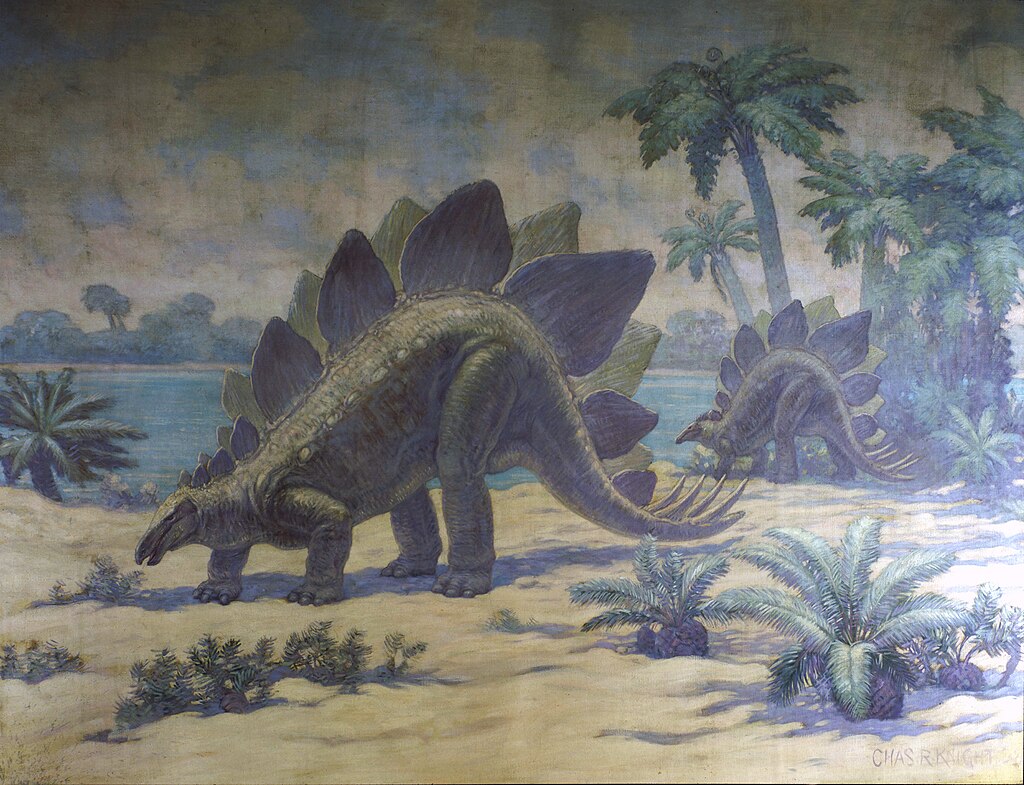
Assessing the intelligence of extinct animals presents significant scientific challenges. Unlike with living creatures, we cannot conduct behavioral tests or observe problem-solving abilities in dinosaurs. Instead, paleontologists rely on indirect evidence such as fossil endocasts (molds of brain cavities), comparative anatomy with living relatives, and ecological contexts. Brain size relative to body mass—called the encephalization quotient (EQ)—provides one quantitative measurement, though it has limitations. Neural complexity and specialized brain regions also factor into intelligence assessments. The fragmentary nature of the fossil record means our understanding continues to evolve as new specimens are discovered and analyzed with increasingly sophisticated technologies like CT scanning and 3D modeling.
Canine Intelligence: Setting the Benchmark

Dogs possess remarkable cognitive abilities that make them exceptionally trainable and socially adept companions. The average dog can understand approximately 165 words, count to four or five, and solve simple puzzles with food rewards. Their social intelligence is particularly notable—they can read human emotions, follow pointing gestures, and understand intentionality in ways that even great apes sometimes cannot. Domestication has enhanced these abilities over thousands of years, selecting for dogs that could better understand and cooperate with humans. Dogs have an EQ of approximately 0.9-1.2, placing them above many mammals but below primates, dolphins, and elephants. This cognitive profile gives us a concrete benchmark against which to measure potential dinosaur intelligence.
Troodontids: The Brainiacs of the Dinosaur World

Among dinosaurs, the troodontids stand out as potential cognitive champions. These small, bird-like theropods possessed the highest encephalization quotients among non-avian dinosaurs, with brain-to-body mass ratios approaching those of modern birds. Troodon formosus, in particular, had an estimated EQ of 5.8—significantly higher than modern reptiles and surprisingly close to some modern birds. Their enlarged cerebrum suggests enhanced sensory processing and possibly more sophisticated behavior. Troodontids also had large, forward-facing eyes that indicate good depth perception and possibly nocturnal hunting abilities, requiring complex spatial processing. Their slender build and likely agile movements would have demanded sophisticated motor control, further supporting the case for their relatively high intelligence.
Dromaeosaurids: The “Raptors” and Their Brain Power
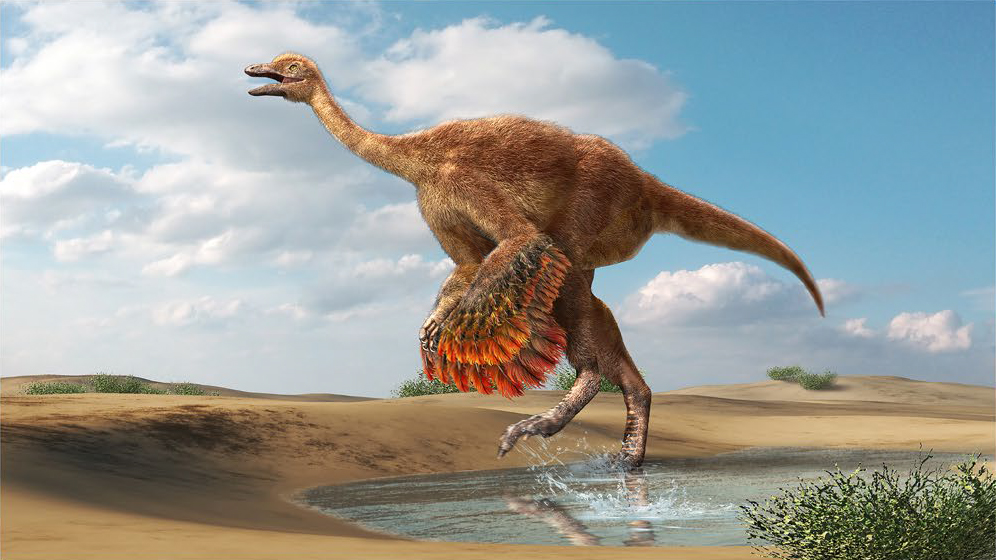
Dromaeosaurids, popularized as “raptors” in films like Jurassic Park, represent another group of potentially intelligent dinosaurs. These predators, including Velociraptor and Deinonychus, possessed relatively large brains for their body size and shared many neuroanatomical features with modern birds. CT scans of dromaeosaurid skulls reveal expanded cerebral hemispheres and well-developed optic lobes, suggesting enhanced sensory processing. Their predatory lifestyle would have required sophisticated hunting strategies, particularly if they hunted in coordinated groups as some evidence suggests. The famous “fighting dinosaurs” fossil, showing a Velociraptor locked in combat with a Protoceratops, hints at the complex behaviors these animals might have exhibited. While their EQs were generally lower than troodontids, they likely possessed problem-solving abilities comparable to some modern predators.
The Bird Connection: Dinosaurs That Became Intelligent

Modern birds are living dinosaurs, descended from small theropods similar to Velociraptor and Troodon. This evolutionary relationship provides our strongest evidence for dinosaur intelligence. Many birds demonstrate remarkable cognitive abilities—crows can fashion tools, parrots can learn hundreds of words, and some birds recognize themselves in mirrors. These abilities stem from a brain structure that evolved from their dinosaur ancestors. Though bird brains are organized differently from mammalian brains, they achieve comparable cognitive outputs through different neural architectures. The intelligence of modern birds strongly suggests that their dinosaur ancestors possessed the neurological foundation for complex behaviors. This evolutionary trajectory indicates that the most intelligent non-avian dinosaurs likely had cognitive abilities approaching or exceeding those of modern dogs.
Brain Size vs. Body Size: The Encephalization Quotient
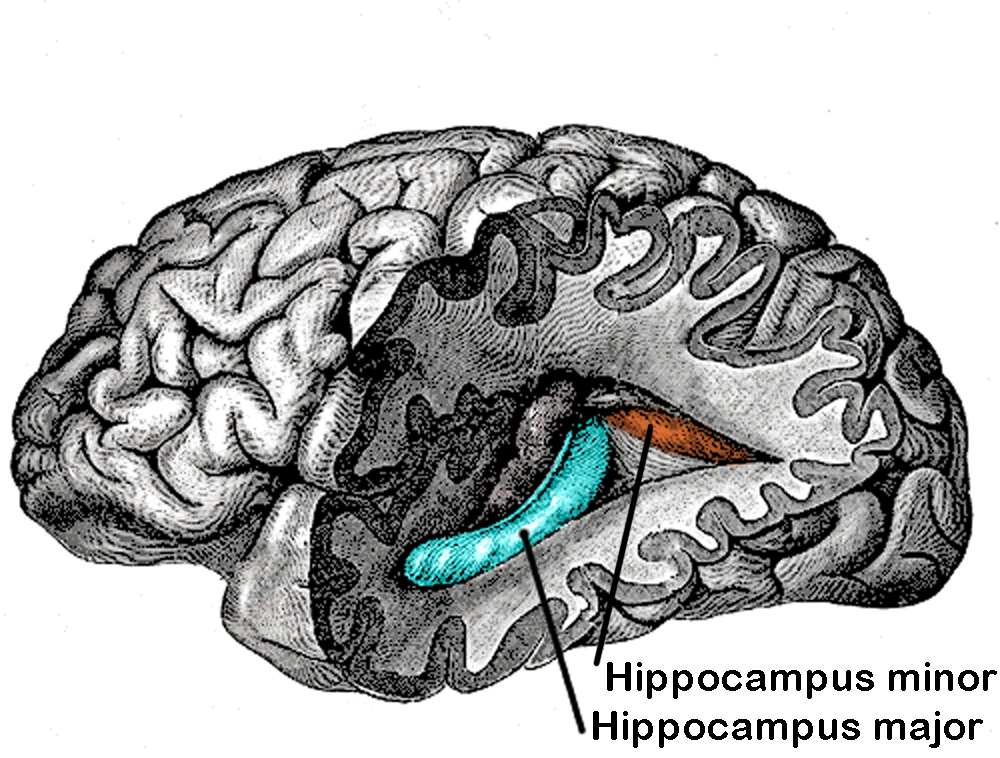
The encephalization quotient provides a useful metric for comparing intelligence across species with vastly different body sizes. The EQ calculates how much larger an animal’s brain is compared to what would be expected for its body size. Modern mammals typically have higher EQs than reptiles, with humans at approximately 7.5 and dogs at 1.2. Among non-avian dinosaurs, Troodon stands out with an estimated EQ of 5.8—significantly higher than modern reptiles and approaching some birds. However, this measurement has limitations when comparing across different vertebrate groups. Brain organization matters as much as size—birds achieve remarkable intelligence with smaller but more densely packed neurons. Some dinosaurs likely had neural organizations more similar to birds than reptiles, potentially enabling greater intelligence than their EQs might suggest.
Social Behavior and Intelligence

Social complexity often correlates with cognitive development, as navigating group dynamics requires sophisticated processing of social information. Evidence suggests many dinosaur species lived and traveled in groups, potentially necessitating social intelligence. Trackways showing multiple individuals moving together indicate coordinated movement. Nesting colonies found in oviraptorid and hadrosaur fossils suggest parental care and possibly complex social structures. The discovery of multiple Deinonychus specimens around single prey animals has led some paleontologists to hypothesize cooperative hunting behaviors. If these dinosaurs engaged in complex social behaviors like cooperation, status recognition, or coordinated hunting, they would have required neural hardware supporting social cognition—a key aspect of canine intelligence. This social dimension could have pushed certain dinosaur species toward dog-like intelligence levels.
Comparing Brain Structures: Dinosaurs vs. Dogs
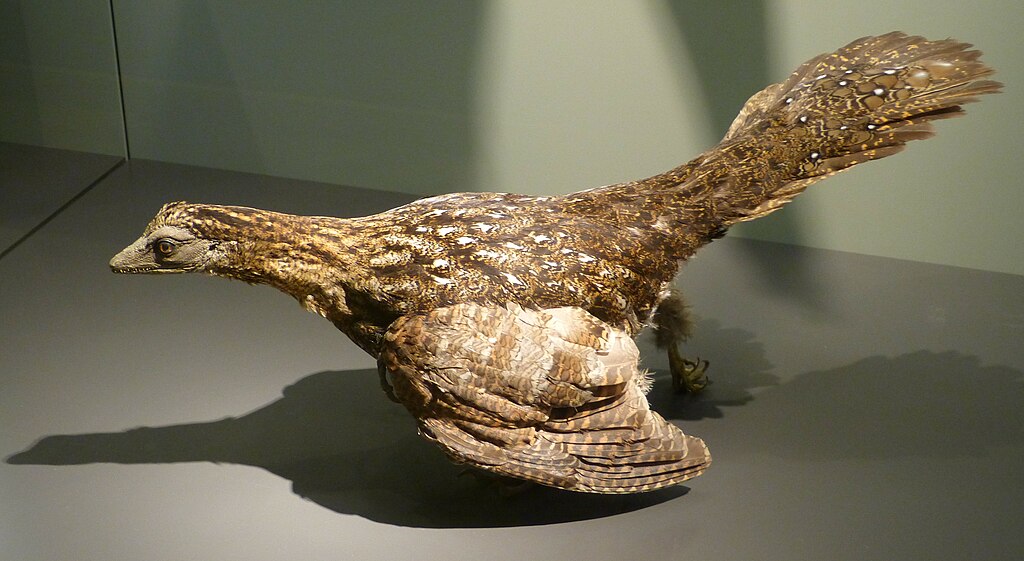
While overall brain size provides a rough measure of intelligence, the organization and development of specific brain regions offer more nuanced insights. Dogs possess a well-developed cerebral cortex that enables complex learning and social understanding. Endocasts of theropod dinosaurs reveal enlarged cerebral hemispheres, particularly in areas associated with sensory processing. However, the mammalian neocortex—central to many cognitive functions in dogs—evolved after dinosaurs. Instead, intelligent dinosaurs likely processed complex information through the dorsal ventricular ridge, a brain structure that performs analogous functions in birds. Modern research suggests this alternative neural architecture can support sophisticated cognition despite fundamental differences from mammalian brains. The most intelligent dinosaurs would have had brain structures more similar to modern birds than to reptiles, potentially enabling cognitive abilities approaching those of dogs through different neural pathways.
Tool Use and Problem-Solving Evidence
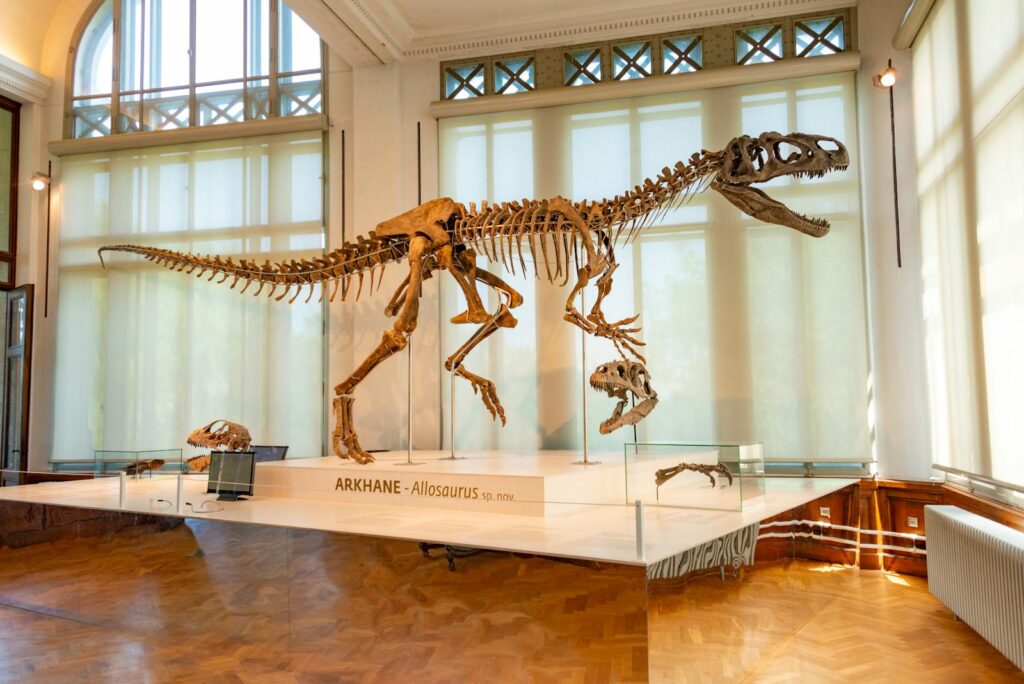
Tool use represents a sophisticated cognitive ability observed in relatively few animal species. While no direct evidence exists of dinosaur tool use, their avian descendants demonstrate this capability. Crows fashion tools from materials to extract food, and parrots manipulate objects to solve puzzles. Some paleontologists speculate that certain small-handed theropods might have manipulated objects in rudimentary ways. Problem-solving abilities would have provided survival advantages, particularly for predatory species needing to outsmart prey. The complex hunting strategies suggested by dromaeosaurid anatomy—including pack coordination and the famous sickle claw—imply sophisticated behavioral adaptations if not outright problem-solving. Though fossilized behavior remains elusive, the neurological foundation for such abilities appears present in the brains of the most advanced theropods.
Dinosaur Parenting and Learning

Parental care represents another dimension of intelligence, involving recognition of offspring and adaptive responses to their needs. Fossil evidence increasingly supports the idea that many dinosaurs were attentive parents. Oviraptor specimens have been found brooding on nests, suggesting parental investment similar to modern birds. Maiasaura nests contain remains of hatchlings too underdeveloped to leave the nest, indicating extended parental care. Such behaviors suggest the capacity for individual recognition and responsive caregiving—traits associated with higher cognition. Extended juvenile periods, evident in some dinosaur species, would have allowed for learning and behavioral development rather than purely instinctual responses. This combination of parental investment and extended learning periods parallels aspects of mammalian development that support complex cognition, including that seen in dogs.
Modern Analogues: Crocodilians and Birds
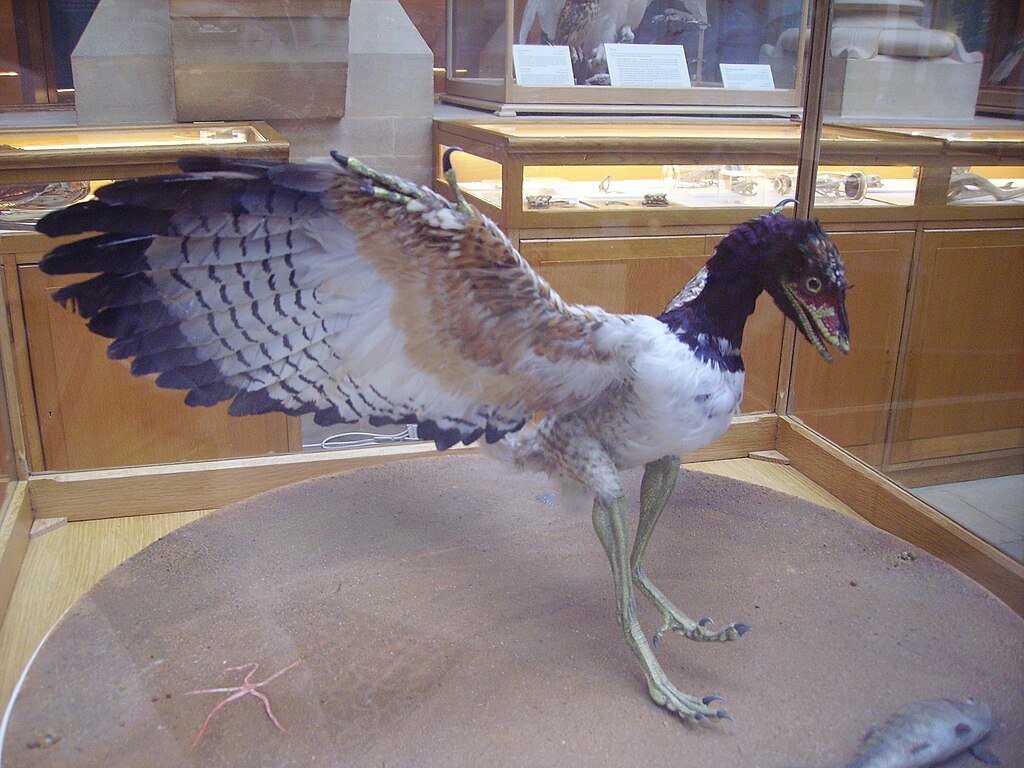
Examining the intelligence of dinosaurs’ closest living relatives provides valuable insights. Crocodilians, though often underestimated, display surprising cognitive abilities including tool use (balancing sticks to lure nesting birds), cooperative hunting, and long-term memory. As the closest living relatives to dinosaurs besides birds, they suggest a baseline of reptilian intelligence that dinosaurs would have exceeded. Birds, as direct dinosaur descendants, demonstrate even more remarkable abilities—New Caledonian crows craft specialized tools, African grey parrots understand numerical concepts, and corvids recognize individual human faces and hold grudges. These cognitive traits reflect neural capabilities that evolved from theropod dinosaurs. The intelligence spectrum from crocodilians to modern birds creates a framework for understanding where different dinosaur groups might have fallen on the cognitive scale, with the most advanced likely approaching or exceeding dog-level intelligence.
The Speed of Dinosaur Thought
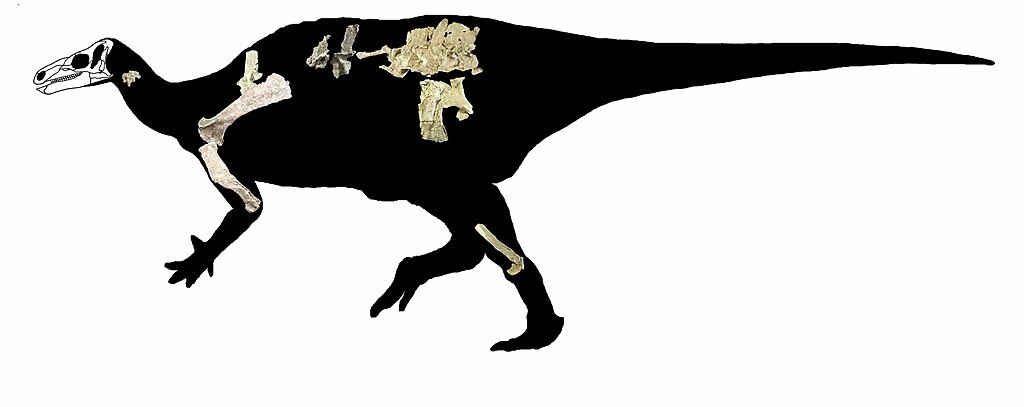
Cognitive processing speed represents another dimension of intelligence, influencing how quickly animals can respond to complex situations. Warm-blooded animals typically process information faster than cold-blooded ones due to higher metabolic rates maintaining neural activity. Growing evidence suggests many dinosaurs were warm-blooded or maintained elevated body temperatures, particularly among theropods. Their bones show structures associated with rapid growth and high metabolism, similar to modern birds and mammals. This physiological trait would have supported faster neural processing than seen in modern reptiles. Troodontids show particularly bird-like characteristics suggesting high metabolic rates. If the most intelligent dinosaurs combined bird-like brain structures with warm-blooded physiology, they could have achieved processing speeds comparable to modern mammals, including dogs, allowing for quick decision-making and responsive behavior.
Could Dinosaurs Have Outsmarted Dogs?
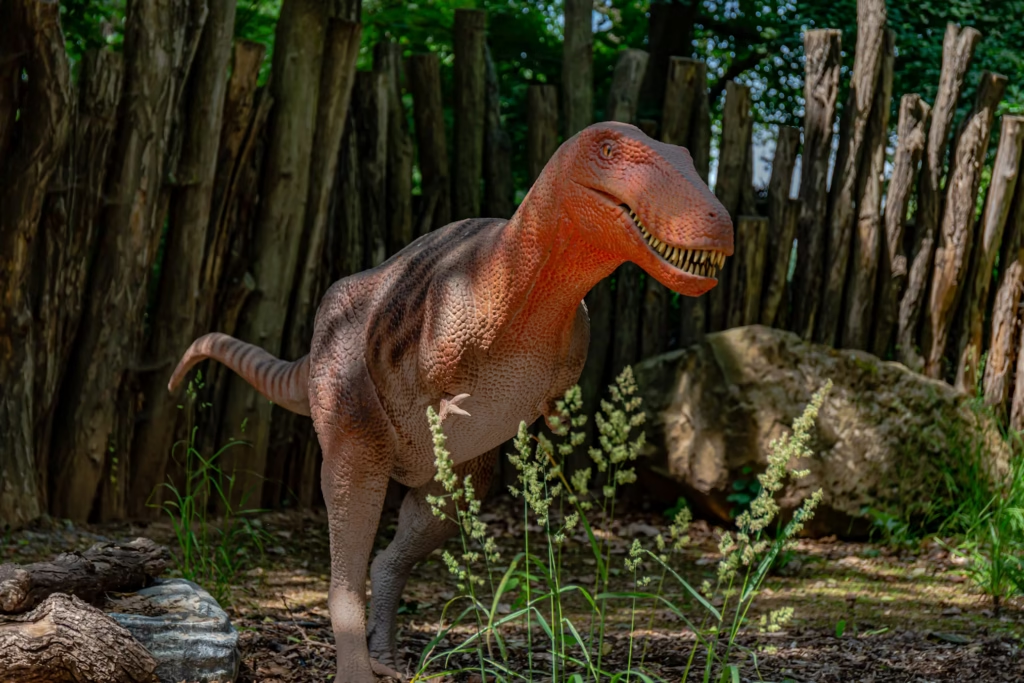
When all evidence is considered, certain dinosaur species likely possessed cognitive abilities comparable to or exceeding those of modern dogs. Troodontids and advanced dromaeosaurids combined several features supporting this conclusion: relatively large brains with expanded cerebral regions, warm-blooded physiology enabling rapid neural processing, complex social behaviors requiring sophisticated cognition, and evolutionary relationships with highly intelligent modern birds. While their intelligence would have manifested differently from mammals due to alternative brain structures, the functional outcomes may have been similar. The most intelligent dinosaurs likely possessed excellent spatial memory, sophisticated social recognition, problem-solving abilities, and possibly rudimentary causal reasoning. As research advances through new fossil discoveries and comparative neurobiology, our understanding of dinosaur intelligence continues to evolve, revealing cognitive capabilities more impressive than traditionally assumed.
Conclusion

The question of dinosaur intelligence reminds us that cognition has evolved multiple times through different pathways across vertebrate evolution. While we may never know exactly how a Troodon or Velociraptor would have performed on a canine intelligence test, the scientific evidence increasingly suggests that the brainiest dinosaurs possessed cognitive abilities that would impress us today. Their intelligence, expressed through different neural architecture than mammals but potentially similar in capability, represents one of the most fascinating aspects of these remarkable animals that dominated Earth for over 150 million years.