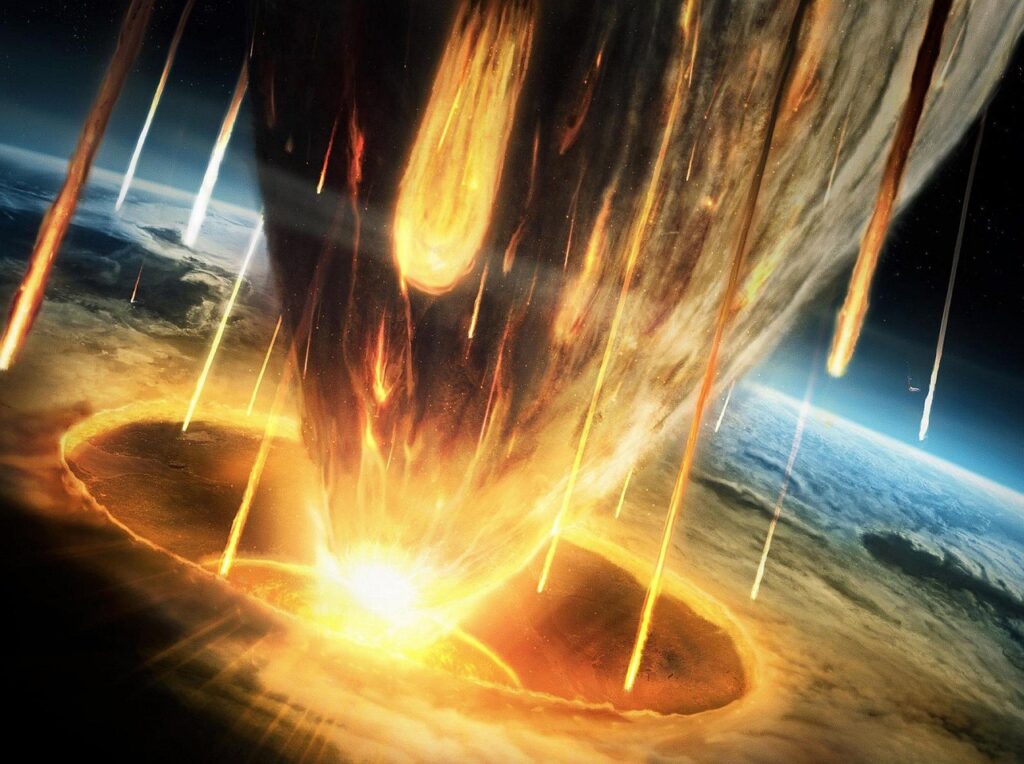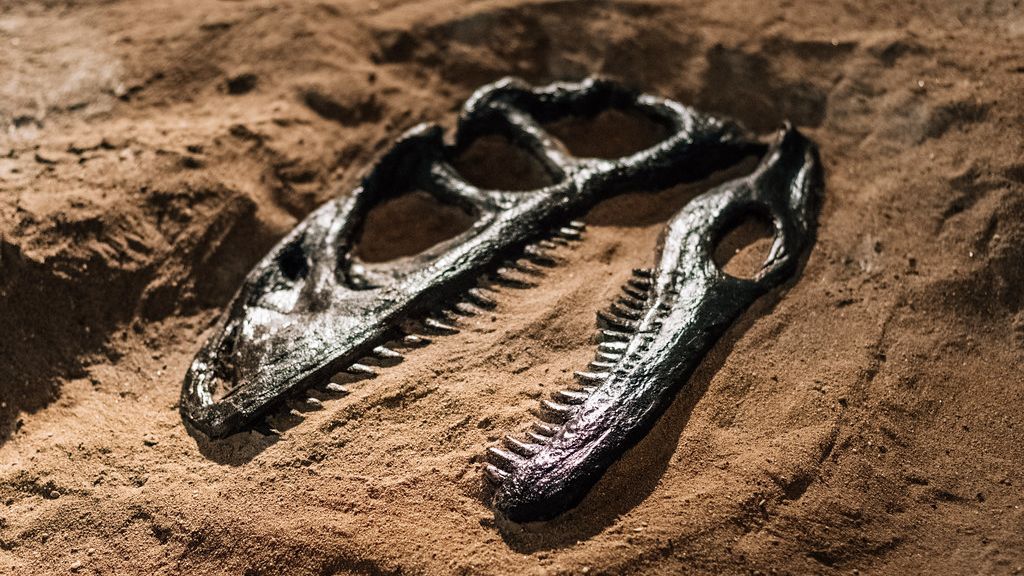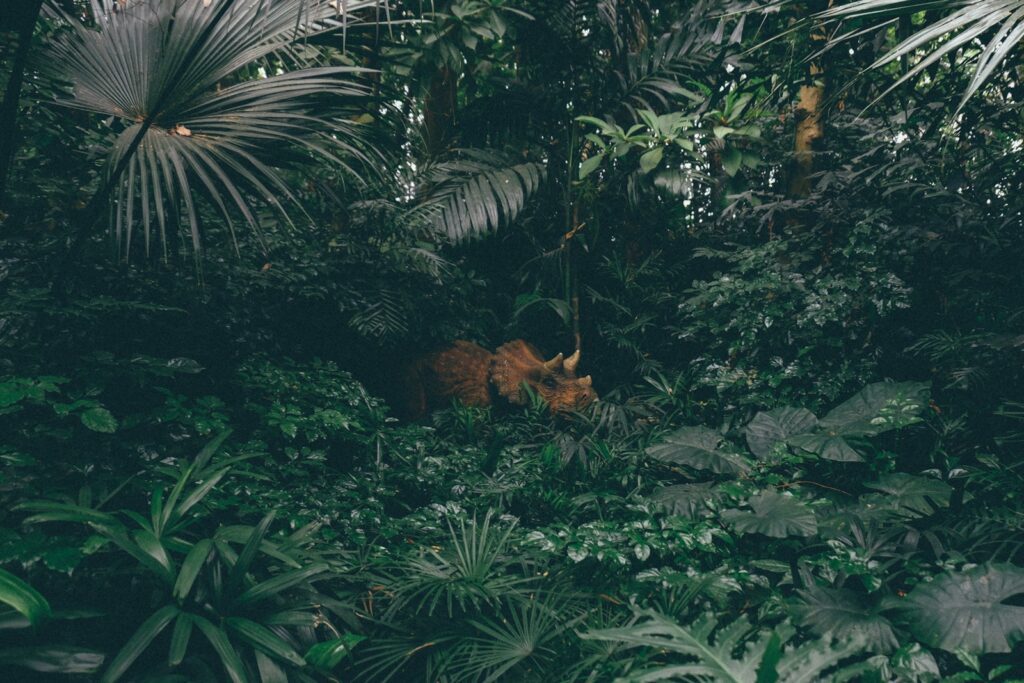
The extinction of non-avian dinosaurs approximately 66 million years ago dramatically altered the course of evolutionary history, opening ecological niches that mammals eventually filled. But what if that asteroid had missed Earth? What if these magnificent reptiles had continued to evolve alongside mammals for millions of years? This fascinating counterfactual scenario invites us to reimagine our modern world with dinosaurs still occupying key ecological roles. From competition with mammals to the evolution of human civilization, the persistence of dinosaurs would have profoundly transformed Earth’s ecosystems in ways both subtle and extraordinary.
The Evolutionary Trajectory of Surviving Dinosaurs
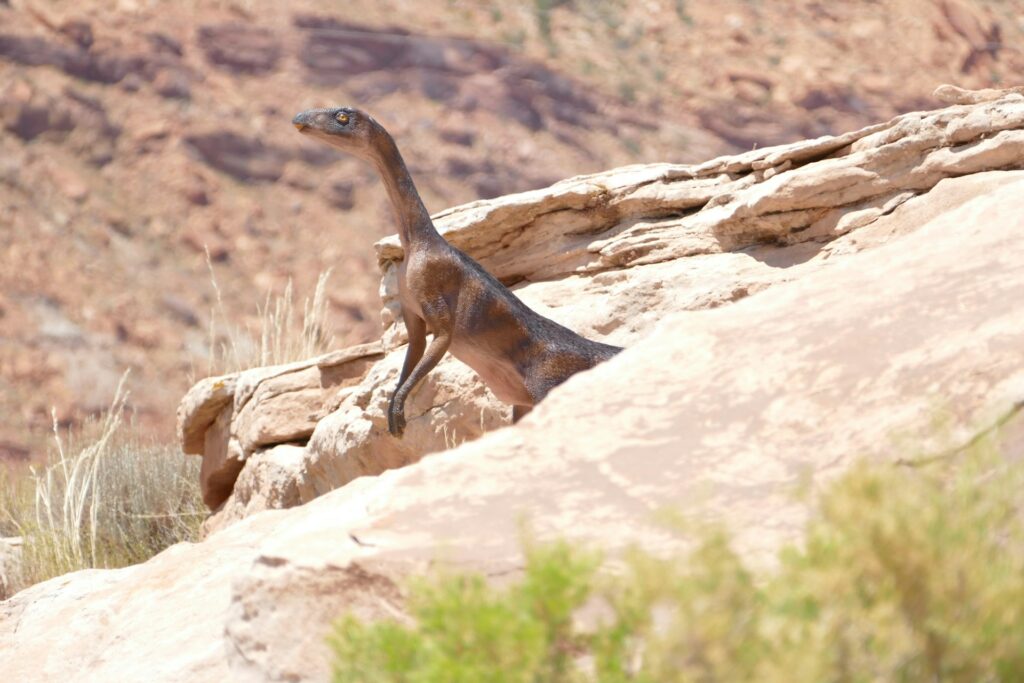
Had non-avian dinosaurs survived the Cretaceous-Paleogene extinction event, they would have continued evolving over 66 million years, resulting in forms potentially unrecognizable compared to their ancient ancestors. Just as birds (the only surviving dinosaur lineage) evolved into thousands of diverse species, non-avian dinosaurs would likely have adapted to changing climates and environments through natural selection. Large sauropods might have developed thicker insulation as global temperatures cooled during various ice ages. Predatory theropods could have evolved more complex hunting strategies and social behaviors to compete in changing ecosystems. Some dinosaur lineages might have become smaller and more specialized, while others could have maintained or even increased their impressive sizes, creating evolutionary paths we can only speculate about based on the patterns we observe in surviving animal groups.
Mammalian Evolution Under Dinosaur Dominance

The rise of mammals as the dominant terrestrial vertebrates would likely have been severely constrained had dinosaurs remained apex predators and primary herbivores. Rather than diversifying into large-bodied forms after the dinosaur extinction, mammals might have remained predominantly small, nocturnal creatures occupying specialized niches dinosaurs couldn’t exploit. The evolutionary pressure from dinosaur predation and competition would have prevented mammals from evolving into large herbivores like elephants or giraffes, or apex predators like lions and wolves. Instead, we might see a world where mammals remained mostly small to medium-sized, with exceptional adaptations for avoiding dinosaur predation, such as enhanced burrowing abilities, advanced nocturnal adaptations, or extreme climbing specializations. The mammalian family tree would look radically different, with entire orders we know today potentially never evolving.
Dinosaur Adaptations to Modern Climates
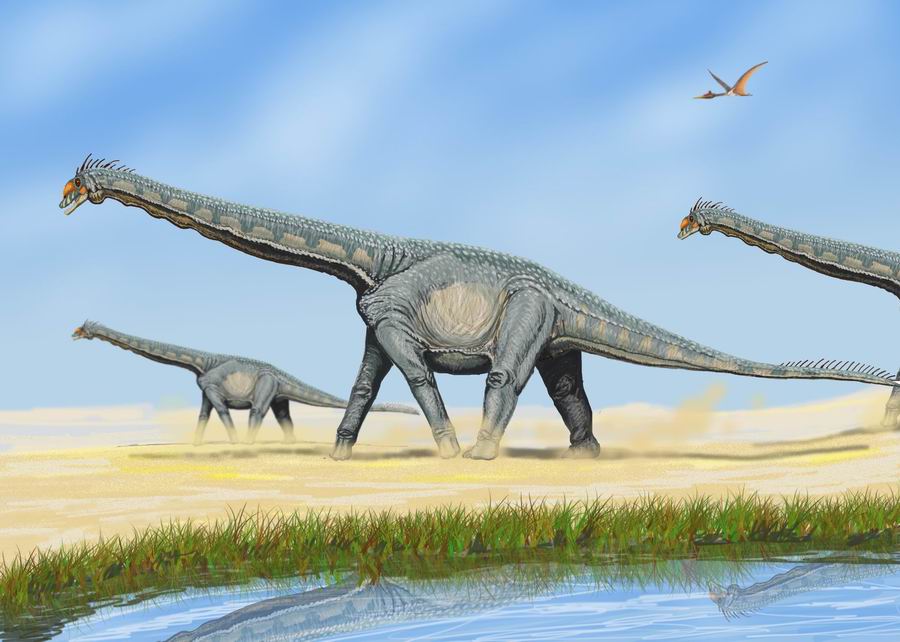
Today’s world features dramatically different climates compared to the Mesozoic era, presenting significant adaptive challenges for surviving dinosaur lineages. The cooler global temperatures of the Cenozoic era would have favored dinosaurs with enhanced thermoregulatory adaptations. We might see formerly tropical species developing insulating feathers or proto-fur, similar to the evidence we now have that many dinosaurs possessed feathery coverings. Cold-adapted dinosaur species might dominate polar regions, perhaps evolving blubber layers or seasonal hibernation behaviors. Desert-dwelling dinosaurs could develop enhanced water conservation mechanisms, while those in temperate forests might show pronounced seasonal behaviors and breeding cycles. The Pleistocene ice ages would have been particularly challenging, potentially driving many dinosaur species to extinction while selecting for cold-hardy variants that could withstand dramatic temperature fluctuations.
Competitive Dynamics Between Dinosaurs and Mammals

The ecological relationship between dinosaurs and mammals would have evolved into complex competitive dynamics across various ecosystems. While large dinosaurs would likely dominate open plains and forests as the primary large herbivores and carnivores, mammals might have become specialists in ecological niches unsuitable for dinosaurs. Nighttime would remain the domain of mammals, with their superior nocturnal adaptations allowing them to avoid direct competition with diurnal dinosaurs. Underground habitats would likely be dominated by burrowing mammals, whose body plans are better suited for tunnel systems than most dinosaur anatomies. We might observe fascinating cases of co-evolution, with certain mammal species developing mutualistic relationships with dinosaurs, similar to modern bird-mammal relationships. Competition would be most intense in edge habitats and transition zones where dinosaur and mammalian adaptations might overlap, potentially driving rapid evolutionary adaptations in both groups.
Avian Dinosaurs in a World of Non-Avian Relatives

Birds, as the only surviving dinosaur lineage in our world, would have evolved alongside their non-avian dinosaur relatives in this alternative timeline, creating fascinating evolutionary dynamics. Rather than occupying numerous terrestrial and aquatic niches as they do today, birds might have remained primarily specialized for aerial lifestyles where they faced less direct competition from ground-dwelling dinosaurs. The pressure from ground-based dinosaur predators would likely have accelerated the evolution of flight capabilities and aerial maneuverability. We might see fewer flightless bird species, as the ground would remain dominated by their larger dinosaur cousins. The relationship between birds and non-avian dinosaurs might parallel modern relationships between bats and terrestrial mammals, with birds occupying specialized aerial niches while maintaining evolutionary connections to their ground-dwelling relatives. The incredible diversity of bird forms we see today might be considerably reduced in a world where other dinosaur types continued to thrive in terrestrial environments.
Ocean Ecosystems with Marine Reptiles

While dinosaurs primarily dominated land ecosystems, their continued existence might have preserved the ecological roles of their marine reptile contemporaries like plesiosaurs, mosasaurs, and ichthyosaurs. These marine reptiles, though not dinosaurs themselves, shared the Mesozoic world and might have survived alongside them in this alternative scenario. Their continued presence would have profoundly affected marine mammal evolution, potentially preventing the rise of whales, dolphins, and seals as dominant marine predators. Modern oceans might feature hypercarnivorous marine reptiles as apex predators instead of great white sharks and orcas. The complex food webs of our oceans would be restructured, with massive plesiosaurs potentially specializing in squid consumption similar to sperm whales, while mosasaur descendants might occupy ecological roles similar to orcas as social pack hunters. Fish populations would evolve different defensive adaptations against reptilian rather than mammalian predation strategies, creating cascade effects throughout marine ecosystems.
Impact on Plant Evolution and Forest Ecosystems

The continued presence of large herbivorous dinosaurs would have significantly influenced plant evolution and forest structures throughout the Cenozoic era. Flowering plants, which began diversifying during the late Cretaceous, would have evolved under consistent browsing pressure from dinosaur herbivores, potentially developing different defensive adaptations than those we see today. Forests might maintain more open canopies to accommodate the feeding behaviors of tall sauropods, creating ecosystem structures resembling modern African savannas where giraffes browse. Plant defenses might emphasize physical deterrents like thorns and tough foliage rather than chemical compounds more effective against mammals. The height of browse lines in forests would be much higher than in our mammal-dominated world, potentially limiting undergrowth patterns and affecting forest regeneration cycles. Seed dispersal mechanisms would likely have evolved to take advantage of dinosaur digestive systems, with many plants developing large, tough seeds that could survive passage through sauropod digestive tracts, similar to how some modern plants depend on elephants for dispersal.
Human Evolution in a Dinosaur-Dominated World
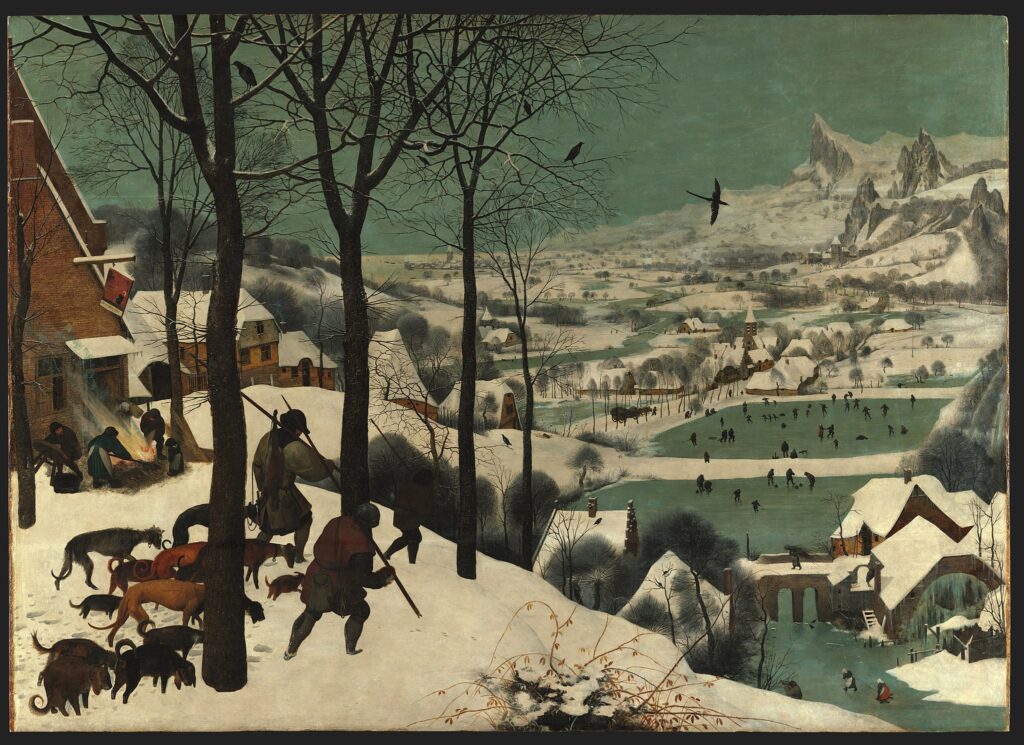
Perhaps the most profound difference in this alternative timeline would be the questionable emergence of humans as the planet’s dominant species. Our primate ancestors evolved in trees partly as an adaptation to avoid ground predators; in a world where dinosaur predators remained prevalent, arboreal adaptations might have been even more crucial for primate survival. If human ancestors did eventually descend from the trees, they would have faced formidable dinosaur predators, potentially preventing the evolution of ground-dwelling hominids altogether. Even if early hominid species did evolve, their expansion across Africa and beyond would have been severely constrained by dinosaur predation pressure. The development of stone tools and controlled fire might have emerged as adaptations specifically to defend against dinosaur threats rather than primarily for hunting and cooking. Human intelligence and social cooperation might have evolved along different trajectories, emphasizing dinosaur avoidance strategies rather than the hunting adaptations that shaped our actual evolutionary history.
Dinosaur Domestication Possibilities
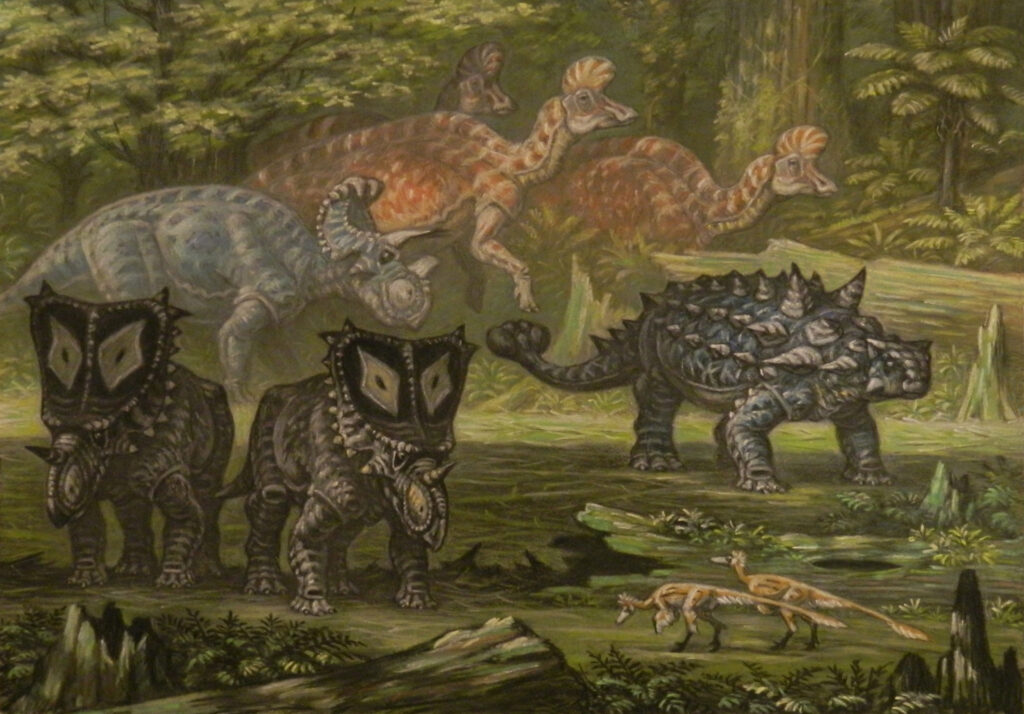
If humans did manage to evolve and establish civilizations in this alternative world, the possibility of dinosaur domestication presents a fascinating speculation. Small to medium-sized dinosaur species might have been candidates for domestication, particularly omnivorous or herbivorous varieties with social structures amenable to human control. Instead of dogs evolved from wolves, humans might have domesticated small pack-hunting theropods as hunting companions. Rather than cattle and horses, certain herbivorous ornithopod dinosaurs might have been domesticated as livestock or beasts of burden, completely transforming agricultural practices. The domestication process would have required different approaches than those used with mammals, possibly focusing more on imprinting at birth rather than selecting for neotenic traits. Some dinosaur species might have been domesticated for specialized purposes, such as defense, transportation across difficult terrain, or even as war animals, creating military capabilities far different from those in our history.
Modern Urban Environments with Dinosaurs

Contemporary cities in a world shared with dinosaurs would require radically different design considerations to accommodate or exclude these creatures. Urban planning might incorporate dinosaur-proof barriers and specialized crossing structures to manage the movement of different dinosaur species through or around human settlements. Building architecture would need reinforcement to withstand potential impacts from larger species, while public spaces might include dinosaur shelters during extreme weather events. Transportation systems would require adaptations to prevent accidents with dinosaurs crossing roads or railways, perhaps utilizing early warning systems based on vibration detection. Urban ecosystems would include complex management plans for dealing with dinosaur species adapted to human environments, similar to current wildlife management but at a much larger scale. The concept of “pest control” would take on entirely new dimensions when dealing with dinosaurs that adapted to exploit human food sources or waste disposal systems.
Conservation Challenges in a Dinosaur-Present World

Conservation biology in a world with surviving dinosaurs would face unique challenges balancing human development needs with dinosaur habitat preservation. Large dinosaur species would require vast protected territories to maintain viable populations, creating land-use conflicts potentially more severe than those we experience today with large mammals like elephants and tigers. Migration corridors for seasonally mobile dinosaur species would need international protection agreements spanning continents. Human-dinosaur conflict would be a major conservation concern, with specialized mitigation strategies developed to prevent livestock predation or crop destruction by different dinosaur species. Conservation priorities might focus on keystone dinosaur species that maintain ecosystem functions through their feeding or movement patterns. Public attitudes toward dinosaur conservation would likely be complex, with some species viewed as charismatic megafauna worthy of protection while others might be perceived primarily as dangerous pests, creating challenging conservation marketing problems.
Scientific Understanding and Dinosaur Biology

Our scientific knowledge would be dramatically different in a world where dinosaurs remained extant for scientific study. Rather than reconstructing dinosaur biology through fossil evidence and comparative anatomy, paleontologists would be zoologists, studying living specimens through direct observation and experimentation. Our understanding of dinosaur physiology, behavior, intelligence, and social structures would be comprehensive rather than speculative. Questions that remain contentious in our world—such as dinosaur metabolic rates, coloration patterns, vocalizations, and reproductive behaviors—would be settled through direct observation. Veterinary medicine would include specialized disciplines focused on dinosaur health and treatment, while comparative biology would use dinosaurs as an important reference point alongside mammals, birds, and reptiles. The fields of ethology and behavioral ecology would have rich research traditions examining dinosaur social dynamics, communication systems, and ecological interactions, providing insights impossible to obtain from the fossil record alone.
Cultural and Religious Impacts of Coexistence
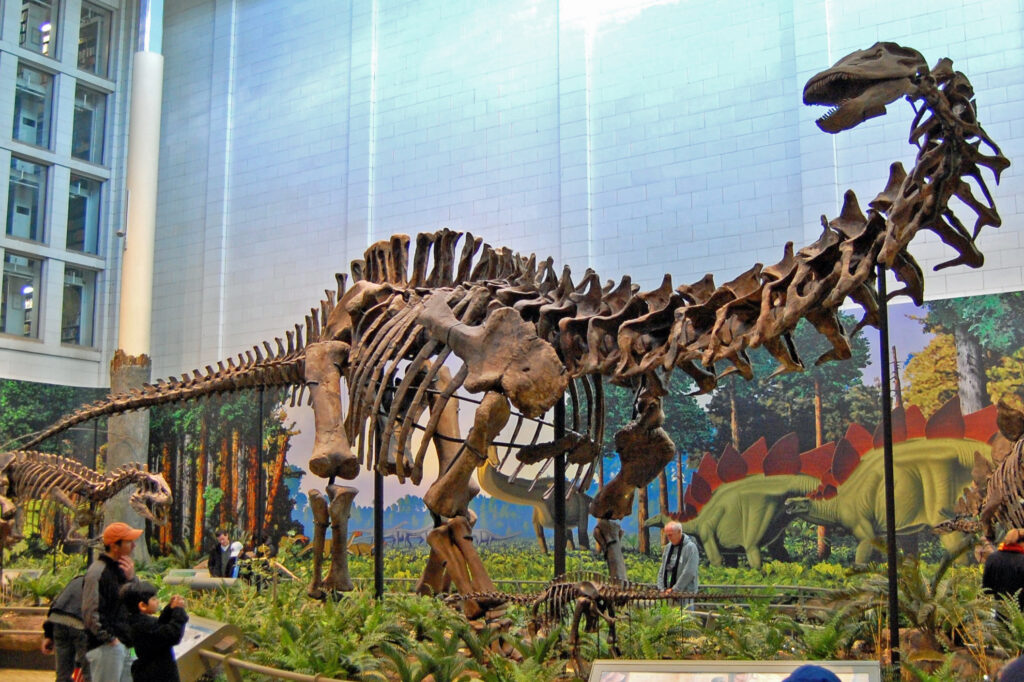
Human cultures evolving alongside dinosaurs would incorporate these magnificent creatures into their mythology, religious practices, and cultural expressions in profound ways. Religious traditions might feature dinosaur deities or divine messengers, with different species representing various aspects of creation or destruction. Cultural practices could include dinosaur-based coming-of-age rituals, seasonal celebrations tied to dinosaur migration patterns, or spiritual traditions involving dinosaur remains. Literature, art, and architecture would prominently feature dinosaur motifs and themes, creating aesthetic traditions entirely foreign to our dinosaur-free cultural history. Language development might include rich vocabularies for describing dinosaur behaviors and relationships, with specialized terminologies developing in cultures with close dinosaur interactions. The psychological impact of living as a relatively small, vulnerable species in a world of giants would likely influence human self-perception and philosophical traditions, perhaps emphasizing humility and adaptation rather than dominance over nature.
Conclusion
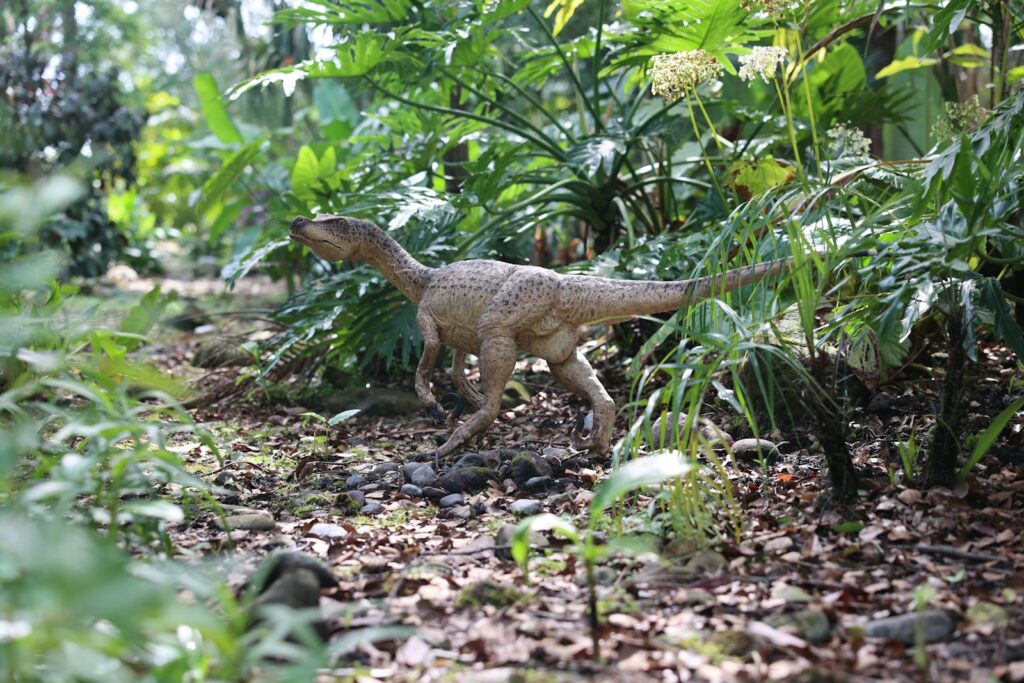
The continued existence of dinosaurs would have created a world profoundly different from our own—ecologically, evolutionarily, and culturally. Mammals, including humans, would have evolved along dramatically different paths, adapting to niches that allowed coexistence with these ancient reptiles rather than replacing them. Ecosystems would feature complex interactions between dinosaurs, mammals, and other organisms, creating food webs and energy flows unlike anything in our current world. Whether humans would have evolved at all—and if so, whether we could have achieved technological civilization in the face of dinosaur predation—represents perhaps the most fascinating counterfactual of all. This alternative Earth serves as a powerful reminder of how contingent evolutionary history is on past events, and how dramatically different our world might have been if not for the chance impact of an asteroid 66 million years ago.