When Steven Spielberg brought dinosaurs back to life in 1993’s Jurassic Park, he created more than just a blockbuster movie—he crafted a cultural phenomenon that would forever change how we think about prehistoric life. But hidden beneath the surface of this cinematic masterpiece lies a fascinating web of real-world connections, particularly in the character of Robert Burke, the paleontologist who meets his unfortunate end in The Lost World. What many viewers don’t realize is that Burke’s character carries striking resemblances to an actual paleontologist whose theories once dominated the field, only to be dramatically overturned by new discoveries. This connection raises an intriguing question about whether Spielberg and his team were making a subtle commentary on the evolution of paleontological thought itself.
The Mysterious Dr. Robert Burke
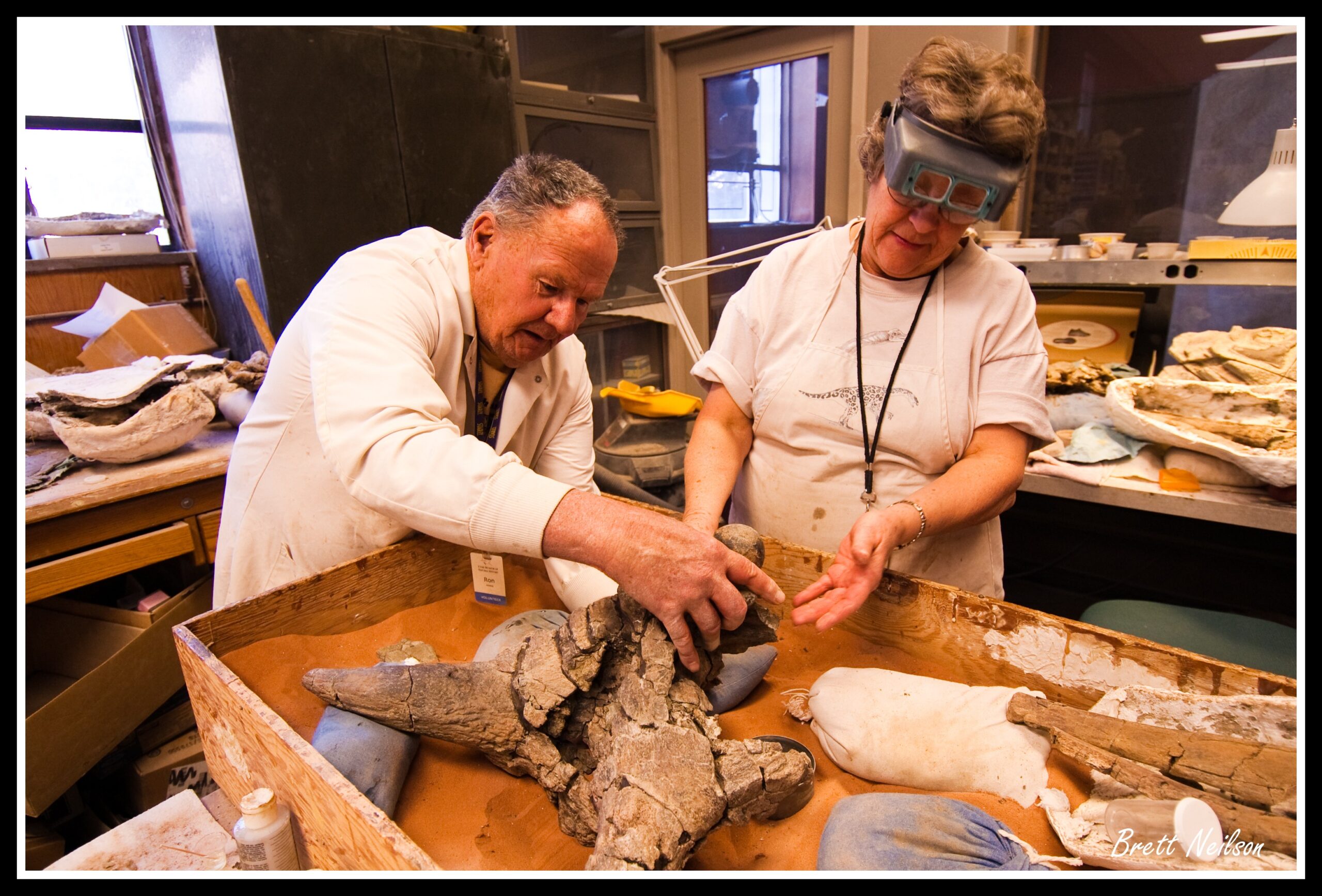
Robert Burke appears in The Lost World: Jurassic Park as a distinguished paleontologist accompanying the hunting expedition to Site B. Portrayed by actor Thomas Rosales Jr., Burke represents the traditional, established view of dinosaur biology that dominated museums and textbooks for decades. His character embodies the classical paleontologist—methodical, confident in established theories, and somewhat resistant to new ideas about dinosaur behavior and physiology.
Burke’s most memorable scene involves his explanation of snake evolution, where he confidently describes how snakes evolved from lizards, losing their limbs through evolutionary processes. This moment becomes particularly significant when viewed through the lens of paleontological history. The character’s authoritative demeanor and adherence to conventional wisdom sets him up as a representative of old-school paleontology, making his eventual demise all the more symbolic.
The Real-World Inspiration Behind the Character
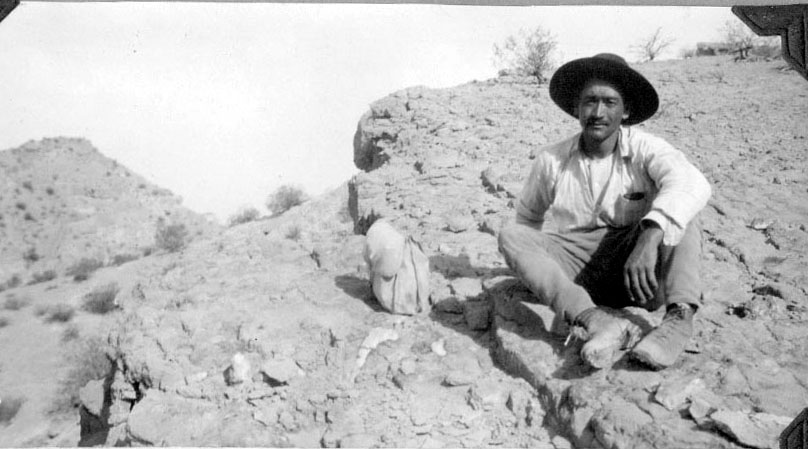
The character of Robert Burke bears remarkable similarities to Roy Chapman Andrews, one of the most famous paleontologists of the early 20th century. Andrews, who led groundbreaking expeditions to the Gobi Desert in the 1920s, was instrumental in shaping public perception of dinosaurs and paleontology. His discoveries included the first known dinosaur eggs and numerous dinosaur species, making him a celebrity scientist of his era.
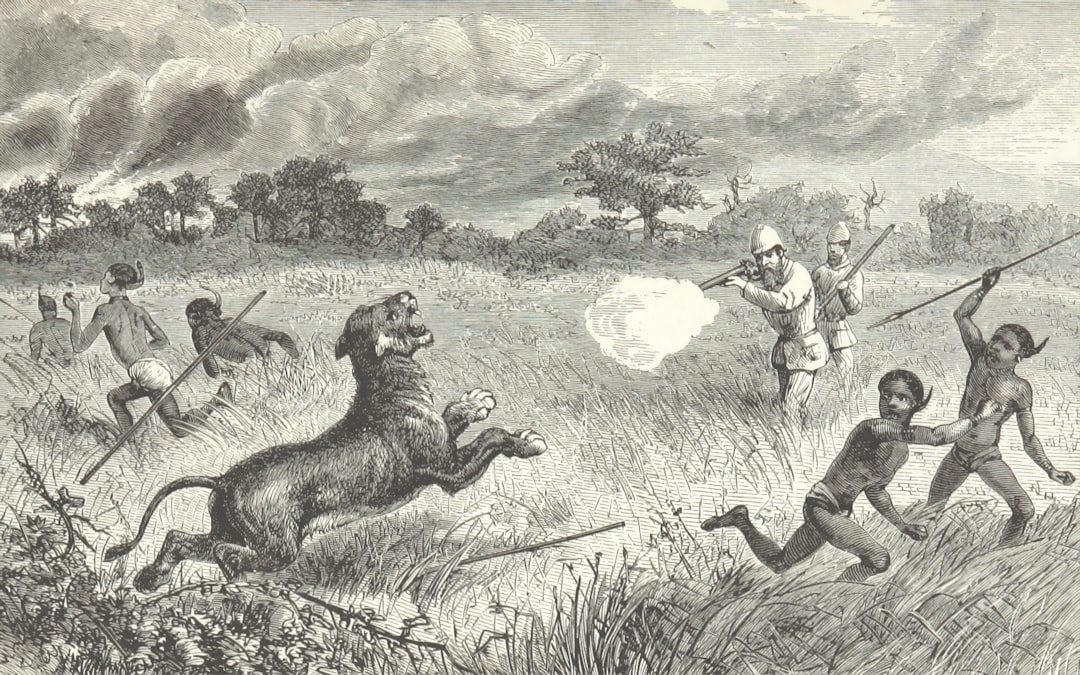
Andrews’ approach to paleontology reflected the scientific methods and theories of his time, when dinosaurs were universally viewed as cold-blooded, sluggish reptiles. His expeditions, often conducted with military-style precision and armed protection, became the stuff of legend. Some scholars even suggest that Andrews partially inspired the fictional character of Indiana Jones, though this connection remains debated among film historians.
The Cold-Blooded Dinosaur Paradigm
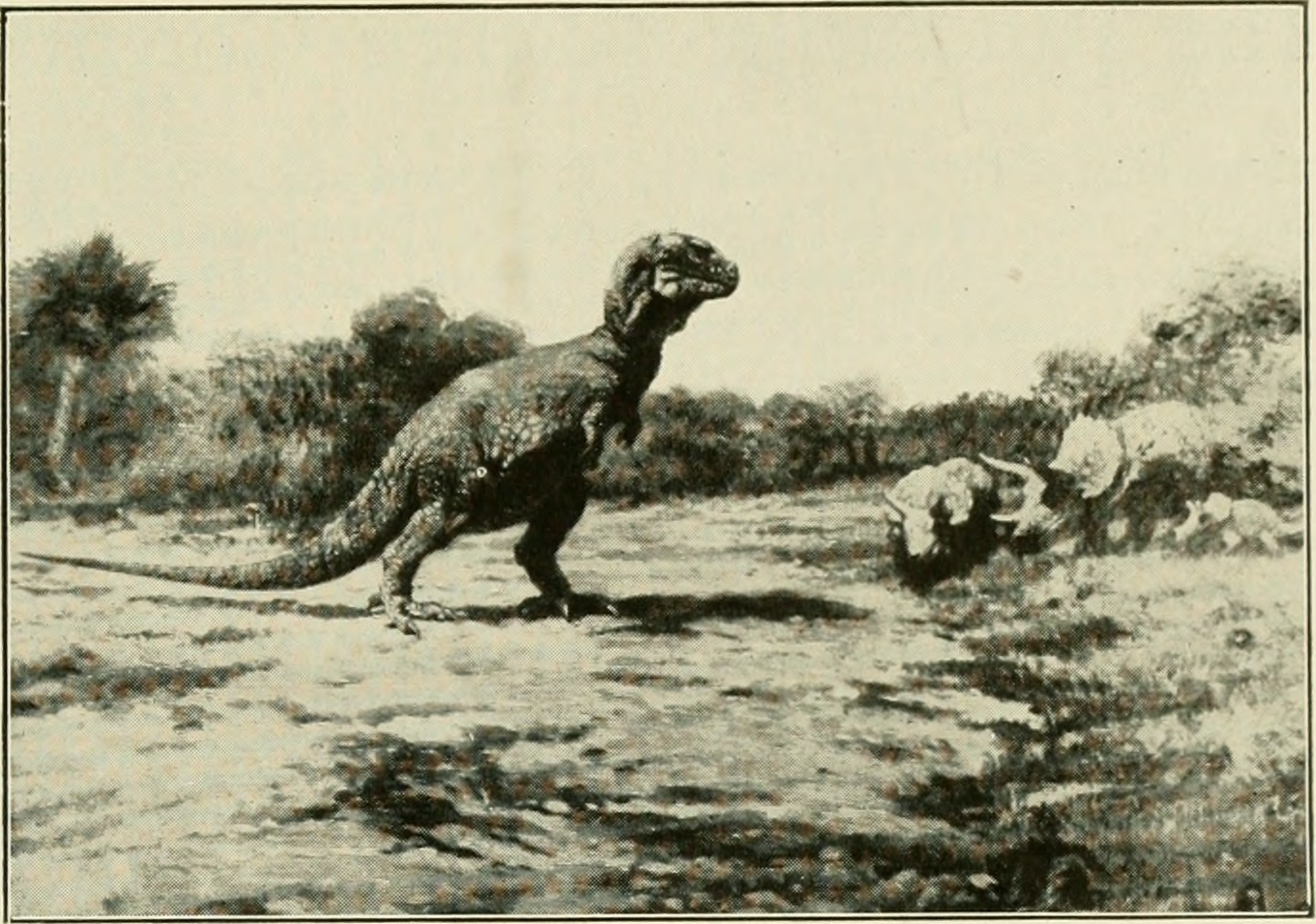
For much of the 20th century, the scientific consensus held that dinosaurs were cold-blooded creatures, similar to modern reptiles like crocodiles and lizards. This view dominated paleontological thinking from the late 1800s through the 1960s, influencing everything from museum displays to children’s books. Dinosaurs were portrayed as slow-moving, dim-witted creatures that basked in the sun to regulate their body temperature.
Roy Chapman Andrews and his contemporaries operated within this framework, interpreting their fossil discoveries through the lens of cold-blooded physiology. Their reconstructions showed dinosaurs as lumbering giants, dragging their tails on the ground and moving with the deliberate pace of oversized lizards. This interpretation seemed logical given the reptilian nature of dinosaur anatomy and the prevailing understanding of metabolism at the time.
The Revolutionary Challenge to Established Theory
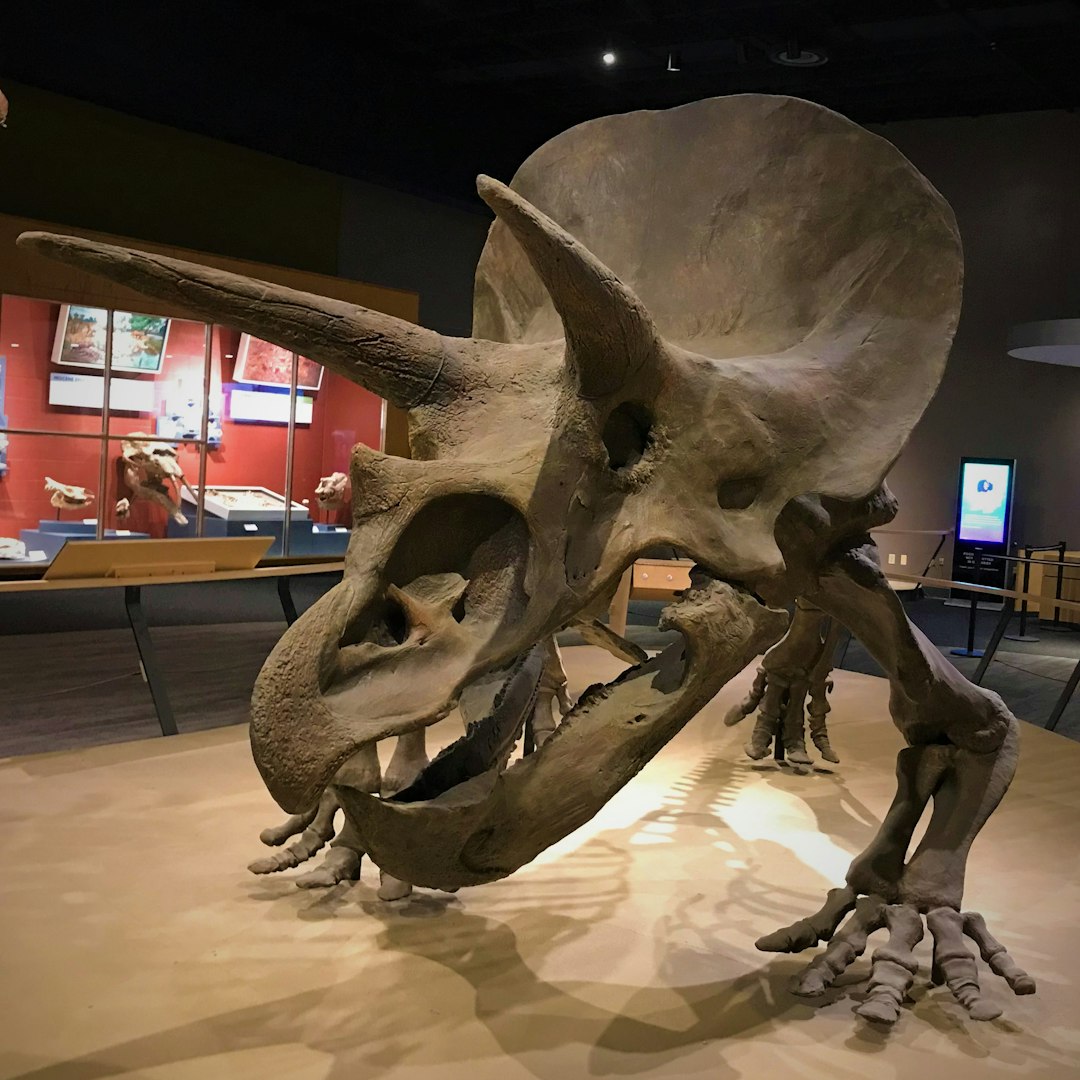
The late 1960s and early 1970s witnessed a seismic shift in paleontological thinking, largely thanks to the work of paleontologist Robert Bakker. Bakker proposed that dinosaurs were actually warm-blooded creatures, capable of active lifestyles and complex behaviors. His theories suggested that dinosaurs were more like modern birds and mammals than like crocodiles or lizards.
This revolutionary idea challenged decades of established paleontological doctrine. Bakker’s evidence included bone structure analysis, predator-prey ratios, and anatomical features that suggested high metabolic rates. His work coincided with new discoveries about dinosaur behavior, including evidence of herding, nesting, and parental care that contradicted the image of dinosaurs as simple-minded reptiles.
Michael Crichton’s Scientific Awareness
Michael Crichton, the author of the original Jurassic Park novel, was deeply aware of the ongoing debates in paleontology when he wrote his book. His background in medicine and his fascination with cutting-edge science led him to incorporate the latest paleontological theories into his narrative. Crichton’s dinosaurs were portrayed as intelligent, social, and behaviorally complex creatures—a direct reflection of the new warm-blooded paradigm.
The novel explicitly references the work of paleontologists like Robert Bakker, presenting dinosaurs as active, bird-like creatures rather than sluggish reptiles. This scientific grounding gave Crichton’s work authenticity and helped popularize the new understanding of dinosaur physiology. The contrast between old and new paleontological thinking became a subtle but important theme in the story.
Spielberg’s Cinematic Interpretation
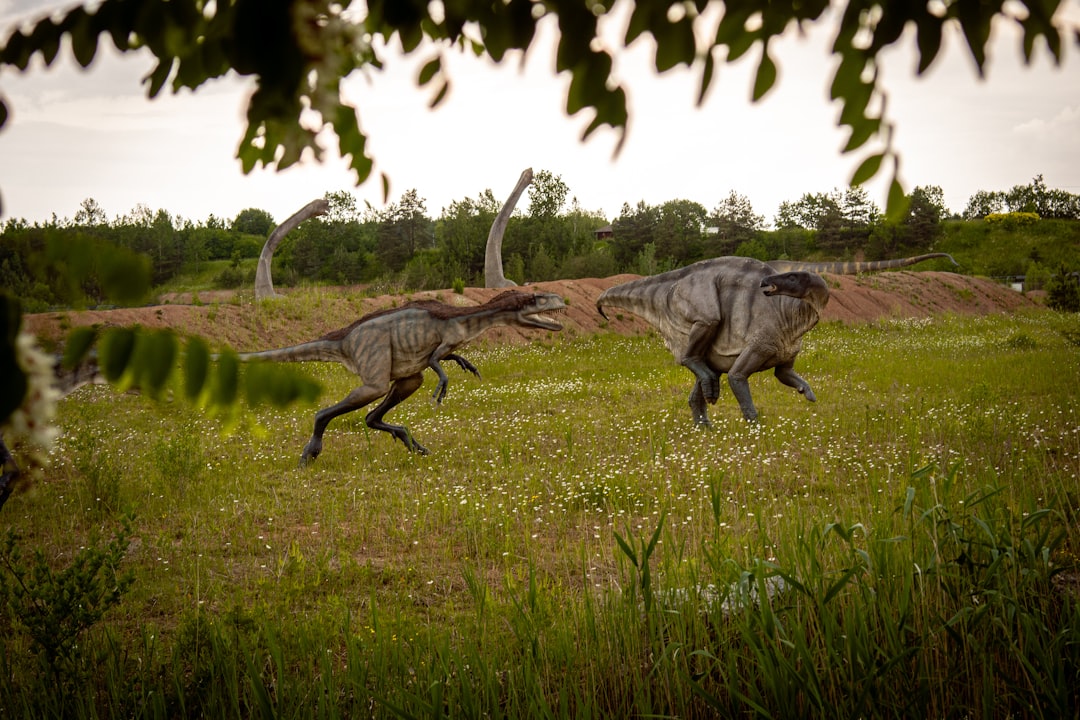
When Steven Spielberg adapted Crichton’s novel for the screen, he maintained the scientific themes while adding his own artistic interpretation. The inclusion of Robert Burke as a character representing traditional paleontology seems deliberate, especially given the timing of the film’s production. By the mid-1990s, the warm-blooded dinosaur theory had gained significant acceptance in the scientific community.
Burke’s character serves as a bridge between the old and new ways of thinking about dinosaurs. His confidence in established theories mirrors the certainty that many paleontologists felt before the paradigm shift. The fact that he meets his end by falling victim to the very creatures he thought he understood represents a metaphorical death of outdated scientific thinking.
The Symbolism of Burke’s Demise

Robert Burke’s death in The Lost World carries profound symbolic weight when viewed through the lens of paleontological history. He falls victim to a Compsognathus attack while explaining snake evolution, ironically becoming prey to creatures that embody the new understanding of dinosaur behavior. The small, pack-hunting dinosaurs demonstrate the kind of complex social behavior that the old paradigm couldn’t explain.
His death occurs precisely when he’s most confident in his traditional explanations, making it a perfect metaphor for how established scientific theories can be overturned by new evidence. The scene suggests that clinging too rigidly to outdated ideas can be intellectually—and in this case, literally—fatal. It’s a powerful reminder that science must remain open to new discoveries and interpretations.
The Broader Context of Scientific Revolution

The story of changing dinosaur theories reflects broader patterns in scientific revolution. Thomas Kuhn’s concept of paradigm shifts explains how scientific communities resist new ideas until overwhelming evidence forces a change in thinking. The transition from cold-blooded to warm-blooded dinosaur theories exemplifies this process perfectly.
Old-guard paleontologists like Roy Chapman Andrews had built their careers on certain assumptions about dinosaur physiology. When new evidence challenged these assumptions, it threatened not just scientific theories but professional reputations and institutional structures. The resistance to change was both intellectual and emotional, making the eventual acceptance of new ideas all the more dramatic.
Modern Paleontological Consensus
Today’s paleontological community has largely embraced the warm-blooded dinosaur paradigm, though with important nuances. Most scientists now view dinosaurs as having had varied metabolic strategies, with some species being fully warm-blooded while others had intermediate physiologies. The evidence for active, intelligent dinosaur behavior has become overwhelming.
Recent discoveries have continued to support the new paradigm, with findings of dinosaur feathers, evidence of complex social behaviors, and anatomical features that clearly indicate high metabolic rates. The field has moved far beyond the simple cold-blooded vs. warm-blooded debate to explore more sophisticated questions about dinosaur biology and behavior.
The Legacy of Roy Chapman Andrews
Despite the paradigm shift, Roy Chapman Andrews remains a respected figure in paleontological history. His expeditions and discoveries laid crucial groundwork for later advances in the field. Modern paleontologists recognize that scientific progress often involves building upon—and sometimes overturning—the work of previous generations.
Andrews’ legacy extends beyond his specific theories to include his methods of fieldwork, his public communication of science, and his role in inspiring future generations of paleontologists. His adventures in the Gobi Desert captured public imagination and helped establish paleontology as an exciting, accessible field of study. The fact that his theories were later revised doesn’t diminish his contributions to the science.
The Role of Popular Culture in Science Communication
The Jurassic Park films have played a crucial role in communicating paleontological concepts to the general public. By embedding scientific debates within entertaining narratives, these movies have made complex ideas accessible to millions of viewers. The portrayal of characters like Robert Burke allows audiences to understand the human side of scientific discovery.
However, this popularization comes with both benefits and challenges. While movies can inspire interest in paleontology, they can also perpetuate misconceptions or oversimplify complex scientific issues. The responsibility of filmmakers to balance entertainment with accuracy remains an ongoing discussion in the science communication community.
Evidence Supporting the Burke-Andrews Connection
Several pieces of evidence support the theory that Robert Burke was inspired by Roy Chapman Andrews. Both characters share similar backgrounds as established paleontologists with traditional views. Both represent the confident, authoritative voice of conventional scientific wisdom. The timing of Burke’s inclusion in The Lost World coincides with growing recognition of the paradigm shift in paleontology.
Additionally, the thematic elements of Burke’s character—his resistance to new ideas, his confidence in established theories, and his ultimate fate—align perfectly with the broader narrative of scientific revolution in paleontology. While direct confirmation from the filmmakers might be lacking, the circumstantial evidence is compelling.
The Educational Value of Scientific Storytelling

The potential satirical element of Robert Burke’s character serves an important educational function. By personifying the conflict between old and new scientific paradigms, the character helps viewers understand how science evolves. This approach makes abstract concepts about scientific method and paradigm shifts more concrete and relatable.
The story also illustrates the importance of remaining open to new evidence and ideas. Burke’s tragic fate serves as a cautionary tale about the dangers of scientific dogmatism. It reminds us that even the most established theories can be overturned by new discoveries, and that intellectual humility is essential for scientific progress.
Conclusion: The Enduring Mystery and Its Implications
Whether Robert Burke was intentionally crafted as a satire of Roy Chapman Andrews or simply represents the broader archetype of traditional paleontology, his character serves as a powerful symbol of scientific evolution. The parallels between Burke’s fate and the overthrow of cold-blooded dinosaur theories create a compelling narrative about the nature of scientific progress. This connection, whether deliberate or coincidental, demonstrates how popular culture can effectively communicate complex scientific concepts while entertaining audiences.
The story reminds us that science is not a fixed body of knowledge but a dynamic process of discovery and revision. Just as dinosaurs evolved from simple reptiles into the complex creatures we understand today, our scientific understanding continues to evolve through new evidence and fresh perspectives. Did you expect that a single character’s brief appearance could reveal so much about the history of paleontological thought?