Picture this: you’re walking through the scorching deserts of Central Asia, kicking up ancient dust that hasn’t been disturbed for millions of years. Suddenly, you stumble upon fossil remains that would make even the most seasoned paleontologist do a double-take. What you’ve found isn’t a bird, isn’t a bat, and isn’t anything that should logically exist according to our understanding of evolution. You’ve just discovered one of the most bizarre creatures that ever lived – Sharovipteryx, a reptile so strange that scientists are still scratching their heads trying to figure out exactly what it was doing up there in the Triassic skies.
The Shocking Discovery That Changed Everything
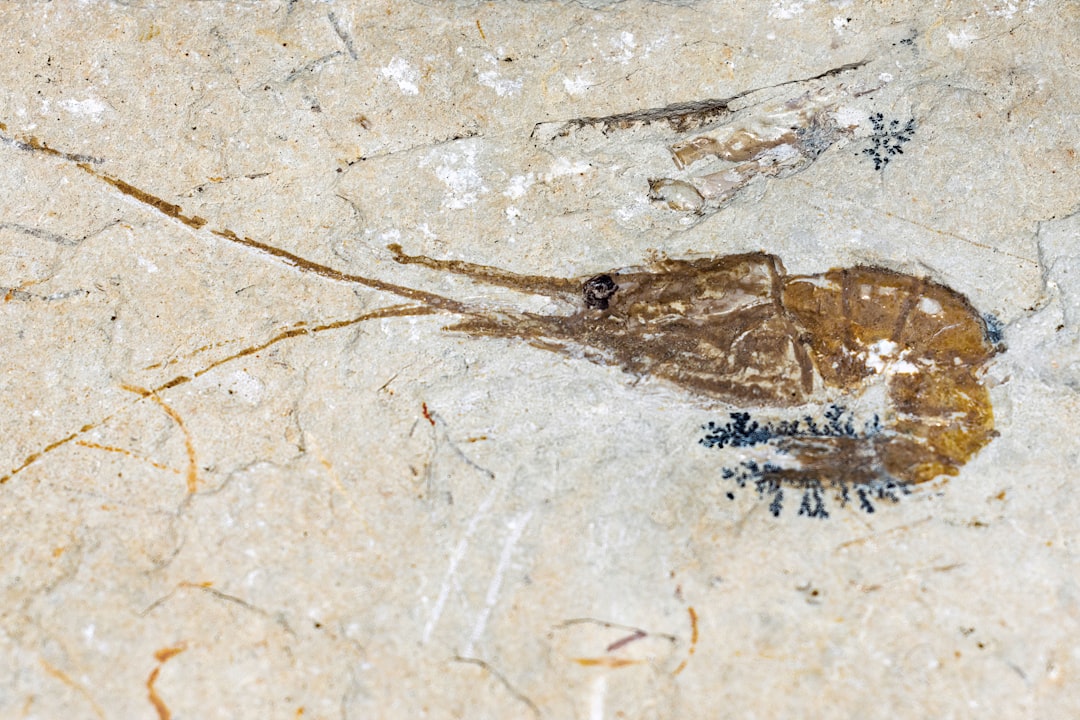
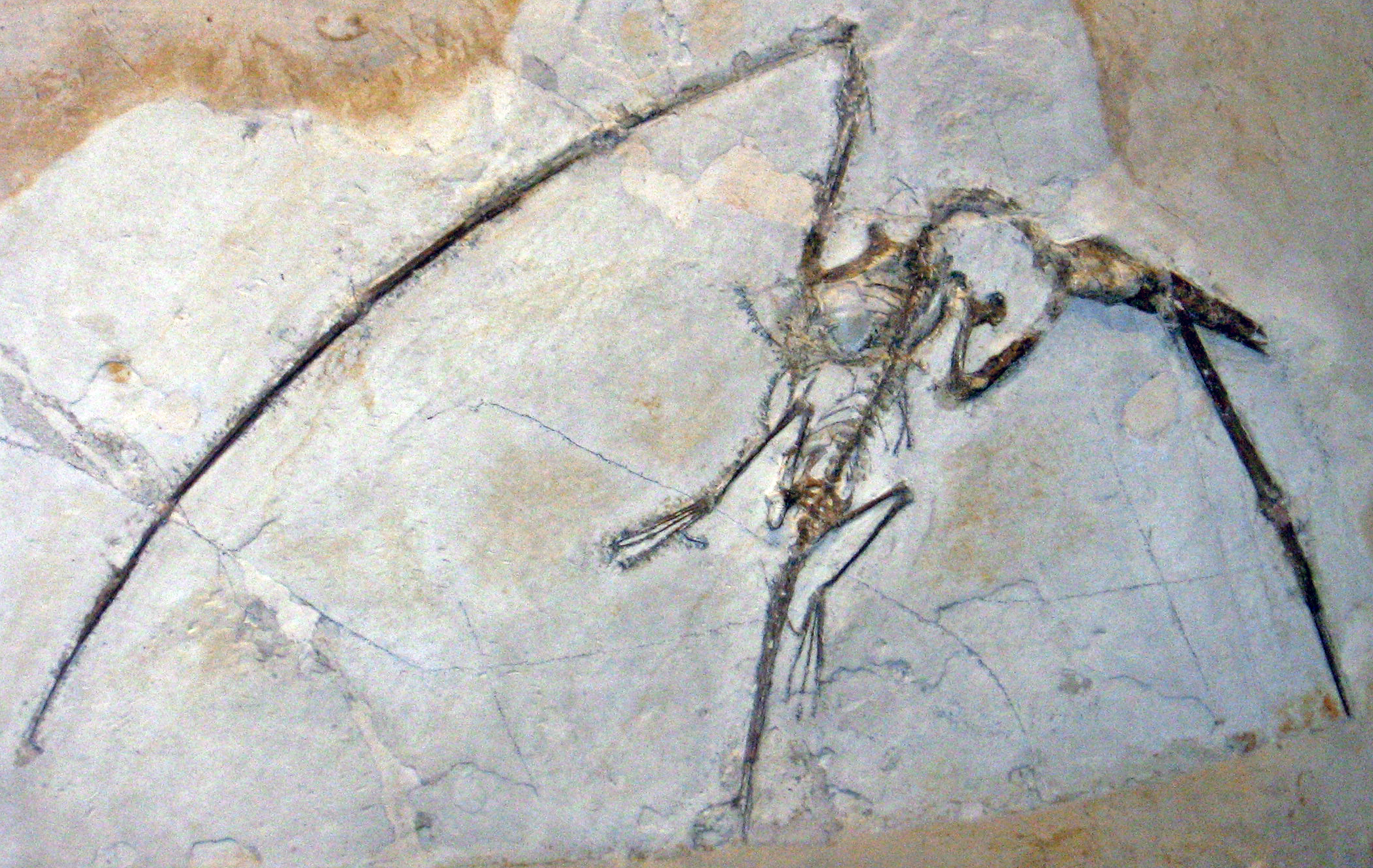
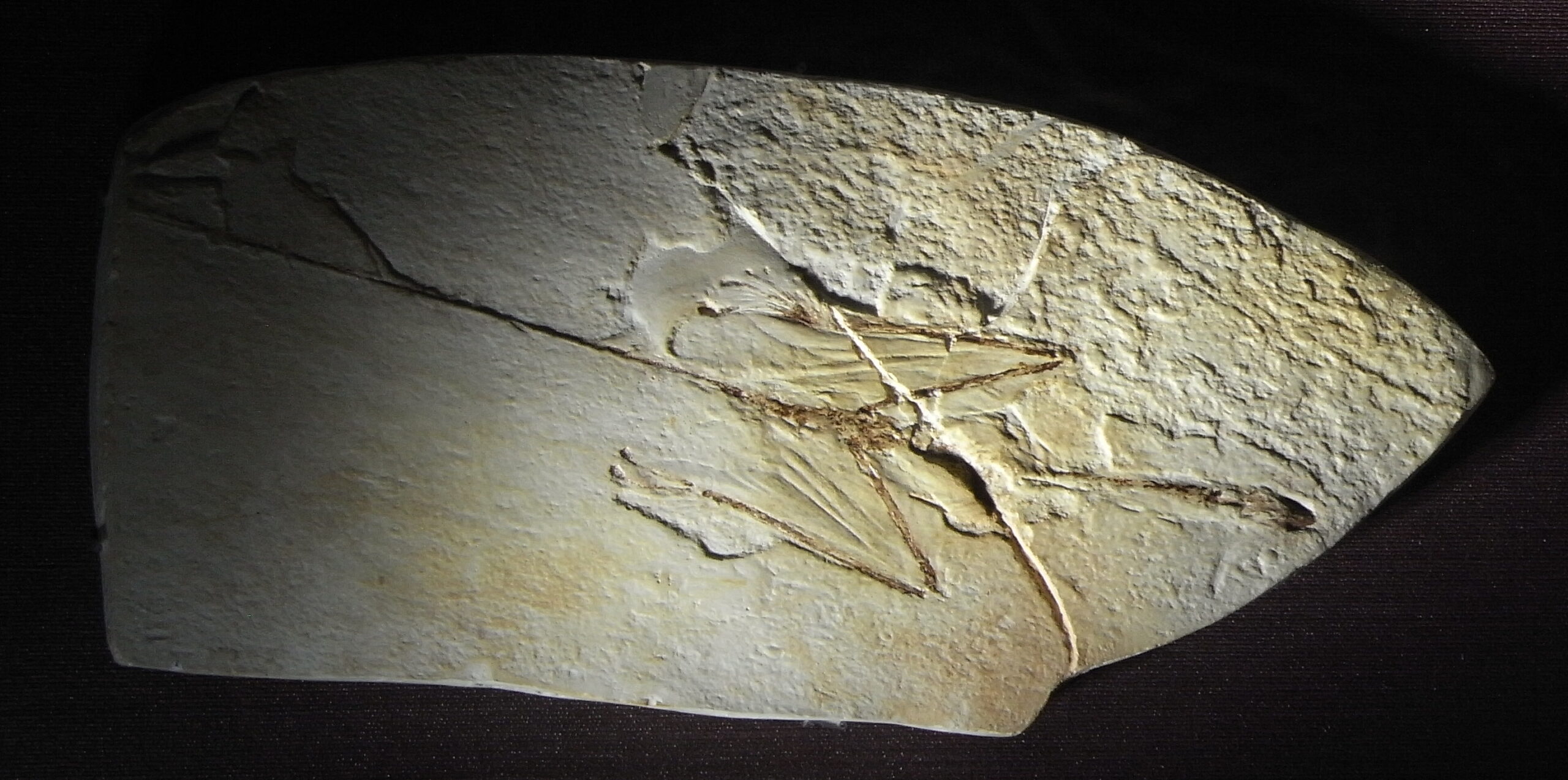
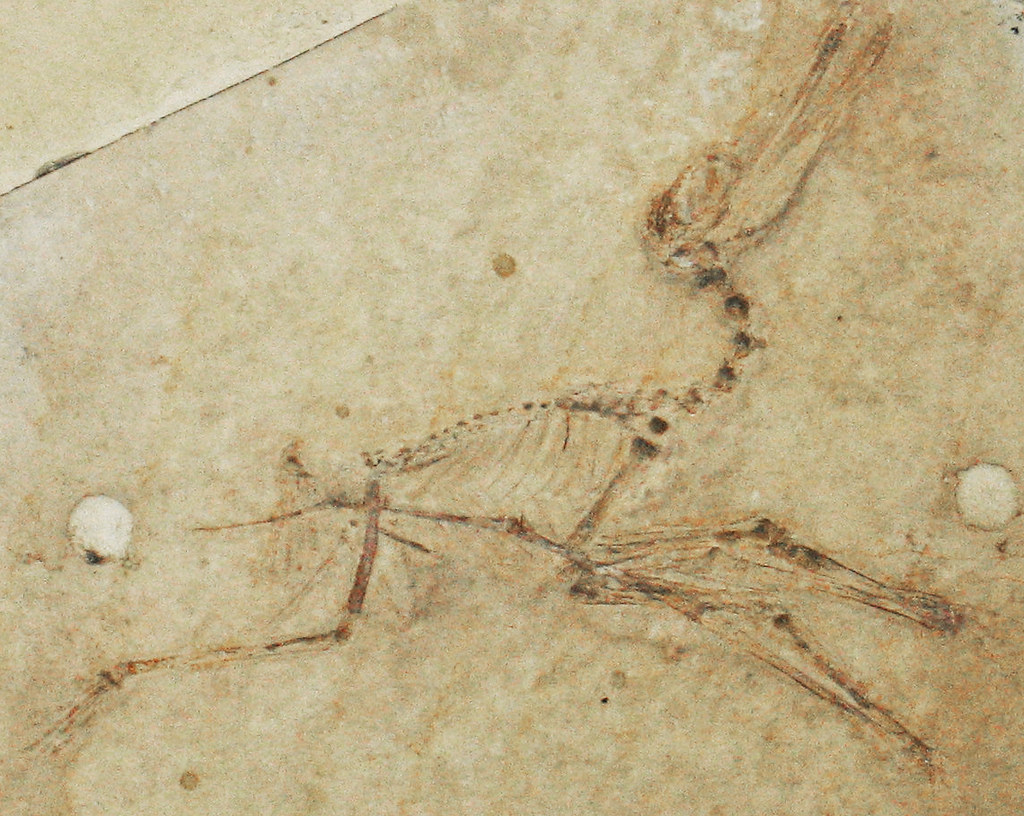
When Soviet paleontologist Aleksandr Sharov first laid eyes on this peculiar fossil in 1965, he probably thought he was hallucinating. The creature before him defied every rule of flight that nature had established. Unlike birds with their wing-arms or bats with their wing-fingers, this little reptile had developed something completely unprecedented – wings attached to its hind legs.
The fossil was found in the Madygen Formation of Kyrgyzstan, buried in rocks that told stories from 225 million years ago. This wasn’t just another dinosaur discovery; this was something that challenged our entire understanding of how vertebrates conquered the skies. The scientific community was stunned, and many initially dismissed it as a hoax or misinterpretation.
A Name That Honors Its Discoverer
Sharovipteryx mirabilis translates to “Sharov’s marvelous wing,” a fitting tribute to the man who first recognized its significance. The genus name honors Aleksandr Sharov, while the species name “mirabilis” means marvelous in Latin. It’s a name that perfectly captures the sense of wonder and bewilderment this creature continues to inspire.
This nomenclature reflects the scientific tradition of honoring discoverers, but it also hints at the profound impact this single fossil would have on our understanding of prehistoric flight. Sometimes the most revolutionary discoveries come from the most unexpected places, and Sharovipteryx was one of those game-changing moments in paleontology.
The Triassic Period: A Time of Evolutionary Chaos
The Triassic Period was nature’s experimental phase, a time when life was throwing everything at the wall to see what would stick. Following the devastating Permian extinction that wiped out 96% of marine species, the surviving creatures were free to evolve in radical new directions. It was during this period of evolutionary chaos that Sharovipteryx emerged.
The climate was hot and dry, with no polar ice caps and atmospheric CO2 levels much higher than today. Pangaea was still largely intact, creating vast inland deserts where strange creatures like Sharovipteryx could thrive. This was a world where the rules of evolution were being rewritten, and our flying oddity was one of the most creative solutions nature came up with.
The lack of established ecological niches meant that creatures could experiment with body plans that would seem impossible today. Sharovipteryx wasn’t competing with a sky full of birds or bats – it was pioneering an entirely new way of life.
Physical Characteristics That Defy Logic
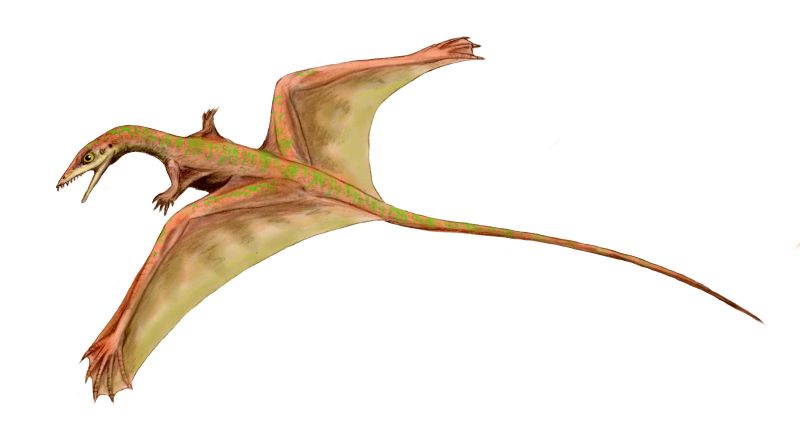
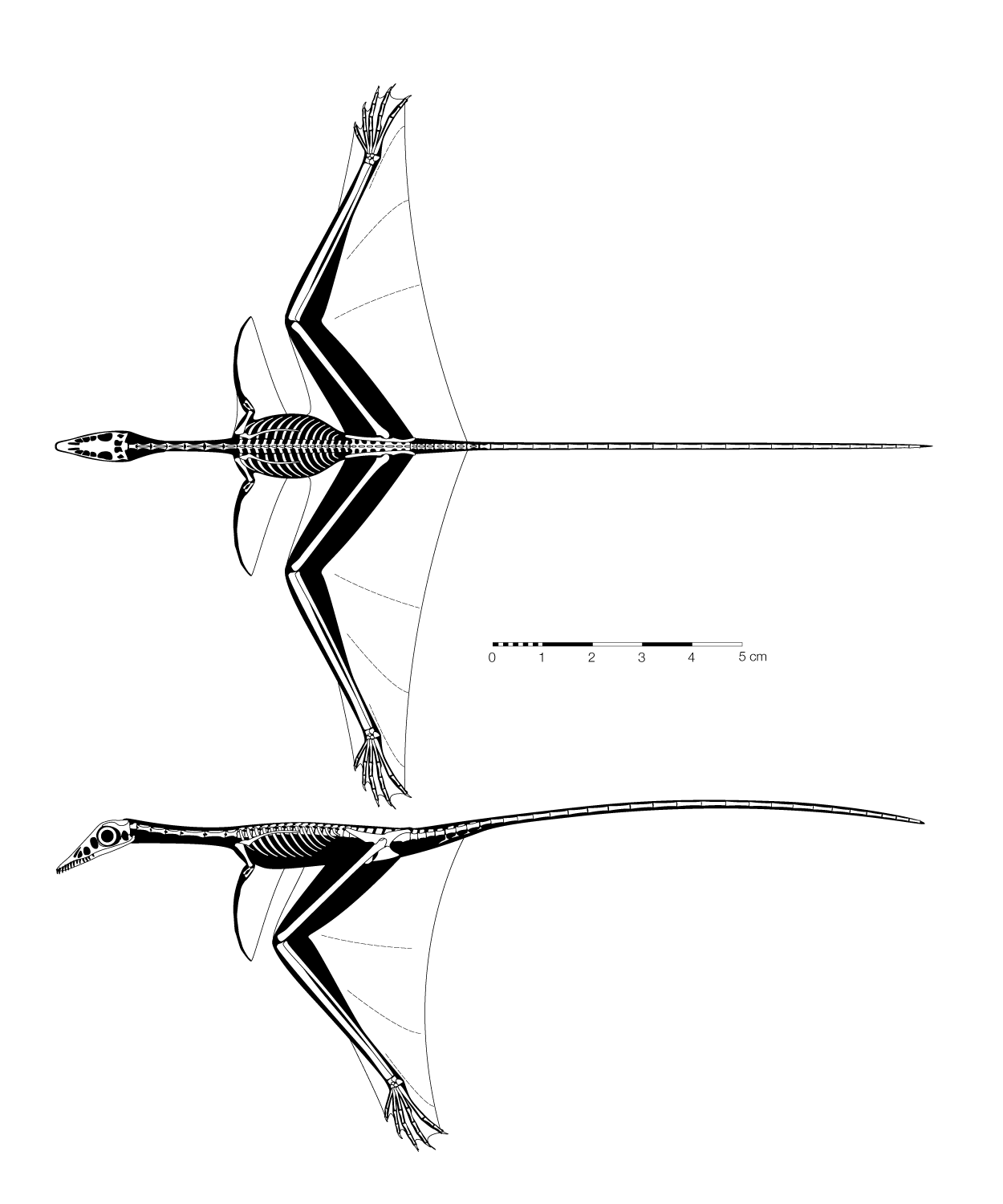
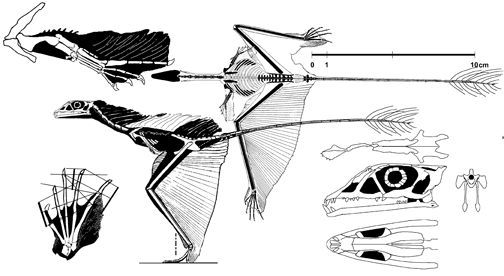
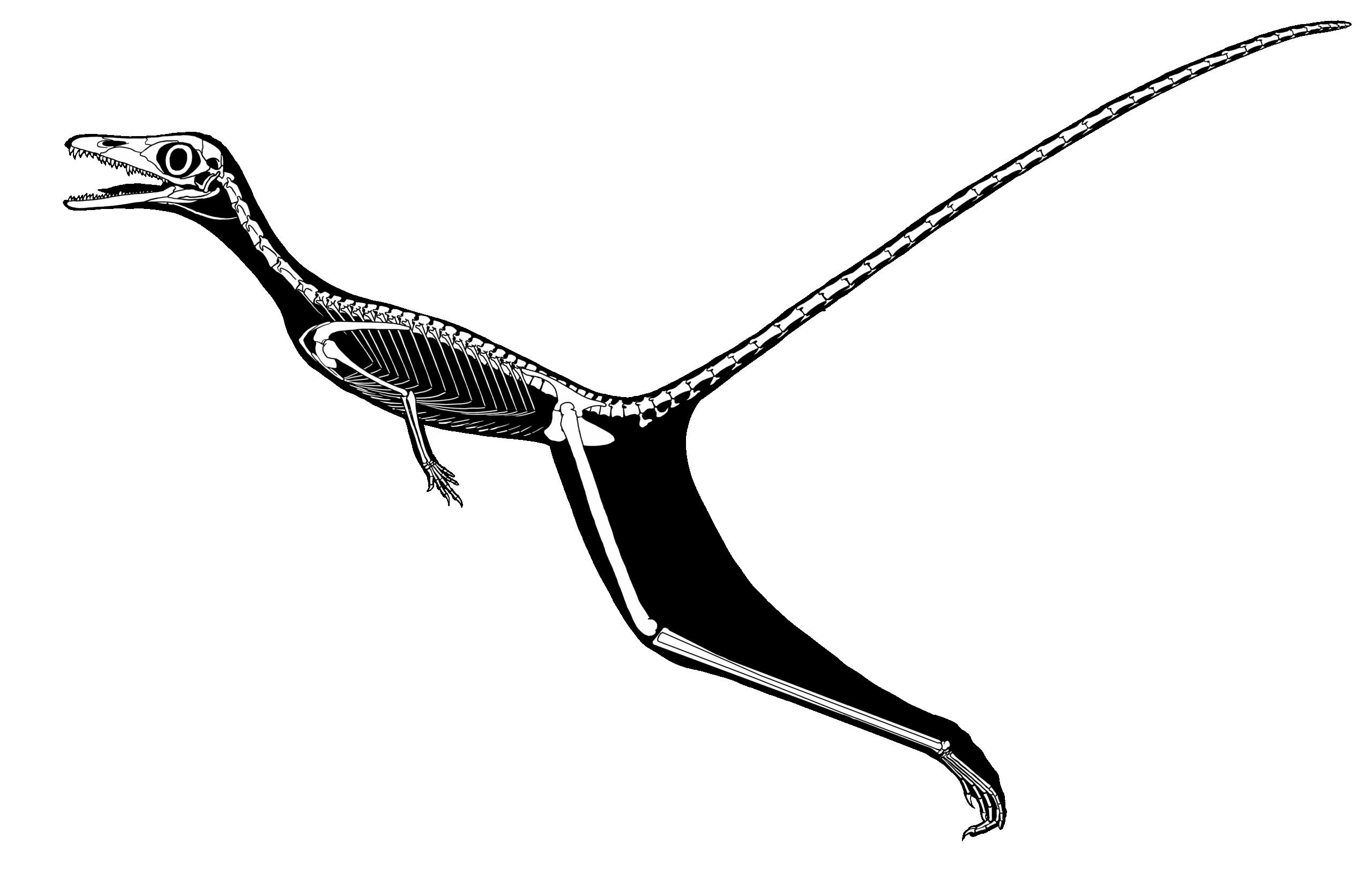
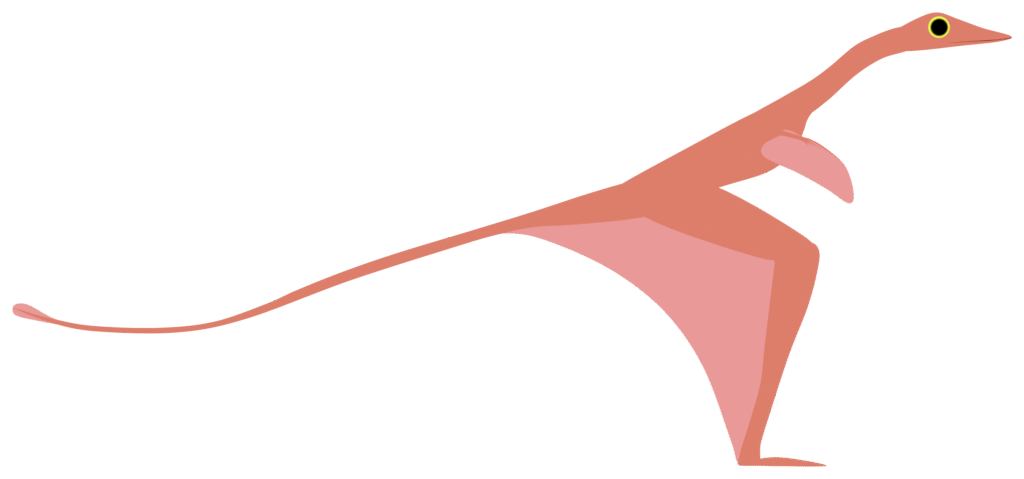
Imagine trying to describe Sharovipteryx to someone who’s never seen it – you’d sound like you’re making it up. This small reptile, measuring only about 20 centimeters in length, had a body that looked like it was assembled from spare parts of different animals. Its most striking feature was undoubtedly the large wing membrane stretched between its elongated hind legs.
The creature’s front limbs were relatively small and normal-looking, while its hind limbs were dramatically modified for flight. The wing membrane extended from the incredibly long fourth digit of each hind foot, creating a delta-wing configuration that would make modern aircraft designers envious. Its tail was long and likely helped with steering during flight.
The skull was small and delicate, with large eye sockets suggesting excellent vision, essential for a creature that spent time navigating three-dimensional space. Its teeth were small and pointed, indicating a diet of insects or other small prey that it could catch while airborne.
The Revolutionary Hind-Limb Wing Design
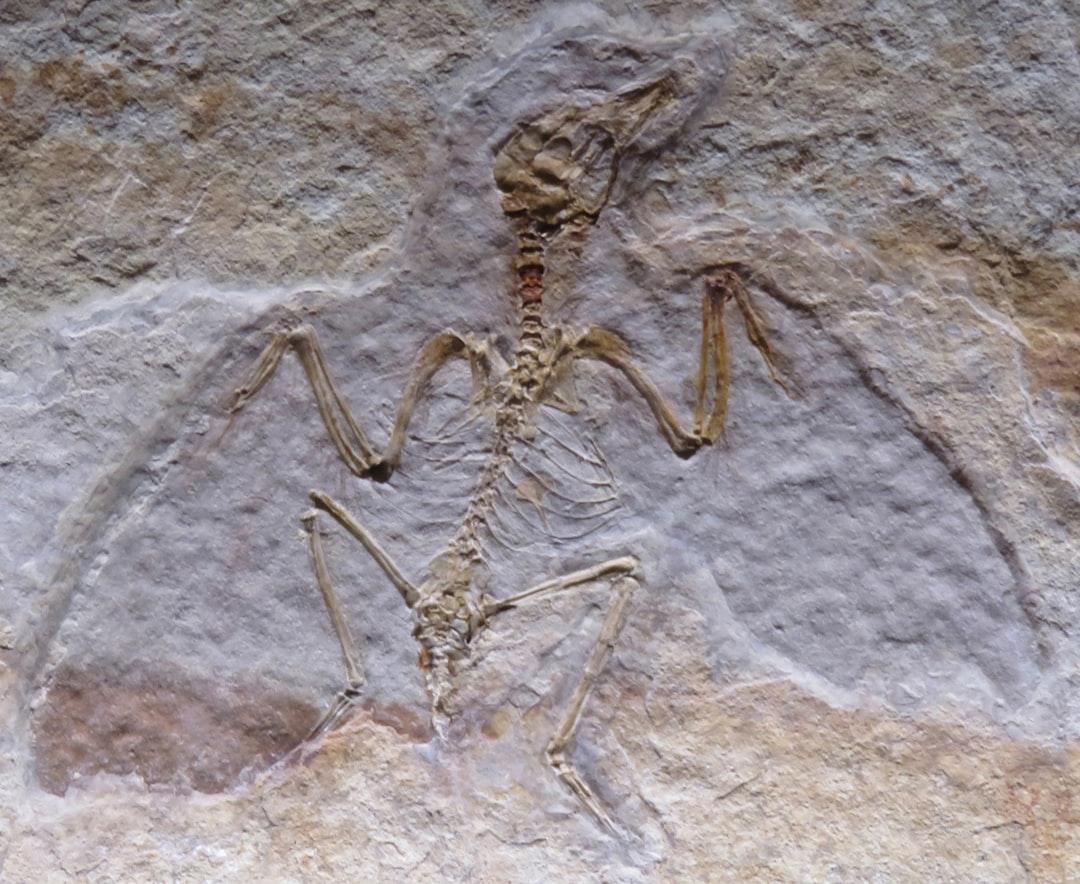
What makes Sharovipteryx truly extraordinary is its wing configuration, which is unlike anything else in the animal kingdom. While every other flying vertebrate uses its front limbs for flight, Sharovipteryx went against the grain and used its hind limbs instead. This is like discovering a car that drives with its rear wheels in the air – it shouldn’t work, but somehow it ddoes
The wing membrane was supported by an extremely elongated fourth toe on each hind foot, creating a structure that resembled a hang glider more than conventional wings. This design would have given Sharovipteryx incredible maneuverability and the ability to make sharp turns that would be impossible for creatures with traditional wing structures.
Scientists believe this unusual arrangement may have evolved from a gliding ancestor that used its hind limbs to control descent from trees or cliffs. Over time, these control surfaces became more sophisticated until they enabled true powered flight.
How Did This Crazy Design Work?
The mechanics of Sharovipteryx flight have puzzled scientists for decades. Traditional aerodynamic principles suggest that front-limb wings are more efficient because they can be coordinated with the creature’s center of gravity. So, how did our backward-flying friend manage to stay airborne?
Computer simulations and wind tunnel tests using Sharovipteryx models have revealed that its unique configuration offered several advantages. The hind-limb wings would have provided exceptional stability and control, particularly during low-speed flight and landing. The creature’s long tail likely acted as both a rudder and elevator, giving it precise control over its flight path.
The forward-positioned body weight would have naturally kept the creature’s nose pointed down slightly, preventing stalls and making it virtually impossible to accidentally flip upside down. It’s a design that prioritizes safety and control over raw speed, perfect for a small creature navigating complex environments.
Glider or Powered Flight Champion?
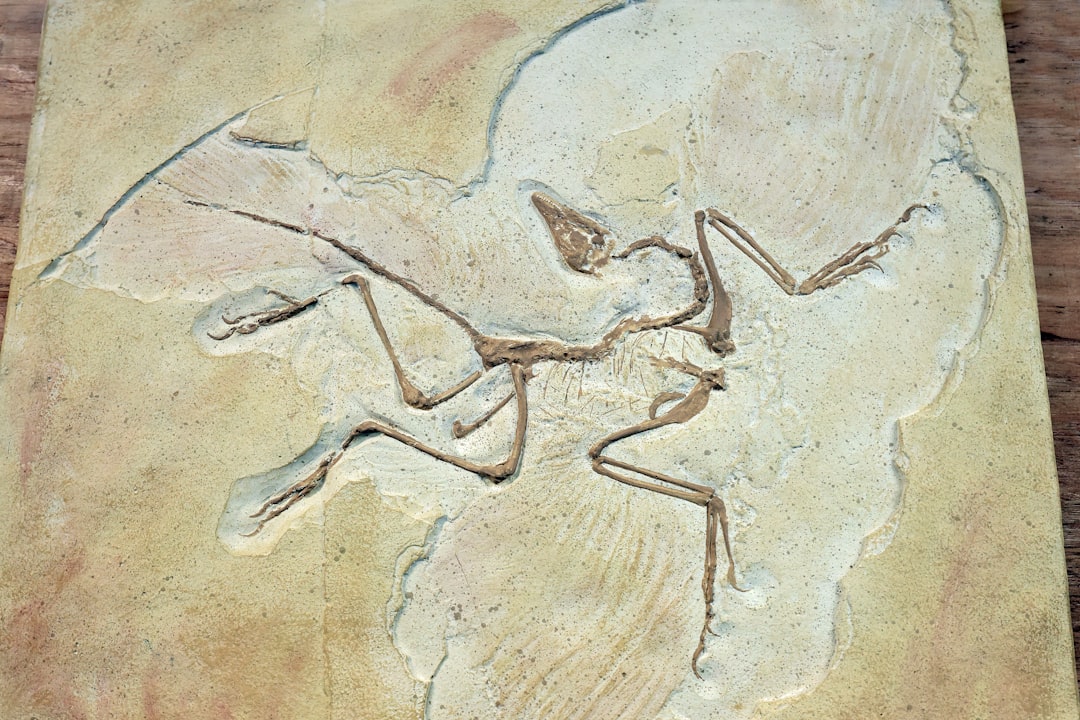
One of the biggest debates surrounding Sharovipteryx concerns whether it was capable of true powered flight or was limited to gliding. The creature’s small size and light build suggest it may have been capable of at least limited powered flight, but the evidence isn’t conclusive.
The muscle attachment points on the fossil indicate that Sharovipteryx had fairly well-developed leg muscles, which could have provided the power for wing-flapping. However, the wing structure seems better suited for gliding and soaring rather than the rapid wing-beats necessary for sustained powered flight.
Most scientists now believe that Sharovipteryx was probably capable of short bursts of powered flight, similar to modern flying squirrels or sugar gliders. It could likely launch itself from elevated positions and maintain or even gain altitude for short distances before settling into a gliding flight pattern.
Hunting and Survival Strategies
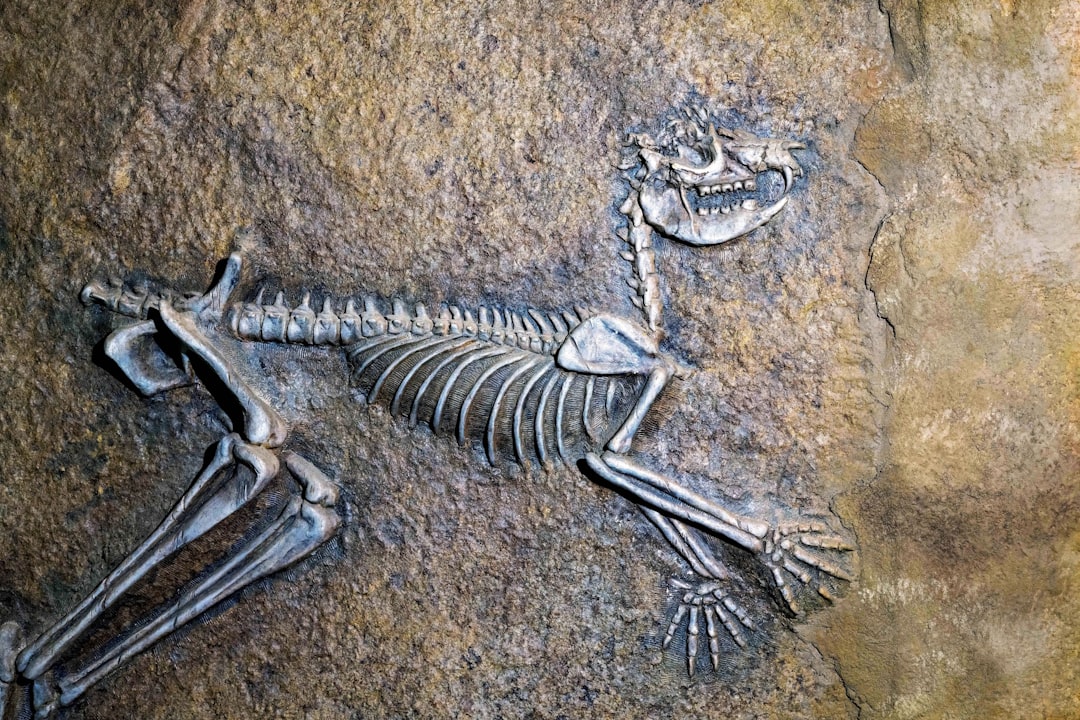
Living in the harsh Triassic environment required adaptability, and Sharovipteryx had developed some clever strategies for survival. Its aerial abilities would have given it access to food sources that ground-dwelling creatures couldn’t reach, such as insects flying around tall conifers or swarming above water sources.
The creature’s large eyes and delicate skull suggest it was primarily insectivorous, using its flight capabilities to catch prey on the wing. This would have been similar to how modern bats hunt, except with the added challenge of coordinating a completely different wing configuration.
Its unusual body plan also would have made it difficult for predators to catch. Most Triassic predators were adapted to hunting ground-dwelling prey, so a creature that could quickly escape into three-dimensional space would have had a significant survival advantage.
The Fossil Record’s Most Perplexing Puzzle
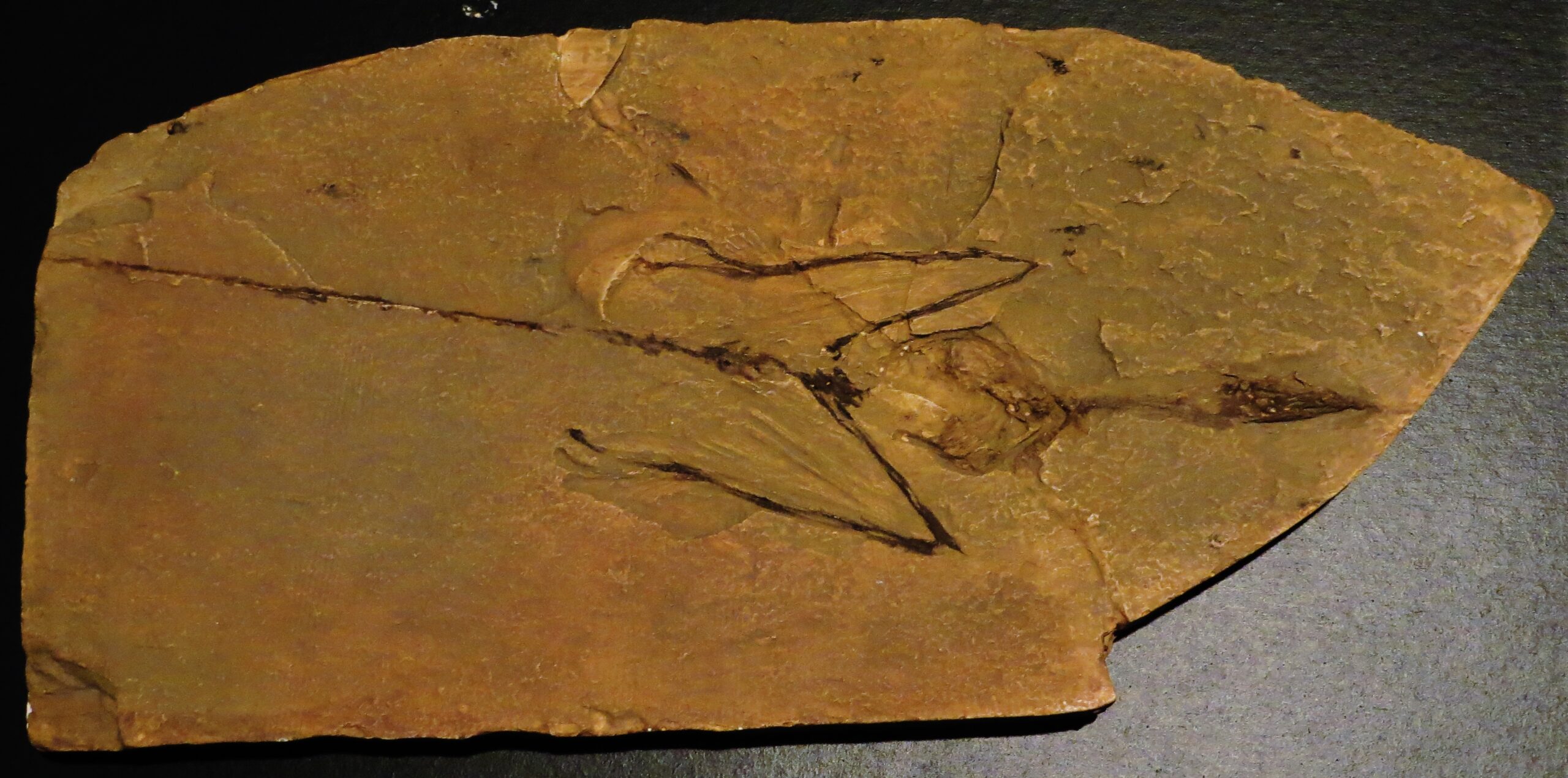
What makes Sharovipteryx even more mysterious is that it appears to be completely alone in the fossil record. We haven’t found any ancestors showing the gradual development of hind-limb wings, nor have we discovered any descendants that continued this evolutionary experiment. It’s as if this creature appeared out of nowhere and then vanished without a trace.
This isolation in the fossil record suggests that Sharovipteryx may have been an evolutionary dead end – a brilliant solution to the problem of flight that ultimately couldn’t compete with more conventional flying designs. It’s a reminder that evolution doesn’t always preserve the most innovative solutions; sometimes it’s the more practical ones that survive.
The lack of related species also makes it incredibly difficult to understand how this creature ffitsinto the broader ecosystem of its time. We’re essentially looking at a single snapshot of an entire evolutionary experiment that lasted who knows how long.
Scientific Debates and Controversies
Since its discovery, Sharovipteryx has been the subject of heated scientific debates. Some researchers have questioned whether the fossil represents a real animal or is a composite of different creatures accidentally preserved together. The unusual nature of the specimen has led to skepticism that such a creature could have existed.
Other controversies center around the interpretation of the fossil itself. Some scientists argue that what appear to be wing membranes might be preservation artifacts or fossilized skin that has been misinterpreted. The delicate nature of soft tissue preservation makes it difficult to be certain about the creature’s anatomy.
However, advanced imaging techniques and detailed analysis of the fossil have generally supported the original interpretation. The wing membranes appear to be genuine anatomical features, and the overall body plan, while unusual, is consistent with a flying reptile.
Modern Technology Unlocks Ancient Secrets
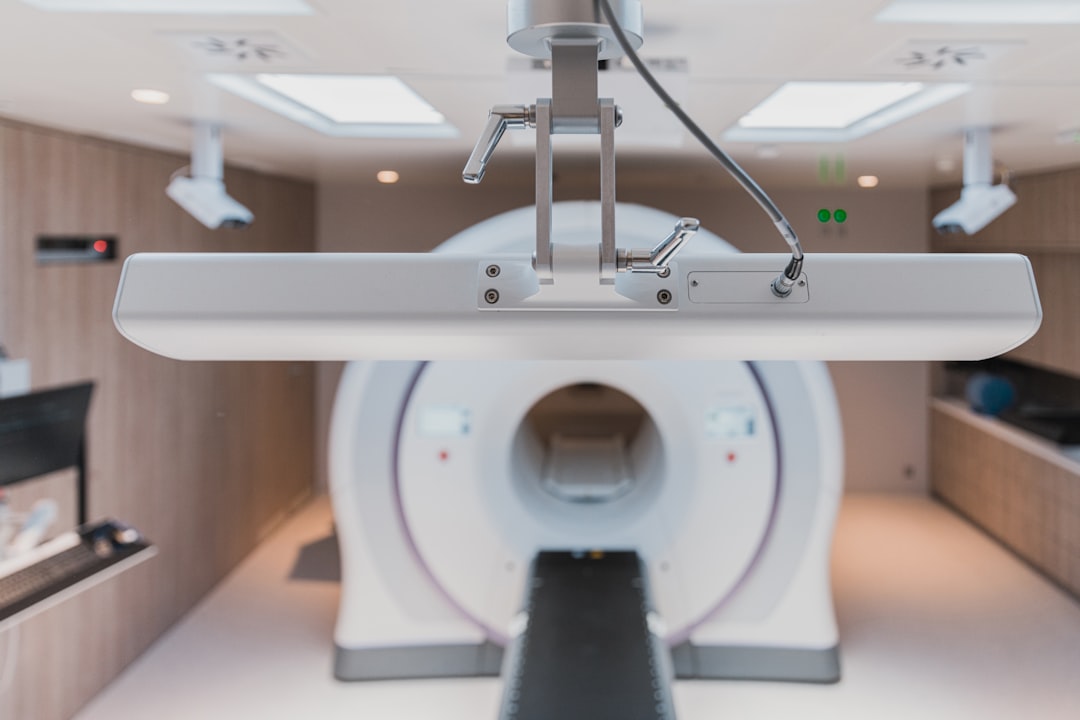
Recent advances in paleontological techniques have given us new insights into Sharovipteryx’s biology. CT scanning has revealed details about the creature’s internal bone structure that weren’t visible in traditional fossil preparation. These scans have confirmed that the creature’s bones were hollow, similar to those of modern birds – a clear adaptation for flight.
Computer modeling has allowed scientists to test different flight scenarios and better understand how Sharovipteryx might have moved through the air. These simulations have shown that the creature’s unusual wing configuration would have been surprisingly effective for certain types of flight maneuvers.
Advanced chemical analysis of the fossil has also provided information about the creature’s diet and environment. Isotope analysis suggests that Sharovipteryx lived in a relatively dry environment and likely fed on insects and other small arthropods.
Evolutionary Significance and Impact
Despite being an evolutionary dead end, Sharovipteryx has had a profound impact on our understanding of vertebrate evolution. It demonstrates that there are multiple solutions to the challenge of powered flight, and that evolution can produce designs that seem to defy common sense yet work quite well.
The creature also highlights the importance of the Triassic Period as a time of evolutionary experimentation. The relatively low diversity of competing species during this time allowed for the development of unusual body plans that might not have been viable in more crowded ecosystems.
Sharovipteryx has also influenced modern biomimetics research. Engineers studying its wing design have gained insights into alternative approaches to aircraft design, particularly for small, maneuverable vehicles. Sometimes the most innovative solutions come from the most unexpected places in nature.
Comparing Nature’s Flying Experiments
When we look at the history of flight in vertebrates, we see that nature has tried many different approaches. Birds evolved from dinosaurs and use modified arms as wings. Bats are mammals that developed wings from stretched skin membranes supported by elongated fingers. Pterosaurs were reptiles that used a single elongated finger to support their wing membranes.
Sharovipteryx represents a fourth completely independent solution to the problem of vertebrate flight. Its hind-limb wings were unlike anything that came before or after, making it truly unique in the history of life on Earth. This diversity of solutions shows just how many different ways evolution can solve the same basic problem.
The fact that only one of these solutions – the bird design – has survived to dominate modern skies doesn’t diminish the remarkable innovation represented by the others. Each represents a different approach to the complex engineering challenges of flight.
What Happened to the Hind-Wing Flyers?
The extinction of Sharovipteryx and the apparent lack of related species raises fascinating questions about why this particular solution to flight didn’t persist. One possibility is that the hind-limb wing design, while functional, was simply less efficient than the front-limb designs that eventually dominated.
Another factor might have been the changing environment at the end of the Triassic Period. A major extinction event marked the transition from the Triassic to the Jurassic, and many specialized creatures didn’t survive this environmental upheaval. Sharovipteryx may have been too specialized to adapt to the changing conditions.
It’s also possible that competition with other flying reptiles, such as the early pterosaurs, may have driven Sharovipteryx to extinction. As ecosystems became more complex and competitive, there may not have been room for multiple flying reptile designs.
The Legacy of a Triassic Oddity
Sharovipteryx continues to capture the imagination of scientists and the public alike more than 50 years after its discovery. It serves as a powerful reminder that evolution is far more creative and diverse than we often give it credit for. The creature challenges our assumptions about what’s possible and shows us that even the most unlikely designs can work under the right circumstances.
This remarkable reptile has also become a symbol of the importance of preserving fossil sites and supporting paleontological research. Without the work of dedicated scientists like Aleksandr Sharov, we might never have known that such extraordinary creatures once soared through ancient skies.
The story of Sharovipteryx proves that our planet’s history is full of surprises waiting to be discovered. Every new fossil has the potential to revolutionize our understanding of life’s incredible diversity and the endless creativity of evolutionary processes.
Conclusion
The tale of Sharovipteryx reminds us that nature’s solutions to life’s challenges are often far more creative than anything we could imagine. This bizarre little reptile with its backward wings managed to master the skies using a design that engineering textbooks would reject as impossible. It flew through Triassic landscapes that no human will ever see, hunting insects with a grace and efficiency that we’re only beginning to understand. Though it left no descendants, Sharovipteryx’s legacy lives on in the sense of wonder it inspires and the questions it continues to raise about the endless possibilities of evolution. What other impossible creatures might be waiting in the rocks beneath our feet, ready to challenge everything we think we know about life on Earth?