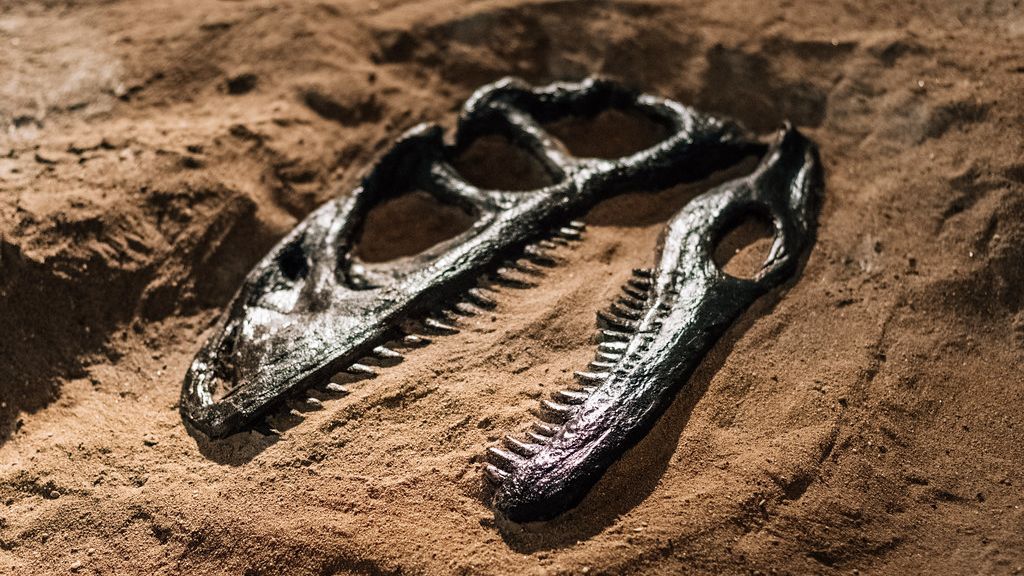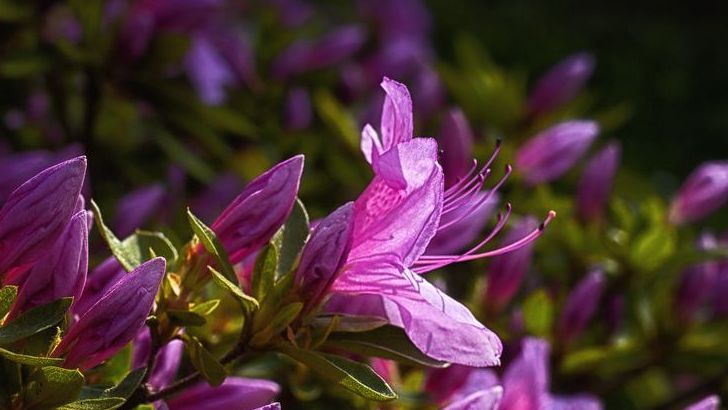
Imagine walking through a primordial forest where towering ferns cast shadows like giant umbrellas, and the air hums with the buzz of ancient insects. No bright petals catch your eye, no sweet fragrances drift on the breeze. This was our world before one of the most dramatic evolutionary revolutions ever recorded – the Cretaceous shift that saw flowering plants rise from obscurity to complete global dominance in just a few million years.
The transformation was so sudden and spectacular that Charles Darwin called it an “abominable mystery”. But this mystery holds the key to understanding how our modern world came to be painted in such vivid colors.
The World Before Flowers
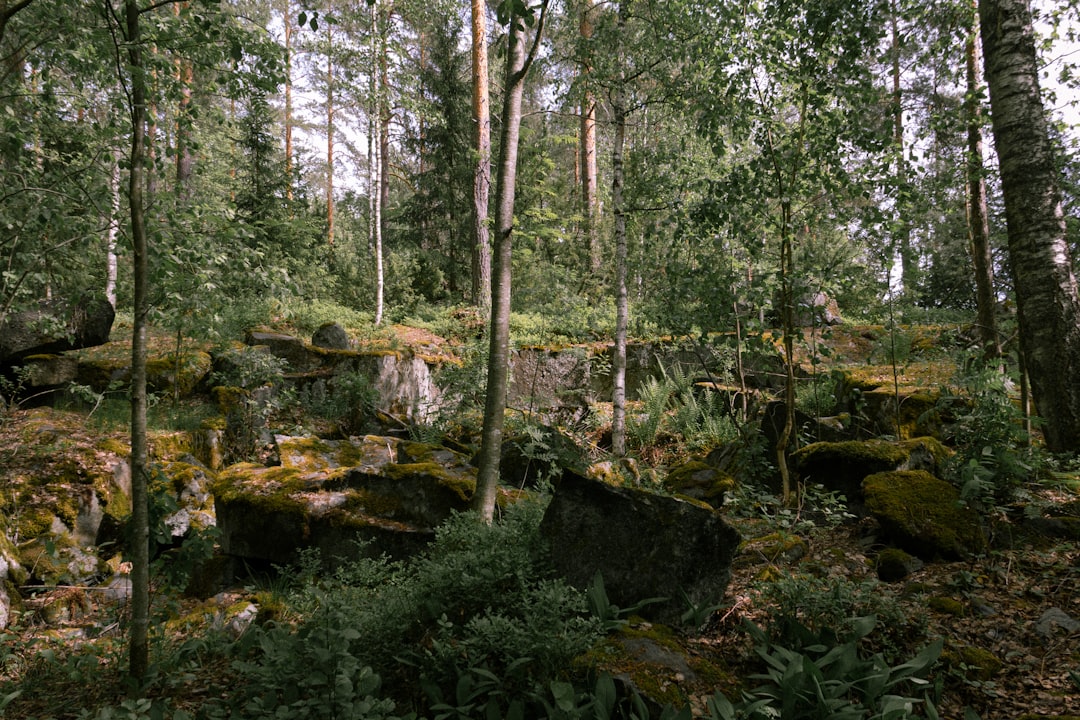
Picture the Early Cretaceous world around 145 million years ago – it was a planet ruled by giants of a very different sort than we know today. Dinosaurs both great and small moved through forests of ferns, cycads, and conifers. The landscape was dominated by plants that had remained virtually unchanged for millions of years, creating a green but monotonous tapestry across continents.
Ferns dominated open, dry and/or low-nutrient lands, while massive coniferous trees stretched their needle-laden branches toward the sky. Ferns like this have been around for up to 350 million years – that’s way before the dinosaurs! These ancient plants had mastered survival but lacked the explosive evolutionary creativity that was about to transform Earth forever.
The Mysterious Appearance
Then something extraordinary happened. The most important of these events, at least for terrestrial life, was the first appearance of the flowering plants, also called the angiosperms or Anthophyta. First appearing in the Lower Cretaceous around 125 million years ago, the flowering plants first radiated in the middle Cretaceous, about 100 million years ago. What makes this event so mind-boggling is how suddenly these new plants appeared in the fossil record.
Angiosperms appear suddenly and in great diversity in the fossil record in the Early Cretaceous. It was as if nature had been secretly working in a hidden laboratory, suddenly unveiling a completely new design that would revolutionize life on Earth. The speed of this transformation contradicted everything scientists thought they knew about gradual evolutionary change.
Darwin’s Puzzle

The angiosperm radiation is one of the evolutionary events that most puzzled Darwin. In fact, he famously referred to it as an ‘abominable mystery’. The seemingly sudden appearance of so many angiosperm species in the Upper Chalk conflicted strongly with his gradualist perspective on evolutionary change. Darwin was deeply troubled by what appeared to be a direct challenge to his theory of slow, gradual evolution.
Darwin’s abominable mystery and his abiding interest in the radiation of angiosperms were never driven primarily by a need to understand the literal text of the evolutionary history of flowering plants. Rather, Darwin was deeply bothered by what he perceived to be an abrupt origin and highly accelerated rate of diversification of flowering plants in the mid-Cretaceous. This led Darwin to create speculative arguments for a long, gradual, and undiscovered pre-Cretaceous history of flowering plants on a lost island or continent.
The Great Plant Revolution
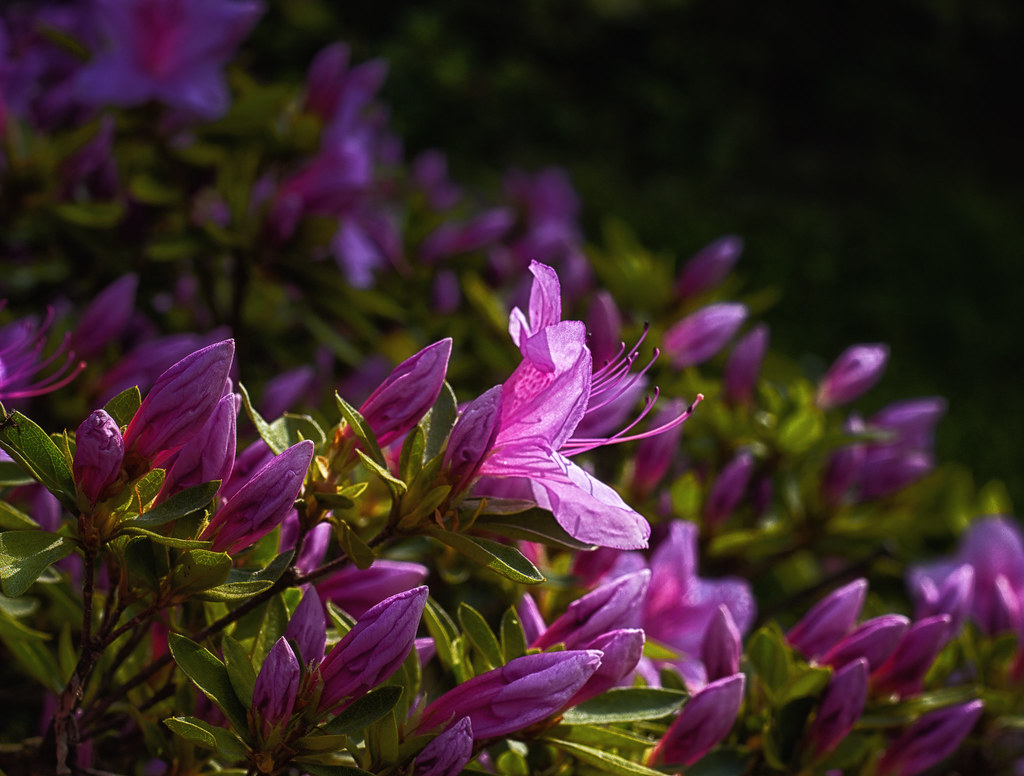
What began as a trickle soon became a flood. The flowering plants (angiosperms) appeared in the Early Cretaceous, became common by the beginning of the middle of the Cretaceous, and came to represent the major component of the landscape by the mid-to-late Cretaceous. The transformation was nothing short of revolutionary – imagine if smartphones had gone from nonexistent to completely replacing all other communication devices within just a few years.
Flowering plants underwent a rapid radiation beginning during the middle Cretaceous, becoming the dominant group of land plants by the end of the period, coincident with the decline of previously dominant groups such as conifers. This wasn’t just about adding new species to the mix – it was about a complete ecological takeover that would reshape every ecosystem on Earth.
Secret Weapons of Success
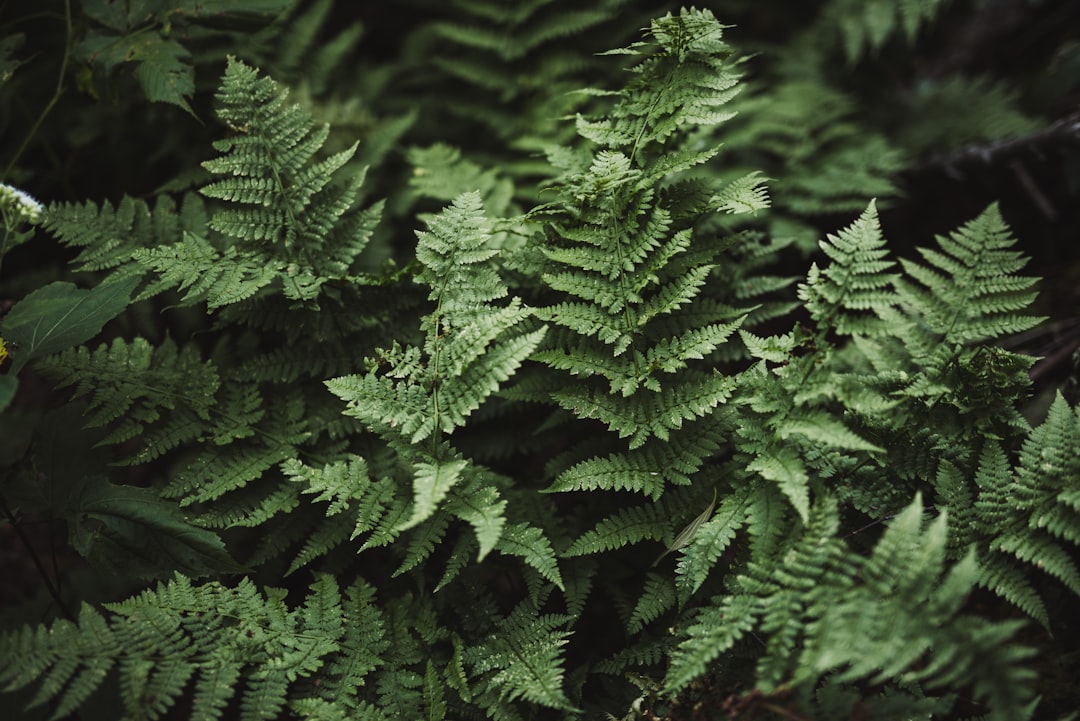
What gave these newcomers such a decisive advantage over plants that had ruled for hundreds of millions of years? The answer lies in a series of evolutionary innovations that worked together like a perfectly orchestrated symphony. It has been proposed that the swift rise of angiosperms to dominance was facilitated by a reduction in their genome size. During the early Cretaceous period, only angiosperms underwent rapid genome downsizing, while genome sizes of ferns and gymnosperms remained unchanged. Smaller genomes – and smaller nuclei – allow for faster rates of cell division and smaller cells.
Think of it like switching from a bulky desktop computer to a sleek smartphone – smaller, more efficient, and capable of doing more with less. Thus, species with smaller genomes can pack more, smaller cells – in particular veins and stomata – into a given leaf volume. Genome downsizing therefore facilitated higher rates of leaf gas exchange (transpiration and photosynthesis) and faster rates of growth. This cellular efficiency gave flowering plants a crucial edge in the competitive struggle for survival.
The Insect Connection

But flowering plants didn’t conquer the world alone – they had powerful allies. Another important insect to evolve was the eusocial bee, which was integral to the ecology and evolution of flowering plants. This partnership between plants and pollinators created one of nature’s most successful collaborations, with each group driving the evolution of the other in an endless dance of mutual benefit.
Since Darwin, scientists have thought that pollinating insects, such as bees and wasps, played a key role in the Cretaceous explosion of flowering plants. The mid-Cretaceous saw abundant populations of both insects and flowering plants, and recent finds finally caught Cretaceous-era insect pollinators frozen in the act. It’s a bit like discovering the fossilized remains of nature’s first dating service, where flowers learned to advertise their wares with bright colors and sweet nectar.
A World Transformed

The consequences of this plant revolution rippled through every aspect of life on Earth. By the late Cretaceous, angiosperms appear to have dominated environments formerly occupied by ferns and cycadophytes. Large canopy-forming trees replaced conifers as the dominant trees close to the end of the Cretaceous, 66 million years ago or even later, at the beginning of the Paleogene. Picture entire landscapes being repainted as ancient fern forests gave way to the first recognizable modern woodlands.
Yet, many fossil plants recognisable as belonging to modern families (including beech, oak, maple, and magnolia) had already appeared by the late Cretaceous. Walking through a Late Cretaceous forest would have felt surprisingly familiar to modern eyes – you might spot the ancestors of trees that still shade our parks and streets today, their leaves rustling in prehistoric breezes while dinosaurs grazed peacefully below.
The Legacy Lives On

The impact of this Cretaceous revolution extends far beyond ancient history – it shapes every aspect of our modern world. Whereas the earth had previously been dominated by ferns and conifers, angiosperms quickly spread during the Cretaceous. They now comprise about 90% of all plant species including most food crops. Every apple you bite, every grain of wheat that becomes bread, every cotton shirt you wear – all owe their existence to that ancient flowering plant revolution.
Think about it: without this evolutionary breakthrough, there would be no roses to smell, no fruits to savor, no colorful autumn leaves to admire. The world would be a much greener but far less vibrant place, dominated by the same ancient ferns and conifers that ruled for hundreds of millions of years. Our entire human civilization, built as it is around agriculture and flowering plant crops, might never have been possible.
Conclusion

The Cretaceous shift from ferns to flowers represents one of evolution’s most dramatic plot twists – a relatively sudden transformation that completely rewrote the rules of life on Earth. What began as Darwin’s “abominable mystery” has revealed itself to be a story of innovation, partnership, and adaptation that continues to shape our world today.
From the cellular innovations that made flowering plants more efficient, to the evolutionary partnerships with insects that created our modern ecosystems, this ancient revolution reminds us that even the most established systems can be transformed by the right combination of circumstances and innovation. The next time you see a flower blooming in your garden, remember that you’re looking at the descendant of one of evolution’s greatest success stories – a testament to the power of change to create beauty in the most unexpected ways.
Who would have thought that such delicate petals could hold the secret to one of the most powerful evolutionary forces our planet has ever seen?