
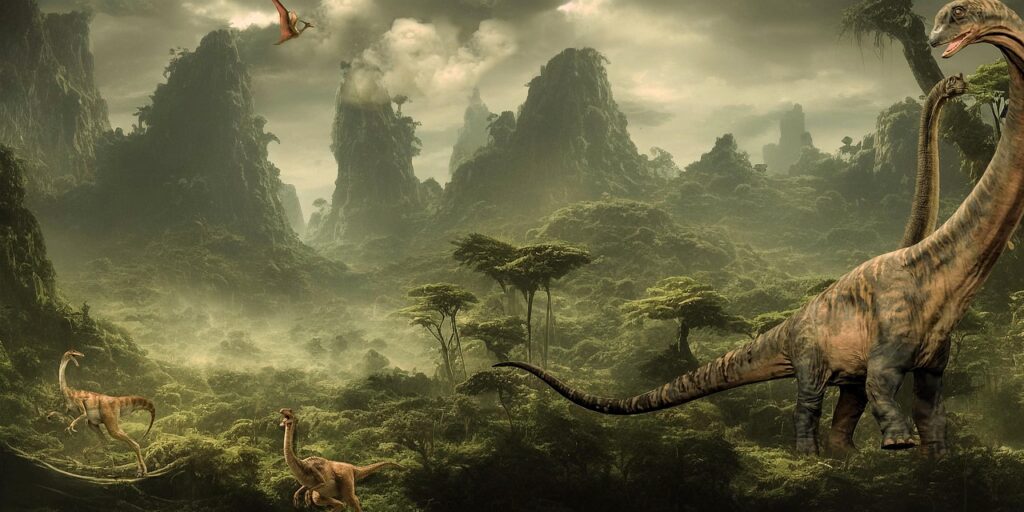
The final chapter of the dinosaur era unfolded in one of Earth’s most dramatic seasons – a time when ancient giants still roamed sprawling tropical landscapes, unaware that their reign of over 160 million years was about to end in cosmic catastrophe. This is the story of the last Cretaceous summer, when Tyrannosaurus rex hunted beneath flowering trees, massive Triceratops herds thundered across lush plains, and life flourished in ways that would never be seen again.
The World at Its Peak
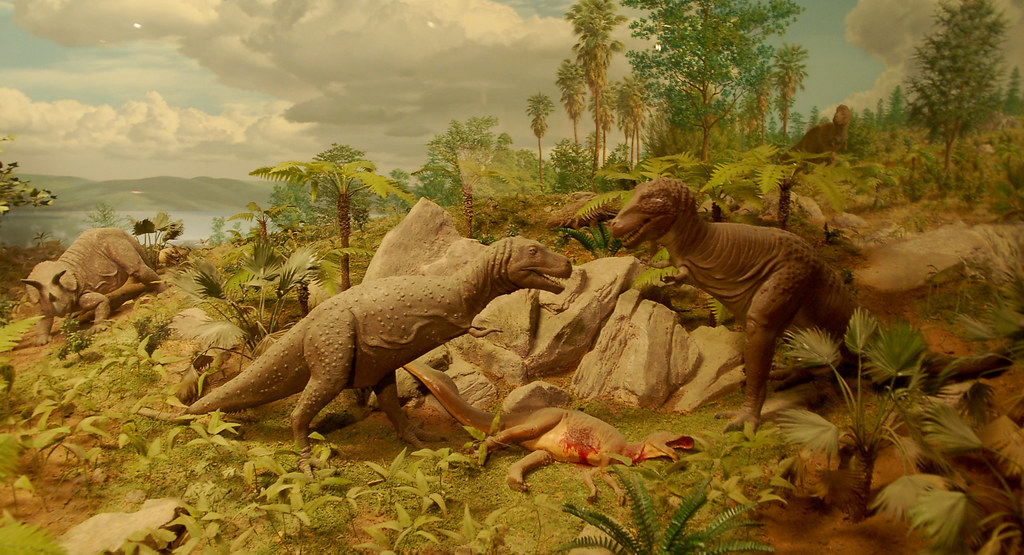
The Cretaceous was a period with a relatively warm climate, resulting in high eustatic sea levels that created numerous shallow inland seas, with large areas of the continents covered by warm, shallow seas, providing habitat for many marine organisms. This wasn’t just any ordinary summer – it was summer during the most greenhouse-like period Earth had experienced in hundreds of millions of years.
Picture a world without ice caps, where palm trees swayed in Antarctica’s forests and crocodiles basked in Arctic rivers. The climate was generally warmer and more humid than today, probably because of very active volcanism associated with unusually high rates of seafloor spreading. The polar regions were free of continental ice sheets, their land instead covered by forest. Dinosaurs roamed Antarctica, even with its long winter night.
A Greenhouse Paradise
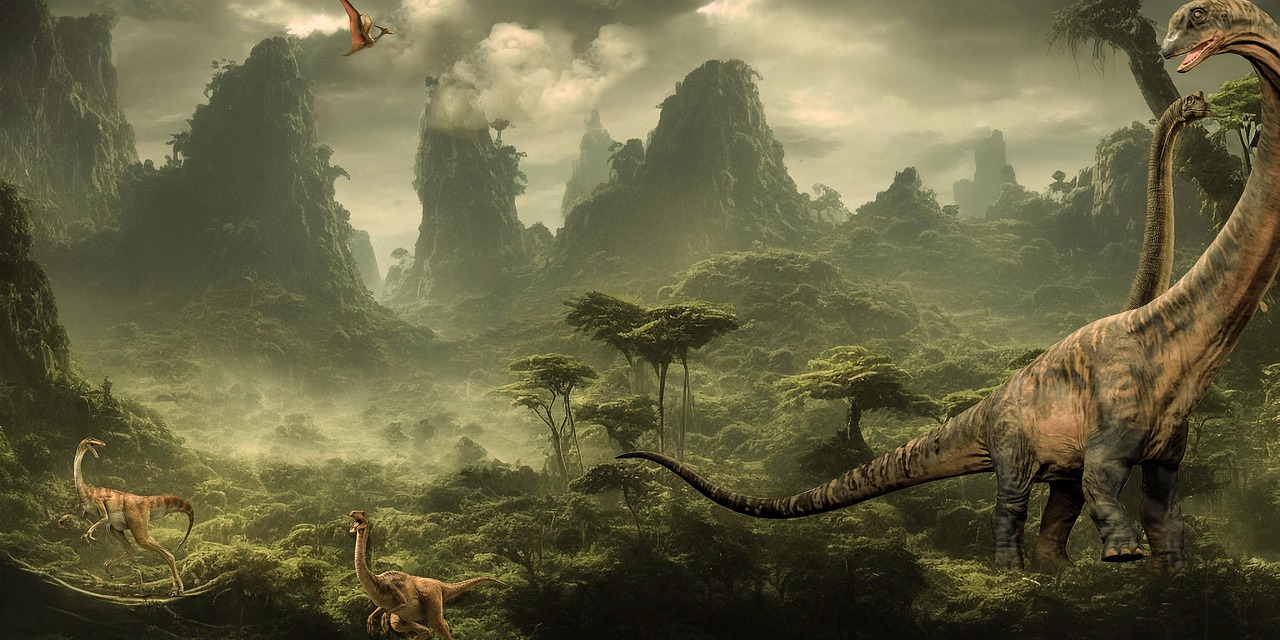
The global climate in which these plants and animals lived was also very different: warmer, steamier, and virtually devoid of ice. Today, Earth is markedly cooler than the Cretaceous, and ice sheets and glaciers still cover large portions of the poles. The atmospheric carbon dioxide levels were dramatically higher than anything humans have ever experienced, creating a steamy, humid world that would have felt like living inside a terrarium.
The highest temperatures in the period occurred roughly 90 million years ago in a time called the Cretaceous Thermal Maximum, which was actually the warmest time period in the last 200 million years on Earth. Global temperatures averaged significantly warmer than today, with estimates suggesting increases of several degrees Celsius. Though by the late Cretaceous, things had cooled slightly, summer temperatures still reached levels that would make modern tropical regions seem temperate by comparison.
The Last Great Diversity Boom
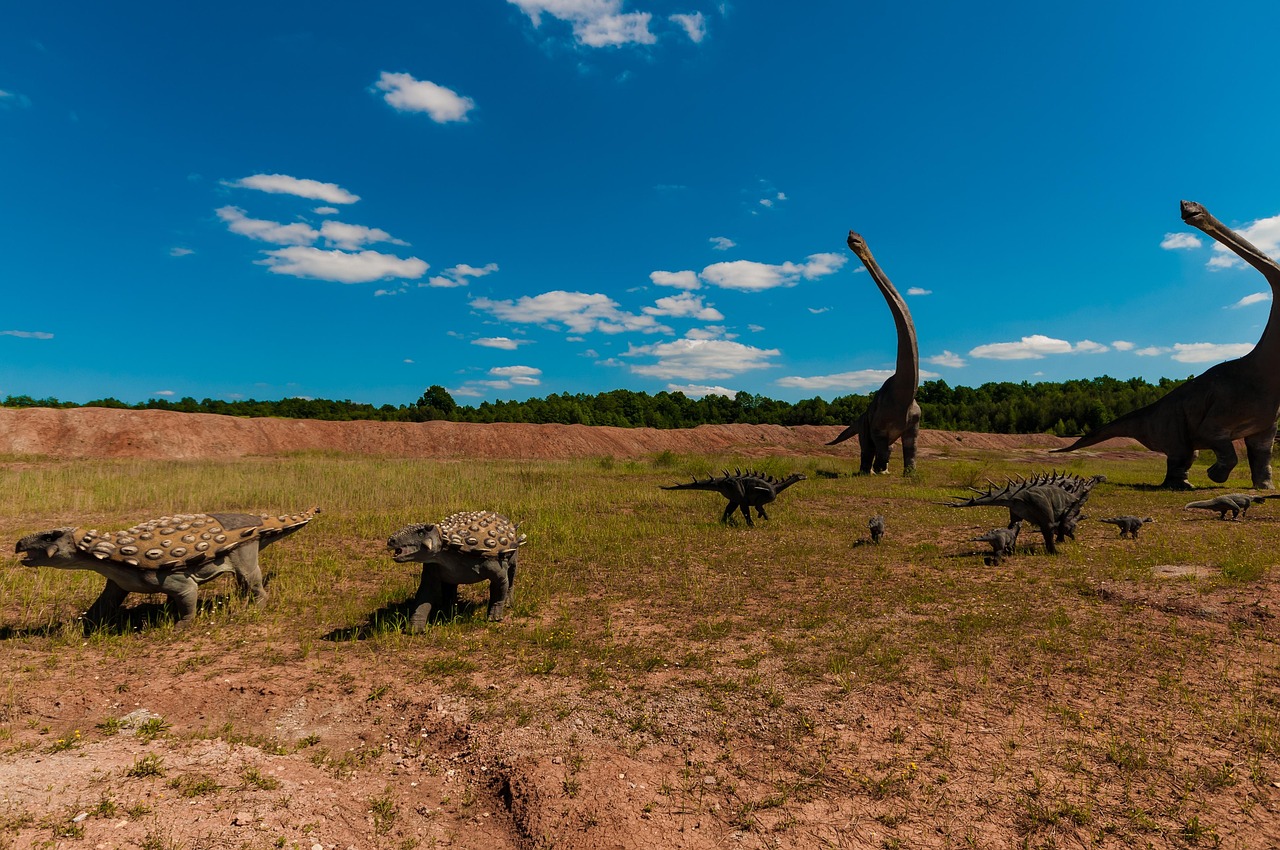
The final Cretaceous period witnessed an explosion of life forms that painted the landscape in colors and shapes never seen before or since. It is during the Cretaceous that the first ceratopsian and pachycepalosaurid dinosaurs appeared. Also during this time, we find the first fossils of many insect groups, modern mammal and bird groups, and the first flowering plants.
The late Maastrichtian rocks contain the largest members of several major clades: Tyrannosaurus, Ankylosaurus, Pachycephalosaurus, Triceratops, and Torosaurus, which suggests food was plentiful immediately prior to the extinction. Think of it as nature’s grand finale – dinosaurs had evolved to their most spectacular forms just as their time was running out.
Hell Creek – Nature’s Ultimate Snapshot
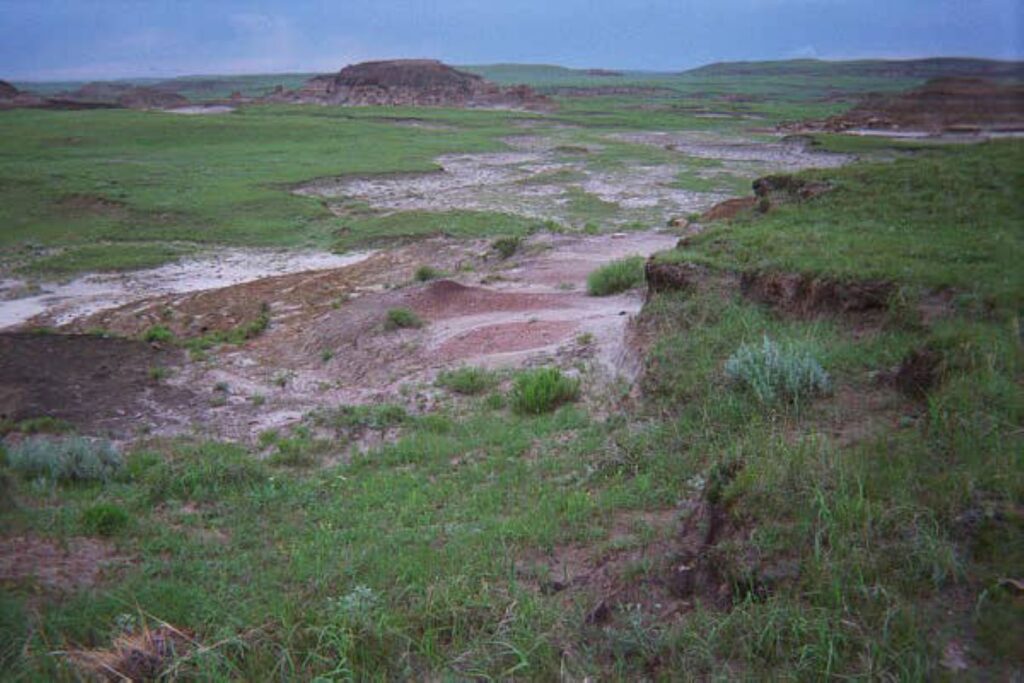
Hell Creek Formation represents a series of fresh and brackish-water clays, mudstones, and sandstones deposited during the Maastrichtian by fluvial activity in fluctuating river channels and deltas along the low-lying eastern continental margin. The climate was mild; the presence of crocodilians along with palm trees suggests a subtropical and temperate climate with no prolonged freeze.
Swampy lowlands were the habitat of various animals, including dinosaurs. A broad coastal plain extended westward from the seaway to the newly formed Rocky Mountains. These formations are composed largely of sandstone and mudstone which have been attributed to floodplain, fluvial, lacustrine, swamp, estuarine and coastal plain environments. This region gives us our clearest window into what that final summer truly looked like.
The Dinosaur Metropolis
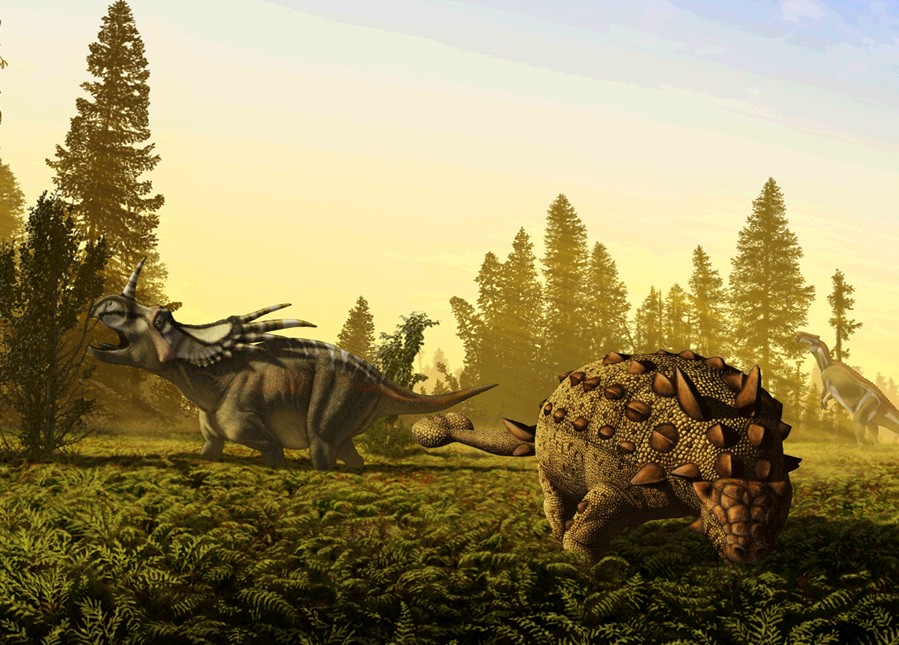
According to Hell Creek Formation studies, Triceratops represents a significant portion of dinosaur fossils found, followed by Thescelosaurus at 8%, Ornithomimus at 5%, and Pachycephalosaurus and Ankylosaurus both at 1%. Imagine vast herds of these magnificent beasts congregating in numbers that would dwarf the great wildlife migrations of today.
The famous predator Tyrannosaurus rex wasn’t just surviving – it was thriving. Recent surveys recognize a much higher percentage of Tyrannosaurus than previous surveys. Tyrannosaurus equals Edmontosaurus in some areas and comprises a greater percentage of the large dinosaur fauna as the second-most abundant taxon after Triceratops. These apex predators ruled their territories with an authority that would never be challenged by any land animal again.
The Flowering Revolution
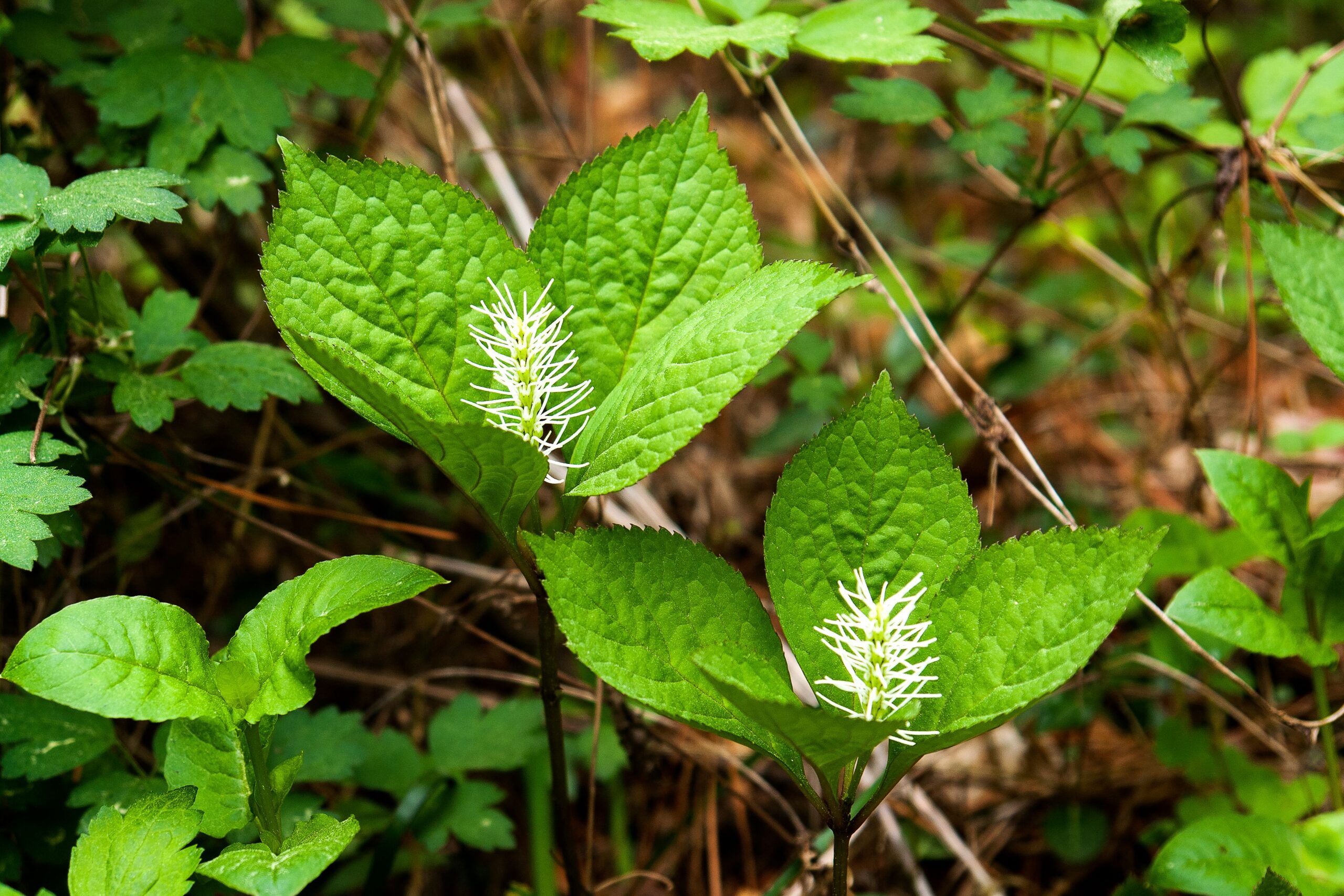
The landscape during dinosaurs’ final season was undergoing a botanical revolution that transformed the very air they breathed. Most if not all of the flowering plants (angiosperms) made their first appearance during the Cretaceous. Although dinosaurs were the dominant animals of the period, many modern animals, including the placental mammals, made their debut during the Cretaceous.
The angiosperms thrived in a variety of environments such as areas with damper climates, habitats favored by cycads and cycadeoids, and riparian zones. High southern latitudes were not invaded by angiosperms until the end of the Cretaceous. Ferns dominated open, dry and/or low-nutrient lands. Picture Triceratops browsing among the first roses, their horned faces pushing through gardens that wouldn’t look entirely alien to modern eyes.
Signs of Change in Paradise
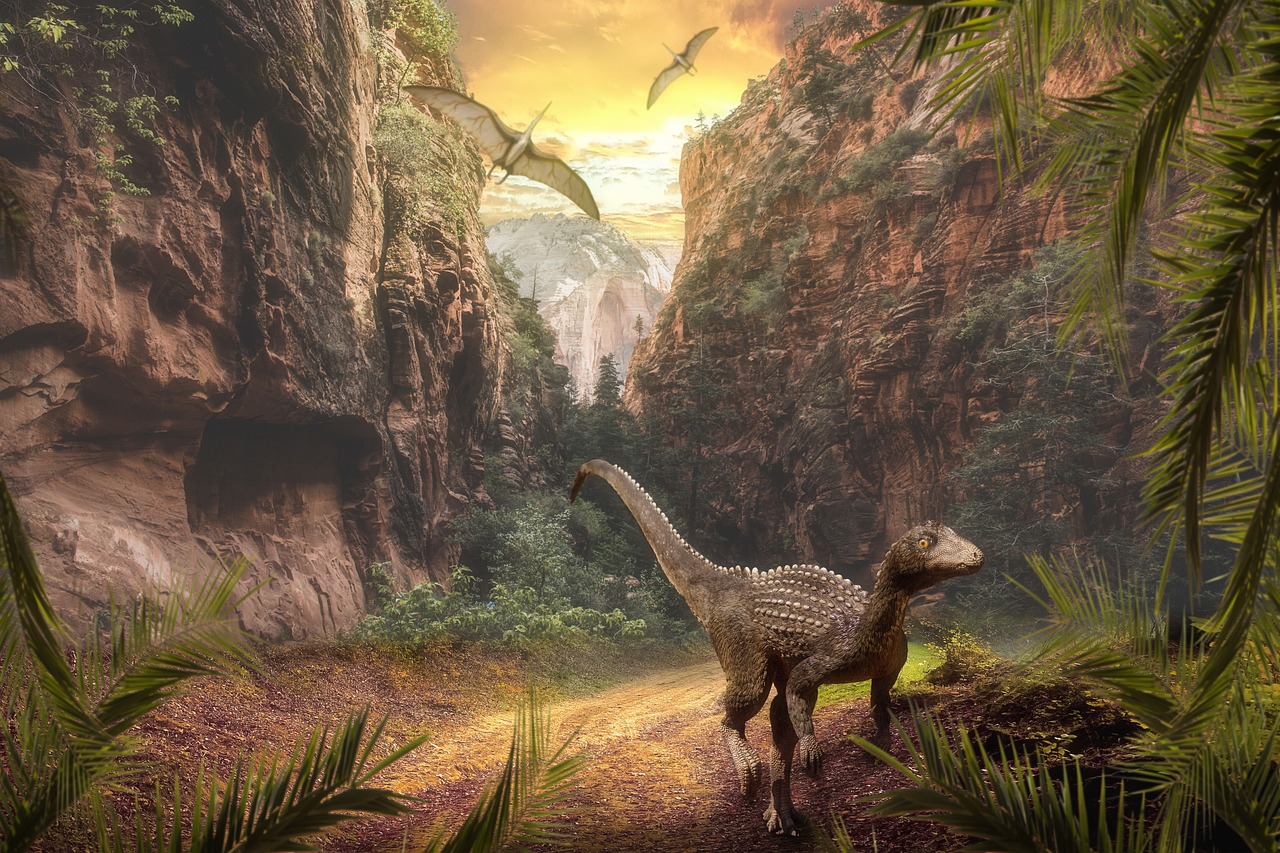
Whether non-avian dinosaurs were in decline prior to their extinction 66 million years ago remains a contentious topic. This uncertainty arises from spatiotemporal sampling inconsistency and data absence, which cause challenges in distinguishing between genuine biological trends and sampling artifacts.
Some regions were already showing subtle signs that all was not well in paradise. Analysis indicates a correlation between the abundance of dinosaur fossils in the Shanyang Basin and climatic changes. As precipitation and temperature increased, the presence of dinosaur fossils gradually declined. Notably, during the last 0.4 million years of the Cretaceous period, no dinosaur fossils were discovered in this basin. The writing was on the wall, but it was written in a language no living creature could read.
The Coastal Kingdoms

Hell Creek and its neighboring formations were full of estuaries, floodplains, forests, lakes, rivers, swampy lowlands, and coastal plains, kept constantly humid by ample rainfall and a subtropical climate. These conditions helped support conifers, ferns, flowering plants, palmettos, and ferns in swamps, as well as ash trees, conifers, canopy and understory plants, oaks, and shrubs in forests.
As the continents spread, the ocean currents churned with ever more vigor. After a temperature spike in the mid-Cretaceous, the climate began to cool, and the tenor changed. Yet even this cooling was relative – the world remained a tropical paradise by any modern standard, with coastal plains teeming with life forms that defied imagination.
The Hidden Decline
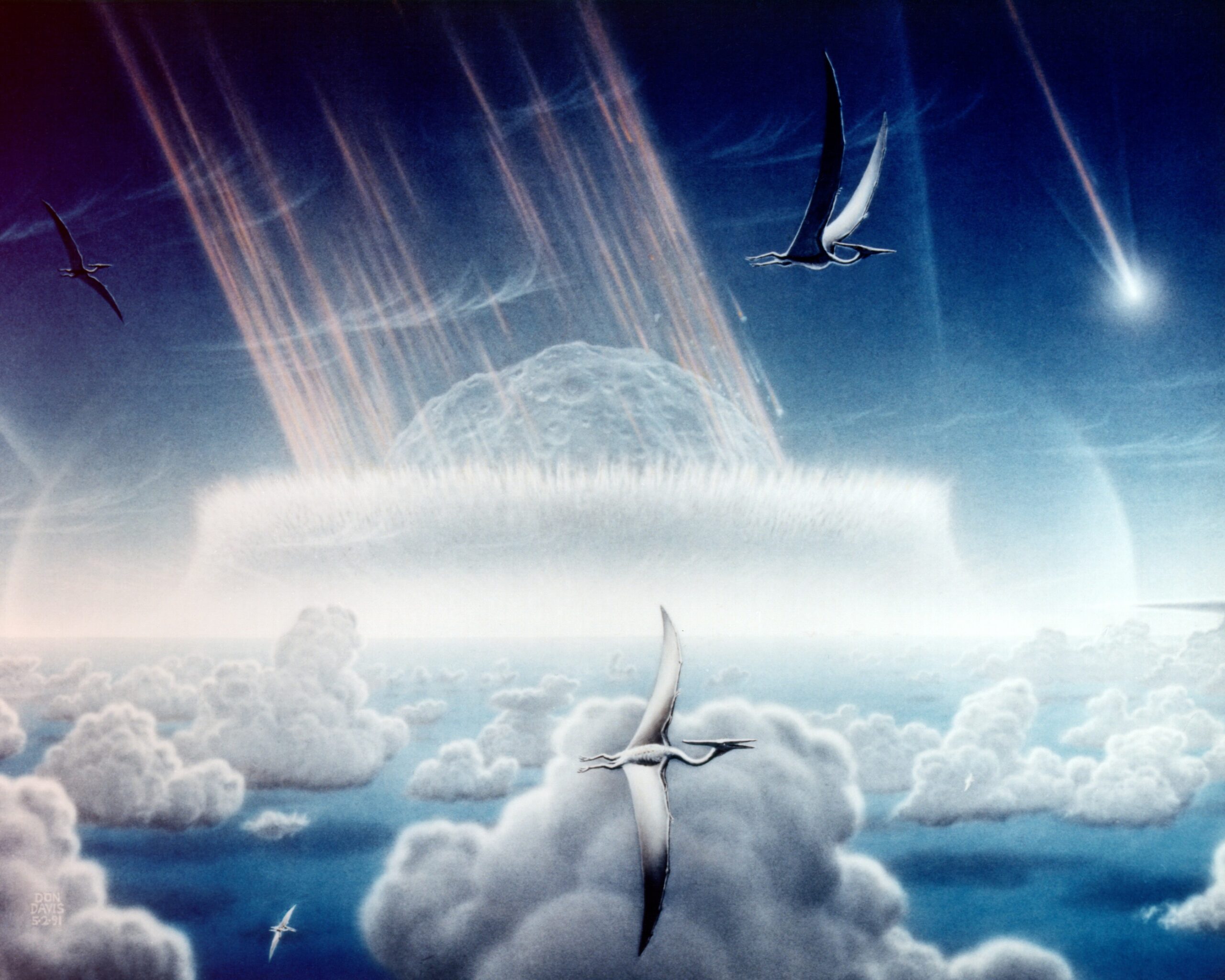
The gradual decline of the dinosaurs and pterosaurs presumably came before the impact of the Chicxulub asteroid and the global mass extinction at the end of the Cretaceous Period. Studies also indicate that bird species spread and diversified at the same time the dinosaurs disappeared. This suggests that even during that final glorious summer, the stage was being quietly set for a changing of the guard.
Large-bodied bulk-feeding herbivores (ceratopsids and hadrosauroids) and some North American taxa declined in disparity during the final two stages of the Cretaceous, whereas carnivorous dinosaurs, mid-sized herbivores, and some Asian taxa did not. Late Cretaceous dinosaur evolution was complex: there was no universal biodiversity trend. The decline wasn’t universal, making the final extinction event all the more shocking.
The Perfect Storm Approaches
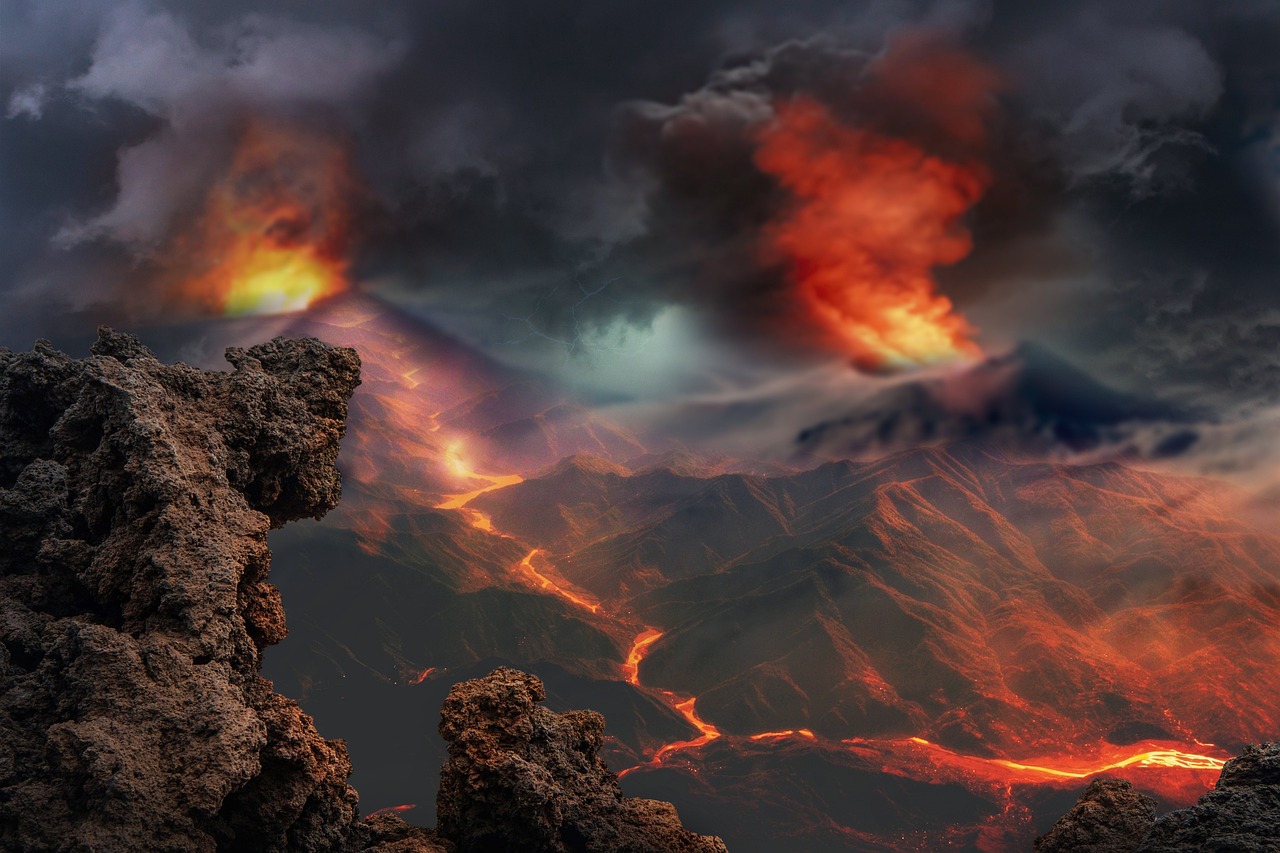
Climate and ecological modeling demonstrates a substantial detrimental effect on dinosaur habitats caused by an impact winter scenario triggered by the Chicxulub asteroid. This modeling could not obtain such an extinction state with several scenarios of Deccan volcanism. The concomitant prolonged eruption of the Deccan traps might have acted as an ameliorating agent, buffering the negative effects that the asteroid impact produced.
The volcanic activity that had helped create the greenhouse paradise was also setting the stage for catastrophe. A huge outpouring of lava, known as the Deccan Traps, occurred in India at the end of the Cretaceous. Some paleontologists believe that the carbon dioxide that accompanied these flows created a global greenhouse effect that greatly warmed the planet. The Earth itself was becoming increasingly unstable, though the dinosaurs sunning themselves in that final summer had no way of knowing it.
The Final Moment
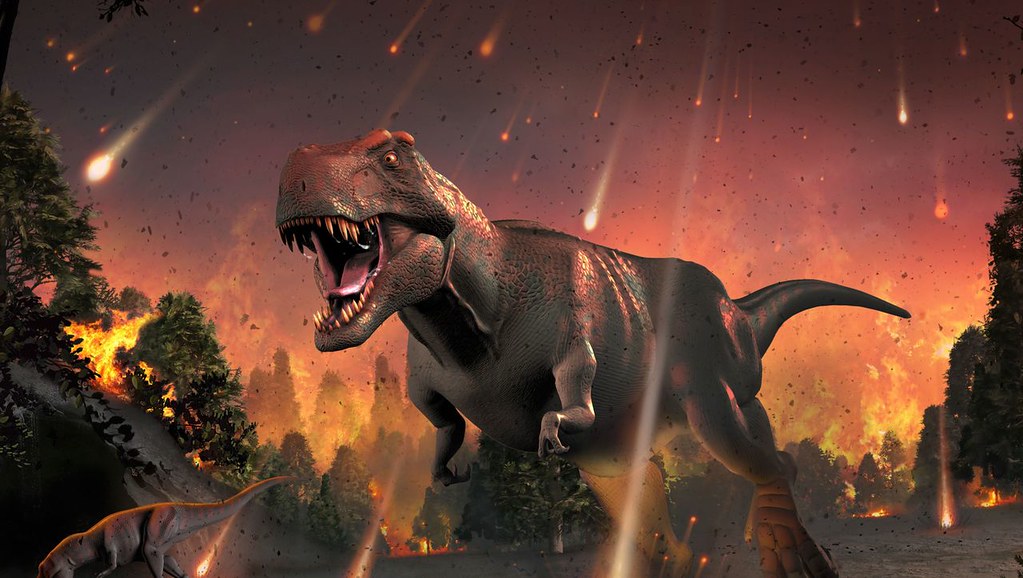
The Cretaceous–Paleogene (K–Pg) extinction event was the mass extinction of three-quarters of the plant and animal species on Earth approximately 66 million years ago. The event caused the extinction of all non-avian dinosaurs. When that asteroid estimated at approximately 10-15 kilometers wide finally struck, it brought down the curtain on the most successful group of land animals ever to walk the Earth.
The asteroid impact was caused by a large asteroid crash-landing off the coast of Mexico, which changed the climate of the planet dramatically. It vaporized carbonate and sulfate rocks, which caused acid rain, and threw lots of ash, dust and dirt into the atmosphere, blocking out the Sun. This caused a global collapse of the food chain, and there also would have been a thermal heat pulse that caused wildfires and huge tsunamis.
The last Cretaceous summer ended not with the gradual cooling of autumn, but with the cosmic equivalent of winter arriving in an instant. Whatever its cause, this extinction event marks the end of the Cretaceous Period and of the Mesozoic Era. In that final moment, as burning debris rained from the sky and the very air turned to fire, the age of giants came to a close. The dinosaurs who had ruled Earth for over 160 million years became fossils in a geological blink of an eye, leaving behind only their bones to tell us about their final, glorious season under the sun. What haunts scientists most isn’t just what we lost, but how perfect everything seemed right before it all ended – could any of us have seen it coming?