The world during the age of dinosaurs was fundamentally different from ours in ways that might surprise you. While we’re used to our 24-hour days and 365-day years, dinosaurs experienced something quite different. Their world spun faster, their days were shorter, and their years packed in more sunrises and sunsets than we could imagine.
When Earth Spun Like a Top

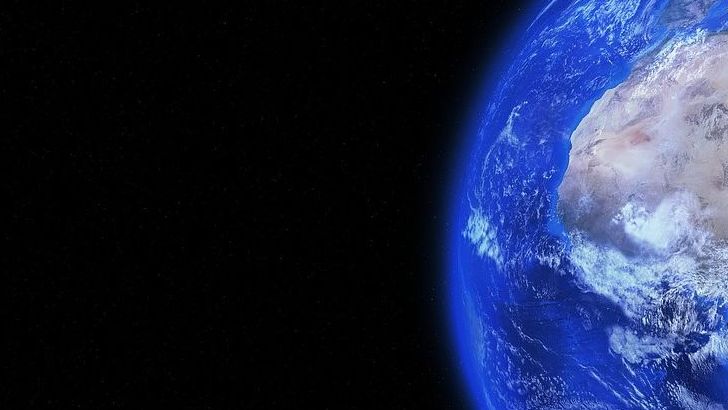
Imagine waking up every morning knowing your day would be half an hour shorter than what we experience today. During the late Cretaceous period, roughly 70 million years ago, Earth rotated much faster than it does now, creating days that lasted only 23 and a half hours instead of our familiar 24 hours. This wasn’t just a minor adjustment – it fundamentally changed how time worked on prehistoric Earth.
The planet completed 372 rotations in what we would consider a year, compared to our current 365 rotations. Think of it this way: dinosaurs got seven extra days in their calendar year simply because Earth was spinning faster on its axis. The length of Earth’s orbit around the sun hasn’t changed much over millions of years, but the spinning speed has dramatically slowed down since then.
The Ancient Clam That Revealed Time’s Secrets
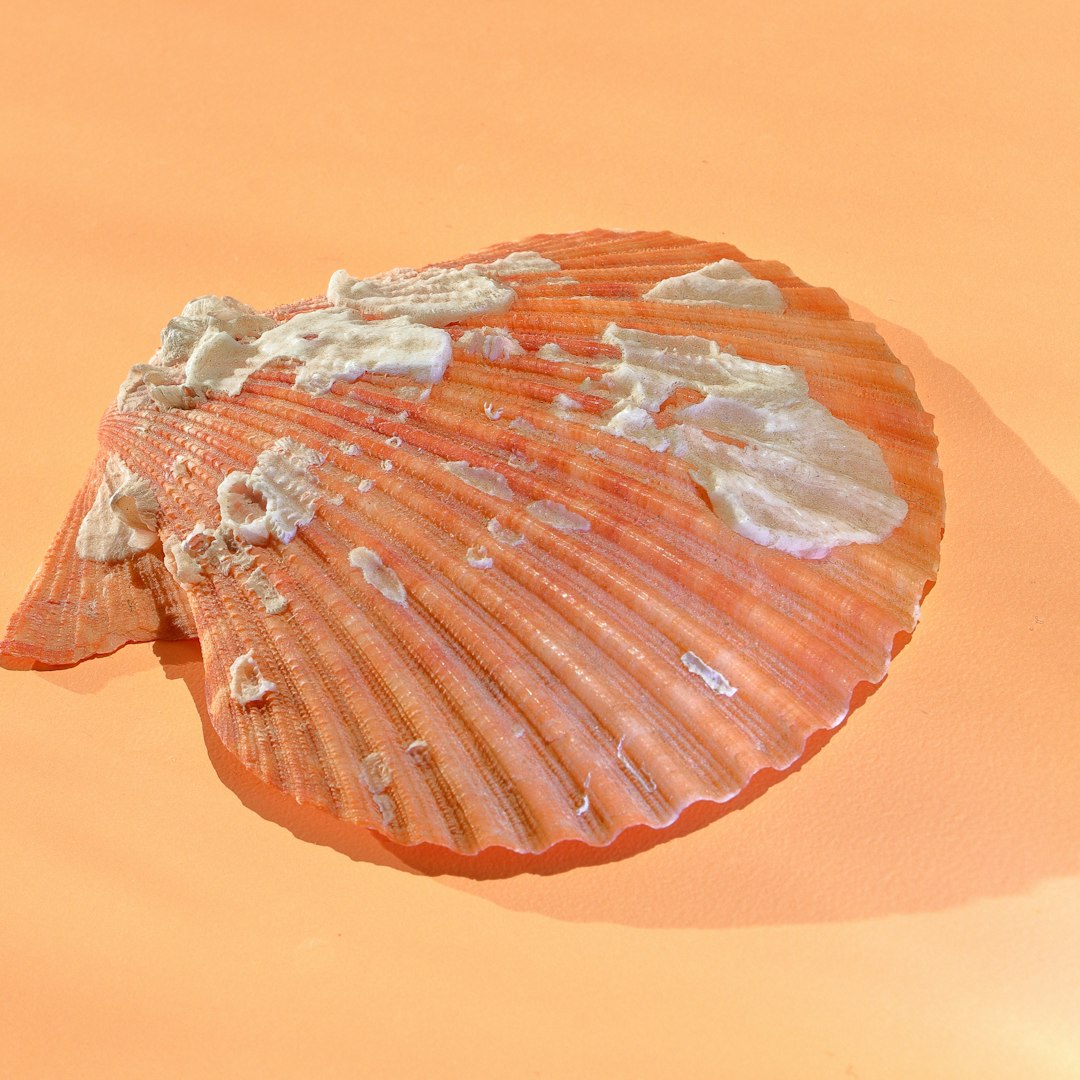
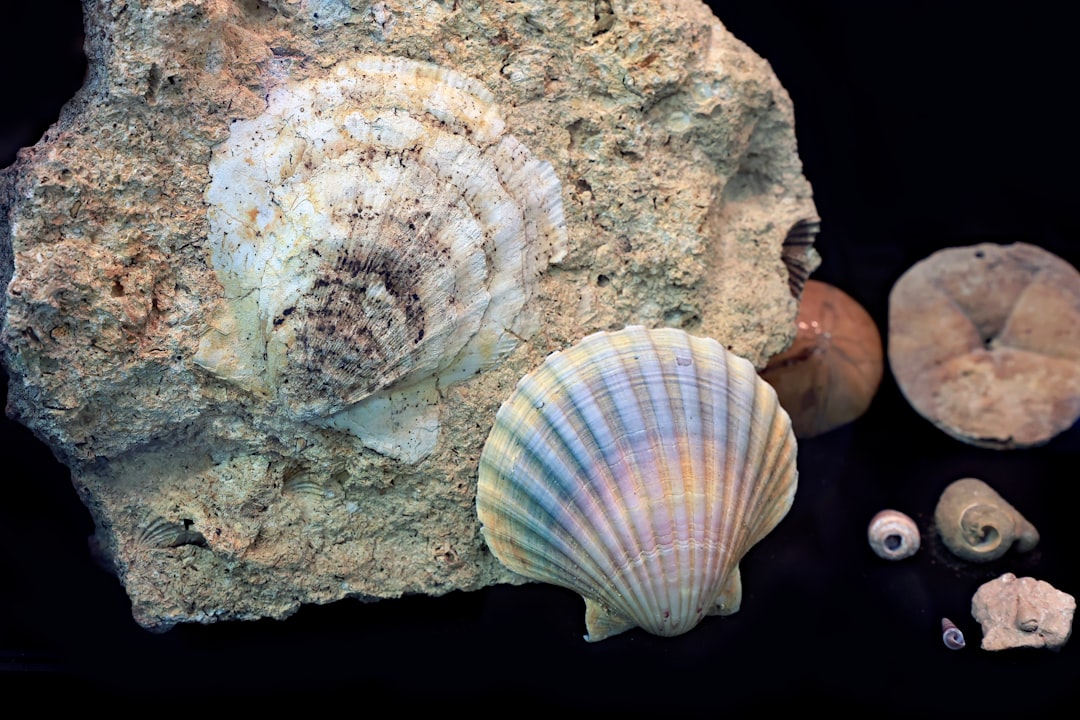
The discovery of this prehistoric time difference came from an unlikely source – a fossilized clam. Scientists studied a 70 million-year-old shell of a creature called Torreites sanchezi, which lived in the warm, shallow tropical seas that once covered what is now the dry mountains of Oman. This ancient mollusk had a remarkable habit that would prove invaluable to modern science.
Like many bivalves, these rudist clams grew incredibly fast and laid down a new growth ring on their shells every single day. The particular specimen scientists examined had lived for over nine years, creating a detailed daily record of life in the Cretaceous period. It’s essentially a prehistoric calendar written in calcium carbonate, waiting millions of years for someone to read it.
Laser Precision Unlocks Daily Life

Using cutting-edge laser technology, researchers drilled microscopic holes the size of red blood cells into the ancient shell, analyzing chemical changes that occurred in each daily growth layer. This high-tech approach allowed computers to count the rings with unprecedented accuracy, eliminating human error from the process.
Each tiny laser hole, measuring just 10 micrometers in diameter, revealed trace elements that provided information about the temperature and chemistry of the ancient ocean. By analyzing four different chemical records through nine growth years, scientists obtained 36 separate estimates, giving them tremendous confidence in their findings about the number of days in a prehistoric year.
Why Earth’s Rotation Has Been Slowing Down
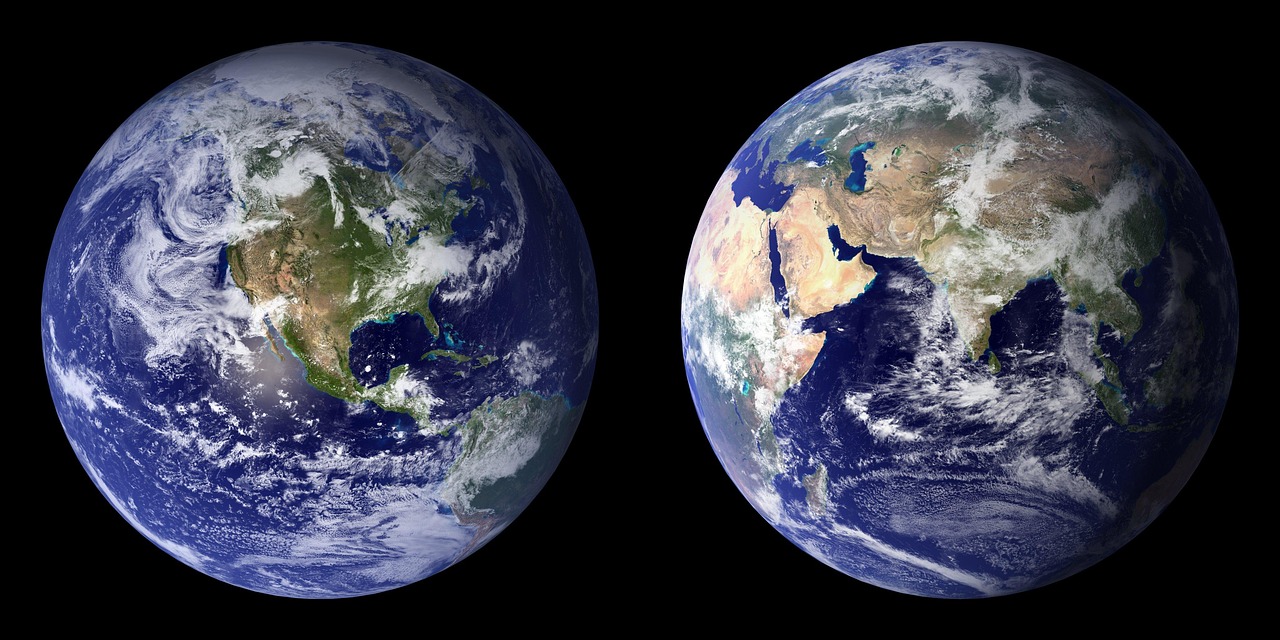
The culprit behind our planet’s gradually slowing rotation is something we see every day – ocean tides. The moon’s gravity creates tidal bulges on Earth, but because our planet spins much faster than the moon orbits, these bulges are constantly being dragged ahead of the moon’s position, creating friction that acts like cosmic brakes.
This tidal braking currently increases the length of each day by about 2.3 milliseconds per century. It might seem insignificant, but over millions of years, this adds up to substantial changes. Most of the energy lost by Earth through this process – roughly 3.78 terawatts – gets converted to heat through frictional losses in the oceans.
The Moon’s Great Escape
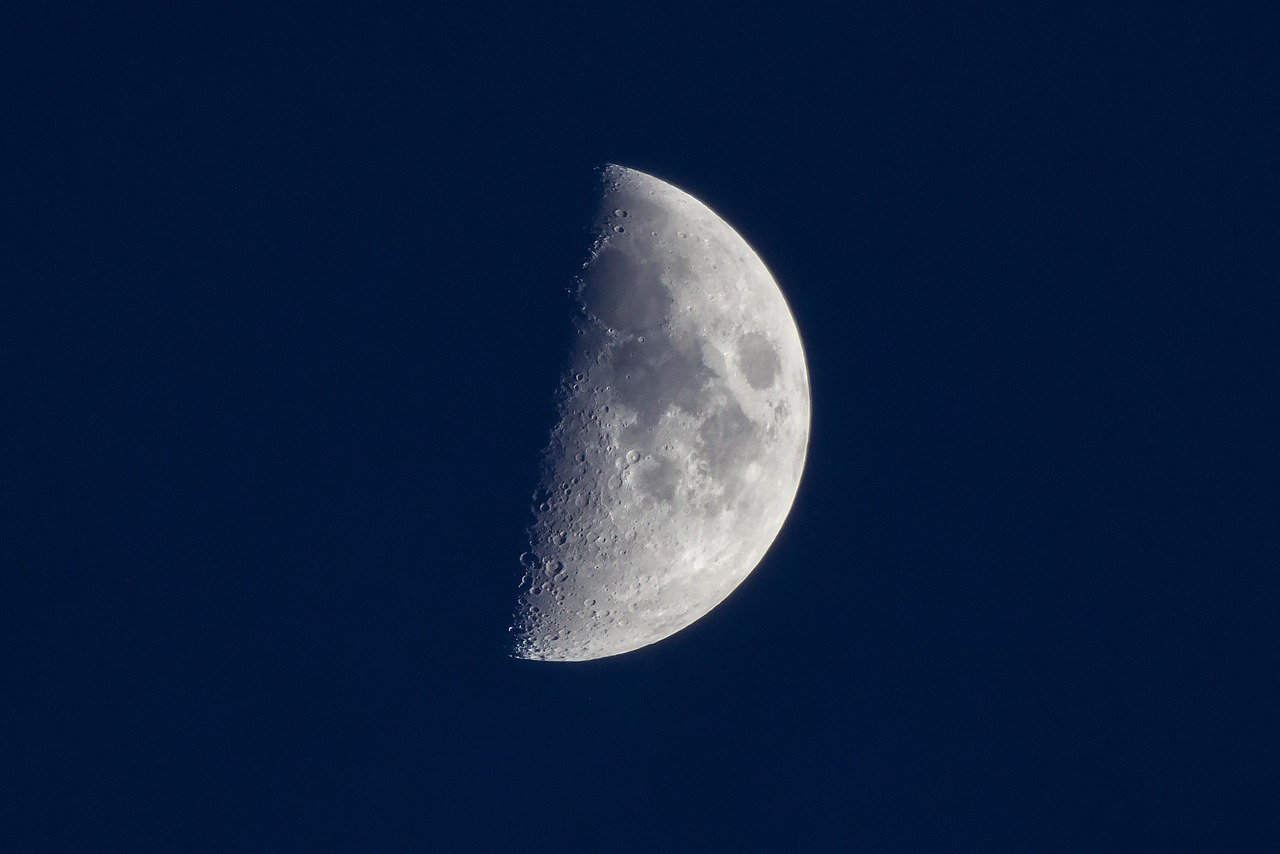
As Earth loses rotational energy, something fascinating happens to our natural satellite. The moon continues moving away from Earth at a rate of about an inch and a half (3.8 centimeters) per year. Currently, the moon’s distance increases by about 3.8 centimeters annually, a measurement confirmed by bouncing laser beams off reflectors left by Apollo astronauts on the lunar surface.
This cosmic dance between Earth and moon has been going on for billions of years. Scientists know the moon has been with us much longer than 70 million years, most likely forming over 4.5 billion years ago from a massive collision, but the rate of its retreat has changed over time. The information from ancient clams helps researchers understand how this retreat has varied throughout Earth’s history.
What Dinosaur Days Actually Looked Like
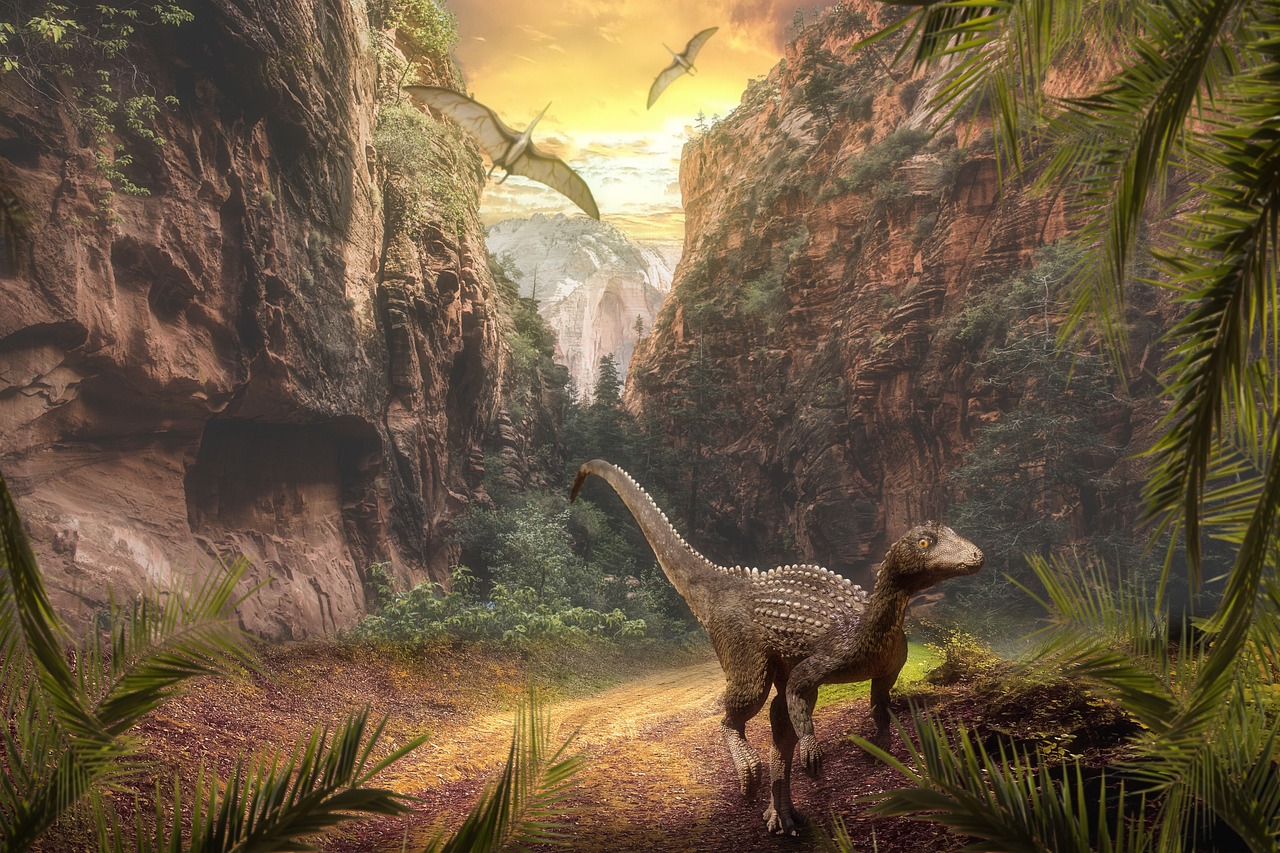
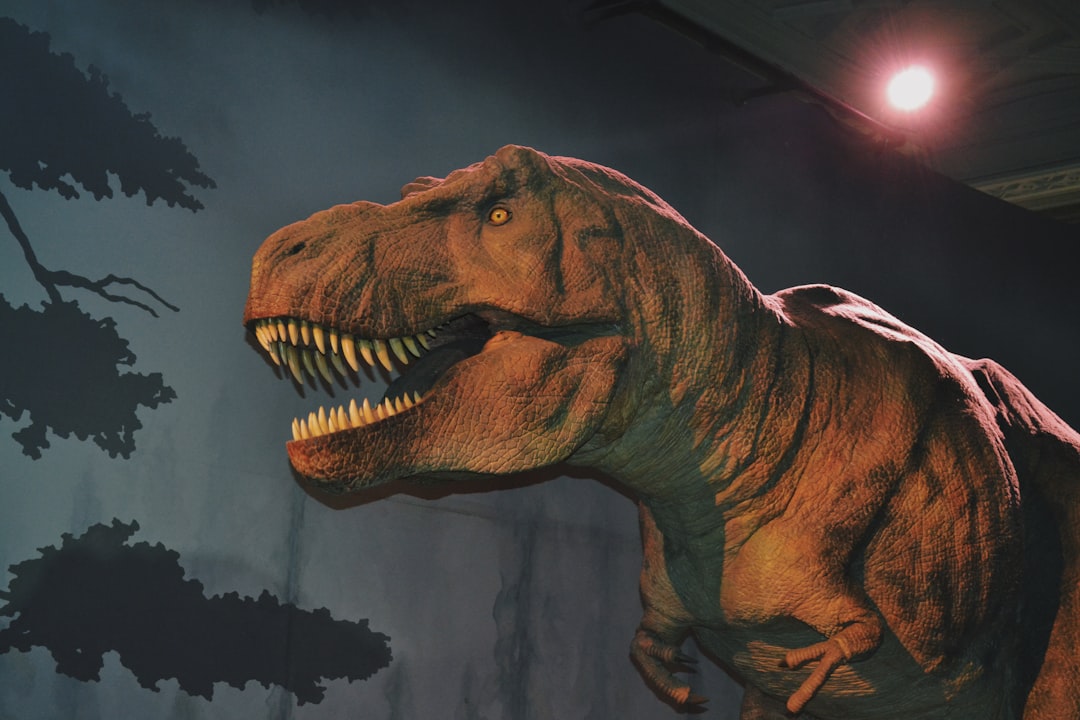
For mighty creatures like Tyrannosaurus rex and duck-billed hadrosaurs, daily life unfolded in these shorter, 23-and-a-half-hour cycles during the late Cretaceous period. Picture a T-rex hunting or a herd of Triceratops grazing, but compress their entire day into 30 minutes less time than we have available.
The ancient clam fossil revealed something else intriguing about prehistoric life. The fine-scale resolution showed that these creatures grew much faster during daylight hours than at night, suggesting they had symbiotic relationships with photosynthetic organisms, much like modern giant clams that harbor algae. This means the daily rhythm of light and darkness was crucial even for underwater life.
Ancient Corals Confirm the Pattern
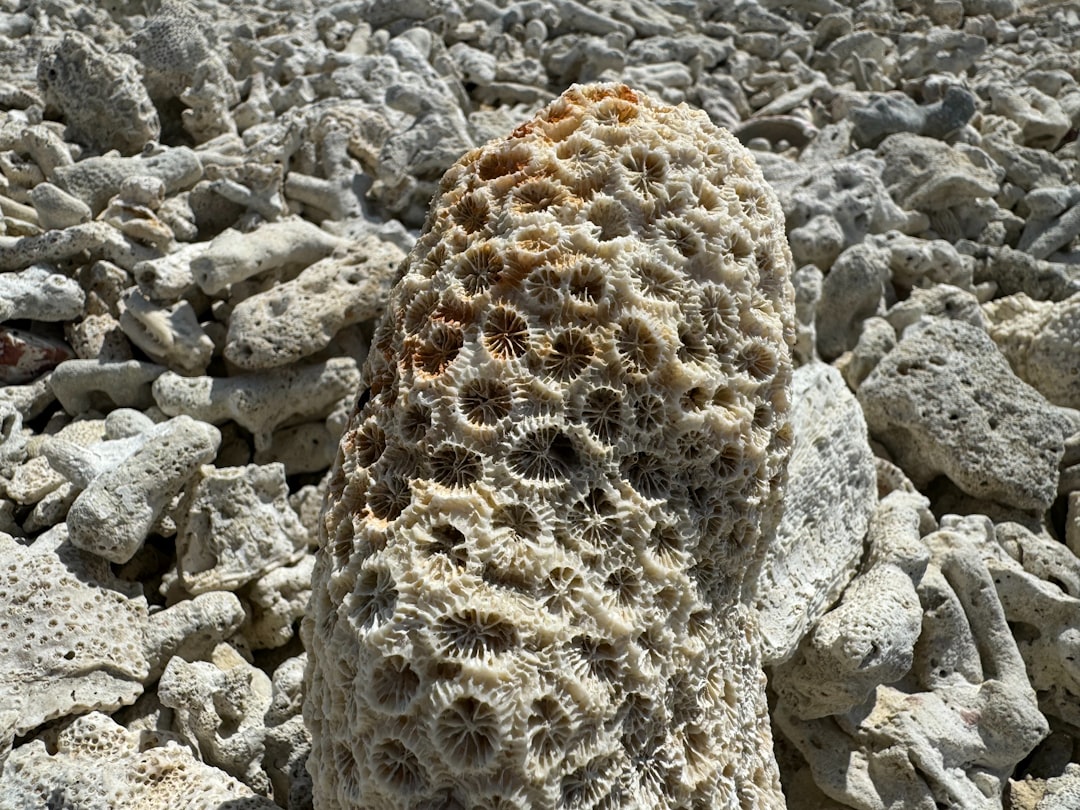
The clam discovery wasn’t an isolated finding. Growth rings in ancient corals from roughly 400 million years ago show that days back then were only 22 hours long, resulting in over 400 days in a year. This provides a consistent pattern showing that Earth’s rotation has been steadily slowing throughout geological time.
These biological timepieces from different eras paint a clear picture of our planet’s changing rotation. Each growth ring acts like a tick mark on an enormous cosmic clock, recording not just the passage of days but the fundamental changes in how time itself worked on ancient Earth. The further back we look, the faster our planet was spinning.
When the Moon Was Much Closer
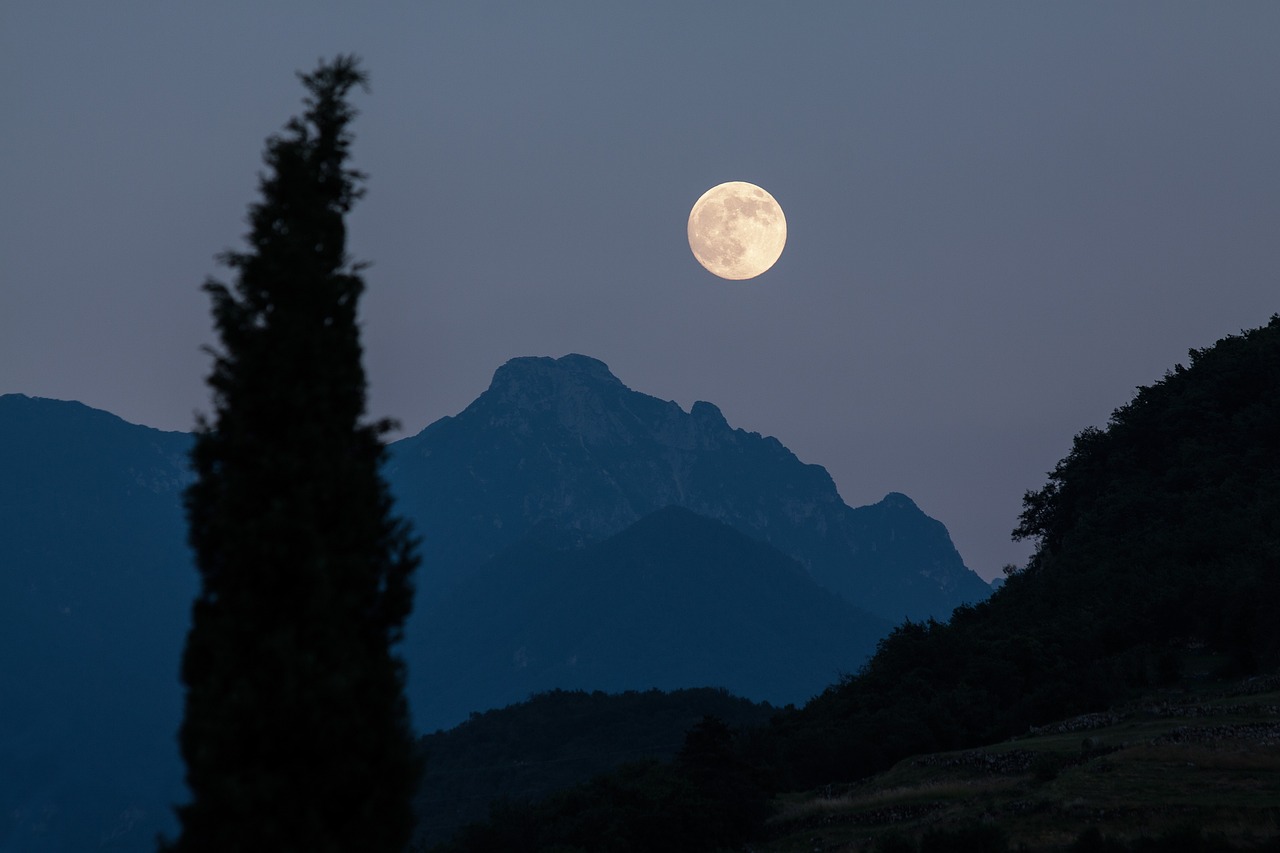
Billions of years ago, the relationship between Earth and moon was dramatically different. Four billion years ago, it would have taken only eight 18-hour days for the moon to complete one orbit around Earth, and the tidal forces would have been 22 times larger than they are today. Imagine the spectacle – a massive moon looming much closer in the sky, creating enormous tides.
The difference between low and high tides would have been hundreds of meters, creating vast tidal pools that filled and evaporated regularly, producing higher concentrations of amino acids that may have facilitated the formation of complex molecules and possibly the first single-celled life forms. In essence, the moon’s proximity might have been crucial for the very origin of life on Earth.
The Future of Earth’s Slowing Spin
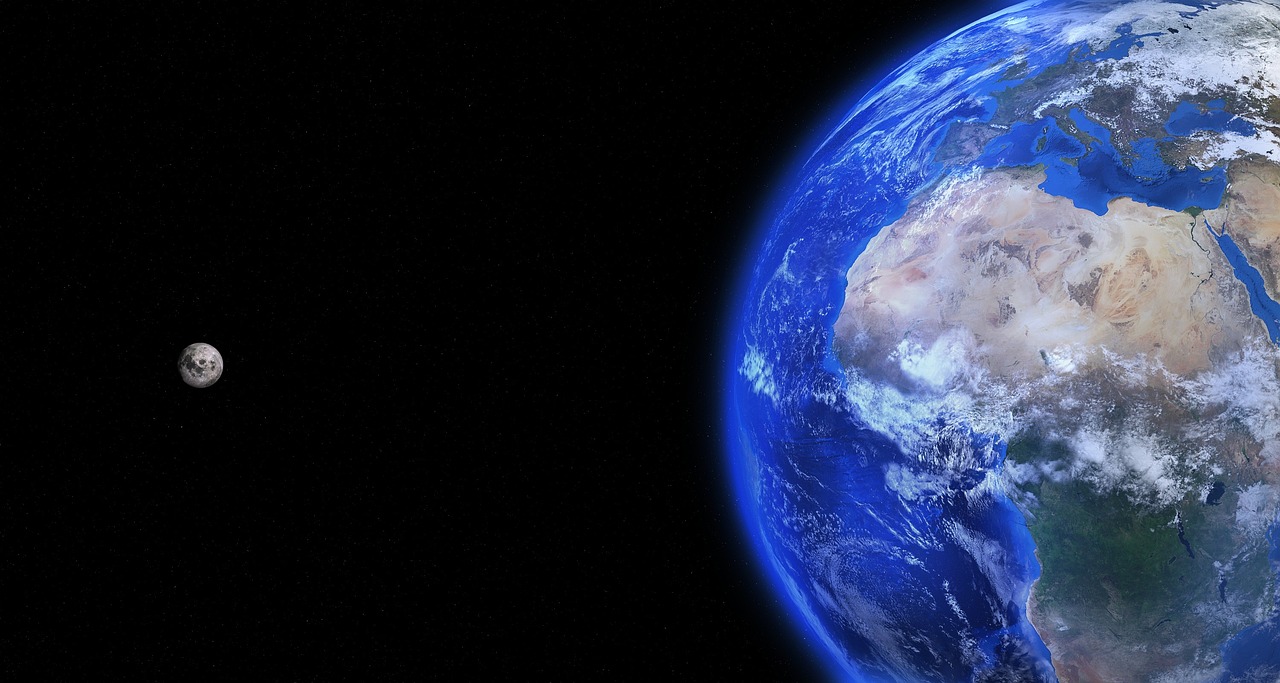
Our planet’s rotational slowdown continues today and will persist far into the future. However, this process won’t continue indefinitely – in about 1 to 1.5 billion years, the sun’s increasing radiation will likely vaporize Earth’s oceans, removing the bulk of tidal friction, and even if that didn’t happen, the sun will probably evolve into a red giant in 4.5 billion years.
If Earth and moon could somehow survive the sun’s death, about 50 billion years from now the moon would be so far away that Earth would become tidally locked to it, with the same side of our planet always facing the moon. This represents the ultimate endpoint of the cosmic dance between our two celestial bodies.
Revolutionary Science from Ancient Shells
The breakthrough in understanding prehistoric time came from developing new techniques to read nature’s own record books. The laser sampling method allowed scientists to count growth rings more accurately than traditional microscope observations, determining both the number of days in an ancient year and calculating day length with unprecedented precision.
This research opens doors for daily-scale reconstructions of ancient environments and sunlight intensity across geological time, potentially bridging the gap between climate and weather reconstructions from millions of years ago. Scientists now hope to apply these methods to even older fossils, capturing snapshots of Earth’s rotation from deeper in time and painting an even more detailed picture of our planet’s evolutionary dance through the cosmos.
Conclusion
The discovery that dinosaurs lived in a world of shorter days and longer years fundamentally changes how we imagine prehistoric life. Through the meticulous study of a single ancient clam shell, scientists have unlocked secrets about time itself during the age of giants. This research reveals the intricate cosmic clockwork that has been ticking away for billions of years, with our moon gradually retreating and our days slowly lengthening.
The implications stretch far beyond mere curiosity about dinosaur schedules. Understanding how Earth’s rotation has changed over geological time helps scientists model climate patterns, predict future changes, and even explore the possibility that tidal forces played a crucial role in the emergence of life itself. Every growth ring in these ancient shells represents a day in deep time, a moment when the world spun a little faster and time moved to a different rhythm than the one we know today.
What other secrets might be waiting in the fossil record, ready to reshape our understanding of time on ancient Earth?