
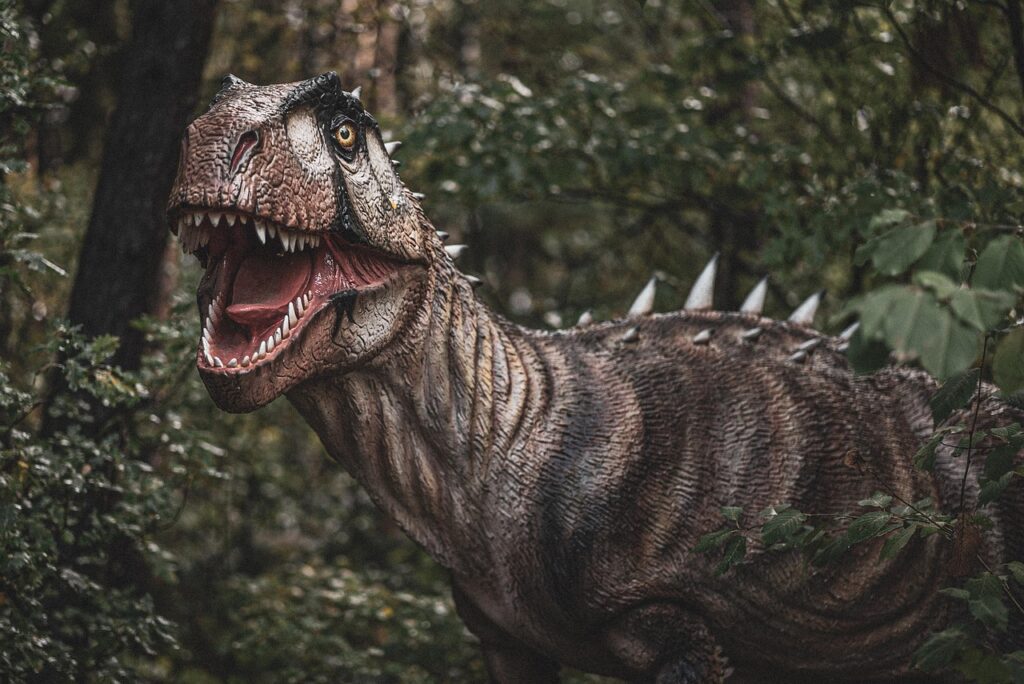
Picture this: Instead of a dusty museum hall filled with fossil bones, imagine launching rockets alongside towering Triceratops or getting weather reports from intelligent Velociraptors orbiting Earth. It sounds like pure fantasy, but what if the asteroid that wiped out dinosaurs sixty-six million years ago had simply missed our planet? Scientists have been wrestling with this mind-bending question, and their answers might surprise you more than you’d expect.
The Intelligence Factor Behind Prehistoric Space Dreams
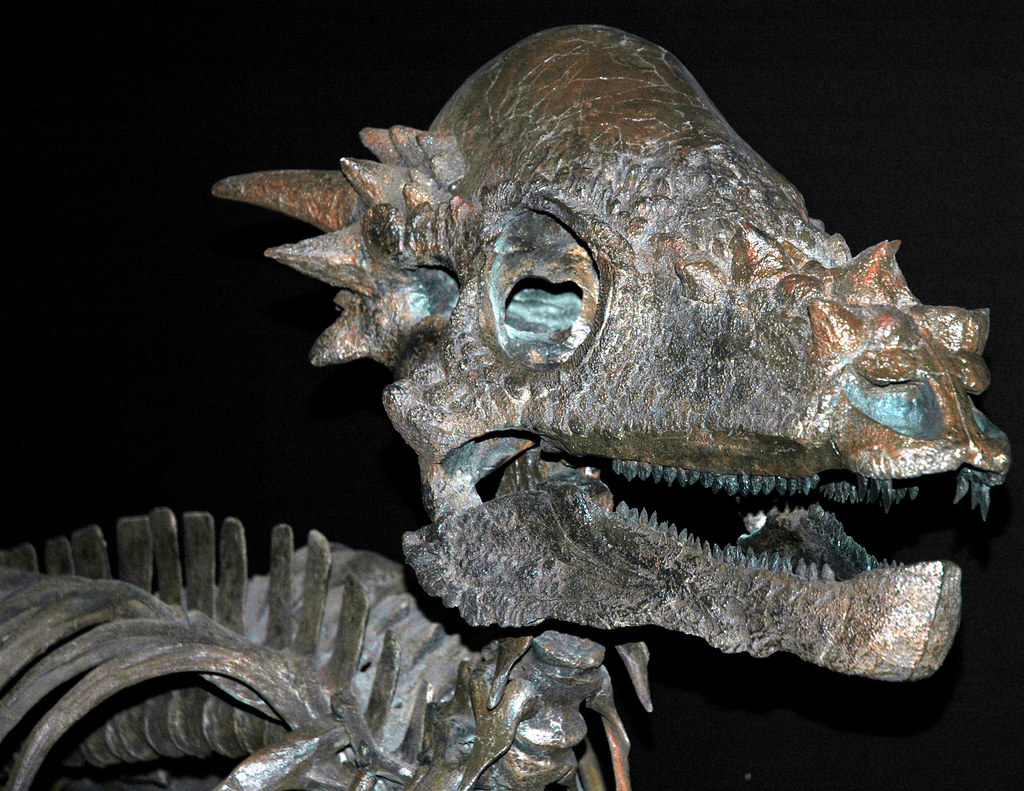
When we think about space exploration, we immediately connect it to intelligence, problem-solving, and technological innovation. By comparing the relationship between brain size, number of neurons and body size in numerous extant bird and reptile species – as well as considering the available fossils of extinct dinosaurs – Herculano-Houzel concludes that a large dinosaur such as Tyrannosaurus rex could have housed two billion to three billion neurons in its pallium, a number similar to that of a baboon. This revelation challenges everything we thought we knew about dinosaur intelligence.
Recreation of the Troodon brain has placed it on an EQ scale of around 5. Humans score at 7 with most dinosaurs of the K-T Extinction event era scoring a 2 on the EQ scale. The Bottle-Nosed Dolphin for further comparison scores around 4. The numbers paint a fascinating picture of prehistoric potential that makes you wonder what might have been possible.
Troodon: The Dinosaur Einstein That Could Have Changed Everything
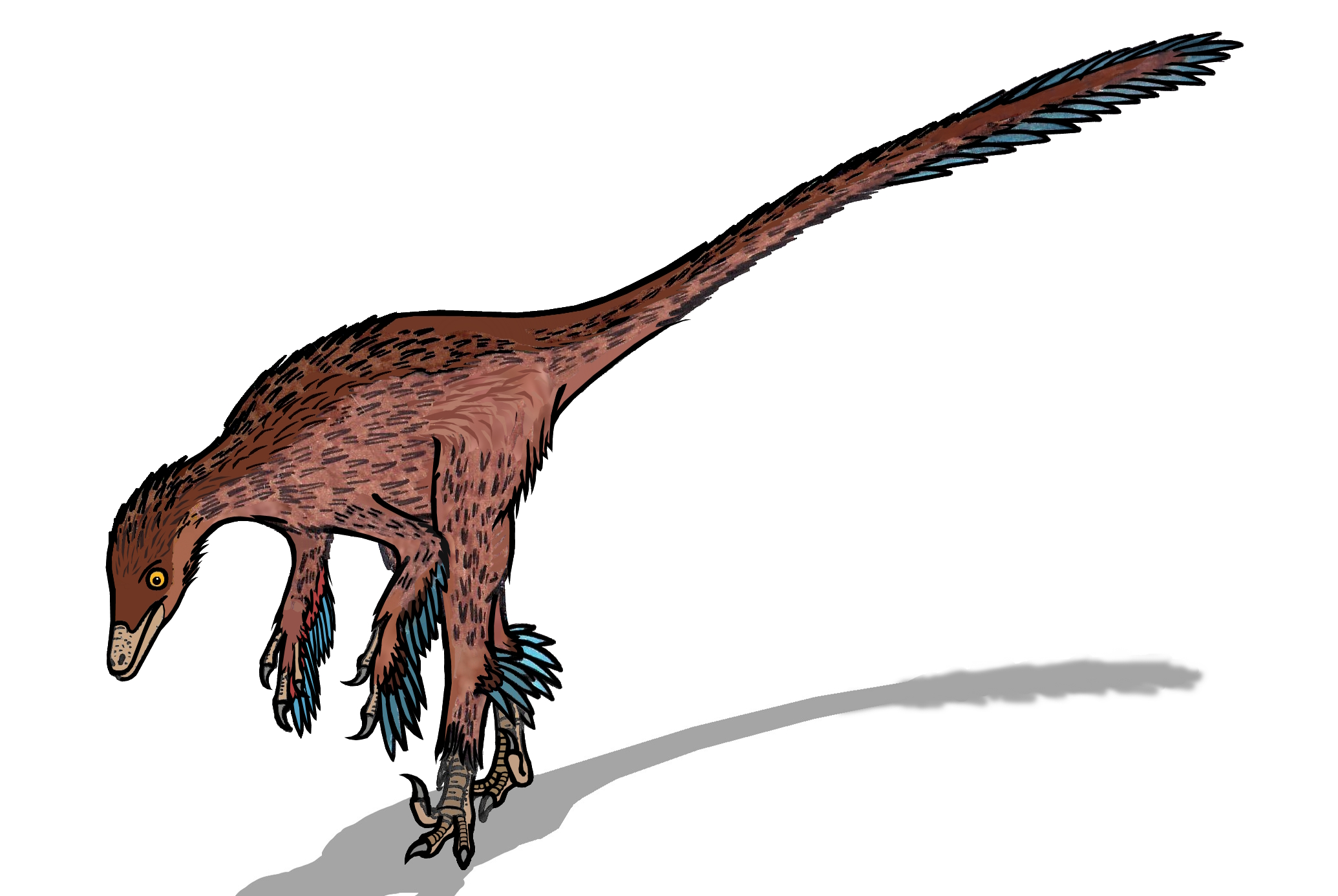
If dinosaurs had a shot at reaching the stars, theropod dinosaurs such as troodon had large brains, large grasping hands, and likely binocular vision would have been the most likely candidates. These creatures weren’t just smart by dinosaur standards – they were remarkably intelligent by any measure. Troodon has the biggest brain-to-body ratio of any dino so far, which is one way scientists guess an animal’s intelligence.
What made Troodon truly special wasn’t just brain power alone. Troodon had thumbs. This means it could pick things up and use tools, just like early humans. Think about it – opposable thumbs combined with high intelligence and social behavior creates the perfect foundation for technological advancement. Without that fateful asteroid impact, we might have been sharing the galaxy with highly advanced reptilian civilizations.
The Asteroid Impact That Changed Everything
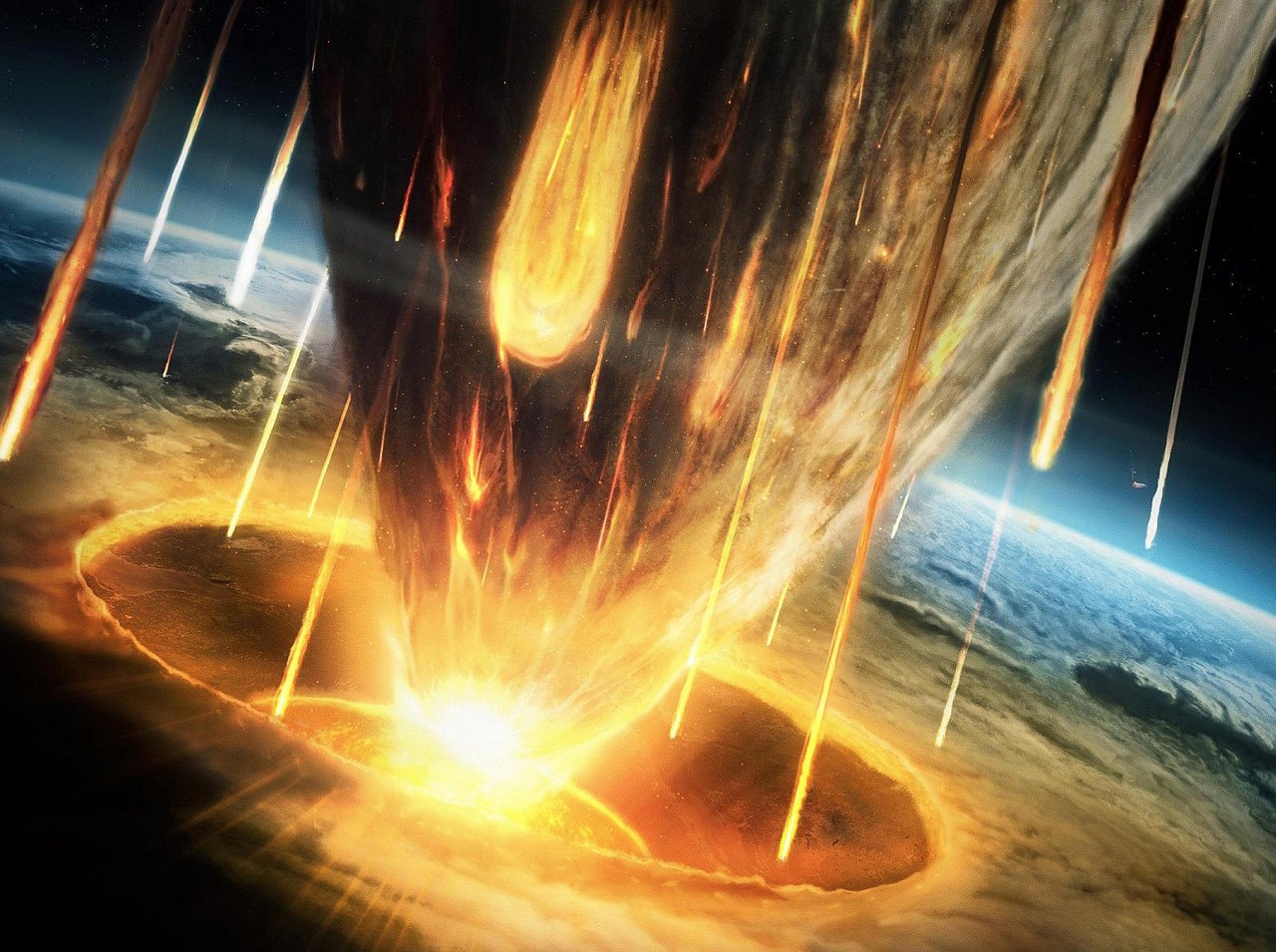
Around 75% of Earth’s animals, including dinosaurs, suddenly died out at the same point in time. So how was this global mass extinction caused by a rock hurtling into the coast of Central America? The Chicxulub impact wasn’t just a bad day for dinosaurs – it was a planetary catastrophe that reset the evolutionary clock entirely.
The asteroid with a diameter of more than 10 km impacted into a shallow ocean and penetrated the Earth’s crust down to a depth of several kilometers. It vaporized, melted and shattered ocean water and the Yucatan target rocks composed of carbonate and sulphate. As a result, a crater approximately 180 km in diameter formed. The destruction was so complete that it eliminated not just individual dinosaur species, but entire evolutionary pathways that could have led to space-faring civilizations.
Time: The Ultimate Game Changer in Evolutionary Development
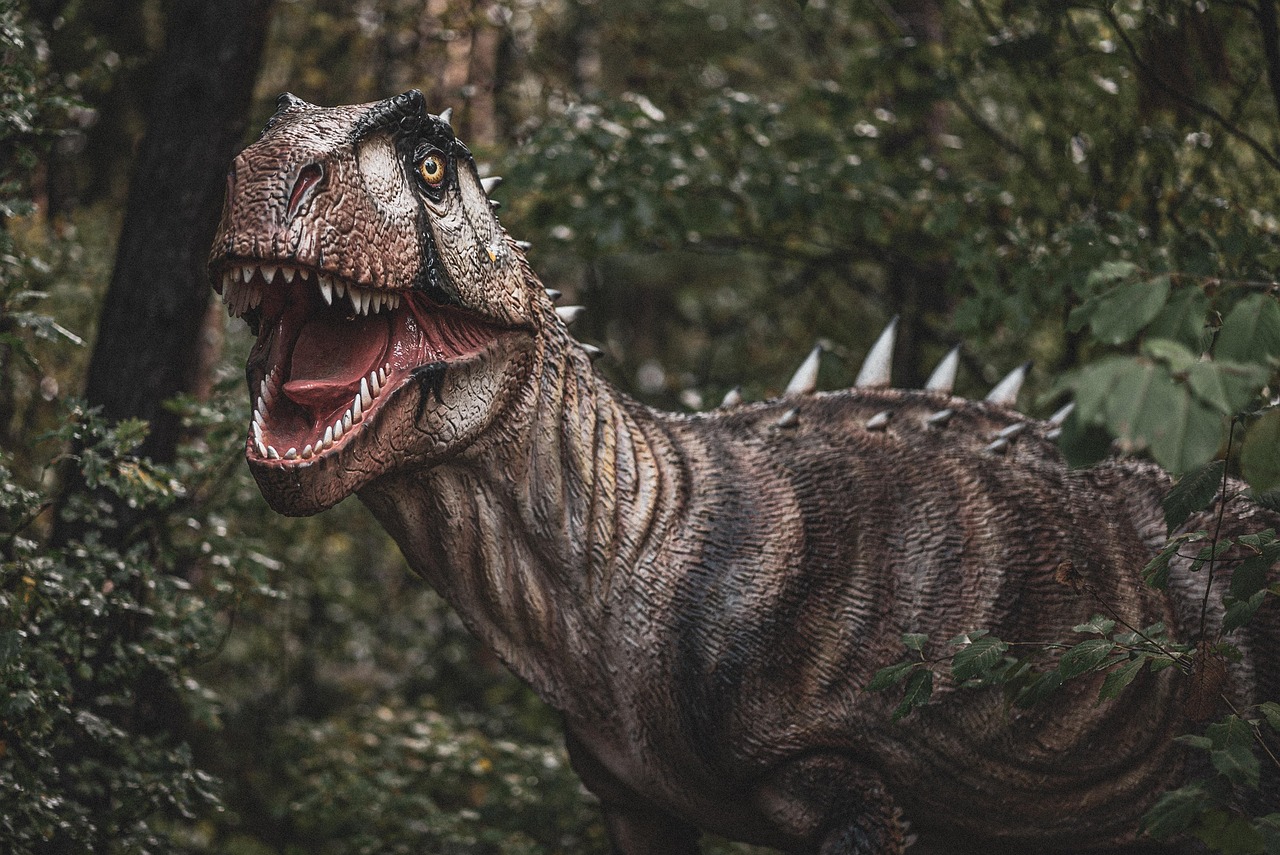
Here’s where the story gets really interesting. Dinosaurs ruled Earth for an astounding length of time. The dinosaurs were around for a very long time – from about 230 to 66 million years ago. Compare that to our own species’ relatively brief tenure, and you realize just how much potential was lost in that cosmic collision.
Troodon evolved late in dinosaur evolution, 77 million years ago, and the catastrophic extinction of dinosaurs 12 million years later may not have allowed sufficient time for such evolution, since it required about 50 million years for modern humans to evolve from early simians. But what if they had been given that extra time? The possibilities become staggering when you consider the evolutionary leaps possible over millions of additional years.
The Brain Architecture Debate That Could Shatter Dreams
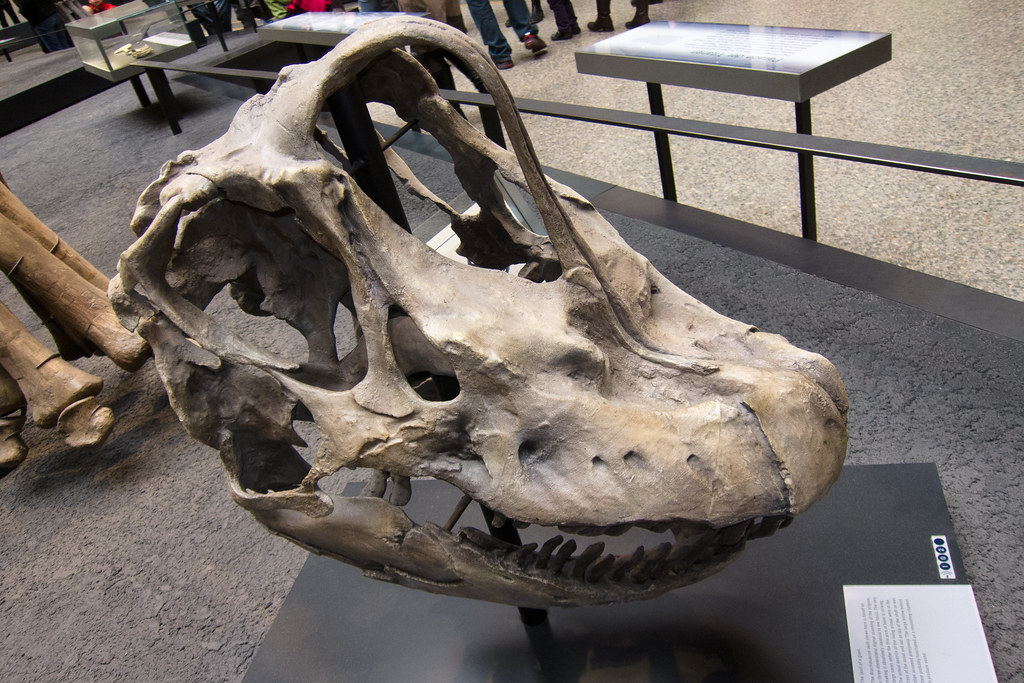
Not all scientists buy into the dinosaur space program theory, and their objections are pretty compelling. According to Reiner, it is unlikely that dinosaurs could have ever evolved cognitive abilities comparable to ours. Over 350 million years of separate evolution, mammals and dinosaurs found two rather different ways to organize cognitive functions. The fundamental difference in brain structure might have been an insurmountable obstacle.
To use a simple metaphor, we can think of the mammalian brain as a modular supercomputer in which it is easy to increase computational power by adding new elements. Dinosaur brains, in contrast, operated on a completely different architectural plan that might have limited their potential for the kind of abstract thinking needed for advanced technology and space exploration.
Flight vs Intelligence: The Evolutionary Trade-off

Here’s an ironic twist that might have doomed dinosaur space ambitions from the start. What prevented them from evolving into highly intelligent animals may have been limitations imposed on evolution due to specializations for flight. Flight gave them a convenient escape from predators, but flight also limited brain development through weight constraints, as well as tool use by the specialization of their front two appendages.
The very adaptations that made dinosaurs successful – their ability to soar through ancient skies – might have been the same features that prevented them from ever reaching for the stars. Land-dwelling mammals, on the other hand, had to outsmart their adversaries to survive, which placed evolutionary pressure on brain development. Sometimes evolution’s greatest gifts come with hidden costs.
Social Behavior: The Missing Piece of the Space Puzzle
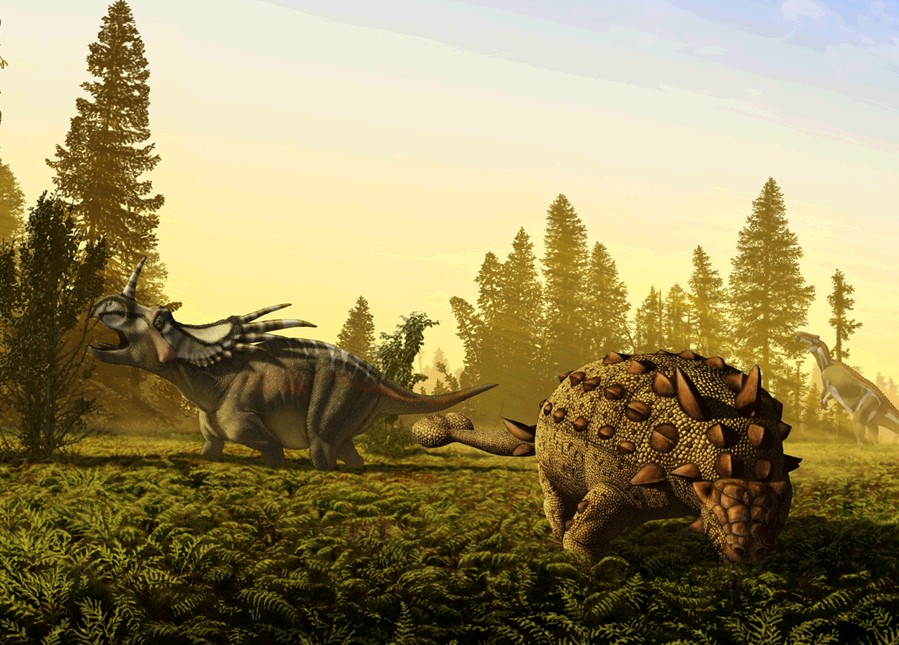
Building rockets and planning interplanetary missions requires more than just individual intelligence – it demands sophisticated social cooperation. Fortunately, dinosaurs showed promising signs in this area too. Troodon exhibited complex social behavior, inferred from fossilized nesting sites and evidence of pack hunting. They worked together, planned coordinated activities, and shared parenting duties.
Some experts think it might’ve sometimes hunted in packs to take down large prey – now that’s smart. If dinosaurs could organize hunting parties, imagine what they might have accomplished with advanced technology and millions of additional years of evolution. We might have seen the first space-faring civilizations emerging from prehistoric Earth.
The Technology Question: Tools or No Tools?
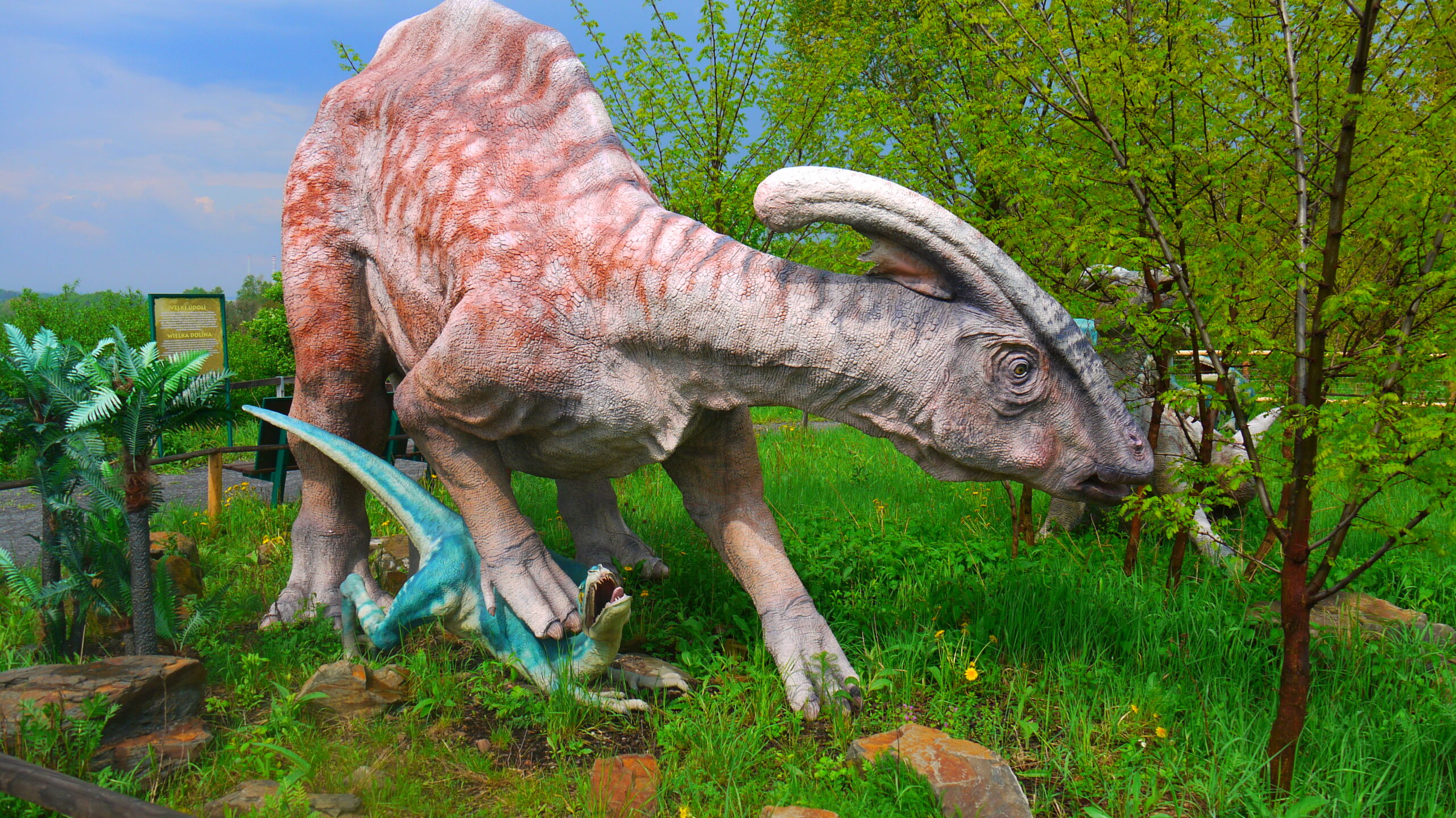
One of the biggest hurdles for any species attempting space travel is developing sophisticated technology, and that starts with simple tool use. The evidence for dinosaur tool use remains frustratingly sparse. Based on the ratios of their brain volume to physical size, most dinosaurs weren’t any smarter than possums. This creates a significant gap between the high-intelligence individuals like Troodon and the general dinosaur population.
However, The Troodon hand consists of three digits. Examining the hand is essential for determining if the Troodon would even be capable of tool use and with that use the development of further technology. While not as versatile as human hands, the combination of opposable digits and high intelligence might have been enough to spark a technological revolution given sufficient time.
Environmental Pressures: The Driving Force Behind Innovation
Space exploration doesn’t happen in a vacuum – it requires environmental pressures that push species toward innovation and expansion. Earth’s changing climate during the Late Cretaceous period might have provided exactly the kind of challenges needed to spur technological development. Dinosaurs faced rising sea levels, volcanic activity, and shifting continental positions that demanded adaptation and problem-solving.
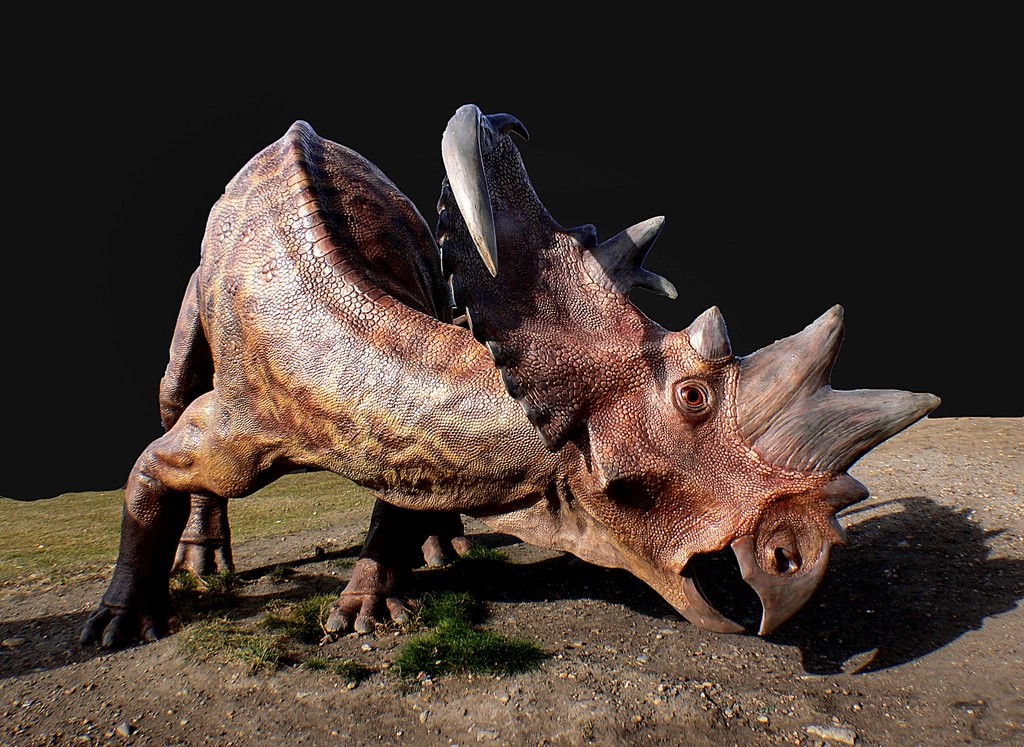
A 100-million-year evolutionary journey led horned dinosaurs down a path of diminishing intelligence and sensory capabilities. The team states that this decline could be attributed to their colossal sizes. This suggests that environmental pressures could either drive innovation or lead to evolutionary dead ends, depending on how species responded to challenges.
The Modern Bird Connection: Living Proof of Potential

We don’t have to rely purely on speculation about dinosaur intelligence – we have living examples all around us. Dinosaurs evolved into modern birds and some of them are extremely intelligent. In Japan, there are crows that have learnt to use the traffic to crack the shells of nuts that they drop – and they will wait for the lights to turn red, so they can safely retrieve them.
Modern birds demonstrate problem-solving abilities, use tools, and display complex social behaviors that hint at what their dinosaur ancestors might have achieved with more time and evolutionary pressure. The intelligence is clearly there in the genetic blueprint – it just needed the right circumstances to flourish on a civilization-building scale.
Alternative Scenarios: What if They Had Survived?
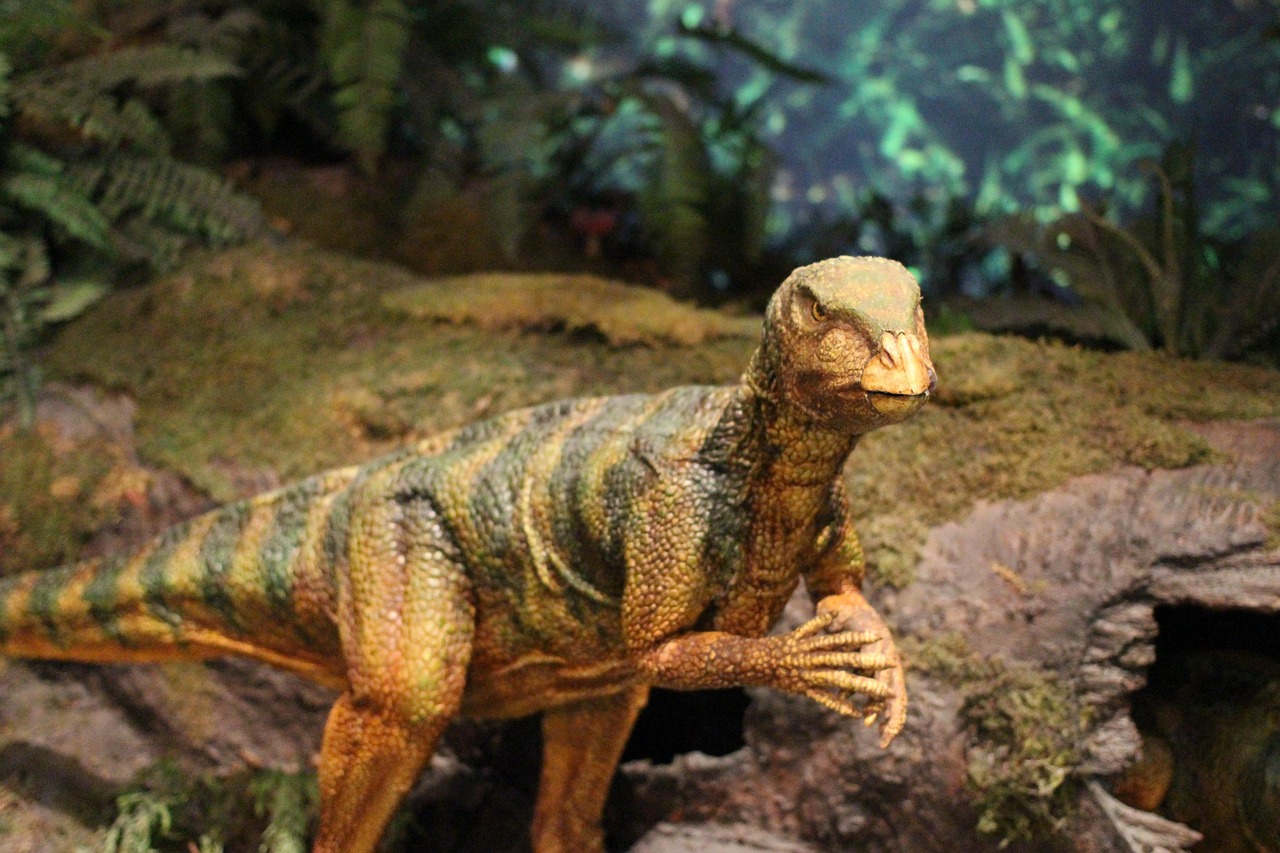
What would have happened if the asteroid that supposedly hit the Earth at the end of the Cretaceous period had missed? One possibility is that the dinosaurs would not have become extinct, advanced mammals would subsequently not have appeared, and some of the descendants of dinosaurs might have evolved to become intelligent in our place.
The implications are staggering when you really think about it. We might have encountered space-faring dinosaur civilizations spreading across the galaxy millions of years before mammals even developed complex brains. Breslow concludes that such life forms could well be advanced versions of dinosaurs, speculating that “We would be better off not meeting them” because their advanced Technology coupled with their emotionless, but advanced and efficient Reptilian Intelligence means our Civilization would be very Primitive, and its conquest almost effortless to them.
Conclusion: The Greatest What-If in Natural History
The question of whether dinosaurs could have dominated space remains one of the most fascinating thought experiments in paleontology and astrobiology. While we’ll never know for certain what might have been, the evidence suggests that given enough time, the most intelligent dinosaur species had at least some of the building blocks necessary for technological civilization.
The combination of high intelligence in species like Troodon, complex social behaviors, manipulative appendages, and the sheer vastness of time available to them creates a compelling case for prehistoric space exploration. Whether their unique brain architecture would have ultimately limited their potential remains a matter of scientific debate, but one thing is clear: the asteroid impact of sixty-six million years ago didn’t just end the age of dinosaurs – it may have prevented the galaxy’s first space-faring reptilian civilizations.
What would our universe look like today if those ancient thunder lizards had been given their shot at the stars?