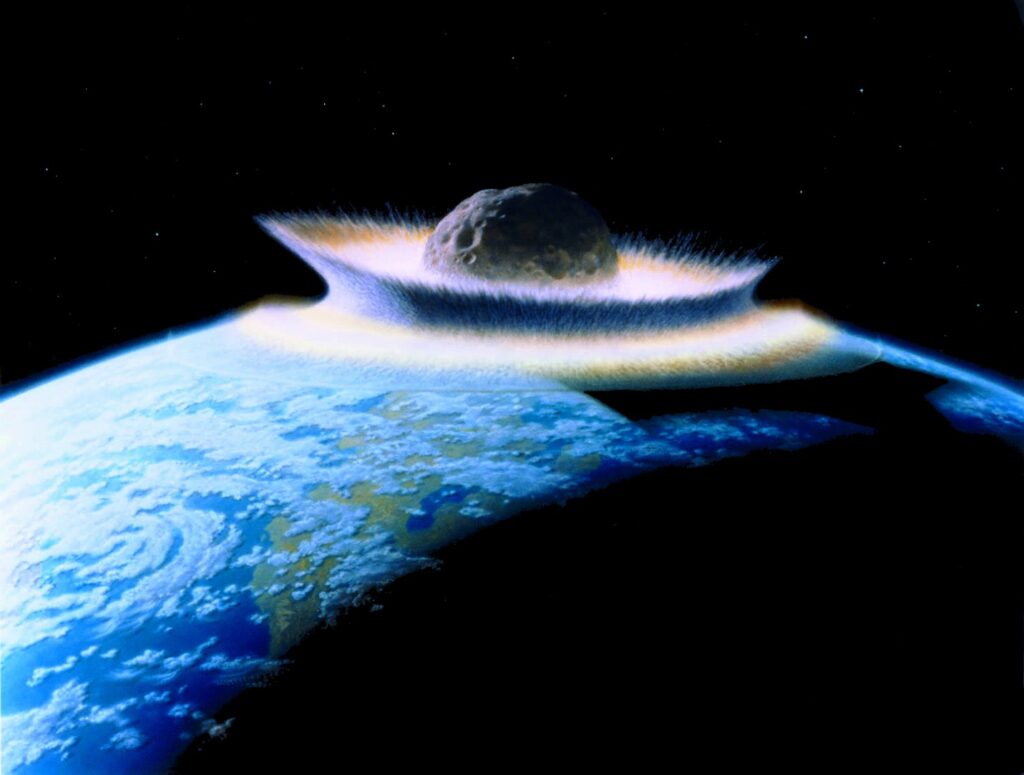
You might think our planet is this stable, unchanging rock floating through space, but the truth is Earth has been playing cosmic dodgeball for billions of years. And sometimes, Earth loses. When asteroids and comets smash into our planet, they create scars that tell incredible stories of destruction and transformation that shaped not just landscapes, but life itself. These aren’t just holes in the ground – they’re windows into catastrophic moments that changed everything.
Vredefort Crater – The Ancient Giant
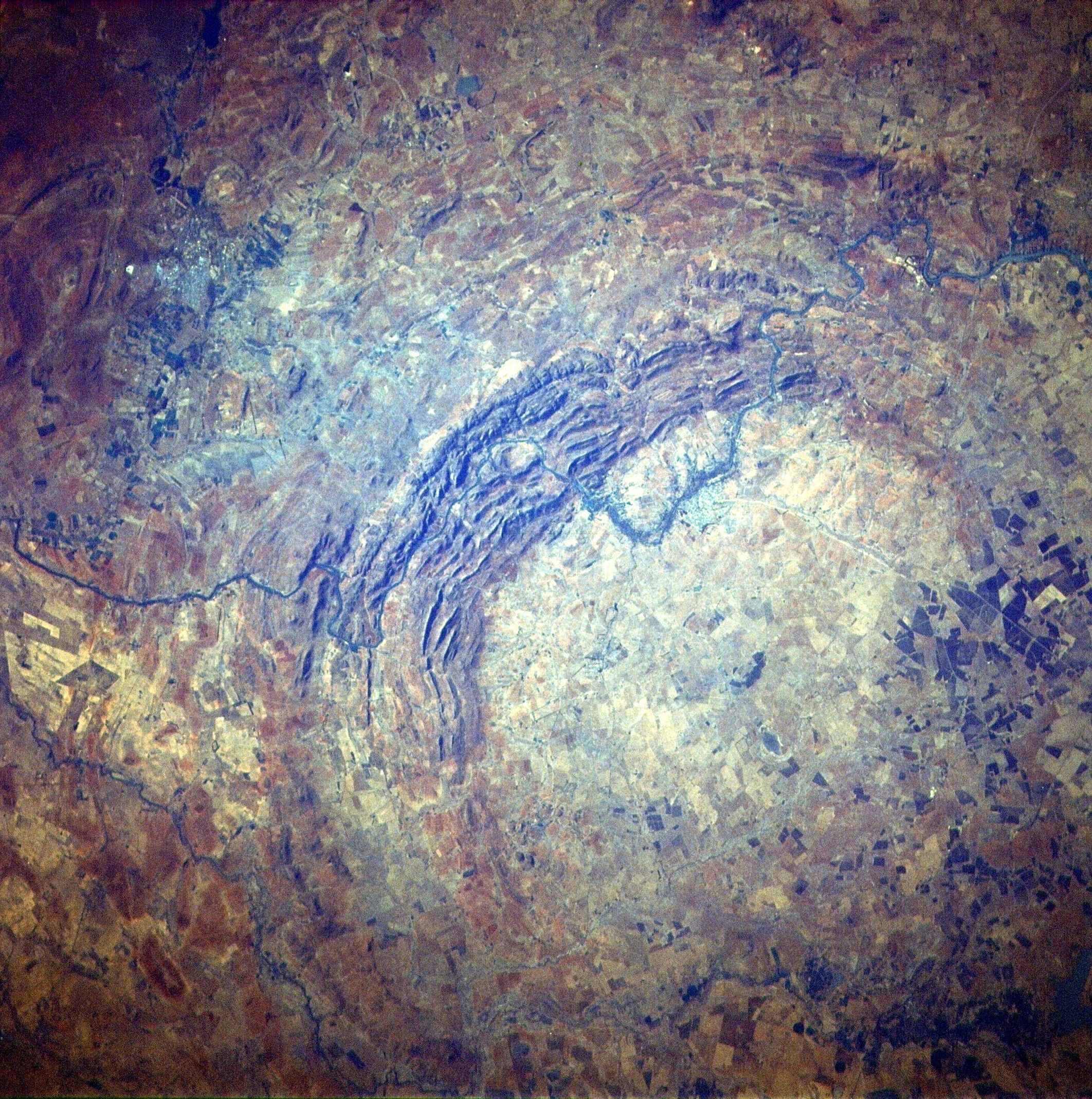
The Vredefort Crater in South Africa holds the crown as Earth’s largest confirmed impact structure, with an original diameter of roughly 190 miles (300 kilometers), formed approximately 2.02 billion years ago during the Paleoproterozoic era. The asteroid that hit Vredefort is estimated to have been one of the largest ever, and it’s possible that if it had not been for the Vredefort impact, gold would never have been discovered in 1886.
The landscape has been eroded to a depth of around 7–11 km since formation, obliterating the original crater, with the remaining structure consisting of a partial ring of hills 70 km in diameter. In 2005, the Vredefort Dome was added to the list of UNESCO World Heritage Sites for its geologic interest.
Chicxulub Crater – The Dinosaur Killer
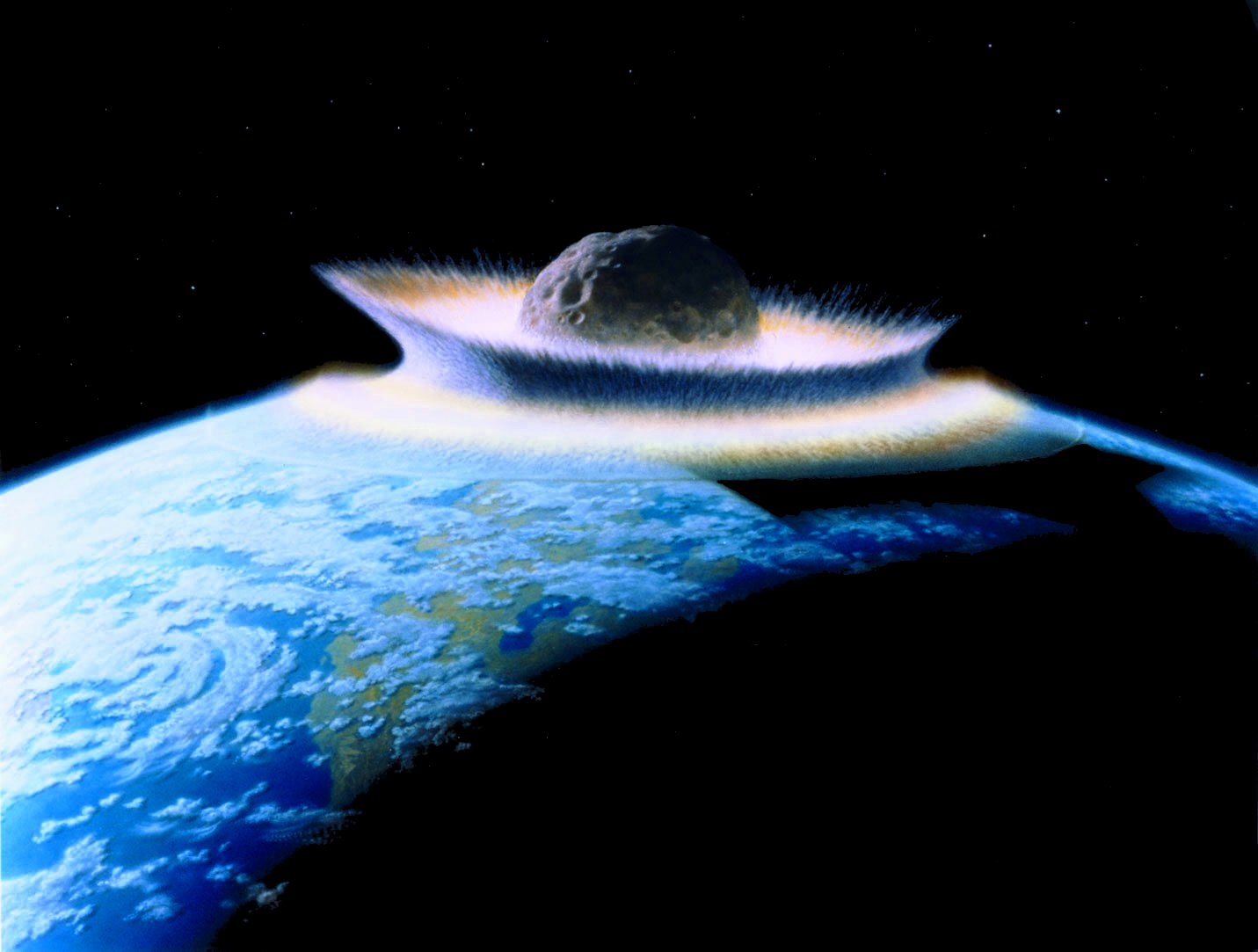
One of Earth’s most significant impact craters is Chicxulub, located beneath the Yucatán Peninsula, Mexico, which formed around 66 million years ago when an asteroid 10km in diameter tore through Earth’s atmosphere and caused a mass extinction event, wiping out three-quarters of life on Earth, including dinosaurs. About 66 million years ago, an asteroid or comet measuring between 9 and 18 miles across crashed into the Gulf of Mexico with the explosive violence of 100 million atomic bombs and created a fireball that burned at 18,000 degrees Fahrenheit.
The crater is located on the Yucatan Peninsula in Mexico, with a diameter of about 180 km, and the causative asteroid had an estimated diameter of more than 10 km. The name itself carries weight – in the Mayan language, Chicxulub means “tail of the devil,” an appropriate name for the impact event that forever altered life on planet Earth.
Sudbury Basin – The Miner’s Paradise
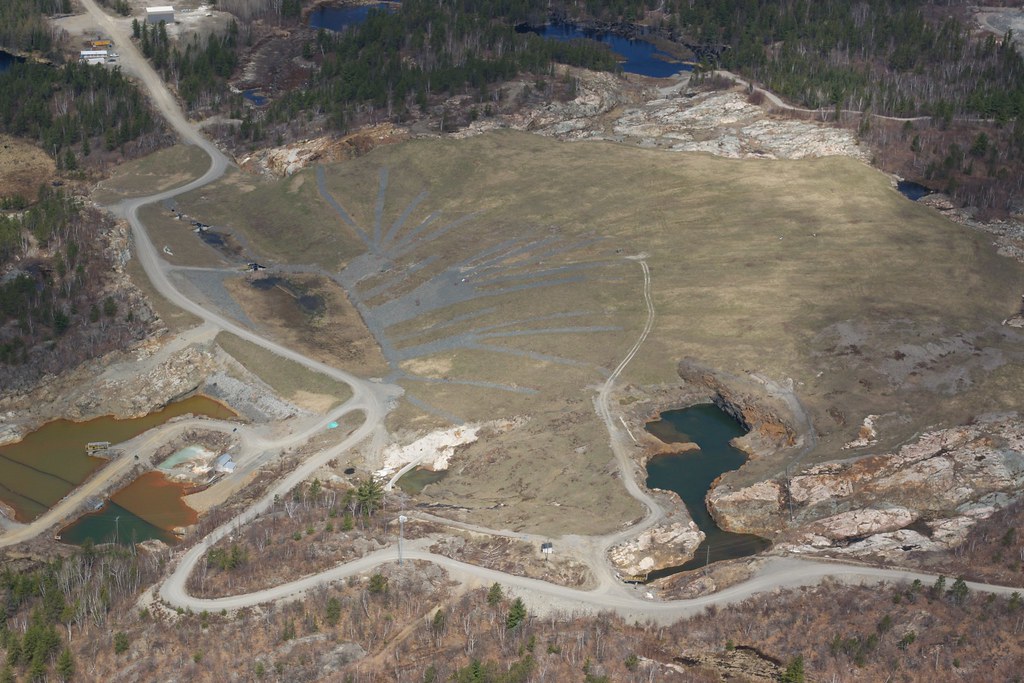
The Sudbury Basin structure was formed by the impact of an asteroid 1.849 billion years ago in the Paleoproterozoic era, making it one of the oldest and largest known impact structures on Earth. The Sudbury Basin, which is the world’s second-largest impact crater, was likely formed by an enormous comet that battered Earth more than 1.8 billion years ago, leaving a gigantic crater with a complex shape with an original diameter of about 155-162 miles (250-260 km), though the remaining structure is much smaller.
The collision punctured Earth’s crust, allowing material from the mantle to well up from below and fill the basin with melted rock, then after a shockwave shattered the surrounding rocks, minerals from the melted rock below infiltrated the cracks. The ores of the Sudbury Basin are known to contain nickel, copper, gold, silver, platinum, palladium, rhodium, iridium, and ruthenium, with metal-rich debris eventually separating from the melted rock to form valuable metals.
Popigai Crater – The Diamond Factory
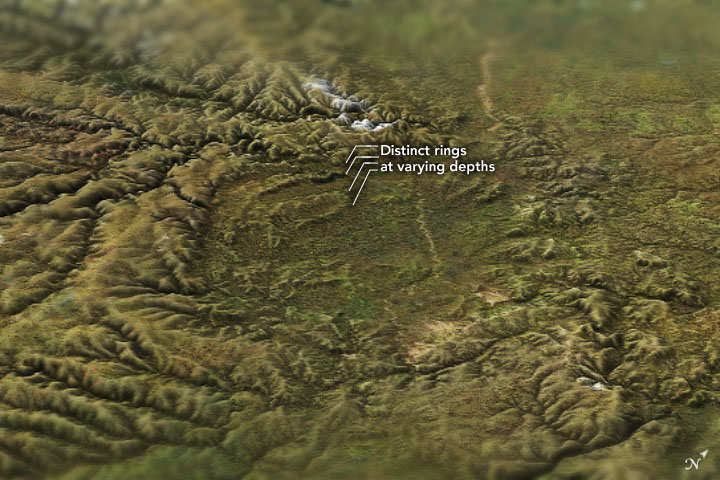
A large bolide impact created the 100-kilometre-diameter crater approximately 35 million years ago during the late Eocene epoch, when an asteroid slammed into northern Siberia at an estimated speed of 20 kilometers per second, creating a crater nearly 100 kilometers in diameter. The impact from the asteroid melted 1,750 cubic kilometers of rocks and instantly transformed flakes of graphite into diamonds, with diamonds forming in a hemispherical shell about 1.6 kilometers thick and about 12 to 13 kilometers away from the impact site.
Popigai crater is the site of one of the largest diamond fields in the world today, estimated to contain “trillions of carats,” but because they were formed instantly, the “impact diamonds” did not have time to develop as large, single gemstones, with most being polycrystalline stones smaller than two millimeters. For decades, the Popigai impact structure has fascinated paleontologists and geologists, but the entire area was completely off limits because of the diamonds found there, with impact diamonds reserved for scientific research in Russia.
Manicouagan Crater – The Eye of Quebec
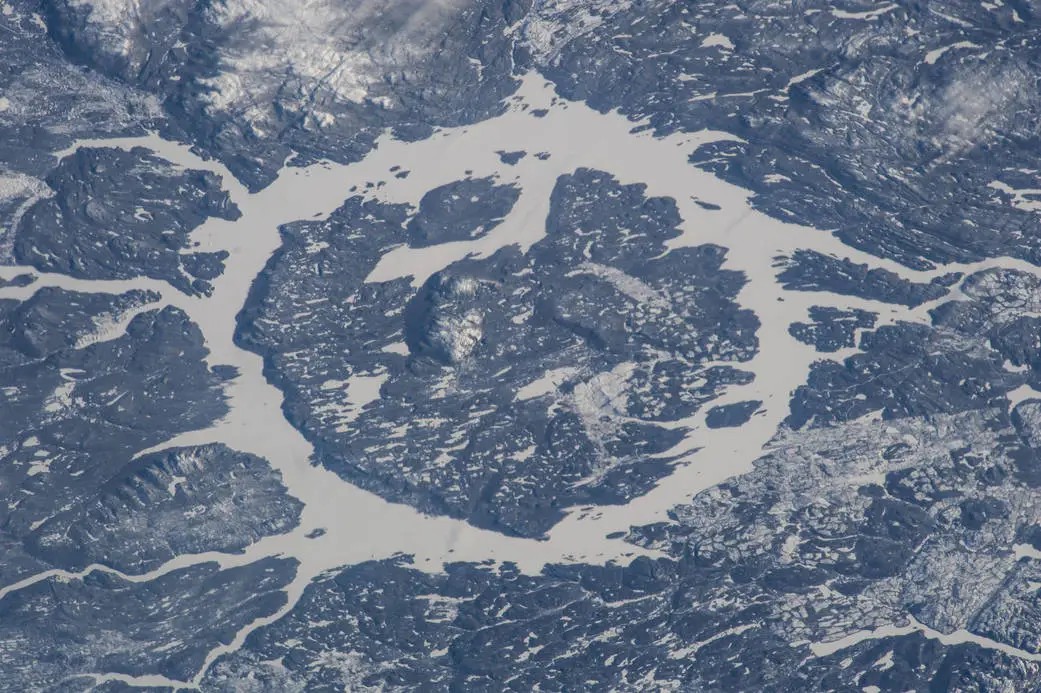
The Manicouagan Crater, located in Quebec, Canada, is one of Earth’s largest and oldest preserved impact craters, formed approximately 215 million years ago during the Late Triassic period, with a diameter of about 62 miles (100 kilometers). Known as “the eye of Quebec,” the crater’s inner ring is a 350-meter-deep circular lake, and the impact that generated this crater occurred about 215 million years ago, making it one of the most beautiful and preserved craters on Earth.
The impact that created Manicouagan was caused by an asteroid estimated to be over 3 miles (5 kilometers) wide, when a ~5 km diameter asteroid impacted the planet roughly 215 million years ago, creating a multi-ring structure that is 100 km across, making it the fifth largest confirmed impact crater on Earth. The distinctive ring-shaped lake formed by partial flooding makes it visible from space and creates one of nature’s most recognizable circular features.
Acraman Crater – Australia’s Ancient Scar
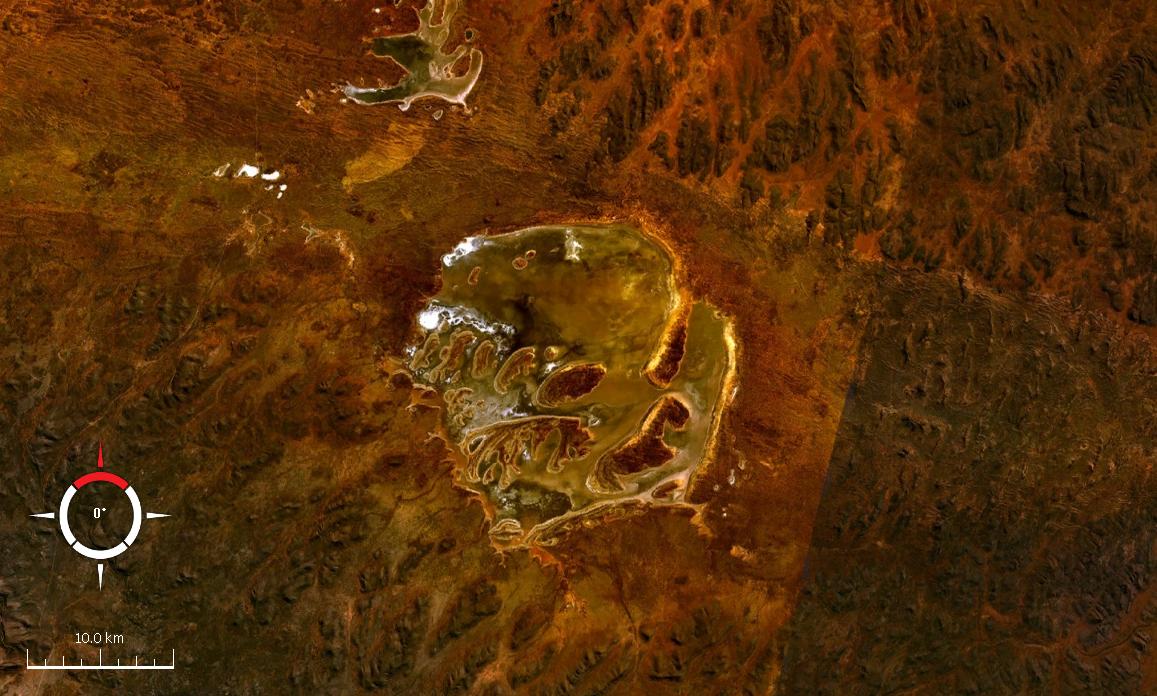
The Acraman crater is located in South Australia and was formed about 580 million years ago after the collision with a huge asteroid, with a diameter between 85 and 90 kilometers approximately. Lake Acraman fills this round impact crater, excavated 580 million years ago in South Australia, measuring 56 miles (90 kilometers) in diameter, with impact ejecta from the crater found in the Flinders Range 185 miles (300 km) to the east, among rocks with fossils of the first complex life forms on Earth.
It is tied with the Popigai impact structure as the fourth largest verified impact structure on Earth. This ancient crater represents a fascinating glimpse into Earth’s early history, when complex life was just beginning to emerge and shape our planet’s biological future.
Kara Crater – The Arctic Mystery
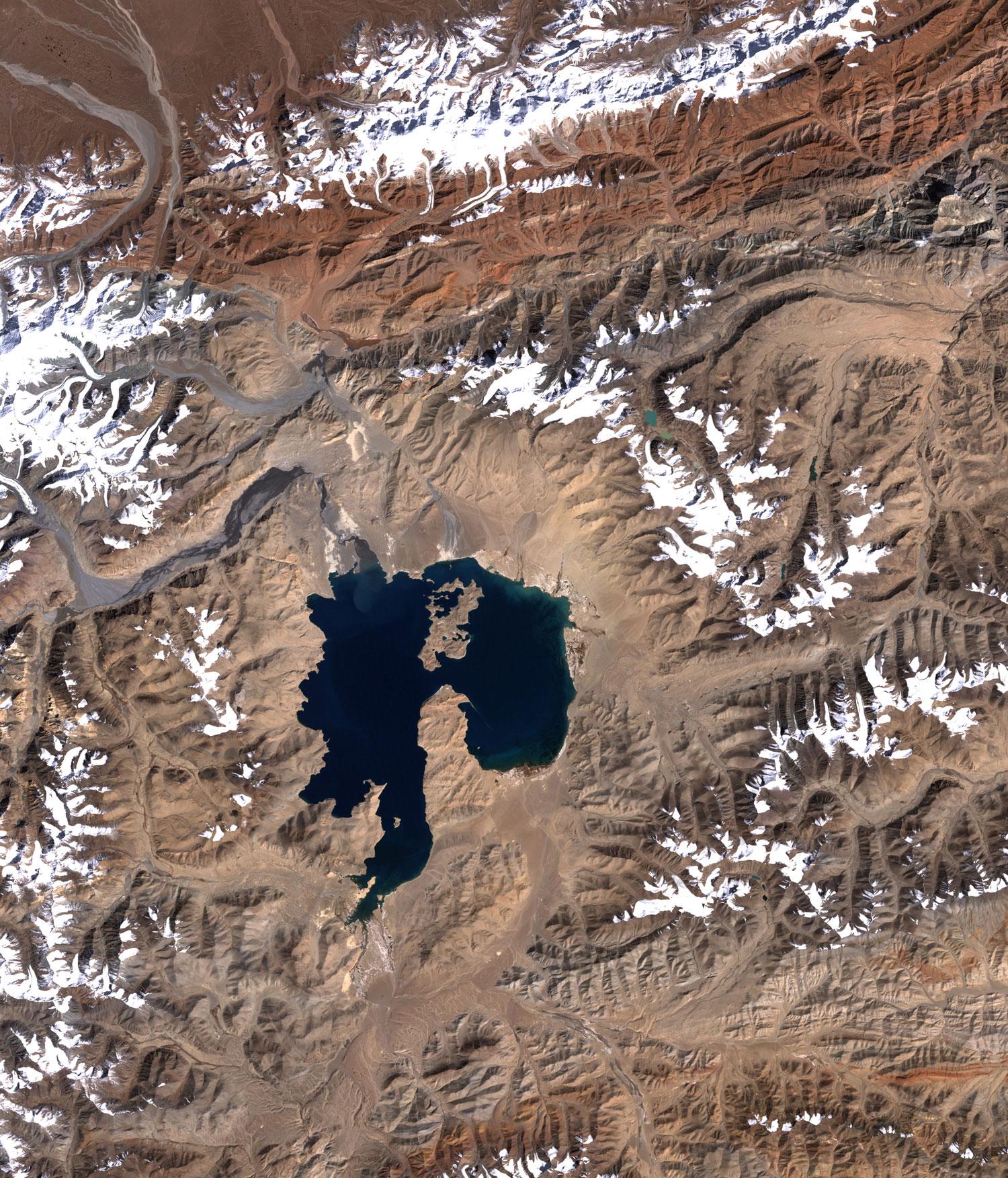
The Kara Crater is an ancient meteorite impact structure located in the northern region of Russia, near the Kara Sea, estimated to be around 70 million years old, dating back to the Late Cretaceous period, with an original diameter of roughly 40 miles (65 kilometers), though much of its structure is now obscured due to extensive erosion over millions of years. Located in the Arctic Ocean, in a region belonging to Russia, this crater is not exposed on the surface, with an estimated diameter of 65 km but believed that the crater was initially twice the size, shrinking over time due to erosion.
The impact was caused by a large asteroid or comet, and it likely contributed to significant geological changes in the area, with Kara Crater being famous for being one of the largest impact sites in Russia and notable for its potential connection to another nearby structure, the Ust-Kara Crater. The harsh Arctic environment has both preserved and hidden this ancient scar, creating ongoing mysteries for researchers.
Chesapeake Bay Crater – America’s Hidden Giant
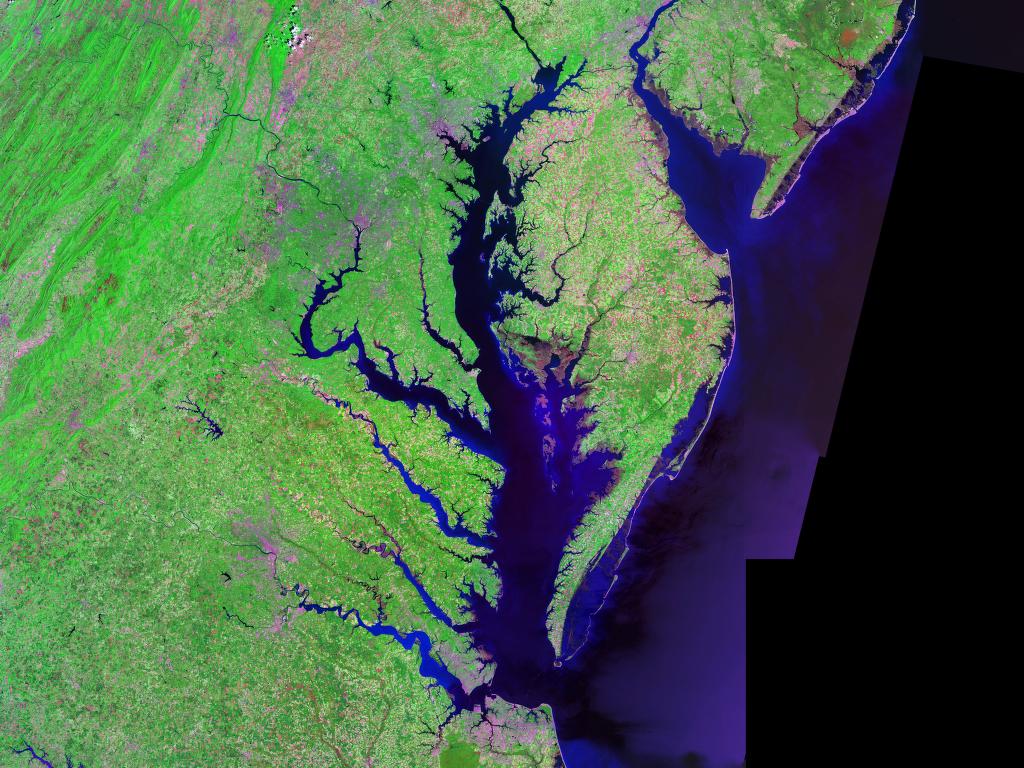
Only discovered in 1990, the Chesapeake Bay Crater now ranks as the largest in the United States, taking so long to find because it’s buried under 1,000 feet of rock beneath the ocean floor of Chesapeake Bay. It was discovered by accident during an offshore drilling project and the consensus is that roughly 35 million years ago, a 1.3-mile meteor or asteroid composed of either rock or ice traveled 144,000 m.p.h. and struck the coastal region, triggering a giant tsunami and raining molten debris for miles.
The crash left a gouge in the earth 12 miles wide and four miles deep, but the sandy walls of the crater collapsed and eroded over time, resulting in today’s shallow 25-mile-wide crater buried beneath millions of years of sediment. The crater is considered one of the best-preserved “wet-target” or marine impact craters worldwide.
Meteor Crater – The Young Survivor
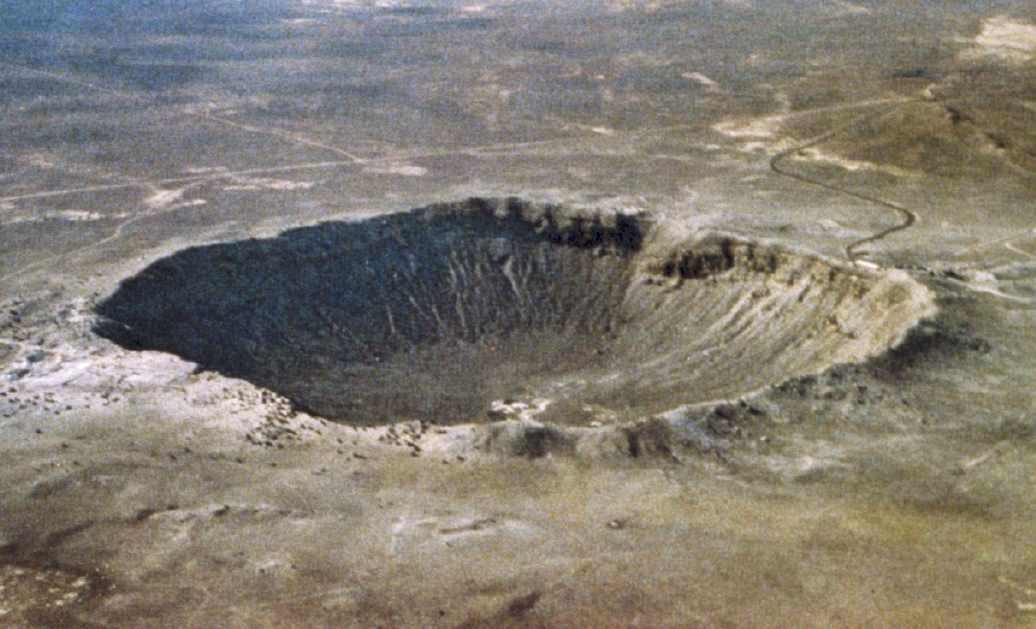
The object that excavated the crater about 50,000 years ago had an iron-nickel composition and was roughly 50 meters in size, with Meteor Crater near Winslow, Arizona being one spectacular example of a crater that remains very visible. Today, Meteor Crater is an iconic landmark and a valuable research site for scientists studying impact dynamics, with its excellent preservation allowing researchers to observe the characteristics of a fresh impact site, from shock-metamorphosed rock to fragmented meteorite remnants scattered around the crater.
Its accessibility and dramatic landscape make it a popular destination, captivating visitors with its scale and its story as a testament to the Earth’s vulnerability to cosmic forces. At barely 50,000 years old, this crater is practically newborn compared to the ancient giants, yet it serves as our clearest window into understanding what happens when space meets Earth with devastating force.
Conclusion
These nine colossal scars across our planet tell a story that’s both humbling and awe-inspiring. From the diamond-filled Popigai to the dinosaur-killing Chicxulub, each crater represents a moment when our world was forever changed by forces from beyond our atmosphere. They’ve shaped not just our geology, but our biology, our mineral wealth, and our understanding of Earth’s place in a sometimes dangerous cosmos.
What strikes me most about these impact sites is how they’ve transformed destruction into creation – turning catastrophe into diamond mines, gold deposits, and windows into deep time. They remind us that our planet isn’t just a passive rock floating through space, but an active participant in cosmic events that continue to shape our world today.
Did you ever imagine that some of our most precious resources came from the most violent events in Earth’s history?