Imagine standing where giants once walked, their massive footprints still preserved in stone after millions of years. The story of Earth’s prehistoric past comes alive through an incredible network of fossil sites scattered across every continent, revealing the remarkable journey of dinosaur evolution and migration. From the windswept badlands of Mongolia to the lush landscapes of Argentina, these ancient treasures offer us a window into worlds that existed long before humans ever set foot on this planet.
The American West: Cradle of Dinosaur Discovery
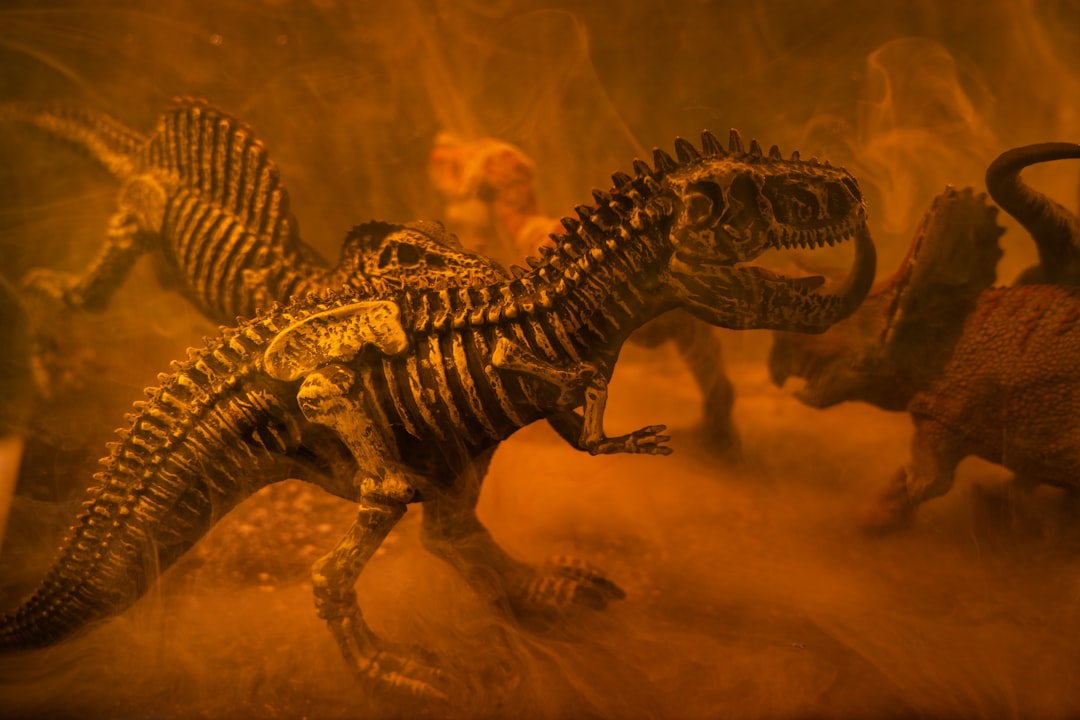
The western United States stands as the crown jewel of dinosaur paleontology, where nearly every state has yielded fossil evidence of these ancient giants. Almost all of the United States have produced at least one dinosaur fossil (the exceptions are the states along the Ohio River and around the Great Lakes, the northern portion of New England, Florida, and Hawaii), although most finds come from a rectangular area from Montana and North Dakota south to Arizona and Texas. This remarkable concentration isn’t just coincidence – it’s the result of perfect geological conditions that existed during the Mesozoic Era.
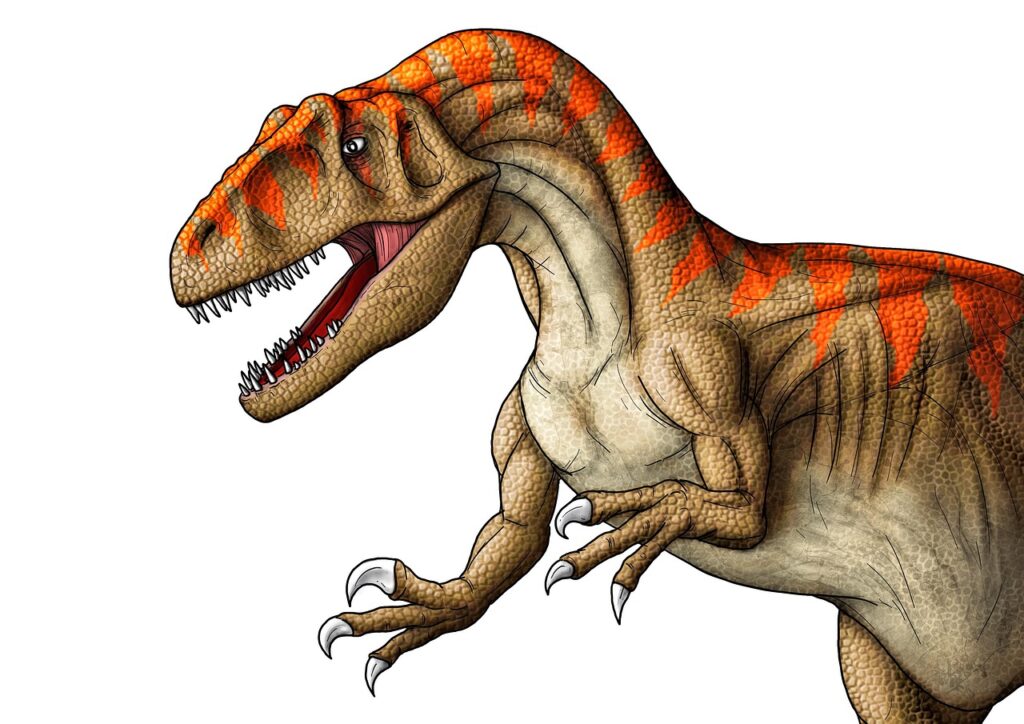
Colorado’s famous Dinosaur Ridge represents one of the most historically significant sites in paleontology. In 1877 Arthur Lakes, a clergyman, teacher, and amateur paleontologist from Golden, CO, and Henry Beckwith, a retired naval officer, discovered the first ever dinosaur material in the Morrison Formation at Dinosaur Ridge. The first identified Stegosaurus fossils in the world were discovered here, and fossil bones found in the layers of rock here represent some well-known dinosaurs, including Apatosaurus, Camarasaurus, Diplodocus, and Allosaurus. The site continues to amaze visitors today with both fossilized bones and incredible trackways that show these creatures in motion.
China’s Hidden Giants: Asia’s Paleontological Powerhouse
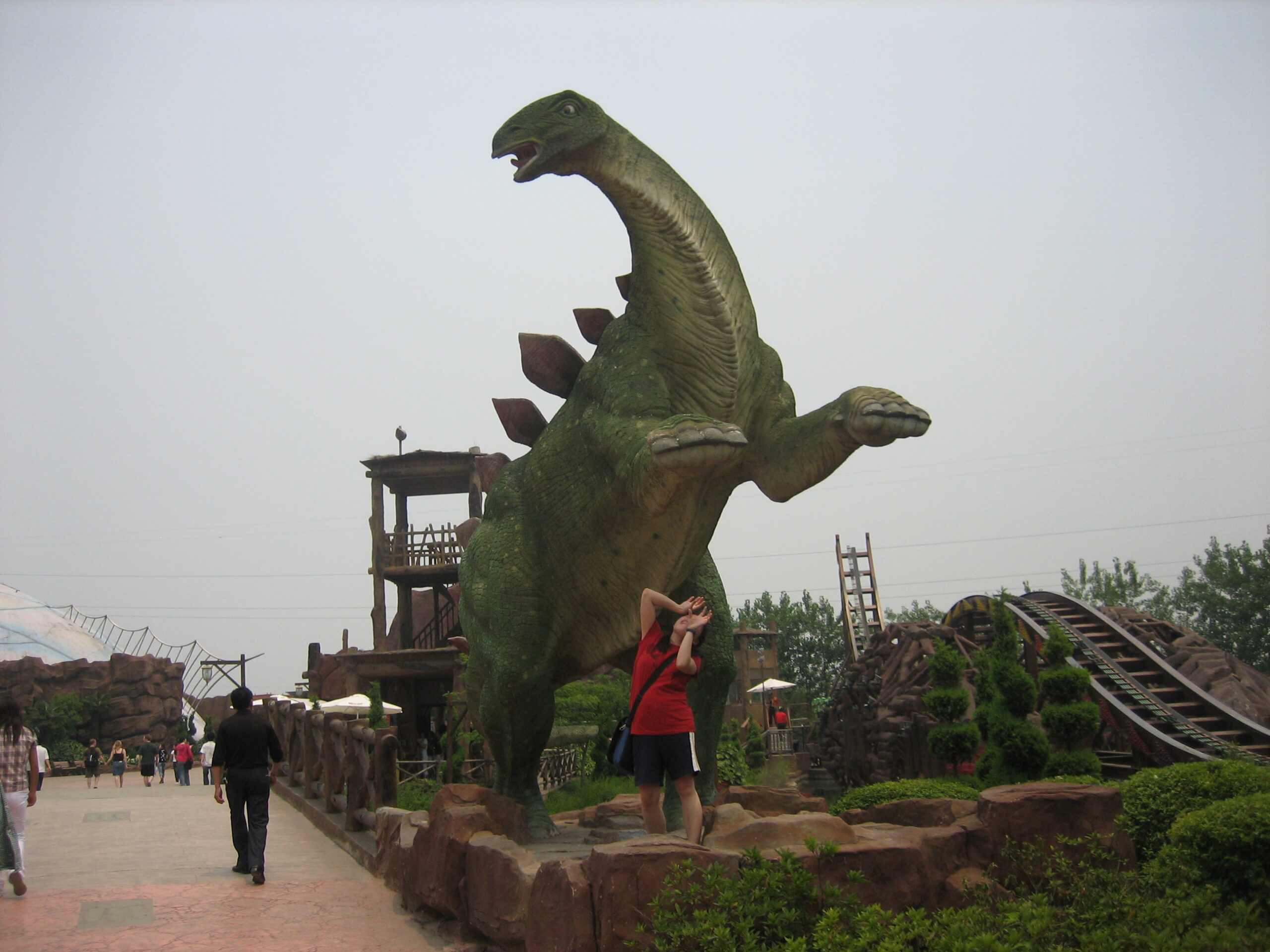
The United States and China are the top two, with the US having over 350 described species and China having over 300. China’s emergence as a dinosaur discovery hotspot has revolutionized our understanding of these ancient creatures. A new assemblage of dinosaur tracks, including sauropod tracks and possible tracks of bipedal dinosaurs, is described from the Lower Cretaceous (Albian) strata of the Madongshan Formation from the Yaoshan site (China) by Yang et al. New assemblage of dinosaur footprints, including ceratopsid, tyrannosaurid, probable ankylosaurian and small theropod-like footprints, is described from the Campanian discoveries across the country.
Recent excavations in regions like Fujian and Liaoning provinces have uncovered not just bones, but entire ecosystems preserved in remarkable detail. The fossil sites here don’t just tell us about individual dinosaurs – they reveal complex communities of creatures that lived, hunted, and died together in ancient China. From feathered dinosaurs that blur the line between reptiles and birds to massive sauropods that shook the earth with each step, China’s fossil record spans the entire spectrum of dinosaur diversity.
Argentina’s Land of Titans: South America’s Prehistoric Giants
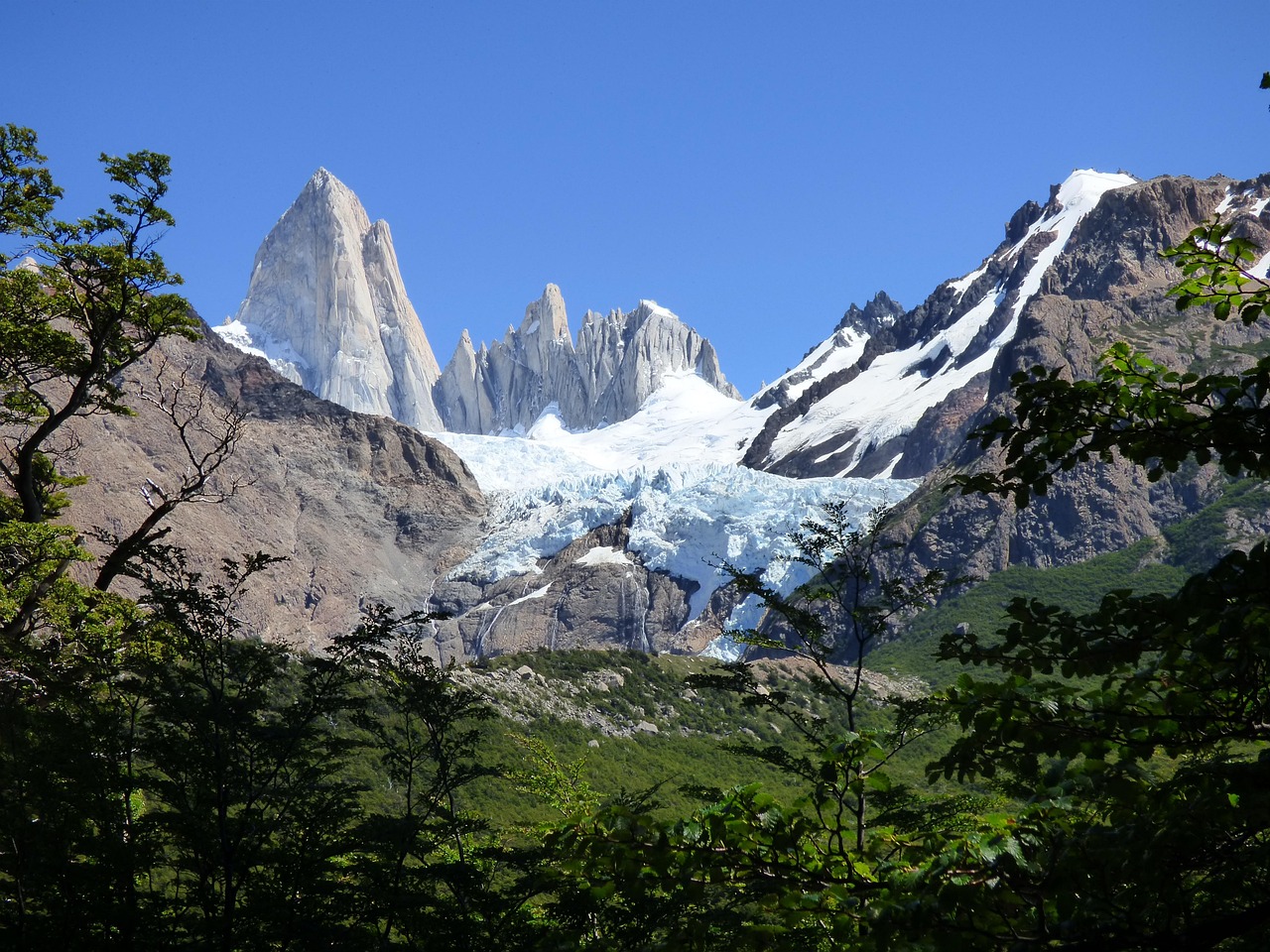
Argentina has earned its reputation as the land where giants once roamed, producing some of the largest dinosaur fossils ever discovered. Argentinosaurus huinculensis is perhaps the most famous of these giants, known from fragmentary remains discovered near Plaza Huincul in Neuquén Province in 1987. This immense creature is estimated to have measured between 30 to 35 meters (98 to 115 feet) in length and weighed approximately 65 to 80 tons (72 to 88 short tons), making it one of the largest land animals of all time. But Argentina’s treasures extend far beyond just size records.
Recent discoveries continue to reshape our understanding of South American dinosaur diversity. The dinosaur – called Chadititan calvoi, meaning “titan of the salt” – was about 22 feet (7 meters) long and roamed the Earth 78 million years ago. Paleontologists, led by National Geographic Explorer Diego Pol, unearthed this remarkable creature near a vast salt flat in Argentina. These discoveries reveal ancient ecosystems that were dramatically different from anything we see today, where massive herbivores shared the landscape with fearsome predators like the colossal Giganotosaurus.
Mongolia’s Desert Treasures: The Gobi’s Ancient Secrets
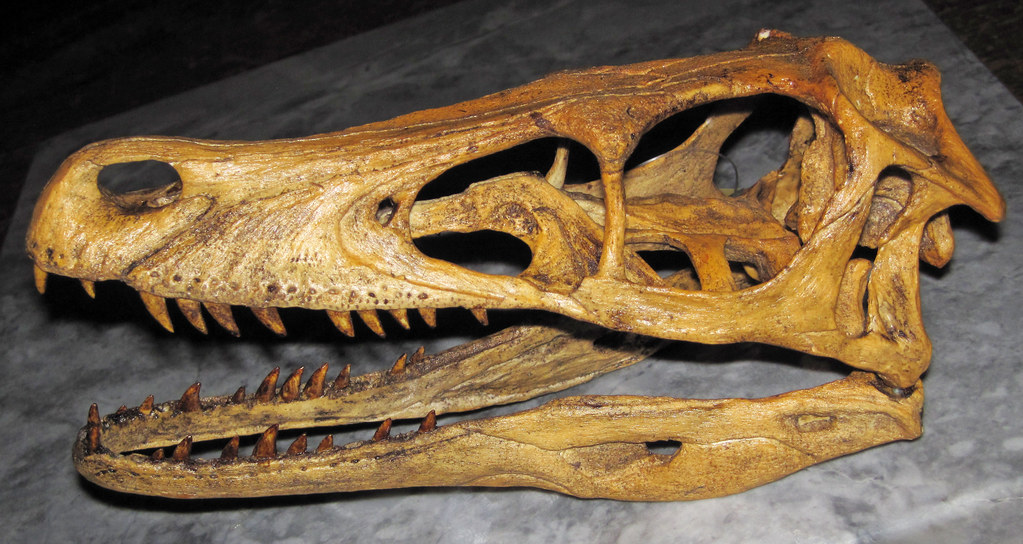
The Mongolian Gobi Desert stands as one of the most important dinosaur fossil regions on Earth, preserving an incredible record of Cretaceous life. Over a history of almost 100 years of dinosaur research, more than 80 genera of dinosaurs have been found in the Mongolian Gobi Desert and identified in science as individual groups, and over 60 fossil sites of dinosaurs and other vertebrates are being discovered. The richest dinosaur fossil sites are frequently found in areas, such as Bayanshiree, Khongil Tsav, Amtgai, Baishin Tsav, Urulbu khudag, Shar Tsav in the Eastern part of Gobi Desert; Bayanzag, Tugrugiin Shiree, Zamiin Khond and Uuden Sair in the Central part of Gobi region; and Ukhaa Tolgod, Nemegt, Altan Uul, Khermen Tsav, Bugiin Tsav and Guriliin Tsav in the Western part of Gobi region.
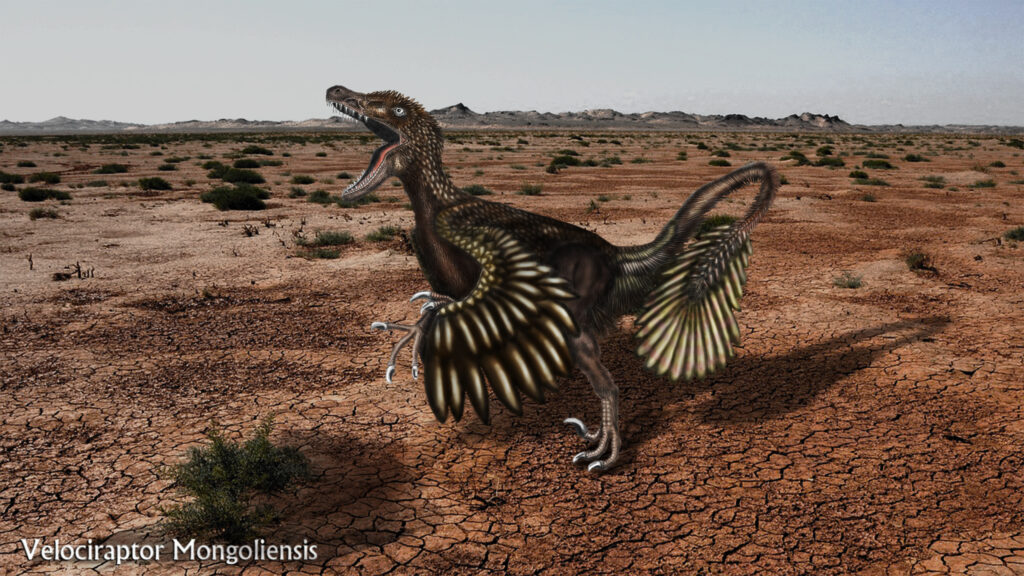
World famous fossils from this region include: the “Two fighting dinosaurs (Velociraptor and Protoceratops)”, “Crowded infant dinosaurs – Protoceratops”, “Oviraptorosaur laying its eggs”, “Giant carnivorous Tarbosaur and its baby” and “Egg fossils of many different dinosaur species, and an embryo in egg.” These discoveries provide unprecedented insights into dinosaur behavior, family life, and survival strategies. The desert’s extreme preservation conditions have captured moments in time like nowhere else on Earth, creating natural museums of prehistoric life.
Southeast Asia’s Rising Star: Thailand’s Fossil Frontier
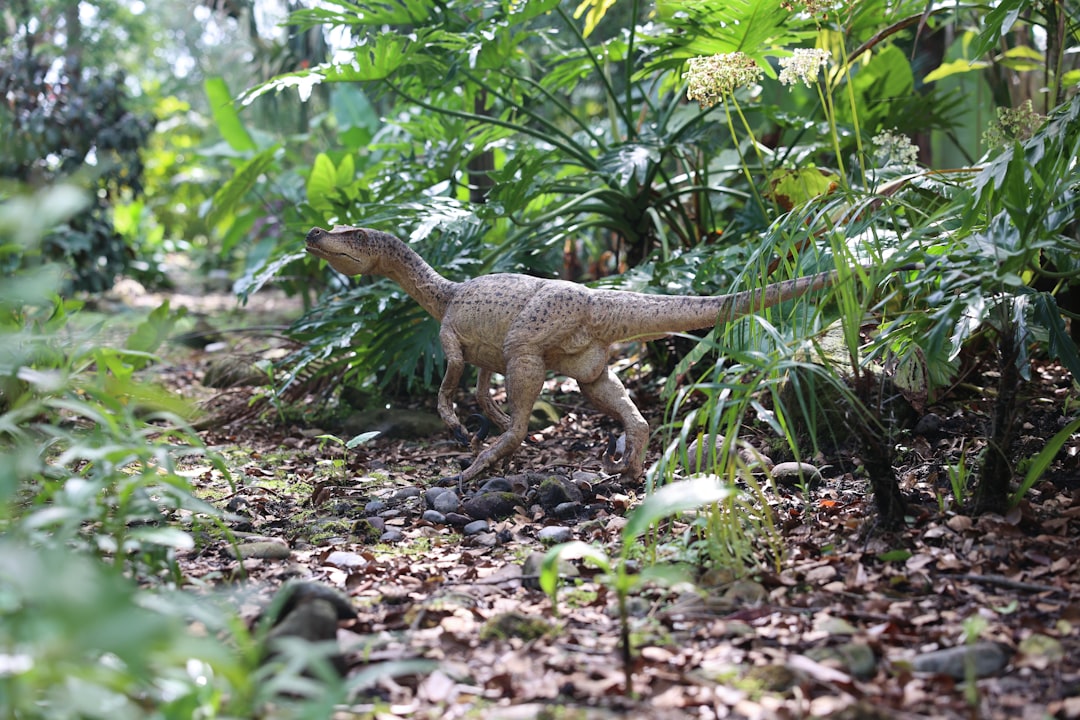
It’s one of Southeast Asia’s richest palaeontological zones. Fossil sites in Khon Kaen, Kalasin, and Chaiyaphum have revealed remains over 100 million years old, including new species like Siamraptor suwati, a distant cousin of T. rex. Thailand’s emergence as a significant paleontological destination has surprised many researchers, revealing that this tropical nation was once home to diverse dinosaur communities that rivaled those found anywhere else in the world.
The country’s northeast region, particularly around the Korat Plateau, has become a focal point for new discoveries. Thailand’s first dinosaur fossil – a sauropod femur – was discovered in 1976 at Phu Wiang. Later finds include Phuwiangosaurus sirindhornae, a long-necked plant-eater named in honour of HRH Princess Maha Chakri Sirindhorn, and Kinnareemimus khonkaenensis, a bird-like dinosaur. These findings have not only expanded our knowledge of Asian dinosaur diversity but have also highlighted the global distribution of these ancient creatures during the Mesozoic Era.
Preserved in Time: The Story of Trackways and Footprints
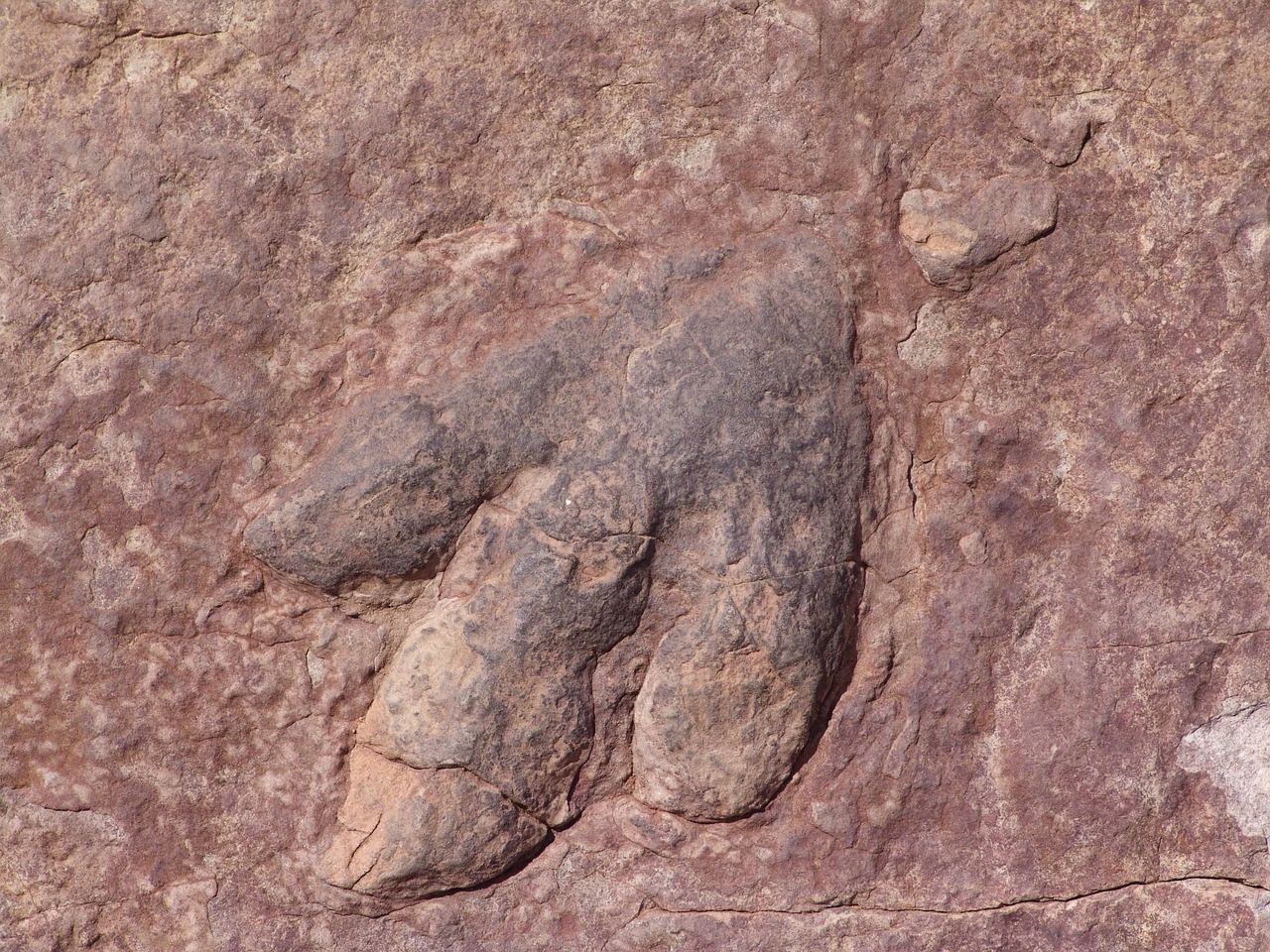
While fossilized bones tell us what dinosaurs looked like, trackways reveal how they lived, moved, and behaved. Although the type section of the Morrison Formation, near Denver Colorado, now also well-known as Dinosaur Ridge, has since 1877 been world famous as the source of iconic Late Jurassic dinosaurs like Stegosaurus, Apatosaurus, and Diplodocus, little detailed information has been published on fossil footprints from the formation in this area. To date, diagnostic examples of theropod, sauropod, and thyreophoran (stegosaur) tracks have been documented from at least three different locations. These ancient highways provide direct evidence of dinosaur movement patterns, social behavior, and migration routes.
The preservation of dinosaur tracks requires incredibly specific conditions – the right type of sediment, perfect timing, and rapid burial. Detailed mapping of 1,300 footprints in bed 2 has revealed more than 100 trackways which testify to the activity of both quadrupedal and bipedal dinosaurs. Distinctive groupings of parallel, non-overlapping trackways suggest gregarious behavior among sauropods and tridactylous forms. Each trackway represents a moment frozen in time, showing us exactly where these magnificent creatures walked millions of years ago.
Europe’s Classical Sites: Where Paleontology Began
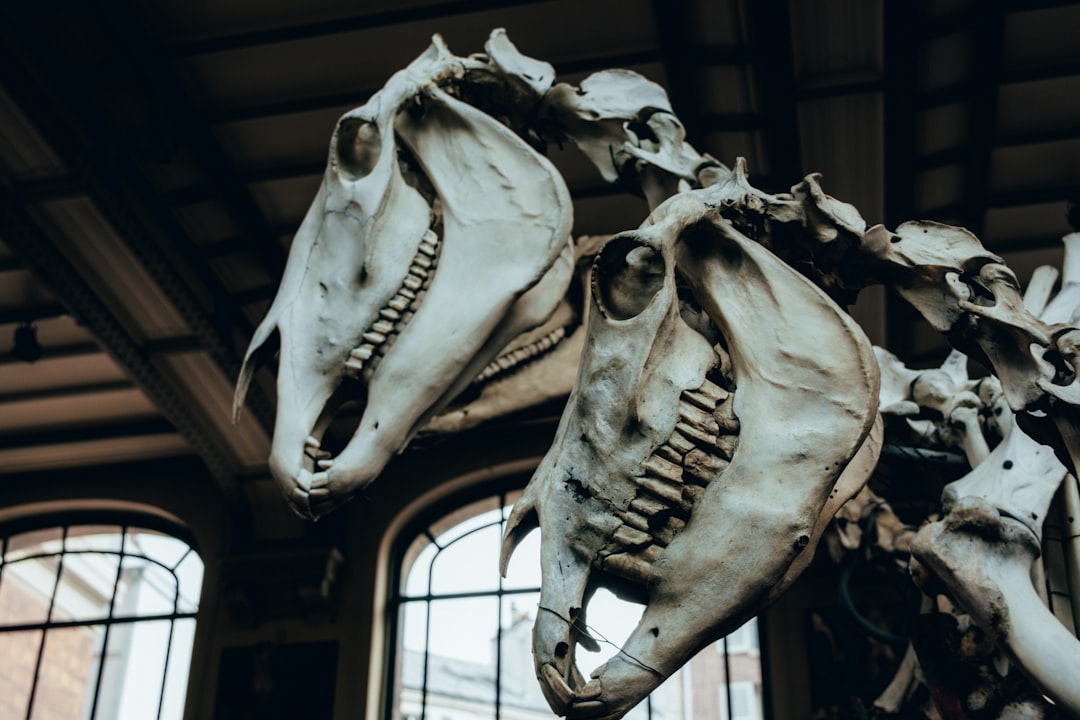
Europe holds a special place in dinosaur discovery history, being home to some of the earliest scientific descriptions of these ancient creatures. From England’s Jurassic Coast to Germany’s limestone quarries, European sites have provided crucial pieces of the dinosaur puzzle for over two centuries. The continent’s diverse geological formations have preserved everything from the first recognized dinosaur teeth to spectacularly complete skeletons that helped establish our modern understanding of dinosaur anatomy and evolution.
Recent discoveries continue to add new chapters to Europe’s paleontological story, with sites in Spain, Portugal, and Romania revealing unique dinosaur communities that existed on the ancient European archipelago. These findings show how dinosaurs adapted to island environments and evolved in isolation, creating some of the most unusual and specialized forms ever discovered. The integration of cutting-edge technology with traditional paleontological methods has allowed researchers to extract information from European fossils that was impossible to obtain just decades ago.
A Global Perspective: Understanding Dinosaur Distribution and Evolution
Thousands of sites containing dinosaur fossils have been uncovered around the world. These sites are distributed on all continents – including Antarctica, which was once much warmer. This global distribution tells a remarkable story of continental drift, climate change, and evolutionary adaptation that spans over 160 million years. Dinosaur species have been named from 51 countries and Antarctica. Thirty or more species have been named from 12 countries: Argentina, Brazil, Canada, China, France, Germany, India, Mongolia, South Africa, Spain, the United Kingdom, and the United States.
The worldwide nature of dinosaur discoveries has revolutionized our understanding of how these creatures spread across ancient supercontinents and adapted to different environments. From the polar regions to equatorial zones, dinosaurs conquered nearly every available habitat on Earth. Modern paleontological techniques, including advanced imaging, chemical analysis, and computational modeling, continue to reveal new insights about how these ancient ecosystems functioned and why dinosaurs were so incredibly successful for such a vast period of time.
Conclusion
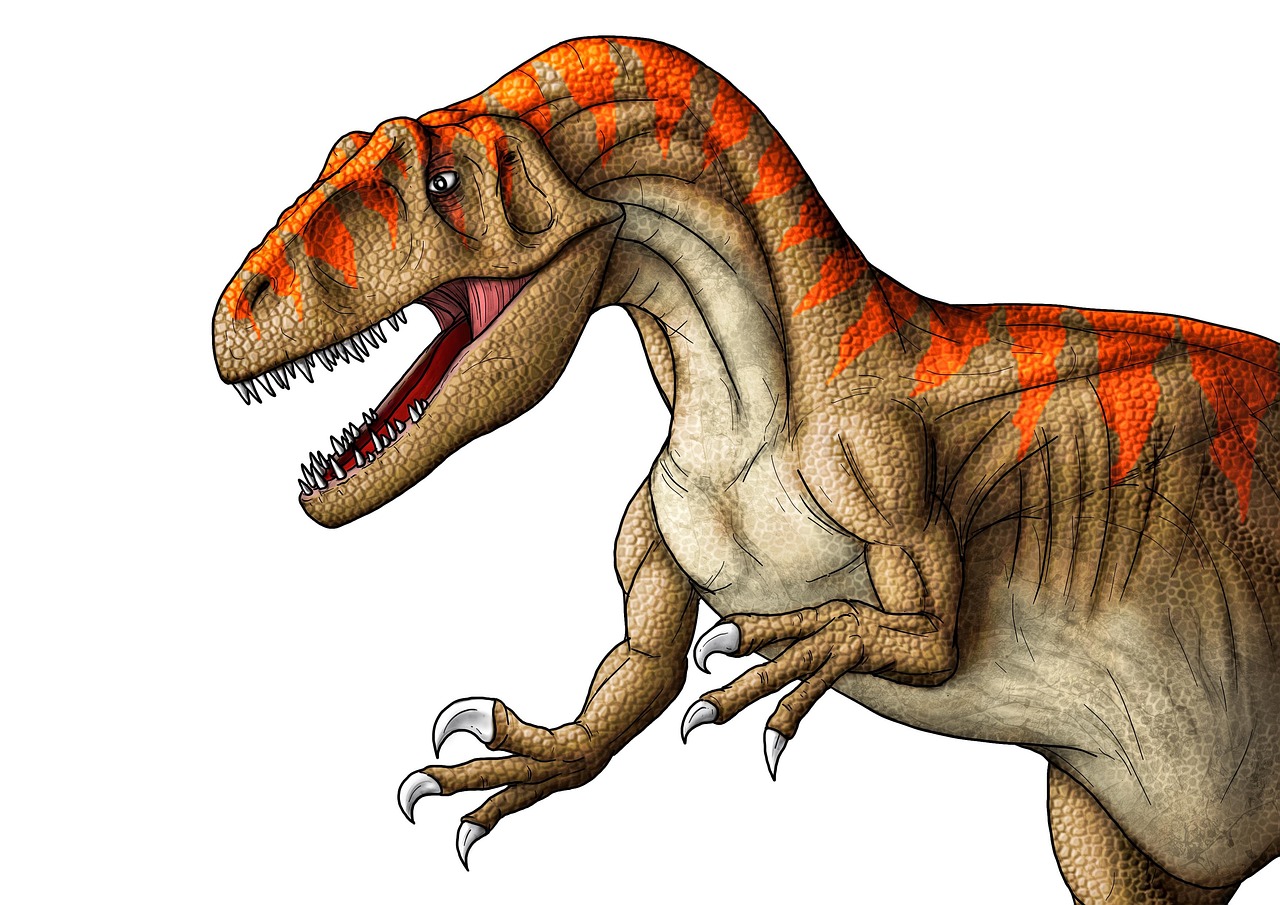
The global journey through Earth’s dinosaur trail reveals a planet that was once dramatically different from today – a world where giants ruled the land and evolution experimented with forms that seem almost too fantastic to believe. From the towering sauropods of Argentina to the feathered hunters of Mongolia, each fossil site adds another piece to the incredible puzzle of prehistoric life. These discoveries remind us that our planet has hosted countless remarkable worlds throughout its history, each one unique and fascinating in its own way.
What strikes me most about this global dinosaur trail is how it connects us to a deep past that’s both alien and familiar – a world where the rules of life were different, yet the basic struggles of survival, reproduction, and adaptation remain constant across time. Did you ever imagine that such incredible diversity of life once walked the very ground beneath our feet?