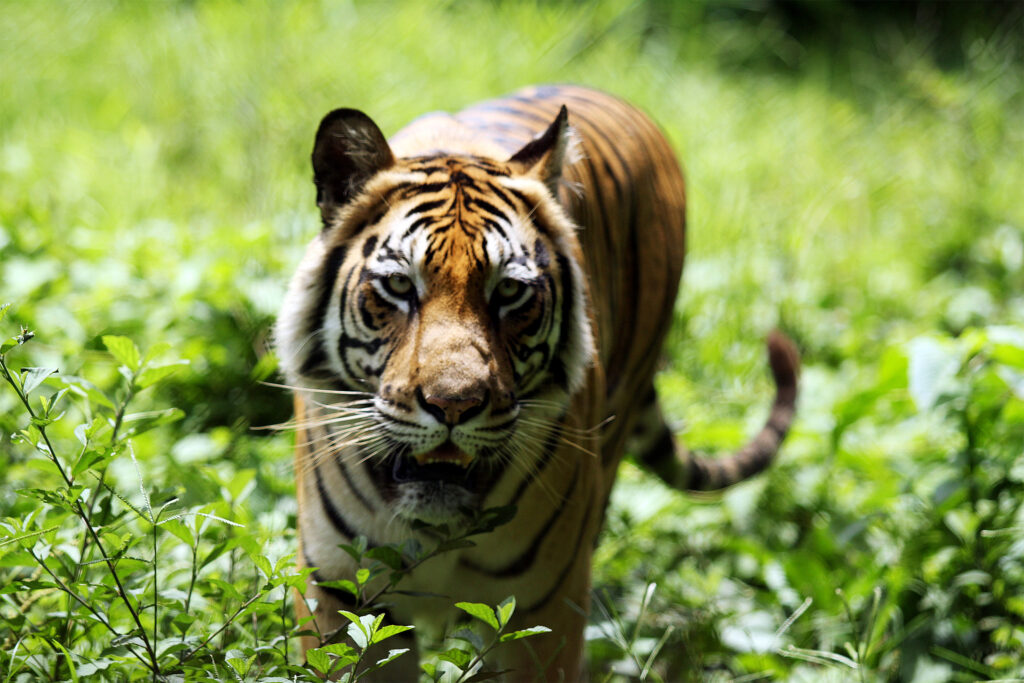
Picture a world where death stalked the land in forms far more terrifying than any Hollywood monster. These weren’t creatures of fiction – they were real predators that once ruled our planet, each generation more formidable than the last. For hundreds of millions of years, nature has been locked in an escalating arms race, with predators continuously evolving to become deadlier killing machines.
The Ancient Arms Race That Started It All
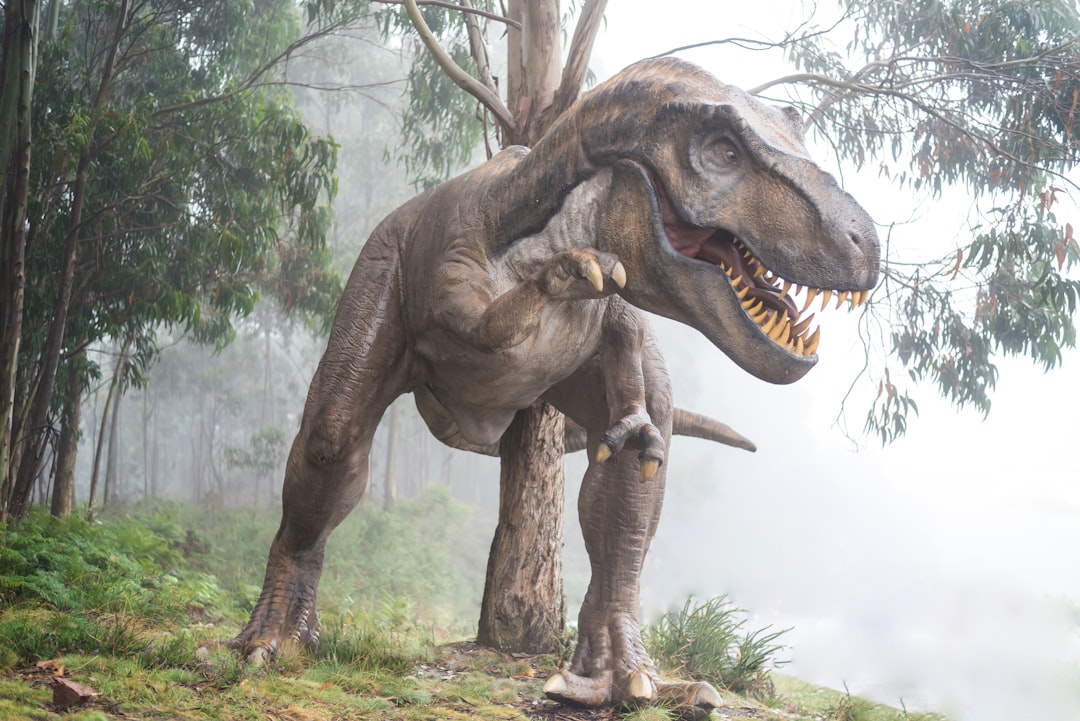
The evolutionary arms race between predator and prey began long before humans ever walked the Earth. Predators and prey are bound together by forces deeper than tooth and claw. Their lives are intertwined through the relentless tug-of-war of survival. Think of it like an eternal game of chess where each move forces a counter-move, and the stakes are literally life and death.
What makes this fascinating is how quickly evolution responds to pressure. Using a mathematical model, two scientists were able to determine that in predator-prey dynamics, both sides adapt quickly through evolution. When prey animals develop better defenses, predators must respond with enhanced weapons, speed, or cunning – otherwise they starve. This creates a feedback loop that pushes both sides toward increasingly extreme adaptations.
Speed Became the Ultimate Weapon
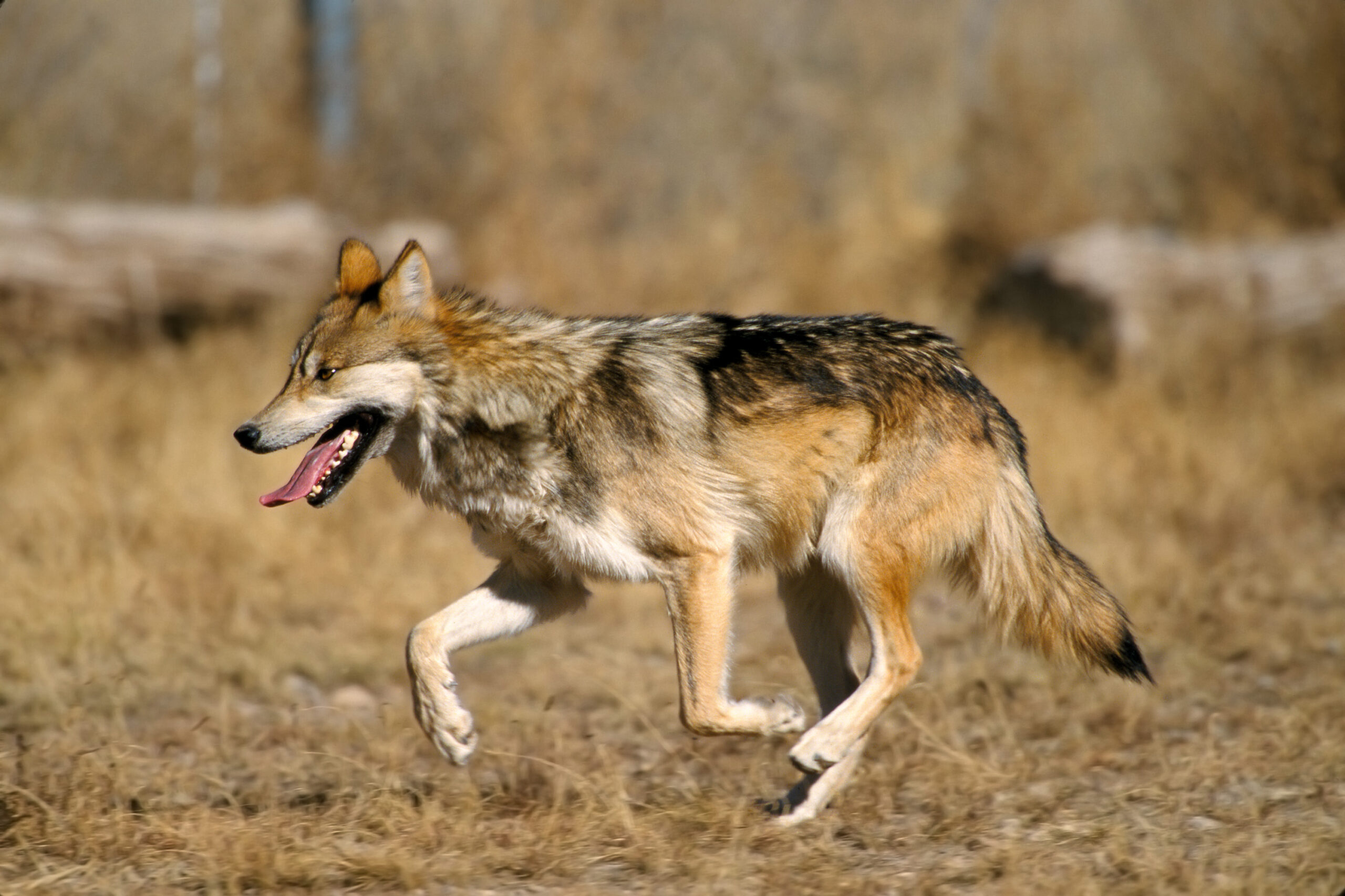
As prey animals evolved to run faster, predators had no choice but to match their pace or perish. Many pursuit predators that run on land, such as wolves, have evolved long limbs in response to the increased speed of their prey. This wasn’t just about keeping up – it was about survival itself.
The transformation was dramatic. Early predators moved relatively slowly, relying on stealth and ambush tactics. But as their prey became swifter, these ancient hunters faced extinction unless they could adapt. Those that survived developed longer legs, more efficient cardiovascular systems, and streamlined body shapes that cut through air like living missiles.
Size Mattered More Than We Ever Imagined
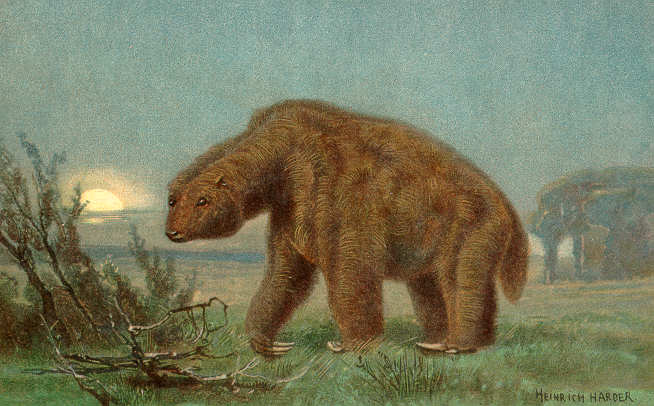
The evolution toward larger body size wasn’t random – it was a calculated evolutionary strategy. “You have this animal that is racing to get to reproductive age to get to at least a decent size really quickly, because the best way to get yourself out of a predator’s range of prey items is to get bigger,” Otoo told Live Science. But when prey grew larger, predators had to respond in kind.
As herbivores grew larger and faster, carnivores adapted to become bigger and better predators to survive. This created a biological version of mutually assured destruction – where both sides kept escalating their capabilities until some reached truly monstrous proportions. Ancient predators like Arctotherium angustidens, the South American short-faced bear, could weigh up to around 3,500 pounds and stand eleven feet tall on their hind legs.
Ancient Jaws Evolved Into Perfect Killing Machines
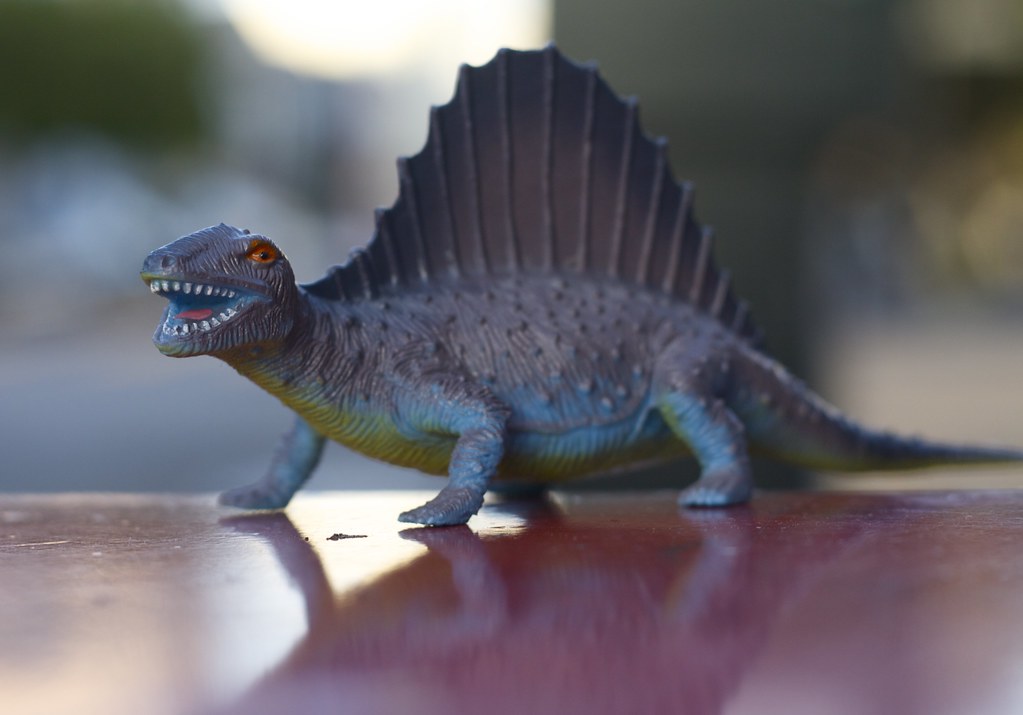
The transformation of predator jaws tells one of evolution’s most brutal stories. “Earlier synapsid predators such as the famous sail-backed Dimetrodon, had fairly long jaws with lots of teeth to ensure that once they ensnared their prey, it wouldn’t escape,” explained lead author Dr Suresh Singh based in Bristol’s School of Earth Sciences. But this was just the beginning.
“However, we saw a shift in jaw function toward shorter jaws with greater muscle efficiency and fewer teeth that were concentrated at the front of the jaw – these were jaws adapted to deliver deep, powerful bites. The timing of the shift in jaw function corresponds with the evolution of new larger, faster herbivores that would have posed a greater challenge for predators to tackle.” These weren’t just mouths anymore – they had become precision instruments of death, capable of crushing bones and delivering killing blows with surgical efficiency.
Intelligence Became the Ultimate Predator Advantage
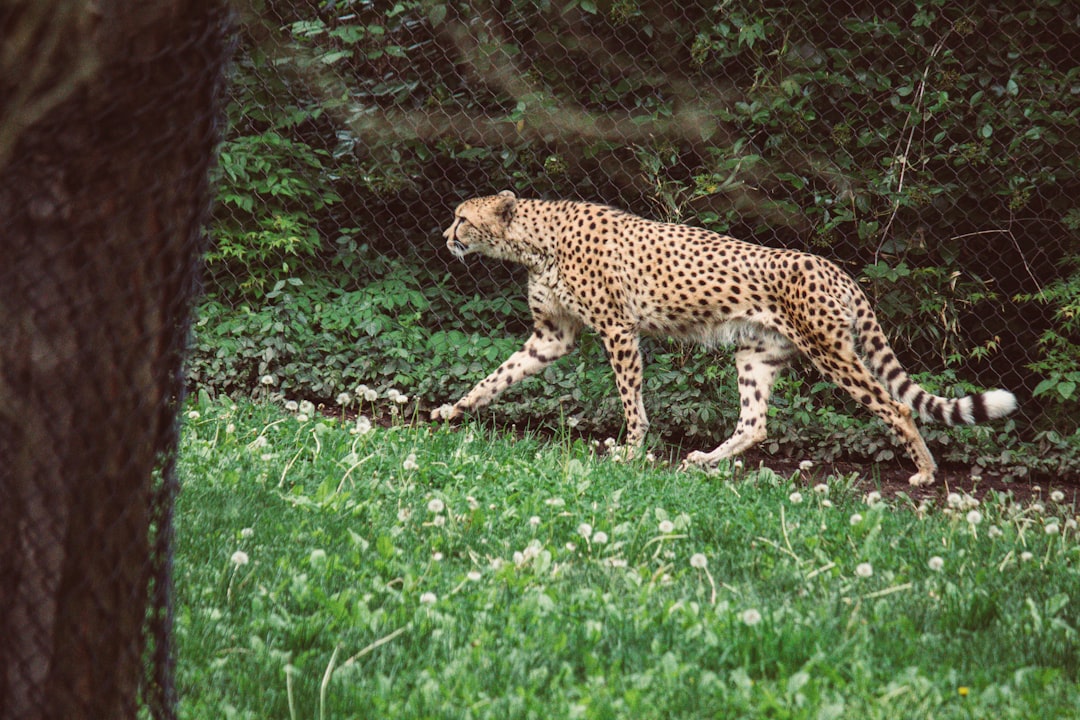
Physical prowess alone wasn’t enough in the escalating battle for survival. In many species, brainpower becomes the ultimate survival tool. Predators like orcas and wolves hunt cooperatively, using communication and coordination to take down larger or faster prey. This cognitive revolution changed everything about how predators operated.
Smart predators began using tools, setting traps, and developing complex hunting strategies that their prey couldn’t anticipate. Brains evolve under pressure. In environments where predators are clever, prey must become cleverer. And when prey begin to predict predator behavior, predators must outthink them. This intellectual arms race led to some of the most sophisticated hunting behaviors we see today.
Environmental Factors Supercharged Predator Evolution
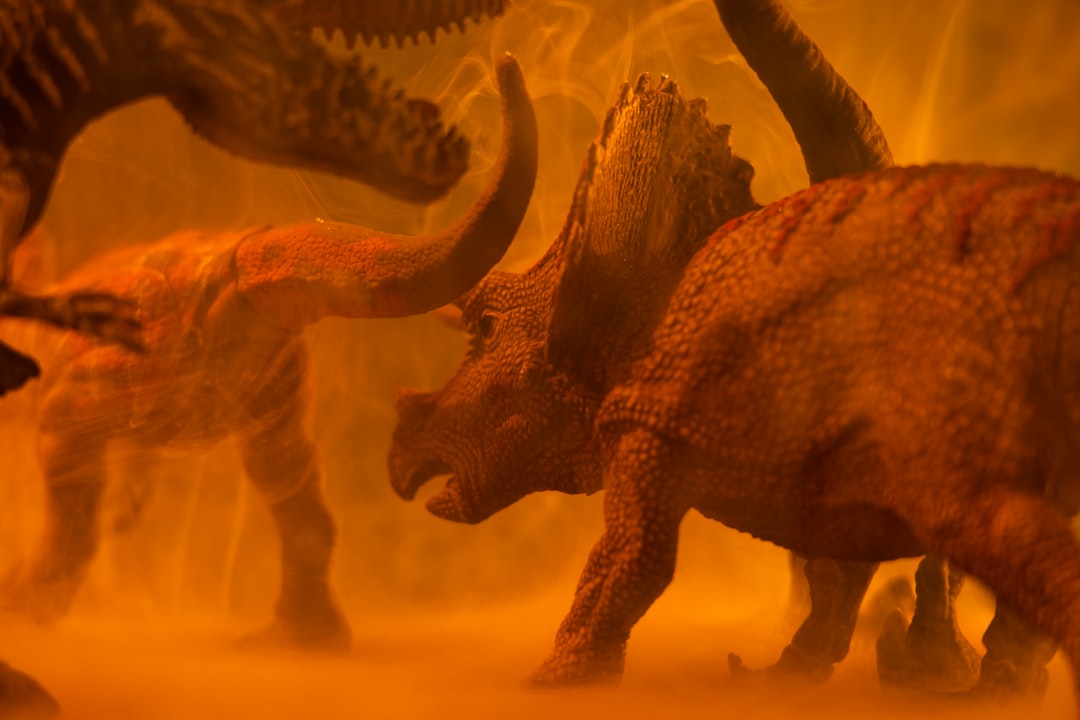
Ancient environments were like evolutionary laboratories that pushed predators to extremes we can barely imagine. Because of the small initial size of all mammals following the extinction of the non-avian dinosaurs, nonmammalian vertebrates had a roughly ten-million-year-long window of opportunity (during the Paleocene) for evolution of gigantism without much competition. During this interval, apex predator niches were often occupied by reptiles, such as terrestrial crocodilians.
Higher oxygen levels in ancient atmospheres allowed for larger body sizes and more efficient metabolisms. Stable climates provided consistent food sources that could support massive predators. When new predators evolved, prey species often responded by growing even larger rather than faster, creating an evolutionary feedback loop pushing toward gigantism. These perfect storm conditions created monsters that make today’s apex predators look tame by comparison.
Mass Extinctions Reset the Evolutionary Game
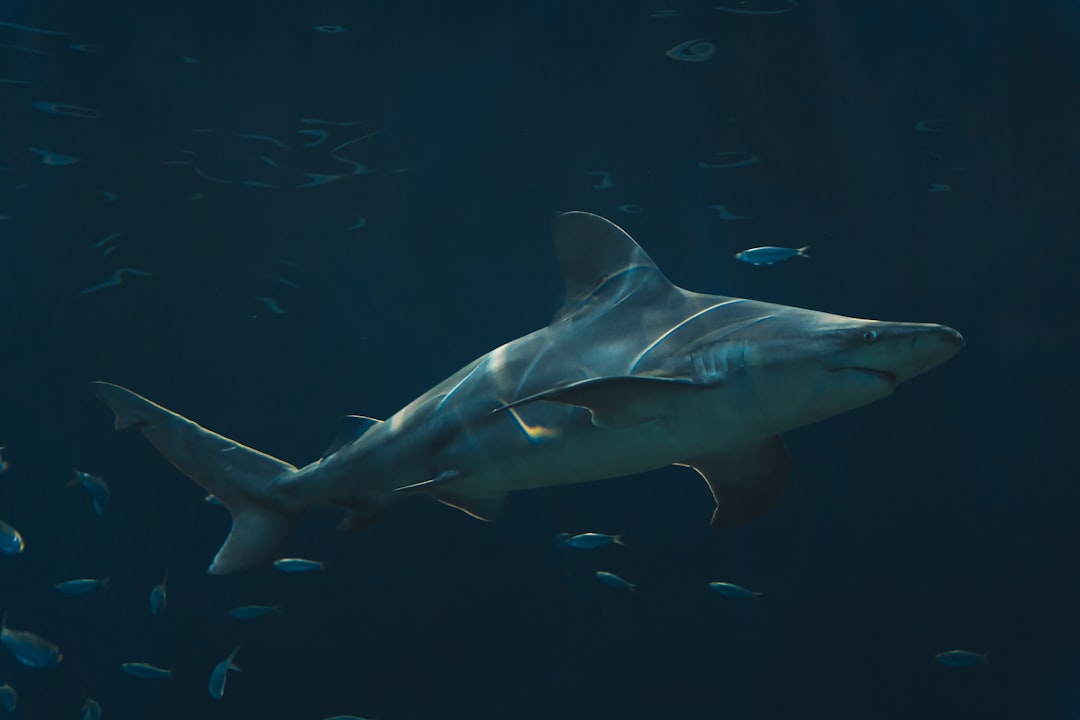
Each mass extinction event wiped the slate clean and allowed entirely new predator dynasties to emerge. Fossil teeth show that the asteroid strike at the end of the Cretaceous killed off many of the largest species of shark. Only the smallest and deep-water species that fed primarily on fish survived. But these survivors didn’t stay small for long.
Sharks soon began to increase in size once again, and continued to evolve larger forms throughout the Palaeogene, 66 million to 23 million years ago. Each extinction created ecological vacuums that surviving predators rushed to fill, often evolving into forms even more terrifying than their predecessors. These catastrophic resets accelerated predator evolution, compressing millions of years of gradual change into relatively brief periods.
The Human Factor Changed Everything Forever

The arrival of humans as super-predators fundamentally altered the rules of the evolutionary game. Acting as super-predators, humans are forcing changes to body size and reproductive abilities in some species three times faster than would occur naturally, a new study finds. Our intelligence, tools, and cooperative hunting abilities made us the ultimate apex predator.
In a review of 34 studies that tracked 29 species across 40 different geographic systems, harvested and hunted populations are on average 20 percent smaller in body size than previous generations, and the age at which they first reproduce is on average 25 percent earlier. For the first time in Earth’s history, a predator was so effective that it reversed the trend toward larger, scarier predators – simply by being too good at killing them.
Conclusion
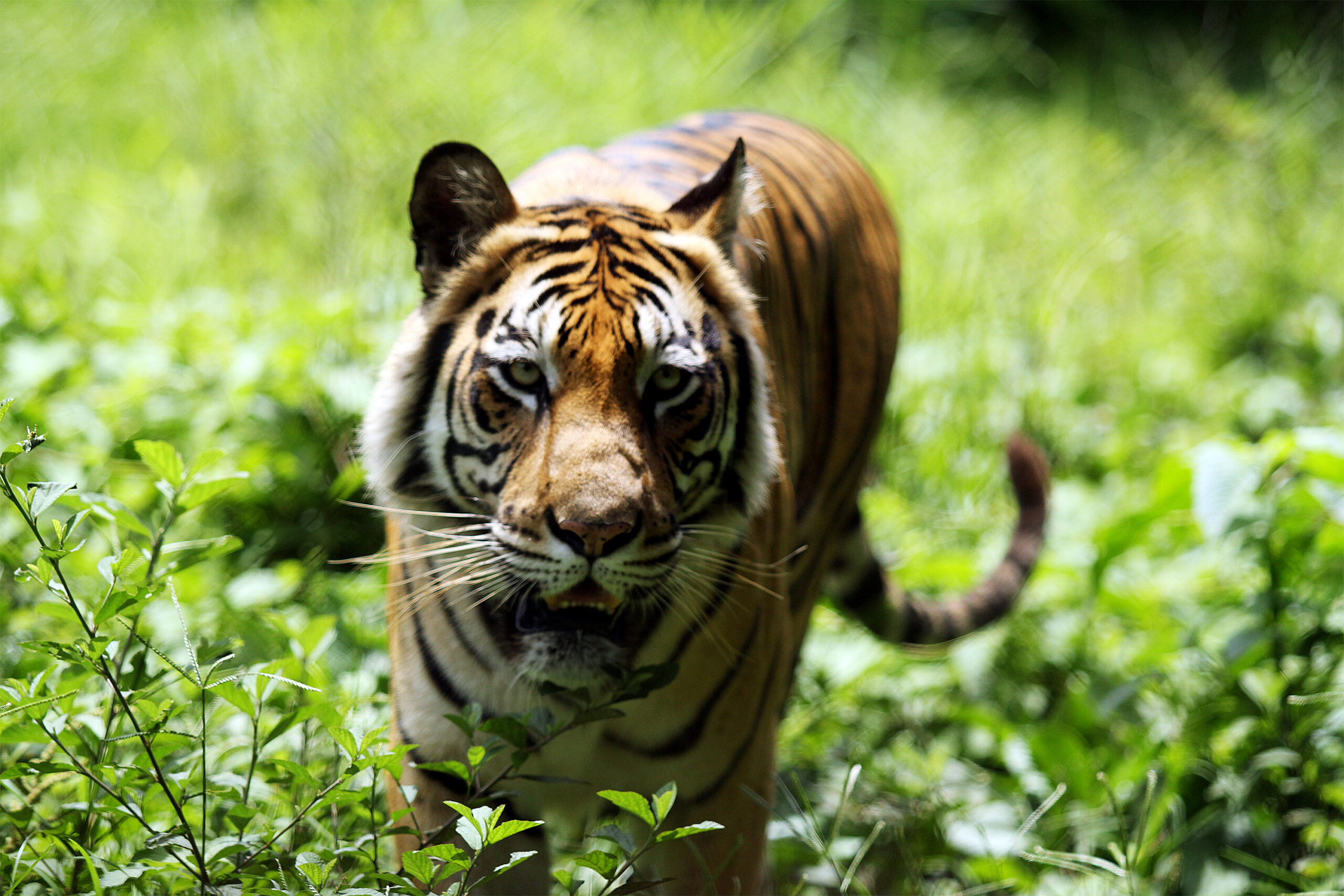
The story of predator evolution is ultimately the story of life itself – a relentless drive toward perfection in the art of survival. Over hundreds of millions of years, predators have evolved from simple organisms into living weapons of incredible sophistication. They grew bigger to overpower their prey, faster to catch what tried to escape, and smarter to outwit increasingly clever victims.
Today’s apex predators are the refined products of this ancient arms race, carrying within their DNA the accumulated wisdom of countless generations of successful killers. Every fang, claw, and hunting instinct represents millions of years of evolutionary testing under the most brutal conditions imaginable. We may think we’ve tamed nature, but these predators remind us that we’re still part of an ongoing battle that began long before we existed and will continue long after we’re gone.
What would you have guessed was the most important factor in making predators so terrifying – their size, speed, or intelligence?