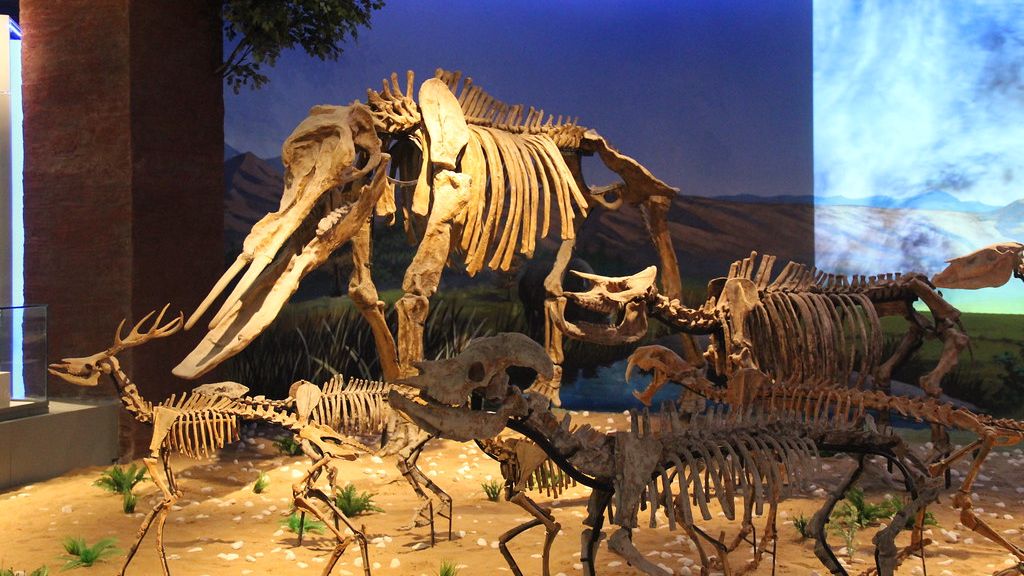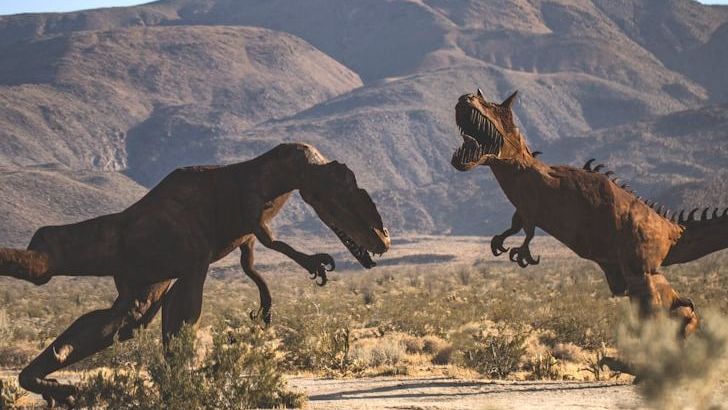
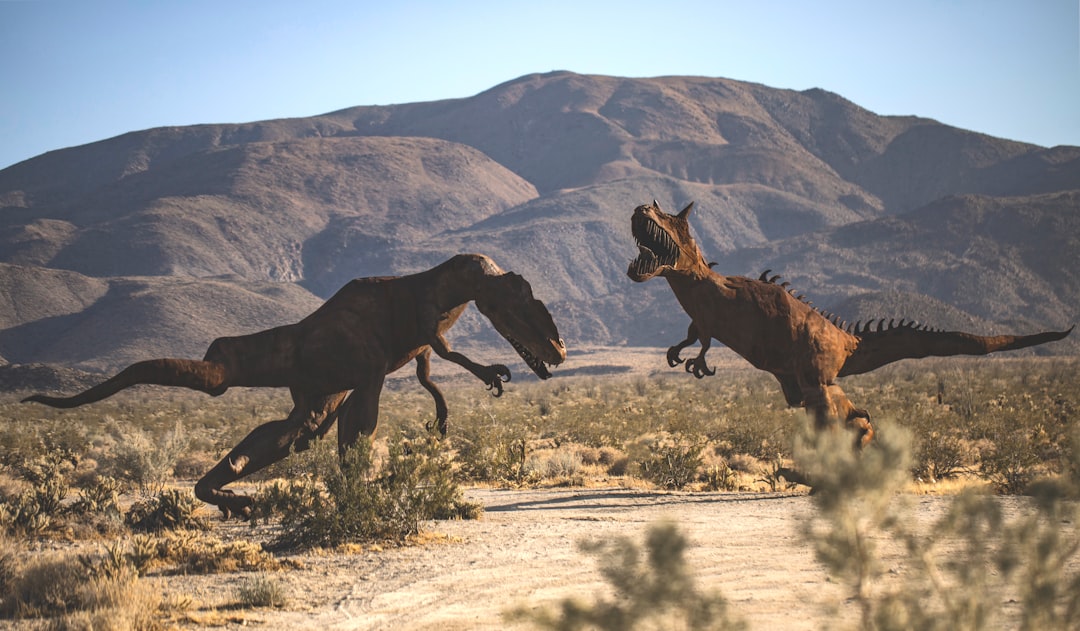
Think about it for a moment. Picture massive creatures weighing several tons trampling through ancient forests, flattening everything in their path. Big herbivores such as Triceratops or duck-billed hadrosaurs, some weighing several tons, flattened plants and prevented thick forests from taking hold. Before scientists at the University of Michigan started digging deeper into this mystery, most geologists had different explanations for the dramatic changes they saw in rock formations after dinosaurs vanished.
These prehistoric giants weren’t just wandering around aimlessly. Their herding behavior amplified the effect. The landscape looked completely different back then, almost like today’s African savannas where elephants keep vegetation in check. “Before the mass extinction, it would be similar what you see in Africa today with open savannahs maintained by large herbivores,” said study co-author Courtney Sprain, Ph.D., a geologist at the University of Liverpool. “Back then, you had large herds of triceratops wandering around in this region, flattening vegetation.”
The Discovery That Changed Everything

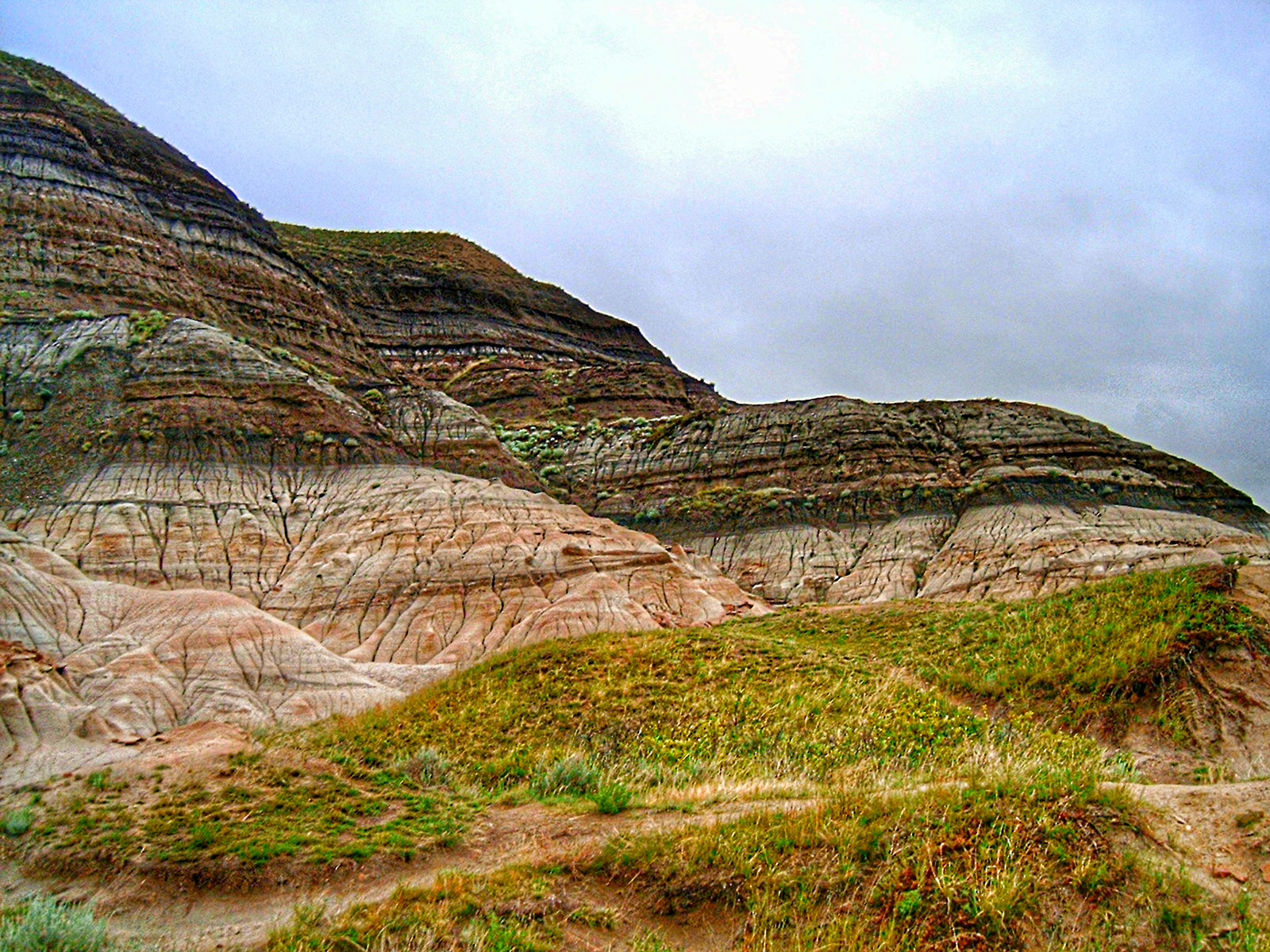
Dr. Luke Weaver from the University of Michigan was studying some peculiar rock formations when he stumbled upon something remarkable. The Fort Union Formation was deposited after the extinction of dinosaurs, and looks like it’s composed of stacks of different colored rocks – “pajama-striped looking beds,” Weaver said. These colorful layers looked totally different from anything scientists had seen before.
What really caught his attention wasn’t just the pretty stripes in the rocks. The rock formation was a stark contrast to the formations lying beneath it, which had waterlogged, poorly developed soils reminiscent of what you might see in the outer edges of a floodplain. Something massive must have happened to cause such a dramatic shift in the geological record. The breakthrough moment came when Weaver realized these weren’t just pond deposits as previously thought, but evidence of entirely different river systems.
When Rivers Went From Chaos to Order
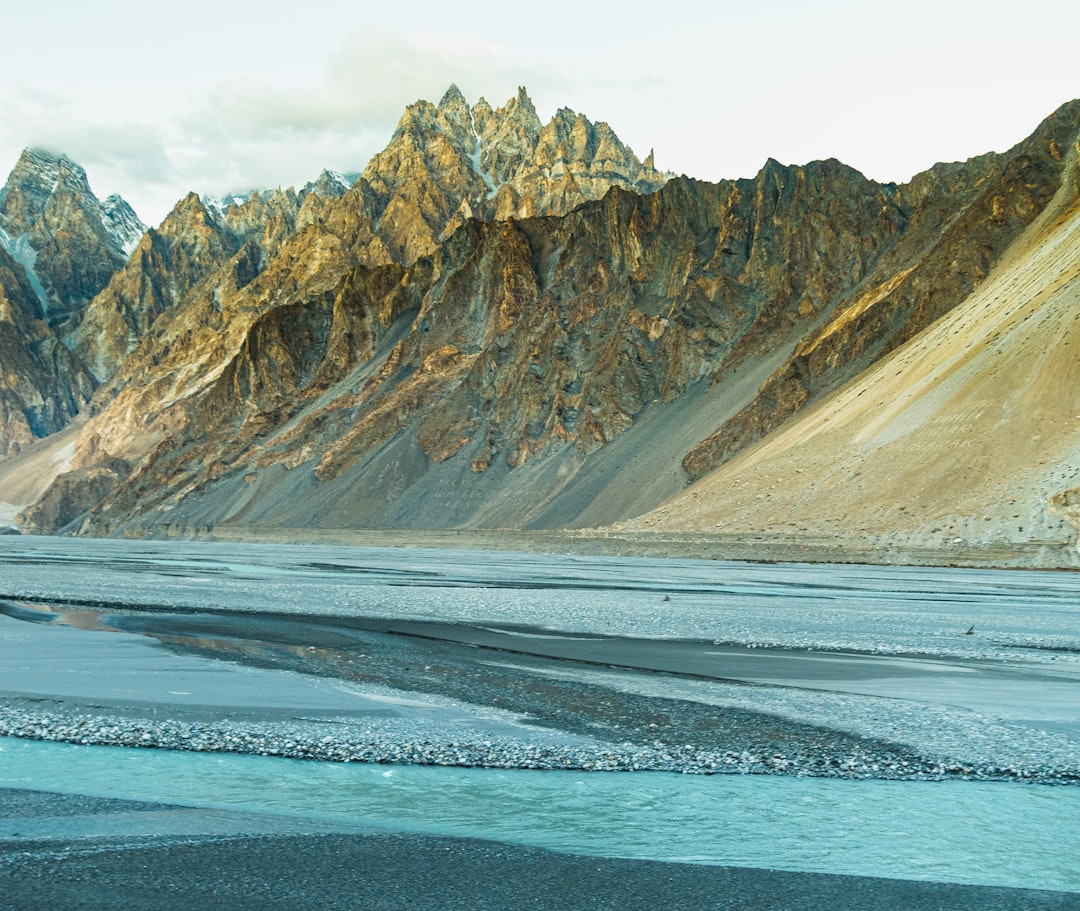
Before dinosaurs disappeared, rivers behaved like unruly children at a playground. The result was rivers spilled openly, without wide meanders, across landscapes. Without stabilizing tree cover, rivers were broad, muddy and easily shifted course. Picture water flowing everywhere without any real direction, constantly flooding and changing paths.
Everything changed after that fateful asteroid impact sixty-six million years ago. In the rock record, unstable streambeds gave way to broad, meandering rivers lined with dense vegetation. Coal seams suddenly appear, evidence of swampy, forested floodplains. Rivers suddenly started behaving like well-trained dancers, following specific routes and creating those beautiful S-shaped curves we see today.
The Moment Scientists Found the Smoking Gun
The key to solving this puzzle lay in finding a very specific type of evidence. The evidence that would clinch whether the change occurred right after the K-Pg mass extinction was a fine layer of sediment loaded with iridium, an element typically only delivered to Earth by cosmic rays. However, when the asteroid slammed into Earth, it carried with it a payload of the element, which settled over much of the planet in a fine layer.
When Weaver and his team went looking for this iridium signature, they hit the jackpot. Looking at places of geologic change between the dinosaur-bearing formation and Paleocene-mammal-bearing formations, Dr. Weaver took samples of a fine line of red clay about a centimetre in width and Lo and behold, the iridium anomaly was right at the contact between those two formations, right where the geology changes. Speaking about the find, Dr Weaver said: “This discovery proved beyond doubt that the landscape changes happened exactly when dinosaurs vanished. “What we realised was that the pajama stripes actually weren’t pond deposits at all. They’re point bar deposits, or deposits that form the inside of a big meander in a river.”
Forests Finally Got Their Chance to Take Over
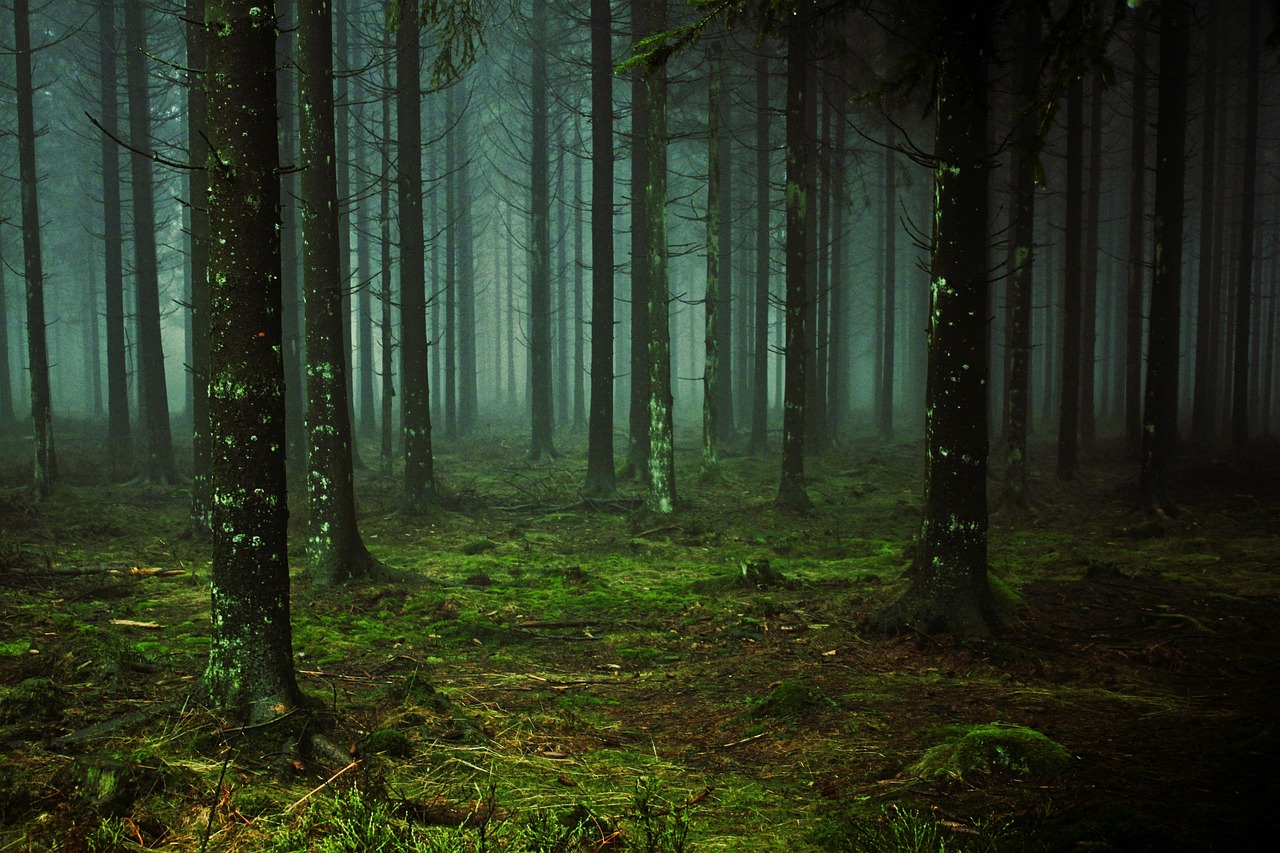
With the massive herbivores gone, something incredible happened that transformed the entire planet. Once they vanished, dense forests quickly spread, locking rivers into more permanent channels and cutting off the steady flow of sand and mud that once covered floodplains. It’s like removing a massive lawn mower from your backyard – suddenly everything grows wild and thick.
The transformation happened faster than anyone expected. Within just decades to a few centuries after the devastation incited by the meteorite, he says the forests would have grown back to form closed canopies not unlike today’s temperate rainforests of the Pacific Northwest. These forests would then have rooted soil in place and stabilized rivers anywhere such trees could grow. The Earth literally redesigned its entire surface in what amounts to a geological blink of an eye.
Understanding the Chain Reaction
The research reveals how one catastrophic event triggered a domino effect that reshaped the entire planet. Their results, published in the journal Communications Earth & Environment, demonstrate how rapidly the Earth can change in response to catastrophic events. “Very often when we’re thinking about how life has changed through time and how environments change through time, it’s usually that the climate changes and, therefore, it has a specific effect on life, or this mountain has grown and, therefore, it has a specific effect on life,” said Weaver, assistant professor in the U-M Department of Earth and Environmental Sciences.
What makes this discovery so groundbreaking is that it flips our understanding of cause and effect. “It’s rarely thought that life itself could actually alter the climate and the landscape. The arrow doesn’t just go in one direction.” This means living creatures don’t just respond to environmental changes – they actively create them. The research shows how biological and geological processes are far more interconnected than scientists previously realized.
Modern Parallels That Make You Think
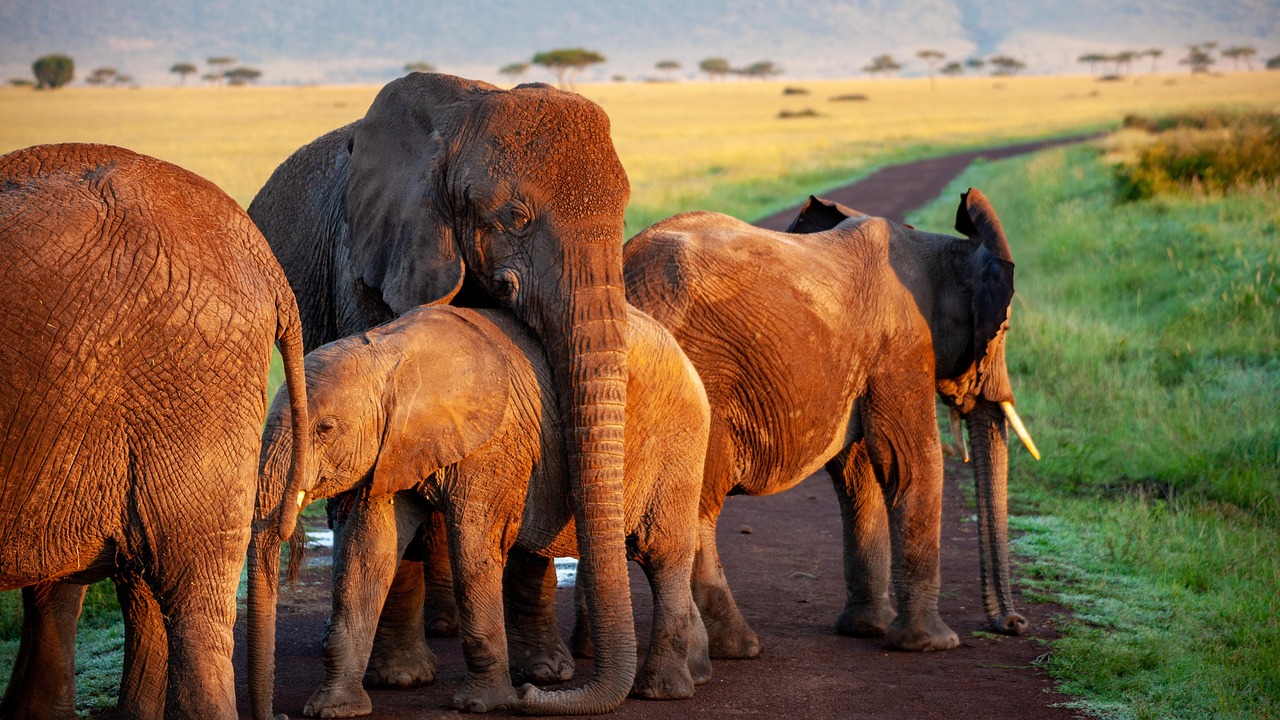
This ancient story isn’t just about dinosaurs – it has striking similarities to what happens today when large animals disappear. The environmental change in the wake of the dinosaur extinction has parallels today. Modern ecologists see similar effects when elephants, bison or other megafauna are removed: Forests encroach and rivers shift, altering the landscape.
Think about Yellowstone National Park when wolves were reintroduced after decades of absence. Rivers actually changed course because vegetation patterns shifted, which is exactly what happened after dinosaurs vanished but on a much larger scale. “These things are an absolutely enormous presence on the landscape,” he says. The disappearance of dinosaurs fundamentally rearranged landscapes as we know them today. It makes you wonder what other creatures might be silently engineering our world right now.
The Evidence Hidden in Ancient Rocks
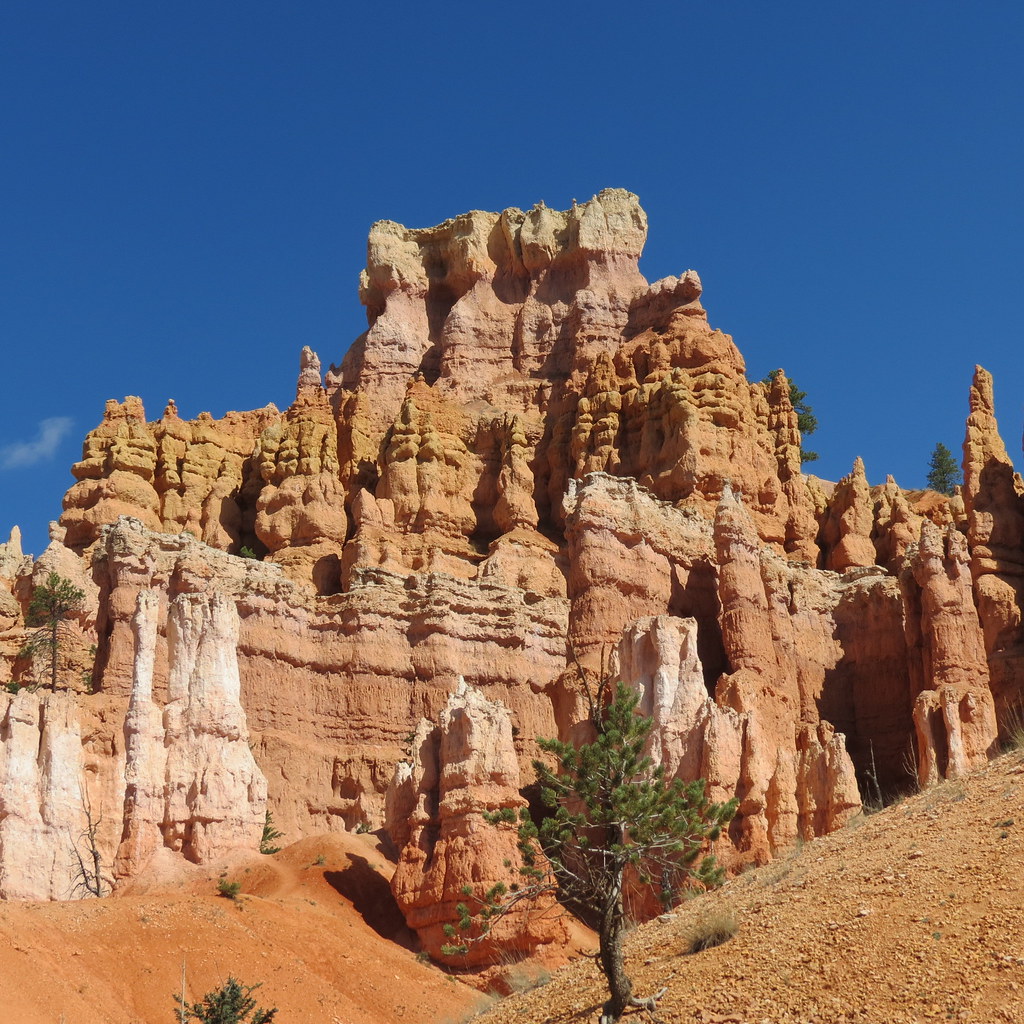
The team’s detective work involved examining rock layers across the western United States, particularly in places like Montana, Wyoming, and the Dakotas. Weaver and his co-authors Tom Tobin of the University of Alabama and Courtney Sprain of the University of Liverpool began investigating this sudden geologic change in the Williston Basin, an area that spans eastern Montana and western North and South Dakota, as well as north-central Wyoming’s Bighorn Basin.
What they discovered was remarkable – They found a change in the sediment record from sand and silt to coal is consistent across western North America and persists for more than a million years after the impact. In their study, they argue a shift of this scale is best explained by an abrupt and dramatic regrowth of forests, which were previously kept in check by hungry dinosaurs. The consistency of this pattern across such a vast area proves this wasn’t just a local phenomenon but a continental transformation.
What This Means for Understanding Earth’s Future
The implications of this research extend far beyond paleontology textbooks. “The K-Pg boundary was essentially a geologically instantaneous change to life on Earth, and the changes we’re making to our biota and to our environments more broadly are going to appear just as geologically instantaneous,” Weaver said. “What’s happening in our lifetimes is the blink of an eye in geologic terms, and so the K-Pg boundary is our best analog to our very abrupt restructuring of biodiversity, landscapes and climate.”
This research provides a powerful lens for understanding how quickly and dramatically ecosystems can change when major species disappear. The study shows that the loss of large animals doesn’t just affect food chains – it can literally reshape the physical structure of the planet itself. Scientists are now looking at current biodiversity loss with fresh eyes, wondering what landscapes might look like if we continue losing large mammals and other ecosystem engineers at current rates.
Conclusion
This groundbreaking study from the University of Michigan has fundamentally changed how we understand the relationship between life and landscapes. The extinction of dinosaurs didn’t just end the age of giant reptiles – it triggered a complete planetary makeover that lasted millions of years. Rivers changed course, forests expanded, and the entire surface of Earth was redesigned in ways that still shape our world today.
The research reminds us that our planet is far more dynamic and interconnected than we often realize. Every major species plays a role in engineering the environment, and when they disappear, the effects ripple through geological time. As we face our own extinction crisis today, this ancient story serves as both a warning and a guide for understanding how life and landscapes dance together across the ages. Who would have thought that the key to understanding river formation lay buried in the footprints of creatures that vanished millions of years ago?