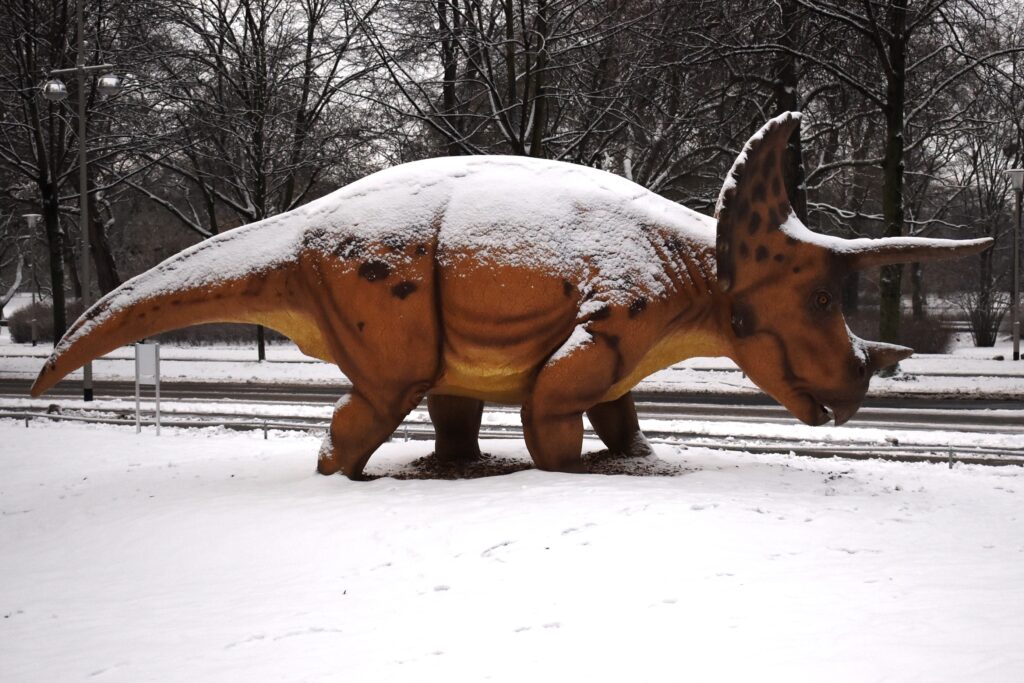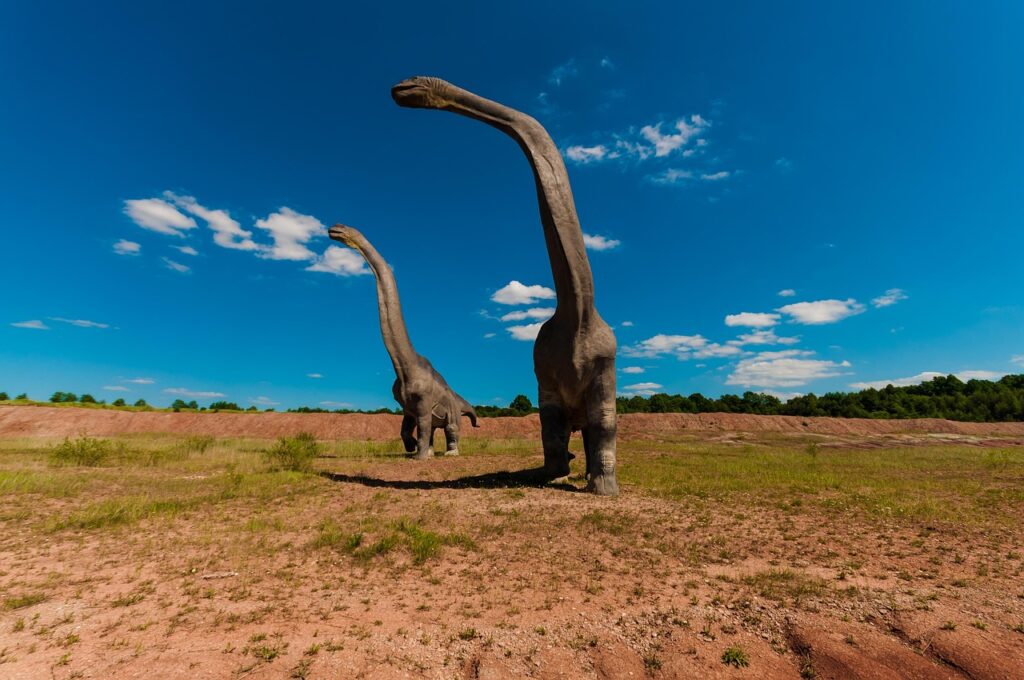
The story of following Diplodocus across the rugged landscapes of Wyoming and Montana isn’t just about hunting for fossils – it’s about walking in the footsteps of giants that once ruled a world we can barely imagine. These ancient trails crisscross some of America’s most breathtaking wilderness, where every rock formation tells a tale and every dusty path might lead to the discovery of a lifetime.
The Great Discovery at Sheep Creek
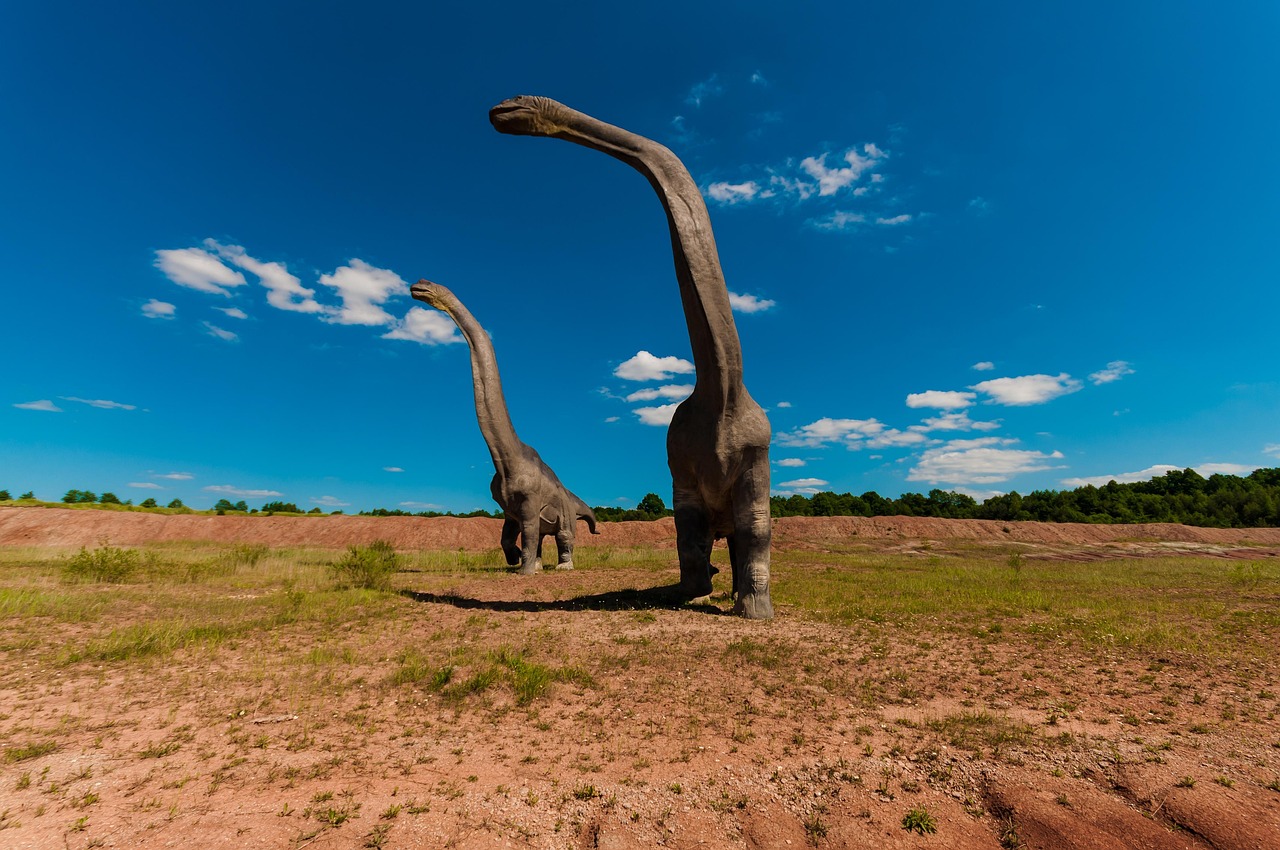
Picture this: it’s July 1899, and a team member discovered a huge toe bone at Sheep Creek, Wyoming. This wasn’t just any fossil – it was the beginning of one of paleontology’s greatest stories. On July 4, 1899, a Diplodocus was found at Sheep Creek about 25 miles north of Como Bluff. This fossil was one of the first large specimens collected for the budding Carnegie Museum of Pittsburgh, Pa.
The discovery site became known as Camp Carnegie, and it quickly attracted visitors who came to witness history in the making. Visitors thronged to the site in Wyoming, which was dubbed “Camp Carnegie.” After the sufficient collection of Dippy’s bones, boxes were constructed, and the bones were sent back to Pittsburgh in 130 crates. This single find would change how the world saw dinosaurs forever.
When Giants Roamed the Bighorn Basin
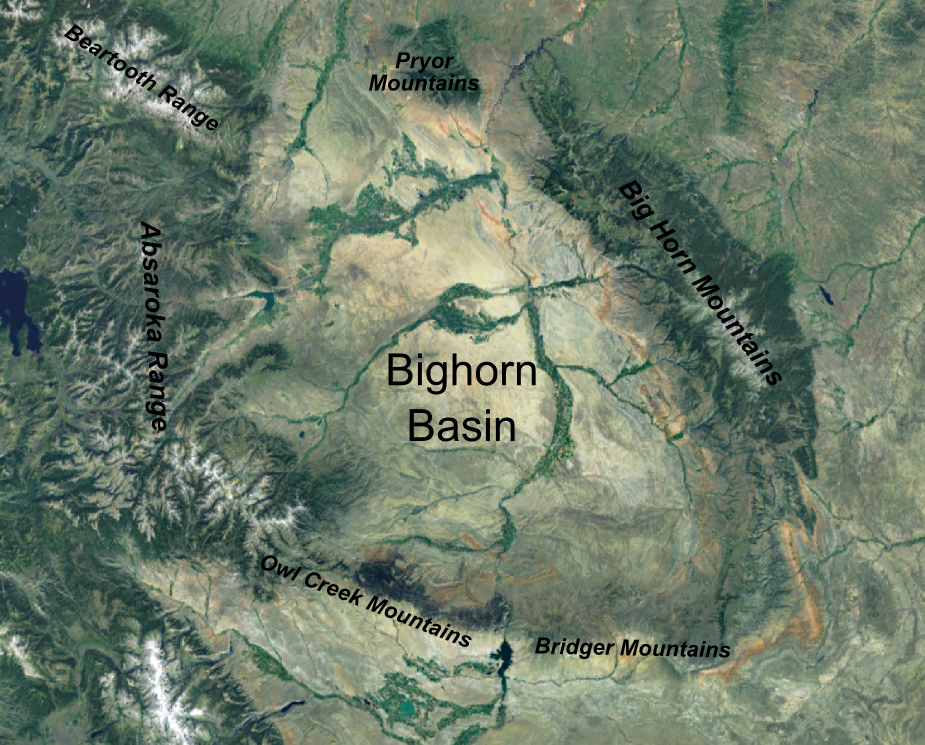
Today’s Bighorn Basin might look like barren wilderness to some, but It is the Bighorn Basin, an arid, sprawling, sparsely populated expanse of small towns, public lands and large, private ranches stretching across 100 miles of northwestern Wyoming and reaching into southern Montana. “There are places out there where you literally cannot walk without stepping on dinosaur bones,” Schein told a standing-room-only crowd at the Center’s Coe Auditorium. That’s right – you can’t even take a hike without tripping over prehistoric treasures.
The basin spans roughly one hundred miles, creating what paleontologists now consider one of Earth’s greatest natural laboratories. Elevation Science’s paleontologists have participated in field expeditions around the world, and they all agree, there’s nothing quite like the Bighorn Basin – one of the best natural laboratories on the planet – for studying the history of life on Earth. It’s like nature’s own museum, except the exhibits are still buried, waiting for someone brave enough to dig them up.
The Mystery of the Teenage Diplodocus Gang
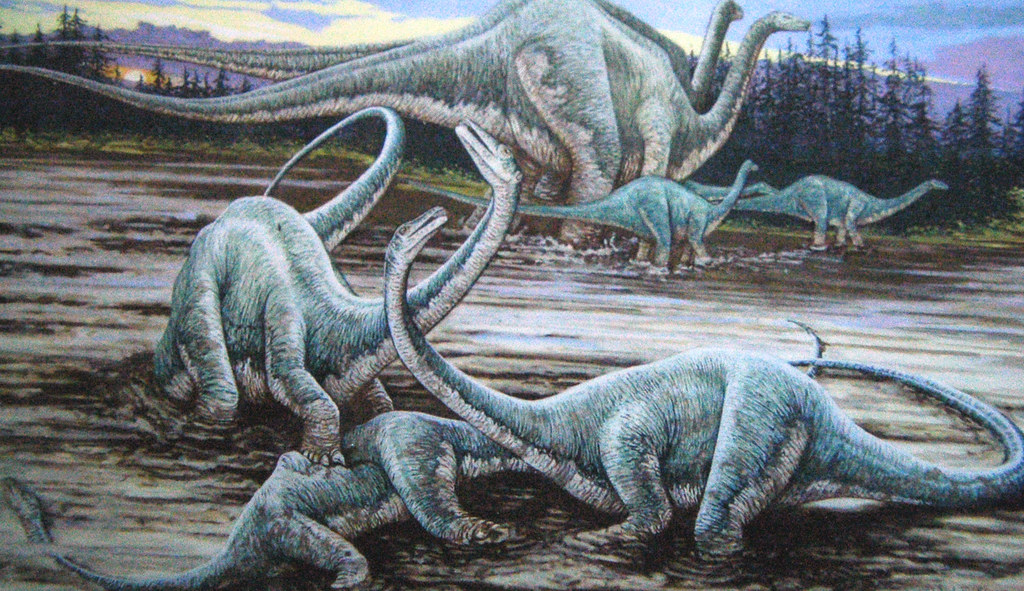
Here’s where things get really wild – and I mean scientifically wild. How young dinosaurs traveled together is at the heart of another mystery Schein and others are trying to unravel, based on fossils found at a Bighorn Basin site where over 3,000 individual bones have been recovered. All of those bones are from a single species – the massive diplodocus – and they all came from younger, sub-adult dinosaurs Schein described as “teenagers.”
Imagine stumbling across evidence of what was essentially a prehistoric teenage road trip gone wrong. The current prevailing theory hypothesizes that, as they reached a certain age, the teenage dinosaurs left the main herd, similar to how modern wolves or lions disperse from the pack. It’s like these young giants were the original rebels without a cause – except their cause was probably finding the best fern buffets around Montana and Wyoming.
Following the Morrison Formation Trail
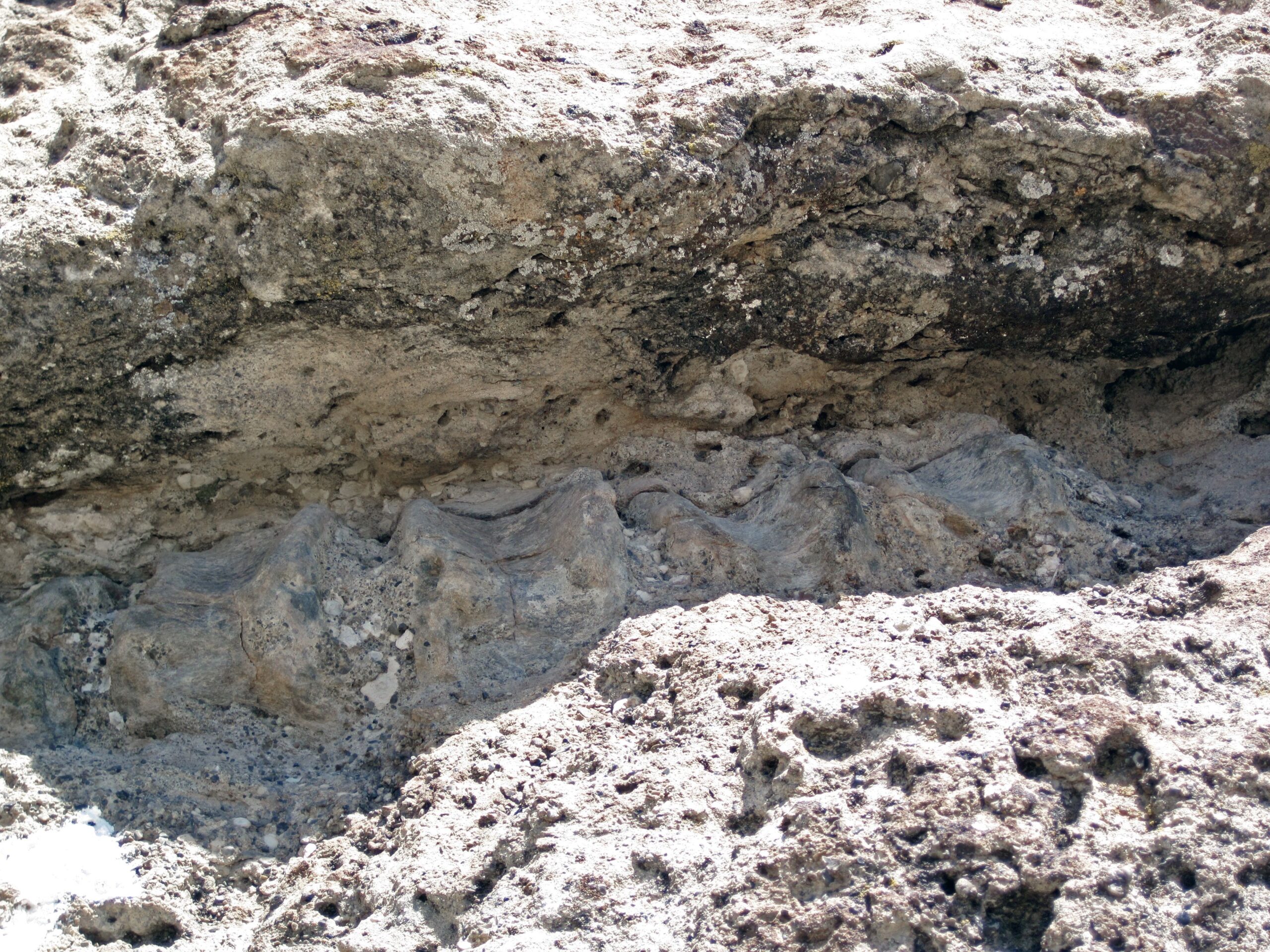
The Morrison Formation is basically Diplodocus central. Known for its incredibly long neck and tail, Diplodocus could reach lengths of up to 89 feet, making it one of the longest dinosaurs ever to live. Its fossils have also been unearthed in the Morrison Formation, showcasing the diversity of sauropod species that lived in this area. This geological goldmine stretches across multiple states, but Wyoming and Montana hold some of its most spectacular secrets.
Our research focuses on uncovering the mysteries of the famously fossil-rich late Jurassic Morrison Formation (~150 million years old). This ancient ecosystem was home to dozens of dinosaurs you may already know – Allosaurus, Diplodocus, and Stegosaurus. Walking through these areas today, you’re literally walking through what was once a prehistoric paradise – minus the air conditioning and Wi-Fi, of course.
Montana’s Dinosaur Highway
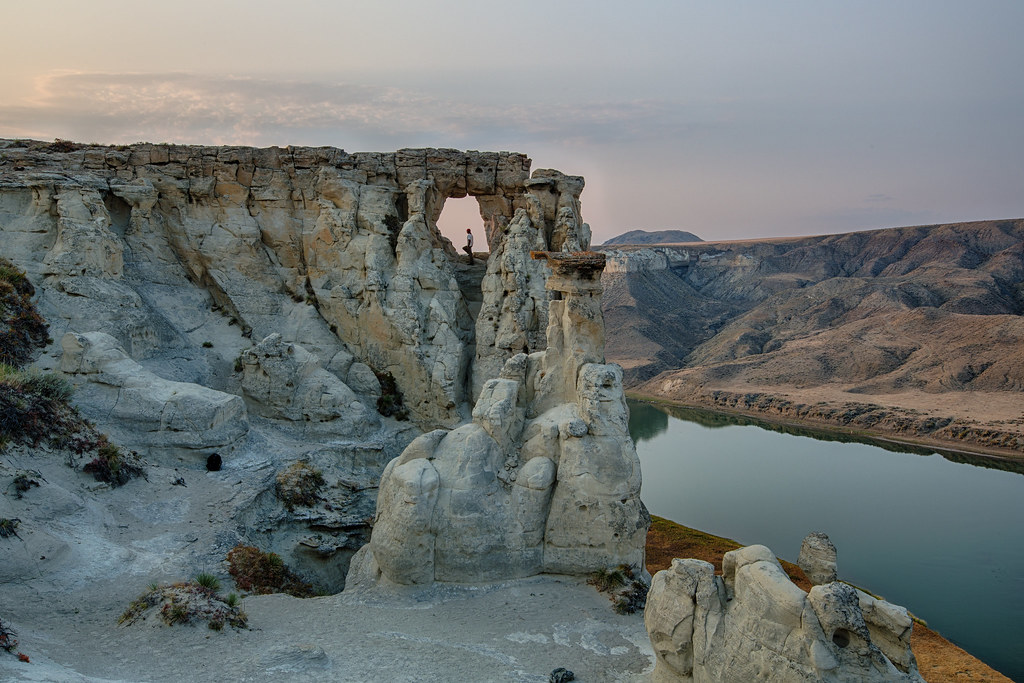
Montana didn’t want to be left out of the Diplodocus party. This statewide trail runs across Montana and consists of 14 locations from the Montana Dinosaur Center in Bynum to the Carter County Museum in Ekalaka. This statewide trail runs across Montana and consists of 14 locations from the Montana Dinosaur Center in Bynum to the Carter County Museum in Ekalaka. Each location offers a glimpse at the historic discoveries in the state and provides visitors with a better understanding of the giants that once inhabited our planet.
The Montana Dinosaur Trail isn’t just a tourist gimmick – it’s a serious scientific journey. In Montana, we are privileged to host some of the richest dinosaur fossils, and the state boasts some of the most important discoveries and renowned paleontologists. Plus, the scenery along the way is absolutely stunning, so even if you don’t find any fossils, you’ll definitely find some Instagram-worthy views.
Red Gulch: Where Dinosaurs Left Their Business Cards
Think fossils are just about bones? Think again. The Red Gulch Dinosaur Tracksite is the largest tracksite in Wyoming and one of only a few worldwide from the Middle Jurassic Period (approximately 167 million years old). These aren’t just random footprints – they’re like prehistoric autographs left by giants who walked this very ground.
Not only are there hundreds of tracks at the site, but the 40-acre area could contain thousands more. The dinosaur tracks were clearly made just at the shoreline, not in deep ocean water, and there must have been large areas of dry land to support not only dinosaurs but other animals and plants. It’s essentially a 167-million-year-old beach party where everyone was invited – including several species of massive sauropods who apparently enjoyed seaside strolls.
The Fossil Hunter’s Paradise
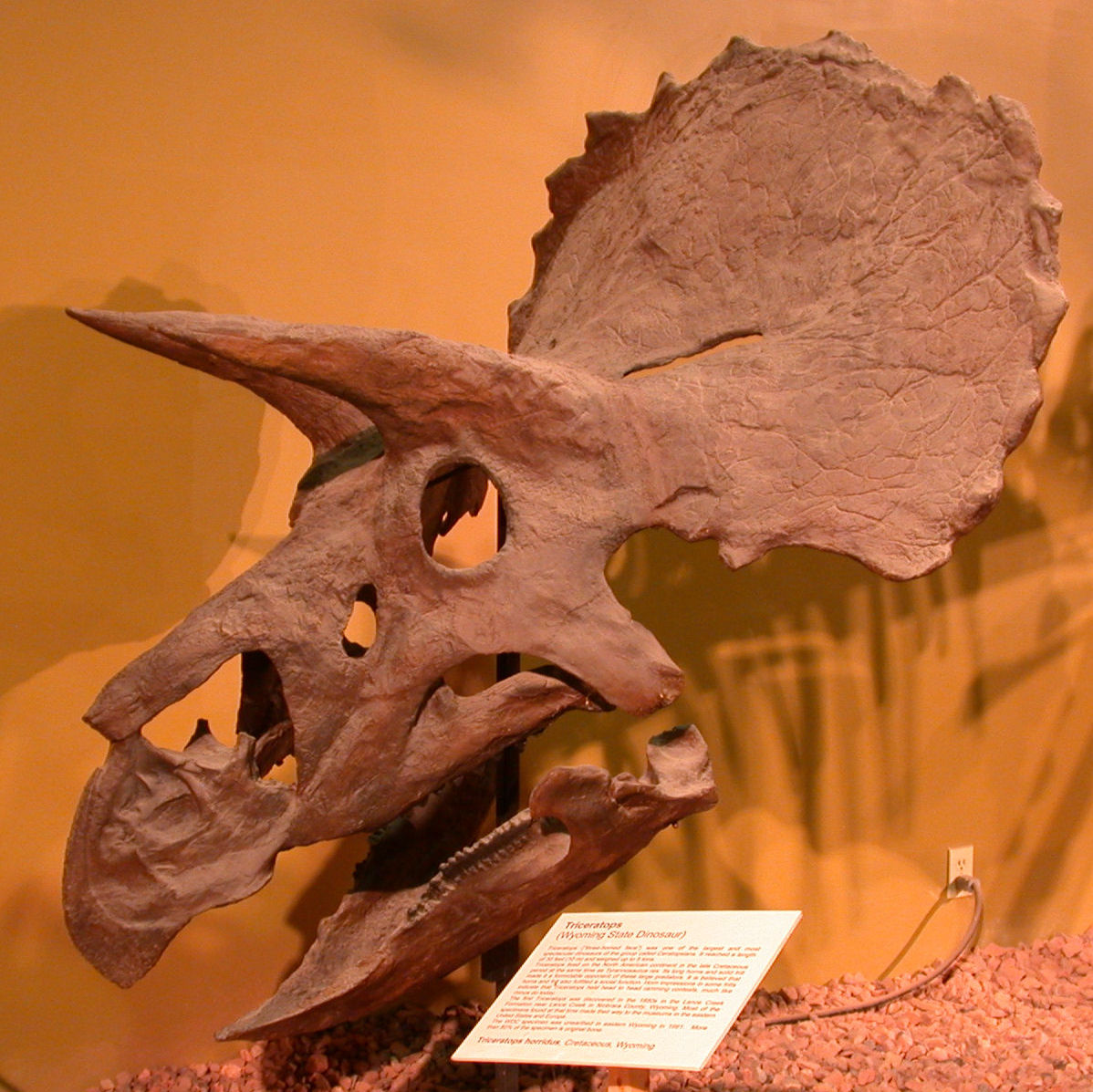
Modern fossil hunters are living the dream in these regions. Wyoming Dinosaur Center staff and visitors have removed more than 14,000 bones from the excavation sites – all within a 10-minute drive of the Museum. Most fossils are from long-necked sauropods (Camarasaurus, Diplodocus, Apatosaurus), but we have also found an abundance of Allosaurus teeth at all of our active quarries. Imagine having that kind of success rate at your local fishing hole.
The best part? You don’t need a PhD to join the action. All joking aside, Schein, a paleontologist at the Academy of Natural Sciences of Drexel University in Philadelphia, described a region so rich in dinosaur remains that even the amateur, volunteer members of his field crew can’t help but stumble upon dinosaur fossils. “Within five minutes, I can show you what dinosaur bones look like. Then within 10 minutes out in the field, I can show you what they look like in the ground. It’s like having a fossil-finding cheat code for the real world.
Living the Paleontologist Life
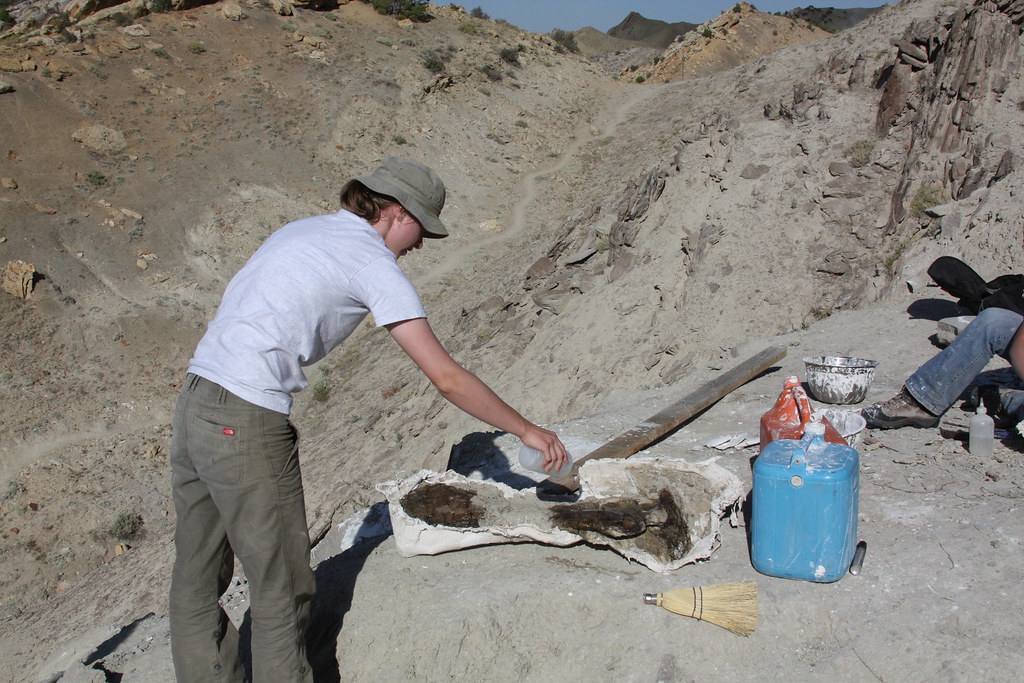
Want to experience what it’s like to hunt for Diplodocus remains? Modern expeditions offer the full experience. Every morning after breakfast: Depart Yellowstone-Bighorn Research Association (YBRA) no later than 7:45 am and head out to our field sites Throughout the week, we will be orienting you to the local geology, paleontology, and geography throughout the Bighorn Basin. By the end of this week, you will be familiar with the landscape that existed in this area 150 – 50 million years ago, including its inhabitants. And, of course, you will have personally collected dozens of dinosaur and other fossils for the Elevation Science Institute’s research and education programs.
These aren’t your typical vacation activities, but then again, how many people can say they’ve personally dug up a piece of a creature that lived alongside the ancestors of modern birds and mammals? When you leave an Elevation Science expedition, you will not simply have seen science in action – you will have done the work yourself, gained skills used by professional scientists, and truly become a part of the discovery. Through hands-on field work and engaging evening lessons, we will teach you everything you need to know to find, identify, and excavate dinosaur and other fossil remains.
Conclusion: Walking with Giants
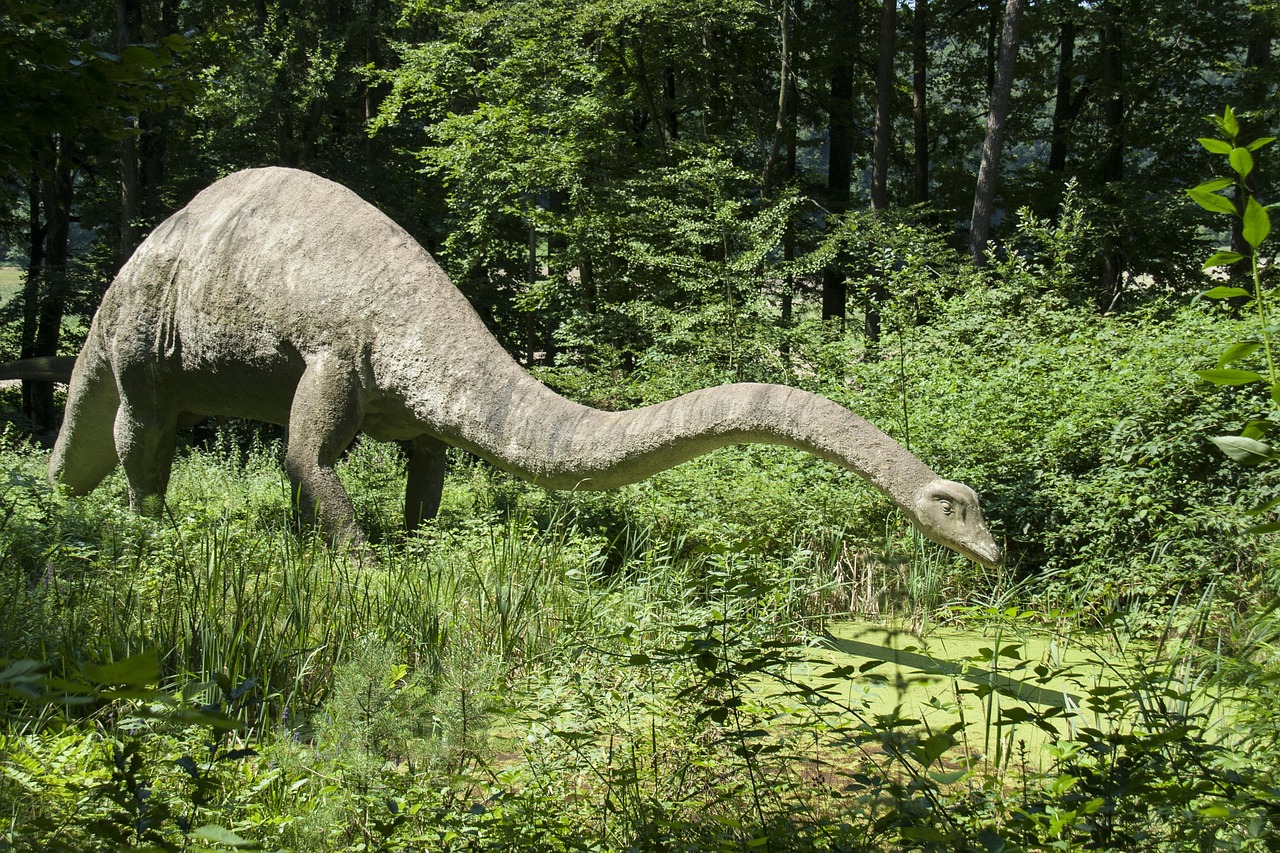
Following Diplodocus trails across Wyoming and Montana isn’t just about the destination – it’s about connecting with a time when these gentle giants wandered ancient shorelines and vast plains. Every fossil site, every footprint, and every carefully excavated bone tells us something new about creatures that dominated Earth for millions of years.
The trails these dinosaurs left behind aren’t just preserved in stone – they’re preserved in the ongoing work of scientists and fossil hunters who continue to piece together their stories. Whether you’re standing at Red Gulch imagining prehistoric beach walks or digging in the Bighorn Basin hoping to uncover the next great discovery, you’re participating in a scientific adventure that spans multiple lifetimes.
Who knows what secrets still lie buried beneath the vast skies of Wyoming and Montana, waiting for the next curious explorer to follow in the footsteps of giants? What would you have guessed?