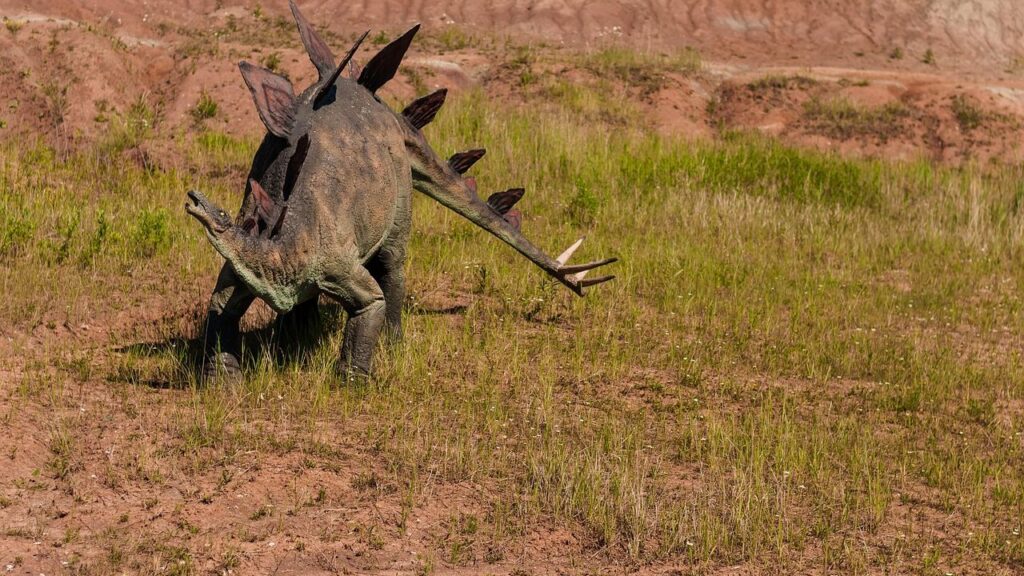
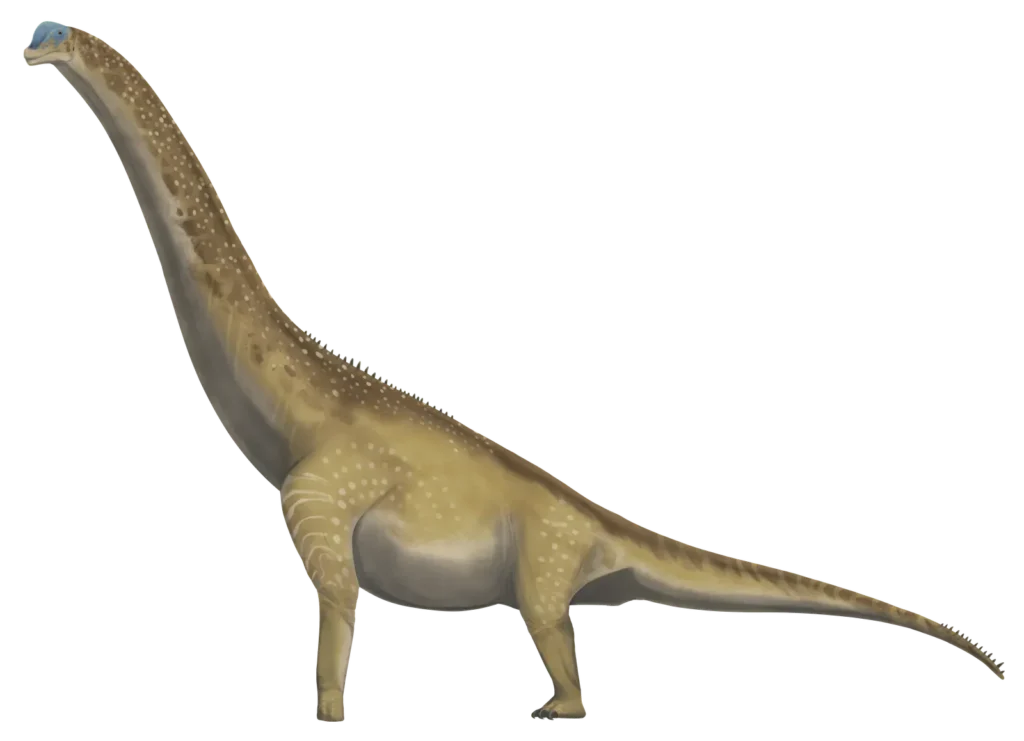
Picture walking through an ancient forest 120 million years ago. Massive predators prowl through the dense vegetation, their razor-sharp teeth glinting in the filtered sunlight. Yet somewhere among the trees, a tank-sized herbivore sits perfectly still, invisible to these deadly hunters despite weighing over a thousand kilograms. This isn’t science fiction – it’s the remarkable story of dinosaur , recently discovered in fossils so well-preserved they’ve revolutionized our understanding of prehistoric survival strategies.
The world of dinosaur research has been turned upside down by findings that challenge everything we thought we knew about these ancient giants. While we’ve long assumed dinosaurs were dull, lizard-like creatures, cutting-edge fossil analysis has revealed a secret weapon that allowed some species to disappear in plain sight.
The Hidden Forest Dweller
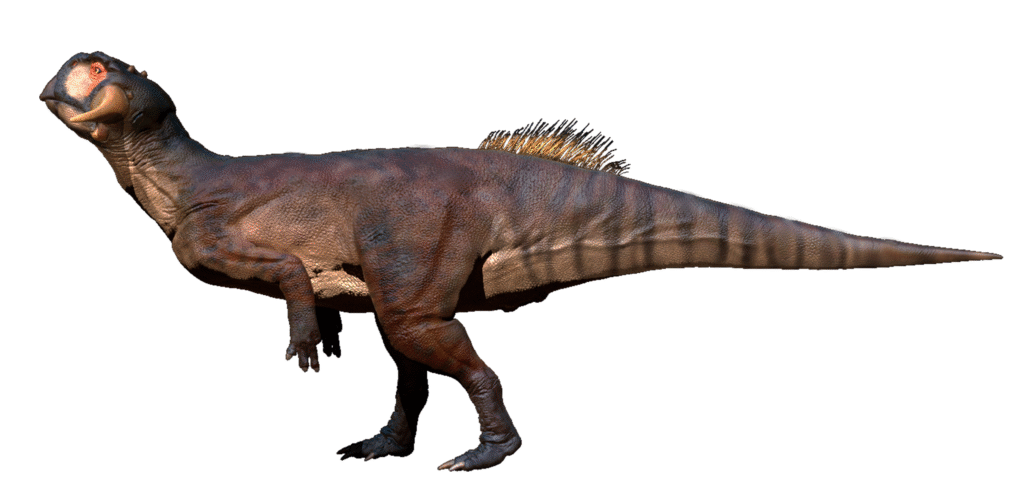
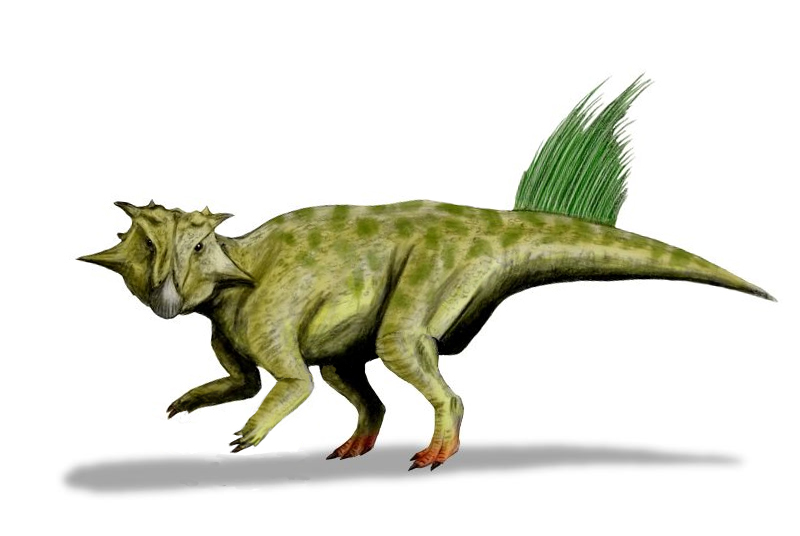
Deep within the dense Cretaceous forests lived a remarkable creature that mastered the art of disappearing. Psittacosaurus, roughly the size of a golden retriever, was the first dinosaur to show evidence of countershading, a type of in which animals have darker-colored backs and lighter bellies. This small herbivore possessed what scientists now recognize as one of nature’s most sophisticated survival mechanisms.
The exquisitely preserved fossil remains revealed one of the most elaborate dinosaur paint jobs ever seen, including a brown back and a lighter belly, with modern-day antelope, fish and other animals having similar dark-and-light zones that confuse predators. Think of it like nature’s version of military , but perfected over millions of years of evolution. The discovery completely shattered the traditional image of monotone, reptilian dinosaurs.
A Revolutionary Fossil Discovery
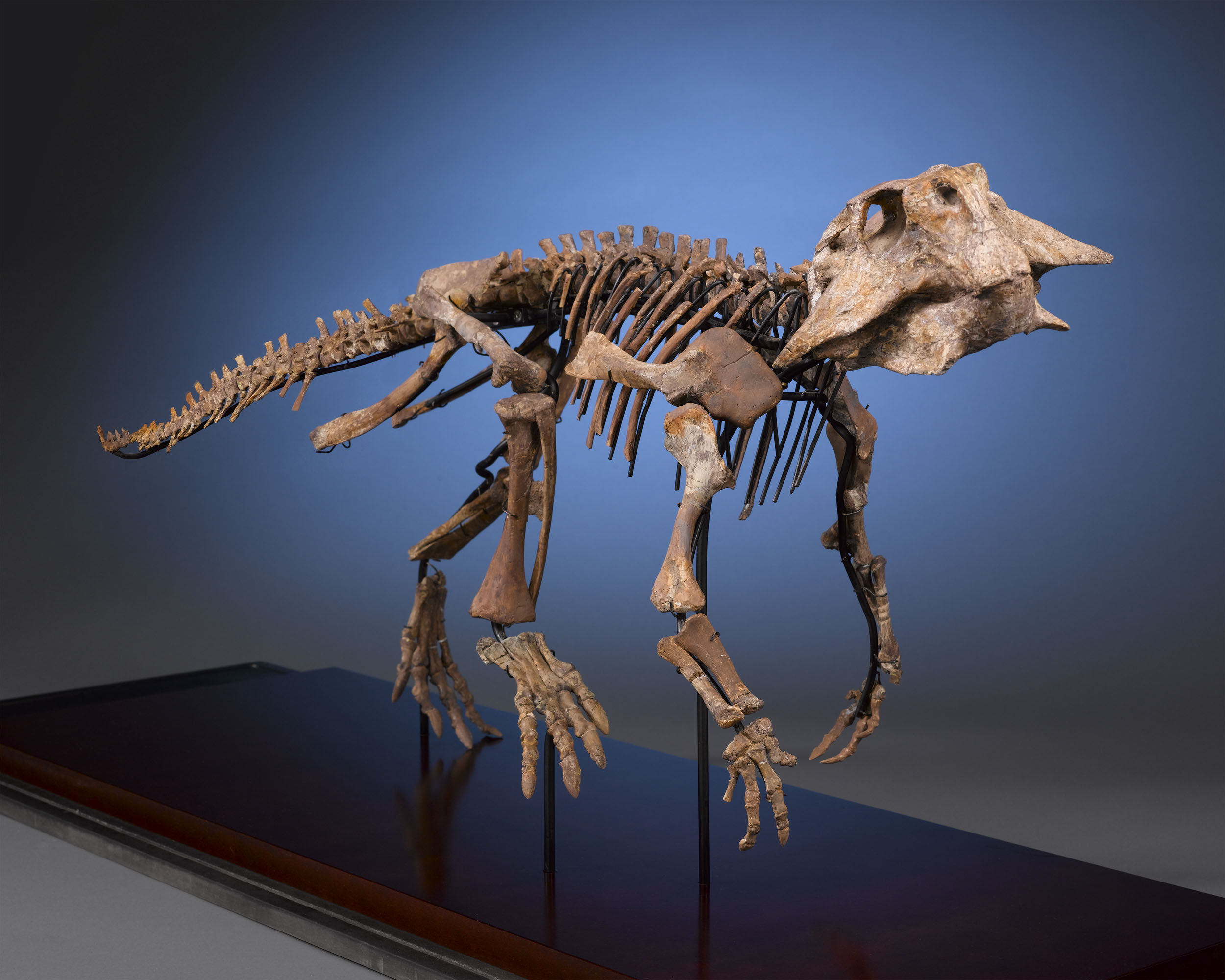
The remarkable specimen was a type known as Psittacosaurus, or “parrot-lizard,” about the size of a golden retriever, with stubby spikes on its cheeks and a beaked jaw, unearthed in China where it lived some 120 million years ago. What makes this fossil extraordinary isn’t just its age, but its unprecedented level of preservation. Scientists found something they never expected to see – actual evidence of skin pigmentation.
Black material speckles the dinosaur’s body, tail and face, with researchers believing the material is the ancient remains of pigment, examining samples chipped from the fossil to see the telltale orbs of melanosomes. These microscopic structures, normally lost to time, held the secret to unlocking this dinosaur’s true appearance. The preservation was so remarkable that researchers could map out the exact color patterns across the entire body.
Nature’s Master of Disguise
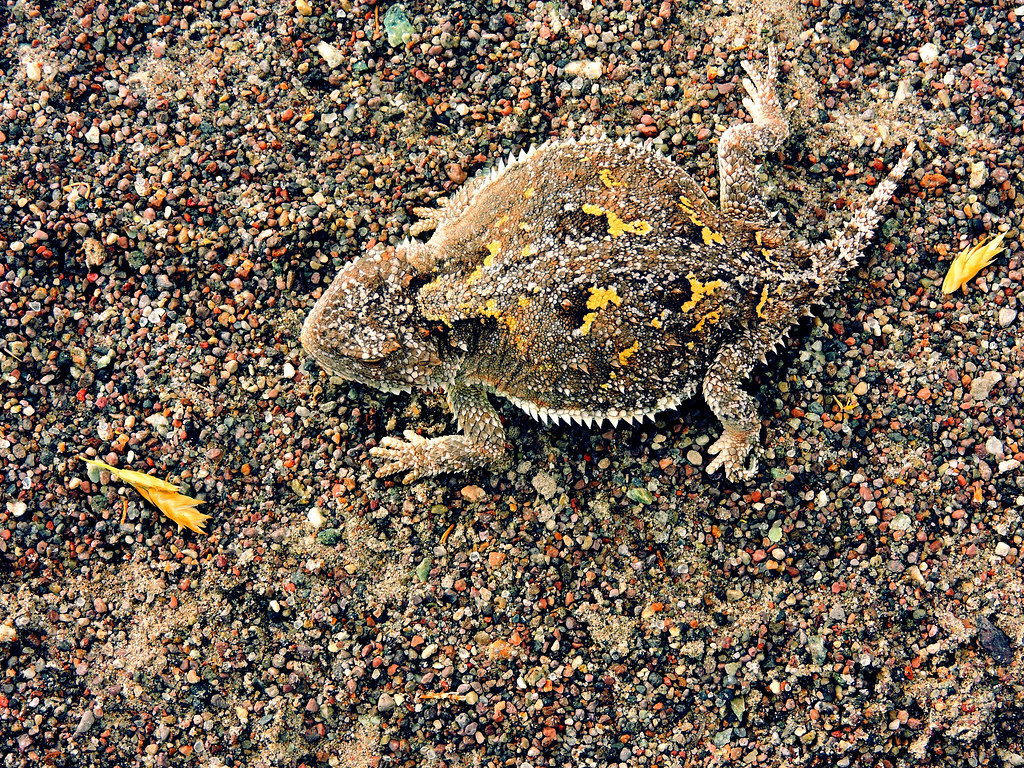
Based on the dinosaur’s pigment patterns, it would have had a dark back that faded to a lighter belly, a type of coloring called countershading that shows up in animals from penguins to fish and may act as a form of . This isn’t just any random color scheme – it’s a carefully evolved survival strategy that modern animals still use today.
The coloring lightens parts of the body typically in shadow, and darkens parts typically exposed to light, with the logic being “if you want to hide, it makes sense to try and obliterate those shadows.” Imagine looking at an animal from a predator’s perspective – the shadows that would normally give away its three-dimensional shape are canceled out by its natural coloring. It’s like nature’s own optical illusion, making a solid creature appear flat and virtually invisible.
Scientific Detective Work
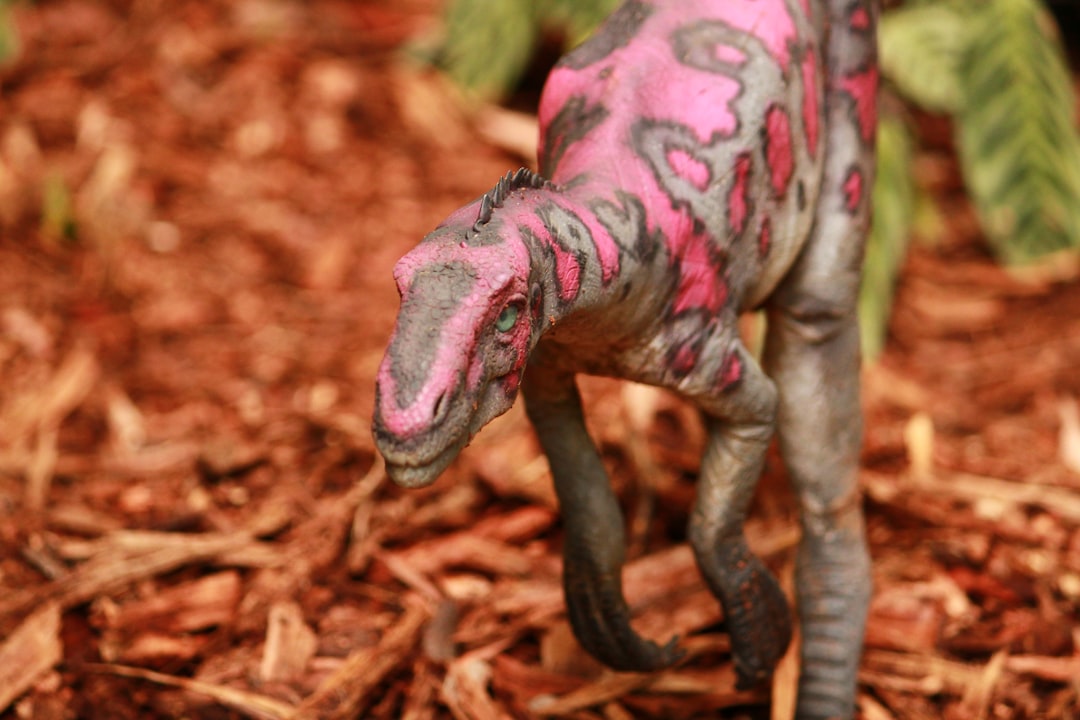
To understand how this actually worked, researchers became scientific detectives. Scientists built a life-size model of the Psittacosaurus and painted it a dull gray, providing a neutral background for assessing shadows on the body, photographing it at a nearby botanic garden on both clear and cloudy days, out in the open and under cover of vegetation, finding that the coloring provided the best in diffuse light, not full sun.
This groundbreaking experiment revealed something fascinating about where this dinosaur lived. The reptile probably lived in the forest rather than on the savanna, with scientists concluding “it’s like what we see in forest-living animals.” The research team literally brought a dinosaur back to life through careful reconstruction and testing, proving that scientific imagination combined with rigorous methodology can unlock secrets buried for millions of years.
The Arms Race of Survival
Surrounded by hungry predators, this little plant-eating dinosaur from the early Cretaceous did the only sensible thing – it donned , with researchers noting the dinosaur “was very much on the bottom of the food chain.” The Cretaceous period was no peaceful paradise; it was a deadly battlefield where survival meant staying one step ahead of massive carnivores.
These color patterns are described as “a testament to an arms race [between predator and prey] that took place 120 million years ago.” Every evolutionary adaptation represented a response to life-or-death pressure from predators with razor-sharp teeth and powerful jaws. The fact that such sophisticated evolved shows just how intense the predation pressure must have been during this ancient era.
The Armored Giant That Still Needed to Hide
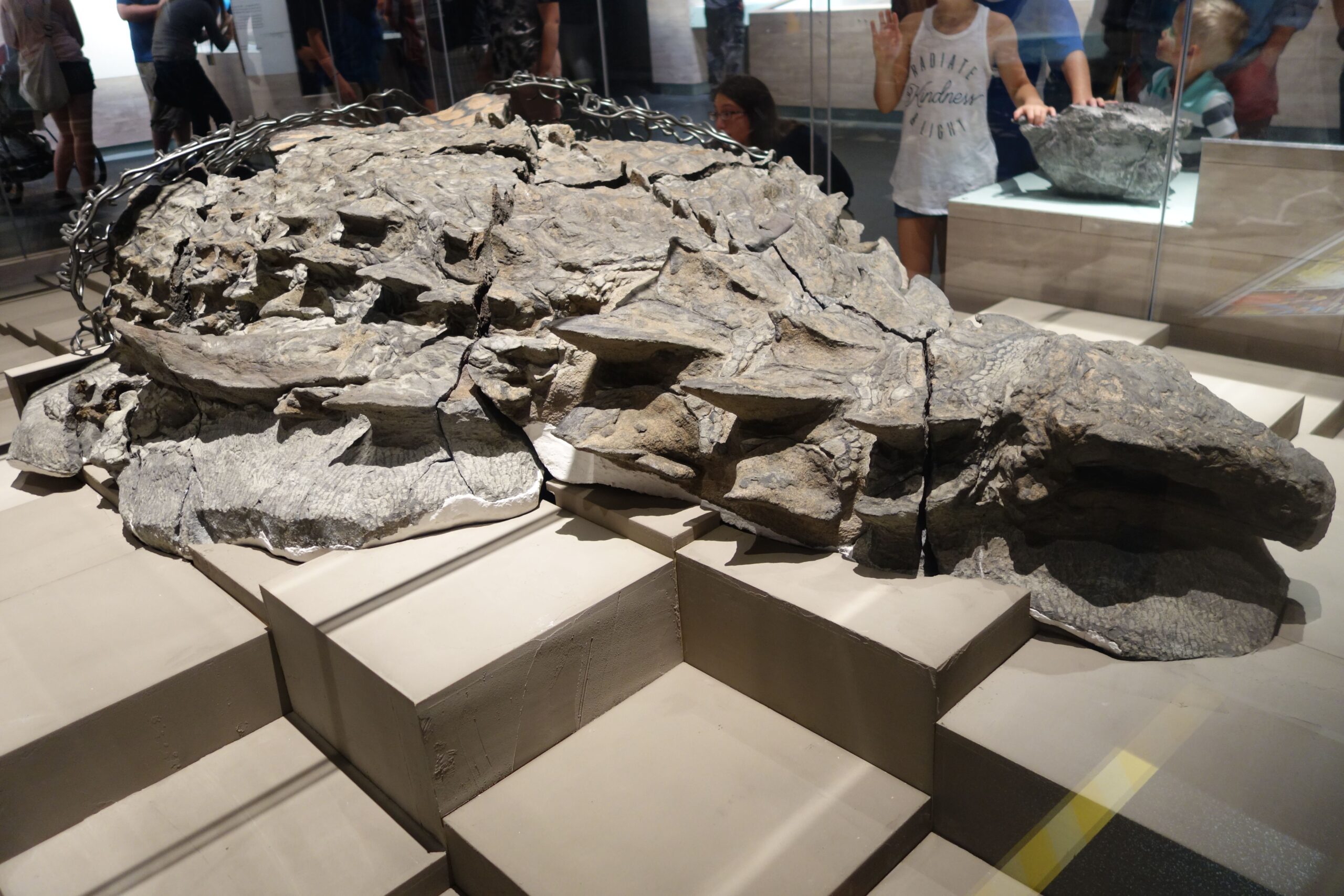
If a small, relatively defenseless herbivore needing seems logical, what about a creature built like a living tank? Recent studies suggest the 1300-kilogram Borealopelta markmitchelli, which roamed North America more than a hundred million years ago, may have used to hide from its enemies, making it potentially the first example of in such large animals.
Study of the pigments present in remnants of skin and scales suggest that Borealopelta might have had a reddish-brown coloration in life, with a countershaded pattern that was used for , with researchers finding that the skin exhibited countershading, a common form of in which an animal’s underside is lighter than its back. Picture a creature the size of a small truck, covered in bony armor and deadly spikes, still needing to hide from predators. This discovery fundamentally changed how scientists view predator-prey dynamics in the dinosaur world.
Challenging Everything We Thought We Knew
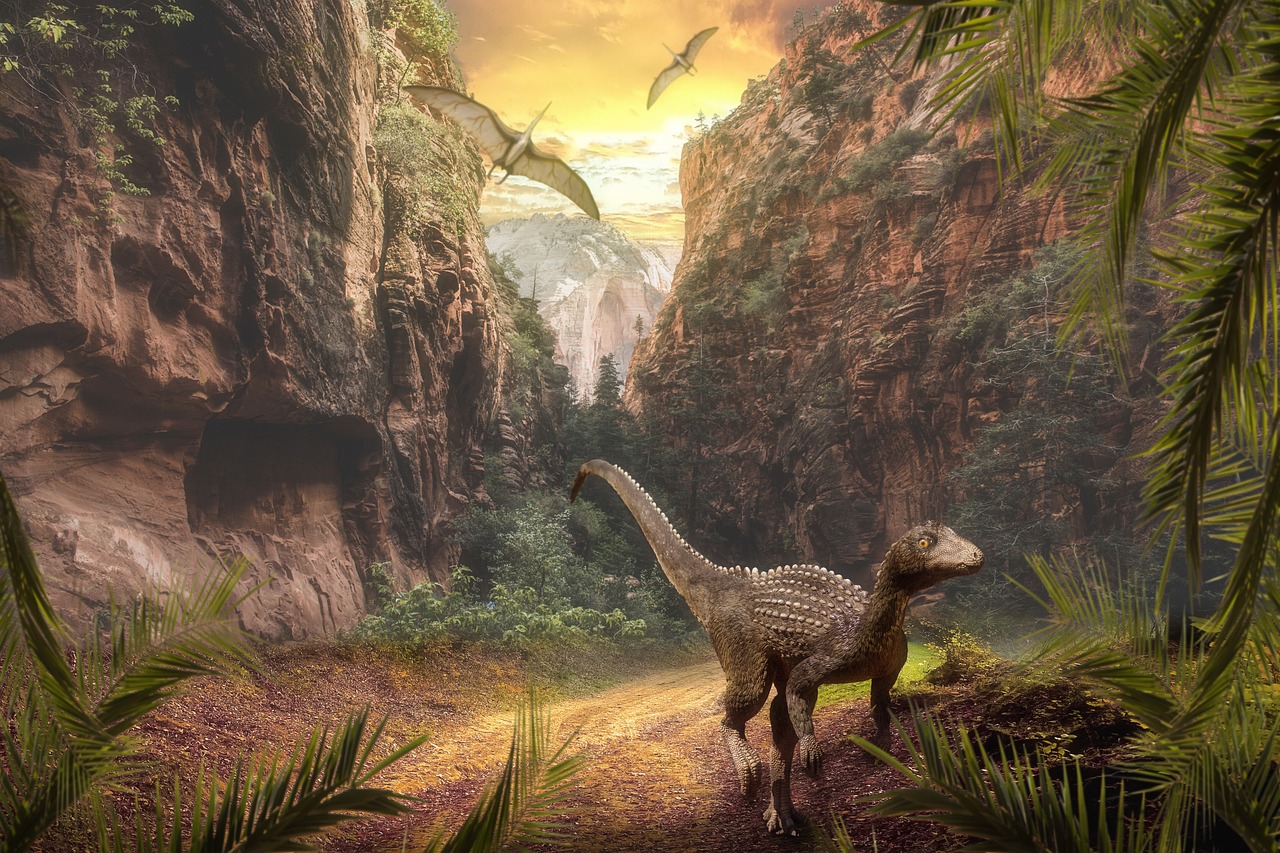
If Borealopelta was indeed d, it would significantly change thinking about prey-predator dynamics in the time of the dinosaurs, as today large “attack-proof” animals like elephants and rhinos do not use camouflaging, with scientists always assuming that massive dinosaurs would be equally shielded from predators, but the newly discovered fossil suggests that millions of years ago bulky dinosaurs like Borealopelta might have been preyed on by even larger dinosaurs.
Those predators could have included the sharp-toothed, long-clawed Acrocanthosaurus, which grew as long as 11.5 meters. The implications are staggering – even the most heavily armored herbivores lived in constant fear of becoming someone else’s dinner. This paints a picture of the Mesozoic as an era of escalating evolutionary warfare, where size and armor alone weren’t enough to guarantee survival.
Conclusion
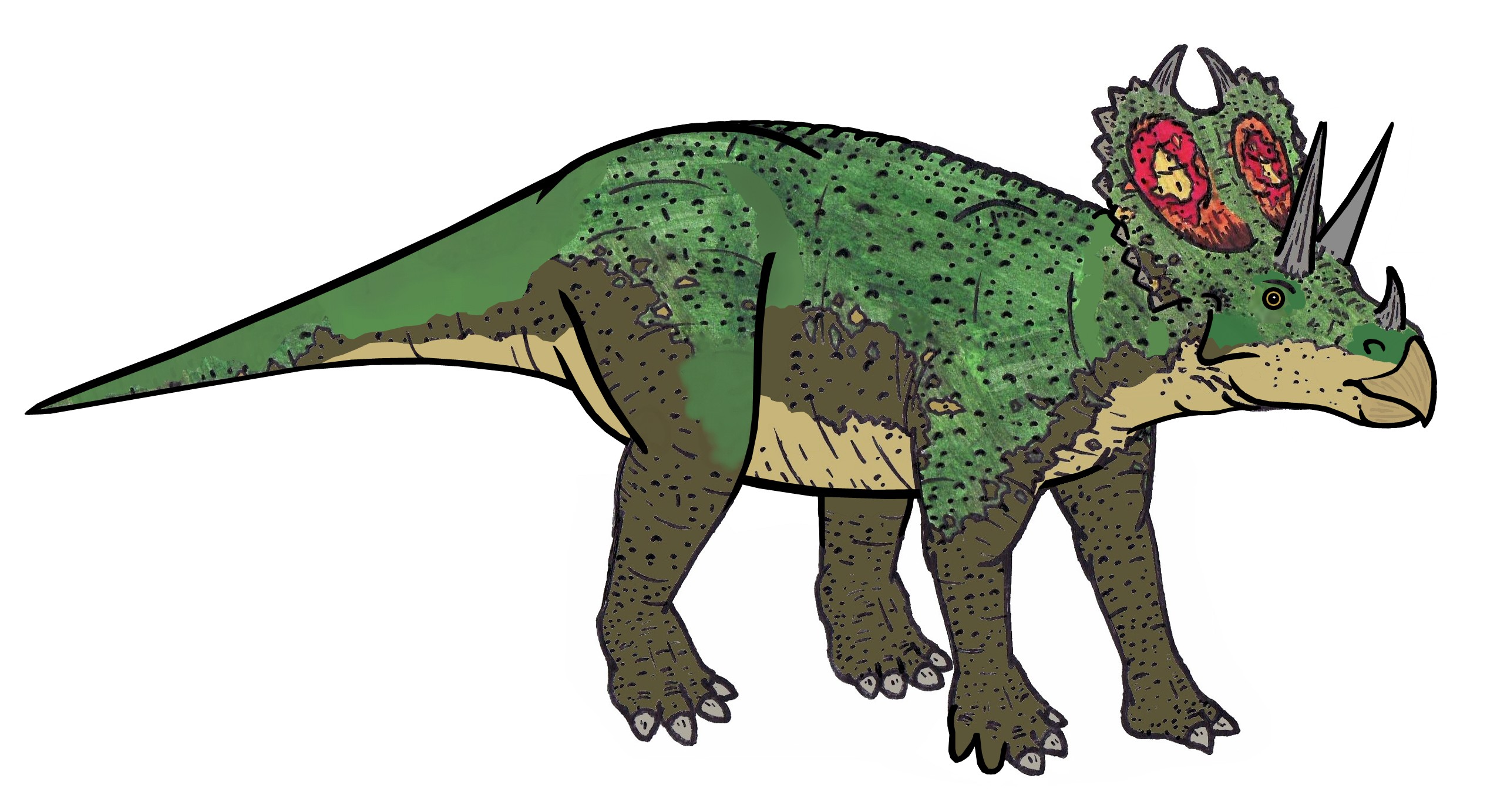
The discovery of dinosaur has fundamentally transformed our understanding of life in the Mesozoic era. These weren’t the slow, dim-witted reptiles of old Hollywood movies, but sophisticated creatures equipped with advanced survival strategies that rivaled anything in the modern natural world. From the forest-dwelling Psittacosaurus with its carefully calibrated countershading to the massive armored Borealopelta that still needed to hide despite its formidable defenses, these findings reveal an ancient world where the evolutionary arms race between predator and prey reached extraordinary heights.
What fascinates most about these discoveries is how they’ve made dinosaurs feel more real and relatable than ever before. They faced the same fundamental challenge that animals face today – staying alive in a dangerous world. What do you think about these d giants? Tell us in the comments.