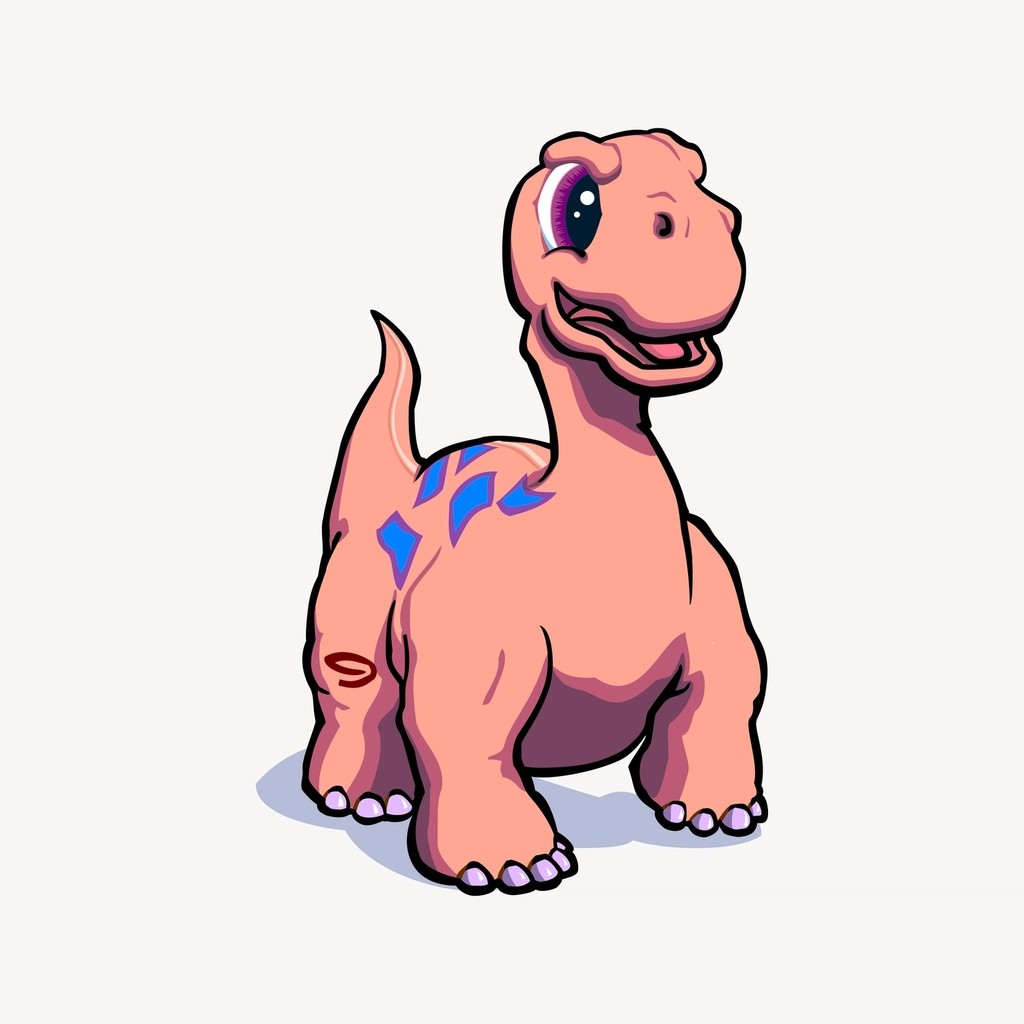
When you think of dinosaurs, massive predators and towering giants likely come to mind. Yet some of the most fascinating discoveries in paleontology revolve around their youngest members. were remarkably different from their adult counterparts, displaying unique behaviors and survival strategies that challenge our preconceptions.
Recent fossil discoveries have revealed incredible insights about how these ancient creatures began life. From lightning-fast growth rates that would make modern animals envious to complex family structures that rival today’s most nurturing species, lived in a world far more intricate than we ever imagined.
All Dinosaurs Started Surprisingly Small
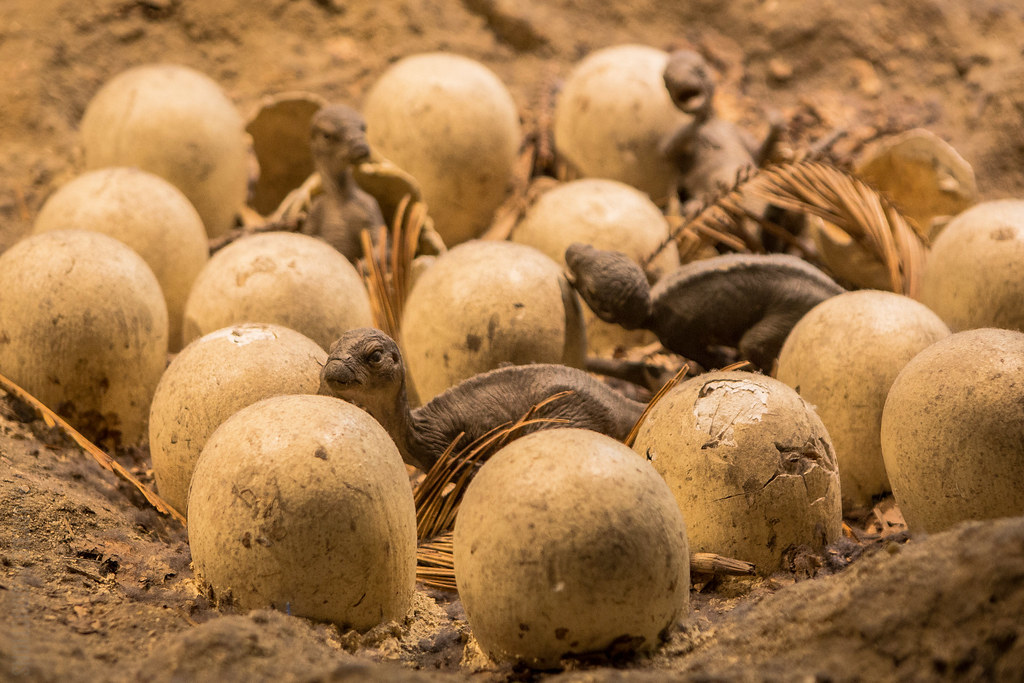
Even the largest dinosaurs hatched from eggs no bigger than a basketball. This might seem impossible when you consider that some adult dinosaurs were longer than school buses.
The babies that hatched from sauropod eggs were generally no bigger than a modern adult goose. Titanosaur hatchlings weighed just seven to eight pounds when they emerged from eggs smaller than soccer balls.
This dramatic size difference meant every dinosaur species faced an incredible transformation challenge. Unlike mammals where baby elephants are already quite large, dinosaurs had to bridge an enormous gap between their tiny beginnings and massive adult forms.
They Grew at Unbelievable Speeds
Dinosaurs reached full body size in less than a decade for most groups, and less than two decades for even the largest species. This represents some of the fastest growth rates ever documented in the animal kingdom.
Sauropods grew to be 10,000 times heavier than their hatchling weight in just three decades, with some gaining as much as two tons per year during their peak growth periods. One baby titanosaur fossil showed the animal had grown to ten times its hatching weight in just several weeks.
Big ceratopsids and hadrosaurids reached adult size in only three to seven years, while massive sauropods like Apatosaurus needed just ten years. For comparison, this made them grow far faster than modern crocodiles, which might take fifty years to reach similar sizes.
Some Were Independent From Day One
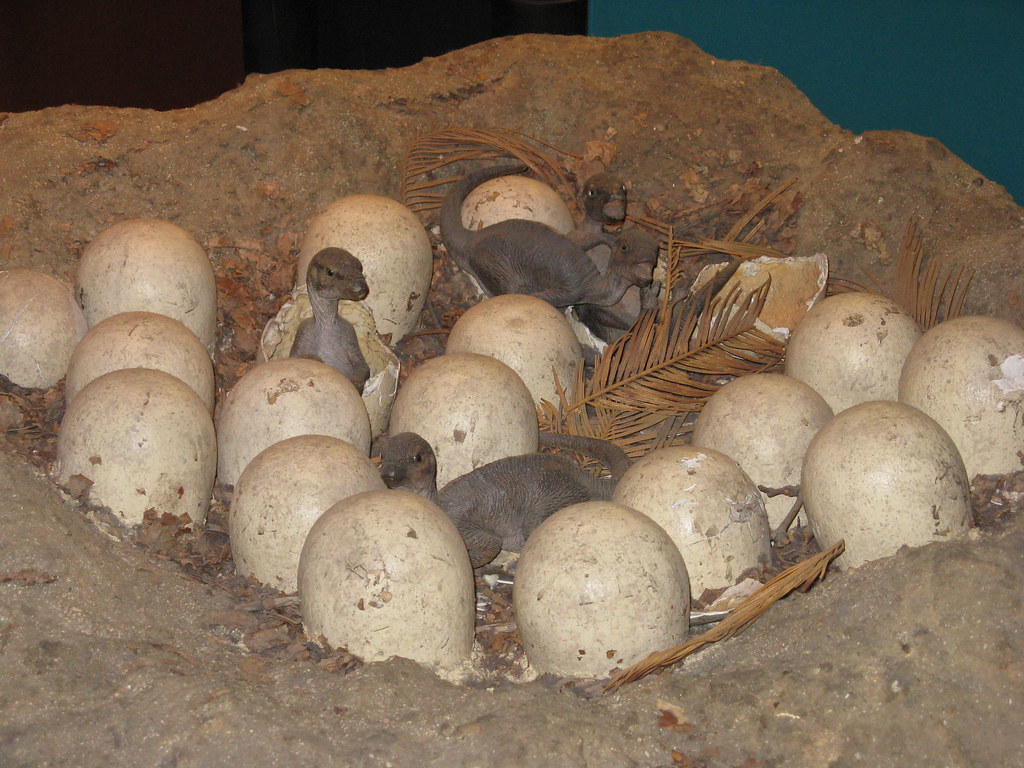
Not all required parental care after hatching. Some species, particularly certain sauropods, were precocial, meaning they could fend for themselves immediately after hatching with little to no parental care.
Baby troodontids had fully formed joints prior to hatching and would have been able to move from day one. These hatchlings were essentially ready to explore their world immediately, similar to how modern lizards behave.
Evidence suggests these independent babies were much more agile than their lumbering parents, giving them a survival advantage in escaping predators. Their ability to find large quantities of food quickly was crucial for maintaining their rapid growth rates.
Others Required Extensive Parental Care
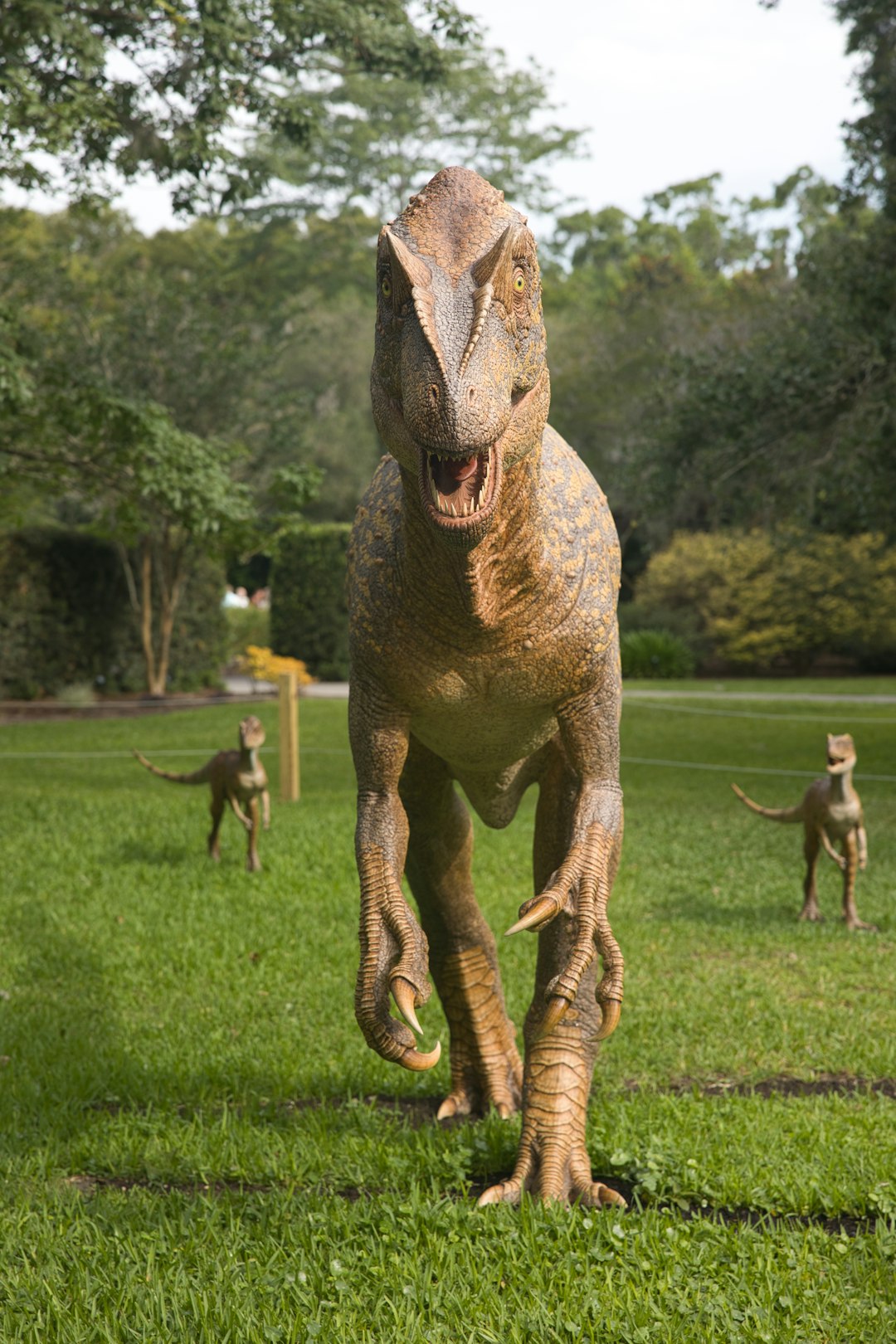
Some baby hadrosaurids had poorly developed joint surfaces in their legs making them unable to move well, but showed worn teeth indicating they were feeding, suggesting they were altricial and required parental care. These dinosaurs remained in their nests while adults brought food to them.
Finding nests with juvenile dinosaur bones, such as in the proposed Maiasaura nesting colonies in Montana, suggests that hatchlings were cared for by parents. Maiasaura, whose name means “good mother lizard,” may have extensively provided food and protection for their hatchlings.
In some exceptional fossils, preserved stomach contents of juvenile specimens contained food items too large for them to have captured independently, providing direct evidence of parental feeding. This level of care required significant energy investment from parent dinosaurs.
Many Species Formed “Dinosaur Daycares”

After left the nest, they often traveled together in packs or herds, including baby ankylosaurids, ceratopsians, and ornithomimosaurs, with some groups including individuals of different ages and even adults. This suggests complex social structures centered around family care.
The discovery of adult Psittacosaurus fossils surrounded by juveniles all of similar age suggests long-term family groups or possible “daycare” arrangements. These multi-generational groups likely provided protection and learning opportunities for young dinosaurs.
Juveniles of the Asian armored dinosaur Pinacosaurus have been found preserved in groups, perhaps caught while sheltering together during desert storms. Such discoveries reveal that group behavior started very early in dinosaur development.
Their Parents Were Devoted Nest Builders
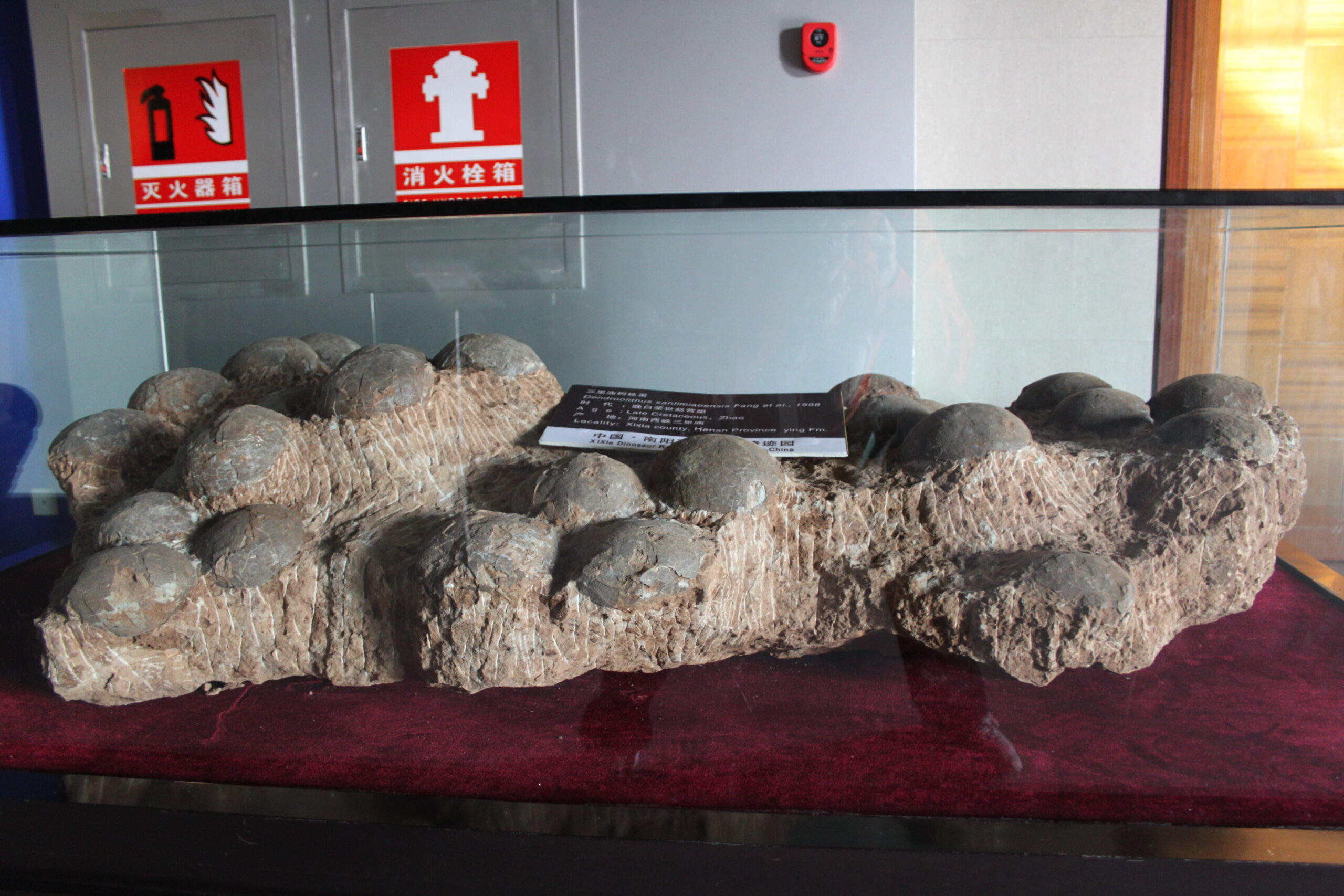
Some dinosaur nests were covered with vegetation mats that probably helped keep eggs warm, similar to modern crocodile nests. These elaborate constructions required significant time and energy investment from parent dinosaurs.
Oviraptorids laid two eggs at a time in clutches of thirty or more, meaning mothers had to stay with or return to the nest daily for two weeks to a month to arrange eggs carefully in circles. Researchers found numerous oviraptorosaur nests with adult dinosaur skeletons nearby, leading scientists to conclude “these dinosaurs were completely obsessed with their eggs”.
Some dinosaurs, particularly pennaraptorans, were found in “brooding positions” over their nests, sitting directly on eggs to keep them warm like modern birds. This behavior was unlikely in larger dinosaurs that would have crushed their eggs.
Incubation Took Much Longer Than Expected
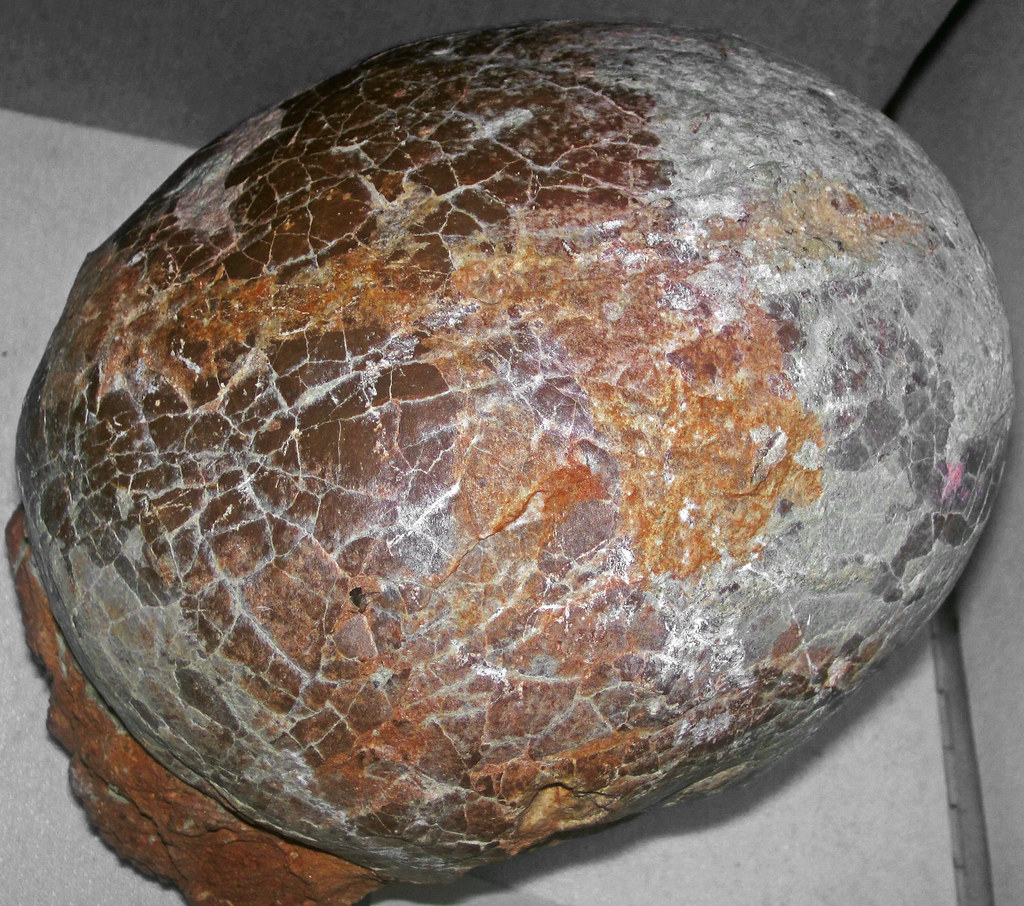
Dinosaur eggs took between three and six months to hatch, twice as long as predicted from bird eggs of similar size. This extended incubation period had significant implications for survival.
The long incubation times made nesting particularly perilous, as predators could steal eggs, floods or drought could destroy them, and parents suffered from hunger or exposure while guarding eggs for months. This prolonged incubation put eggs and their parents at risk from predators, starvation, and environmental factors, creating distinct disadvantages compared to faster-reproducing animals.
Dinosaurs went through several generations of teeth while still inside the egg, and scientists use daily growth lines in these embryonic teeth to determine exact incubation periods. These “tooth rings” work like tree rings, providing precise timing information about prehistoric development.
They Faced Enormous Survival Challenges
Compared to placental mammals, dinosaurs reproduced huge numbers of young, indicating that the chance of survival for any individual baby was very small. This reproductive strategy was necessary given the dangerous prehistoric environment.
Fossil evidence frequently shows predatory dinosaurs like Velociraptor targeting nesting areas, as evidenced by tooth marks on juvenile bones and eggs. The bigger a sauropod chick became, the better chance it had to escape predators, making rapid growth a crucial survival mechanism.
Some , like a young Rapetosaurus from Madagascar, died of starvation during drought conditions, with cartilage growth plates showing the same modifications typical in modern vertebrates during starvation. These fossils provide poignant evidence of the harsh realities faced daily.
The world of reveals a prehistoric landscape filled with remarkable diversity in parenting strategies, growth patterns, and survival mechanisms. From independent hatchlings ready to face the world alone to helpless babies requiring months of devoted care, these ancient young ones developed strategies that would influence millions of years of evolution. What aspects of baby dinosaur life do you find most surprising? Tell us in the comments.