Imagine losing a limb and simply growing it back. While this sounds like science fiction to us, for certain creatures on Earth, it’s just another Tuesday. From the depths of the ocean to the shallow ponds where axolotls swim, nature has been perfecting the art of regeneration for millions of years. You might be surprised to discover that we humans actually share more with these master regenerators than you’d expect. Scientists around the world are racing to unlock these biological secrets, and their findings could revolutionize medicine as we know it.
The gap between what salamanders can do and what humans can achieve might not be as vast as we once thought. Recent breakthroughs in regenerative science are challenging everything we believed about the limits of human healing.
The Secret World of Axolotl Regeneration
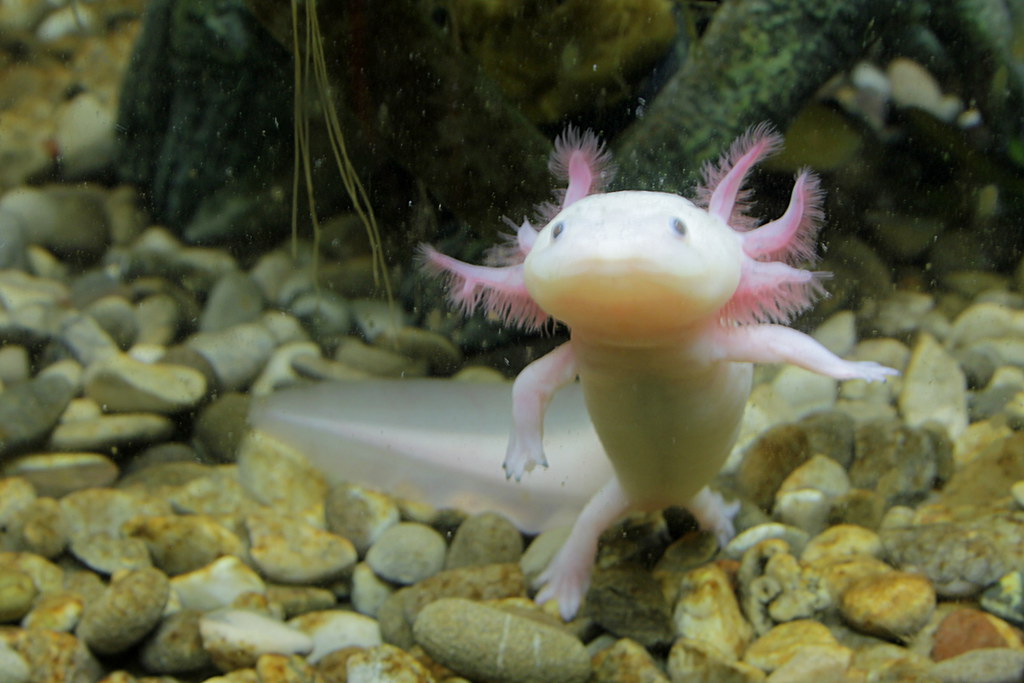
You’re looking at an animal whose genome is more than ten times larger than your own, yet it can regrow entire limbs in just weeks. The axolotl has been used for research for more than 200 years, but only recently have scientists begun to truly understand the molecular machinery behind its incredible abilities.
The axolotl’s regeneration capabilities involve the use of stem cells, as well as an unknown method of causing cells at the site of the injury to revert to stem cells. What makes this particularly fascinating is that the genes that control regeneration aren’t necessarily unique to salamanders. This discovery suggests that you and the axolotl might share more genetic tools than anyone previously imagined.
Scientists have identified specific genes in the blastema – a mass of dividing cells that form at the site of a severed limb – that are responsible for partial regeneration of the axolotl tail. Many more such genes probably exist, waiting to be discovered and potentially applied to human medicine.
How Starfish Master the Art of Whole-Body Regeneration
Starfish are most recognized for their remarkable ability to regenerate, or regrow, arms and, in some cases, entire bodies. Starfish regeneration across species follows a common three-phase model and can take up to a year or longer to complete. This process isn’t just about growing back missing parts; it’s about rebuilding complex neural networks and organ systems.
When neurons are injured in starfish, they begin to express the gene sox2, which causes cells to re-enter the neurogenesis program seen during development and form differentiated neurons in their brain. The involvement of sox2 in neuronal regeneration is significant because this gene also is implicated in coaxing mature human cells into induced pluripotent stem cells.
Throughout the regeneration process, the coelomic epithelium is vital, playing a crucial role in forming new limbs and organs. Understanding how starfish coordinate these complex regenerative processes could provide blueprints for human applications.
The Genetic Tools Humans Already Possess
Here’s where the story gets truly exciting: although humans cannot currently regenerate limbs, it’s possible that the genetic toolkit for regeneration still lies dormant within our DNA. We still have the tools, but we’re not deploying them. The answer might lie in DNA regulatory elements that activate the right genes at the right time to promote regeneration.
Scientists have been studying these species for more than 200 years to try to understand the mechanisms behind limb regeneration in the hopes of someday translating those mechanisms to induce more extensive regeneration in humans. Recent research is revealing that it isn’t necessarily the case in mammals that nerve presence is the key factor, as it is in salamanders.
These regeneration genes are also present in humans, though they are activated in a different manner. This discovery suggests that the difference between regenerators and non-regenerators might be more about gene regulation than gene presence.
Breaking Down the Barriers: Why Humans Lost This Ability

The loss of regenerative abilities in many land-dwelling animals is an evolutionary puzzle. While regeneration might seem beneficial, it can have significant drawbacks. For animals like gazelles, regrowing a lost limb takes precious time, leaving them vulnerable to predators, and the energy required can be taxing.
Mechanisms for regulating stem cell pluripotentiality increased as morphological complexity increased; therefore, as evolutionary ladders grew higher, animals were increasingly deprived of their potential for regeneration. This suggests that our evolutionary path toward complexity came at the cost of regenerative abilities.
However, by understanding how humans lost this capacity, scientists may be able to explore reactivating these pathways in future biomedical research. The key lies in understanding the genetic switches that were turned off during our evolutionary journey.
Revolutionary Research: The $1.2 Million Quest
LSU Assistant Professor Igor Schneider has reportedly been awarded a $1.2 million grant to investigate the genetic mechanisms behind limb regeneration. This groundbreaking research aims to uncover why certain animals retain this ability while humans don’t.
The project seeks to identify a shared ancestral genetic program that allows certain species to regrow fins and limbs. The research involves collaboration with Jessica Whited’s lab at Harvard, which specializes in axolotl limb regeneration, and Maksim Plikus’s lab at UC Irvine.
By comparing data from axolotls, lungfish, and bichir, the research aims to uncover a common genetic program for regeneration and investigate how this ability was lost in humans. This comprehensive approach could finally reveal the molecular switches needed to reactivate human regenerative potential.
From Laboratory to Reality: Breakthrough Technologies

Scientists have demonstrated that both embryonic and induced pluripotent stem cell (iPSC)-derived limb progenitor-like cells can promote adult mouse P2 regeneration. This represents a significant step toward practical applications for human medicine.
Researchers from Kyushu University and Harvard Medical School have identified proteins that can turn or “reprogram” fibroblasts – the most commonly found cells in skin and connective tissue – into cells that can give rise to limb tissues. Think of it as teaching your skin cells to remember how to build arms and legs.
Scientists have demonstrated long-term regrowth, marked tissue repatterning, and functional restoration of an amputated limb following a 24-hour exposure to a multidrug, pro-regenerative treatment delivered by a wearable bioreactor. The regenerated tissues included skin, bone, blood vessels, and nerves that significantly exceeded the complexity of untreated animals.
The Ambitious Timeline: Regenerating Knees by 2030
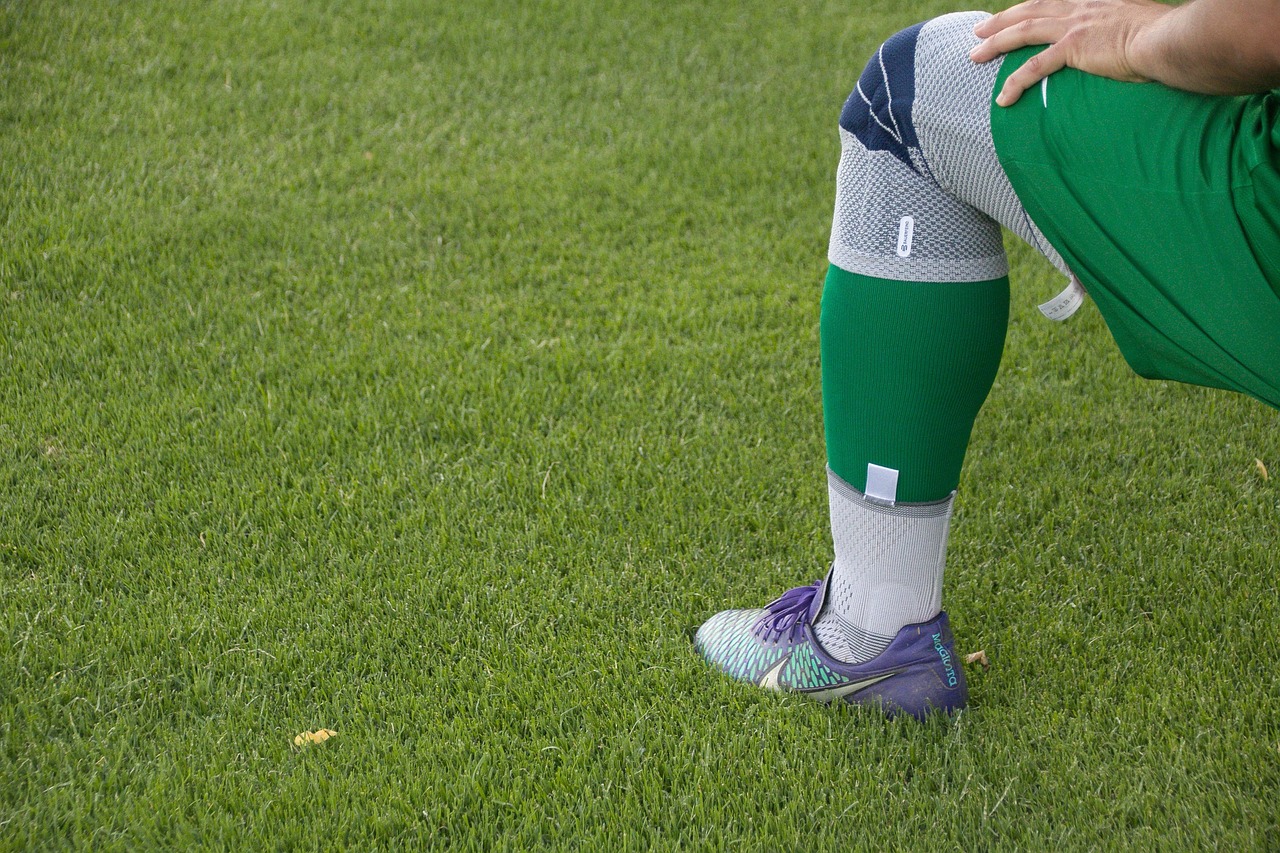
The University of Connecticut has reportedly announced the launch of its new grand research challenge: regeneration of a human knee within seven years, and an entire limb within 15 years. Researchers project that it will take seven to 15 years for first knee and then limb regeneration breakthroughs.
Scientists can already induce the regrowth of skin, bone and other tissues. The 2025 Dickson Prize in Medicine recipient discussed progress in using inductive materials in the field of regenerative engineering, highlighting how close we might be to putting all the pieces together.
Scientists can already regenerate most tissues individually – bone, ligaments, blood vessels, nerves and skin. The challenge now lies in orchestrating these processes simultaneously to create complex limb structures.
Challenging Long-Held Beliefs About Mammalian Regeneration
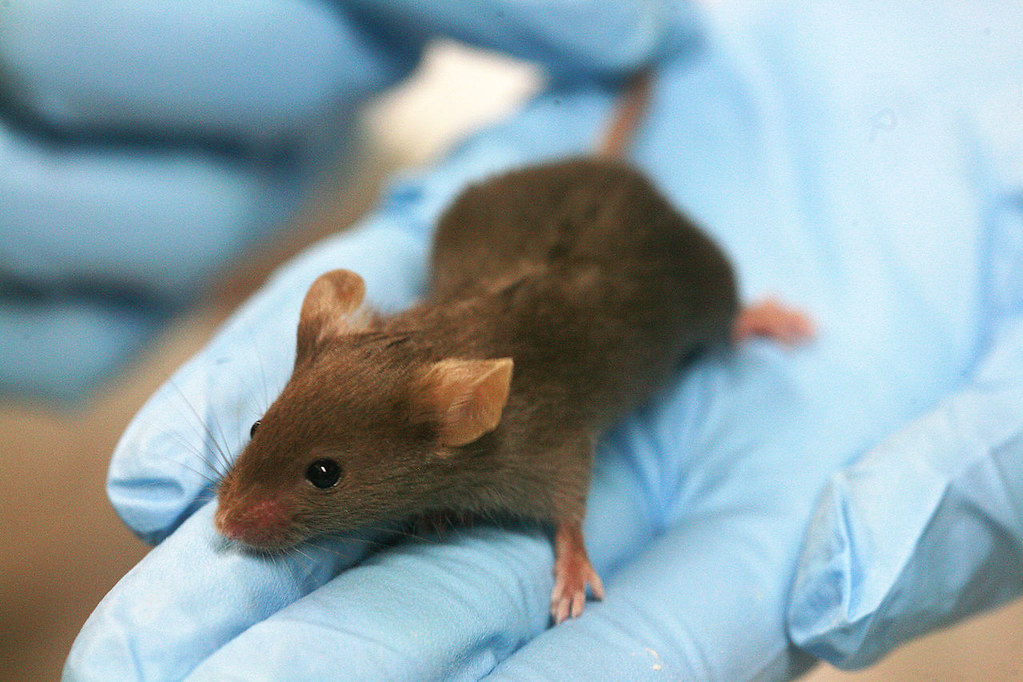
Researchers are challenging centuries-old beliefs about how mammals might regenerate damaged parts of the body. Research has led to a common belief that the single biggest key for limb regeneration is the presence of nerves, but new findings suggest this might not apply to mammals.
If we’re going to regenerate limbs in humans, it’s going to be a lot more like what happens in mice rather than what we see in salamanders. This insight is redirecting research efforts toward understanding mammalian-specific regenerative mechanisms rather than simply copying amphibian strategies.
Mechanical loading (the ability to apply force to or with an affected area) is a requirement for mammals, suggesting that human limb regeneration might need different triggers than those used by salamanders.
The Future of Human Regenerative Medicine
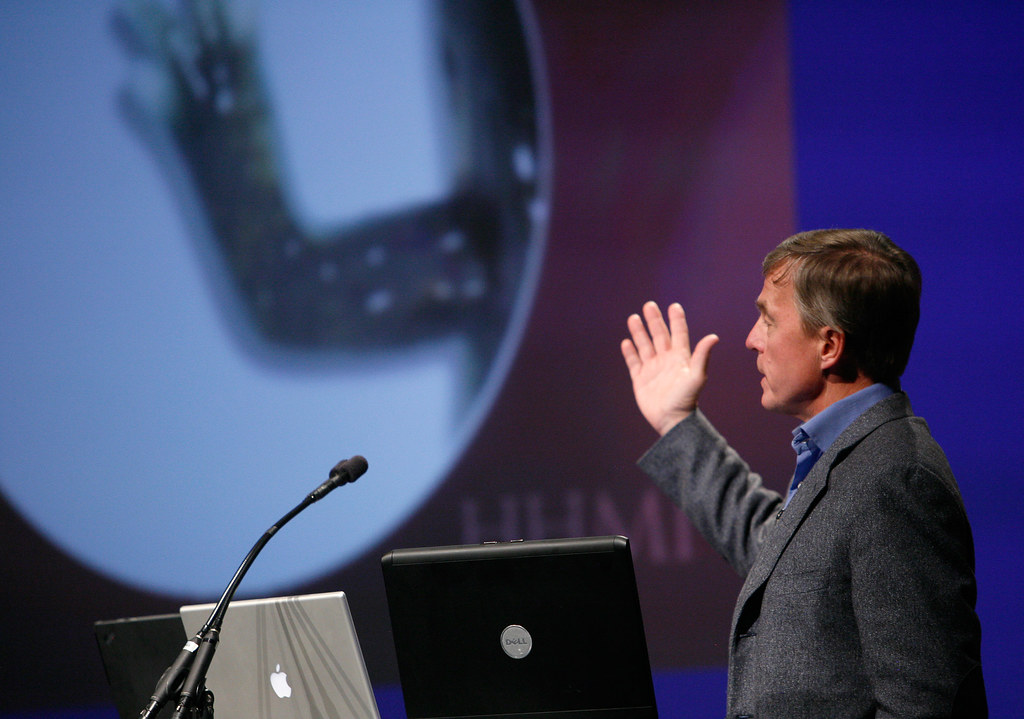
Current work on limb regeneration may someday render current techniques redundant, but researchers continue working to optimize function restoration for patients suffering limb loss. The limits of regenerative capacity in adult humans, particularly for limbs, retain influence on research and care.
We know that a newt can regenerate an entire limb in seven to 10 weeks, and scientists need to harness that knowledge through regenerative engineering approaches. Researchers are enthusiastic about the use of synthetic artificial stem cells as drivers for regeneration.
The field is rapidly evolving, with new discoveries challenging our assumptions about what’s possible. Scientists are no longer asking if humans can regenerate limbs, but rather when and how we’ll achieve this remarkable feat.
Conclusion
The dream of human limb regeneration is no longer confined to science fiction. From axolotls in laboratory tanks to starfish in tide pools, nature continues to teach us that the impossible might just be improbable. The genetic toolkit for regeneration still lies dormant within our DNA, waiting for the right combination of scientific understanding and technological innovation to awaken it.
As research accelerates and funding increases, the question isn’t whether humans will one day regrow limbs, but how soon this medical miracle will become reality. The next decade could witness the first successful human limb regeneration, forever changing how we think about injury, healing, and the remarkable potential hidden within our own bodies.
What do you think about the possibility of humans regenerating limbs? Tell us in the comments.