Think you know everything about dinosaurs? Get ready to have your prehistoric assumptions turned upside down. From Hollywood depictions to childhood textbooks, countless myths about these ancient giants have persisted for decades, despite mountains of evidence proving otherwise. Modern paleontology has shattered these long-held beliefs, revealing a far more fascinating and complex picture of life in the Mesozoic Era.
Scientists have spent decades correcting misconceptions that have shaped public understanding of dinosaurs. These discoveries haven’t just filled museum displays with new exhibits. They’ve fundamentally changed how we view these incredible creatures and their place in natural history.
Dinosaurs and Humans Never Coexisted
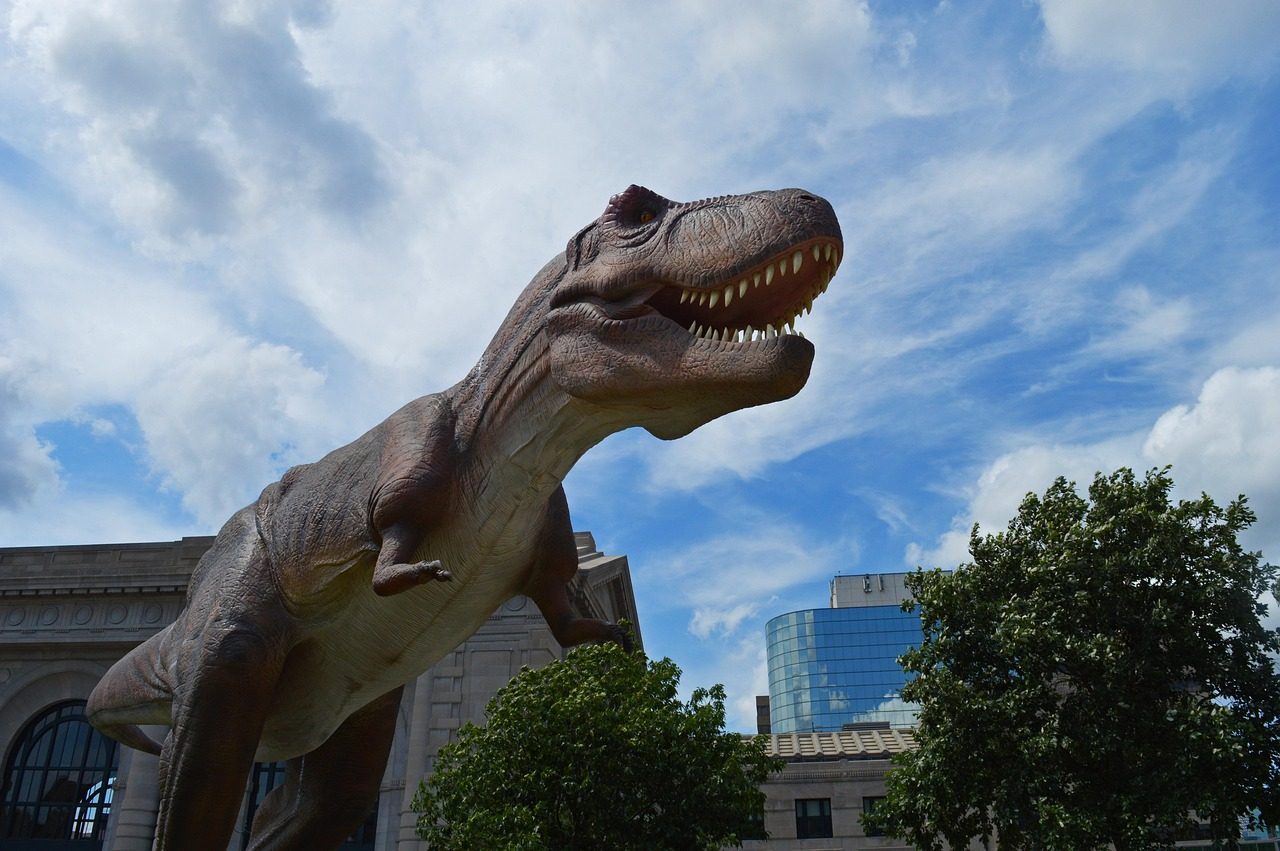
One of the most persistent myths claims that humans and non-avian dinosaurs shared the Earth at the same time. Human remains and artifacts simply do not occur in the same rock layers, and our earliest human ancestors evolved almost 60 million years after non-avian dinosaurs like Tyrannosaurus and Triceratops went extinct. This massive gap in time means that no caveman ever had to dodge an Allosaurus or hunt a Triceratops.
Showcasing clear, visual timelines or interactive online simulations can help students see that dinosaurs went extinct millions of years before humans appeared. The fossil record provides crystal-clear evidence of this separation. When paleontologists occasionally find human artifacts near dinosaur bones, these represent much later intrusions rather than contemporary burials.
Not All Dinosaurs Were Massive Giants
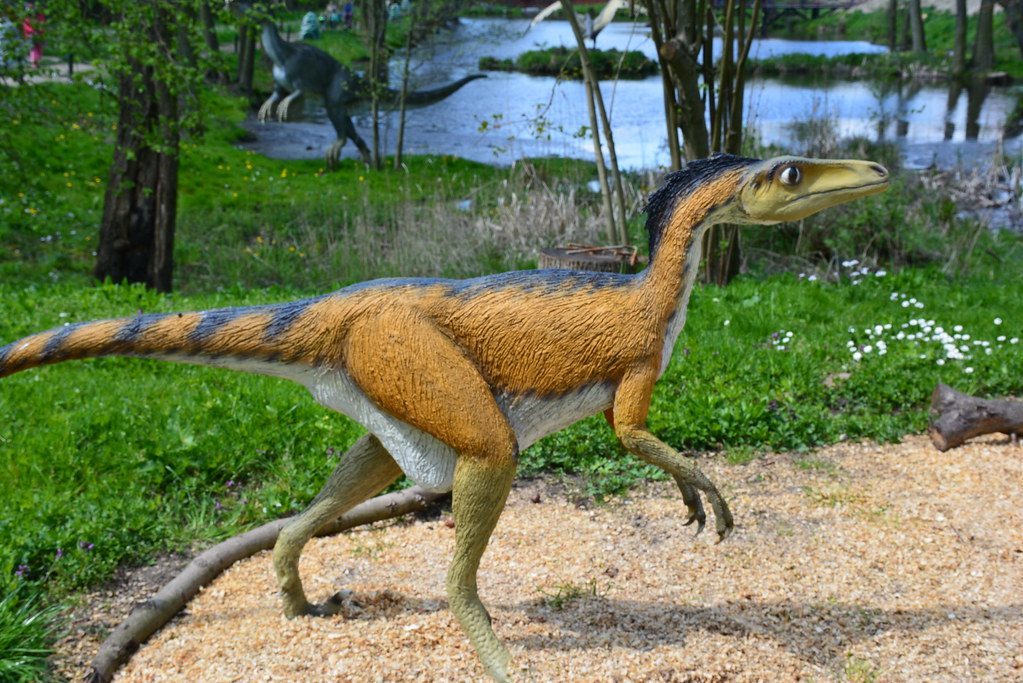
Hollywood loves to portray dinosaurs as colossal monsters that dwarfed everything around them. All dinosaurs were huge. The gigantic dinosaurs were indeed the largest creatures ever to live on land, but most dinosaurs were much smaller. Many species were no bigger than chickens, and some were even smaller than modern house cats.
Using printable size comparison charts and images from Britannica ImageQuest, students can visually grasp the vast range of dinosaur sizes, from the towering Argentinosaurus to the tiny Compsognathus. This incredible diversity in size reflects the varied ecological niches these animals occupied. Think of it this way: modern mammals range from tiny shrews to massive elephants, and dinosaurs showed similar variation across their 165-million-year reign.
Most Dinosaurs Were Warm-Blooded, Not Cold-Blooded Sluggards

For generations, people imagined dinosaurs as giant lizards that basked lazily in the sun to regulate their body temperature. This myth has largely been dispelled, but it wasn’t too long ago that people still believed dinosaurs to be lumbering, slow-moving beasts, dragging their tails along the ground as they stomped slowly along. Recent chemical analysis of dinosaur bones has revolutionized this understanding completely.
Scientists think we have a consensus, that most dinosaurs were warm-blooded. The research showed that most dinosaurs like Plesiosaurus, Tyrannosaurus rex, Diplodocus and Allosaurus were warm-blooded, but other famous species like Stegosaurus and Triceratops were cold-blooded. She says we now can picture dinosaurs as creatures with more avian features – agile, full of energy and constantly in need of food. This discovery explains why these animals could thrive in diverse environments and maintain such active lifestyles.
Many Dinosaurs Sported Colorful Feathers
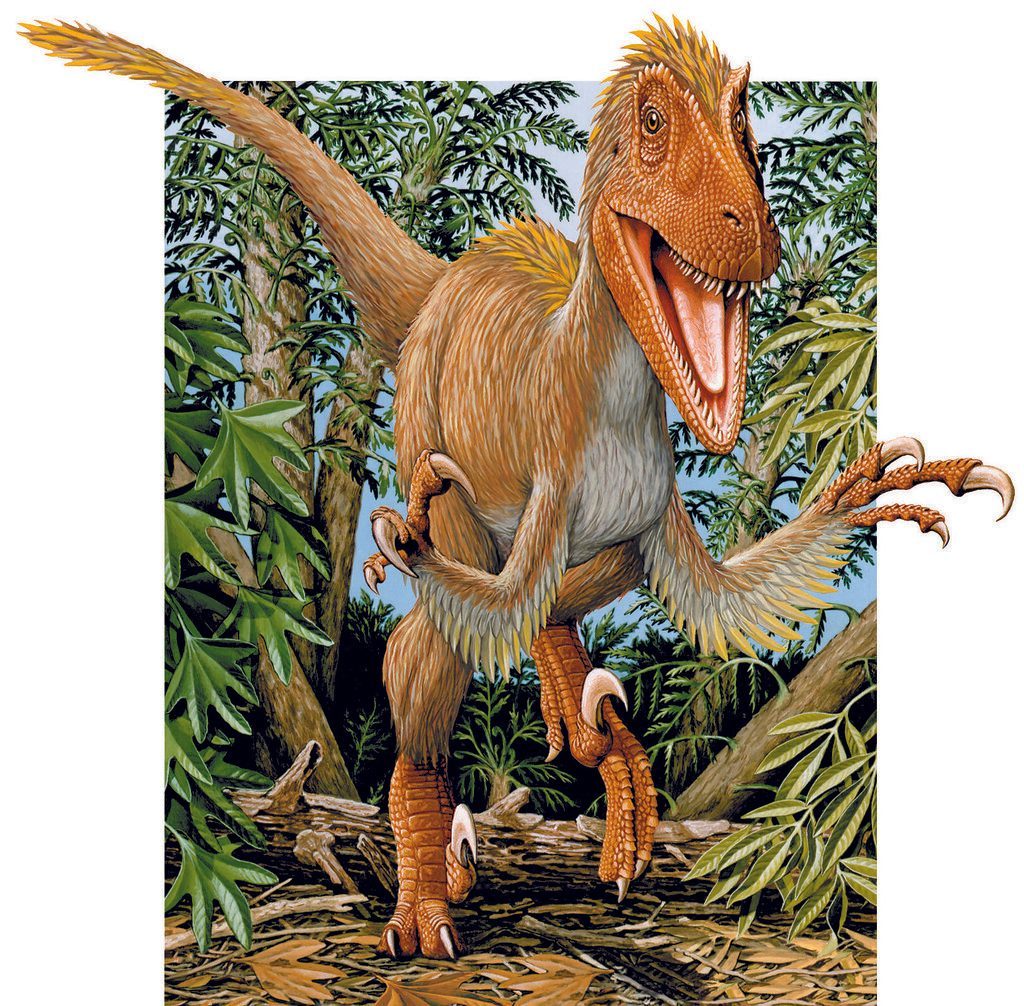
Forget the scaly, drab-green monsters of old movies. Dinosaurs were actually quite colorful. Amazingly, paleontologists can tell what colors some of them were because they’ve found really well-preserved fossilized feathers containing structures called melanosomes. These held pigments, and their different shapes and arrangements indicate what colors they were. Scientists can now determine specific color patterns from fossil evidence.
In 2011, samples of amber were discovered to contain preserved feathers from 75 to 80 million years ago during the Cretaceous Period. And in 1996, scientists in China unearthed Sinosauropteryx, the first feathered theropod that is part of the lineage leading to modern birds. For example, a small carnivorous dinosaur in northeastern China called a Sinosauropteryx probably had a striped brown tail and a raccoon-like bandit mask. These discoveries paint a vivid picture of a Mesozoic world filled with vibrant, feathered creatures that would have rivaled any tropical bird in their beauty.
Dinosaurs Didn’t All Live at the Same Time
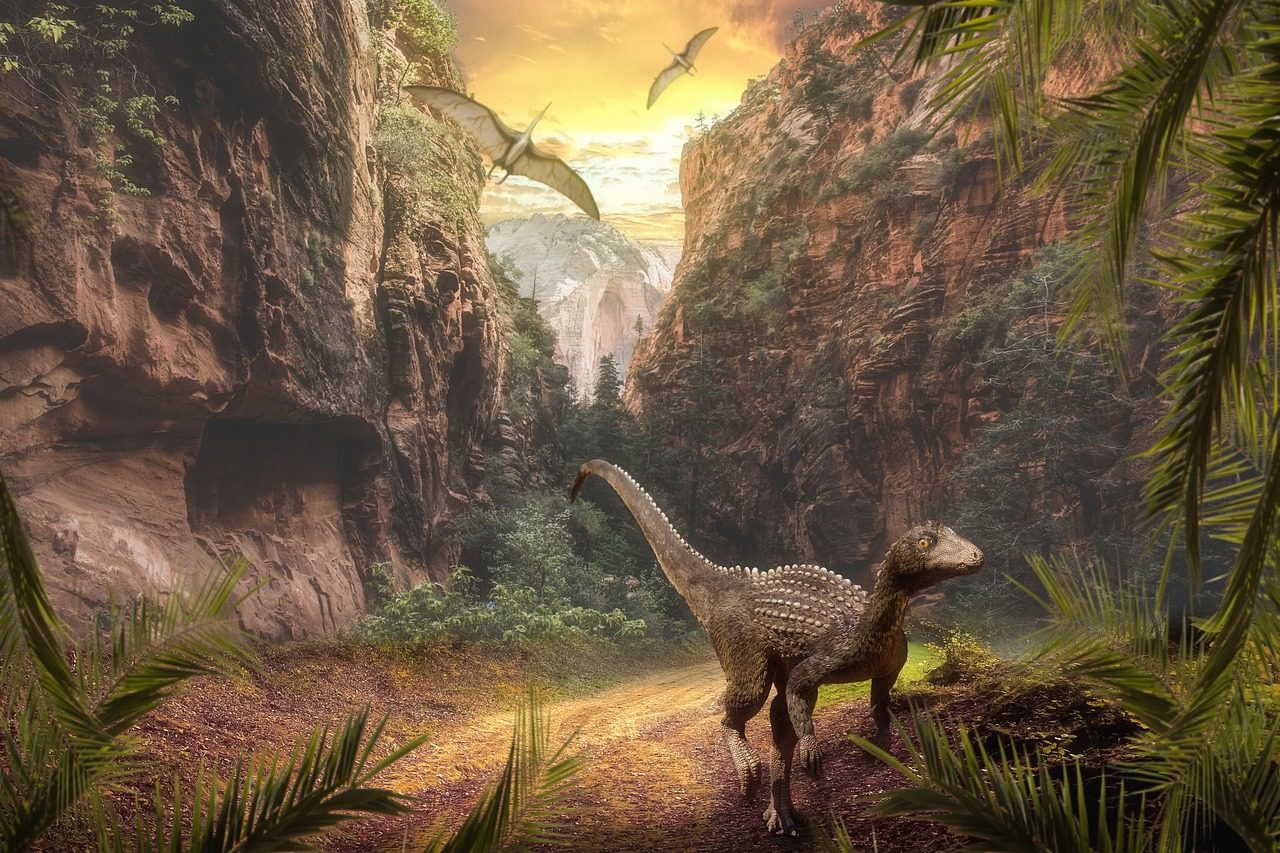
Many people picture the Age of Dinosaurs as one big prehistoric party where every species mingled together. The Mesozoic Era stretched over 180 million years, with different dinosaurs appearing and becoming extinct at various times. Create a classroom timeline where students can map out when popular dinosaurs like the Stegosaurus and the T-rex lived. The reality involves vast time separations between different dinosaur groups.
The ‘Age of Dinosaurs’ (the Mesozoic Era) included three consecutive geologic time periods (the Triassic, Jurassic, and Cretaceous Periods). Different dinosaur species lived during each of these three periods. For example, the Jurassic dinosaur Stegosaurus had already been extinct for approximately 80 million years before the Tyrannosaurus appeared. This temporal separation means that Stegosaurus and T. rex were as far apart in time as we are from T. rex today.
Sauropods Were Land Dwellers, Not Swamp Creatures
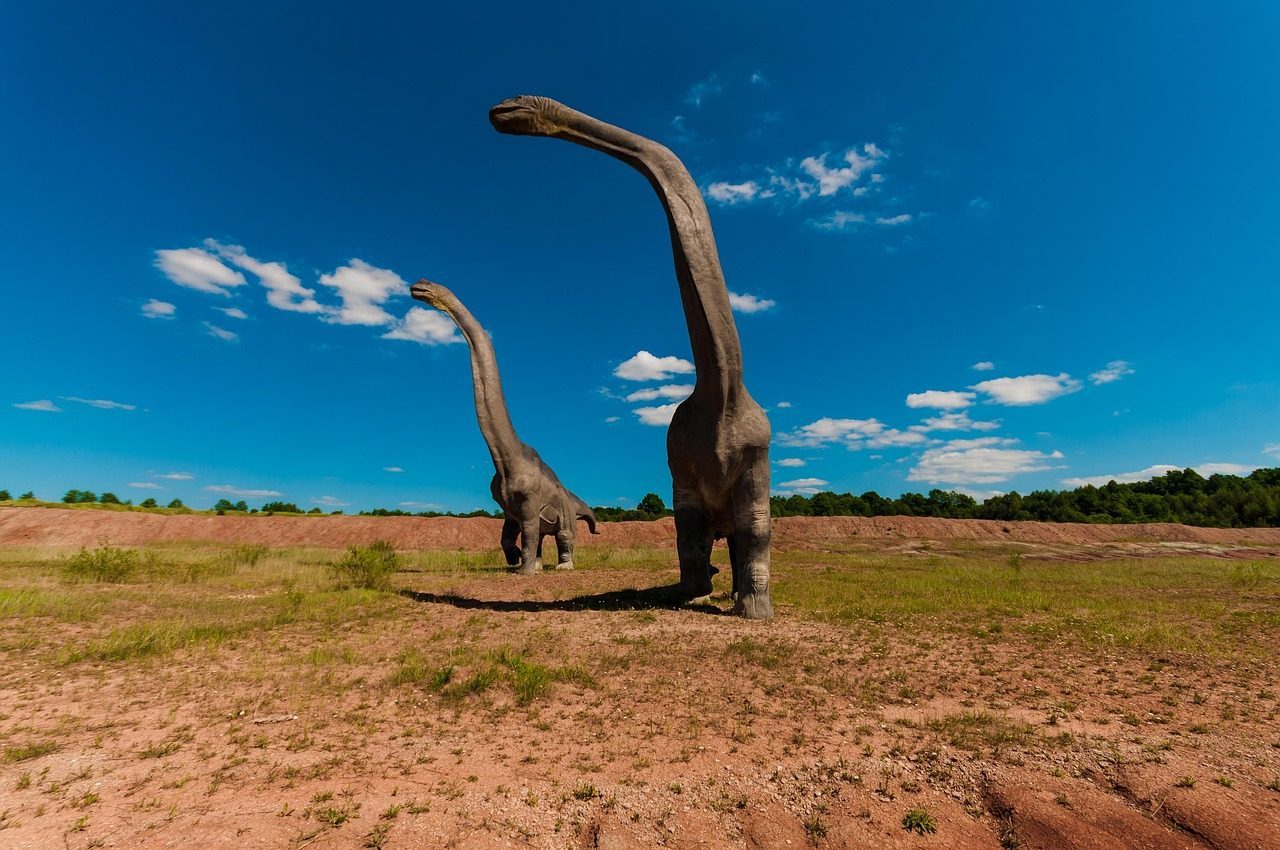
Early paleontologists thought massive sauropods like Brachiosaurus spent their lives submerged in swamps and lakes. For a long time, people thought big sauropod dinosaurs like Brachiosaurus and Apatosaurus must have lived their entire adult lives in shallow water. Without the buoyancy of water, how could these enormous 50-ton creatures ever have moved around? They had to live in shallow water, right? This assumption seemed logical given their incredible size and weight.
Like all dinosaurs, they lived on land, perfectly capable of negotiating their environment with well-muscled bodies and strong, graviportal limbs. Modern biomechanical studies show that these giants possessed incredibly efficient skeletal structures designed for terrestrial life. Their massive legs worked like living pillars, distributing weight effectively across solid ground rather than requiring water support.
Pterosaurs Weren’t Actually Dinosaurs
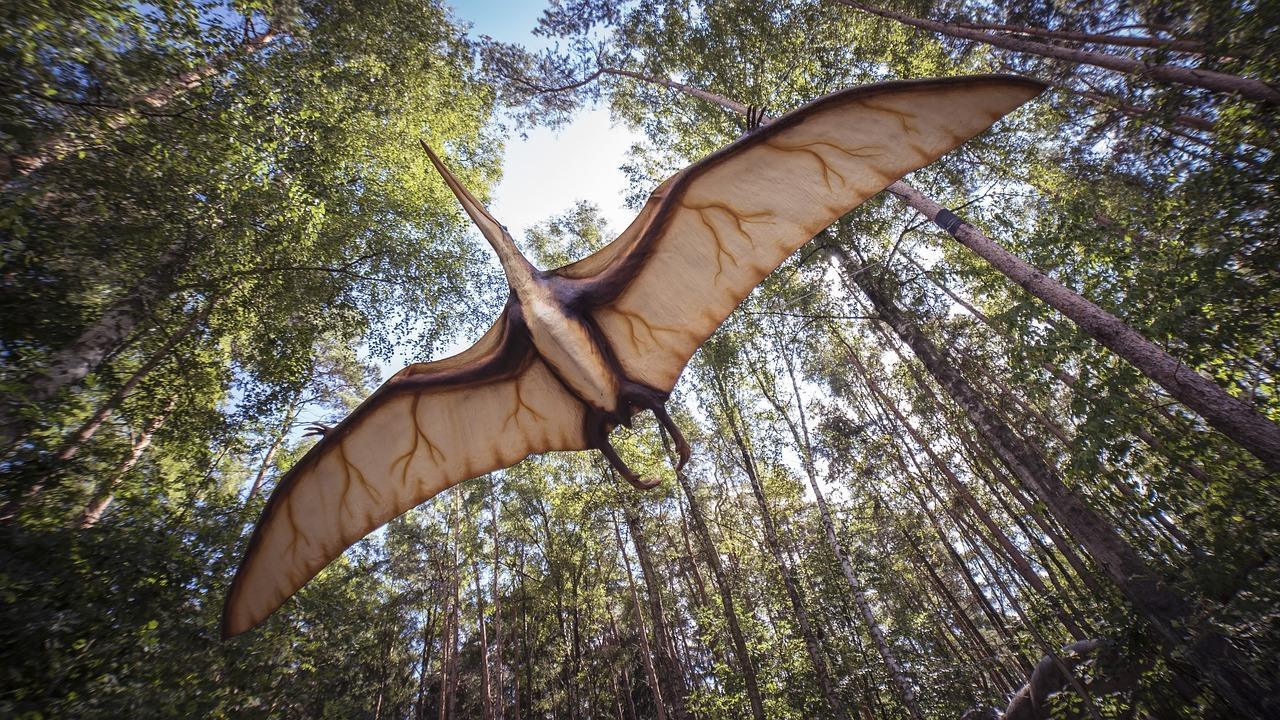
Those magnificent flying reptiles soaring through Mesozoic skies weren’t technically dinosaurs at all. A lot of people think of the Pterosaur, like the iconic Pteranodon, as being a flying dinosaur. All dinosaurs were terrestrial creatures…with thousands of species living out their lives for millions and millions of years as land-dwellers. This misconception persists because both groups dominated prehistoric landscapes simultaneously.
Pterosaurs belonged to a separate branch of archosaurs that evolved flight independently from dinosaurs. While dinosaurs eventually gave rise to birds through one specific lineage, pterosaurs represented a completely different evolutionary experiment in powered flight. These flying reptiles ranged from sparrow-sized creatures to giants with wingspans exceeding modern airplanes, but they remained distinctly separate from true dinosaurs throughout their existence.
T. Rex Wasn’t the Ultimate Apex Predator
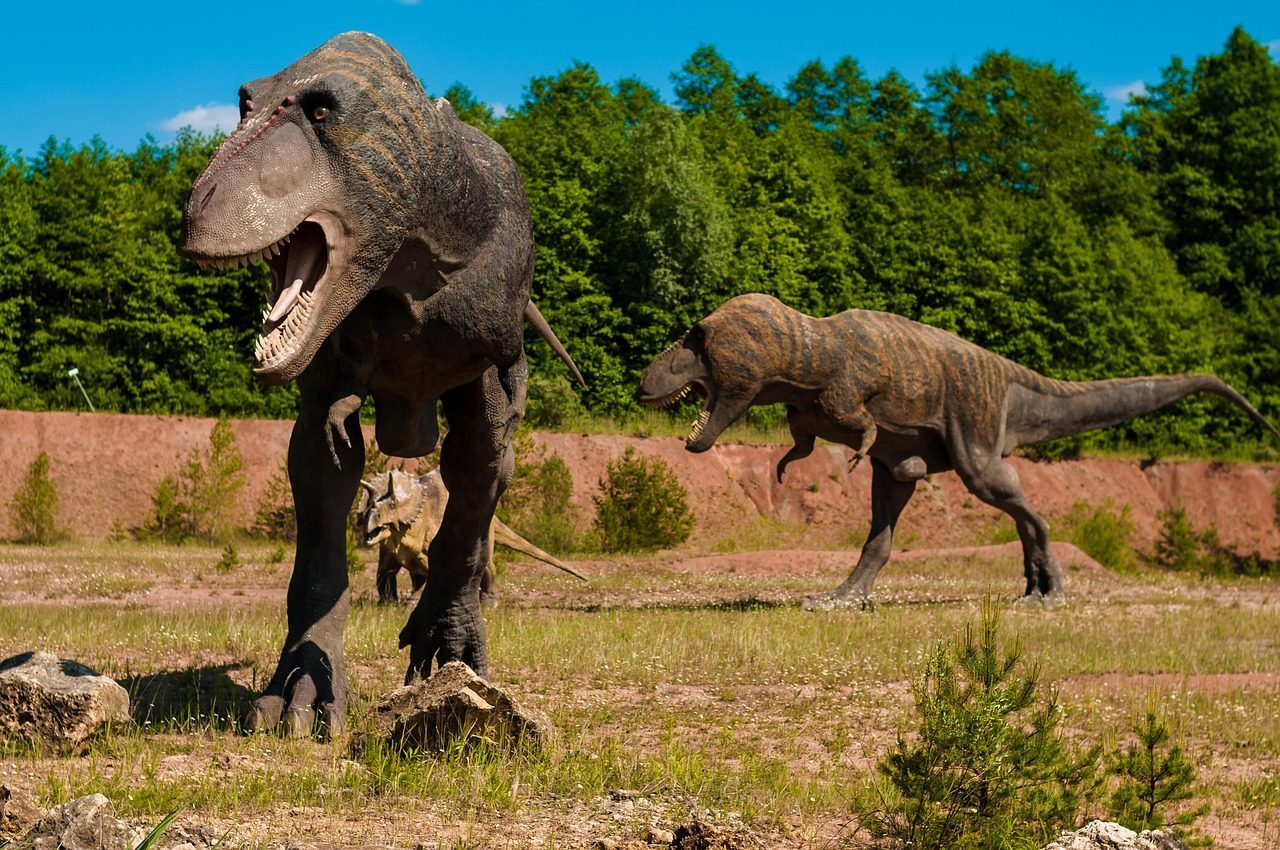
Tyrannosaurus rex enjoys legendary status as the most fearsome predator ever to walk the Earth. The Tyrannosaurus rex is often depicted as the largest and most fearsome predator to have ever walked the Earth. While it is undoubtedly one of the most famous and iconic dinosaurs, it was not the largest predatory dinosaur. Recent discoveries have shown that other large theropods, such as the Spinosaurus and Giganotosaurus, likely rivaled or even exceeded the T-Rex in terms of size.
These discoveries reveal a far more complex ecosystem of massive predators. Spinosaurus, with its distinctive sail and semi-aquatic lifestyle, likely exceeded T. rex in overall length. Giganotosaurus and Carcharodontosaurus also challenged T. rex’s supremacy in different regions and time periods. Rather than one supreme ruler, the Mesozoic featured multiple apex predators adapted to different environments and prey species.
Mammals and Dinosaurs Actually Lived Side by Side
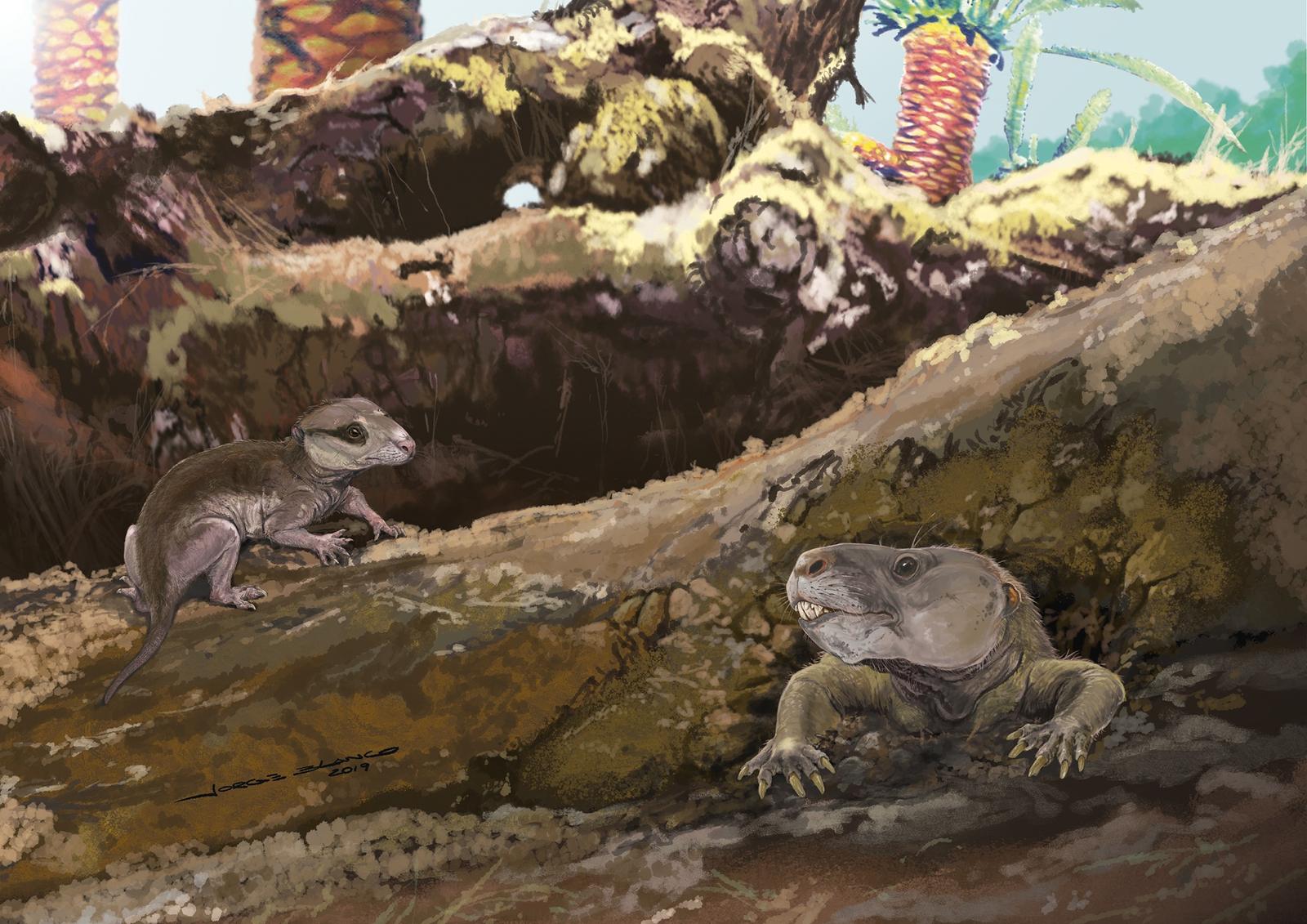
Contrary to popular belief, mammals didn’t simply appear after dinosaurs vanished. Many people believe that mammals never co-existed with dinosaurs and evolved after the non-avian dinosaurs went extinct 66 million years ago. But they sure did! During the Mesozoic Era, while dinosaurs were the rulers of the earth, many species of small, rodent-like mammals were scurrying around underfoot.
Actually, mammals and dinosaurs appeared around the same time, with dinosaurs appearing about 230 million years ago and mammals around 225-220 million years ago, and for 150 million years, they evolved side-by-side – but mammals hid in the underbrush and came out at night, never getting larger than the size of an opossum. Only after extraordinary events took out the dinosaurs 66 million years ago did mammals inherit an Earth without large animals to compete with. This long coexistence shows that mammals survived by occupying ecological niches that didn’t directly compete with their giant contemporaries.
Dinosaurs Are Still Among Us Today
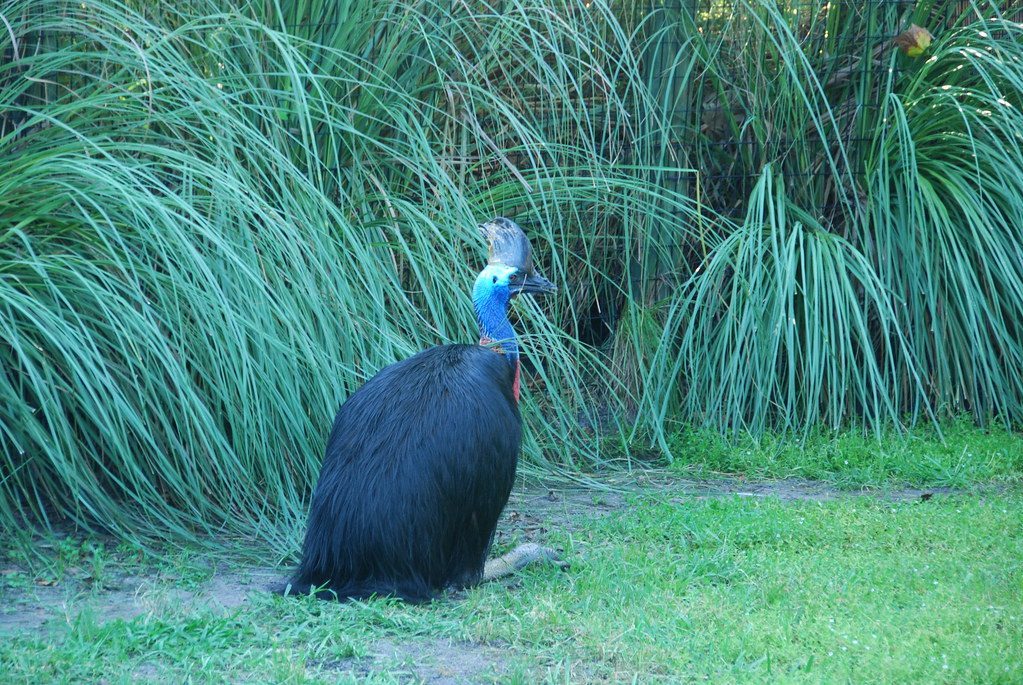
Here’s the ultimate plot twist that science has revealed: dinosaurs never actually went completely extinct. There was definitely a mass extinction event 66 million years ago, and it did spell the end for most dinosaur species. But not all. Today’s birds evolved from dinosaurs, which makes them every bit as much of a dinosaur as T. rex or Triceratops. A good analogy is bats. One huge family of dinosaurs survived the catastrophe at the end of the Cretaceous Period. The birds!
There are more species of birds alive today (at least 10,000) than any other group of land-living animals with backbones. Every time you see a cardinal at your bird feeder or hear a crow cawing, you’re witnessing living dinosaurs. If you listen at a window, you’re likely to hear the call of a modern avian dinosaur in your own backyard. Birds represent the most successful dinosaur lineage, having survived for over 150 million years and continuing to thrive in virtually every environment on Earth.
These revelations about dinosaurs showcase how scientific discovery constantly reshapes our understanding of the natural world. Rather than the slow, dim-witted reptilian giants of old misconceptions, dinosaurs emerge as dynamic, diverse, and remarkably successful animals that dominated Earth for an incredible span of time. They evolved complex social behaviors, sophisticated thermoregulation, vibrant displays, and ultimately gave rise to one of the most successful animal groups alive today.
What’s your biggest surprise from these dinosaur myth-busters? Did any of these scientific discoveries completely change how you picture these ancient giants?